

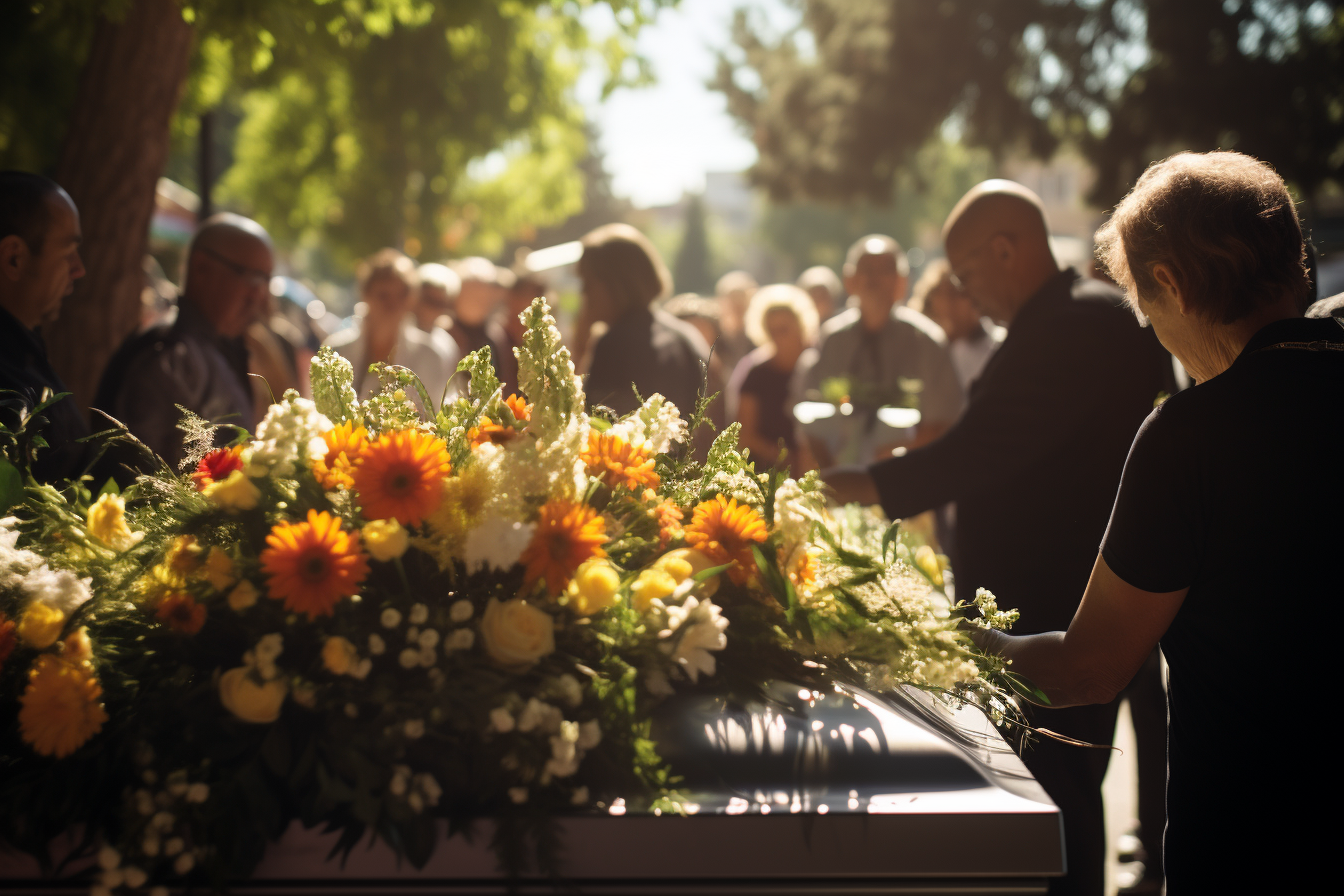
Among Latin American nations, Costa Rica stands out for the maturity of its end-of-life care infrastructure, having woven palliative care into the fabric of its public health insurance system — the CCSS — since the early 1990s. When a death occurs in Costa Rica, it must be formally recorded with the Civil Registry (Registro Civil), which operates under the Tribunal Supremo de Elecciones. Foreign nationals are also expected to inform their home country’s embassy without delay. Every expat living in Costa Rica is strongly encouraged to prepare in advance by drawing up a locally valid will, a power of attorney, and an advance directive before the need arises.
| Item | Details |
|---|---|
| Public palliative care system | Integrated into the CCSS (Caja Costarricense de Seguro Social); free to enrolled members (as of 2024) |
| Palliative care programme established | 1990 (paediatric); 1991 (adult) |
| Death registration authority | Registro Civil (Civil Registry), under the Tribunal Supremo de Elecciones |
| Temporary death certificate | Issued initially in Spanish; certified copy available from the Registro Civil after approximately 2–3 months |
| Autopsy requirement | Mandatory for sudden, suspicious, or accidental deaths under Costa Rican law |
| Euthanasia / assisted dying | Not legal in Costa Rica (as of 2025) |
| Inheritance tax | No general inheritance tax in Costa Rica (as of 2025); verify current rules with a local attorney |
What end of life care options are available in Costa Rica, and how does the system work?
The cornerstone of healthcare delivery in Costa Rica is the Caja Costarricense de Seguro Social (CCSS), the autonomous public body responsible for financing, purchasing, and administering the vast majority of personal health services across the country. End-of-life care is firmly embedded within this structure, which means that most Costa Ricans — along with expatriate residents who have enrolled in the system — receive their palliative and terminal care through CCSS facilities.
The range of end-of-life care options encompasses inpatient hospital wards, specialist palliative care clinics, and home-based programmes for patients whose condition can be appropriately managed outside an institutional setting. Services are delivered across both clinical environments and patients’ own homes. Those with private health insurance or sufficient personal funds can alternatively access end-of-life services through private hospitals and clinics, which typically offer reduced waiting times and a more individualised setting.
Palliative care delivery in Costa Rica frequently involves hospital-based teams who extend their work into primary care centres, creating what are known as multilevel services. This model — which Costa Rica shares with Uruguay and Chile — is the most prevalent arrangement in the country. The practical result is that patients can be supported by a consistent, multidisciplinary team as they move between different care environments throughout the course of their illness.
What is palliative care in Costa Rica, and who is eligible for it?
In Costa Rica, palliative care is conceived as a form of active, holistic, and interdisciplinary support for patients whose condition no longer responds to curative intervention, or who are living with pain that cannot be adequately controlled. It places the improvement of quality of life at its centre, addressing not only physical symptoms but also the psychological, social, and spiritual dimensions of the patient’s experience right up to the end of life.
The national pain control and palliative care programme has been running since 1991. The origins of palliative care in the country go back to 1990, when a dedicated paediatric palliative care unit — the first in Latin America — was opened at the National Children’s Hospital. Eligibility for these services within the CCSS is determined primarily by clinical need, usually a terminal or seriously life-limiting diagnosis. It is not restricted by the patient’s age, nationality, or country of origin, provided the individual is enrolled in the CCSS system.
The CCSS has committed in its strategic planning to expanding palliative care provision, backed by a growing network of pain management clinics distributed around the country. These clinics collectively deliver an estimated 18,000 consultations each year. Expats who contribute to the CCSS as legal residents — whether as employees, self-employed contributors, or voluntary affiliates — are entitled to access these services on the same basis as Costa Rican nationals.
Are there hospices in Costa Rica, and how do you access them?
Standalone residential hospice facilities of the kind familiar to people from the UK or Canada are not widespread in Costa Rica. Rather than separate hospice buildings, the model that has taken root here integrates palliative support within hospital units and community-based home care programmes. The Fundación Pro Unidad de Cuidado Paliativo (Pro Palliative Care Unit Foundation) is one of the most prominent non-governmental bodies operating in this field, offering physical, medical, social, spiritual, and psychological support, with a particular focus on paediatric care.
Entry into the public palliative care system requires a referral from a treating physician or CCSS specialist. Patients with a terminal diagnosis are generally referred through their oncologist, general practitioner, or the hospital team managing their care. At the national level, the coordination and planning of palliative services is overseen by the National Council for Palliative Care, established in 2008, which brings together representatives from the Ministry of Health, the CCSS, the National Centre for Pain Control and Palliative Care, and the Costa Rican Palliative Care association.
Anyone seeking private hospice-style care should approach a private hospital or specialist palliative care provider directly. Within the San José metropolitan area, private facilities generally offer a broader range of services — including home nursing support — than those available in Costa Rica’s more rural regions.
Is palliative or hospice care covered by public health insurance in Costa Rica, or does it need to be funded privately?
Palliative care in Costa Rica falls within the universal social security framework. For enrolled members of the CCSS, inpatient stays, medications, and specialist consultations are provided at no direct cost, and various NGOs offer supplementary assistance. This represents a considerable advantage over many countries where patients and families face significant out-of-pocket expenditure on palliative services. Expat residents who contribute to the CCSS should not face direct charges for publicly delivered palliative care.
To access the public system as an expatriate, you must hold asegurado (insured) status with the CCSS. Legal residents of Costa Rica — including those on pensionado, rentista, and other residency visas — are required to enrol and make monthly contributions. The level of contributions varies according to income and residency category; consult the official CCSS website for the most current rates, which are revised periodically.
Expats who have not enrolled in the CCSS, or who are present in Costa Rica on tourist or short-stay visas, will need to rely on private health insurance or personal funds to cover palliative or end-of-life care. Private palliative provision in Costa Rica is generally more comfortable and responsive than the public alternative, but costs can be considerable — broadly comparable to private medical care in parts of southern Europe or Latin America. It is essential to review your private insurance policy carefully in advance to confirm whether it covers terminal illness, palliative care, extended inpatient stays, and repatriation.
What legal documents should expats have in place before the end of life in Costa Rica — such as a living will, advance directive, power of attorney, or healthcare proxy — and how do these work?
Arranging the appropriate legal documentation well in advance is among the most consequential steps any expat can take. In Costa Rica, the essential documents are: a will (testamento), a general power of attorney (poder general) or a dedicated healthcare power of attorney, and an advance directive (directriz anticipada de voluntad) — sometimes referred to as a living will — which records your preferences regarding medical treatment in the event you can no longer communicate them yourself.
Any will intended to govern assets held in Costa Rica must be prepared in accordance with Costa Rican law. The country recognises both notarial wills (prepared by a Costa Rican notary public) and international wills. For locally held assets, a will drafted and processed through a Costa Rican notario público is the most practical and legally secure route. Without such a document, your estate in Costa Rica may be distributed under the country’s intestacy rules, regardless of any will you have drawn up elsewhere.
A power of attorney authorises a trusted individual — whether a family member, close friend, or legal professional — to handle your legal, financial, and medical affairs should you become incapacitated. In Costa Rica, powers of attorney are executed before a notary and registered accordingly. A healthcare POA specifically empowers a named person to make medical decisions on your behalf. The legal framework for such arrangements is reinforced by Costa Rica’s Constitutional Chamber, which issued a landmark ruling in 1994 affirming the right of terminally ill patients to a dignified and pain-free death.
An advance directive in Costa Rica records your wishes regarding life-sustaining measures, resuscitation (DNR orders), pain management, and other end-of-life decisions. It should be prepared with the assistance of a Costa Rican attorney (abogado) and signed before a notary to ensure it carries legal weight. Copies should be lodged with your treating physician, your legal representative, and a trusted family member or friend.
Are documents such as advance directives or powers of attorney made in another country legally recognised in Costa Rica?
Foreign legal documents — including wills, advance directives, and powers of attorney — do not carry automatic legal recognition in Costa Rica simply by virtue of being valid in their country of origin. Costa Rica applies its own legal requirements, and a document that is entirely effective in another jurisdiction may encounter significant obstacles if a Costa Rican hospital, bank, or court is asked to act upon it without proper legalisation.
For a foreign legal document to be used in Costa Rica, it generally needs to be apostilled (if the issuing country is a signatory to the Hague Apostille Convention) or formally legalised through a consular procedure, and then officially translated into Spanish by a sworn translator (traductor oficial) registered with the Costa Rican Ministry of Foreign Affairs. Spanish is the official language of Costa Rica, and while English is in widespread use, the authorities are under no obligation to provide official documents or act on materials in any language other than Spanish.
Even a foreign advance directive that has been properly apostilled and translated may not be readily understood or acted upon by Costa Rican hospital staff in an emergency situation. The most reliable course of action is to have a Costa Rican attorney prepare Spanish-language versions of all key legal documents, even if these simply mirror the substance of equivalent documents you already hold from another country. Seek out a bilingual Costa Rican lawyer (abogado) with experience in advising expatriates to ensure your documents are properly structured and appropriately registered.
What are the laws around euthanasia or assisted dying in Costa Rica?
Euthanasia and assisted dying are prohibited under Costa Rican law. The country’s legal and ethical landscape — heavily influenced by its deep Catholic heritage and constitutional protections for the right to life — does not permit any medical professional or other individual to intentionally bring about a patient’s death, even where the patient has explicitly requested it.
That said, Costa Rica’s Constitutional Chamber (Sala IV) has drawn an important distinction by affirming the right to a dignified death. Among its most significant rulings was a 1994 decision enshrining the entitlement of terminally ill patients to die with dignity and free from unnecessary pain. In practical terms, this means patients have a legal right to decline or discontinue treatment, to receive appropriate pain relief, and to be protected from futile or disproportionate life-prolonging interventions — a principle sometimes described as orthothanasia, or the allowance of a natural death. This is legally and ethically distinct from euthanasia or assisted dying.
Within this framework, a properly drafted Do Not Resuscitate (DNR) order or an advance directive requesting that life-prolonging treatment be withheld can be respected by Costa Rican healthcare providers. If you hold strong views about how you wish to be treated at the end of your life, make sure these are discussed openly with your doctor and recorded in writing.
What are the local customs, traditions, and religious practices around death and dying in Costa Rica?
Costa Rica is a predominantly Catholic nation, and Catholic belief and practice pervade many of the rituals surrounding death. The majority of the population identifies as Roman Catholic, and religious observances — including last rites, funeral masses, and prayers for the dead — are widespread and deeply meaningful to many families. At the same time, the country is home to substantial evangelical Protestant communities and a growing number of people who hold secular views, so customs can vary considerably from family to family.
The velorio (wake) occupies a central place in Costa Rican mourning culture. The deceased is typically kept at the family home or at a funeral parlour for one to two nights, during which relatives, friends, and neighbours come together to grieve, pray, and offer their condolences. These gatherings often combine solemnity with a sense of communal solidarity, with food and coffee customarily provided. Attending the velorio of a colleague, neighbour, or acquaintance — even for a short time — is considered a mark of respect.
Burial remains more common than cremation, though the latter is available and gaining broader acceptance, particularly in urban settings. Cemeteries — both municipal and private — hold an important place in community life, and Día de los Difuntos (All Souls’ Day, 2 November) is widely observed. On this day, families visit graves to tidy them, leave flowers, and pray, treating it as a time of communal remembrance rather than private mourning alone.
For expatriates, it is worth knowing that grief support and bereavement counselling is accessible both through the CCSS and through non-governmental organisations. Mutual support groups for bereaved families exist, and professional psychological support is made available to those close to patients with advanced illnesses who no longer have prospects of recovery.
What must you do when someone dies in Costa Rica? Who do you notify, how quickly, and in what order?
A death in Costa Rica sets in motion a series of legal obligations and practical tasks. Speed matters: Costa Rican law requires that deaths be registered quickly and that the body be handled in accordance with established procedures. The following outlines the steps to take in order:
- Summon medical assistance or emergency services without delay. If death occurred at home following an expected terminal decline, contact the deceased’s treating doctor or the nearest CCSS facility. If the death is sudden, unexplained, or of unclear cause, call emergency services (911). Under Costa Rican law, deaths resulting from suspicious, sudden, or accidental circumstances require a mandatory autopsy.
- Secure a medical certificate of death (certificado médico de defunción). A licensed doctor must formally certify the death. This certificate is the foundational document for all subsequent steps. Where an autopsy is ordered, the certificate may initially be issued stating “Cause of Death — Still Under Study.”
- Engage a funeral home (funeraria). The funeral home assumes responsibility for the body and coordinates transport, embalming, preparation for burial or cremation, and — if needed — preparation for international repatriation. Costa Rica’s principal mortuary is located in San Joaquín de Flores, Heredia, and is equipped with cold storage capable of preserving remains for up to two months.
- File the death with the Civil Registry (Registro Civil). Civil registration records in Costa Rica are held in a single national repository within the Vital Registry, which operates under the Tribunal Supremo de Elecciones. Registration should be completed within a few days of the death at the local Registro Civil office in the relevant municipality.
- Obtain the official death certificate. An initial temporary death certificate is issued in Spanish. A certified copy from the Registro Civil becomes available after approximately two to three months. Request several certified copies, as they will be needed for insurance claims, estate administration, and consular notifications.
- Inform the deceased’s home country embassy or consulate. Where the deceased was a foreign national, the relevant embassy in San José should be contacted as promptly as possible — ideally within 24 to 48 hours (further details are provided in the section below on consular matters).
- Notify banks, insurers, and other relevant institutions. Inform any Costa Rican financial institutions, insurance companies, pension bodies, and property registries of the death. If the deceased held assets or real estate in Costa Rica, instruct a Costa Rican attorney to begin the estate administration process. Also notify the CCSS to close the deceased’s health insurance account.
- Proceed with funeral arrangements. Work with the funeral home to organise burial — either locally or in the deceased’s country of origin — or cremation. If repatriation of remains is planned, initiate the consular and documentary procedures in parallel with funeral arrangements (see the relevant section below).
How is a death officially registered in Costa Rica, and what documents are needed?
The civil registration of deaths in Costa Rica falls under the authority of the Tribunal Supremo de Elecciones (Supreme Electoral Court), whose Civil Registry Archive is responsible for maintaining these records. Registration takes place at the local Registro Civil office in the municipality where the death occurred, or at the national registry office in San José.
The documents ordinarily required to complete a death registration include: the medical certificate of death issued by a licensed physician; the deceased’s identity document — a national identity card for Costa Rican citizens, or a passport for foreign nationals; and documentation confirming the identity of the person lodging the registration, typically a family member or legal representative. Where the death was not from an infectious disease, or where this detail was not addressed in an autopsy report, a certificate to that effect may also be required.
If an autopsy has been performed, the initial death certificate will record “Cause of Death — Still Under Study” until the examination results are finalised and a definitive certificate is issued. Death certificates are produced in Spanish. For those who need certified copies for use outside Costa Rica, applications can be submitted to the Costa Rica National Registry online. It is advisable to obtain multiple certified copies from the outset, as foreign institutions, insurers, and courts tend to each require an original.
What happens if a foreign national dies in Costa Rica — what are the specific steps for notifying their home country’s embassy or consulate, and what role does the consulate play?
When a foreign national passes away in Costa Rica, their home country’s embassy or consulate in San José should be contacted as swiftly as possible — ideally within 24 to 48 hours of the death. Most major countries maintain a full embassy in San José; smaller nations may be served by honorary consuls or covered by an embassy located in a neighbouring country. Current contact details can be found on the relevant government’s foreign affairs ministry website.
The consulate’s role is primarily one of guidance and documentation — consular staff are not in a position to take over practical arrangements, but they provide indispensable assistance with formal procedures. Taking the US Embassy as an illustrative example: the embassy can supply information to funeral homes to facilitate local burial or the preparation of remains for international shipment, assist next of kin or legal representatives in returning the deceased’s personal belongings, and issue an electronic Consular Report of Death Abroad (CRODA), which functions as a death certificate in the home country for probate and other legal purposes.
The embassy typically requires the original Certificate of Death from the Civil Registry, proof of the relationship between the next of kin and the deceased (such as a marriage certificate, birth certificate, or last will and testament), and documentation to support the issuance of the CRODA, which is generally produced within two to four weeks of receiving the complete documentation.
British nationals are not required to separately register the death with UK authorities. The Costa Rican death certificate can generally be used in the UK for most purposes, including probate, though a certified English translation will be needed if the document is presented in Spanish. Citizens of other nationalities should confirm the applicable procedures with their own embassy, as requirements differ between countries.
How are funerals typically arranged in Costa Rica, and what are the usual options for burial or cremation?
Funerals in Costa Rica are organised through private funeral homes (funerarias), which manage the entire process from collecting and preparing the body to coordinating the velorio (wake), the funeral service, burial or cremation, and — where required — preparing remains for international transport. There is no state funeral service; all arrangements are made on a commercial basis through a family’s chosen funeral provider.
The most traditional option is burial in a municipal or private cemetery. Municipal cemeteries (cementerios municipales) are generally affordable, while plots in privately run or church-managed cemeteries tend to be more costly. There are no nationality or residency restrictions on burial in Costa Rican cemeteries, so expatriates wishing to be interred in Costa Rica are free to do so.
Cremation is available in Costa Rica, primarily through private funeral service providers, and is gaining wider acceptance — particularly in cities. Once cremated, ashes may remain in Costa Rica or be transported internationally, subject to the regulations of the destination country. Several private crematoria operate in the San José area; the funeral home will manage the coordination of this process. An affidavit from the funeral home confirming that cremation or embalming was performed at their premises will be required if the remains are to be transported across international borders.
What are the approximate costs of a funeral in Costa Rica, and are there any state or insurance-based funds that can help cover them?
Funeral costs in Costa Rica differ markedly depending on the level of service, the funeral home chosen, and whether burial or cremation is selected. As a broad guide (based on 2024–2025 figures), a basic funeral comprising a simple coffin, transportation, and burial in a municipal cemetery might cost in the region of USD $1,500 to $3,500. More extensive arrangements — encompassing embalming, a velorio, a religious service, and a plot in a private cemetery — can run to USD $5,000 to $10,000 or beyond. Cremation services tend to be somewhat less expensive overall than burial. Costs associated with repatriation of remains are separate and can be substantial (see the repatriation section). Always ask for a detailed written breakdown of costs from any funeral home before committing to their services.
The CCSS does not offer a dedicated funeral benefit payment comparable to schemes such as the UK’s Funeral Expenses Payment or Australia’s bereavement allowance through Services Australia. However, certain CCSS entitlements — such as survivor’s pensions for eligible dependants — may become accessible following a death. The CCSS should be contacted directly to determine which benefits the deceased’s family members may be able to claim.
Many expatriates offset funeral costs through private health or life insurance. Review your policy carefully to establish whether it includes a death-abroad benefit or repatriation-of-remains cover, as these provisions can substantially reduce what would otherwise be considerable out-of-pocket expenses. A number of international health insurance plans tailored to expats residing in Costa Rica incorporate these features as standard.
What is the process for repatriating the remains of a foreign national from Costa Rica to another country?
Repatriation of remains is a multi-layered process requiring simultaneous coordination between the funeral home in Costa Rica, the home country’s embassy or consulate, Costa Rican health authorities, and the receiving country. Under ordinary circumstances, where documentation is complete and the death was from natural causes, the process takes a minimum of one to two weeks. Complications such as a mandatory autopsy or incomplete paperwork can extend this considerably, and cases involving suspicious circumstances may take substantially longer.
The principal documents needed for repatriation typically include: the original death certificate issued by the Costa Rican Civil Registry; an affidavit from the funeral home confirming that embalming or cremation was carried out at their premises; and a Consular Mortuary Certificate prepared by the relevant embassy in San José. A copy of the deceased’s passport is also required; for non-US nationals, a fee (USD $60.00 as noted in US Embassy guidance at the time of publication) may apply for the Mortuary Certificate. Confirm the current fees and documentary requirements directly with the relevant embassy before proceeding.
The body must be embalmed by a licensed Costa Rican funeral home before it can be transported internationally. The funeral home will arrange the appropriate zinc-lined coffin required for international air freight of human remains. Most international carriers accept the carriage of human remains as cargo, though procedures vary by airline; the funeral home will typically manage this coordination. Cremated remains are subject to different — generally less complex — transport rules, though documentation is still required.
Where the deceased was known to have had an infectious condition such as hepatitis or HIV, the local authorities and the funeral home must be informed so that appropriate precautions can be taken and the relevant information included in the paperwork for international transport. Engaging a funeral home with established experience in international repatriation, and contacting the relevant embassy promptly, will do the most to ensure the process proceeds without unnecessary delays.
What happens to the estate of someone who dies in Costa Rica — how does probate or estate administration work, and are there inheritance taxes?
The administration of an estate in Costa Rica is governed by local law and must be conducted either through the Costa Rican court system — for contested or complex cases — or through a notary public for straightforward situations where a valid will has been left. This process is referred to as sucesión (succession). Where a locally drafted will exists, the notary or court gives effect to its instructions; where none exists, intestacy rules take over (see the section below).
The estate administration process involves cataloguing and valuing all assets held in Costa Rica, clearing any outstanding debts and taxes, and distributing the residual estate among beneficiaries. Because all real property in Costa Rica must be registered in the Registro Nacional (National Registry), identifying a deceased person’s property holdings is relatively straightforward. Bank accounts, vehicles, and company shares are similarly held in registered form. Navigating this process competently requires the assistance of a Costa Rican attorney.
One notable advantage of Costa Rica as a place to hold assets is that the country does not impose a general inheritance or estate tax (as of 2025). However, certain asset transfers — such as the conveyance of real property — may attract transfer taxes or other associated fees. The current tax position should always be confirmed with a qualified Costa Rican tax lawyer or accountant, as legislation in this area can change.
Expats with assets spread across more than one country should be aware that Costa Rican courts and laws govern only assets situated within Costa Rica. Assets held elsewhere will be subject to the estate laws of those respective jurisdictions, underscoring the value of working with an international estate planning specialist to coordinate a coherent multi-jurisdiction approach.
If an expat dies without a will in Costa Rica, what happens to their assets under local intestacy laws?
Where a person dies intestate — that is, without leaving a valid will — in Costa Rica, the distribution of any assets they held within the country is determined by the Civil Code. Heirs are ranked in a defined order of priority. As a general rule, the surviving spouse (or registered partner) and any children are the primary beneficiaries and divide the estate between them. If the deceased left neither a spouse nor children, the estate passes first to the parents, then to siblings, and subsequently to more distant relatives. Where no eligible heir can be identified, assets may ultimately revert to the state.
It is important to appreciate that Costa Rican intestacy rules apply to all assets physically located in Costa Rica, irrespective of any will or equivalent instrument that may exist under the laws of the deceased’s home country. An expatriate who dies without a Costa Rican will may therefore find that their locally held property, bank accounts, and registered assets are distributed in ways they never intended — and potentially in a manner that conflicts with the provisions of a will they drew up elsewhere.
The intestate succession process (sucesión intestada) is handled through the courts and can be both protracted and costly. Without a will in place, family members may face a lengthy legal ordeal before they are able to access or transfer the deceased’s assets. This is perhaps the most compelling practical reason for any expatriate settling in Costa Rica to have a local will prepared as early as possible. A bilingual Costa Rican notary or attorney (abogado/notario) with experience in expat estate planning is well placed to assist.
Frequently asked questions
Will my foreign private health insurance be accepted for palliative care at a Costa Rican private hospital?
The majority of international private health insurance plans are recognised at the principal private hospitals in Costa Rica, particularly those located in the San José area. That said, acceptance cannot be taken for granted, and it is advisable to contact both your insurer and the specific hospital before a patient is admitted for ongoing palliative care. Some hospitals may insist on a payment guarantee from the insurer prior to admission. Keep your insurance documents readily accessible and verify in advance that your policy provides explicit cover for terminal illness, palliative care, and extended inpatient stays.
Are advance directives or living wills written in English valid in Costa Rica?
Documents drawn up in a language other than Spanish do not carry automatic legal force in Costa Rica. Spanish is the official language, and the authorities are not obligated to recognise or act upon materials presented in English or any other foreign language. A foreign-language advance directive should be officially translated by a sworn translator (traductor oficial) who is registered with the Costa Rican Ministry of Foreign Affairs, and should ideally also be apostilled. The most dependable solution is to instruct a Costa Rican attorney to prepare a Spanish-language advance directive that accurately reflects your wishes, drafted in accordance with local legal requirements.
How long does the process of repatriating remains from Costa Rica typically take?
When documentation is complete and the death resulted from natural causes, repatriation typically takes no less than one to two weeks. Where an autopsy is required — as it must be under Costa Rican law in cases of sudden, suspicious, or accidental death — the timeline can extend to several weeks, since the final death certificate cannot be issued until the autopsy findings are available. Engaging a funeral home with expertise in international repatriation and notifying the relevant embassy promptly will help reduce unnecessary delays. Allow extra time if the death falls around a public holiday.
What support is available to bereaved family members in Costa Rica?
Organisations such as the Pro Palliative Care Unit Foundation run mutual support groups for bereaved families, and professional counselling is made available to those who were close to patients with advanced, incurable illnesses. CCSS-affiliated hospitals may also have social workers and psychological support staff on hand for the families of patients who received care through the public system. Expat community networks and international religious congregations in San José and other areas with significant expat populations can provide informal support and practical guidance through the bereavement process.
Does Costa Rica recognise same-sex partnerships for the purposes of inheritance and next-of-kin decision-making?
Same-sex marriage became legal in Costa Rica in May 2020. Legally married same-sex spouses now enjoy the same inheritance entitlements and next-of-kin standing as opposite-sex spouses under Costa Rican law. If you are in a same-sex partnership that has not been formalised through legal marriage in Costa Rica, it is particularly important to have a local will and a healthcare power of attorney drawn up so that your partner is formally recognised both as your heir and as the person authorised to make medical decisions on your behalf.
Can a funeral be held in Costa Rica if the deceased was not Catholic?
Yes, absolutely. Despite Costa Rica’s strong Catholic cultural heritage, there is no legal requirement for a Catholic funeral ceremony. Funeral homes are experienced in arranging services for people of a wide range of religious backgrounds — as well as for those with no religious faith at all — and non-Catholic religious services, secular ceremonies, and civil funerals are all viable options. Expats from Protestant, Jewish, Muslim, Buddhist, or other traditions are generally well served, particularly in the San José area where the international community is most concentrated.
What happens to a Costa Rican property if the owner dies and the property was held in a Costa Rican corporation (sociedad anónima)?
Holding property through a locally incorporated company (sociedad anónima or S.A.) is common practice among expatriates in Costa Rica. In such cases, what forms part of the estate is not the property directly but the shares in the corporation. Those shares pass to heirs in accordance with the terms of the will, or under intestacy rules if no will exists. The transfer of shares can be somewhat more straightforward than a direct property transfer, but legal assistance remains indispensable. Make sure your will expressly deals with the disposal of shares in any Costa Rican corporations you hold. A Costa Rican attorney specialising in corporate and property law is the right professional to consult.
Is there a time limit for registering a death in Costa Rica?
Costa Rican law requires that deaths be registered without undue delay. As a practical matter, the registration process should commence as soon as the medical certificate of death has been obtained — generally within a few days of the death. Delays risk complicating funeral arrangements, the release of the body from the mortuary, and the processing of insurance claims. If circumstances such as a pending autopsy make it impossible to begin registration immediately, the funeral home and your legal representative can advise on how to proceed appropriately. The overriding principle is to begin the process as soon as the medical certificate is in hand.