
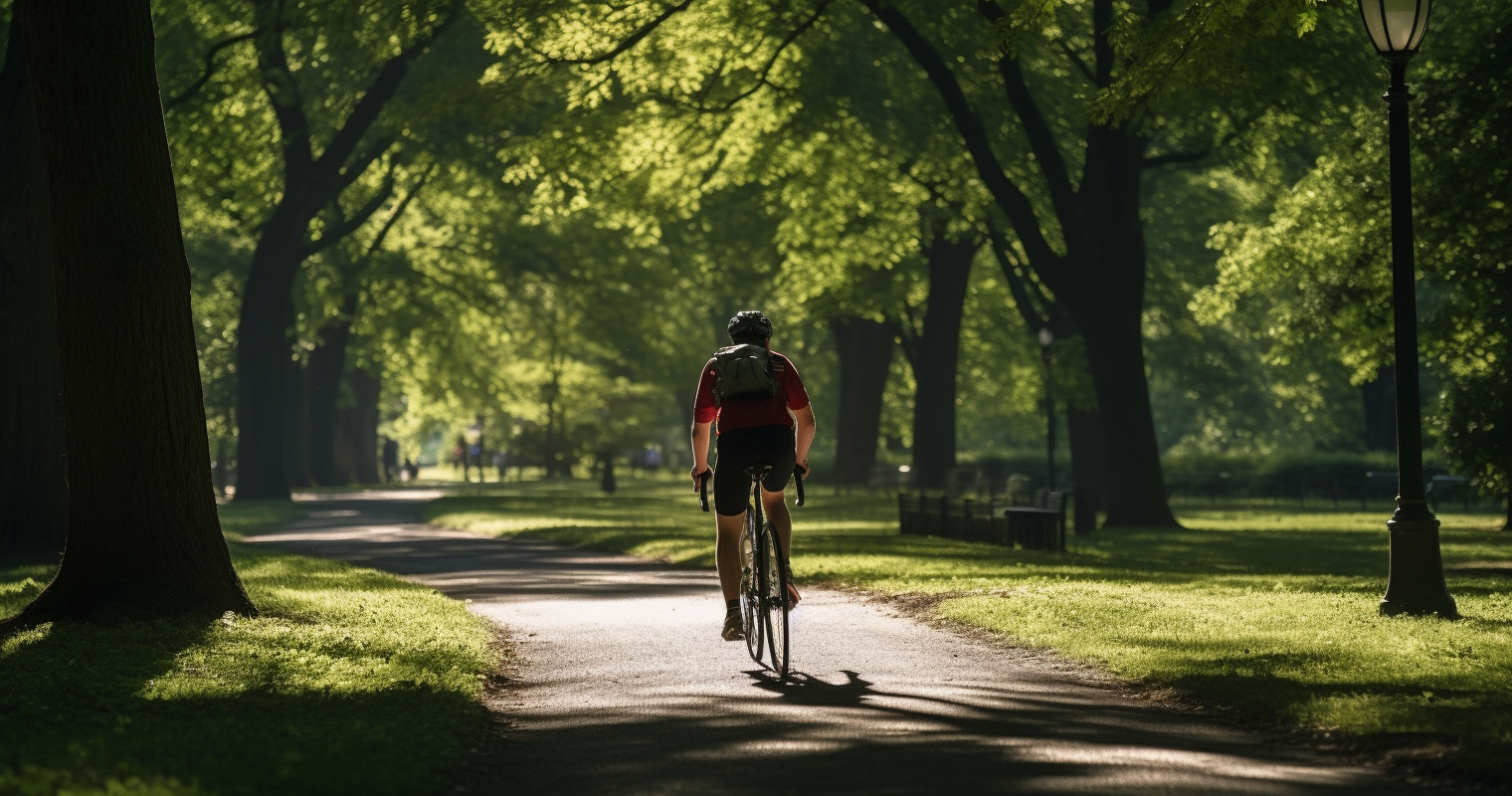
Iceland presents a genuinely complex picture for those who want to get around by bike. Within Reykjavík, an expanding web of dedicated cycle paths and sustained investment from the city council are making everyday cycling an increasingly realistic choice. Step beyond the capital, though, and dedicated infrastructure all but disappears, roads narrow sharply, and the weather can turn hostile without warning. Cycling in Iceland serves both as a workable commuting option in the city and as a spectacular — if physically demanding — way to experience the broader landscape.
| Item | Details |
|---|---|
| Bike share scheme | No city-wide public bike-share scheme in Reykjavík (as of 2025); rental shops widely available |
| Helmet law | Mandatory for under-16s; strongly recommended but not legally required for adults (as of 2025) |
| Lighting requirement | Front and rear lights legally required in darkness, tunnels, or poor visibility |
| Bike registration | Not required for bicycles |
| Off-road cycling | Strictly prohibited to protect fragile vegetation and soil |
| Key infrastructure body | Icelandic Road and Coastal Administration (road.is); Reykjavík City Biking Plan (reykjavik.is) |
How popular is cycling in Iceland — is it a common way to get around?
Cycling in Iceland sits somewhere between a genuine transport mode and a recreational pastime. It is enjoyed by people of all ages, since no minimum age applies when travelling by bicycle. Even so, Iceland is a long way from the cycling cultures of Denmark or the Netherlands, where between 25% and 30% of daily journeys are made by bike. As of 2014, Reykjavík estimated that cycling accounted for around 5.5% of all trips, compared with roughly 20% on foot and 74% by private car.
That share is closer to countries such as Portugal or Ireland, where cycling is growing steadily in towns and cities but remains well below Scandinavian norms. Reykjavík’s Biking Plan sets an ambition to raise the bicycle’s share of trips to at least 10% by 2025. Whether that target has been achieved is worth checking directly through the city’s official transport statistics at reykjavik.is/en/biking.
Across the country, car travel dominates. Outside the capital, the combination of long distances between communities, demanding terrain, and minimal road infrastructure means cycling is pursued mainly as a leisure or touring activity rather than as practical daily transport. For expats based in Reykjavík, however, riding to work or running errands on a bike is entirely achievable — especially during the warmer half of the year.
What is the cycling infrastructure like in Iceland?
Most towns include some dedicated cycling provision to make journeys simpler and safer for those who prefer an environmentally friendly mode of travel. The quality and extent of that provision, however, varies enormously. Reykjavík has by far the most developed cycling network in the country; elsewhere, dedicated infrastructure is scarce.
The city aspires to become a world-class destination for cyclists, where riding a bike is a genuine first choice for getting around. Reykjavík’s Biking Plan sets out the strategic framework for promoting cycling and expanding the infrastructure needed to support it, proposing a minimum investment of five billion króna in new cycling facilities during the plan period. Colour-coded maps of key routes across the capital area are available at reykjavik.is and at designated stopping points signposted throughout the city.
Those who enjoy cycling will find Reykjavík rewarding, with paths connecting most parts of the city and a coastline that lends itself naturally to cycling. The city’s compact, neighbourhood-friendly layout means two wheels can take you almost anywhere you need to go. The coastal path running from the harbour around the Seltjarnarnes peninsula is particularly well regarded, joining broader commuter routes that extend into the eastern suburbs.
Beyond the Capital Area, dedicated cycle lanes are essentially non-existent, and the main roads carry fast, heavy traffic. Large portions of the main road network in southwest Iceland fall short of recognised European safety benchmarks for cycling — many routes are under 8 metres wide or are configured with multiple lanes and no space set aside for bikes. This stands in sharp contrast to countries such as Germany, where extensive inter-city cycle routes and separated lanes are commonplace even on rural roads.
Iceland’s national cycling map was produced under the leadership of the cycling NGO Bikeability Iceland / Hjólafærni á Íslandi, with funding support from the Icelandic Road and Coastal Administration. Expats and residents should consult cyclingiceland.is for current route maps, and road.is — the Icelandic Road and Coastal Administration — for up-to-date information on road conditions and planned infrastructure changes.
All cycle paths within the Capital Area receive regular snow clearance. Primary routes are typically cleared each morning, though secondary paths may take longer to treat after heavy falls. Black ice and accumulated snow are both common hazards, making studded tyres essential for year-round riding. Expats intending to cycle through the winter should bear this in mind — it is entirely possible, but demands the right equipment and a measured approach to route choice.
Is cycling safe in Iceland?
Dedicated lanes are limited in central Reykjavík, but motor traffic tends to move slowly and drivers are generally considerate. On the city’s outskirts, however, trunk roads become more prominent and cycle paths can fade away or lack clear signage. Among those with experience cycling in Iceland, the capital is regarded as manageable, while main roads beyond it call for a much greater level of caution.
The majority of main roads in southwest Iceland fall below general European safety standards for cycling — they are either too narrow or configured with multiple lanes and no provision for bikes. Vehicle numbers on many stretches have risen dramatically in recent years; on busier sections of Route 1, daily traffic exceeds 3,000 vehicles, which amounts to roughly one car every ten seconds during daylight hours. Anyone cycling on or near the Ring Road should treat this as a serious risk factor.
Weather adds another layer of difficulty. Conditions in Iceland can shift dramatically in minutes — expect violent wind gusts, cold temperatures, heavy rain, and sudden snowfall. Cycling becomes genuinely dangerous when wind speeds reach 15–20 m/s, and crosswinds above 30 m/s present severe hazards. Always check wind and weather forecasts at en.vedur.is before heading out, particularly when venturing away from the capital.
Riding outside built-up areas during the winter months carries significant risk. Between October and April, Iceland’s weather can be brutal — blizzards, driving rain, icy roads, snow cover, and extended periods of darkness combine to create extremely adverse conditions. Expats planning winter commutes should select routes carefully and stay on well-maintained, well-lit paths within the capital area.
On the question of helmets: in Iceland, wearing a helmet is legally required for everyone under 16, while adults are strongly encouraged to do so even though it is not a legal obligation. Helmets are recognised as an important safety measure for all riders. This approach differs from countries such as Australia and New Zealand, where helmets are mandatory regardless of age, and from most of continental Europe, where no such requirement applies to adults. Iceland examined extending its child helmet law to cover all cyclists but ultimately decided against doing so. The national road safety authority, Samgöngustofa, publishes relevant safety data — check their website for the most current figures.
What are the rules of the road for cyclists in Iceland?
Iceland’s cycling regulations are clearly set out and apply consistently across the country, with no meaningful regional variation. The principal requirements are outlined below. Always verify the current rules through the official government portal island.is/en/cycling or via the Icelandic Road and Coastal Administration.
- Helmets: A protective helmet must be worn by cyclists under the age of 16. Adults are strongly encouraged to wear one but are not legally obliged to do so.
- Lights: Bicycles must be fitted with front and rear lights when riding in darkness, through tunnels, or in poor visibility, though this requirement does not apply in daylight conditions.
- Road position: When using the road, cyclists must ride on the right-hand side of the rightmost lane and allow motor vehicles to overtake. Iceland follows right-hand traffic rules, as in most of continental Europe.
- Pavements and shared paths: Cycling on pavements and pedestrian paths is permitted in Iceland, but cyclists must be considerate of those on foot. Pedestrians take priority on mixed-use surfaces.
- Off-road cycling: All off-road and off-track cycling is strictly forbidden. Tyres quickly damage Iceland’s fragile soil, and vegetation destroyed in this way can take many years to recover given the country’s cold climate.
- Tunnels: Cycling is permitted on all roads with the exception of the Hvalfjörður and Vaðlaheiði tunnels.
- Smart devices: Using a smartphone or any other smart device while cycling is prohibited.
- Overtaking clearance: When passing a bicycle or moped, a vehicle must maintain a lateral gap of at least 1.5 metres.
- Bike lanes and priority: A driver intending to turn across a dedicated cycle lane must yield to any cyclist travelling along that lane.
There is no separately published blood-alcohol limit for cyclists distinct from the general road traffic limit in Icelandic law, but riding while impaired is both inadvisable and legally problematic. The Icelandic Road and Coastal Administration (road.is) is the authoritative source for full and current traffic regulations.
Do I need to register my bike or have insurance to cycle in Iceland?
Bicycles in Iceland do not need to be registered with any authority, and there is no legal requirement to hold third-party liability or personal accident insurance as a cyclist. Bikes are not classified as motor vehicles for registration purposes — a position consistent with practice throughout most of Europe, unlike, for instance, certain Dutch municipalities that have historically offered voluntary registration schemes as a tool against theft.
Although insurance is not compulsory, it is sensible to think about personal accident or liability cover — particularly for those who plan to cycle regularly or who use busier roads. Some household contents policies already include personal liability protection that covers cycling; it is worth reading your policy terms carefully. For up-to-date guidance, contact Iceland’s financial regulator, Fjármálaeftirlitið (FME), or a local insurance broker who can advise on suitable options.
Are there public bike-sharing or rental schemes in Iceland?
Reykjavík does not operate a public bike-share scheme, which means renting from a private operator or bringing your own bicycle is the only option. This distinguishes Iceland from many comparable European capitals, where docked or dockless hire systems — such as Dublin Bikes, Paris’s Vélib’, or Vienna’s Citybike — form a standard part of the urban transport offer. Expats accustomed to convenient bike-share access elsewhere should plan around this gap from the outset.
Private rental outlets in Reykjavík are plentiful, and some guided cycling tours operate throughout the year. Hire options in the capital include standard city bikes, mountain bikes, and electric bikes. Even in winter, on a clear day it is possible to enjoy a pleasant ride along Reykjavík’s ice-covered paths — several rental companies in the city offer bikes fitted with studded tyres specifically for this purpose.
Rental prices vary between operators, bike types, and seasons. Daily rates differ considerably depending on whether you are hiring a basic city bike or a premium e-bike, so it is always worth contacting operators directly for current pricing, as rates change frequently. Searching for “bike rental Reykjavík” will bring up current providers and rates. For tourism-focused guidance, visiticeland.com maintains a directory of activity providers that includes cycling tour operators.
Where can I buy or service a bike in Iceland?
Reykjavík has a reasonable number of specialist bike retailers selling new bicycles and accessories, as well as workshops offering servicing and repairs. Well-known brands and quality components are available, although Iceland’s geographic isolation and small domestic market mean the range tends to be narrower and prices noticeably higher than in larger European markets. This reflects the general cost of living in Iceland, where imported goods across the board carry a substantial premium compared with most other countries.
Outside the capital, dedicated cycle shops are few and far between. Cyclists living in smaller towns or rural areas will frequently need to travel to Reykjavík for anything beyond basic maintenance, or order parts from abroad. Anyone cycling away from the capital should carry a basic repair kit as a matter of course — tyre levers, a spare inner tube, a pump, and a multi-tool are the minimum sensible items to have on hand.
Second-hand bicycles are available through local classified listings and Facebook Marketplace Iceland, offering a cost-effective route in for new arrivals who want to get riding without a large upfront outlay. As always when buying privately, a careful inspection before purchase is advisable. Consumer protections in Iceland follow European Economic Area (EEA) norms, so new bikes purchased from retailers come with standard warranty entitlements — the Consumer Agency of Iceland (Neytendastofa) can provide details on your rights as a buyer.
Can I bring my bike when I move to Iceland, and are there any import rules?
A bicycle transported to Iceland as part of your personal household effects when relocating is generally exempt from import duties under the removal goods exemption, provided the relevant conditions are met. Iceland is a member of the European Economic Area (EEA) and its customs framework broadly aligns with EEA standards, though as a country outside the EU it applies its own tariff rules. Always confirm the current requirements directly with the Icelandic Customs authority — Tollur — before shipping any belongings.
For those planning an extended tour or a permanent move, bringing a familiar bike from home is often the better choice. Most airlines accept bicycles as checked baggage, but packing specifications and additional fees differ between carriers, so checking your airline’s policy well in advance is essential. Airlines operating flights to Iceland generally require bikes to be packed in appropriate hard cases or padded bags. Passengers arriving at Keflavík Airport will find a dedicated “Bike Pit” — a purpose-built area just outside the arrivals exit, equipped with assembly stands and basic tools — where bikes can be packed and unpacked on the spot.
There is an additional option for those travelling from mainland Europe: the Smyril Line ferry from Denmark calls at Seyðisfjörður in East Iceland and can carry fully loaded touring bikes along with other personal effects. This route is popular both with cyclists who want to begin their journey in East Iceland and with those who prefer not to fly with bulky gear.
For precise information on import duty rates, VAT on bikes purchased abroad, or the thresholds that apply to personal effects exemptions — all of which are subject to change — consult tollur.is directly, as individual circumstances will also affect what rules apply to you.
What are the best cycling routes or destinations in Iceland?
Iceland rewards cyclists with some of the most dramatic scenery anywhere on earth — volcanic highlands, glacier-edged coastlines, and remote valleys that see almost no traffic. Whether you are after a relaxed weekend ride from the capital or a multi-week expedition, there is a route to suit your ambitions, though nearly all of them call for solid fitness and careful preparation for changeable conditions.
The Ring Road (Route 1): For long-distance touring, Iceland’s Ring Road is the natural starting point. The 828-mile (1,332-kilometre) loop passes through most regions of the country, and most cyclists complete the circuit in 10 to 14 days, with stops at waterfalls, black sand beaches, and small villages along the way. Traffic density is a concern on popular stretches in the southwest, but the northern and eastern sections carry far fewer vehicles and offer exceptional scenery in return.
The Kjölur Route (F35): Running through Iceland’s central interior and passing Gullfoss, Geysir, and the ancient Viking assembly site of Þingvellir, the Kjölur Route along the F35 is regarded as one of the more accessible highland roads for adventure cyclists. It is nonetheless a genuine challenge, with rough surfaces and highly variable weather throughout.
The Westfjords: Remote, dramatic, and largely free of tourist traffic, the Westfjords offer deep fjords and winding quiet roads for those prepared to seek out solitude. westfjords.is is a useful starting point for route planning in this region.
Routes in the capital area: The easiest introduction to cycling in Iceland is the coastal path that begins at the Reykjavík waterfront and winds around the Seltjarnarnes peninsula. Flat, well-surfaced, and offering unobstructed views of nearby mountain ranges, the path leads to the Grótta lighthouse and the Náuthólsvík Geothermal Beach — a route accessible to cyclists of all abilities.
East Iceland: Those who prefer calm roads and wide open space will find the Eastfjords particularly rewarding. Deep fjords, quiet fishing villages, and dramatic coastal scenery make this one of the most pleasant regions in the country to explore by bike.
For detailed route planning, cyclingiceland.is is the most authoritative Icelandic cycling resource available, while visiticeland.com provides useful tourism-oriented guidance. The Icelandic Road and Coastal Administration at road.is publishes current road condition reports and information on seasonal highland road openings.
How do I get set up with a bike after moving to Iceland? — Step-by-step guide
- Decide whether to bring your bike or buy locally. If importing a bike as part of a house move, check the personal effects exemption conditions with Icelandic Customs (tollur.is). If flying with your bike, contact your airline well in advance to confirm packing requirements and any baggage fees.
- Get to know Reykjavík’s cycling network. Download the capital area cycle map from reykjavik.is/en/biking or collect a printed copy from a local bike shop. Colour-coded route maps are also displayed at marked stopping points across the city.
- Equip your bike properly. Make sure your bike has working front and rear lights — these are a legal requirement in darkness and poor visibility — along with a bell or horn and functioning brakes. A helmet is strongly recommended for all riders. In winter, fit studded tyres to handle icy paths safely.
- Set up weather alerts. Add en.vedur.is (the Icelandic Met Office) to your bookmarks and consult wind speed forecasts before every ride, particularly when venturing outside the capital. Riding becomes dangerous when wind speeds reach 15–20 m/s.
- Familiarise yourself with Iceland’s cycling rules. Read through the regulations at island.is/en/cycling. The key points to remember are riding on the far right of the road, giving way to pedestrians on shared paths, and never cycling off designated roads or trails.
- Find a local bike shop for maintenance. Identify your nearest specialist retailer in Reykjavík for ongoing servicing and repairs. Options are limited outside the capital, so always carry a basic repair kit when riding further afield.
- Think about insurance. Cycling insurance is not a legal requirement in Iceland, but check whether your home contents or travel insurance policy extends to cycling liability. For tailored advice, contact a local broker or Iceland’s financial regulator, FME.
Frequently asked questions about cycling in Iceland
Is cycling practical for daily commuting in Reykjavík?
For many residents, the answer is yes. Reykjavík’s layout — with its coastal paths and well-connected neighbourhoods — lends itself to getting around by bike, and during the warmer months a bicycle can easily replace a car for most urban journeys. The city’s expanding path network and its policy commitment to growing cycling’s share of daily trips support this. Year-round commuting is also feasible with the right preparation — studded tyres and waterproof clothing are the essentials for winter riding.
Do I have to wear a helmet when cycling in Iceland?
Helmets are a legal requirement for cyclists under the age of 16 in Iceland. Adults are not obliged by law to wear one, but given the country’s road conditions, weather, and the relatively limited cycling infrastructure outside Reykjavík, wearing a helmet is strongly recommended for riders of all ages on any type of route.
Can I cycle on pavements and footpaths in Iceland?
Cycling on pavements and shared pedestrian paths is permitted under Icelandic law, but cyclists are required to behave considerately towards people on foot, who have priority on mixed-use surfaces. In practice, this means riding at a low speed, being ready to stop, and giving way whenever pedestrians are present. This is especially relevant on Reykjavík’s popular coastal and park paths, which are well used by walkers.
Is it safe to cycle on the Ring Road?
Most main roads in southwest Iceland fall short of recognised European safety standards for cycling, being either too narrow or configured with multiple lanes and no dedicated space for bikes. While cycling on the Ring Road is legal on most sections, experienced touring cyclists generally avoid the most congested stretches near Reykjavík and the Golden Circle, choosing quieter minor roads instead. cyclingiceland.is offers recommended alternative routes for those planning tours.
Is there a public bike-hire scheme in Reykjavík?
No public bike-share scheme currently operates in Reykjavík. Unlike many European cities of comparable size, there is no docked or dockless hire system available to residents or visitors. Private rental shops fill this gap, offering daily and weekly hire of city bikes, e-bikes, and mountain bikes — including winter-ready models fitted with studded tyres.
Can I cycle off-road in Iceland?
Off-road and off-track cycling is strictly prohibited throughout Iceland. Bicycle tyres cause rapid erosion of the country’s fragile soil, and vegetation damaged in this way can take many years to regenerate in Iceland’s cold climate. This restriction is not limited to national parks or specially designated areas — it applies across the entire country. Always use designated roads, trails, and cycle paths.
Do I need to register my bicycle or take out insurance?
Bicycle registration is not required in Iceland, and there is no legal obligation for cyclists to hold insurance. That said, personal accident or liability cover is worth considering, particularly for those who cycle frequently or on busy roads. Check whether an existing household contents or travel insurance policy already covers cycling, or consult a local broker for appropriate options.
What is cycling like in Iceland during winter?
On a clear winter day, Reykjavík’s ice-covered bike paths can offer a genuinely enjoyable ride — several rental companies in the city hire out bikes equipped with studded tyres for exactly this purpose, and all paths within the Capital Area are cleared of snow on a regular basis. Outside built-up areas, however, winter cycling in Iceland is extremely hazardous and is not suitable for inexperienced riders.