
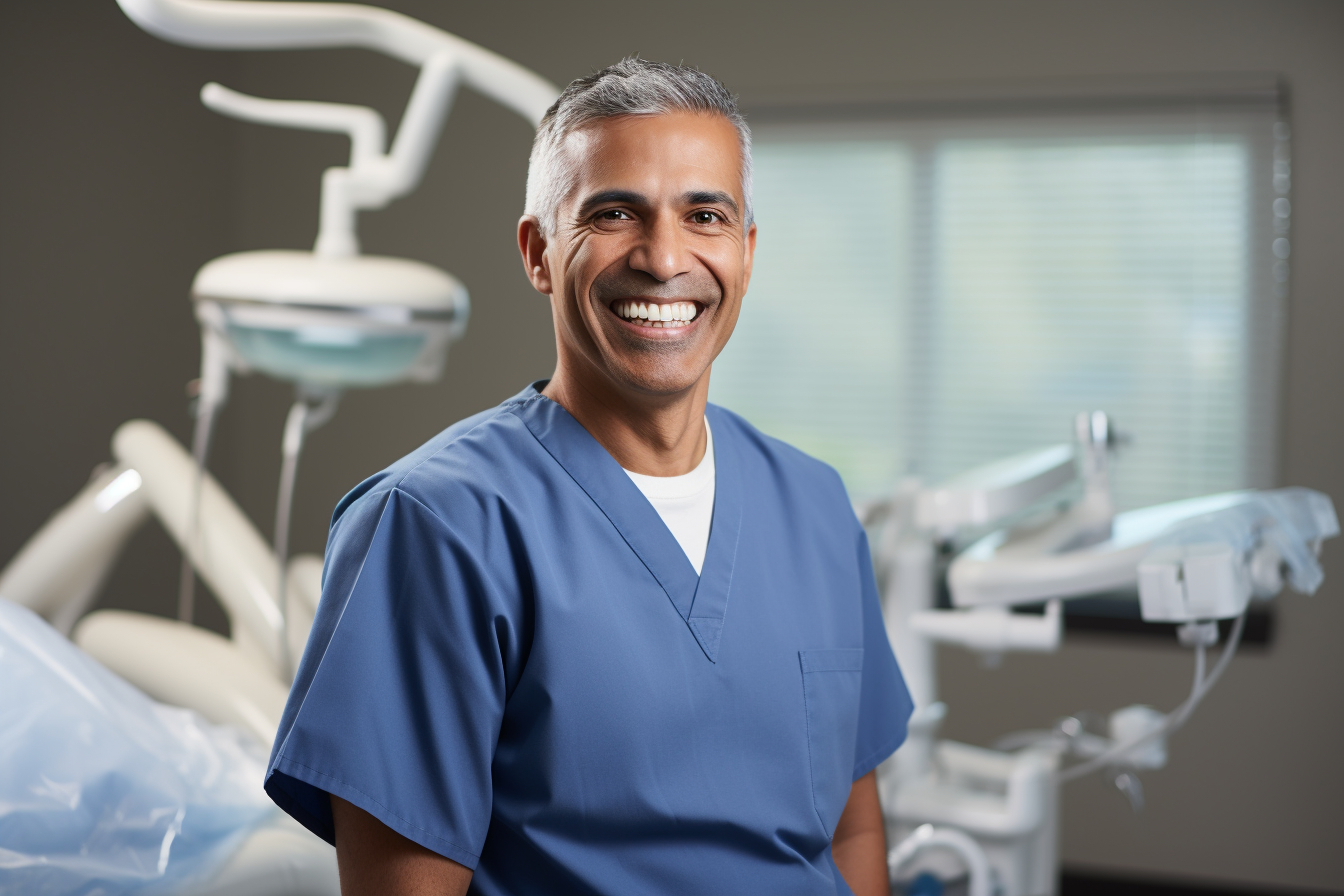
Dental services in the Czech Republic function through a combined public-private framework. People enrolled in Czech public health insurance can access a defined set of basic dental treatments with little or no out-of-pocket expense — these include routine check-ups, standard fillings, and tooth extractions. That said, more complex procedures such as crowns, implants, adult orthodontics, and cosmetic work fall largely outside public coverage, making supplementary insurance or personal financial reserves an important factor for anyone planning to settle in the country.
| Item | Details |
|---|---|
| Public dental coverage | Preventive check-ups (twice a year), basic fillings, extractions, and some endodontic treatments covered for insured residents (as of 2025) |
| White fillings (adults) | Basic single-surface white fillings to become free for insured adults from January 2026 under amended Public Health Insurance Act |
| Orthodontics | Covered by public insurance for children up to age 18; adults pay privately |
| Dental implant costs (private) | Approximately 30,000–51,800 CZK per implant including crown, depending on clinic and system (as of 2024–2025) |
| Key public insurer | VZP (Všeobecná zdravotní pojišťovna) — en.vzp.cz |
| Mandatory insurance | Health insurance is legally required for all residents and long-term visitors; required for visa and residence permit applications |
How does the dental care system work in Czech Republic — is it public, private, or mixed?
The Czech healthcare system brings together both public and private elements rather than operating as a purely state-run service. Today it encompasses public facilities, university hospitals, high-end private clinics, and a broad range of general and specialist practices. Dental care sits within this same mixed structure, and grasping how the two systems interact is essential for anyone preparing to relocate.
Dentists in the Czech Republic may work within the publicly funded system, in the private sector, or in both. The statutory health insurance scheme covers a defined range of basic and preventive dental procedures — routine check-ups, standard fillings, and extractions — along with orthodontic treatment for patients up to the age of 18.
While basic dental care falls within the scope of public insurance, more advanced treatments — adult orthodontics and cosmetic procedures, for instance — are typically provided privately and paid for directly by the patient. This arrangement differs from systems such as Germany’s statutory dental insurance (gesetzliche Krankenversicherung), which provides fixed contribution rates toward crowns and bridges, but closely mirrors the approach taken in many other European countries where public funding is confined to clinically necessary treatment using standard-grade materials.
The public system is built around a model of compulsory insurance financed through regular contributions. It covers the majority of necessary care, with access that is largely free at the point of use, aside from co-payments or top-up charges in certain situations — including some medications and dental treatments beyond the defined “standard.” Dentists contracted to the public system are obliged to offer insured patients at least one fully covered treatment option.
The Czech Republic operates a universal healthcare framework funded by compulsory public health insurance. Employers and employees both contribute, securing access to a broad range of medical services. In the context of dental care, insured residents can receive a specified set of treatments without direct payment but must personally fund — or cover through supplementary insurance — anything that falls outside that baseline.
The primary body responsible for overseeing the public system is the Czech Ministry of Health (Ministerstvo zdravotnictví ČR). The largest public health insurer is VZP (Všeobecná zdravotní pojišťovna), though a number of other funds also operate. The professional regulatory authority for dentists throughout the country is the Czech Dental Chamber (Česká stomatologická komora).
How do expats find and register with a dentist in Czech Republic?
Unlike certain healthcare systems, Czech dentistry imposes no formal obligation to register exclusively with one practice in order to receive publicly funded treatment. Nevertheless, identifying a surgery that is taking on new patients and that holds a contract with your specific health insurance fund does require a degree of research, especially outside the main urban areas.
Before committing to a practice, it is worth establishing whether the dentist speaks your language, what their opening hours are, and whether they have capacity for new patients — some surgeries, particularly in busier locations, are fully booked. Reaching out by email before making a phone call is often the more practical approach, as reception and nursing staff at smaller practices may not communicate fluently in languages other than Czech.
Ensuring insured patients can access care is a responsibility that falls to your health insurance company. The main fund websites — VZP, ČPZP, OZP, RBP, ZPMVČR, and VoZP — each maintain searchable online directories of contracted practitioners. If you cannot locate a suitable dentist, or a practice is unable to take you on due to capacity constraints, your insurer can be contacted directly for guidance.
Another helpful resource is the official National Registry of Healthcare Providers (NRPZS), a comprehensive database of all healthcare providers operating in the Czech Republic, including dental practices. This directory is useful whether your coverage is public or private.
Struggling to communicate in a dental setting is a concern that comes up frequently in expat communities, and for good reason. Prague has no shortage of internationally oriented dental clinics and private practices covering a full spectrum of services from routine hygiene appointments to implants, root canals, and cosmetic procedures. Expat community groups on social media and relocation resources such as the Ostrava Expat Centre often hold regularly updated recommendations for suitable practitioners.
Appointments are generally made directly with the clinic by phone or email. Private practices in larger cities increasingly offer online booking. For those carrying commercial rather than public insurance, healthcare providers are not legally required to take on patients from commercial plans for ongoing treatment. For acute problems, emergency and urgent services remain accessible without prior registration. Routine appointments should be arranged through the contact details listed on individual clinic websites.
Is dental treatment covered by public healthcare or social security in Czech Republic?
Whether dental treatment qualifies for public insurance coverage depends on your residency and employment circumstances, as well as the specific procedure in question. The public system is sustained by compulsory contributions, and entitlement to publicly funded dental care is tied directly to participation in the scheme.
People employed by a Czech employer, Czech citizens, and qualifying residents are automatically enrolled in the country’s public healthcare system. This means most treatments — dental care included — are provided without charge provided that contributions are being made. These contributions are shared between the employer and the employee, generally through VZP, the largest state-owned insurer.
Czech public insurance delivers a level of dental coverage consistent with what Czech nationals receive. This encompasses general practitioner and most specialist consultations, as well as core dental services: check-ups, limited scaling, fillings using standard materials, extractions, and certain endodontic procedures.
Twice-yearly preventive dental examinations and standard treatments including fillings and x-rays (once every two years) are funded through health insurance. Patients who opt for upgraded materials — white fillings, for instance — or procedures such as fitting a dental cap will face an additional charge. These rules apply equally to Czech nationals and foreign residents.
Notably, the boundaries of public dental coverage are widening. From January 2026, adults resident in the Czech Republic will no longer face out-of-pocket charges for basic white dental fillings, following an amendment to the Public Health Insurance Act. Children will gain access to more advanced fillings and full coverage for all root canals, while adults will receive coverage for root canal treatment on front teeth using the standard technique. For the most up-to-date information on entitlements, consult the VZP website directly, as the scope of coverage is subject to legislative revision.
What remains outside public coverage includes cosmetic procedures, dental implants, most orthodontic treatment for adults, premium crown and bridge materials, and teeth whitening. Non-standard dental procedures and materials — including the currently non-covered version of white fillings, crowns, and implants — along with all cosmetic work, are not reimbursed by the public system.
Since 2024, all minors under 18 holding a long-term residence permit have been automatically incorporated into public insurance, regardless of the purpose of their stay or their parents’ circumstances. This brings meaningful cost relief for families, provided the relevant registration steps are completed within the required timeframe — including a declaration to the insurance fund within 8 days.
What does dental treatment typically cost in Czech Republic, and how is it paid for?
The cost of dental treatment in the Czech Republic varies considerably depending on the clinic, its location, and the materials involved. Private practices in central Prague will generally charge more than clinics in smaller towns and cities, and expat-oriented surgeries tend to price higher than standard Czech practices. The figures provided below are indicative only and should be confirmed with individual clinics directly, as pricing is subject to regular change.
For patients covered by public insurance attending a contracted dentist, routine check-ups and standard fillings are provided at no direct cost within the basic coverage framework. For privately funded treatment, however, fees can be significant. A single dental implant in the Czech Republic costs on average between 30,000 and 40,000 CZK (as of 2025), though premium implant systems — such as Straumann at certain Prague clinics — can reach 31,800–51,800 CZK (as of 2024–2025). Always request a detailed treatment plan and cost breakdown before proceeding, as implant pricing typically encompasses consultation, diagnostics, the implant fixture itself, and the crown.
| Procedure | Approximate cost range |
|---|---|
| Routine check-up (insured) | Covered by public insurance (contracted dentist) |
| Basic filling (insured) | Covered; white filling also covered from January 2026 |
| Private check-up / hygiene appointment | 600–2,000 CZK approximately |
| Private white (composite) filling | 1,500–4,000 CZK approximately, depending on size |
| Extraction (private) | 1,000–3,500 CZK approximately |
| Root canal treatment (private) | 3,000–8,000 CZK approximately per tooth |
| Porcelain or ceramic crown (private) | 8,000–20,000 CZK approximately |
| Single dental implant with crown | 30,000–51,800 CZK approximately |
Treat all price ranges as a guide rather than a guarantee. Currency fluctuations will affect equivalent costs in other currencies, and individual clinics will set their own rates. Ask for a written quotation (cenová nabídka) before any treatment commences, especially for multi-stage procedures. Always verify current pricing directly with your chosen clinic.
Payment at private dental practices is typically due at the time of treatment, by cash or card. Patients covered by a commercial or international insurance policy that does not have a Czech office will usually need to settle the bill directly and then submit a reimbursement claim to their insurer. Larger private clinics sometimes offer payment by instalments for costly treatments such as implants. Some dentists operate entirely outside the health insurance framework, meaning all costs will fall to the patient regardless of their coverage status. Clarifying payment arrangements before your appointment is always advisable.
Does private health insurance cover dental treatment in Czech Republic, and is it worth getting?
For expats who do not qualify for public health insurance — including those on certain visa categories, self-employed individuals still completing registration, or those who arrive before employment begins — private commercial health insurance is both a legal obligation and a practical necessity.
If you are a non-citizen staying in the country for more than 90 days, health insurance is compulsory. It forms a required component of visa and residence permit applications, and without valid coverage, even emergency treatment may be withheld. The extent of dental protection offered under commercial policies differs substantially between providers and plan types.
Private policies are generally renewable on an annual basis and typically include round-the-clock emergency assistance. Many plans allow optional add-ons covering vision, dental, maternity, and preventive care. International insurers with a notable presence in the Czech Republic include Allianz, AXA, and Cigna, alongside Czech-based providers such as PVZP (Pojišťovna VZP) and Maxima. PVZP offers products specifically designed for foreign residents and is officially accepted for visa purposes — visit pvzp.cz for current plan details.
Dental coverage under commercial policies is rarely comprehensive as standard. Non-standard procedures and upgraded materials — including white fillings, crowns, and implants — together with cosmetic treatments, are typically excluded. A high overall indemnity limit does not automatically mean all dental care is included. Most policies draw a distinction between emergency dental treatment (acute pain, infections, trauma) and elective or restorative work: the former is usually covered, while the latter is often excluded or subject to a waiting period before claims can be made.
A common strategy among expats is to combine Czech public insurance (or local commercial cover) with an international policy from providers such as Allianz, Cigna, or AXA, broadening protection for care outside the EU and for medical evacuation. When evaluating any policy, pay particular attention to annual dental sub-limits, waiting periods before dental claims are accepted, exclusions relating to pre-existing dental conditions, and whether cosmetic or orthodontic treatment is covered at all. Always read the full policy wording and confirm current terms with the insurer before buying.
What is the standard and quality of dental care like in Czech Republic?
The Czech Republic has developed a modern healthcare system widely regarded as among the stronger performers within the EU. Dental care broadly reflects this reputation: Czech dentists are trained to EU professional standards, and the country has earned particular recognition for delivering high-quality private dental treatment at competitive prices.
The growth of private healthcare facilities has helped establish the Czech Republic as a prominent destination for medical tourism, drawing tens of thousands of visitors each year in search of affordable, high-standard dental work. This development in private dental infrastructure benefits long-term expats and residents as much as short-term visitors, since the same internationally oriented clinics are available to those living in the country.
The Czech Republic’s well-regulated healthcare system serves both residents and overseas nationals effectively. The public system ensures universal access to core services, while the private sector provides faster turnaround and a wider range of specialist treatments. In dental terms, this means publicly contracted dentists can deliver excellent care but may have longer appointment waits and are restricted to standard treatment materials under the insurance framework.
Many expats and more affluent residents choose private healthcare for reduced waiting times and access to specialised services. Private clinics and hospitals frequently offer an extensive menu of treatments, often with multilingual staff catering to international patients. Specialist dental disciplines — including oral surgery, periodontology, endodontics, and implantology — are well represented in Prague, Brno, and other major cities.
Regional variation is worth bearing in mind. In Prague and Brno, the range of high-quality private dental practices is considerable. In smaller towns and rural areas, choice is more limited, English-speaking staff are less frequently available, and waiting times at publicly contracted practices can be longer. Expats settling beyond the main urban centres should plan in advance and may find it worthwhile to travel to a larger city for more involved dental work.
Are there language or practical barriers expats should be aware of when seeing a dentist in Czech Republic?
Language is the practical challenge most frequently raised by expats navigating dental care in the Czech Republic. Czech dentists are highly qualified, but Czech remains the working language of most practices, and not all staff — receptionists and dental nurses in particular — will be able to communicate fluently in other languages.
The difficulty of managing a dental problem when you cannot communicate clearly in the local language is one of the most common concerns aired in expat forums. Encouragingly, the situation has improved significantly in Prague and other major cities. Established private clinics in the capital have been supporting the international community for many years, with staff who can communicate confidently in English, making it considerably less stressful to keep up with check-ups or address dental problems as they arise.
When visiting a practice for the first time, ask in advance whether treatment plans and consent documentation are available in your preferred language. At most expat-oriented private clinics, written treatment plans in English are provided as a matter of course. At publicly contracted practices outside the main cities, this is less reliably the case, and it may be worth bringing a Czech-speaking companion or engaging a professional interpreter for anything beyond a straightforward consultation.
In terms of professional culture, Czech dental practice is broadly aligned with Western European norms. Dentists are expected to outline treatment options and secure informed consent before beginning work. The consultation style may, however, feel more direct and less patient-centred than in some other systems. Do not hesitate to ask for a written treatment plan (plán léčby) and a cost estimate before agreeing to anything beyond a basic examination.
Reaching out to a new practice by email rather than phone is often more effective when Czech is not your language, as it gives both parties time to compose and, if necessary, translate a response. Many clinics in Prague and Brno publish their services in multiple languages on their websites — a good indication that they regularly treat international patients.
What should expats do in a dental emergency in Czech Republic?
Dental emergencies — whether severe toothache, a fractured tooth, a dental abscess, or trauma to the mouth — need timely attention. The Czech system offers a number of pathways for urgent dental treatment, and knowing these routes in advance can make a considerable difference when the need arises.
For most dental emergencies, the first point of contact should be your regular dentist. The majority of dental practices hold slots for urgent cases and can often accommodate patients experiencing acute pain on the same day or within a short time. Under Czech law, if you require urgent medical treatment, no healthcare provider — including one outside your insurance contract — may turn you away or demand upfront payment before treating you.
Outside routine surgery hours, emergency dental services (pohotovostní zubní služba) are available in most major Czech cities, typically based at larger hospitals or polyclinics. These services provide out-of-hours urgent care, but their availability and opening hours differ by location. It is sensible to find out where your nearest emergency dental facility is shortly after arriving in the country — your health insurer’s helpline is a good starting point for this information.
Larger hospitals, including the Municipal Hospital of Ostrava, operate 24-hour emergency services for injuries and acute cases and will attend to urgent presentations regardless of insurance status. For emergencies involving the mouth or jaw that are potentially life-threatening — significant trauma or severe swelling that could compromise the airway — go directly to the emergency department (pohotovost) of the nearest hospital or call 112.
At any time, day or night, for a serious emergency, call 112 — the European Emergency Number. Operators are available in multiple languages, including English.
For insured patients, emergency dental treatment at a contracted facility should be covered by public insurance for procedures that are clinically necessary. Patients holding commercial insurance should contact their insurer’s emergency helpline before or immediately after receiving treatment to confirm coverage. The insurer’s assistance service is available around the clock, maintains an up-to-date list of contracted providers, and can issue a payment guarantee directly to the treating facility if required. Keep your insurance card or policy documentation with you at all times, and retain all receipts and treatment records to support any reimbursement claim.
Frequently asked questions
Do I need to register with a dentist when I move to the Czech Republic?
There is no compulsory formal registration requirement with a single dental practice in the Czech Republic. To use your public insurance coverage, however, you will need to attend a dentist who holds a contract with your health insurance fund. It is strongly recommended that you identify a suitable local practice shortly after arriving, rather than waiting until a problem develops — some surgeries have limited availability and may not be accepting new patients.
Can I use my European Health Insurance Card (EHIC) for dental treatment in Czech Republic?
EU and EEA citizens can access free or subsidised treatment in the Czech Republic using their EHIC. The card is issued free of charge to those who are eligible. EHIC holders receive the same range of treatment available to Czech public insurance patients — covering emergency and clinically necessary care — but not elective or cosmetic dental work. Patients who pay for treatment themselves can apply for reimbursement in their home or host country.
Are white fillings covered by Czech public health insurance?
From January 2026, adults resident in the Czech Republic will no longer need to pay out of pocket for basic white dental fillings, following an amendment to the Public Health Insurance Act. Prior to this change taking full effect, white fillings have generally required an additional patient contribution. Contact VZP or your health insurer for the most current rules, as implementation details may vary.
Are dental implants covered by Czech public health insurance?
No. Dental implants fall outside Czech public health insurance coverage and must be funded privately. A single dental implant in the Czech Republic costs on average between 30,000 and 40,000 CZK (as of 2025), with further costs for the crown and diagnostic procedures. Some private clinics offer instalment payment plans for larger treatments. Always establish the full cost before committing to a treatment course.
Is orthodontic treatment covered for children under Czech public insurance?
Yes. Czech statutory health insurance covers orthodontic treatment for children up to the age of 18. Adults requiring orthodontic care must arrange and fund this privately. For current eligibility criteria and information on which types of appliances are covered, check directly with your health insurer.
How do I find a dentist in Czech Republic who communicates in English?
Prague in particular has a strong offering of internationally oriented dental clinics and private practices, providing services ranging from routine hygiene appointments to implants, root canals, and cosmetic work. Consulting expat community groups and online forums, reviewing clinic websites for multilingual content, and seeking recommendations from your employer’s HR department or local expat networks are all practical starting points. Your health insurer’s directory may also flag practices with experience treating international patients.
What happens if I need emergency dental treatment outside business hours?
Out-of-hours emergency dental services (pohotovostní zubní služba) operate in most Czech cities, usually at larger hospitals or polyclinics. For urgent but non-life-threatening dental problems, try contacting your regular dentist first, as many keep slots available for same-day acute appointments. For serious emergencies, go to the nearest hospital emergency department or call 112. Retain all receipts and treatment documentation for any subsequent insurance reimbursement claim.
Is dental care cheaper in Czech Republic than in other European countries?
The Czech Republic has become a well-established destination for dental tourism, attracting large numbers of visitors annually who come for affordable, high-quality treatment. For private procedures in particular — implants, crowns, veneers, and cosmetic work — costs are generally lower than in Western Europe, while standards at reputable clinics are high. For routine publicly insured treatment, costs are comparable to other EU countries, as the same core services are delivered at little or no direct charge under the public scheme.
What is VZP and do I have to use it?
VZP (Všeobecná Zdravotní Pojišťovna) is not the sole public health insurance provider in the Czech Republic, and there is no obligation to use it. Several other public insurers operate in the country, all offering identical statutory coverage as prescribed by law, though their levels of customer service may differ. Alternatives include OZP, VoZP, and ČPZP. All public insurers provide the same statutory dental entitlements. It is worth comparing insurer directories and service records before making your choice. Further information is available on the official VZP website at en.vzp.cz.
Latest: Expat Focus International Healthcare Update August 2026 →