
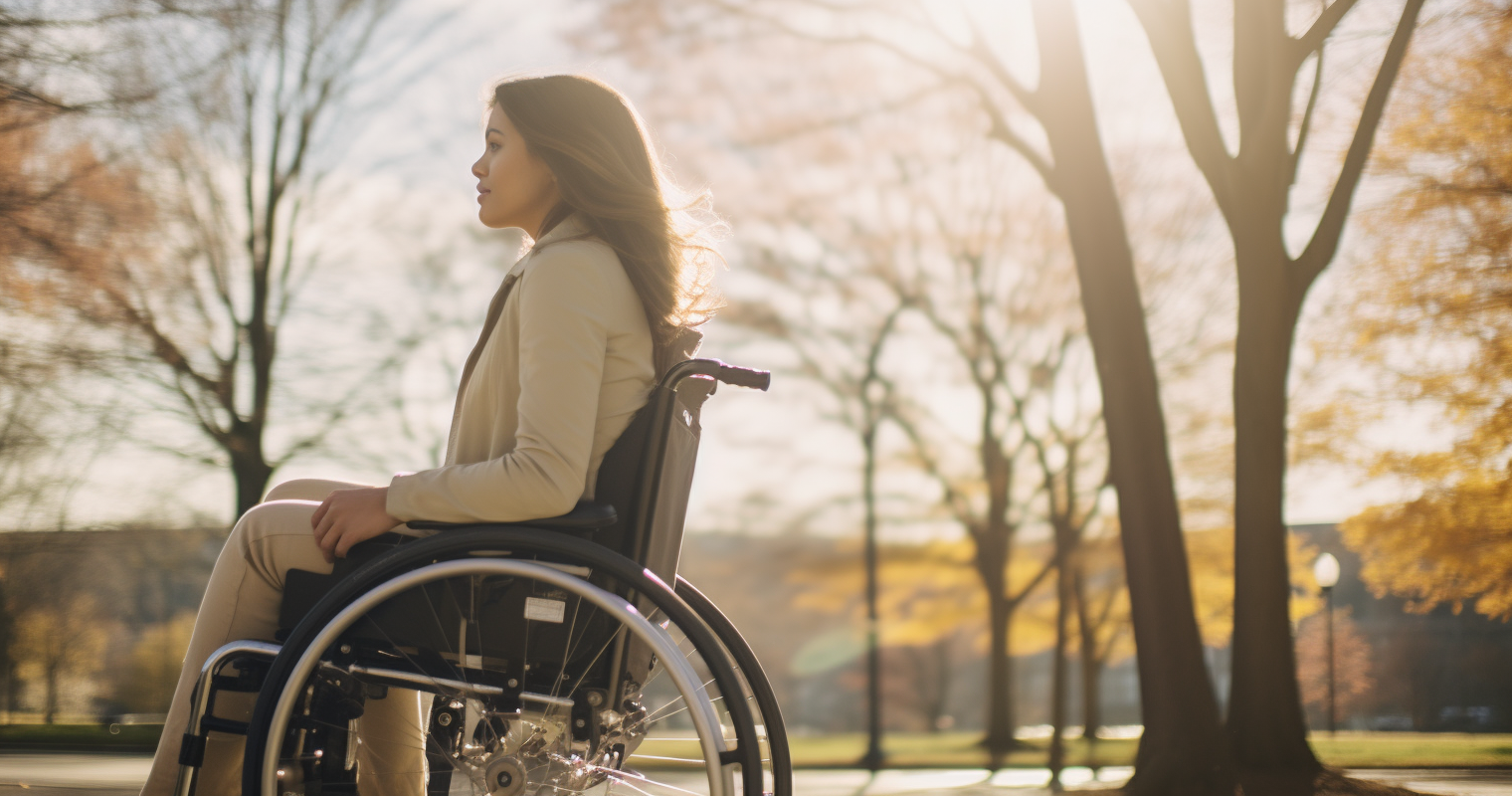
The Bahamas has enacted specific legislation to protect disability rights — the Persons with Disabilities (Equal Opportunities) Act 2014 — which addresses employment, education, healthcare, transport, and access to buildings. Enforcement of the Act falls to a statutory body known as the National Commission for Persons with Disabilities (NCPD). Despite this framework, accessibility infrastructure across the islands remains inconsistent, state social support is largely directed at citizens and permanent residents, and anyone planning to relocate with a disability should do considerable preparation in advance.
| Item | Details |
|---|---|
| Key legislation | Persons with Disabilities (Equal Opportunities) Act 2014 (as of 2014, phased implementation from 2014–2016) |
| Enforcement body | National Commission for Persons with Disabilities (NCPD) — disabilitiescommissionbahamas.org |
| Financial support for disabled people | Disability Allowance, Food Assistance, House Repair Allowance, Financial Assistance for Prosthetics — administered by the Department of Social Services (as of 2025; verify current amounts at bahamas.gov.bs) |
| Employer quota | One person with a disability for every 100 employees (as of 2022) |
| Accessibility app | AccessAbility Bahamas — free app for transport booking, interpreter services, job listings, and emergency alerts (launched December 2022) |
| Main social services authority | Department of Social Services — doss.gov.bs; Sunshine Plaza, Baillou Hill Road, Nassau |
What are common attitudes towards disability in the Bahamas?
Public attitudes toward disability in the Bahamas span a wide spectrum. On one end, there is genuine goodwill and acceptance; on the other, limited understanding of the everyday obstacles that people with disabilities navigate. This blend of openness and unfamiliarity is a pattern commonly observed across small island nations, where disability advocacy is still developing as both a social cause and a political priority.
One area where progress is clearly visible is in elite sport. The Bahamas has taken part in the Paralympic Games since 2004, and its participation has done much to bring disability into mainstream public conversation. Athletes like Erin Brown, who represented the country at the Tokyo 2021 Paralympics, have emerged not only as sporting figures but as vocal advocates pushing for attitudinal and systemic change within Bahamian society.
While the overall trajectory is positive, discrimination and stigmatisation have not disappeared. The government has introduced measures to tackle these issues, but gaps remain — particularly in ensuring that people with disabilities can consistently access education, employment, and public services on equal terms with non-disabled citizens.
Disability advocates are actively engaging with the Ministry of Health to raise awareness about both physical access and employment opportunities within the health sector, so that people with disabilities have genuine input into decisions that affect them. This shift — from treating disability as a welfare matter to recognising it as a question of participation and civic equality — mirrors transformations that took place in countries such as Sweden and New Zealand decades ago, and which the Caribbean region is now working to achieve.
What legal protections exist for people with disabilities in the Bahamas?
The Persons with Disabilities (Equal Opportunities) Act 2014 was introduced to eliminate discrimination against people with disabilities while safeguarding their rights, promoting accountability, ensuring access to public life, and expanding equal opportunities across all sectors. The full text of the Act is available on the official Bahamas Laws website at laws.bahamas.gov.bs, where readers should check for the most current version and any subsequent amendments.
The Act draws its foundations from the United Nations Convention on the Rights of Persons with Disabilities, reinforcing the constitutional rights already enshrined in Bahamian law. The Convention itself is explicitly referenced as a guiding framework for decisions made under the Act’s administration.
The legislation was signed into law on 12 August 2014 and has been brought into force in stages. Part V (sections 30–33) became operative on 1 July 2016, while Part VI had not yet entered into force as at 31 December 2016. This phased approach means that certain protections remain unavailable in practice — an important consideration for anyone seeking to rely on specific provisions of the law.
Compared with well-established frameworks such as the Americans with Disabilities Act (USA, 1990) or the UK Equality Act (2010), both of which are underpinned by experienced enforcement bodies and extensive case law, the Bahamas Act is still building its enforcement track record. Legal analysis has questioned whether the penalties for non-compliance are sufficiently robust, identifying a gap in the law that can hamper the meaningful realisation of rights.
Established under the same 2014 legislation, the NCPD is mandated to implement the Act’s provisions. Its responsibilities include upholding the rights of all persons with disabilities; formulating policies and recommending anti-discrimination measures; registering individuals with disabilities and disability-related organisations; and designing programmes to advance employability, independence, and overall wellbeing.
Anyone who believes they have been subjected to discrimination — by a business, a service provider, or an employer — may lodge a complaint with the Commission and pursue legal action where necessary. For up-to-date information on legal definitions, complaint procedures, and current regulations, contact the NCPD directly at disabilitiescommissionbahamas.org.
What disability benefits and financial support are available in the Bahamas?
The Bahamian government offers a range of assistance programmes for people with disabilities through the Department of Social Services. These include Food Assistance, a Disability Allowance, a House Repair Allowance, Financial Assistance for Prosthetics, male and female Support Groups, Sign Language Assistance, Braille Classes, Wheelchair Transportation Assistance, and Travel Assistance.
Day-to-day delivery of these services falls to the Disability Affairs Division within the Department of Social Services, which aims to improve quality of life and support people with disabilities in becoming independent and fully engaged members of society. The Department is located at Sunshine Plaza, Baillou Hill Road, Nassau, and maintains a website at doss.gov.bs.
Precise payment figures for the Disability Allowance and related programmes are not published on official government websites. The Minister of Social Services has acknowledged that many of the department’s financial assistance packages had not been reviewed or increased in over 15 years (as of 2025), with rental support capped at $1,200 per fiscal year — a figure widely regarded as inadequate given current rental market conditions. The Subsistence/Support of Persons Contract budget line covers virtually all assistance programmes apart from food, uniforms, and items separately listed in the department’s accounts. For the most accurate and current figures, contact the Department of Social Services or the Ministry of Social Services, Information and Broadcasting directly via bahamas.gov.bs.
For expats and foreign nationals: welfare benefits in the Bahamas are primarily directed toward Bahamian citizens and permanent residents. Those living in the country on temporary work permits or as visitors are unlikely to meet the eligibility criteria for state disability allowances. Holders of permanent residency may be able to apply, but should verify their individual eligibility with the Department of Social Services before making any assumptions, as conditions are subject to change. Do not make financial plans based on anticipated benefit income without first confirming your entitlement with the relevant authority.
How accessible is public transport in the Bahamas for disabled people?
Getting around the Bahamas can present real difficulties for people with disabilities. Many public spaces and transit options were not designed with accessibility as a priority. Some bus services can accommodate passengers with disabilities, but adapted vehicles remain the exception rather than the rule. Accessible taxis are similarly scarce, which can significantly limit independent travel for those with mobility or sensory impairments.
This situation stands in contrast to countries such as Germany or Japan, where paratransit networks, low-floor buses, and tactile navigation systems are considered standard features of urban transport. In the Bahamas, improvements are being made, but progress has been uneven — particularly on islands outside New Providence.
During the 2025/2026 Budget Debate, the Minister of Social Services confirmed that the government had commissioned the acquisition of a new bus purpose-built for use by the disability community. The vehicle is to be fully equipped for accessible use and offered free of charge to passengers. This announcement signals that dedicated accessible transport is still in its early stages of rollout as of 2025.
Since January 2023, people with disabilities who are registered on the AccessAbility Bahamas app have been able to book accessible transport directly through the platform. The app also offers free interpreter services for deaf and hard of hearing users; emergency alerts from the National Emergency Management Agency (NEMA); free NCPD registration with disaster-scenario location mapping; a formal complaints mechanism; step-by-step bus route information; requests for adaptive equipment and other services; a directory of businesses compliant with the Disabilities Act; and job vacancy listings.
The app provides single-tap access to emergency services, NEMA alerts, sign language interpretation, and key news updates. It is available on both Android and Apple devices. Expats who have a mobility or sensory impairment are strongly advised to download and register with the app before their arrival in the Bahamas.
How accessible are buildings and public spaces in the Bahamas for disabled people?
Under Bahamian law, any building open to members of the public must be accessible to people with all types of disability. Designated accessible parking bays must be situated on the most direct accessible route between the parking area and the building’s accessible entrance. Building accessibility requirements encompass stairs, doorways, ramps, walking surfaces, restrooms, and shower facilities.
Employers are legally obliged to make reasonable adjustments for staff with disabilities, which includes removing structural, physical, or administrative barriers in existing premises where doing so is practicable and does not place an undue burden on the organisation. This principle is broadly comparable to standards found in the Americans with Disabilities Act and the UK Equality Act, though the Bahamian Act’s enforcement history is less developed than those of either jurisdiction.
In practice, accessibility compliance is more reliably observed in newer commercial and government premises in Nassau than in older buildings or those located on the Family Islands. A significant number of older structures predate the 2014 Act and may not yet meet its requirements — particularly smaller businesses and private properties. Footpaths and pedestrian routes across much of New Providence can be narrow or uneven, and conditions on the Family Islands vary considerably from one community to the next.
The NCPD has authority to issue adjustment orders against non-compliant businesses and public spaces. For the most current guidance on building regulations and accessibility compliance, consult the NCPD at disabilitiescommissionbahamas.org and the Bahamas Government portal at bahamas.gov.bs. Those intending to build or adapt a home to meet accessibility requirements should seek advice from a local architect who is familiar with current statutory obligations.
What healthcare and rehabilitation services are available for disabled people in the Bahamas?
Healthcare in the Bahamas is delivered through a mixed public and private model. The main public facility is Princess Margaret Hospital in Nassau, supported by community clinics spread across the islands. Unlike the NHS in the United Kingdom — which offers free, comprehensive services including disability-specific rehabilitation, prosthetics, and community care — the Bahamian system has more limited provision for specialist rehabilitation and assistive technology, particularly outside Nassau.
The Health Social Services Division at Princess Margaret Hospital offers a broad network of psychosocial care, addressing the physical, psychological, and social needs of patients, including those with disabilities. However, individuals requiring specialist rehabilitation or advanced assistive technology may need to access private services or travel abroad for certain treatments.
The Pan American Health Organization (PAHO) plays an active role in disability rights and health inclusion across the Bahamas and the broader Americas region. PAHO’s work includes providing technical guidance to member states on disability inclusion within public health systems; promoting equitable access for people with disabilities; supporting inclusive emergency preparedness; strengthening disability-related data collection; and advancing community-based rehabilitation and inclusive development.
The Ministry of Health and Wellness has championed a Mental Health Bill designed to guarantee equitable access to appropriate care for individuals living with mental illness, acknowledging mental health as an integral dimension of disability rights more broadly.
Expats can use public healthcare facilities in the Bahamas, though the cost and extent of access may depend on residency status, employment, and insurance coverage. The government’s MedCard scheme offers some assistance to lower-income residents. For current details on eligibility for public healthcare — including disability-specific care and rehabilitation services — consult the Ministry of Health and Wellness via bahamas.gov.bs. Those moving to the Bahamas are strongly advised to arrange comprehensive private health insurance that specifically covers pre-existing conditions and any ongoing disability-related care requirements.
What education and employment rights do disabled people have in the Bahamas?
The Persons with Disabilities (Equal Opportunities) Act 2014 includes dedicated provisions relating to education and employment. In the sphere of education, the Act provides for free primary and secondary schooling for children with disabilities, guarantees access to quality education, and promotes the integration of students with disabilities into mainstream schools. Provisions for special education are also included, reflecting a broader intention to move toward inclusive learning environments rather than exclusively segregated settings.
On employment, the Act introduces an affirmative action measure stipulating that for every 100 employees, an organisation must employ at least one person with a disability. This quota-based approach differs from models adopted in countries such as Canada or Australia, which instead prioritise reasonable accommodation obligations over numerical targets — though both approaches share the underlying goal of improving workplace inclusion for people with disabilities.
Employers are required to make reasonable adjustments for employees and applicants with disabilities by removing barriers — whether structural, physical, or administrative — in their premises where this can be achieved without creating an undue burden. An employee who believes they have been discriminated against may bring a complaint before the Commission, which will first seek to resolve the matter through conciliation. If conciliation fails, the Commission may issue adjustment orders or refer the matter to the Attorney-General for legal action.
The Department of Labour feeds job vacancy listings into the AccessAbility Bahamas app, enabling people with disabilities to stay informed about employment opportunities. The app also functions as a booking tool for the subsidised accessible transport service. It is worth noting that a recognised gap exists between the law’s stated requirements and what workers with disabilities experience in practice — enforcement of the employment quota and accommodation duties can be inconsistent, and informal barriers may persist that the Act does not yet fully address.
Are there disability advocacy and support organisations in the Bahamas?
The National Commission for Persons with Disabilities (NCPD), established under the Persons with Disabilities Act 2014, is the principal official body responsible for disability rights in the Bahamas. It is the primary point of contact for complaints, disability registration, and guidance on rights and available services.
- National Commission for Persons with Disabilities (NCPD)
Address: J.F. Kennedy Drive & Bethel Avenue, Nassau, Bahamas. Tel: (242) 397-8600 / (242) 397-8636 / (242) 397-8614. WhatsApp: (242) 376-8328. Email: [email protected]. Website: disabilitiescommissionbahamas.org - Bahamas Association for the Physically Disabled (BAPD)
The BAPD is an advocacy organisation focused on advancing the rights and improving the wellbeing of people with physical disabilities in the Bahamas. Contact details should be verified directly, as they can change over time — the NCPD can supply current information. - Bahamas Association for the Mentally Retarded (BAMR)
BAMR provides support to individuals with intellectual disabilities, including access to vocational training and healthcare services. For current contact details, reach out to the NCPD or the Department of Social Services. - Department of Social Services
Address: Sunshine Plaza, Baillou Hill Road, P.O. Box N-1545, Nassau, N.P., The Bahamas. Website: doss.gov.bs - Pan American Health Organization (PAHO) — Bahamas
PAHO offers technical leadership and cooperation to member states on disability inclusion within public health systems and is a valuable international resource for health-sector disability information. Visit paho.org for further details.
No organisations in the Bahamas are known to be specifically focused on supporting foreign nationals or expats with disabilities. However, the NCPD serves all registered persons with disabilities regardless of their nationality, and the AccessAbility Bahamas app is open to all residents. Expats should also consider getting in touch with their home country’s embassy in Nassau, as embassy staff may be able to offer guidance or refer them to appropriate services.
What practical tips should disabled expats keep in mind when moving to the Bahamas?
- Register with the NCPD. The NCPD registers individuals with disabilities and disability-related organisations across the Bahamas. Completing registration unlocks access to benefits, transport booking through the AccessAbility app, location-based disaster alerts, and the formal complaints process for discrimination.
- Download the AccessAbility Bahamas app. The app provides free interpreter services for deaf and hard of hearing users, NEMA disaster alerts, free NCPD registration, a complaints mechanism, detailed bus route information, requests for adaptive equipment, a directory of Disabilities Act-compliant businesses, and job vacancy listings.
- Secure comprehensive private health insurance. Specialist rehabilitation, prosthetics, assistive technology, and disability-specific therapies may not be adequately covered by the public healthcare system. Before relocating, ensure your insurance policy explicitly includes pre-existing conditions and all disability-related care you may require.
- Carry thorough documentation of your disability. Foreign disability assessments are not automatically recognised in the Bahamas. Bring translated copies of all medical records, diagnostic reports, and disability certificates, and expect that local health authorities or the NCPD may require their own assessment before granting access to services or benefits.
- Assess accessible housing options thoroughly. Accessibility across Bahamian buildings and transport infrastructure is inconsistent, and many properties were not designed with disability in mind. Focus on newer developments and confirm specific features — such as ramp access, lifts, or roll-in showers — before committing to any lease or property purchase.
- Clarify benefit eligibility based on your residency status. Social welfare programmes are primarily intended for Bahamian citizens and permanent residents. If you are living in the Bahamas on a work permit, contact the Department of Social Services at doss.gov.bs to establish your eligibility before you arrive.
- Account for reduced services on the Family Islands. Accessibility standards, healthcare provision, and social support networks are considerably more limited outside New Providence and Grand Bahama. If you intend to settle on a smaller island, investigate local facilities carefully before making a decision.
- Connect with local support networks. The Disability Affairs Division of the Department of Social Services works alongside the Commission for Persons with Disabilities to support people with disabilities and raise community awareness. Ask the NCPD about active support groups when you arrive.
Frequently asked questions
Can foreign nationals access disability benefits in the Bahamas?
Disability benefits including the Disability Allowance, Food Assistance, and Financial Assistance for Prosthetics are administered by the Department of Social Services and are primarily available to Bahamian citizens and permanent residents. Foreign nationals holding temporary work permits or visitor visas are generally not eligible. If you hold permanent residency, contact the Department of Social Services at doss.gov.bs to confirm your individual eligibility, as qualifying criteria are subject to change.
Is my foreign disability assessment or certificate recognised in the Bahamas?
No automatic recognition exists for disability assessments or certificates issued by other countries. You should arrive with complete, translated medical documentation and disability certificates, and be prepared for the NCPD or relevant health authorities to carry out their own assessment when you apply for registration or services. The NCPD can guide you through the process — visit disabilitiescommissionbahamas.org for contact details.
How do I register as a person with a disability in the Bahamas?
Free registration with the NCPD is available through the AccessAbility Bahamas app, which can be downloaded on Android and Apple devices. You may also register in person at the National Commission for Persons with Disabilities, located at J.F. Kennedy Drive & Bethel Avenue, Nassau, or by telephoning (242) 397-8600. Registration provides access to transport services, disaster location mapping, and the formal complaints mechanism.
How accessible is everyday life in Nassau for people with mobility impairments?
Daily life in Nassau can be challenging for people with mobility impairments. Many buildings and public spaces were not built with accessibility as a primary consideration, and while some bus services can accommodate passengers with disabilities, adapted vehicles remain uncommon. Accessible taxis are also in short supply. Newer commercial districts and government buildings generally offer better access. Booking adapted transport through the AccessAbility app is strongly recommended.
Are employers in the Bahamas required to make adjustments for disabled employees?
Yes. Employers must provide reasonable accommodation for employees and applicants with disabilities by removing structural, physical, or administrative barriers in their premises where this is achievable without placing an undue burden on the organisation. The law also sets a quota requiring at least one person with a disability for every 100 employees. Discrimination complaints can be submitted to the NCPD.
What support exists for deaf or hard of hearing people in the Bahamas?
The AccessAbility Bahamas app provides free interpreter services for deaf and hard of hearing users. Sign language assistance is also listed among the services offered by the Department of Social Services. The NCPD can direct you to additional resources. If you require sign language interpretation in a formal, legal, or official setting, contact the NCPD ahead of time to arrange this.
Are there accessible healthcare options for expats with disabilities?
Public healthcare is provided at Princess Margaret Hospital in Nassau and through community health clinics. However, specialist rehabilitation services and advanced assistive technology are less readily available in the public system than in countries operating universal healthcare models. Expats are strongly encouraged to arrange comprehensive private health insurance that covers disability-related care prior to relocating. For current information on public healthcare eligibility, visit the Ministry of Health and Wellness via bahamas.gov.bs.
How can I find out if a building or business is compliant with the Bahamas Disabilities Act?
The AccessAbility Bahamas app includes a directory of businesses that are compliant with the Disabilities Act, making it straightforward to identify accessible venues before visiting. If you consider a business or public space to be non-compliant, you may lodge a formal complaint with the Commission for Persons with Disabilities and pursue legal action if necessary. Full guidance on the complaints process is available on the NCPD website at disabilitiescommissionbahamas.org.
Latest: Expat Focus International Healthcare Update August 2026 →