
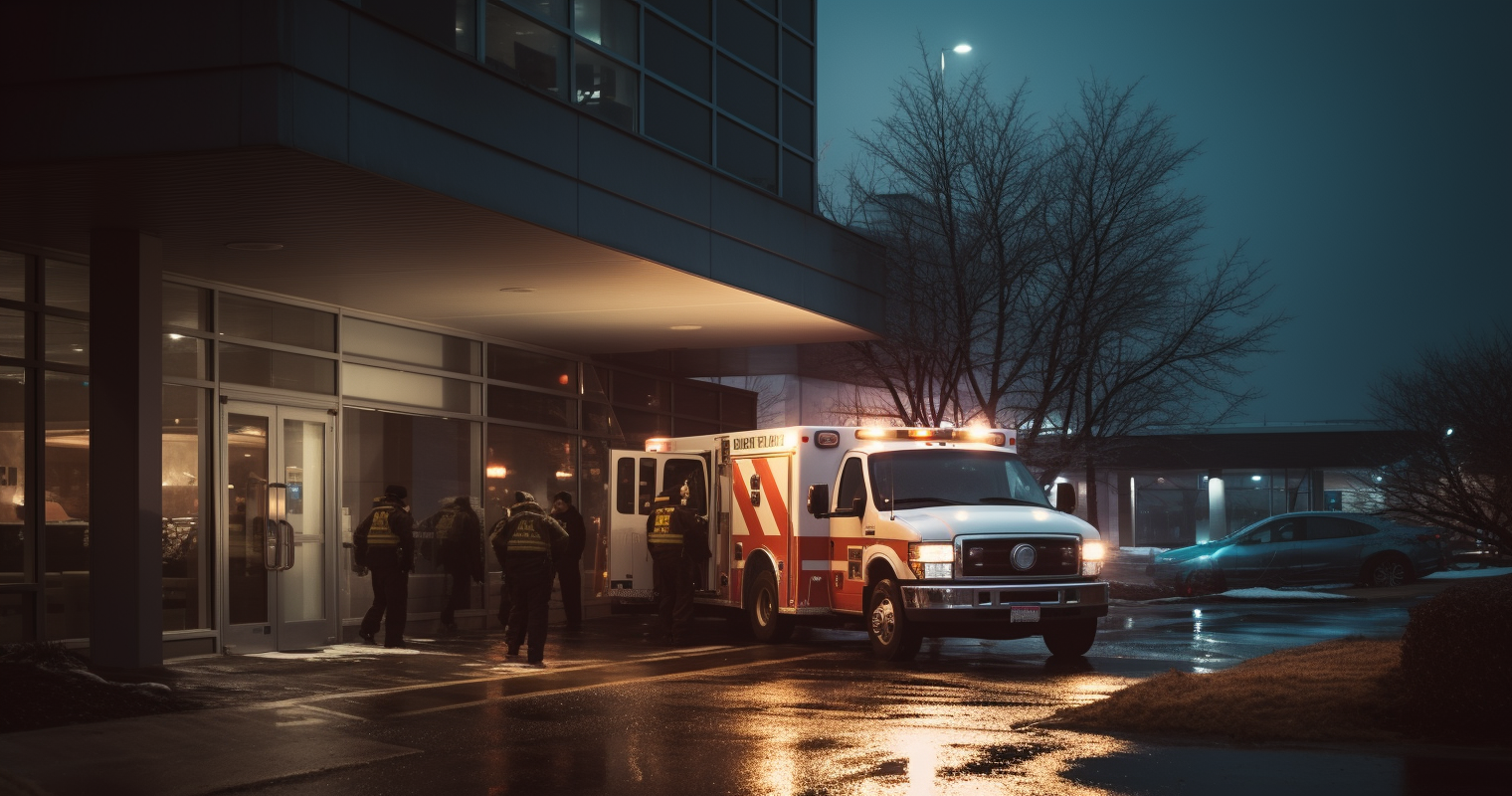
In Cyprus, dialling 112 puts you through to all emergency services — police, fire brigade, and ambulance — at no cost from any type of telephone. A second nationwide number, 199, provides an alternative route to the same services. Public hospitals treat everyone in an emergency, although GeSY-enrolled residents pay a modest co-payment (approximately €10 as of 2024); tourists and those without insurance are typically billed at private rates.
| Item | Details |
|---|---|
| Main emergency number | 112 (all services) and 199 (national backup) — free to call, as of 2025 |
| A&E co-payment for GeSY residents | Approx. €10 per A&E visit (GeSY-registered); EU/Cypriot pensioners exempt, as of 2024 |
| Annual GeSY co-payment cap | €150 per person (€75 for pensioners, low-income individuals and children), as of 2024 |
| Tourists / non-residents | Generally required to pay privately; EU/EEA/Swiss EHIC holders can access public emergency care at local rates |
| Public hospital network | 9 hospitals and 38 health centres run by SHSO, as of 2024 |
| Key disaster risk | Wildfires (April–October); earthquakes; flash flooding |
What is the single emergency number to call in Cyprus, and does it cover police, fire, and ambulance — or are there separate numbers for each service?
112 is the pan-European emergency number giving callers immediate access to medical, fire, and police services from any telephone — landline, payphone, or mobile — at no charge. It operates throughout the entire Republic of Cyprus, as it does in every EU member state.
Alongside 112, 199 functions as an additional emergency number in Cyprus. Both numbers feed into the same dispatch system, so whichever you dial, you will reach the appropriate service. It is advisable to store both numbers in your phone so you have a backup option. As of 2025, these remain the confirmed emergency contacts for the Republic of Cyprus — always cross-check with official government sources to ensure the information is current.
If you are unable to state your exact location when calling, emergency operators in Cyprus can use geo-location to find you — particularly helpful if you are lost in the Troodos mountains or in a remote rural area. When the call connects, clearly indicate whether you need police, fire, or medical assistance, and follow the operator’s instructions throughout.
Note on Northern Cyprus: The part of Cyprus outside the control of the Republic of Cyprus (commonly referred to as Northern Cyprus) uses different emergency numbers: police 155, fire 199, and ambulance 112, with individual cities also having their own dedicated lines. This guide covers only the Republic of Cyprus, which is the internationally recognised, government-controlled area.
How do you call for emergency medical assistance in Cyprus, and what should you expect when you call?
To summon an ambulance in Cyprus, dial 112 or 199. Both numbers reach emergency dispatch, which will dispatch an ambulance and, where required, police or fire crews. The call is completely free from any type of phone.
When speaking to the operator, be clear and calm. Give your location as precisely as possible — a street address, a landmark, or the most detailed description you can manage. State the nature of the emergency, how many people are affected, and provide a contact number in case the line is cut. Stay on the call until the dispatcher tells you it is safe to hang up, and follow any first-aid guidance given while you wait for the ambulance to arrive.
Medical staff at Cypriot facilities generally have a good command of English, so communicating your situation should not present a significant barrier. Dispatchers and paramedics are typically able to work in both Greek and English. If neither language is available to you, call 112 regardless and remain on the line — in a life-threatening situation, do not delay calling out of concern about the language barrier.
After a road accident, the immediate priority is safety for all those involved, followed by calling the emergency services on 112 or 199. Even seemingly minor collisions should be reported to the police so that the incident is officially documented; officers will attend, record statements, and arrange an ambulance if injuries are apparent.
What should you do in a mental health crisis in Cyprus — is there a dedicated mental health emergency line, and can you go to a hospital emergency department?
Cyprus does not currently operate a single, nationally promoted mental health emergency hotline comparable to, say, the 116 123 Samaritans service available in Ireland or certain other European countries. If you or someone nearby is in immediate danger, calling 112 remains the right course of action — emergency services are equipped to respond to psychiatric emergencies as much as physical ones.
For hospital-based crisis care, you can present directly to the Accident and Emergency (A&E) department of your nearest public hospital. GeSY covers a broad range of mental health services, including psychiatric assessments, counselling, and inpatient treatment, as well as some allied therapies where there is a clinical need. A&E staff can arrange a psychiatric evaluation and, where clinically indicated, facilitate admission to an inpatient psychiatric ward.
While GeSY’s benefits package is wide-ranging, there are some constraints — access to long-term psychiatric institutional care and certain therapies may be limited, and the number of funded sessions for some allied services, such as physiotherapy and speech therapy, may not meet the needs of more complex cases, pushing beneficiaries towards private providers at personal cost. For ongoing mental health support, expats are encouraged to register with a GeSY personal doctor who can issue referrals to specialists. Always check what is currently included via the official GeSY/HIO website.
Where can you go for emergency medical treatment in Cyprus — are there public hospitals, private hospitals, urgent care clinics, or other facilities, and how do you find the nearest one?
Public hospitals and health centres across Cyprus fall under the State Health Services Organisation (SHSO), which is the island’s largest healthcare provider and operates nine hospitals along with 38 health centres covering all cities and provinces. Major public hospitals with 24-hour Accident and Emergency departments are found in Nicosia, Limassol, Larnaca, Paphos, and Famagusta (Paralimni).
If you need urgent treatment, go directly to the 24/7 A&E department of your nearest public hospital. From 2023, the A&E departments of certain private hospitals have joined GeSY as contracted providers, which means that registered GeSY beneficiaries may be able to receive publicly funded emergency care at some private facilities — consult the GeSY provider portal for a current list of contracted A&E providers.
Private clinics and hospitals are found throughout the island and offer urgent care on a fee-paying or private insurance basis outside the public network. Standalone urgent care clinics in tourist-heavy areas can also be a convenient option for non-critical injuries or illnesses during the busy summer months. To locate the nearest suitable facility, check the SHSO website or call 112 — dispatchers can guide you to the most appropriate option for your circumstances.
Is emergency medical treatment free in Cyprus or is there a charge — and does this differ for residents versus tourists or short-term visitors?
The answer varies considerably depending on your residency and registration status. Cyprus runs the General Healthcare System (GeSY/GHS), a comprehensive scheme introduced in June 2019 that now extends coverage to the entire population and grants all registered beneficiaries access to care. However, “free at the point of use” under GeSY still involves small co-payments in certain situations.
For GeSY-registered residents: A €10 co-payment is charged for attendance at an Accident and Emergency department, payable upon arrival. EU and Cypriot pensioners are exempt from this charge (as of 2024). Visits to your personal doctor and inpatient hospital stays are free of charge. The annual ceiling on co-payments is €150 per person, reduced to €75 for pensioners, low-income individuals, and children (as of 2024). Always confirm the current rates via the official GeSY website.
For tourists and short-term visitors: For those who have not enrolled in GeSY and do not carry a valid EHIC or equivalent card, healthcare in Cyprus is broadly a private-pay or insurance-based matter. Without GeSY registration, you will generally be expected to settle treatment costs at private rates, which can be substantial. Private hospital inpatient care can run to €1,000–€5,000 per day depending on the treatment required (as of early 2026).
Do expats in Cyprus need travel or health insurance to access emergency care, and what happens if they turn up without insurance or without the ability to pay?
Whether insurance is necessary depends on your individual status. GeSY is accessible to EU/EEA citizens who are employed or reside in Cyprus in accordance with national law, to third-country nationals holding permanent resident status or the right to equal treatment under national law, and to their family members. Expats who meet the eligibility criteria and have completed registration will receive emergency care under GeSY for only the modest co-payment described above.
Despite GeSY’s broad reach, a healthy private health insurance market continues to operate in Cyprus. Many residents — particularly expatriates, business professionals, and those who value quicker access — choose to top up their public cover with private insurance, which typically unlocks a wider network of hospitals and reduced waiting times.
If someone arrives at an A&E department without insurance and without funds — for instance, a tourist caught in an unexpected emergency — public hospitals in Cyprus will still deliver immediate stabilising treatment. The patient will, however, receive a bill for all costs incurred once the acute situation is resolved. Without insurance, those bills can be significant. The European Health Insurance Card and the UK Global Health Insurance Card address only emergency medical costs and are not substitutes for travel insurance. All short-term visitors are therefore strongly advised to take out adequate travel insurance before travelling.
Are there any bilateral health agreements between Cyprus and other countries that entitle some foreign nationals to reduced-cost or free emergency treatment?
As an EU member state, Cyprus participates in the European Health Insurance Card (EHIC) scheme, which is the most significant reciprocal healthcare arrangement currently in place. Residents of EU, EEA, and Swiss countries can present their EHIC when seeking emergency or medically necessary treatment in Cyprus’s public healthcare facilities and will be charged at the same rates that apply to local residents. The EHIC does not extend to private medical care or to medical repatriation, so private travel insurance remains advisable.
Following Brexit, the UK introduced the Global Health Insurance Card (GHIC) as its national replacement for the EU EHIC. UK citizens can use the GHIC to access Cyprus’s public healthcare system for emergency and medically necessary treatment on the same basis as EHIC holders. To confirm your current entitlements, consult the official NHS GHIC page and the Cyprus Ministry of Health website.
If you receive a UK state pension or certain UK benefits, you may be eligible to register an S1 form, which arranges for the UK to fund your Cyprus healthcare costs, covering appointments, hospital stays, surgery, and medications without upfront payment. Equivalent S1 arrangements are also available to pensioners from other EU member states residing in Cyprus. Beyond the EU/EEA framework and the UK GHIC, there are no widely documented Commonwealth-style bilateral health treaties covering Cyprus for other nationalities — anyone without an EHIC, GHIC, or S1 form should ensure they have comprehensive travel or private health insurance in place. Verify the current position through your country’s embassy in Cyprus or the Cyprus Ministry of Health.
How does the emergency healthcare system in Cyprus compare to systems expats may be familiar with?
Cyprus operates a hybrid healthcare model combining the universal public scheme — GeSY — with a parallel private market. The system draws on elements of both a National Health Service and a Social Health Insurance model, funded through contributions from employees, employers, and the state budget. This distinguishes it from a purely tax-funded system like the UK’s NHS, and equally sets it apart from systems such as the United States, where upfront payment or private coverage is the standard expectation for all patients.
One distinctive feature of GeSY is that it does not restrict publicly funded care to state-owned hospitals. Instead, it contracts both public institutions and private doctors, clinics, and hospitals, allowing patients to receive GeSY-covered treatment from private providers — provided the provider holds a GeSY contract. This approach is broadly comparable to systems in the Netherlands or Germany, where patients navigate care through an insurer-like mechanism rather than relying exclusively on government-run facilities.
In contrast to France, where ambulance call-outs are generally reimbursed through social security, or Australia’s Medicare, which covers emergency hospital treatment for residents at no upfront cost, Cyprus charges a modest A&E co-payment from GeSY members. Overall out-of-pocket spending in Cyprus has fallen sharply — from 45% of total health expenditure in 2018, one of the highest figures in the EU, to approximately 10% in 2021 following GeSY’s rollout. For non-residents and visitors, the experience is closer to a private-pay model, resembling how healthcare functions for uninsured patients in the United States or in countries without social health systems.
What emergency services exist beyond medical — how do police and fire services work in Cyprus, and are there any important differences in how to contact or interact with them compared to what expats may be used to?
Calling 112 connects you to police, fire, and ambulance services in one step, and 199 serves as an alternative national emergency number. Both calls are free from any telephone. The Cyprus Police (Αστυνομία Κύπρου) and the Fire Service (Πυροσβεστική Υπηρεσία) are well-structured organisations with island-wide coverage throughout the Republic of Cyprus.
When dealing with the police, it is important to carry identification at all times — Cypriot law requires residents to be able to prove their identity if asked. Following a road accident, contacting the police is essential even if the damage appears minor, since an official record of the incident will be needed for any subsequent insurance claim. Officers will attend, take statements from all parties, and call for an ambulance if injuries require it. In tourist areas and larger towns, officers will generally have a working knowledge of English, though interactions may proceed more slowly if translation assistance is needed.
The Fire Service responds to building fires, vehicle fires, wildfires, and vehicle extrications. If you spot a wildfire, contact emergency services via 112 or by using the dedicated number 1407, which connects directly to the Forestry Department during high-risk periods. Saving 1407 in your phone is particularly advisable if you live in or regularly spend time near forested or rural terrain. Cyprus’s fire service participates in EU civil protection arrangements — in June 2024, Cyprus activated the EU Civil Protection Mechanism to request aerial firefighting support during a major wildfire, with Greece providing two aircraft in response.
Are there any country-specific emergency risks in Cyprus — such as natural disasters, extreme weather, civil unrest, or endemic diseases — and what official alert or warning systems exist?
Wildfires represent the most serious and recurrent natural hazard on the island. The fire risk is elevated throughout the summer period from April to October. Make sure your mobile phone is enrolled to receive emergency alerts, which notify you of fires in your vicinity. Wildfires spread rapidly and unpredictably, making advance warning critical. Signing up for Cyprus’s mobile alert system is strongly recommended for all residents. If you observe a fire, call 112 or 1407 without delay.
Earthquakes are also a genuine risk — Cyprus sits in a seismically active zone in the eastern Mediterranean. Significant earthquakes are relatively rare, but minor tremors occur with some regularity. Civil Defence provides preparedness guidance and protective measures covering earthquakes, other natural disasters, and armed conflicts.
Flash flooding can develop rapidly during autumn and winter, especially after the dry summer months leave the ground poorly able to soak up sudden heavy rainfall. Certain coastal and low-lying roads can become impassable within a very short time.
Alert systems: An island-wide network of electronic sirens covers Cyprus, supplemented by an ultra-high frequency radio system. The sirens can be activated to warn the population of various types of emergency, and the system supports both live vocal announcements and pre-recorded messages. The ZENON plan, adopted by the Council of Ministers, requires relevant authorities to develop specific national response plans across a range of disaster scenarios, with graduated levels of activation based on the scale of the event. For civil defence guidance and information leaflets, visit the official Cyprus Civil Defence website.
What should expats do to prepare for emergencies before they arise in Cyprus?
- Save key emergency numbers: Store 112, 199, and 1407 (forest fires) in your phone. Also save the direct number of your nearest public hospital’s A&E department.
- Register with GeSY: If you are a legal resident of Cyprus, register with the General Healthcare System as soon as possible. All citizens and permanent legal residents in Cyprus can register to access the GHS; all expatriates living in Cyprus who hold a Cypriot ID or Alien Card are entitled to enrol. Visit the GeSY portal to begin registration.
- Register with your home country’s embassy or consulate: Most countries offer a citizen registration scheme for those living abroad. This allows your government to contact you in the event of a national emergency, natural disaster, or civil unrest, and to provide consular assistance if needed. Check your own government’s website for details — for example, the UK’s FCDO LOCATE service, or the US State Department’s STEP programme.
- Register for mobile emergency alerts: Ensure your mobile phone is set up to receive emergency alerts from Cypriot authorities, which are issued for wildfires and other hazards. Contact your mobile network provider if you are uncertain whether your number will receive local alert messages.
- Know where your nearest A&E is: Before an emergency occurs, identify the location and contact details of the closest public hospital with an A&E department. In Cyprus, public hospitals are located in Nicosia, Limassol, Larnaca, Paphos, and Paralimni (Famagusta district).
- Arrange appropriate insurance: If you have not yet enrolled in GeSY, make sure you hold valid travel or private health insurance that covers emergency medical treatment. Even after joining GeSY, comprehensive private insurance can offer faster access and broader coverage for certain services.
- Contact Civil Defence for shelter information: You can find out your closest designated shelter by calling Civil Defence on 22403450 or 22403452, available around the clock.
- Prepare a home emergency kit: Given the risk of wildfires and occasional power outages, keep a basic emergency kit at home including bottled water, a first-aid kit, essential medications, a torch, and important documents (passport, residence permit, insurance details).
Where can expats get official and up-to-date emergency information for Cyprus?
The most dependable sources for emergency preparedness guidance and official information in Cyprus are government bodies and established international organisations. Always confirm specific figures — fees, thresholds, or procedures — directly with these sources, as details are subject to change.
- Cyprus Civil Defence (Ministry of Interior): www.moi.gov.cy — official guidance on natural disaster preparedness, the ZENON plan, and civil defence procedures.
- GeSY / Health Insurance Organisation (HIO): www.gesy.org.cy — registration, co-payment schedules, contracted providers, and benefits package details.
- State Health Services Organisation (SHSO): www.shso.org.cy — public hospital locations, A&E department contacts, and health centre listings.
- Cyprus Ministry of Health: www.moh.gov.cy — national health policy, bilateral agreements, and public health alerts.
- BeSafeNet Cyprus: besafenet.net — Civil Defence identifies this as an official resource for natural disaster preparedness information.
- Your home country’s embassy or consulate in Cyprus: Contact details are available via your own government’s foreign affairs website. Embassies can advise on bilateral health agreements, citizen registration, and consular assistance in emergencies.
- EU Travel Smart / EHIC information: For information on EHIC coverage in Cyprus, visit your national health authority’s website or the European Commission’s EHIC page.
Frequently Asked Questions
What is the emergency number in Cyprus?
Dialling 112 connects you to all emergency services — police, fire, and ambulance — from any telephone, including landlines, payphones, and mobile phones, at no cost. The number 199 also serves as a national emergency line reaching the same services. Both numbers are valid as of 2025 — confirm current details with official Cypriot authorities.
Will I be treated in an emergency if I have no insurance in Cyprus?
Public hospitals in Cyprus will provide immediate stabilising care in a genuine emergency regardless of whether you carry insurance. However, if you are not enrolled in GeSY and do not hold a valid EHIC or GHIC, you will receive a bill for treatment costs at private rates once the acute situation is stabilised. For visitors and non-residents, healthcare in Cyprus is largely a private-pay or insurance-based matter. Travel insurance is strongly recommended for all visitors to the island.
Does my EHIC or GHIC card cover emergency treatment in Cyprus?
Residents of EU, EEA, and Swiss countries can use the European Health Insurance Card (EHIC) to access emergency or medically necessary public healthcare in Cyprus at the same rates that apply to local residents. The EHIC does not extend to private medical care or medical repatriation. UK citizens can use the UK Global Health Insurance Card (GHIC) for equivalent access to Cyprus’s public healthcare system. Neither card is a substitute for comprehensive travel insurance.
How much does an A&E visit cost in Cyprus?
GeSY-registered beneficiaries pay a €10 co-payment upon arrival at an Accident and Emergency department. EU and Cypriot pensioners are exempt from this charge (as of 2024). For those without GeSY registration, costs are considerably higher and vary according to the nature and extent of treatment required. Always verify current co-payment rates on the official GeSY website.
Is there a risk of wildfires in Cyprus, and how will I be warned?
Wildfires pose a significant risk in Cyprus throughout the summer season from April to October. You should ensure your mobile phone is registered to receive emergency alerts so that you are notified of any fires in your area. Cyprus also operates an island-wide network of electronic sirens capable of alerting the population to various types of emergency. If you spot a fire, call 112 or 1407 immediately.
Can I register with GeSY as an expat living in Cyprus?
All permanent and legal residents of Cyprus are eligible to register with GeSY, including expatriates who hold a Cypriot ID or Alien Card. The system is open to EU/EEA citizens who are employed or resident under national law, and to third-country nationals with permanent resident status or the right to equal treatment under national law. You can begin the registration process via the GeSY portal.
What should I do in a mental health emergency in Cyprus?
If you or someone else faces immediate danger, call 112 — emergency services are trained to respond to psychiatric crises as well as physical medical emergencies. You can also attend the A&E department of your nearest public hospital, where staff can conduct a psychiatric assessment and arrange inpatient admission if it is clinically necessary. GeSY covers mental health services including psychiatric evaluations, counselling, and inpatient care. For non-urgent mental health support, a GeSY-registered personal doctor can refer you to specialist services.
How do I find out where my nearest emergency shelter is in Cyprus?
To find the location of your nearest designated shelter, call Civil Defence on 22403450 or 22403452, which operates around the clock. Have your postcode ready; if you reach an answering machine, leave your phone number and a Civil Defence officer will return your call. Shelter locations are not published online for security reasons, so contacting Civil Defence in advance is the most effective way to be prepared.