
Where, when, and why did you move abroad?
I first moved abroad to Ireland, where I spent about three and a half years. The initial goal was to study English and build a new life outside Brazil. Over time, my plans started to change as I gained more experience and clarity about what I wanted for the future.
After Ireland, I had a short opportunity to work in France, but it didn’t last long. I then moved to Belgium, where I also had a positive experience, although my long-term plans continued to evolve.
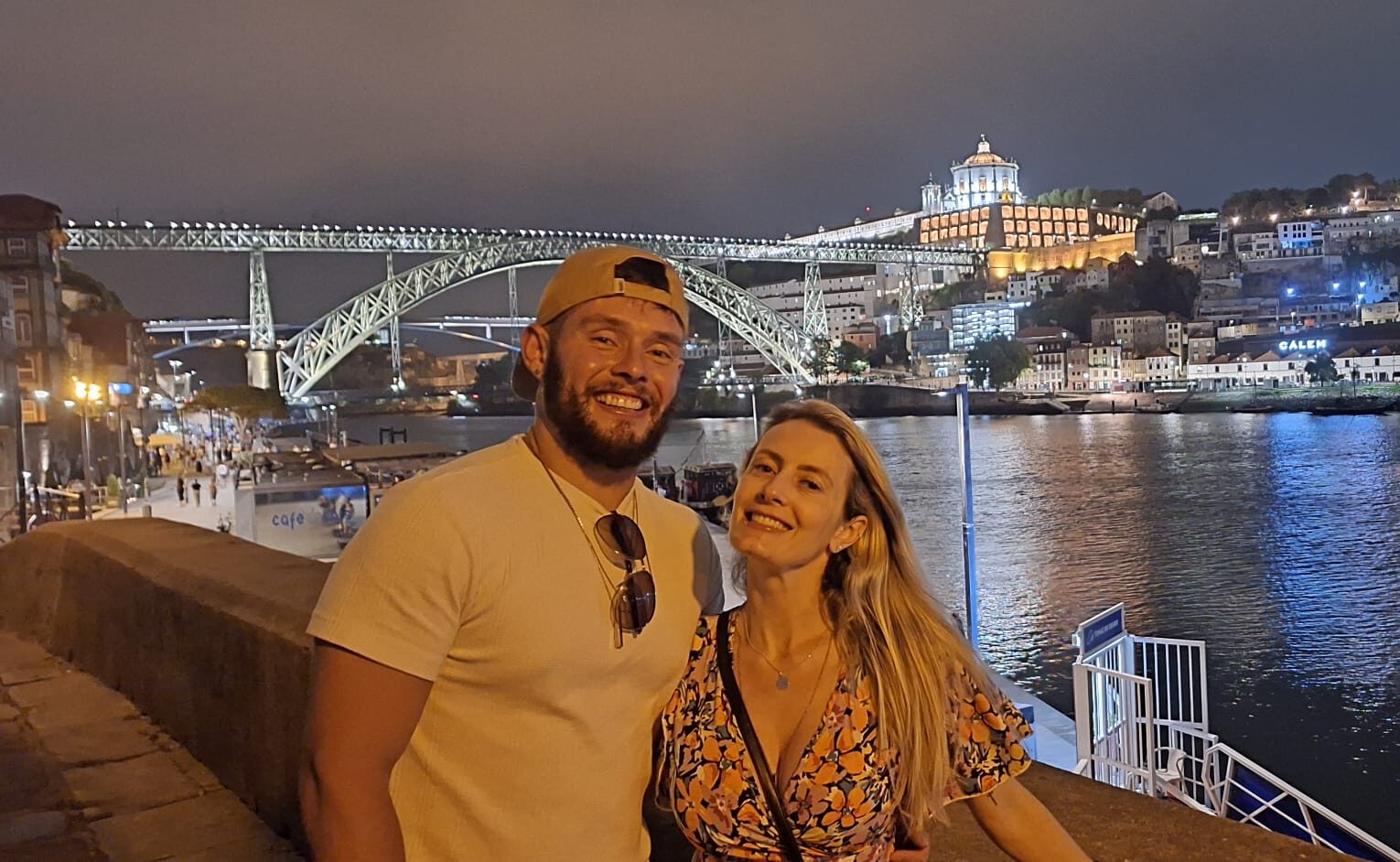
More recently, I moved to Portugal, where I’ve been living for the past couple of months. The decision was mainly based on lifestyle and practicality. Portugal offers a lower cost of living and better conditions for the kind of work I’m focusing on now, which is building a digital career. It felt like the right place to continue this new phase.
What challenges did you face during the move?
The biggest challenge throughout my journey was definitely the language.
When I first moved to Ireland, I didn’t speak English, which made everything more difficult at the beginning. Simple things like communication, daily tasks, and adapting to a new environment required much more effort. However, over time, this improved, and it became
part of the learning process.
Later, when I moved to France, the language barrier became even more noticeable. I was living in a smaller town where people didn’t speak much English, which made communication at work particularly challenging. This was one of the main reasons I eventually decided to
move on.
In Belgium, although many people speak English, it’s not always enough in the job market. After an initial period where work was easier to find, I started facing more difficulties, as most opportunities required speaking Dutch. That became a limitation.
Interestingly, outside of language, I didn’t face major bureaucratic challenges. Overall, the biggest difficulty across all countries was adapting to different languages and communication styles.
What do you like most about life in your new country?
Having lived in a few different countries, I would say that some things stand out across all of them, especially in Europe.
The first is safety. Coming from Brazil, this is something that really changes your daily life. In Ireland, and now in Portugal, I’ve always felt much more comfortable and at ease. It’s a different feeling to know you can walk around without constantly worrying — that alone has
a big impact on quality of life.
Another thing I really value is how easy it is to travel. Living in Europe gives you access to so many different countries, cultures, and experiences within a short distance. That’s something I’ve enjoyed a lot over the years.
Now that I’m in Portugal, there are also more personal aspects that make a difference. The culture feels closer to home, and the food is much more familiar compared to other countries I’ve lived in. That makes everyday life feel more comfortable and natural.
What is the most difficult part of expat life for you and your family?
The hardest part, without a doubt, is being away from family and close friends.
Even though you build a new life and create new connections, there are moments you can’t replace. Missing important occasions like holidays, birthdays, and family gatherings is something that stays with you.
It’s not something that necessarily gets easier. You just learn how to deal with it over time. Technology helps, of course, but it’s not the same as being physically present.
For us, that emotional distance has been the most challenging part of living abroad.
How is your relationship with local people and other expats?
In Ireland, where we spent the most time, we built very strong connections.
Because we were studying and working at the same time, we met people from all over the world — Brazilians, Mexicans, Colombians, as well as Irish colleagues and people from other nationalities. It was a very multicultural environment, especially at work, where we interacted
with people from many different backgrounds.
Over time, those relationships became much more than just casual friendships. We celebrated holidays together, spent time outside of work, and created bonds that felt like a second family. Even after leaving Ireland, we still keep in touch with many of them.
In France and Belgium, we didn’t stay long enough to build the same level of connection.
Now in Portugal, our situation is a bit different because we both work online, so we naturally have less daily interaction. Even so, our experience has been very positive. People are friendly, and we’ve had good relationships with both locals and other expats. It’s just a different kind of social dynamic compared to when we were working and studying in Ireland.
What advice would you give to someone thinking of making a similar move?
If I had to highlight a few key points, the first would definitely be language.
Even though it’s possible to find work without being fluent, especially in places like Ireland, having a basic level of the local language makes everything much easier. It opens more opportunities, improves your daily life, and helps you integrate faster.
The second point is financial preparation. We were lucky to find work quickly, but that’s not always the case. Having some savings gives you peace of mind and allows you to focus on settling in without unnecessary pressure.
Another important aspect is understanding the practical side of moving. That includes researching the country, knowing the basic steps you need to take when you arrive, and being aware of things like documentation, banking, and how the job market works. The more prepared you are, the smoother the transition will be.
And finally, don’t overthink it too much.
A lot of people delay their plans because they think moving abroad is extremely complicated. Of course, there are challenges, but in many ways it’s more manageable than it seems from the outside.
At some point, you need to prepare as much as you can and then just go.
Because once you take that step, everything starts to make sense.