
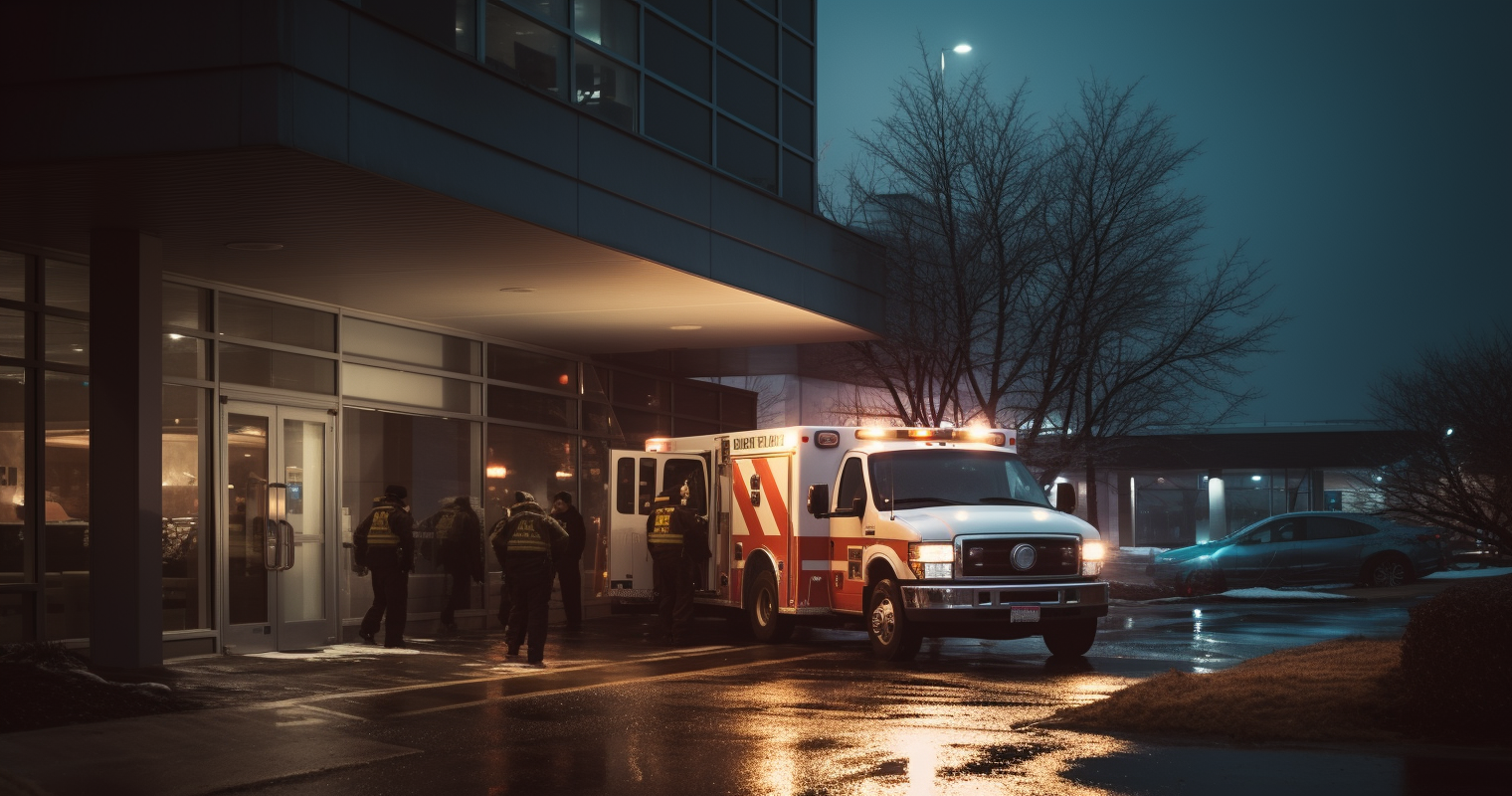
Hong Kong uses a single emergency number — 999 — to reach police, fire, and ambulance services. Public hospitals provide emergency medical care to all who need it, though fees apply: from January 2026, the Accident and Emergency charge is HK$400 per visit for most patients, with those classified as critical or emergency cases treated at no cost. Those without Hong Kong residency status are billed at a higher non-eligible rate. Taking out health insurance is strongly advised.
| Item | Details |
|---|---|
| Single emergency number | 999 (police, fire, ambulance) — also 992 for speech/hearing impaired; as of 2025 |
| A&E fee at public hospitals (eligible persons) | HK$400 per visit; critical/emergency category patients exempt; as of January 2026 |
| A&E fee at public hospitals (non-eligible/visitors) | Higher “non-qualified persons” rate applies — verify current figure with the Hospital Authority |
| Private hospital A&E consultation fee | Approximately HK$330–HK$1,300+ per visit; as of 2025 — confirm with individual hospitals |
| Mental health emergency hotline | 18111 (24-hour Government Mental Health Support Hotline); as of 2023 |
| Annual public hospital fee cap | HK$10,000 per year for eligible persons; as of January 2026 |
What is the single emergency number in Hong Kong, and does it cover police, fire, and ambulance — or are there separate numbers for each service?
Hong Kong runs a unified emergency call system. Whenever an urgent situation arises, dialling 999 will connect you to police, fire, or ambulance services — all three are accessible through this one number, so there is no need to memorise separate contact details for each.
Dialling 999 covers police, fire, and ambulance needs, while 992 is available as an SMS-based alternative for callers who are deaf or have difficulty communicating by voice. This provision — known as the Emergency SMS Service — is an essential resource for people with speech or hearing impairments. If you are using an international mobile phone, dialling 112 will also connect you to emergency services, as it does in many countries around the world. Always confirm current numbers through GovHK’s official emergency information page.
How do you call for emergency medical assistance in Hong Kong, and what should you expect when you call?
Ambulance services across Hong Kong are delivered by the Fire Services Department through its Emergency Ambulance Service (EAS). Although this arrangement — placing ambulance operations under the Fire Services Department rather than a standalone authority — may seem unusual to those accustomed to different structures back home, the service is highly professional and responds quickly.
Anyone who needs urgent medical help but cannot make their own way to hospital can call 999 or reach the Fire Services Communication Centre directly on 2735 3355 to request an emergency ambulance. If the situation is not severe and circumstances allow, making your own way to hospital is recommended.
When making the call, be prepared to give key information clearly. Dispatchers need to know: what has occurred (for example, whether someone has collapsed, been injured, or fallen ill); the precise location of the incident; relevant details about the patient’s condition (such as their age, sex, symptoms, medical history, how many people are involved, and how serious the situation appears); and a telephone number the centre can use to follow up.
A non-emergency ambulance transfer service (NEATS) is also available for patients who need planned hospital transfers that do not require an urgent response. Further details about ambulance provision can be found on the Hong Kong Fire Services Department website.
What should you do in a mental health crisis in Hong Kong — is there a dedicated mental health emergency line, and can you go to a hospital emergency department?
Hong Kong has a government-run mental health hotline that operates around the clock every day of the year. The “18111 – Mental Health Support Hotline” was established to offer a single point of contact for anyone experiencing mental health difficulties, providing immediate support and connecting callers to appropriate referral services at any hour.
The hotline’s primary language is Cantonese, though it also offers services in Putonghua and English. For callers who speak ethnic minority languages, a teleconferencing-based interpretation arrangement has been established with partner NGOs. This multilingual capability is particularly valuable for expats who are not fluent in Cantonese.
Where an immediate risk to safety exists, the hotline works with government departments and agencies — including the Hong Kong Police Force, the Fire Services Department, the Hospital Authority, and around 20 NGOs focused on suicide prevention and mental health — to coordinate emergency follow-up when needed.
If you or someone nearby faces an immediate threat to life — including having acted on suicidal thoughts, having caused serious self-harm, or being in any other life-threatening situation — call 999 or attend the nearest accident and emergency department straight away. Other key 24-hour crisis contacts include the Samaritans of Hong Kong multilingual suicide prevention line at +852 2896 0000 and the Samaritan Befrienders Hong Kong at 2389 2222 (Cantonese). Always verify these numbers through official sources before relying on them, as details may be updated over time.
Where can you go for emergency medical treatment in Hong Kong — are there public hospitals, private hospitals, urgent care clinics, or other facilities, and how do you find the nearest one?
Accident and Emergency (A&E) care in Hong Kong is provided across 18 public hospitals managed by the Hospital Authority and 4 private hospitals. Coverage spans the territory, though facilities are naturally more concentrated in the densely populated urban core.
The Hospital Authority uses a five-tier triage system to determine the order in which patients are seen. Categories run from critical and emergency through to urgent, semi-urgent, and non-urgent — meaning that the most serious cases receive attention first, regardless of arrival order. Waiting times at different A&E departments vary by location and time of day, but non-critical patients can generally expect to wait between one and three hours. Live estimated waiting times are published on the Hospital Authority’s website, which can help you decide which facility to attend.
At private hospitals, A&E consultation fees range from approximately HK$330 to HK$1,300, with total costs depending on the attending doctor, any procedures carried out, and the patient’s overall condition. Private facilities typically offer shorter waiting times, but at a considerably higher price. For non-urgent matters, 24-hour outpatient services at private hospitals provide an alternative to A&E queues.
A full directory of Hospital Authority hospitals and their A&E departments, including real-time waiting time data, is available at the Hospital Authority website. In a genuine emergency, dialling 999 will bring paramedics who will take you to whichever facility is most appropriate for your condition.
Is emergency medical treatment free in Hong Kong or is there a charge — and does this differ for residents versus tourists or short-term visitors?
Public hospital emergency care in Hong Kong is not free, but it is substantially subsidised. The cost you pay depends significantly on your residency status. According to the Hospital Authority, only people meeting specific criteria qualify for the subsidised (eligible) rate: holders of a current, valid Hong Kong Identity Card; Hong Kong resident children under 11 years of age; and any other individuals the Hospital Authority’s Chief Executive has approved. Everyone outside these categories — including non-residents and overseas visitors — is considered ineligible and billed at the higher non-qualified persons rate.
Revised charges took effect on 1 January 2026, with the public hospital A&E fee rising from HK$180 to HK$400 per visit for eligible patients — more than double the previous amount. Those triaged as critical or emergency are not charged, while patients in the remaining three categories (urgent, semi-urgent, and non-urgent) pay the standard fee. An annual cap of HK$10,000 has also been introduced for eligible patients, offering some protection for those managing chronic or serious health conditions.
Non-residents pay at a substantially higher non-qualified rate. The exact figure should be confirmed directly with the Hospital Authority before your trip or move, as fees are periodically revised.
Do expats in Hong Kong need travel or health insurance to access emergency care, and what happens if they turn up without insurance or without the ability to pay?
Holding health or travel insurance is not a legal prerequisite for receiving emergency treatment in Hong Kong — anyone who presents at a public hospital A&E will be treated, regardless of their insurance status or capacity to pay at the time. A bill is issued after treatment. That said, comprehensive health or travel coverage is very strongly recommended for anyone living in or visiting Hong Kong, especially given the higher non-eligible rates that apply to those without Hong Kong residency.
Private hospitals typically require either proof of insurance or a deposit before proceeding with non-emergency treatment, and their overall costs can be considerable. Even in the public system, inpatient stays, specialist care, and ongoing treatment can add up quickly for non-residents paying at the unsubsidised rate. Patients who have not settled their public hospital invoice within 60 days of the billing date face an additional administrative surcharge of between 5% and 10%.
Expats who are granted Hong Kong Permanent Residency or certain categories of work visa — and who are issued a Hong Kong Identity Card as a result — will generally become eligible for the subsidised public hospital rate. The precise eligibility implications of your visa category are worth confirming with the Hospital Authority or an immigration lawyer, as these can vary. For visitors staying temporarily, a travel insurance policy that includes robust medical evacuation coverage is considered essential.
Are there any bilateral health agreements between Hong Kong and other countries that entitle some foreign nationals to reduced-cost or free emergency treatment?
In contrast to arrangements such as the European Health Insurance Card (EHIC) system — under which EU member state residents can access state-provided healthcare at local rates across participating countries — Hong Kong does not maintain a comparable network of reciprocal healthcare agreements with foreign nations.
As a Special Administrative Region of China, Hong Kong administers its own healthcare policy independently. There are no widely documented bilateral health treaties between Hong Kong and other countries that would grant visiting foreign nationals access to free or reduced-cost emergency treatment at public hospitals in the way that such arrangements exist between, for example, EU member states or certain Commonwealth countries. Eligibility for the subsidised rate at public hospitals is determined by Hong Kong residency — specifically, holding a valid Hong Kong Identity Card — rather than by the patient’s nationality.
If you are unsure whether any arrangement exists between Hong Kong and your home country, reach out to your country’s consulate or embassy in Hong Kong, or contact the Hospital Authority directly. Rely on official sources rather than third-party guidance, as the position on any such agreements can change. Your home government’s foreign affairs ministry website will have embassy contact details.
How does the emergency healthcare system in Hong Kong compare to systems expats may be familiar with?
Hong Kong’s public healthcare model is built around heavy government subsidisation rather than entirely free care at the point of use. In broad terms, it shares some philosophical similarities with systems like the UK’s National Health Service or Australia’s Medicare — where a publicly funded hospital network provides treatment at costs well below market rates — but with notable differences. Unlike the NHS, which provides care free of charge to UK residents at the point of use regardless of the treatment needed, Hong Kong levies a fee (albeit a modest one by private-sector standards) for most public hospital visits, including A&E attendance.
Compared to the United States, where uninsured patients may encounter very high bills and financial screening before receiving non-emergency care, Hong Kong’s approach is considerably more accessible: public hospitals treat emergency patients first and invoice later, and the subsidised A&E fee of HK$400 (as of 2026) for eligible persons is low by the standards of developed healthcare systems globally.
The combination of a robust public hospital network alongside a well-developed private hospital sector is reminiscent of arrangements in countries such as Singapore and Australia. Many expats in Hong Kong — particularly those in professional or corporate roles — receive private health cover through their employer, enabling them to use private hospitals where waiting times are shorter and specialist choice is greater. This pattern is common in Hong Kong’s expatriate community. One notable difference from Singapore’s model is the absence in Hong Kong of any mandatory individual health savings scheme equivalent to Medisave or MediShield.
What emergency services exist beyond medical — how do police and fire services work in Hong Kong, and are there any important differences in how to contact or interact with them?
To reach the Police, Fire Services Department, or ambulance services, dial 999. All three are accessible through this single number, with call operators directing your request to the appropriate service. This mirrors the 999 system used in the UK and the 112 system across the EU, and differs from countries like the US, where a 911 dispatcher handles routing across services.
The Hong Kong Police Force handles everything from minor complaints to serious criminal matters. For non-emergency police enquiries, the Police Hotline is +852 2527 7177. If your passport is lost or stolen, you should file a lost report at the nearest police station — the Police Hotline can advise on locations, or you can consult the force’s website to identify the nearest Report Room. Officers working in urban areas are generally experienced in interacting with non-Cantonese speakers.
The Fire Services Department covers not only fire incidents but also a range of other situations — from animals in distress to people on window ledges — as well as land-based search and rescue operations. Emergencies at sea fall under a different jurisdiction: the Hong Kong Maritime Rescue Coordination Centre handles search and rescue missions in the international waters of the South China Sea and should be contacted when a vessel is in distress offshore.
Are there any country-specific emergency risks in Hong Kong — such as natural disasters, extreme weather, civil unrest, or endemic diseases — and what official alert or warning systems exist?
The most significant recurring natural hazard for anyone living in or visiting Hong Kong is the typhoon season, which runs from May through November. The Hong Kong Observatory (HKO) operates a well-established and widely understood typhoon signal system, with signals ranging from 1 (an advisory standstill warning) up to 10 (the most severe level, reserved for extremely dangerous typhoons). When Signal 8 or higher is raised, significant public shutdowns follow — schools close, transport services are curtailed or halted, and many businesses suspend operations.
During periods of heavy rain and typhoon activity, conditions can become genuinely dangerous. Hong Kong’s Emergency Relief Services activates temporary shelters whenever Typhoon Signal No. 8 or above is hoisted, a red or black rainstorm warning is in effect, or during extreme cold or heat warnings, as well as whenever circumstances otherwise demand it. Newly arrived expats should familiarise themselves with this system promptly, as it has direct implications for everyday life.
Separately, the HKO also issues a Rainstorm Warning System using amber, red, and black levels, which can prompt flooding — particularly in low-lying areas and parts of the New Territories — and trigger landslides on steep hillsides. The Hong Kong Observatory website carries live warnings, forecasts, and alerts, and the HKO app is widely used by residents. Enabling push notifications ensures you receive alerts without having to actively monitor forecasts.
On the public health side, Hong Kong maintains a strong disease surveillance and response infrastructure. The Centre for Health Protection (CHP), operating under the Department of Health, tracks and communicates information on disease outbreaks and health risks. Its website at chp.gov.hk is the authoritative source for current health advisories. Air quality is an additional consideration — pollution levels can rise during winter months as regional pollution accumulates, and the Environmental Protection Department publishes a daily Air Quality Health Index (AQHI) to help residents make informed decisions.
What should expats do to prepare for emergencies before they arise in Hong Kong?
- Register with your home country’s embassy or consulate. Most governments run a registration scheme — such as FCDO’s LOCATE service (UK), STEP (US), or equivalent programmes — through which consular staff can reach you during a major emergency, natural disaster, or civil crisis. Locate your nearest consulate via your home government’s foreign affairs ministry and complete your registration before it becomes necessary.
- Save key emergency numbers. Store 999 (emergency services), 992 (emergency SMS for those with hearing or speech impairments), 18111 (mental health support), and the non-emergency Police Hotline (+852 2527 7177) in your phone. Add the contact number for your nearest public hospital A&E as well. Confirm all numbers are current through official sources when you arrive.
- Learn the typhoon and rainstorm warning systems. Download the Hong Kong Observatory app and activate push notifications. Before any typhoon season begins, understand what each signal level means for your workplace, your children’s school, and the public transport network. Your employer is likely to have a formal policy on typhoon signals — find out what it says in your first week.
- Arrange comprehensive health insurance. Whether provided by your employer or sourced independently, make sure your policy covers emergency treatment, inpatient care, and medical evacuation in Hong Kong. If you are in Hong Kong on a work visa, establish whether your particular visa category qualifies you for the subsidised public hospital rate.
- Identify your nearest A&E department. Find both the nearest public hospital A&E and the closest private hospital A&E to your home and workplace. Practise using the Hospital Authority’s live waiting time tool before any emergency occurs, so you know how to access it when it matters.
- Assemble a household emergency kit. The Hong Kong government advises residents to keep a supply of water, food, a first-aid kit, a torch, and copies of important documents in a location that is easy to access at short notice — particularly ahead of typhoon season. Refer to the GovHK website for current official guidance on what to include.
- Plan your evacuation routes in advance. If your home is in a flood-prone area or on a hillside, locate the nearest government emergency shelter before you need it. Temporary shelters are activated by Hong Kong’s Emergency Relief Services whenever Typhoon Signal No. 8 or above is hoisted or a red or black rainstorm warning is issued. The Social Welfare Department publishes shelter locations.
Where can expats get official and up-to-date emergency information for Hong Kong?
The sources listed below are the primary official channels for emergency information in Hong Kong. These should always be your first port of call over blogs or social media — particularly for fees, procedures, and contact numbers, all of which are subject to change.
- GovHK — Getting Emergency Help: gov.hk — the Hong Kong government’s official emergency information page for both residents and visitors.
- Hospital Authority: ha.org.hk — for hospital locations, live A&E waiting times, current fee schedules, and eligibility criteria.
- Hong Kong Fire Services Department: hkfsd.gov.hk — for information on ambulance services, fire safety, and search and rescue operations.
- Hong Kong Observatory: hko.gov.hk — for typhoon signals, rainstorm warnings, weather alerts, and the HKO mobile app.
- Centre for Health Protection (CHP): chp.gov.hk — for disease outbreak notifications, vaccination guidance, and public health emergency updates.
- Hong Kong Police Force: police.gov.hk — for non-emergency contact details, police station locations, and Report Room information.
- HKengage (for new arrivals): hkengage.gov.hk — a government portal designed to help people who are new to Hong Kong find and use essential services.
For consular emergencies, find your home country’s embassy or consulate in Hong Kong through your home government’s foreign affairs ministry website and save their out-of-hours emergency contact number. Consular details are updated periodically, so verify this information both before and after your move.
Frequently Asked Questions
What number do I call in any emergency in Hong Kong?
Dialling 999 connects you to police, fire, and ambulance services in Hong Kong. If you are using an international SIM card, 112 also works. Callers who are deaf or have speech impairments can use the emergency SMS service by dialling 992. Always verify that these numbers remain current through official sources before relying on them.
Will I be turned away from a Hong Kong public hospital A&E if I can’t pay?
No. Public hospitals under the Hospital Authority will provide emergency treatment to anyone who arrives at an A&E department, regardless of whether they can pay at the time. A bill is sent after treatment. However, patients without a valid Hong Kong Identity Card are charged at the higher non-eligible rate, and outstanding balances that remain unpaid 60 days after billing attract an additional administrative surcharge. Health insurance is strongly recommended for this reason.
How much does an A&E visit cost at a public hospital in Hong Kong?
Revised charges came into effect on 1 January 2026, with the A&E fee for eligible persons (Hong Kong ID card holders) rising from HK$180 to HK$400 per visit — more than doubling the previous amount. Patients triaged as critical or emergency are not charged. Non-residents are billed at a higher non-eligible rate — consult the Hospital Authority website for the current figure, as it is subject to periodic revision.
Is there a dedicated mental health crisis line in Hong Kong?
Yes. The government’s “18111 – Mental Health Support Hotline” provides 24-hour, round-the-clock assistance for people experiencing mental health difficulties. It operates in Cantonese, Putonghua, and English, and can arrange referrals and emergency intervention where needed. If there is an immediate threat to life, call 999 or go directly to the nearest A&E department.
Does Hong Kong have any reciprocal healthcare agreements with other countries?
There are no widely publicised bilateral healthcare agreements between Hong Kong and foreign countries that would give visiting nationals access to free or subsidised emergency treatment at public hospitals. Eligibility for the subsidised public hospital rate is based on Hong Kong residency — specifically, holding a valid Hong Kong Identity Card — not on nationality. If you are uncertain about your position, check with your home country’s consulate or the Hospital Authority directly, as arrangements can change.
What is the typhoon warning system and why does it matter to me as an expat?
The Hong Kong Observatory issues typhoon signals on a scale running from 1 to 10. When Signal 8 or above is hoisted, most employers close their workplaces, public transport is suspended or significantly reduced, and emergency shelters are opened. Signal 3 or above typically triggers school closures. Understanding this system is essential from your first days in Hong Kong, as it directly affects daily routines. Download the HKO app and turn on push notifications at hko.gov.hk.
Should I register with my home country’s embassy or consulate when moving to Hong Kong?
Yes — and doing so early is one of the most important steps you can take. Most governments offer a registration scheme, such as STEP (US), LOCATE (UK), or a similar programme, which enables consular staff to contact you during a major emergency, civil crisis, or evacuation. Check your home government’s foreign affairs ministry website for details, and update your registration whenever your address or contact information changes.
Can I call for an ambulance if my situation is not life-threatening?
You can call 999 or the Fire Services Communication Centre on 2735 3355 to request an emergency ambulance. If the situation is not severe and you are able to make your own way to hospital, doing so is recommended. A non-emergency ambulance transfer service (NEATS) is also available for planned, non-urgent transportation to or from a hospital. Using emergency ambulances only when genuinely necessary helps ensure the service remains available for those in critical need.