
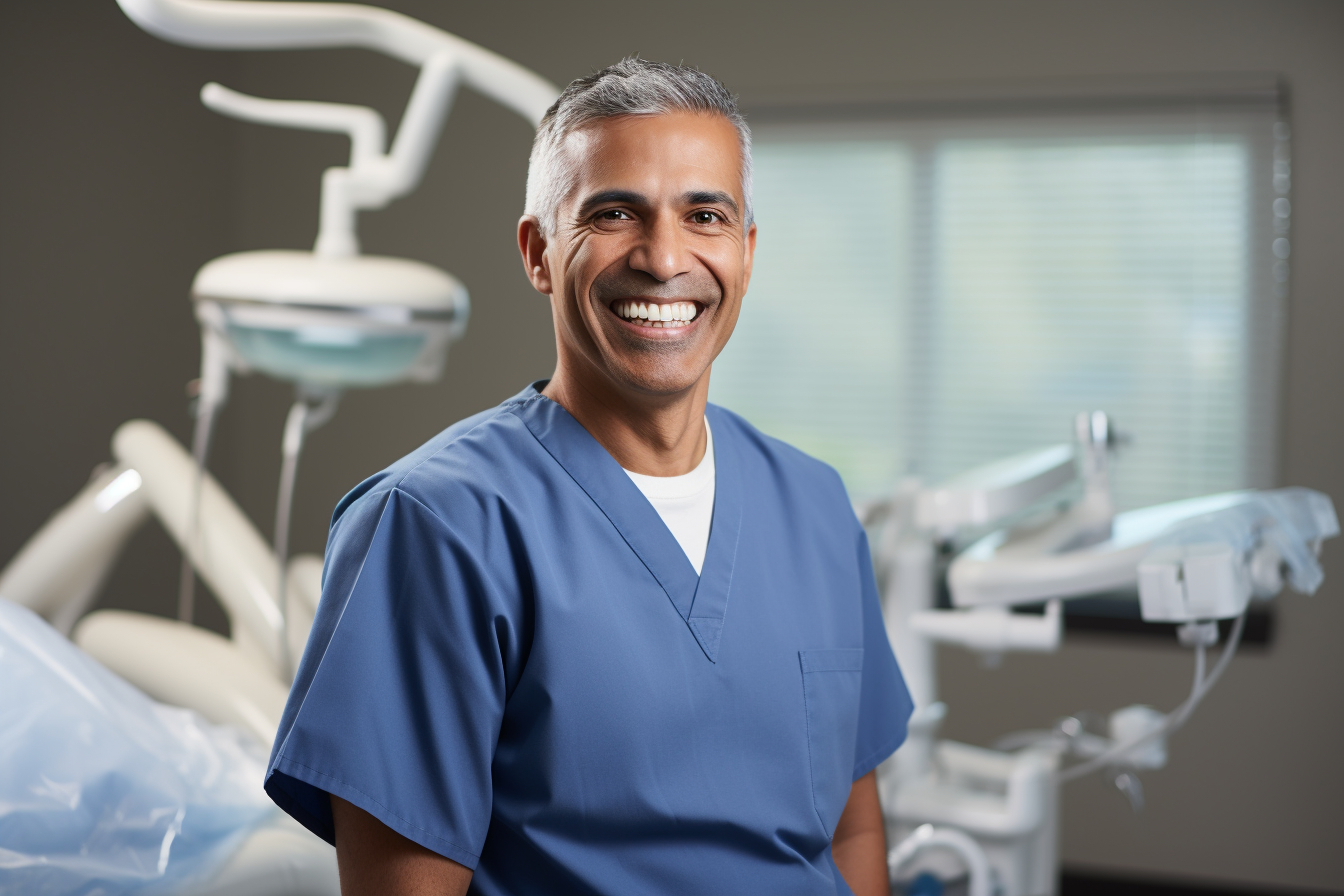
Dental treatment in Panama is delivered primarily through the private sector, and the vast majority of expats turn to private clinics rather than public facilities. State-run dental provision through MINSA and the CSS social security fund is severely restricted and hampered by lengthy waiting lists. Private dental care, by contrast, is modern, readily accessible, and considerably cheaper than in most Western nations — making Panama a compelling choice for those who want high-quality dental work without paying high-country prices.
| Item | Details |
|---|---|
| Public dental coverage | Very limited; dental care is largely excluded from public MINSA and CSS provision (as of 2025) |
| Teeth cleaning (private) | Approximately $50–$100 per session (as of 2025) |
| Fillings (private) | Approximately $80–$150 per filling (as of 2025) |
| Root canal (private) | Approximately $300–$500 per tooth (as of 2025) |
| Dental crowns (private) | Approximately $500–$800 per crown (as of 2025) |
| Dental implants (private) | Approximately $1,500–$2,100 per implant with crown (as of 2025) |
| Key regulatory body | Ministry of Health (MINSA) — minsa.gob.pa |
| Social security fund | Caja de Seguro Social (CSS) — css.gob.pa |
How does the dental care system work in Panama — is it public, private, or mixed?
Healthcare in Panama is organised around two main pillars: a public system administered by the Ministry of Health (MINSA) and the Social Security System (CSS), alongside a well-developed private healthcare sector. When it comes to dental care specifically, the situation is unambiguous — the private sector handles the great majority of treatment, and this is where most residents, whether Panamanian or foreign-born, go when they need dental work done.
Dental, optical, and mental health services fall outside the scope of the public system, though they remain far more affordable than in many other countries. This stands in sharp contrast to systems such as the UK’s NHS, which provides at least some subsidised dental care for registered patients, or Germany’s statutory health insurance scheme (GKV), which covers basic dental treatment for contributors. Anyone planning to move to Panama should expect from the start to fund all dental care privately.
While dental treatment is technically accessible through both public and private channels, expats almost universally choose private clinics. Private practices — particularly in cities — are equipped with contemporary technology and can perform a wide array of procedures at prices well below those common in North America or Western Europe. Basic dental treatment is nominally available through the public system, but waiting times tend to be prohibitively long in practice.
Panama’s public healthcare framework is funded through taxation and operated by two government bodies: the Social Security Fund (Caja de Seguro Social, or CSS) and the Ministry of Health (Ministerio de Salud, or MINSA). MINSA runs public clinics known as polyclinicas and regional hospitals that provide low-cost services to the general population. The CSS manages its own hospital network, delivering care to those whose employers deduct contributions from their payroll on their behalf.
The two official bodies most relevant to dental matters are the Ministry of Health (MINSA), which is responsible for regulating all healthcare provision including the licensing of dental practitioners, and the Caja de Seguro Social (CSS), which manages the social security health fund for employed residents of Panama.
How do expats find and register with a dentist in Panama?
Unlike healthcare models in France or the Netherlands, where patients must formally enrol with a single primary care provider, Panama’s private dental sector works on an open-access basis. There is no registration requirement: you identify a clinic, arrange an appointment, and turn up. This streamlined approach means patients can typically get seen more quickly than in systems built around gatekeeping.
Locating a trustworthy dentist is largely a question of doing your homework and tapping into personal networks. When evaluating potential providers, look into the dentist’s qualifications, specialist training, and areas of expertise; seek out practitioners with a consistently strong track record; read patient reviews on independent platforms rather than clinic-owned websites; and confirm that the facility maintains rigorous sterilisation standards and uses up-to-date equipment.
Established private clinics in Panama City include Centro Odontológico Paitilla, Pacific Dental Clinic, and Clínica Dental Sofer, among many others. With well-equipped practices, experienced clinicians, and professionals who have often trained internationally, Panama has developed into a genuine hub for those seeking to address their dental health needs. Many clinics in the Punta Pacífica, San Francisco, and Marbella districts of Panama City routinely serve international patients.
Expat community networks — both physical and online, including active Facebook groups for expats in Panama City, Boquete, and Coronado — are among the most reliable sources of first-hand recommendations. Panama’s Ministry of Health (MINSA) exercises mandatory regulatory oversight over all dental practices, while the Technical Health Council enforces the verification of credentials for dentists who qualified abroad. This gives patients reasonable assurance that any licensed practitioner has met defined professional standards. Always take the time to check a dentist’s credentials before committing to a course of treatment.
A growing number of private dental clinics now offer preliminary consultations via online platforms or WhatsApp, which is especially helpful for expats arranging their first appointment or those considering extensive work. These digital touchpoints let prospective patients discuss their situation and get initial guidance before setting foot in a clinic.
Is dental treatment covered by public healthcare or social security in Panama?
This is one of the most critical questions for any expat settling in Panama, and the straightforward answer is: dental coverage through either the MINSA public system or the CSS social security fund is extremely restricted. Dental care, along with optical and mental health services, sits outside the public healthcare system. This holds true whether you are accessing care through a MINSA polyclinica or the CSS hospital network.
If you are employed by a company in Panama, your employer will automatically register you with the Social Security System. If you work for yourself, participation in the social security programme is a matter of personal choice. Panama’s total social security contribution rate stands at 22%; employees working for a company contribute 9.75% of their salary. Even full CSS contributors, however, should harbour no expectation of meaningful dental benefits — routine examinations, fillings, extractions, root canals, orthodontic treatment, and cosmetic dentistry are all effectively absent from CSS dental provision.
Employees and business owners in Panama paying into the Social Security fund are entitled to use the Social Security health system at no additional charge. Panamanian retirees receiving social security benefits also have access to this network. Those arriving on visas such as the Friendly Nations Visa or Employment Visa may similarly access CSS healthcare if they make contributions — but, once again, any dental entitlement within that system is negligible.
Panama has no broad public dental benefit equivalent to schemes such as Australia’s Child Dental Benefits Schedule or the limited NHS dental provision in the UK. Expats should approach dental care as an entirely private expense unless they hold an insurance policy that includes a dental component. The silver lining is that, given how affordable private dental treatment is in Panama, many expats find it perfectly manageable to pay out of pocket.
Retirees benefit from certain privileges in Panama: in some circumstances they can access discounts of 20% to 25% on healthcare costs. Those holding the jubilado (pensioner) visa — a widely chosen option among retirees relocating to Panama — may be eligible for such discounts at participating clinics. It is always worth asking about this when registering with a dental practice for the first time.
What does dental treatment typically cost in Panama, and how is it paid for?
The affordability of private dental treatment is one of Panama’s greatest attractions for international residents. According to the Medical Tourism Association, dental procedures in Panama can be had for 50–70% less than equivalent treatment in the United States, while meeting international quality benchmarks. Average dental costs in Panama run roughly 50% below those in European and North American markets. That said, prices do vary between clinics, cities, and individual practitioners, so always ask for a written quote before any work begins.
The figures below are approximate estimates drawn from multiple providers as of 2025; confirm current fees with your chosen clinic before proceeding:
| Procedure | Approximate Cost (USD) |
|---|---|
| Teeth cleaning / scale and polish | $50–$100 |
| Dental filling | $80–$150 |
| Tooth extraction (simple) | $50–$150 |
| Root canal treatment | $300–$500 per tooth |
| Dental crown (porcelain) | $500–$800 |
| Dental implant with crown | $1,500–$2,100 |
| Porcelain veneers | $400–$600 per tooth |
| Teeth whitening | $250–$400 per session |
For everyday procedures such as check-ups and professional cleaning, fees at Panama City clinics typically fall in the $50–$100 range. A scaling and polish generally costs US$50–US$80, while fillings are priced between US$80 and US$150. These are indicative ranges; a premium clinic in Panama City’s financial district will usually charge more than a smaller practice in Boquete or David.
Root canal treatment runs approximately $300–$500 per tooth, though the final figure will depend on the complexity of the case and the clinic performing the work. For implants, a single dental implant with crown is priced at $1,500–$2,100 in Panama compared with $3,000–$6,000 for the equivalent procedure in the United States.
On the question of payment, credit cards are accepted at many clinics for procedure costs, but doctors’ consultation fees are frequently cash only. At private hospitals, full payment is generally required before any significant procedure goes ahead. Hospitals in Panama typically insist on a payment guarantee before initiating treatment, including in urgent situations. Where you hold private insurance, some clinics may offer direct billing; otherwise, you will usually pay upfront and subsequently submit a reimbursement claim. Clarify the payment arrangements with both your clinic and your insurer before your appointment takes place.
Does private health insurance cover dental treatment in Panama, and is it worth getting?
Private health insurance policies vary considerably in what dental coverage they include. Some plans incorporate dental benefits; others do not. Where dental cover does exist, it is most commonly structured as an optional add-on or rider to a core health policy rather than a feature included from the outset. Given that routine dental treatment in Panama is relatively inexpensive, many expats find it more cost-effective to pay directly for standard check-ups and cleaning, reserving insurance for more significant or unexpected dental needs.
Most of Panama’s leading private hospitals accept a broad range of international health insurance plans. That said, it is essential to confirm both the extent of your coverage and the direct billing arrangements with your insurer and the clinic before receiving any treatment. International providers with a presence in Panama include Cigna, Allianz, IMG, MAPFRE, and Pan-American Life Group. Expats who anticipate spending most of their time within Panama and do not travel extensively may find domestic insurers such as ASSA, MAPFRE, Aseguradora ANCÓN, Seguros VIVIR, and Blue Cross Blue Shield Panama offer adequate and more affordable local coverage.
A significant limitation of both Panamanian and international health insurance policies is that pre-existing conditions are typically excluded from coverage. Certain conditions may only become insurable after a specified waiting period — usually around one year. While most insurers will decline to cover pre-existing dental problems, some providers such as Family Medical Care (offered through Pan American Life) operate under more flexible terms once a qualifying period has passed. Reading the policy documentation thoroughly before signing is essential.
If you have regular dental or optical requirements, it may be worth selecting a plan that includes these benefits — but weigh the additional premium against your expected expenditure. Cosmetic dental work such as veneers, whitening treatments, and elective orthodontics is almost invariably excluded from insurance coverage regardless of the policy chosen. When comparing plans, pay particular attention to which dental services are covered, whether cover extends to routine as well as restorative and emergency treatment, the annual dental benefit cap, any waiting period before dental claims become valid, and whether your preferred clinic falls within the insurer’s network.
Scrutinising your contract carefully before committing is vital. For expats who travel frequently or who want coverage that works across multiple countries, internationally portable expatriate health insurance tends to offer greater flexibility and security than locally issued plans.
What is the standard and quality of dental care like in Panama?
Private dental care in Panama is genuinely excellent and stands comparison with what patients can expect in Western Europe or North America. A substantial number of dental professionals hold memberships with bodies such as the American Dental Association (ADA) and the Academy of General Dentistry (AGD), both of which require ongoing continuing education. Most well-equipped clinics deploy 3D CBCT imaging, CAD/CAM prosthetic systems, and digital radiography as standard. Premium ceramic brands including Procera, Lava, and Cercon are routinely used for restorative work.
Beyond the physical infrastructure, the calibre of Panama’s dental professionals is a key strength. Many specialists working at top-tier private facilities completed their training or postgraduate residencies in the United States, Europe, or other internationally recognised centres of medical education. MINSA provides mandatory regulatory oversight for all dental practices, and the Technical Health Council is responsible for verifying the credentials of dentists who qualified outside Panama.
Panamanian law requires doctors to practise in both the private sector and the CSS system, which means patients at a Social Security clinic may encounter the same professionals they would find at a private hospital. This dual-practice requirement helps sustain a skilled workforce across both sectors, even though private facilities tend to offer markedly superior infrastructure and resources.
There are pronounced regional differences in availability and choice. For the broadest access to specialist dental services, living in one of Panama’s major cities is a significant advantage. Panama City — particularly the Punta Pacífica, San Francisco, and El Cangrejo districts — offers the widest concentration of specialist practitioners, including orthodontists, oral surgeons, periodontists, and implantologists. Medical and dental provision becomes less comprehensive and consistent in rural and interior areas. Hospital Chiriquí in Boquete, however, has improved considerably in recent years and is now regarded as one of the better facilities outside the capital, driven in part by the large expat community in the region.
Panama’s private dental sector combines internationally trained clinicians with modern technology. Opting for private care is strongly advisable if minimising waiting times and benefiting from up-to-date equipment are priorities. All reputable clinics adhere to CDC sterilisation guidelines with mandatory autoclave use, and the prevailing clinical philosophy favours conservative, tooth-preserving approaches over unnecessary extractions.
Are there language or practical barriers expats should be aware of when seeing a dentist in Panama?
Spanish is Panama’s official language, and the majority of dental practices conduct their day-to-day operations in Spanish. In the private sector, however, this is far less of an obstacle than it might initially appear. Most prominent dental clinics in Panama employ dentists and patient coordinators who speak fluent English. In Panama City and in areas with significant expat populations — such as Boquete, El Valle de Antón, and Coronado — finding an English-speaking dentist is generally not difficult.
While many clinic websites are Spanish-only, a large proportion of dentists at private facilities are multilingual, especially in urban centres. When scheduling an appointment, it is sensible to ask upfront whether the dentist or a member of the administrative team speaks your preferred language. Many clinics that regularly serve international patients are comfortable communicating via WhatsApp or email in English both before and after consultations.
The situation at public MINSA facilities is rather different. These centres can be crowded and are unlikely to have English-speaking staff available. Anyone who does use public facilities would be well advised to bring along a Spanish-speaking companion or make use of a translation application. Consent forms and clinical documentation in the public system will almost certainly be in Spanish only.
There are also some practical cultural differences worth factoring in. In Panama, teeth cleaning is carried out by the dentist rather than by a dental hygienist — a distinction from the model common in many English-speaking countries where hygienists handle routine prophylaxis. Appointments in Panama often operate on a first-come, first-served basis even where a specific time has been booked, so patients should expect a degree of waiting. Building flexibility into your schedule — particularly for a first visit to an unfamiliar clinic — is a sensible precaution.
For more extensive treatment, always request a written treatment plan with costs broken down by procedure before work commences. A detailed itemised quote offers financial clarity and prevents misunderstandings about the nature or scope of what has been agreed.
What should expats do in a dental emergency in Panama?
In the event of a dental emergency in Panama, private facilities offer the most reliable and well-equipped route to prompt treatment. Both tourists and residents are able to receive emergency dental care at hospital-based clinics. Panama’s constitution guarantees urgent medical care to all individuals, including visitors, but payment at the time of service is expected.
In Panama City, dental clinics affiliated with JCI-accredited hospitals — most notably Hospital Punta Pacífica and Hospital Nacional — represent the strongest option for after-hours or urgent dental situations. These hospital-based practices provide direct access to emergency medical support for cases involving dental trauma or facial injuries. Hospital Punta Pacífica holds JCI accreditation with a Johns Hopkins Medicine International affiliation, meaning it operates to American safety and quality standards.
For urgent but non-life-threatening dental problems — an acute toothache, a fractured crown, a dislodged filling — many private clinics will accommodate walk-in patients or offer a same-day slot. Clinics that serve existing patients regularly often maintain 24/7 WhatsApp contact, which can prove invaluable for out-of-hours guidance on whether a given problem warrants an immediate visit.
For genuine emergencies requiring an ambulance, dial 911 in Panama. This number covers police, fire, and medical assistance including ambulance services in Panama City, though the system may function differently in other parts of the country. The service operates in Spanish only and is less technologically sophisticated than emergency response systems in some other nations. If you are unable to give precise directions in Spanish, response times may be longer. Keeping the direct contact number for your nearest private hospital or clinic saved on your phone, and knowing the exact address of that facility, is a sensible precaution for all expats.
Those living outside the main cities should plan ahead with particular care. Larger towns such as Coronado and Pedasí have clinics capable of handling everyday problems, but anything requiring advanced or specialist intervention will typically necessitate travelling to Panama City. Comprehensive private health insurance that includes emergency dental cover, combined with advance knowledge of the route to your nearest well-equipped facility, is essential preparation for expats residing in rural areas.
Step-by-step: How to access dental treatment in Panama as an expat
- Research clinics in your area. Use expat community forums, embassy referral lists, and online reviews to identify reputable private dental clinics near where you live. Focus on clinics with qualified, internationally trained dentists and modern facilities. In Panama City, the Punta Pacífica, San Francisco, and El Cangrejo areas have high concentrations of private dental practices.
- Contact the clinic and confirm language capability. Many private clinics in Panama offer consultations via WhatsApp or email. Confirm that the dentist or a coordinator speaks your preferred language before booking. Ask about the range of services offered and whether they have experience treating international patients.
- Book and attend an initial consultation. There is no formal registration process — simply book an appointment. Bring any recent dental records or X-rays from your previous dentist, as this can save time and cost on diagnostics. Arrive a little early and be prepared to wait past your appointment time.
- Request a written treatment plan and cost estimate. Before any treatment begins, ask for a detailed written quote itemising all planned procedures and their costs. This is especially important for multi-stage treatments such as implants or orthodontics. Clarify what is included in each quoted price.
- Clarify your payment method. Understand whether the clinic accepts credit cards and whether direct billing to your insurer is available, or whether you will need to pay upfront and claim reimbursement. Note that doctor’s consultation fees are often cash only.
- Notify your insurer if applicable. If you hold private health or dental insurance, check whether prior authorisation is required before treatment. Retain all invoices, X-rays, and clinical notes for any reimbursement claim.
- Attend follow-up appointments. Maintain your dental health by scheduling regular check-ups — typically every six months. Many clinics will send WhatsApp reminders. Preventive care is affordable in Panama and is the most effective way to avoid costly emergency treatment.
Frequently asked questions: dental care in Panama for expats
Do I need to register with a dentist in Panama before I can be seen?
No formal registration is necessary. Panama’s private dental sector functions on an open-access basis — you contact a clinic, make an appointment, and attend. There is no equivalent of a registered patient list as found in certain European healthcare systems. The clinic will collect your personal and insurance details when you arrive for your first visit.
Is dental treatment free for expats who pay into Panama’s social security (CSS)?
Dental care, along with optical and mental health services, falls outside the public healthcare system. Even expats who make CSS contributions through payroll deductions should expect to cover virtually all dental costs privately. The CSS does not provide meaningful dental entitlements to contributors, and this applies regardless of how long or consistently you have contributed. Budgeting for private dental expenses is necessary irrespective of your CSS status.
How much does a routine dental check-up and cleaning cost in Panama?
A professional teeth cleaning at most private clinics costs around US$50–US$80 as of 2025, though this varies by provider and location. A consultation and examination may be bundled with the cleaning fee or billed separately. Always confirm the all-in cost when booking. Clinics in Panama City’s more upmarket districts may charge towards the upper end of this range.
Are there English-speaking dentists in Panama?
Most leading private dental clinics in Panama have English-speaking dentists or patient coordinators on staff. This is especially true in Panama City and in expat-concentrated areas such as Boquete, Coronado, and El Valle de Antón. If language access is a priority for you, ask directly about English-language capability when making your appointment. In rural locations and public-sector facilities, English-speaking personnel are considerably harder to find.
Does private health insurance in Panama cover dental treatment?
Dental coverage varies widely between policies and is typically offered as an optional extra rather than a standard feature. Cosmetic procedures, orthodontic treatment, and pre-existing dental conditions are commonly excluded across the board. Because day-to-day dental care is comparatively inexpensive in Panama, many expats choose to pay for routine treatment directly and rely on insurance only for major or emergency dental work. Always read your policy documentation carefully and confirm the terms with your insurer before receiving treatment.
What is the quality of dental care like outside Panama City?
Dental and medical provision is less consistent and less comprehensive in Panama’s interior and rural areas. Hospital Chiriquí in Boquete has, however, improved substantially in recent years and is now considered one of the better facilities outside the capital, driven largely by the sizable expat community in the area. Towns including David, Coronado, and Chitré have private clinics well-suited to routine and some specialist dental work, but complex procedures — implants, oral surgery, comprehensive orthodontics — will often require a trip to Panama City.
What should I do if I have a dental emergency in Panama?
Head straight to a private hospital-based dental clinic for the swiftest access to well-equipped care. Both tourists and residents can receive emergency dental treatment at hospital-affiliated clinics. Panama’s constitution guarantees urgent healthcare to all individuals, though fees are payable at the time of service. In Panama City, JCI-accredited facilities such as Hospital Punta Pacífica and Hospital Nacional are the strongest options. For life-threatening emergencies, call 911 — but be aware that the service operates in Spanish only.
Can I get dental implants in Panama, and are they good quality?
Yes — Panama has an established reputation as a destination for dental implant treatment, and the standard at leading clinics is high. Top clinics work with premium implant systems including Nobel Biocare and Straumann, both of which carry global warranty programmes. Prosthetic restorations are produced using Procera, Lava, and Cercon ceramic materials. A single implant with crown costs $1,500–$2,100 in Panama versus $3,000–$6,000 for the same treatment in the United States (as of 2025). Always secure a written treatment plan and confirm the implant brand in writing before committing to any work.
How do I verify that a dentist in Panama is properly qualified?
MINSA exercises mandatory regulatory oversight over all dental practices in Panama, and the Technical Health Council is responsible for validating the credentials of dentists who trained abroad. You can ask your dentist directly about their educational background and where they completed their training. Many practitioners at well-regarded private clinics hold membership of international professional bodies such as the American Dental Association (ADA). Expat community forums and embassy referral lists offer useful, experience-based recommendations. The official MINSA website can be found at minsa.gob.pa.
Latest: Expat Focus International Healthcare Update June 2026 →