
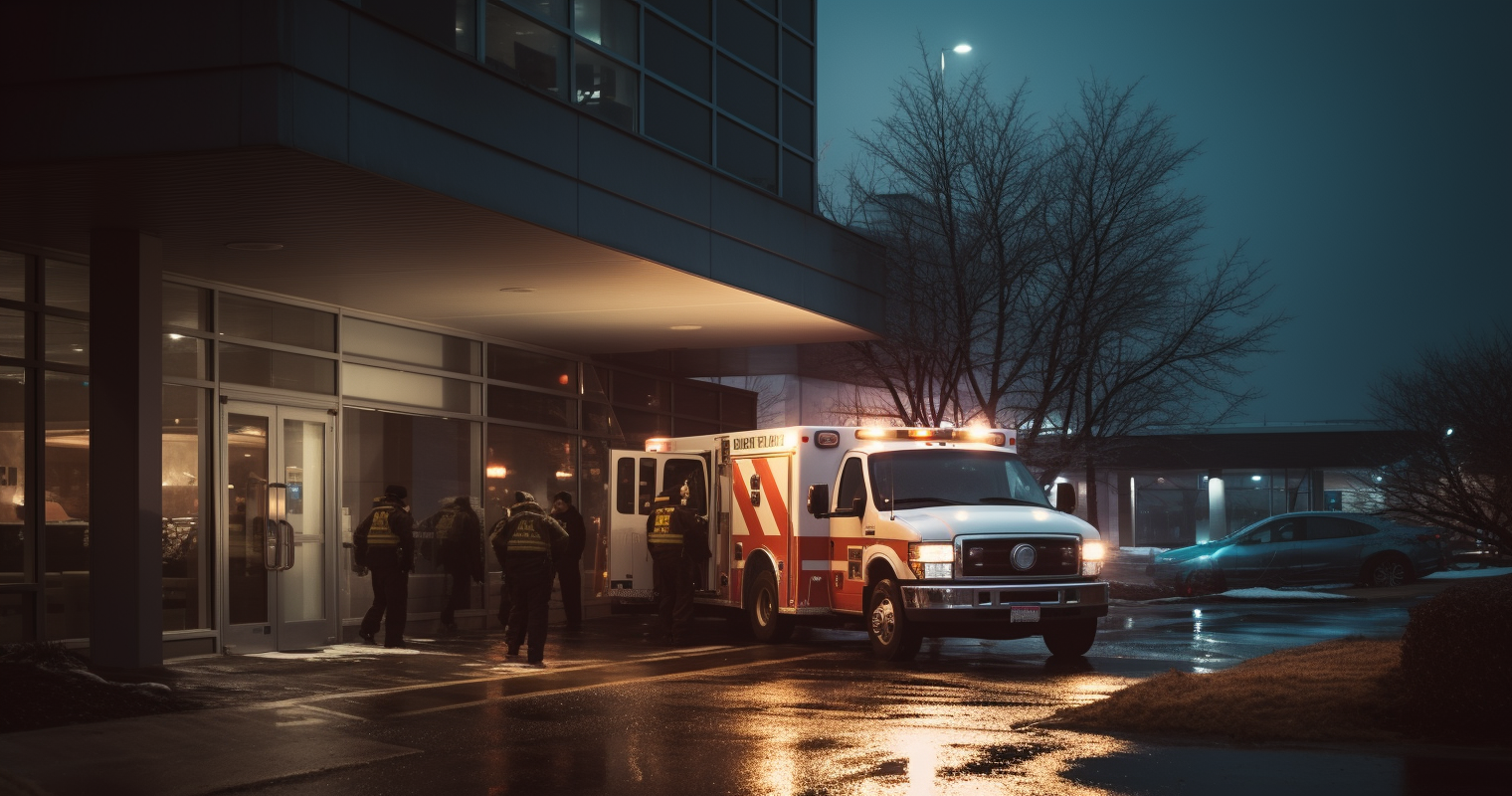
Russia’s single unified emergency number is 112, connecting callers to police, fire, ambulance, and all other emergency services. Individual direct-dial numbers are also available: 101 (fire), 102 (police), 103 (ambulance), and 104 (gas emergencies). Emergency medical treatment — covering ambulance response and initial hospital care — is provided at no cost to all individuals, including foreign nationals, irrespective of insurance status.
| Item | Details |
|---|---|
| Unified emergency number | 112 (works from any mobile or landline, including phones with no SIM or credit; as of 2025) |
| Direct service numbers | 101 Fire · 102 Police · 103 Ambulance · 104 Gas emergency |
| Emergency care cost for foreigners | Free at point of use for life-threatening emergencies; non-emergency treatment requires insurance or upfront payment |
| Ambulance response time (urban) | Approximately 10–20 minutes in major cities; longer in rural and remote areas |
| Language at 112 | English-speaking operators available at the 112 centre; not guaranteed at direct-service numbers |
| Key disaster body | EMERCOM — Ministry of Civil Defence, Emergencies and Disaster Relief (en.mchs.gov.ru) |
What is the single emergency number in Russia, and does it cover all services?
If you or someone nearby is facing immediate danger, dialling 112 from any landline or mobile phone anywhere in Russia will connect you to an operator who can direct your call to the appropriate service. This number functions much like 999 in the United Kingdom or 112 throughout the European Union — it is the one number that should be committed to memory above all others.
The 112 number acts as a single gateway to all categories of emergency response, encompassing police, fire, ambulance, and gas services. It can be dialled from any device, including mobile phones that carry no SIM card or have no remaining credit, ensuring it remains reachable even under the most difficult circumstances.
Whether travelling or going about daily life, keep these numbers readily available: 112 for all emergencies, 101 for fire, 102 for police, 103 for ambulance, and 104 for gas incidents. In 2012, Russia’s major emergency services were consolidated under the single 112 number, replacing the older single-digit format. The legacy numbers for fire (01), police (02), ambulance (03), gas (04), and anti-terror (05) continue to function on some networks, but the long-term strategy is to route all emergency calls through 112.
Calling 112 in Moscow will put you through to an English-speaking operator. It is worth noting, however, that emergency operators elsewhere in Russia may not be fluent in languages other than Russian — while the 112 service maintains multilingual capacity, the individual direct-service lines may not. If you are unable to communicate in Russian, ask someone nearby to place the call on your behalf.
Note: dialling 911 will automatically redirect your call to the 112 service. Always confirm current numbers through official sources, as service configurations are subject to change.
How do you call for emergency medical assistance in Russia?
When facing a medical emergency, you can reach the ambulance service directly by dialling 03 from a landline, 113 from either a landline or mobile, or 103 from any fixed or mobile phone. Alternatively, dialling 112 — the Russian equivalent of the US 911 — will connect you to the same services. Both 103 and 112 are free to call, function nationwide, and can be dialled even with no credit or SIM card.
When speaking to the operator, provide as much detail as possible: your callback number, your precise location with nearby landmarks if you are outdoors, the full name of the person requiring assistance, and their age where known. Once the operator has confirmed the details, the ambulance crew will be dispatched.
If the situation involves criminal activity, or if a road collision or other accident has resulted in casualties, the ambulance dispatcher will independently alert police, firefighters, or rescue services as required. If your priority is urgent medical assistance, call 103 or 112 first without worrying about also notifying the police — the services will coordinate with one another automatically.
In large urban centres, an ambulance typically arrives within 10 to 20 minutes, depending on traffic conditions. In more remote areas, response times can be considerably longer. Healthcare infrastructure quality varies substantially across Russia’s regions, with major cities generally offering significantly better facilities than rural communities.
What should you do in a mental health crisis in Russia?
Russia does not have a single nationally promoted dedicated mental health emergency line comparable to, for example, the Samaritans in the UK or the 988 Lifeline in the United States. When a mental health crisis presents an immediate threat to life, the standard course of action is to call 112 or 103 (ambulance) and describe the situation clearly. Psychiatric emergency teams can be dispatched alongside standard ambulance crews.
Emergency medical care within the Russian system covers hospital and clinic treatment for psychiatric conditions, meaning that emergency psychiatric assistance obtained through the public system should not result in any charge at the point of use. Dialling 112 and explaining that a psychiatric emergency is unfolding will direct you to the relevant services.
A number of Russian cities operate local psychological crisis telephone lines, sometimes referred to as “telefon doveriya” (доверия — trust lines). These services are administered at a regional level. Moscow, for instance, has at one time offered a psychological helpline, though hours and availability should always be confirmed locally before relying on them. If you are facing a serious mental health crisis and are not proficient in Russian, contacting your home country’s embassy for guidance or seeking out a private clinic with multilingual staff may be the most practical immediate step. Always verify the current status of any helpline through official or local sources.
Where can you go for emergency medical treatment in Russia?
Russia maintains a network of public hospitals and polyclinics alongside a growing private healthcare sector. In an emergency, you may attend a public hospital emergency department — referred to as a “priyomnoye otdeleniye” — call an ambulance, which will transport you to an appropriate facility, or, in less acute cases, visit a private clinic.
The standard of healthcare in Russia differs markedly from one region to the next. Moscow and Saint Petersburg offer well-resourced hospitals and modern private clinics, whereas facilities in rural areas may be considerably more limited. Anyone relocating to rural Russia should prioritise securing private health insurance that includes robust provisions for emergency medical evacuation, as an airlift may represent the only practical means of reaching comprehensive care in the event of a serious emergency.
Private hospitals and clinics typically offer more modern, well-equipped environments and are more likely to have doctors who speak languages other than Russian. Waiting times in private facilities tend to be shorter, with a broader range of specialists available.
In Moscow, the rapidly expanding Doktor Ryadom (“Doctor Next Door”) clinic chain serves approximately half its patients under the public healthcare system and the other half under a private model, reflecting the increasingly blended nature of healthcare provision in Russia. To locate the nearest public hospital in an emergency, call 112 or 103 and the dispatcher will guide you or send an ambulance. Your employer, insurer, or embassy may also hold a list of recommended facilities.
Is emergency medical treatment free in Russia?
Emergency healthcare is delivered free of charge to all individuals, including expatriates. This covers on-site assistance, ambulance transport, and initial days of hospital care, regardless of the patient’s nationality or insurance status in life-threatening situations.
Beyond the immediate emergency response, however, the picture becomes more complex. From 1 September 2025, Russian regulations require both public and private providers to deliver free emergency care to foreign citizens, while non-emergency treatment carries a cost or requires insurance. In practice, even Russian citizens sometimes encounter charges for medications and certain nursing services even when admitted under the public system.
Full access to free public healthcare is reserved for Russian citizens and legal residents enrolled in the OMI (Obligatory Medical Insurance) scheme. For expatriates, free care is limited to genuine emergencies, with all other treatment requiring OMI or private insurance coverage.
Medical costs in Russia can be substantial for those who are not covered by insurance, particularly when hospitalisation or surgery is involved. As an illustration, an appendectomy at a private clinic can cost around €2,000, while treatment for a fracture or sprain — including tests, consultations, and medication — may exceed €1,000. Always verify current fee information directly with healthcare providers or your insurer, as costs are subject to change.
Do expats need insurance, and what happens without it?
For expatriates in Russia, free care extends only to genuine emergencies; all other medical treatment requires valid OMI or private insurance. Ideally, expat insurance in Russia should include evacuation coverage, which is especially critical outside of major cities where medical facilities may be inadequate.
Private facilities will not treat patients without a payment guarantee, meaning that if you lack insurance in an emergency, full upfront payment may be demanded. Without insurance, all costs beyond life-threatening emergency care must be met directly. Public hospitals do not offer free care to tourists except in life-threatening situations, and billing may follow even in those cases.
Following international sanctions introduced after 2022, several prominent international insurers have significantly curtailed or withdrawn their coverage in Russia. Some regional insurance companies and international brokers still offer policies, but expats must confirm availability before arriving. Western insurers may no longer cover Russia at all in many cases, making it necessary to obtain a policy from an authorised Russian insurer.
For those relocating to Russia on a work permit, it is common for employers to arrange and fund an OMI plan on behalf of their employees. Foreign residents may also access health coverage through the Voluntary Healthcare Insurance (VHI) scheme, frequently offered by employers as a supplementary benefit. Confirm all insurance arrangements before departure and keep policy documentation accessible at all times.
Are there bilateral health agreements covering foreign nationals in Russia?
In principle, most foreign nationals are entitled to free emergency care in Russian hospitals, and certain countries have reciprocal agreements with Russia entitling their citizens to free or reduced-cost healthcare. These bilateral arrangements are distinct from the general right to free emergency treatment and may provide wider access to the public healthcare system.
EU residents holding the EHIC (European Health Insurance Card) have in many cases been entitled to access public healthcare in Russia. However, given the profound shifts in Russia’s diplomatic and economic relationships since 2022, the practical validity of some of these arrangements is now uncertain and should be confirmed directly with your home country’s embassy in Moscow and with Russian health authorities before you depend on them. Entitlements that were in place before 2022 may no longer operate as they once did.
Short-term visitors and tourists are not generally eligible for free medical care unless covered by a specific bilateral agreement. Regardless of any treaty entitlement, the safest course of action is to carry comprehensive private health and travel insurance. For current information on agreements applicable to your nationality, consult your home country’s foreign ministry and the Russian Ministry of Health (minzdrav.gov.ru).
How does Russia’s emergency healthcare system compare to other countries?
Russia’s constitution, in place since 1996, guarantees citizens and residents the right to free healthcare. The state delivers this through the Federal Compulsory Medical Insurance Fund (OMI), financed through employer and payroll contributions. Structurally, this resembles other state-funded models — such as the NHS in the United Kingdom or Medicare in Australia — in that it seeks to achieve universal coverage through a combination of employer contributions and state funding.
In practice, however, the experience is considerably different. Like many countries, Russian public hospitals contend with extended waiting times and overcrowding, but the scale of these problems can be extreme and materially affects the care patients receive. A 2024 OSW report characterised the sector as locked in a “perpetual crisis,” marked by deepening disparities between Moscow and rural regions.
Unlike a system such as the NHS — where residents can broadly access non-emergency care free at the point of use — foreign nationals in Russia cannot obtain an OMI policy and are not entitled to the full spectrum of healthcare services. They are limited to emergency assistance in critical situations; anything beyond that must be covered through private insurance or direct payment. For this reason, Russia’s healthcare model functions for expatriates much like an insurance-based or upfront-payment system for non-acute care — similar to how uninsured patients are treated in many countries where private coverage is standard practice.
What emergency services exist beyond medical — police and fire in Russia?
Russia’s police force (Полиция / Politsiya) operates under the authority of the Ministry of Internal Affairs (MVD). The direct number for police is 102, and for fire services it is 101. Both are also reachable through the unified 112 number. When a life-threatening emergency involves fire, a traffic collision, or a terrorism incident, 101 is the primary number to call.
The Ministry of Civil Defence, Emergencies and Disaster Relief — known as EMERCOM — is the federal agency responsible for coordinating civil emergency response across Russia. EMERCOM maintains regional centres in Moscow, St. Petersburg, Nizhny Novgorod, Rostov-on-Don, Samara, Yekaterinburg, Novosibirsk, Krasnoyarsk, Chita, and Khabarovsk, providing broad national coverage for large-scale disaster management.
There are several important considerations for expatriates when dealing with Russian police. Under Russian law, foreign nationals are required to carry identification — typically their passport — at all times, and must present it when requested by officers. If you are the victim of a crime or become involved in an incident, request an interpreter if necessary and consider notifying your embassy promptly. Police officers outside major cities are unlikely to speak any language other than Russian. While most emergency operators function in Russian only, the 112 service is the exception and maintains multilingual capability.
If you are involved in a traffic accident in Russia, stop your vehicle immediately, switch on hazard lights, and position your warning triangle. The Russian police publish guidance on handling road traffic emergencies. In the event of a minor accident with no injuries, exchange phone numbers, addresses, insurance details, and full names with all other parties involved.
Are there country-specific emergency risks in Russia?
As the world’s largest country by land area, Russia is exposed to an exceptionally wide range of natural hazards. Climate change is intensifying extreme events across the country, from more destructive wildfires in Siberia to increasingly severe flooding along its Arctic rivers. In recent years, the Urals and Siberia have suffered prolonged flooding episodes, southern regions have endured heat waves causing widespread power failures, and extreme cold has deprived entire communities of heating for extended periods.
In spring 2024, flooding affected more than 40 regions throughout Russia. The situation reached its worst in the Orenburg region, where on 5 April a dam on the Ural River failed, inundating approximately 15,000 homes and claiming at least seven lives. These events underscore the very real threat of rapid-onset flooding, particularly across central and southern Russia during the spring snowmelt period.
Beyond natural disasters, expatriates should also bear in mind seismic hazards in parts of Russia — especially the Russian Far East and the Caucasus — the risk of tick-borne encephalitis in wooded areas, and the heightened security environment stemming from the ongoing conflict in Ukraine, which has directly affected areas near the Ukrainian border and prompted widespread travel advisories from governments around the world. Regularly reviewing the travel advice issued by your home country’s foreign ministry is strongly recommended.
Through EMERCOM, Russia has established a legislative framework for protecting the population during emergencies, and the Russian Unified State System for Emergency Prevention and Response operates nationwide. EMERCOM issues public warnings and coordinates emergency response operations. Its English-language website is available at en.mchs.gov.ru. Russia also maintains a national alert system capable of broadcasting emergency notifications via television, radio, and mobile SMS, though these are typically issued in Russian.
What should expats do to prepare for emergencies before they arise?
Advance preparation is the single most effective way to reduce risk during an emergency abroad. The following steps are strongly recommended for anyone living in or relocating to Russia:
- Register with your home country’s embassy or consulate. Most countries operate a voluntary registration scheme — such as the UK’s FCDO LOCATE service, the US STEP programme, or comparable systems elsewhere — enabling consular staff to reach you during a crisis. Locate your country’s embassy in Russia through your foreign ministry’s website and complete registration before or shortly after arriving.
- Save all key emergency numbers. Store 112, 103, 102, and 101 in your phone. Also record the contact number of your nearest embassy or consulate, your insurer’s 24-hour emergency line, and your employer’s emergency contact. Keep a written copy in your wallet in case your phone is lost or damaged.
- Arrange comprehensive health and travel insurance before arrival. Following sanctions, a number of prominent international insurers have reduced or withdrawn their coverage in Russia. Some regional insurers and international brokers continue to offer policies, but availability must be confirmed before you travel. Do not assume that your existing home-country policy extends to Russia.
- Learn some basic Russian emergency phrases. The majority of emergency operators speak Russian only. Being able to say “I need an ambulance” (Мне нужна скорая помощь — Mne nuzhna skoraya pomoshch) or “Call the police” (Вызовите полицию — Vyzovite politsiyu) could prove critical when every second counts.
- Understand your registration obligations. Foreign nationals staying in Russia beyond the permitted initial period are required to register with the local migration authority (GUVM MVD). Keeping your registration current affects which services you can access and how authorities are able to assist you.
- Keep digital and physical copies of key documents. Store copies of your passport, visa, insurance policy, and emergency contacts in secure cloud storage as well as in physical form, held separately from the originals.
- Familiarise yourself with local evacuation routes. If your home is in a flood-prone area or near industrial sites, identify your nearest emergency assembly point and local emergency management contacts. Many regions and municipalities across Russia maintain their own Civil Defence and Emergency Headquarters that may issue area-specific guidance.
Where can expats get official emergency information for Russia?
The official and established sources listed below are the most dependable starting points for emergency-related information in Russia. Always consult these sources directly for the most current details, as information can shift rapidly — particularly given the evolving political and regulatory landscape.
- EMERCOM (Ministry of Civil Defence, Emergencies and Disaster Relief): en.mchs.gov.ru — the official English-language website of Russia’s national emergency management authority, covering disaster alerts, civil defence guidance, and emergency contacts.
- Russian Ministry of Health (Минздрав России): minzdrav.gov.ru — for information on the public healthcare system, hospitals, and health regulations.
- Ministry of Internal Affairs (MVD) — Police: mvd.ru — for guidance on reporting crimes, traffic incidents, and interactions with Russian police.
- Moscow City Official Website (emergency guidance): mos.ru — offers guidance on contacting emergency services in Moscow, with some English-language content available.
- Your home country’s foreign ministry travel advisory: Consult your government’s official travel advice for Russia — for example, the UK Foreign, Commonwealth & Development Office (gov.uk), the US Department of State (travel.state.gov), or the relevant body for your nationality. These advisories are updated regularly and include emergency contact details for your country’s embassy.
- Your home country’s embassy in Moscow: Embassies can assist with consular emergencies, lost documents, and connecting you to local emergency services. Find your embassy’s contact details through your foreign ministry’s website.
Given the rapidly shifting political environment and the impact of international sanctions on services available to foreign nationals in Russia, it is especially important to verify all information through official sources both before and during your stay. Do not rely on information predating 2022 without first confirming its continued validity.
Frequently asked questions
Can I call 112 in Russia if my phone has no credit or no SIM card?
Yes. The 112 number is accessible from any device, including mobile phones with no SIM card or credit balance, making it reliably reachable even in the most difficult circumstances. This reflects the way 112 operates in many countries around the world.
Will the emergency operator speak a language other than Russian?
Calling 112 in Moscow will connect you to an English-speaking operator. However, emergency operators across other parts of Russia may not be fluent in any language other than Russian — the 112 service maintains multilingual staff, but direct-service lines (101, 102, 103) may not. Outside major cities, it is safest to assume operators will speak Russian only and to prepare accordingly.
If I am taken to a Russian public hospital in an emergency, will I be charged?
Emergency healthcare is delivered free of charge to all individuals, including expatriates, in life-threatening situations. Even so, you may find yourself expected to cover the cost of medications or certain nursing services even within the free admission framework. Non-emergency follow-up care will generally require either insurance or out-of-pocket payment. Always request an itemised bill and notify your insurer promptly.
What should I do if I need emergency care but have no insurance and cannot pay?
Regardless of your insurance status in Russia, you are entitled to free emergency care in life-threatening situations. Go directly to the nearest public hospital emergency department or call 103 or 112. For assistance managing ongoing costs, contact your home country’s embassy — consular officers may be able to help by communicating with the hospital on your behalf or pointing you toward relevant support.
Is the EHIC (European Health Insurance Card) accepted in Russia?
EU residents holding the EHIC have in many cases been entitled to access public healthcare in Russia. However, given the sweeping changes to Russia’s relationships with EU countries since 2022, you should verify with your home country’s health authority and the Russian Ministry of Health whether this entitlement remains practically valid before placing any reliance on it.
What are the biggest natural disaster risks I should be aware of as an expat in Russia?
Climate change is driving an increase in extreme weather events, ranging from more destructive forest fires in Siberia to more frequent flooding along Arctic river systems. Seismic hazards are present in the Russian Far East and the Caucasus. Extreme cold poses serious risks across much of the country throughout winter. Tick-borne diseases are a concern in forested areas during warmer months. Keep an eye on EMERCOM alerts at en.mchs.gov.ru and monitor your home country’s travel advisory.
Should I register with my embassy when moving to Russia?
Yes. Registering with your home country’s embassy or consulate is strongly advised. It enables consular staff to reach you in the event of a major emergency, civil unrest, or natural disaster, and simplifies the process of receiving assistance if your passport is lost or another consular issue arises. Refer to your foreign ministry’s website for the specific registration process applicable to your country.
What should I do in a gas emergency in Russia?
Dial 104 to reach the emergency gas service in the event of a suspected gas leak, unusual odour in a building, or an accident involving gas pipelines or equipment. An operator will record your details, dispatch specialists to your location, and provide further instructions. While awaiting their arrival, switch off all gas appliances and taps, extinguish any open flames, open a window to ventilate the area, and evacuate the affected space immediately.