

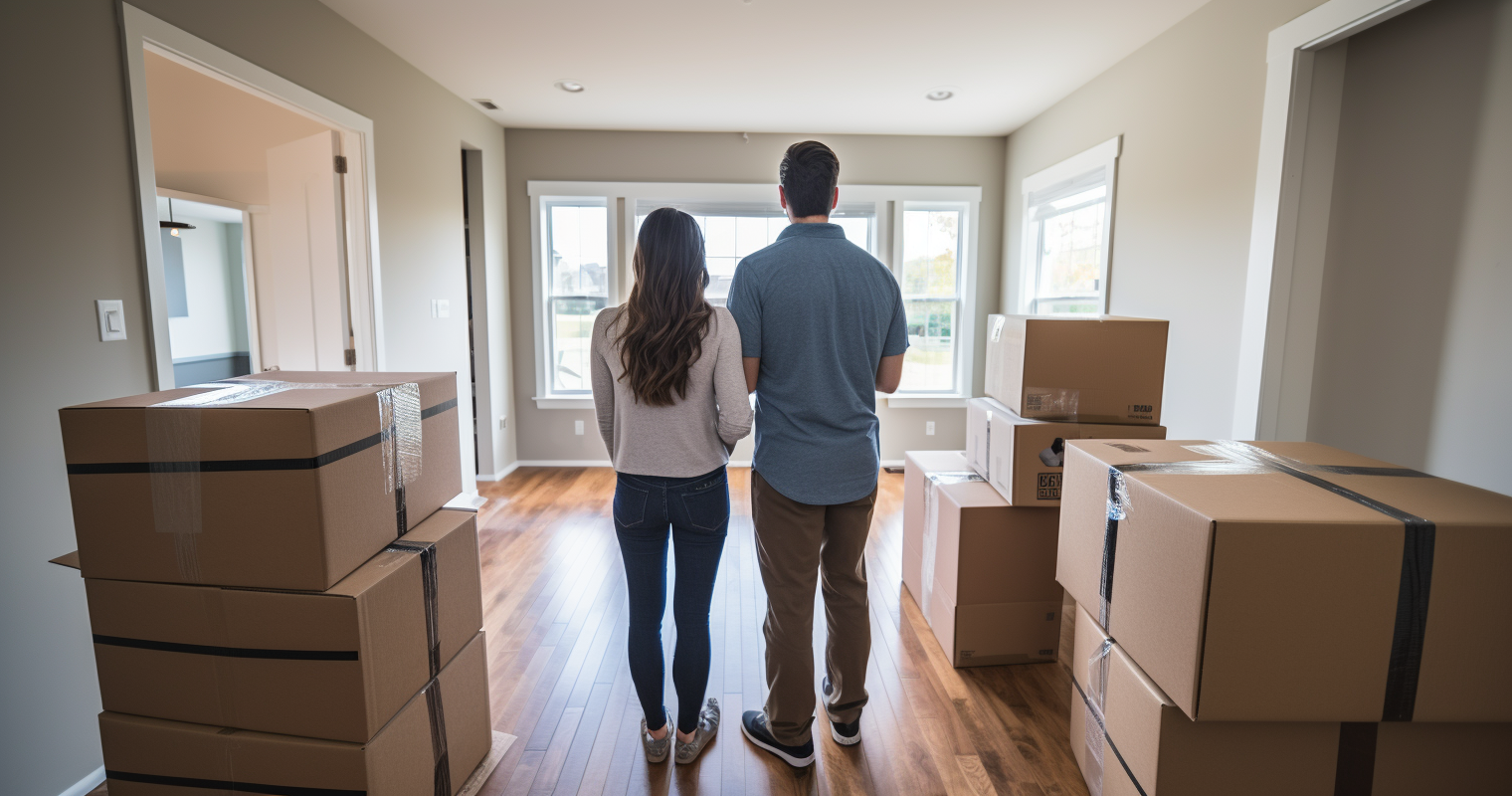
Selling property in Switzerland is a well-defined, legally regulated undertaking that is broadly achievable but involves notable complications — particularly regarding cantonal capital gains tax, mandatory notarisation, and restrictions that can affect your pool of eligible buyers. Foreign sellers should give careful attention to the Grundstückgewinnsteuer (property gains tax), disclosure obligations under the Swiss Code of Obligations, and the rules governing the transfer of sale proceeds out of the country.
| Item | Details |
|---|---|
| Notary requirement | Mandatory for all property sales — the notary authenticates the deed and registers the transfer |
| Property gains tax (CGT) | Levied at cantonal level on the profit from sale; rates vary by canton and holding period (as of 2025) |
| Estate agent commission | Typically 2%–3% of sale price for houses/apartments; up to 5% for land plots (as of 2025) |
| Notary fees | Typically 0.1%–0.5% of purchase price, usually split between buyer and seller; varies by canton (as of 2025) |
| Average time to sell | Approximately 6 months from listing to completion on average |
| Key restriction for foreign sellers | Most cantons prohibit foreigners from selling within 5 years of purchase; Lex Koller rules restrict the buyer pool |
What steps are involved in selling property yourself in Switzerland?
Working through each stage of a Swiss property sale in the correct order — from valuation through to completion — helps ensure a legally compliant and smooth transaction. Regardless of whether you opt for professional representation or handle the sale independently, certain steps are a legal requirement for every seller.
- Obtain a property valuation. Before bringing your home to market, having a professional valuation carried out is essential. This foundational step allows you to establish an asking price that accurately reflects the property’s worth and will be competitive in the current market.
- Compile the necessary documentation. You will need to gather a range of documents, including the land register extract, the energy certificate, draft purchase agreements, floor plans, plot plans and building sections, current cadastral plans (no older than three months), details of any special property features, existing contracts relating to the property, and a record of any outstanding loans.
- Evaluate and disclose the property’s condition. Under the Swiss Code of Obligations, sellers are legally required to declare any defects that could affect the property’s value. Failing to do so can expose you to substantial compensation claims. This duty of disclosure applies whether you are selling through an agent or independently.
- Advertise and market the property. Choose compelling visuals, craft a clear and informative description covering what buyers look for — location, floor area, number of rooms, nearby amenities, and so on — and select the advertising channels most likely to reach your target audience. Leading Swiss property platforms include homegate.ch and ImmoScout24.
- Arrange viewings and negotiate with prospective buyers. If selling privately, you will take full responsibility for scheduling viewings and handling price negotiations. Once agreement is reached with a buyer, a reservation contract is commonly signed alongside a small deposit, and the property is withdrawn from the market.
- Engage a notary. Every property transfer in Switzerland — whether through sale, gift, or any other mechanism — must be authenticated by a notary. This is a statutory requirement. The notary prepares and certifies the final deed of sale (acte de vente/Kaufvertrag).
- Execute the deed of sale in the notary’s presence. Both the buyer and seller must appear at the signing appointment with their identity documents, residence permits, evidence of the deposit payment, and any relevant mortgage details. The notary formally validates the contract and confirms that all legal conditions have been satisfied.
- Lodge the transfer with the Land Registry. Following execution of the deed, ownership must be officially recorded at the local Land Registry. The notary typically takes care of this registration on behalf of both parties.
In the typical Swiss property transaction, once the sale is concluded the seller bears no further responsibility for the property — except in cases where undeclared defects subsequently come to light. Consult the Swiss Federal Tax Administration (ESTV/AFC) and your cantonal land registry for requirements specific to your canton.
Do most Swiss sellers use an estate agent, or is private selling common?
The decision to engage a professional estate agent or to sell privately comes down to your available time, your familiarity with the Swiss property market, and the complexity of your individual situation. Both approaches are perfectly lawful, though market conditions in Switzerland generally favour working with professional representation — particularly for those who are not resident in the country.
Sellers in Switzerland have several routes available to them. The most straightforward and economical starting point is to place a listing on an online platform that attracts active buyers. For sellers who lack the time or specialist knowledge to manage the process themselves, appointing a qualified estate agent is generally the more prudent choice.
A professional agent brings market expertise, an established network of contacts, and access to targeted advertising channels — factors that can result in a faster sale and, potentially, a higher price. This advantage is especially pronounced in Switzerland, where cantonal regulations vary considerably and the property market is predominantly local in character.
Selling privately avoids agency commission entirely, which can represent a significant saving on a high-value property. However, the process demands considerable personal effort. For sellers who live abroad — for instance, those disposing of a ski chalet while based in another country — coordinating the sale without local support can present real practical difficulties.
A growing number of sellers are turning to fixed-fee or flat-rate agents as an alternative to the traditional percentage-based model. These agents charge a predetermined fee regardless of the final sale price, making costs predictable from the outset. This approach is becoming more visible in Switzerland and is particularly appealing where the property value is high.
Unlike markets such as France or Australia, where private-sale portals have a firm foothold and sellers routinely bypass agents altogether, Switzerland’s property culture continues to place considerable value on professional brokerage — particularly outside major urban centres. Private sales do happen and are entirely legitimate, but they remain less prevalent than agent-assisted transactions.
How does capital gains tax apply when selling property in Switzerland?
When a seller realises a profit on the disposal of Swiss real estate, that profit is subject to a specific levy known as the property gains tax (Grundstückgewinnsteuer or Impôt sur les gains immobiliers). The precise amount owed depends on the canton in which the property is situated and on how long the seller has owned it.
Real estate capital gains tax (RECGT) is administered at cantonal level and applies to the sale of real property throughout Switzerland. It falls on both private individuals and legal entities, is tied to the specific property disposed of, and is triggered at the point of transfer. This distinguishes Switzerland markedly from countries such as Germany or France, where a unified national capital gains tax framework covers residential property — in Switzerland, no federal CGT equivalent exists for residential real estate, and each canton sets its own rules.
The taxable gain is calculated as the difference between the sale price and the total amount invested in the property. The definition of “invested amount” varies by canton, so it is important to check with the cantonal authority where the property is located. Value-enhancing improvements — such as adding a garage or installing insulation — are generally added to the original purchase price, as are transaction costs including estate agent commissions.
In virtually all cantons, the property gain is taxed on a progressive basis, meaning that larger profits attract proportionally higher rates. The length of ownership is the other key variable. Sellers who have held a property for longer typically benefit from a reduced tax rate, though some cantons impose a ceiling on this reduction once ownership has exceeded a certain number of years.
Many cantons apply a surcharge for properties sold after a short holding period — usually less than five years. Where cantonal rules make the duration of ownership relevant to the tax calculation, it may be worth delaying a sale by even a matter of weeks to cross into a more favourable tax band. For example, selling after exactly 12 years rather than 11 years and 11 months could reduce the applicable tax rate and result in a meaningfully lower bill.
To illustrate the effect of holding period: for a property in the canton of Zurich acquired for CHF 800,000 and sold for CHF 1,000,000, the property gains tax after a five-year holding period would be approximately CHF 65,930, compared with roughly CHF 34,700 after a twenty-year holding period. These figures are indicative only (as of 2024); always confirm the current calculation with your cantonal tax authority.
Tax deferral may be available in certain situations. Property gains tax can be deferred where the profit is reinvested within a period defined by the canton in a replacement property in Switzerland that serves as the owner’s primary residence (Article 12(3)(e) of the Tax Harmonization Act).
Capital expenditure that genuinely enhances the value of the property — such as converting a loft space or constructing a conservatory — may be deducted from the taxable gain, thereby preventing double taxation. It is vital to retain all invoices for both materials and labour, as undocumented costs will not be accepted for deduction purposes.
For current rates and canton-specific calculations, contact your cantonal tax authority directly. Many cantons also make online property gains tax calculators available through their official websites.
What other taxes and costs apply when selling property in Switzerland?
Property gains tax is only one element of the overall cost of selling in Switzerland. Sellers should plan for a number of additional financial obligations. The allocation of these costs between buyer and seller differs from markets such as Spain or Italy — where the buyer typically shoulders most transaction taxes — as in Switzerland the burden is more evenly shared, and the split varies from canton to canton.
Property transfer tax (Handänderungssteuer). The majority of Swiss cantons levy a tax on the transfer of property (Handänderungssteuer/impôt sur les mutations/Tassa di mutazione) as a measure against speculative activity in the real estate sector. This tax is calculated on the sale price and varies between cantons. In some cantons it is borne solely by the buyer, while in others the obligation is shared with or passed to the seller — it is essential to check the local practice in the relevant canton.
Notary fees. All property transfers in Switzerland must be notarised before they are legally valid — no private sale agreement is enforceable without a notary’s authentication. Notary fees are either calculated as a percentage of the purchase price (typically between 0.1% and 0.5%, depending on the canton) or based on the time and complexity involved. In most cases, these costs are divided equally between buyer and seller. Always confirm the precise fee structure with a qualified notary in the canton where your property is located before proceeding.
Estate agent commission. Swiss estate agents are almost universally mandated by the seller rather than the buyer, meaning the commission is paid by the seller alone. In German-speaking Switzerland, the standard commission ranges from 2% to 3% of the sale price. The final figure also reflects the property type, its location, and the scope of services included. In ski resort areas, commissions are typically higher, with 5% being common practice. These figures are as of 2025; always agree a precise fee in writing before signing any agency mandate.
Early mortgage repayment penalties. If your property is encumbered by a Swiss mortgage and you sell before the end of the fixed-rate term, your lender may impose an early repayment indemnity. Costs of this kind — alongside agent and notary fees, advertising expenditure, and transfer duties — may generally be deducted from the profit when calculating the property gains tax liability. Keep documentation of all such costs.
Total transaction costs. The combined costs of buying and selling a property in Switzerland — encompassing transfer taxes, registration fees, notary fees, and any legal costs — vary considerably. Estimates indicate that the roundtrip cost (covering both a purchase and a subsequent sale) totals approximately 6.21% in Switzerland. As of 2025, always verify which components apply in your specific canton with a licensed local notary or conveyancer, and consult the Federal Tax Administration for current guidance.
What legal obligations must sellers fulfil in Switzerland?
Swiss law imposes clear duties on property sellers that extend well beyond simply accepting an offer and handing over the keys. These obligations are particularly significant for foreign nationals, where non-compliance can result in serious financial exposure.
Disclosure of defects. Swiss law places a proactive obligation on sellers to inform prospective buyers of any defects or issues that could affect the property’s value. This contrasts with the approach in some other jurisdictions, where the burden falls on the buyer to identify problems through their own survey. To meet this requirement under Swiss law, it is advisable to commission an independent assessment from a qualified surveyor — this is often incorporated into a professional valuation.
Energy performance certificate. The Swiss energy performance certification framework for residential buildings is the Cantonal Energy Certificate for Buildings (CECB; known in German as GEAK). It falls to the seller to assemble and provide all relevant documentation about the property, including building permits, land survey records, and energy efficiency certificates — although the latter is not a mandatory requirement in most cantons. Requirements differ between cantons, so confirm what applies with the relevant cantonal authority before listing.
Lex Koller restrictions and the buyer pool. Swiss regulations place limitations on the acquisition of real estate by non-residents. These rules have a direct bearing on sellers, as they determine who is legally permitted to purchase your property. In practical terms, non-residents without Swiss citizenship are generally unable to buy residential property, which can significantly narrow the pool of eligible buyers and should inform your marketing strategy from the outset.
Minimum holding period for foreign owners. The majority of cantons bar foreign owners from disposing of their property within five years of acquisition. An exception exists where a foreigner has purchased a new “touristic property” subject to a “rental obligation” — such sellers may dispose of the property at any time without incurring a penalty. Additional restrictions also apply at both the cantonal and commune level, so it is essential to take advice specific to your property’s location.
Notarisation. As outlined above, all property sales in Switzerland — whether conducted privately or through an agent — must be authenticated by a notary. The notary must generally be licensed and based in the canton in which the property is located. For assistance in finding a qualified notary, contact the Swiss Federal Notaries Organisation (KOKES).
How does the exchange and completion process work in Switzerland?
The Swiss completion process is more straightforward than in certain other markets — there is no equivalent of the separate “exchange of contracts” and “completion” stages familiar to buyers and sellers in the UK. In Switzerland, the process moves from a preliminary or reservation agreement directly to a notarised deed of sale that simultaneously concludes the transaction.
Once the parties have agreed on a sale, a Swiss notary is appointed to oversee the transaction on behalf of both buyer and seller. The notary is typically identified through the agent handling the sale. Unlike the UK system, where each party usually retains their own solicitor, the Swiss public notary acts as a neutral intermediary for both parties — there is no requirement for the seller to instruct separate legal representation.
The notary serves as an impartial legal officer whose role is to formalise and authenticate the transaction. They draft the primary sale document — the acte de vente — and arrange a formal signing appointment at their office, which both the buyer and seller are required to attend.
The transaction is concluded when both parties execute the deed of sale (Kaufvertrag) in the notary’s presence, at which point ownership passes to the buyer. The notary then records the transfer with the cantonal Land Registry, and once the new owner’s name appears on the register, the property is officially in their hands.
A typical Swiss property sale takes around six months from initial listing to final completion. From offer acceptance to signing, the process usually spans two to three months. The structured, notary-led nature of Swiss conveyancing means delays are uncommon, though they can occur where permit applications — such as those involving foreign buyers — or complex mortgage arrangements are involved.
Payment is typically channelled through the notary’s escrow account or via a Swiss bank on the day of signing. The buyer is required to pay the outstanding purchase price together with all applicable taxes and fees at this point. The seller receives the net proceeds once any existing mortgage has been discharged and the capital gains tax liability has been accounted for.
Is property exchange or part-exchange possible in Switzerland?
Direct property-for-property swaps — arrangements in which a seller exchanges their property for another without a conventional monetary transaction — are neither common nor an established feature of the Swiss real estate market. The Swiss system is built around cash or mortgage-backed transactions formalised by a notary, and the prevailing market culture strongly favours conventional sales.
That said, property exchanges are not prohibited under Swiss law. A property exchange agreement (Tauschvertrag) is a recognised contract form and would be subject to the same notarisation requirements as a standard sale. For each party involved, the taxable gain would be assessed on the basis of the market value of the property received, and property gains tax would apply in the usual way.
Complications frequently arise in scenarios involving indirect disposals, corporate restructurings, the determination of historical investment costs, cross-cantonal loss offsetting, chain transactions, the two-contract model, or special circumstances such as asset swaps. Any property exchange in which a foreign seller is involved warrants careful examination by a Swiss tax adviser and notary, as the question of how to establish the “sale price” for capital gains tax purposes can be particularly intricate.
In practice, foreign sellers contemplating a property exchange are likely to find very few willing counterparties in Switzerland. The overwhelming majority of market activity involves conventional transactions. Part-exchange schemes of the type sometimes offered by developers in countries such as the UK or Australia — whereby a developer accepts an existing home in part payment for a new one — are not a recognised feature of the Swiss new-build market.
What do foreign sellers need to know about transferring sale proceeds out of Switzerland?
Switzerland operates without currency controls, and there are no legal restrictions preventing foreign nationals from moving sale proceeds out of the country. The Swiss franc is freely convertible, and international transfers can generally be made without official authorisation. There are, however, significant tax and reporting considerations that sellers should understand before initiating any transfer.
Switzerland has concluded double taxation agreements with a large number of countries, which in some cases allow taxes paid in Switzerland to be credited against the tax liability in the seller’s country of residence. Whether the Swiss property gains tax you have paid can be offset against any equivalent charge in your home country depends on the specific treaty provisions in force between Switzerland and that country. You should seek advice from both the Swiss Federal Tax Administration (FTA) and a tax professional in your country of residence well before the sale is finalised.
Although Swiss banks are well regarded for their security and reliability, they are not always the most cost-effective option for large international transfers, as their exchange rates and fees may not be the most competitive. Specialist foreign currency transfer providers often offer more favourable rates on substantial transactions. Where a property sale generates a transfer of several hundred thousand Swiss francs or more, even a marginal difference in exchange rate can have a material impact on the amount ultimately received in your home currency.
When large sums are transferred internationally, most jurisdictions require the receiving bank or the individual recipient to notify the relevant tax or financial authority of the inbound funds. Anti-money laundering reporting obligations in the destination country may also apply. Always take advice from a currency specialist and a tax adviser in both Switzerland and your home country before arranging any transfer. The Swiss Financial Market Supervisory Authority (FINMA) regulates financial services in Switzerland and can provide information on authorised transfer service providers.
Frequently asked questions about selling property in Switzerland
How long does the process typically take from listing to completion?
Selling a property in Switzerland takes around six months on average from the date of first listing to final completion. The time required can vary depending on factors outside the seller’s control — for instance, where an unforeseen legal or administrative issue arises that needs to be resolved. Once an offer has been accepted, the notarised deed of sale is generally executed within two to three months.
What happens if the buyer pulls out before the deed is signed?
In Switzerland, the point at which a property transaction becomes legally binding is the execution of the notarised deed of sale — not any prior reservation or preliminary agreement. If a buyer withdraws before the deed has been signed, whether any deposit paid can be retained by the seller, and what remedies are available, will depend on the terms set out in any written reservation agreement previously concluded. If it is the seller who withdraws, they are typically required to repay double the deposit amount. Legal advice should be sought promptly if a buyer pulls out, so that you understand your position under the specific terms agreed.
Can I sell my Swiss property remotely, without being present in Switzerland?
Yes. It is possible to complete a Swiss property sale without being physically present at the notary’s signing appointment, provided you grant a power of attorney (Vollmacht/procuration) to an authorised representative — such as a lawyer or another trusted individual — who attends on your behalf. The power of attorney itself must be executed in a legally recognised form. Consult a Swiss notary or legal adviser for the requirements applicable in your canton.
Do I need to pay Swiss property gains tax if I am a non-resident?
Yes. Real estate capital gains tax is levied at cantonal level on all disposals of Swiss real property, affecting both private individuals and legal entities regardless of their country of residence. Non-residents who sell a Swiss property are therefore liable for property gains tax in the canton where the property is situated. Depending on the double taxation agreement between Switzerland and your home country, you may be able to offset the Swiss tax paid against any equivalent liability at home — verify this with a tax adviser.
Is there a minimum period I must own the property before selling?
Most cantons prohibit foreign owners from disposing of their property within five years of purchase. An exception applies to foreigners who have acquired a new “touristic property” subject to a “rental obligation” — these sellers may dispose of the property at any time without incurring a penalty. Swiss residents are not generally subject to this restriction, although selling within a short time of purchase will result in higher property gains tax owing to the short-holding-period surcharges that apply in many cantons.
Who pays the notary fees — the buyer or the seller?
In most cantons, notary fees are divided between the buyer and seller, though the precise arrangement varies by location and should be clarified with your notary in advance. Fees are typically calculated as a percentage of the purchase price — usually between 0.1% and 0.5%, depending on the canton — or on the basis of the time and effort involved. Always confirm the current fee schedule with your local notary before proceeding (as of 2025).
What platforms can I use to list my property privately in Switzerland?
The principal property listing platforms in Switzerland are homegate.ch, ImmoScout24, and comparis.ch. Private sellers can use these platforms without engaging an agent, though listing fees may apply. Bear in mind that handling enquiries, viewings, negotiations, and document preparation independently demands a substantial investment of time and a solid understanding of local market conditions.
Can I deduct the cost of renovations from my capital gains tax bill?
Capital expenditure that genuinely increases the value of a property — such as a loft conversion or the addition of a conservatory — can be deducted from the taxable gain in order to avoid double taxation. To claim these deductions, you must be able to produce receipts for all materials and labour costs; undocumented expenditure will not be accepted. Routine maintenance and repair work is generally not deductible for property gains tax purposes — only work that demonstrably adds to the property’s value qualifies. Contact your cantonal tax authority for the precise rules that apply in your location.