
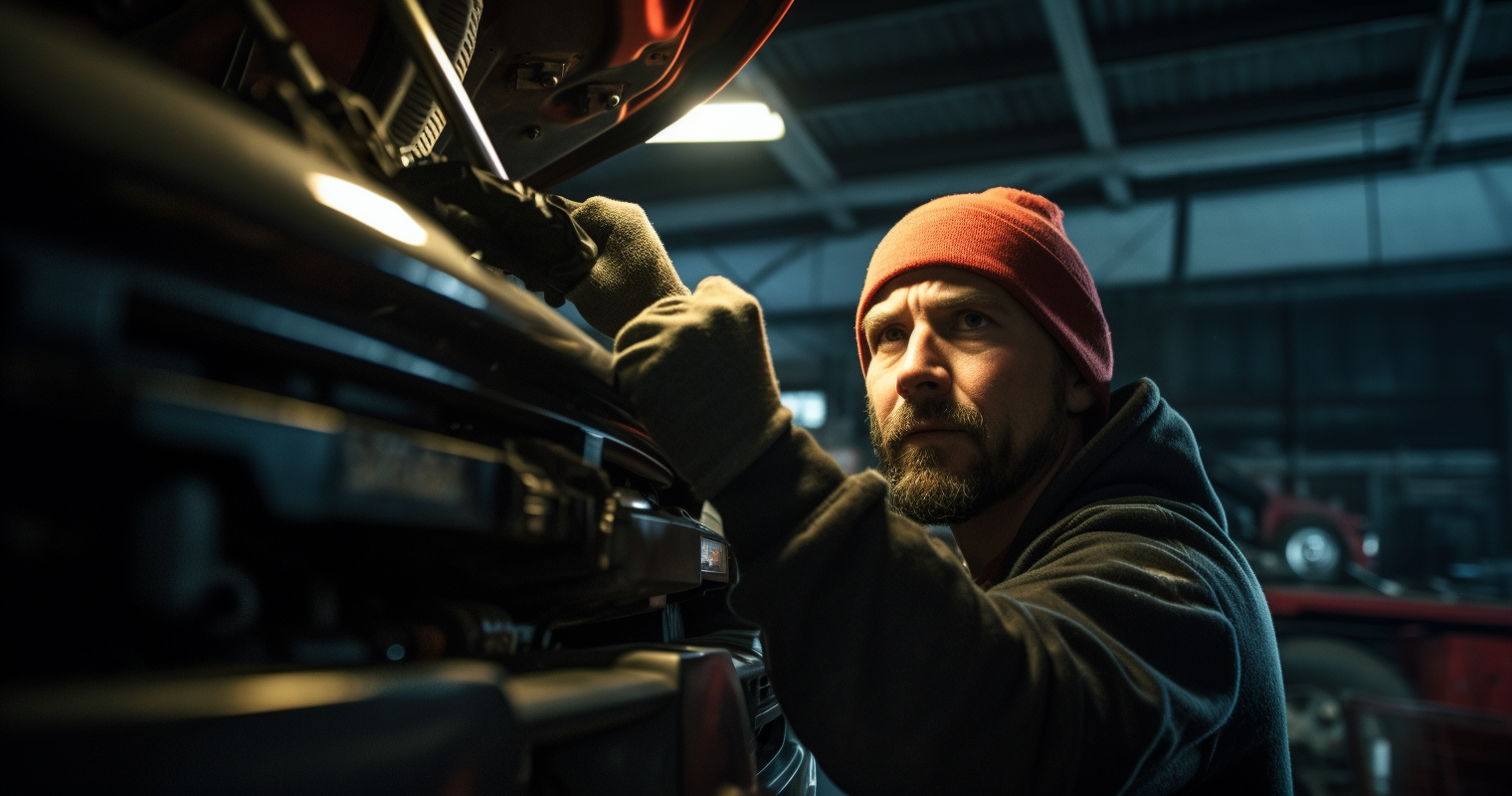
Switzerland enforces a compulsory vehicle testing programme known as the MFK (Motorfahrzeugkontrolle), which is administered on a canton-by-canton basis through the Road Traffic Offices. Safety standards are demanding and consistently upheld. Roadside assistance is readily accessible via the country’s established motoring clubs, and the quality of repair work is typically high — albeit at considerable expense. Anyone relocating to Switzerland must re-register their foreign-plated vehicle within twelve months of taking up permanent residence.
| Item | Details |
|---|---|
| Inspection scheme name | MFK (Motorfahrzeugkontrolle) |
| First inspection interval | 5 years after first registration (6 years at latest) |
| Subsequent intervals | 3 years after first inspection, then every 2 years |
| Inspection fee (as of 2024) | Approx. CHF 50–70 depending on canton (e.g. Zurich ~CHF 56, Aargau ~CHF 50) |
| Re-registration deadline for new residents | Within 1 year of establishing permanent residence |
| Main breakdown clubs | TCS (tcs.ch), ACS (acs.ch), VCS (vcs.ch) |
| TCS membership cost (as of 2024) | From approx. CHF 93–110/year (individual) |
Does Switzerland have a mandatory vehicle inspection scheme?
The Motorfahrzeugkontrolle (MFK) is Switzerland’s compulsory roadworthiness check, designed to confirm that all vehicles on public roads meet the legal safety requirements. Referred to as the contrôle technique in French and the controllo tecnico in Italian, it serves a similar function to the UK’s MOT or Germany’s TÜV examination. One key difference from the British system — which requires annual testing from the vehicle’s third year — is that the MFK begins on a longer cycle before the frequency of testing increases as a vehicle gets older.
For newly registered vehicles in Switzerland, the first MFK must take place no later than six years from when the vehicle was put into service, and typically at five years. The second inspection follows three years on from the first, and all subsequent checks occur at two-year intervals. Any vehicle that has reached seven years of age must therefore undergo testing every two years without exception.
Cars, motorcycles, and trailers are all subject to periodic inspection. When a vehicle’s test is due, the relevant cantonal Road Traffic Office (Strassenverkehrsamt, SVA) will send the owner a written notification. While the core technical standards are set at the federal level, the day-to-day administration — including appointment scheduling and facility management — falls under the independent authority of each of Switzerland’s 26 cantonal Road Traffic Offices.
During the inspection, examiners assess brakes, lighting and indicator systems, steering, suspension and chassis integrity, bodywork condition (including any rust that could compromise structural safety), and exhaust emissions. From 1 January 2023, newer diesel vehicles fitted with a factory-installed diesel particulate filter (DPF) are also subject to a particle number count as part of the MFK procedure.
Inspection fees vary by vehicle type and canton, and typically fall in the range of CHF 50 to CHF 70 as of 2024. Zurich, for instance, charges approximately CHF 56, while Aargau’s fee is around CHF 50. Since these figures can change, it is advisable to verify the current fee with your local cantonal Road Traffic Office. The official Swiss citizens’ information portal at ch.ch also provides useful guidance.
A vehicle that does not pass the MFK must generally be repaired and brought back for a re-inspection (Nachkontrolle) within 30 days, though some cantons set a shorter deadline of 14 days. Where defects are severe, the vehicle may be withdrawn from use immediately, with its number plates confiscated; it cannot be driven again until it has been repaired and has cleared a fresh inspection. In the case of minor faults, there is no requirement to return to the testing centre — a written confirmation from the garage that carried out the repair is accepted as sufficient evidence. Only significant defects necessitate a second physical presentation of the vehicle.
It is worth noting that by 2024, nearly 600,000 vehicles in Switzerland were more than a year overdue for their MFK, a backlog partly attributable to the lingering effects of the Covid-19 pandemic, a skilled-worker shortage, and growing demand. Regardless of whether a formal inspection summons has been received, Swiss law places responsibility squarely on vehicle owners to keep their cars in a roadworthy condition at all times.
What is the standard of vehicle maintenance and repair in Switzerland?
The standard of vehicle maintenance in Switzerland is consistently high. A strong engineering tradition, the rigorous demands of the MFK scheme, and well-informed consumers combine to ensure that garages operate at a professional level across the country. The workshop landscape encompasses franchised main dealerships for all the major car brands alongside well-equipped independent garages, and the availability of qualified technicians in both urban centres and rural areas is generally good.
Both the Touring Club of Switzerland (TCS) and the Automobile Club of Switzerland (ACS) offer pre-inspection checks ahead of the official MFK conducted by the Road Traffic Office. These services allow owners to identify and address potential issues before the formal test. Many garages additionally offer dedicated service packages tailored to preparing a car for its MFK.
Switzerland has four official languages — German, French, Italian, and Romansh — and the language you will encounter at your local garage will depend on which part of the country you live in. In the German-speaking majority, interactions will be conducted in German; in the French-speaking cantons of Romandy, French is used; and in Ticino, Italian is the norm. Staff at garages in larger cities and tourist areas may have some English, but this cannot be assumed at smaller independent workshops. Preparing key technical terms in the local language or having a translation tool to hand before visiting a garage is a sensible precaution for newly arrived expats.
Parts for vehicles originally sold in major European markets — German, French, or Italian brands, for example — are generally easy to source, thanks to Switzerland’s central position in Europe and its efficient logistics networks. Vehicles from further afield, however — particularly those with right-hand drive configurations, non-European homologation specifications, or unusual drivetrains — may require parts to be imported, which can increase both costs and waiting times. Before any vehicle brought in from overseas can be registered in Switzerland, it must pass a thorough inspection by the vehicle control authority, which means missing components or non-compliant modifications can become expensive issues to resolve during the import process.
Workshop labour rates in Switzerland rank among the steepest in Europe, a reflection of the country’s high wages and overall cost of living. Even standard maintenance tasks — oil changes, brake pad replacements, and tyre fitting — can cost considerably more than across the border in Germany, France, or Austria. Getting comparative quotes from two or three garages before committing to any substantial repair work is always a sound approach.
Who are the main breakdown recovery providers in Switzerland?
Unlike some countries where a single dominant motoring club handles roadside assistance, Switzerland offers several distinct options. Membership-based motoring organisations coexist alongside private insurance policies as equally popular means of securing breakdown protection.
The three principal automotive clubs operating in Switzerland are the Touring Club Switzerland (TCS), the Automobile Club of Switzerland (ACS), and the Traffic Club of Switzerland (VCS). In their role and function, these organisations are broadly comparable to the AA or RAC in the UK, the ADAC in Germany, or the AAA in the United States — providing members with breakdown assistance, recovery services, and a wider range of motoring-related benefits.
- Touring Club Switzerland (TCS) — tcs.ch | Emergency line: 0800 140 140. TCS is the country’s leading breakdown and recovery organisation, offering nationwide coverage for its members. Services include road assistance, insurance products, and driving courses. The club operates 22 technical centres, 33 campsites, 10 driver training facilities, and 10 logistics bases dedicated to rescue operations. TCS is also affiliated with the FIA, giving members reciprocal connections to motoring organisations in many other countries.
- Automobile Club of Switzerland (ACS) — acs.ch. ACS members who experience a breakdown in Switzerland can typically have assistance costs covered by the club. Legal protection and travel-related services are also available alongside its breakdown cover.
- Traffic Club of Switzerland (VCS) — vcs.ch. The VCS distinguishes itself through a sustainability-oriented philosophy and offers breakdown cover as one of its membership perks.
In Switzerland, breakdown protection is available both through motor insurers and through these three motoring clubs. Members of any of them have access to round-the-clock roadside assistance, seven days a week. TCS operates its breakdown service 24 hours a day on all Swiss roads. On motorways, drivers in difficulty should use the roadside emergency telephones rather than a mobile phone to summon help. Operators at the TCS emergency centre work in French, German, and Italian, and frequently in English and sometimes Spanish as well.
Annual membership fees start at approximately CHF 85 as of 2024, with discounts often available for younger drivers, families, and first-year members. For an individual, TCS membership ranges from CHF 93 to CHF 110, while family membership is priced between CHF 139 and CHF 157 as of 2024. Introductory discounts in the first year and reduced rates for members under 26 are also frequently on offer.
Non-members who find themselves stranded can still call the TCS emergency line on 0800 140 140 for assistance, but they will be billed for the service. Towing charges for those without cover typically run between CHF 200 and CHF 500 depending on distance and location as of 2024. Recovery of a petrol or diesel vehicle costs around CHF 500, while recovering an electric vehicle can cost between CHF 1,000 and CHF 1,500 more.
Roadside assistance is also frequently bundled into standard car insurance policies, usually described as “assistance” or “mobility” cover. Insurers such as Zurich, Allianz, and Winterthur (now operating under AXA) are widely used. It is worth reviewing your policy closely, as it is not unusual for Swiss residents to be enrolled in two or even three overlapping roadside assistance plans — sometimes without being aware of it.
Can expats use international breakdown cover in Switzerland?
If you already hold membership with a well-known motoring organisation in another country, you may be entitled to some level of cover when travelling through Switzerland on a temporary basis. Both TCS and ACS are members of the Fédération Internationale de l’Automobile (FIA), the worldwide governing body for national motoring clubs. Members of other FIA-affiliated clubs — such as the ADAC in Germany, the AA or RAC in the UK, the AAA in the United States, or RACQ/NRMA in Australia — may be able to access emergency roadside assistance from TCS while in Switzerland, usually by presenting their membership card.
That said, reciprocal arrangements are generally designed for travellers and short-term visitors rather than long-term residents. Coverage from a foreign insurer or club typically applies in Switzerland only for a limited time. The extent of this cover will also vary by product; some insurers include breakdown assistance across Europe in their standard policies, while others do not. You should clarify with your existing insurer or club exactly what protection applies in Switzerland before counting on it.
Once you have settled permanently in Switzerland, depending on overseas club membership as your main source of breakdown protection is inadvisable. Swiss road networks, Alpine conditions, and local recovery logistics are best handled through a Swiss membership or policy. Both TCS and ACS accept new members throughout the year, and cover usually takes effect immediately or after a very brief waiting period. For those who have recently arrived and have not yet joined a club, the simplest first step is to check whether your existing car insurance already includes roadside assistance — upgrading a policy to add this cover is often more cost-effective than joining a motoring club separately.
What should expats know about driving a foreign-registered vehicle in Switzerland?
A vehicle bearing foreign number plates may be driven in Switzerland for up to one year, provided the driver has not established permanent residence in the country. Once permanent residence has been registered, or once the twelve-month period has passed, the vehicle must be re-registered in Switzerland and fitted with Swiss plates.
For anyone relocating to Switzerland, re-registering their vehicle within one year is a legal requirement. If you can demonstrate that you have owned the car for at least six months, it may be possible to declare it as a household removal item when crossing the border. Importing the vehicle as personal effects in this way means it is not subject to tax, since it is treated as belonging to the household rather than as an imported product. The appropriate Swiss customs document is Form 18.44, which should be obtained at the border when you enter the country.
Re-registering a foreign vehicle in Switzerland requires it to pass a Swiss MFK inspection. This import inspection is somewhat more rigorous than a routine MFK, as the vehicle is being assessed for Swiss road use for the first time and will receive closer scrutiny from the examiner. Private importers should typically expect to wait between four and six weeks for a standard MFK appointment.
Before a vehicle can be registered, it must have valid insurance in place. The insurer generally transmits proof of coverage electronically to the Road Traffic Office. If your vehicle is insured outside the EU or EEA, you should carry an International Motor Insurance Card — commonly known as a Green Card. Vehicles with non-EU number plates are also required to display a nationality sticker at the rear.
Vehicles that fall short of Swiss technical or emissions requirements will need to be modified before registration can proceed. Cars that have not yet been approved for the Swiss market must complete extensive testing before their registration documents can be issued. This is particularly relevant for vehicles originally designed for non-European markets, which may feature headlight beam patterns, bumper specifications, or emissions configurations that do not comply with Swiss standards. Consulting a specialist vehicle importer before shipping any non-European vehicle to Switzerland is strongly advisable.
It is also important to be aware that your driving licence must be exchanged for a Swiss licence within 12 months of taking up residence; beyond that point, a foreign licence ceases to be valid in Switzerland. Handling the vehicle re-registration and the licence exchange simultaneously is an efficient approach, since both are dealt with by the same cantonal Road Traffic Office. Up-to-date information is available through the official Swiss government portal or the Strassenverkehrsamt of your canton.
How do road conditions and climate affect vehicle maintenance in Switzerland?
Switzerland’s landscape — shaped by the Alps and the Jura mountain chain — imposes particular and substantial demands on vehicles. The interplay of altitude, harsh winters, steep inclines, and changing road surfaces means that maintenance considerations extend well beyond what drivers from flatter, milder countries may be accustomed to.
Winter tyres and snow equipment: Fitting winter tyres is not a statutory obligation in Switzerland, but it is strongly advisable during the colder months. While there is no legislation compelling their use, drivers involved in an accident while their vehicle is not properly prepared for winter road conditions may be held liable, and their insurer may refuse to cover the full costs of damage or may pursue a claim for negligence. In practice, anyone living at higher elevations, or travelling regularly on Alpine passes or rural roads, should have winter tyres mounted from November through to April. It is also worth keeping snow chains in the vehicle, as certain areas require them.
Studded tyres are permitted on motor vehicles weighing no more than 7.5 tonnes, but only between 1 November and 30 April — or outside that window if winter road conditions are actually present. This is a narrower allowance than in some neighbouring countries, so it is important to check the seasonal restrictions before setting out.
Mountainous terrain: Switzerland is home to some of Europe’s most celebrated mountain roads, including the St. Gotthard Pass, the Furka Pass, and the Lukmanier Pass. These routes are visually spectacular but technically demanding, especially for drivers without experience of alpine motoring, and maintaining an appropriate speed is essential. Long, steep descents put exceptional strain on brakes, clutches, and cooling systems. Brake fade — the loss of braking effectiveness when pads and fluid overheat on prolonged descents — is a real hazard if braking components are worn or unsuitable. Regular brake fluid changes and ensuring that pads have adequate material remaining are especially important for anyone driving in the mountains.
Road salt and corrosion: Swiss roads are treated heavily with salt and grit throughout winter, which significantly accelerates underbody corrosion. A thorough underbody wash using a high-pressure jet on a vehicle lift is recommended after the winter season; a standard automated car wash addresses only the upper surfaces and cannot dislodge accumulated salt, mud, and rust from beneath the vehicle. Routine underbody inspections and the application of protective wax coatings can meaningfully extend a vehicle’s serviceable life in these conditions.
Altitude and engine performance: At high elevation, the air contains less oxygen, which can impair engine performance in older vehicles or those that are not well maintained. Fuel systems, electronic sensors, and turbochargers should all be in sound working order before any extended journey through the Alps. Owners of electric vehicles should also note that battery capacity can drop noticeably in cold weather, reducing the effective driving range — a factor worth accounting for when planning routes during winter.
Daytime lights: Driving with lights switched on at all times — preferably using daytime running lights, or failing that, dipped headlights — is compulsory in Switzerland regardless of conditions or time of day. This requirement applies to all motor vehicles, including motorcycles. Keeping your lighting system in full working order is both a legal obligation and an important safety measure.
Frequently asked questions
How do I book an MFK inspection in Switzerland?
When your vehicle is due for inspection, you will receive written notification from your cantonal Road Traffic Office. You may also arrange an inspection yourself at any time by contacting your Strassenverkehrsamt directly. The ch.ch portal provides links to all cantonal authorities.
What happens if my vehicle fails the MFK?
Following a failed inspection, you will ordinarily have 30 days to carry out the necessary repairs and return the vehicle for a re-inspection (Nachkontrolle), although certain cantons impose a shorter 14-day window. Where defects are minor, a written confirmation from the repairing garage is all that is needed — a return visit to the test centre is not required. For more serious faults, the vehicle may be immediately prohibited from use until it has been repaired and passed a fresh inspection.
Is joining a motoring club like TCS worth it for expats?
Given that breakdown and recovery costs in Switzerland can run from a few hundred to several thousand francs, club membership or insurance-based cover represents a prudent investment. Members of the main motoring clubs benefit from round-the-clock assistance, seven days a week. Membership packages also commonly include extras such as travel insurance, legal protection coverage, and discounts at filling stations.
Can I drive in Switzerland using breakdown cover from my home country?
Holders of membership in an FIA-affiliated club may be eligible to receive emergency roadside assistance from TCS or ACS on a reciprocal basis while visiting Switzerland. However, once you have become a permanent resident, relying on foreign club membership as your primary cover is not recommended. You should contact both your home club and TCS or ACS directly to establish the precise terms of any reciprocal arrangement before depending on it.
How long can I drive a foreign-registered vehicle after moving to Switzerland?
Following a move to Switzerland, you are required to re-register your vehicle within one year. A foreign-plated car may be driven in Switzerland for up to twelve months, but only as long as you do not hold permanent residence; once permanent residence is established, re-registration and Swiss plates become immediately necessary.
Do I need winter tyres in Switzerland?
There is no statutory requirement to fit winter tyres in Switzerland. However, a driver involved in an accident whose vehicle was not adequately equipped for winter conditions may be held liable, and their insurer may reduce or withhold the damage payment. For anyone driving in Alpine areas or on rural roads between November and April, fitting winter tyres is strongly recommended and regarded as standard practice among Swiss residents.
Are garage and repair costs high in Switzerland?
Yes — workshop labour rates in Switzerland are among the highest anywhere in Europe, consistent with the country’s elevated cost of living. Routine servicing, spare parts, and specialist repairs will generally cost more than in neighbouring countries. Gathering quotes from multiple garages before approving significant repair work, and checking whether your motor insurance policy covers any of the costs, can help keep expenditure under control.
What emission standards must my imported vehicle meet for the MFK?
For a vehicle to be eligible for registration, the vehicle registration document must show an emission code of B03 or higher for petrol-powered vehicles, and B04 or higher for diesel. It is therefore important to check the registration document carefully after any transfer of ownership. Vehicles that fail to meet the required emission standard will need modification before they can be registered. A diesel particulate filter (DPF) that has been removed or is damaged will result in automatic failure at the MFK.