
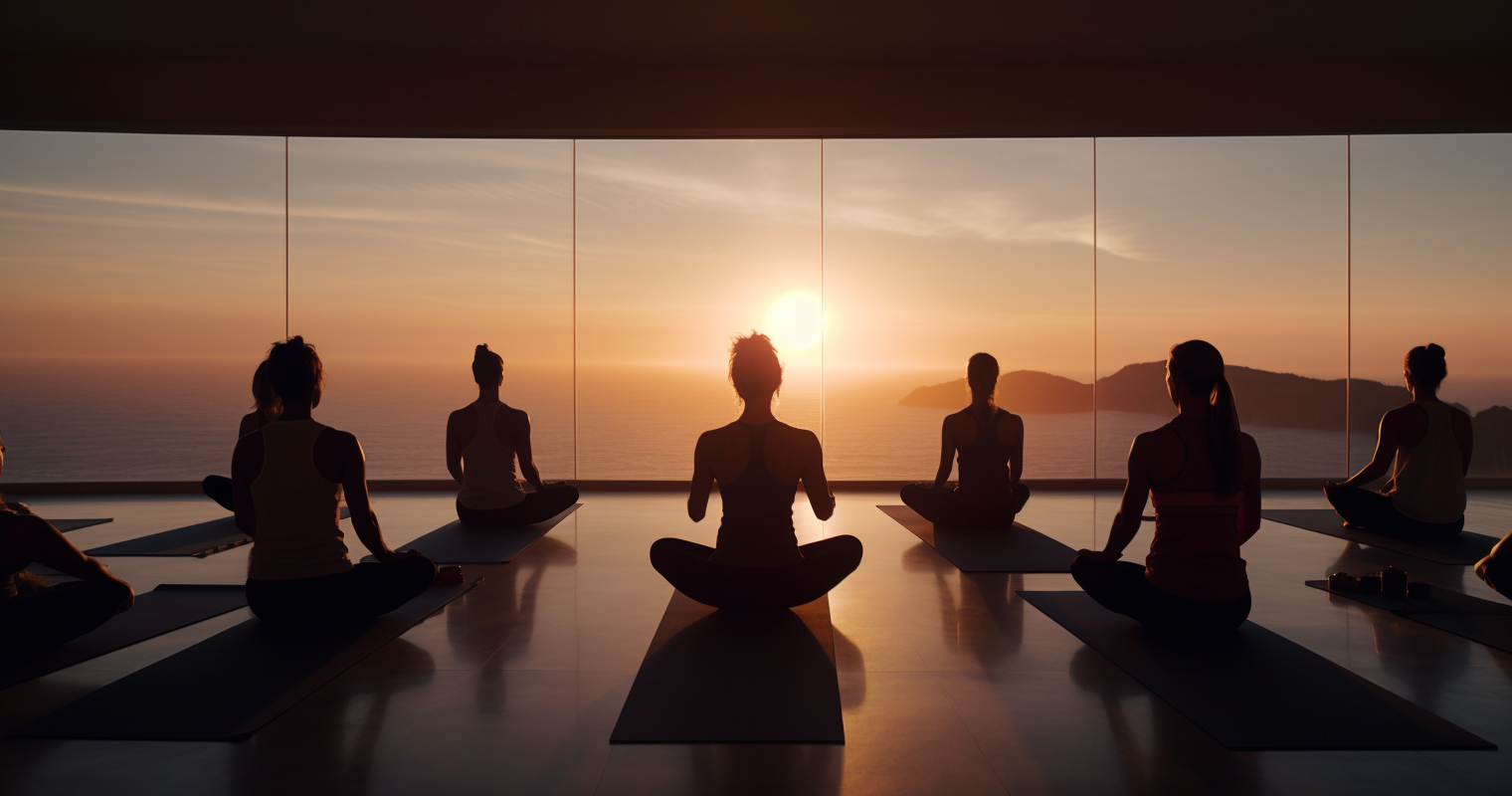
Complementary and alternative medicine (CAM) in Jamaica encompasses a remarkably diverse and culturally layered landscape — from generations-old “bush medicine” traditions rooted in African, Taino, and Indian heritage, to contemporary therapies including acupuncture, chiropractic, and naturopathy. These practices enjoy broad uptake across the island, yet formal oversight of practitioners remains underdeveloped, and CAM services are rarely reimbursed by either public or private health insurance.
| Item | Details |
|---|---|
| Most prominent CAM therapy | Herbal/bush medicine — deeply embedded in everyday culture |
| Regulatory framework (as of 2025) | No comprehensive statutory CAM practitioner regulation; herbal products regulated under the Food and Drugs Act 1964 |
| CAM Advisory Panel | Established under the Ministry of Health & Wellness Standards and Regulation Division — currently on hold |
| Insurance coverage | CAM therapies generally not covered by public health system; private insurers vary — check directly with your provider |
| Key oversight body | Ministry of Health & Wellness — Standards and Regulation Division |
| Professional associations | Jamaica Association of Herbal Practitioners (JAHP), Jamaica Acupuncture Association (founded 1996) |
What types of complementary and alternative medicine are available in Jamaica?
CAM has deep roots in Jamaican society, with numerous therapeutic traditions having been handed down across generations. From herbal medicine and acupuncture to meditation and bodywork, the range of options available today reflects both the island’s own indigenous healing heritage and the influence of worldwide wellness trends.
Herbal medicine — the use of plants and botanical extracts to address illness and support health — is by far the most prominent CAM modality on the island, with traditional plant-based remedies forming part of everyday life for many Jamaicans. This practice is explored in greater depth in the section on traditional medicine below.
Acupuncture has a smaller but established footprint in Jamaica, used by a subset of the population as a complementary treatment option. Naturopathy, homeopathy, and chiropractic care are similarly present, concentrated mainly in larger urban centres such as Kingston and Montego Bay, though they are less widely accessible than in countries like Australia or Canada, where these professions benefit from dedicated training institutions and stronger consumer demand.
Meditation and mindfulness practices — which centre on training attention toward present-moment awareness and emotional calm — are attracting a growing following in Jamaica as tools for supporting mental health and general well-being. Yoga, aromatherapy, massage therapy, and Reiki also feature on the island, particularly through the wellness tourism sector; many resorts and spas provide these services to both international guests and local residents.
Spiritual healing and Obeah-influenced practices exist within certain communities, occupying a distinct cultural and legal space separate from mainstream CAM. Rastafarian Ital healing — built around a natural, plant-based way of life and a holistic view of well-being — is a culturally significant tradition that intersects with herbal medicine and nutritional approaches to health.
Is complementary and alternative medicine regulated in Jamaica?
The regulatory environment for CAM practitioners in Jamaica is currently far less advanced than in countries such as the UK — where osteopaths and chiropractors are subject to mandatory oversight by dedicated statutory councils — or Australia, where a number of CAM professions fall under the Australian Health Practitioner Regulation Agency (AHPRA). Jamaica does not yet have a single, overarching legislative framework that governs CAM practitioners as a profession.
The Standards and Regulation Division of the Ministry of Health & Wellness was established in March 1999, tasked with leading quality improvement through standard-setting and monitoring across both public and private health sectors. A Complementary and Alternative Medicine Advisory Panel was constituted and made operational under this Division — however, it is currently on hold, meaning the dedicated government mechanism for advising on CAM oversight is not presently active.
Most products — including pharmaceuticals, herbal preparations, and natural health products — must be registered with the Ministry of Health prior to being imported, distributed, or sold in Jamaica, as set out in the Food and Drugs Act 1964. The Standards and Regulation Division is responsible for evaluating herbal products and other drugs, foods, cosmetics, and medical devices to ensure they are safe for public use. This means that while products (including herbal formulations) face some degree of regulatory scrutiny, the practitioners delivering many CAM therapies are not yet subject to any statutory registration requirement.
Despite the long history of CAM use in Jamaica and its continuing growth in popularity, the absence of regulation and standardisation across different modalities remains a significant challenge — making it harder for patients and health professionals alike to assess which therapies are safe and effective.
Voluntary professional associations — among them the Jamaica Association of Herbal Practitioners (JAHP) and the Jamaica Acupuncture Association, established in 1996 to promote and regulate acupuncture practice, provide practitioner training and support, set professional standards, and advocate for acupuncture’s recognition as a legitimate healthcare modality — operate through self-regulation. Membership of these bodies is not legally required, so any individual can practise without affiliating with a professional organisation. This situation is broadly comparable to the voluntary self-regulatory phase that characterised many CAM professions in the UK before mandatory registration was introduced under the Osteopaths Act and Chiropractors Act.
For the most up-to-date information on regulatory requirements and any changes in CAM oversight arrangements, consult the Ministry of Health & Wellness — Standards and Regulation Division directly, as rules and advisory structures may evolve.
Is CAM covered by health insurance or the public healthcare system in Jamaica?
Jamaica’s public healthcare model treats health as a public good, with the government delivering services at minimal direct cost to patients. A private health insurance market also exists, covering approximately 10 per cent of the population, though it operates under relatively loose regulation.
Within the public health system — delivered through the Ministry of Health & Wellness and its four Regional Health Authorities — CAM therapies are not formally recognised as reimbursable services. The public system prioritises conventional medical care, and no category of CAM practitioner is currently funded through public channels in the manner that physiotherapy, for instance, may receive partial coverage in some European countries.
There is considerable interest in bringing CAM into Jamaica’s mainstream healthcare system, and Jamaica’s Vision 2030 National Development Plan acknowledged the goal of integrating CAM into healthcare plans and establishing regulatory frameworks for its products and practitioners. As of 2025, however, this ambition has not yet produced formal insurance reimbursement or public system funding for CAM services.
Among private health insurers, coverage for CAM varies considerably by provider and policy type. A limited number of plans may accommodate therapies such as chiropractic or physiotherapy under broad “allied health” or “specialist” categories, but this is not a standard feature. Verify what your own policy covers by contacting your insurer directly — such as Sagicor Life Jamaica or JMMB Insurance Brokers — before proceeding with any CAM treatment. Always confirm current coverage terms and reimbursement limits with your insurer, as these can change.
How much does complementary and alternative medicine cost in Jamaica?
CAM pricing in Jamaica varies considerably depending on the therapy type, the practitioner’s training and location, and whether the service is offered in a major city or a rural setting. The figures below reflect the general market as of 2024–2025; always verify costs directly with practitioners or relevant professional associations, as they are subject to change.
- Herbal consultations: Community-based bush medicine consultations may cost very little or operate through informal community exchange. Formal herbal medicine consultations with practising herbalists typically range from approximately J$3,000–J$8,000 (roughly US$20–US$55) per session, as of 2024.
- Acupuncture: A single acupuncture session in Kingston or Montego Bay generally falls in the range of J$5,000–J$12,000 (approximately US$33–US$80), as of 2024, though fees at wellness clinics or resort-based providers may be higher.
- Chiropractic and osteopathy: Where available, chiropractic consultations are broadly comparable to private GP appointments — approximately J$6,000–J$15,000 (roughly US$40–US$100) per session, as of 2024.
- Massage therapy and bodywork: Pricing spans a wide range, from more affordable day spa treatments at J$3,000–J$5,000 to considerably higher rates at resort spas.
- Yoga and meditation classes: Group sessions typically cost J$1,500–J$4,000, with private tuition priced higher.
It is worth noting that traditional medicine is not always less expensive than conventional medical care — and in some contexts may actually cost more. While grass-roots herbal remedies may carry little or no financial cost, formal CAM practitioner consultations can match or surpass the price of a private GP visit. Confirm current pricing with individual practitioners or through professional bodies such as the Jamaica Association of Herbal Practitioners before making appointments.
How do I find a qualified CAM practitioner in Jamaica?
Because Jamaica does not yet have statutory regulation of CAM practitioners in place, identifying a qualified and reliable practitioner calls for more thorough personal research than might be needed in countries with compulsory professional registers. The following steps can assist expats in approaching this process effectively.
- Contact professional associations: The Jamaica Association of Herbal Practitioners (JAHP), established in 2001, works to promote and regulate herbal medicine practice in Jamaica, provides training and support to practitioners, sets professional standards, and advocates for herbal medicine’s recognition as a legitimate healthcare option. Getting in touch with the JAHP is a sensible first step toward identifying a practitioner who upholds professional standards.
- Check with the Jamaica Acupuncture Association: Founded in 1996, the Jamaica Acupuncture Association supports acupuncture practitioners through training, standard-setting, and advocacy. Contact the association to request a list of members practising in your locality.
- Ask your conventional doctor for a referral: General practitioners at private clinics in Kingston, Montego Bay, and other urban centres are frequently familiar with reputable local CAM practitioners and may be able to suggest referrals, particularly for therapies such as physiotherapy, chiropractic, or acupuncture.
- Verify credentials independently: When approaching any practitioner, ask directly about their formal training, which professional associations they belong to, and whether they carry professional indemnity insurance. Exercise caution with practitioners who are reluctant or unable to answer these questions.
- Check product registration: If a practitioner sells or recommends herbal products, confirm that those items are registered with the Ministry of Health & Wellness Standards and Regulation Division as required under the Food and Drugs Act 1964.
- Use reputable wellness centres and hospitals: A number of private hospitals and wellness facilities in Jamaica offer integrative or CAM services through practitioners who have been vetted by the centre itself. These settings typically apply internal credentialling processes, giving patients an added degree of reassurance.
Key consumer protection considerations include the absence of a publicly accessible central register for checking practitioner credentials, and the fact that titles such as “herbalist” or “naturopath” can currently be used without any formal certification. Treat with caution any practitioner who discourages consultation with a conventional doctor — especially regarding serious or long-term health conditions.
Are there traditional or indigenous medicine systems practised in Jamaica?
For centuries, Jamaicans have drawn on the island’s remarkable botanical wealth, turning to indigenous plants and herbs as their first resource for healing and maintaining health. This enduring tradition, widely known as bush medicine, remains very much alive today, blending inherited ancestral knowledge with contemporary understanding of plant-based wellness.
Jamaica’s diverse landscape serves as a living archive of medicinal plant wisdom, shaped by the interweaving of African, indigenous Taino, and European healing traditions. Bush teas, root tonics, and strengthening remedies have been prepared by successive generations of bush doctors, functioning as the primary healthcare resource for many communities long before modern pharmaceuticals became available.
The Taino people — Jamaica’s original inhabitants — drew upon the natural environment for their medical practices. Enslaved Africans, brought to the island during the transatlantic slave trade, carried their own traditions of plant-based healing, which gradually merged with Taino knowledge. Subsequently, the arrival of people from Europe, India, and China introduced further botanical traditions, transforming Jamaica into a remarkable meeting point of diverse healing cultures.
Jamaica’s patchwork of rainforests, wetlands, and limestone terrain supports around 3,000 plant species, and ethnomedical research estimates that between 500 and 800 of these are employed in traditional medicine. Among the most culturally significant healing plants are cerasee, guinea hen weed, soursop leaf, fever grass (lemongrass), moringa, and aloe vera — known locally as “sinkle bible”.
Bush doctors — traditional herbal healers — have long occupied a central role in Jamaican communities. These individuals carry extensive practical knowledge of local plant species and their therapeutic applications, expertise typically transmitted orally through family lineages, preserving wisdom accumulated across generations.
Rastafarian Ital healing represents another deeply significant tradition, grounded in a plant-based, natural way of life understood as both spiritual practice and health maintenance. While cannabis is the herb most internationally associated with Jamaica, Rastafarian healing draws upon a broad range of other plants as well. The use of cannabis for medicinal and sacramental purposes within the Rastafarian tradition has a long history, and Jamaica has in recent years moved to decriminalise and regulate cannabis — including for medicinal purposes — through the Cannabis Licensing Authority of Jamaica.
Traditional bush medicine and Rastafarian healing are not formally regulated by the state in the same manner as pharmaceutical medicine — practitioners are not required to hold licences, and these knowledge systems are not officially embedded in the public health curriculum. Nevertheless, recognition of the value of traditional plant medicine is growing, both within Jamaica and internationally, as interest in natural approaches to health increases and Jamaican bush medicine gains wider attention for its potential to complement modern medical care.
What should expats know about using CAM alongside conventional medicine in Jamaica?
CAM use among patients in Jamaica is exceptionally high, and failing to address this reality risks undermining adherence to prescribed treatment plans, compromising health outcomes, and reducing quality of life — particularly for those living with chronic conditions. Research conducted in western Jamaica among patients with hypertension and type 2 diabetes has highlighted a safety concern of direct relevance to all residents and expats: concurrent use of herbal preparations and prescription medications can produce clinically meaningful herb-drug interactions.
Studies show that the great majority of healthcare professionals in Jamaica consider expanded education on CAM and more rigorous safety research — particularly for conditions such as hypertension and type 2 diabetes — to be pressing priorities. There is broad interest in meaningfully integrating CAM into Jamaica’s healthcare system in a way that benefits both practitioners and patients.
In everyday practice, conventional doctors in Jamaica — especially those working in private settings in urban areas — tend to be well aware of how widely bush medicine and traditional remedies are used among their patients. Many will enquire about herbal remedy use during consultations if the topic is raised, though attitudes toward integrative approaches vary. If you are using any herbal preparations or CAM therapies, make a point of disclosing this to your conventional doctor so that any potential interactions can be identified and managed safely.
While many plants used in Jamaican bush medicine have genuine therapeutic value, they warrant careful use — particularly when taken alongside prescribed medications. Cerasee, for example, commonly consumed as a tea and thought to assist with blood sugar regulation, may interact with diabetes medications. Similarly, guinea hen weed and soursop leaf preparations should be discussed with a doctor if you are taking any regular medicines.
Fully integrative clinics — where conventional and CAM practitioners work collaboratively and share patient information — are not yet common in Jamaica, though some private wellness centres do bring together both types of care under one roof. The Ministry of Health & Wellness is the principal authority for guidance on approved health products and practitioners, and its Standards and Regulation Division can be contacted to verify the registration status of any herbal or natural health product. For evidence-based guidance on herb-drug interactions specifically, the University of the West Indies (UWI) Mona campus has conducted relevant research and represents a useful academic reference point.
As a fundamental principle: always ensure that every healthcare provider you see — whether conventional or CAM — is fully informed about all treatments, supplements, and herbal remedies you are currently using. This is particularly important in a healthcare environment where formal integration of CAM and conventional medicine is still at an early stage.
Frequently asked questions about CAM in Jamaica
Is herbal medicine legal in Jamaica?
Yes, herbal medicine is entirely legal in Jamaica and occupies an important place in the island’s cultural identity. That said, herbal preparations intended for commercial sale must be registered with the Ministry of Health & Wellness under the Food and Drugs Act 1964. There is no restriction on individuals growing their own herbs or preparing traditional remedies for personal use, but commercially available herbal products should bear appropriate registration. Always buy from reputable suppliers.
How do I check whether a CAM practitioner in Jamaica is qualified?
As of 2025, there is no statutory practitioner register in Jamaica through which CAM credentials can be verified, as there might be in the UK or Australia. Instead, ask any practitioner you consult to explain their training background, professional association memberships, and whether they hold professional indemnity insurance. You can also approach relevant bodies — such as the Jamaica Association of Herbal Practitioners or the Jamaica Acupuncture Association — to confirm whether a practitioner is a current member. Seeking a referral from a conventional doctor or a reputable private clinic is another sound strategy.
Are chiropractic and osteopathy available in Jamaica?
Chiropractic services do exist in Jamaica, mainly in Kingston and other city centres, though the number of practitioners is considerably smaller than in countries such as Canada or the United States. Osteopathy is harder to find. If these therapies are important to your healthcare routine, investigate availability in your specific area before relocating and be prepared for a smaller pool of practitioners and potentially longer waiting periods than you are used to.
Will my private health insurance cover CAM treatments in Jamaica?
Whether CAM is covered depends entirely on the specifics of your insurance policy. Certain private plans in Jamaica may extend coverage to physiotherapy or chiropractic under allied health or specialist provisions, but dedicated CAM benefits are not standard. Always check with your insurer before beginning treatment. If you are moving to Jamaica from overseas, consider whether an international health insurance policy with clearly defined CAM benefits would better suit your healthcare needs.
Is it safe to use traditional bush medicine remedies in Jamaica?
Traditional Jamaican herbal remedies have been used safely across generations and form an integral part of the island’s cultural heritage. However, certain plant preparations can interact with prescription medicines, and not all traditional applications have been subjected to rigorous scientific testing. Always tell your conventional doctor about any herbal remedies you are taking, especially if you have a long-term condition or use regular medication. Consult a knowledgeable practitioner rather than relying solely on informal advice.
Are there integrative clinics in Jamaica that combine conventional and CAM care?
Fully integrative settings — where conventional physicians and CAM practitioners collaborate formally and share clinical records — are not yet common in Jamaica, though some private wellness centres do offer both modalities on the same premises. Growth in this area has been driven partly by the wellness tourism sector, especially in resort destinations such as Montego Bay, Negril, and Ocho Rios. When visiting any clinic, ask explicitly whether the different practitioners share information about your care with one another.
What is the Rastafarian approach to medicine and healing?
Rastafarian healing is a spiritually rooted, holistic tradition centred on the “Ital” principle of natural, plant-based living, the use of herbal remedies, and a general avoidance of synthetic medicines. It draws on a wide spectrum of Jamaican and Caribbean medicinal plants, and cannabis carries both sacramental and therapeutic significance within the tradition. Rastafarian healing operates outside state regulation but commands deep cultural respect. Expats engaging with this tradition should be mindful of the herb-drug interaction considerations outlined in this guide.
Where can I get official guidance on CAM in Jamaica?
The primary official resource is the Ministry of Health & Wellness Jamaica and, in particular, its Standards and Regulation Division, which oversees herbal product registration and health sector standards. For professional association contacts, reach out to the Jamaica Association of Herbal Practitioners (JAHP) or the Jamaica Acupuncture Association. For research-based guidance on traditional and herbal medicine, the University of the West Indies (UWI) Mona campus is a valuable academic resource. Always verify that any information you rely on is current, as policies and regulatory frameworks in this field continue to develop.