
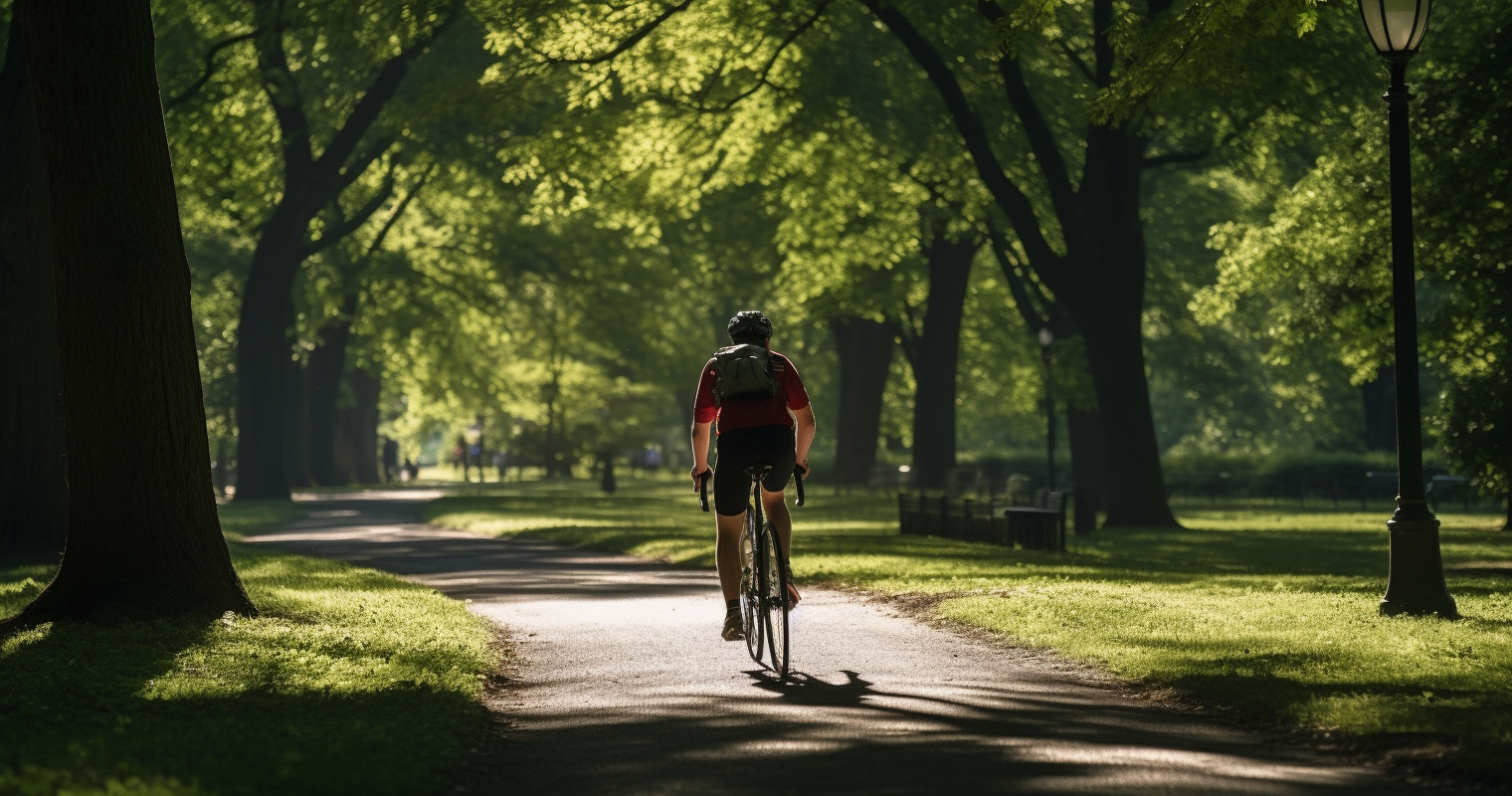
For expats living in Brunei, cycling tends to be a leisure and fitness pursuit rather than a practical means of getting from A to B. The country’s roads are built with motorists firmly in mind, dedicated infrastructure for cyclists is sparse, and the relentless tropical climate makes pedalling to work an unappealing prospect for most. Nevertheless, an enthusiastic cycling community, picturesque routes, and the beloved weekly Bandarku Ceria car-free morning all combine to make riding a genuinely enjoyable pastime for those willing to embrace it.
| Item | Details |
|---|---|
| Cycling culture | Primarily recreational and sporting; not a common commuting mode (as of 2025) |
| Dedicated cycle lanes | Very limited; most cycling shares road with motor vehicles |
| Helmet law | No specific mandatory helmet law in Brunei; strongly recommended |
| Bike registration | Not mandatory for standard bicycles |
| Car-free cycling event | Bandarku Ceria — weekly Sunday morning event in Bandar Seri Begawan |
| Key cycling authority | Brunei Darussalam Cycling Federation; Ministry of Transport and Infocommunications |
How popular is cycling in Brunei — is it a common way to get around?
Cycling is not a mainstream transport option in Brunei, though it has carved out a firm place in the country’s recreational landscape. When it comes to everyday journeys — shopping trips, the daily commute, or getting across town — the overwhelming majority of residents reach for their car keys. Brunei ranks among Southeast Asia’s most car-dependent nations, and its road network has been developed around this reality.
The sport has received a significant boost from government-backed health initiatives and from Sultan Hassanal Bolkiah’s personal enthusiasm for cycling. The Bandarku Ceria (“My Happy City”) programme, launched in November 2016, established cycling as the centrepiece activity for health-conscious residents. This kind of top-level endorsement has had a tangible effect on cycling’s cultural standing within the country.
On any given day, cyclists of all experience levels can be spotted riding alongside traffic on Brunei’s roads. Weekend mornings, before temperatures climb to their midday peak, tend to draw the most riders. The local cycling community is friendly and inclusive, and newcomers who join group rides often find this an excellent way to pick up practical local knowledge and build social connections quickly.
To set realistic expectations: cycling in Brunei bears a closer resemblance to the Singaporean model — where bikes are used for fitness and fun but cars rule transport — than to Dutch or Danish cities, where cycling is woven into the fabric of everyday movement. Expats accustomed to cycling to work back home will likely need to shift their approach, treating the bike as a weekend and leisure tool rather than a daily commuting machine.
What is the cycling infrastructure like in Brunei?
Dedicated cycling lanes are conspicuously absent across most of the Brunei-Muara district. The majority of roads have no provision whatsoever for bicycle traffic, and proposals to introduce separated cycling infrastructure remain largely in the planning or discussion phase. This stands in sharp contrast to countries such as Germany or the Netherlands, where protected cycle paths are treated as an essential component of road design.
Major arterial roads — including the Muara to Kuala Belait Highway and the Hassanal Bolkiah Highway — are built for fast-moving motor traffic and present serious hazards for cyclists. Riders are strongly discouraged from using these routes entirely.
Within Bandar Seri Begawan and surrounding towns, cyclists must share the carriageway with other vehicles. Traffic density during rush hours can make this uncomfortable. Quieter residential streets and purpose-built park areas tend to offer a considerably more pleasant riding experience.
The capital has more than 230 mapped routes available to cyclists, ranging from gentle riverside rides suitable for families to more demanding circuits. The weekly Bandarku Ceria car-free Sundays are the closest thing Brunei currently has to a true cycling zone — major roads in the city centre are closed to vehicles for several hours each Sunday morning, creating an environment that many riders consider the highlight of cycling life in BSB.
Discussions around bike-sharing schemes and dedicated cycling infrastructure continue, but tangible progress has been limited. For updates on planned improvements and downloadable route maps, visit the Ministry of Transport and Infocommunications and the Brunei Darussalam Cycling Federation (BDCF).
Is cycling safe in Brunei?
Since most riding takes place on roads shared with motor vehicles, alertness and adherence to traffic rules are essential. Motorists in Brunei are generally considered courteous, but cyclists should make their intentions clear through signalling and should make themselves as visible as possible by wearing bright, reflective clothing. Members of the local cycling community broadly agree that driver awareness of cyclists has improved considerably over recent years.
The growing number of people taking up cycling has helped foster a more considerate road-sharing culture. As one established local rider observed: “Almost everyone in Brunei knows a cyclist now — it could be a family member or a close friend. Because of this, most drivers are more careful when they see people cycling on the road.”
Road surfaces in Brunei are frequently described as excellent — smooth and well-maintained, which many riders find ideal for cycling. Generous road shoulders and increasingly mindful driving contribute to a reasonably positive on-road experience overall. That said, conditions differ markedly between locations: kampong (village) lanes and park paths are far more forgiving than high-speed main roads.
On the question of helmets: Brunei has no specific legal requirement compelling cyclists to wear one — a contrast with countries such as Australia or New Zealand, which enforce universal helmet laws for all riders. Even so, wearing a helmet is firmly recommended on safety grounds. High-visibility clothing and functioning lights when riding after dark are equally important practical measures. Current road safety data and guidance can be found through the Ministry of Transport and Infocommunications and the Royal Brunei Police Force, both of which publish periodic road safety information.
What are the rules of the road for cyclists in Brunei?
Cycling on public roads in Brunei falls under the Road Traffic Act (Chapter 68) and its associated Road Traffic Regulations, overseen by the Ministry of Transport and Infocommunications. Cyclists are classified as road users and are bound by the same general traffic rules that apply to all vehicles.
Key regulations cyclists should be familiar with include:
- Lighting: From sunset to sunrise, bicycles must carry a white light at the front and a red light or reflector at the rear, each visible from a reasonable distance. This is a legal obligation under the Road Traffic Regulations, not simply a guideline.
- Helmets: Brunei’s Road Traffic Act contains no specific statutory requirement for cyclists to wear helmets. Wearing one is nonetheless strongly advisable given the shared-road environment.
- Road position: Cyclists must keep to the left-hand side of the road — Brunei, like the UK, Australia, and Malaysia, drives on the left. Riding against the flow of traffic is prohibited.
- Highways: Expressways and closed highways are off-limits to cyclists under the Road Traffic Act. Attempting to cycle on major expressways is both illegal and extremely dangerous.
- Alcohol: Public alcohol consumption is prohibited for Muslims in Brunei, and non-Muslims are expected to respect Sharia-influenced standards of public conduct. Riding a bicycle while impaired by any substance is illegal and dangerous.
- Pavements and pedestrian areas: Cycling on footpaths along main roads is generally not permitted, though practice varies in quieter residential areas. If uncertain, dismount and walk.
- Traffic signals and signs: Cyclists must comply with all traffic lights, give-way markings, and road signage, just as drivers of motor vehicles are required to do.
Road regulations are subject to amendment, so always verify current requirements with the Attorney General’s Chambers — which publishes Brunei’s legislation online — or directly with the Ministry of Transport and Infocommunications before heading out to ride.
Do I need to register my bike or have insurance to cycle in Brunei?
Standard non-motorised bicycles do not need to be registered with any government body in Brunei. Unlike motor vehicles, which must be registered with the Land Transport Department, pedal cycles are not subject to a compulsory registration scheme. This approach is consistent with that taken by most other Southeast Asian countries, including neighbouring Malaysia.
There is likewise no mandatory third-party liability insurance requirement for cyclists in Brunei. That said, given that cyclists share roads with motor vehicles in the absence of dedicated infrastructure, taking out personal accident cover or ensuring that your expat health insurance policy extends to cycling-related injuries is a prudent step. Many comprehensive expat health insurance plans include such coverage, but you should review your specific policy terms with your insurer to confirm.
E-bikes and other motorised bicycles may fall under different regulatory categories with respect to registration and road use. If you intend to ride an e-bike, contact the Ministry of Transport and Infocommunications for the current classification rules and any associated requirements, as the rules governing powered cycles can differ significantly from those covering standard pedal bicycles.
Are there public bike-sharing or rental schemes in Brunei?
Brunei does not currently operate a large-scale, app-based public bike-share system of the type found in Singapore, Tokyo, or many major European cities. Proposals for bike-sharing programmes and associated infrastructure have been floated in urban planning discussions, but widespread implementation has yet to materialise.
Kingdom Rides + Adventures is among the most established rental options available in the country. This rider-owned adventure tour operator and bicycle shop, run by an Australian family with over two decades of mechanical and riding expertise and based in Madang, Brunei Darussalam, serves both visiting tourists and resident cyclists. Current rental pricing and availability should be confirmed directly through their own channels, as these details are subject to change.
The weekly Bandarku Ceria event, held every Sunday morning in the city centre, sees major roads temporarily closed to motor traffic for several hours, giving cyclists, pedestrians, and families the freedom to move around freely. Bicycle rentals are typically made available at the venue during this period, making it an ideal opportunity for newcomers to experience cycling in the capital without needing to own their own bike.
Santai Aje Niaga, located in Bandar Seri Begawan, also provides bicycle rental services at Bandarku Ceria. For the most current information on any emerging bike-share initiatives, keep an eye on updates from the Ministry of Transport and Infocommunications and the Bandar Seri Begawan municipal authority.
Where can I buy or service a bike in Brunei?
Expats relocating to Brunei will find a compact but workable selection of bicycle shops, mostly concentrated in and around Bandar Seri Begawan. The market is geared towards the recreational and sport cycling community, so mid-range to higher-end road and mountain bikes are generally on offer — although the breadth of choice is narrower than in larger regional hubs such as Kuala Lumpur or Singapore.
Notable shops in the capital and surrounding areas include:
- Cycle Nation — A cycling concept store in Bandar Seri Begawan catering to riders of all disciplines, carrying international brands and equipment. It operates as part of the Treknology3 network.
- Awang Tum Tum Cycles — Situated in Bandar Seri Begawan, this shop stocks road bikes, mountain bikes (MTB), and general cycling supplies.
- Specialized Brunei — Located in Kampong Gadong, this outlet stocks the internationally recognised Specialized range of road, mountain, and urban bicycles.
- Bruwan Bicycle — Sells and services bikes from a shop at Jalan Pasir Berakas.
- Kingdom Rides + Adventures — Based in Madang, this rider-owned shop offers high-level mechanical servicing alongside adventure tour planning and guidance.
Pre-owned bicycles can be sourced through active local Facebook groups and online marketplaces, which are well-used in Brunei. When purchasing a new bike, scrutinise warranty terms carefully, as not all international manufacturer warranties extend to Brunei. Spare parts for less common brands can be slow to arrive, so if you ride a bike with specialist components, consider packing extras when you make the move.
Can I bring my bike when I move to Brunei, and are there any import rules?
When relocating to Brunei, bringing personal belongings — including bicycles — as part of an international removal shipment is generally permitted. Personal effects imported by someone taking up genuine residence in Brunei may qualify for duty relief or exemption, subject to conditions stipulated by the Royal Customs and Excise Department of Brunei Darussalam.
Brunei levies customs duties on imported goods, but personal effects and household items brought in connection with a bona fide relocation are often treated more favourably than commercial imports. To qualify for any available exemptions, you will typically need to show that the items are used personal property (not new or intended for resale), that you are genuinely taking up residence, and that the goods arrive within a defined period relative to your own arrival date. Always verify the exact eligibility conditions, thresholds, and applicable duty rates with the Royal Customs and Excise Department before shipping, since requirements can change from year to year.
If you are importing a bicycle separately from a personal effects shipment, it may attract import duty at standard rates, which vary by product category. Confirm current tariff classifications and rates directly with the Royal Customs and Excise Department or a licensed customs broker before dispatching your shipment, and retain purchase receipts and supporting documentation to assist with your customs declaration.
E-bikes and motorised bicycles are likely to be subject to additional scrutiny or different tariff classifications compared with standard pedal cycles, so seek specific advice if you plan to bring any powered cycle into the country.
What are the best cycling routes or destinations in Brunei?
Compact as it is — covering just 5,765 square kilometres in total — Brunei offers a surprisingly diverse cycling landscape, taking in urban waterfront rides, jungle-fringed back roads, and breezy coastal stretches.
Bandar Seri Begawan waterfront and city routes
The capital is the undisputed heart of Brunei’s cycling scene and the first stop for any new rider in the country. Routes here wind past the glittering waterfront of Taman Mahkota Jubli Emas, alongside the gold-domed Sultan Omar Ali Saifuddien Mosque, and within sight of Kampong Ayer — the celebrated stilted water village that has defined the Brunei skyline for centuries. These routes are best savoured during Bandarku Ceria on Sunday mornings, when the roads are entirely free of vehicle traffic.
Bandarku Ceria car-free Sundays
Launched in November 2016, the Bandarku Ceria initiative established cycling as the flagship activity of Brunei’s community health movement. Every Sunday morning, central city roads are closed to motor vehicles for several hours, providing a safe, sociable, and traffic-free environment that suits cyclists of every ability level.
Muara Beach coastal ride
Heading northeast towards Muara and its sandy shoreline rewards riders with a pleasant, largely flat coastal route away from the bustle of the capital. The ride offers a flavour of Brunei’s quieter, less developed coastline.
Jerudong and Empire area trails
The country’s longest trail runs from the Jerudong backend through to the highway, Shahbandar, and Empire Hotel. This route is a favourite among mountain bikers and takes in a mix of terrain, including sections that run alongside forested land.
Temburong District
Now more accessible since the opening of a new bridge, the Temburong District presents some of Brunei’s most breathtaking natural scenery — dense primary rainforest and roads carrying a fraction of the traffic found in the Brunei-Muara area. Road cyclists and touring riders regard it as one of the most rewarding parts of the country to explore. The government places high priority on forest conservation here and is actively developing sustainable tourism alongside it.
For route planning, the Brunei Darussalam Cycling Federation (BDCF) and community platforms such as Komoot and Bikemap feature user-generated route maps covering the country. The Brunei Tourism Board also publishes useful destination information for those planning scenic rides around the sultanate.
Frequently asked questions about cycling in Brunei
Is cycling a realistic option for my daily commute in Brunei?
For the majority of expats, using a bicycle as a primary commuting vehicle is not a practical choice in Brunei. Dedicated cycling infrastructure is almost entirely absent across Brunei-Muara, with highways and most urban roads offering no separate provision for cyclists. Add in persistently high temperatures and humidity, and it becomes clear why most residents rely on cars for daily travel. Recreational rides, weekend events, and cycling for exercise, however, are popular and entirely feasible.
Do I have to wear a helmet when cycling in Brunei?
Brunei has no legislation specifically requiring cyclists to wear helmets on standard bicycles, unlike nations such as Australia or New Zealand, where mandatory helmet laws apply universally. That said, wearing a helmet is strongly encouraged given that most cycling occurs on roads shared with motor vehicles. It is the norm among the established local cycling community and offers meaningful protection in the event of a fall or collision.
What is Bandarku Ceria, and can expats take part?
Bandarku Ceria is a weekly car-free Sunday morning event held in Bandar Seri Begawan, during which major city roads are closed to motor traffic for several hours. The initiative was launched in November 2016 and quickly made cycling the activity of choice for health-conscious residents. Participation is free, open to everyone regardless of nationality, and suitable for all ages and abilities. Bicycle rentals are usually available on-site for those without their own bikes.
Are there mountain biking trails in Brunei?
Yes. Brunei’s longest trail runs from the Jerudong backend through to the highway, Shahbandar, and Empire Hotel, and additional mountain bike trail networks exist in forested areas near the capital. The Trailforks platform hosts mapped MTB trails across the country. The Temburong District also holds considerable off-road potential for riders prepared to venture into a more remote, jungle-dominated setting.
Can I bring my bicycle to Brunei when I move there?
Yes — bicycles can be included in a personal effects shipment when relocating. Genuine personal effects may qualify for customs duty relief, though specific eligibility conditions apply and are set by the Royal Customs and Excise Department. Verify the current requirements before arranging your shipment by consulting the Royal Customs and Excise Department website or speaking with a licensed customs broker.
Where can I get my bike repaired in Brunei?
A number of shops in and around Bandar Seri Begawan offer bicycle servicing and repairs, including Cycle Nation, Awang Tum Tum Cycles, Bruwan Bicycle, and Kingdom Rides + Adventures. Kingdom Rides + Adventures, based in Madang, is a rider-owned operation dedicated to providing cyclists — both local and from abroad — with the highest standard of mechanical service. For specialist parts or less common brands, it is worth bringing extra components when you move, as local availability can be limited.
Is it safe to cycle in Brunei as a newcomer?
Drivers in Brunei are widely regarded as polite, but cyclists still need to ride defensively — signalling clearly, wearing high-visibility clothing, and remaining alert at all times. Steer clear of major highways, aim to ride during cooler parts of the day (early morning or late afternoon), and begin with the Bandarku Ceria event or quiet residential roads before tackling busier routes. Linking up with a local cycling group is one of the most effective ways to gain safe, experience-based riding knowledge in a short period of time.
Is there a cycling federation or club I can join in Brunei?
The Brunei Darussalam Cycling Federation (BDCF) is the official national governing body for the sport and the natural first point of contact for anyone wanting to connect with the local cycling community, find organised rides and events, or access current route information. Brunei also hosts a number of cycling events throughout the year that draw participants from across the region. Stay up to date by following BDCF on Instagram at @bruneicyclingfederation.