
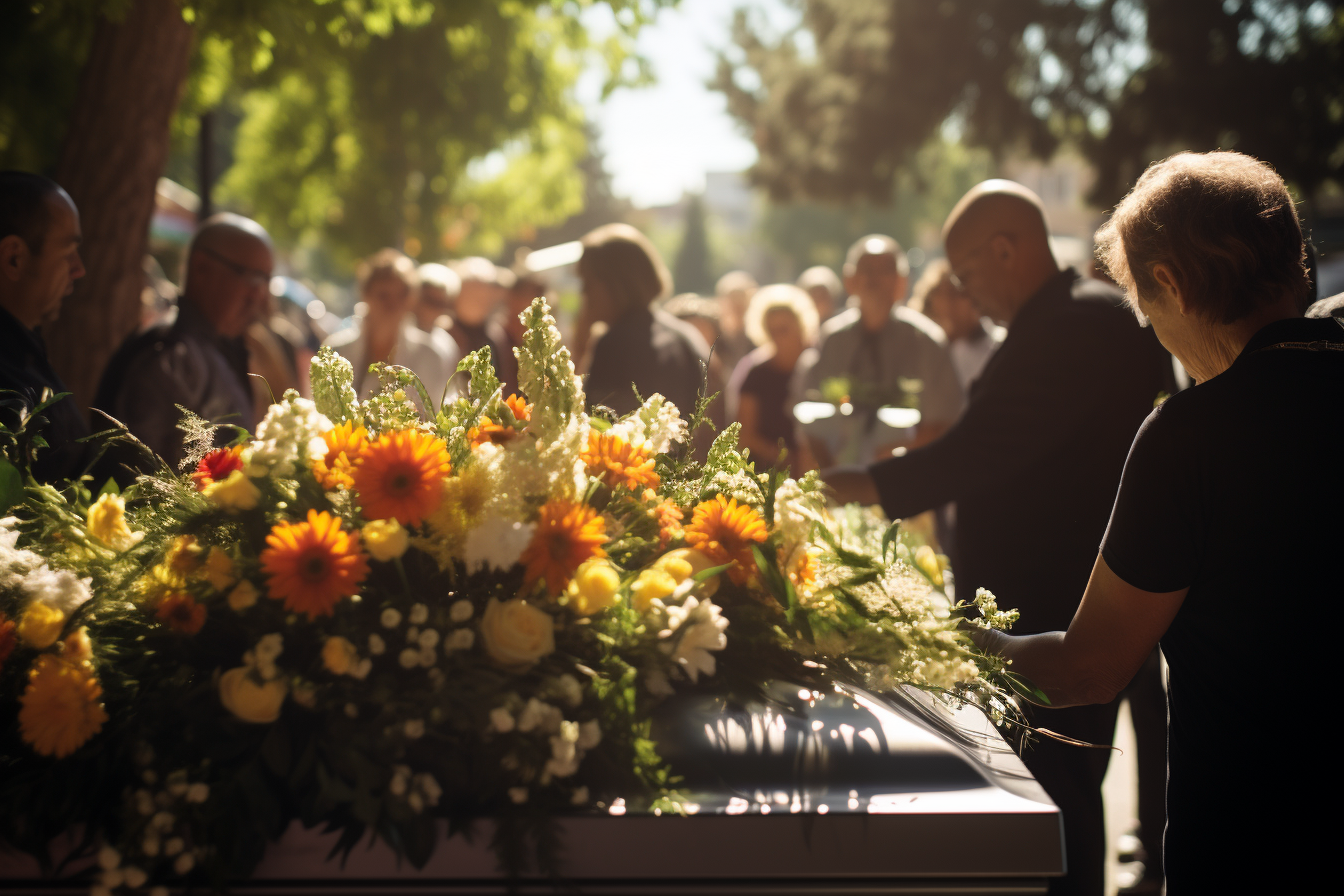
Hospitals and nurse-led home care services form the backbone of end of life care in Brunei, with the country’s primary palliative care programme based at RIPAS Hospital in Bandar Seri Begawan. No purpose-built national hospice exists as a standalone facility. Islamic values and traditions exert a deep influence over how death and dying are approached throughout society. Expatriates living in Brunei should put legal documentation in order, familiarise themselves with local registration obligations, and confirm that their insurance arrangements include repatriation cover well before any crisis arises.
| Item | Details |
|---|---|
| Main palliative care provider | RIPAS Hospital Palliative Care Service, Bandar Seri Begawan (inpatient unit, outpatient clinic, helpline) |
| Dedicated hospice facilities | No standalone national hospice as of 2025; care delivered via hospital and nurse-led home visits |
| Healthcare system for residents | Heavily subsidised government healthcare; foreigners may pay higher fees — verify current rates with the Ministry of Health |
| Euthanasia / assisted dying | Strictly illegal under civil and Syariah law |
| Death registration timeframe | Must be registered promptly — typically within a few days; verify current rules with the National Registration Department |
| Repatriation cost (general estimate, as of 2024) | USD 5,000–26,000+ depending on distance, preparation and complexity; check travel/life insurance policy |
| Inheritance tax | No general inheritance or estate tax in Brunei as of 2025 |
What end of life care options are available in Brunei, and how does the system work?
The provision of end of life care in Brunei rests primarily with hospitals and home-based services, with only a limited number of specialist hospice-type facilities available within the country. Government healthcare underpins the entire system, offering heavily subsidised services to citizens and permanent residents, while expatriates holding work passes typically fall into a higher fee band. Expats are advised to clarify their applicable fee category with the Ministry of Health Brunei well before any health emergency occurs.
In recent years, Brunei has made meaningful efforts to strengthen end of life services, establishing palliative care programmes across certain hospitals and expanding home care support for those living with life-limiting conditions. Nonetheless, the capacity of specialist services remains modest relative to overall need, and families are expected to take an active part in caring for loved ones at home.
Beyond primary care, community services in Brunei are led by nurses and encompass Geriatrics Home Visits (GHV), Palliative Home Visits (PHV), and Home Based Nursing (HBN). These programmes enable patients to spend their final months in familiar surroundings wherever it is clinically and practically feasible, an approach that aligns well with the family-centred values that are deeply embedded in Bruneian culture.
What is palliative care in Brunei, and who is eligible for it?
Palliative care concerns itself with the active, holistic management of suffering arising from serious illness, with particular emphasis on the period approaching death. In Brunei, any person with a life-limiting diagnosis — including cancers, organ failure, advanced neurological conditions, or chronic disease in its later stages — may be considered for palliative care within the government health network. Whether an expatriate can access these services depends on their registration status within Brunei’s healthcare system and the arrangements made by their employer.
In practice, access to palliative care typically begins with a referral from a hospital clinician or specialist rather than through a patient or family member approaching the service directly. Expats who believe a palliative care referral is warranted should raise the matter candidly with their treating physician or specialist rather than waiting to be approached.
Given the central role of family in Bruneian society, relatives are customarily involved in the day-to-day care of seriously ill patients, which in turn creates a need for caregiver support alongside direct patient services. Expatriates who lack an extended family network in Brunei should raise their support requirements with their medical team at an early stage, and may wish to explore engaging a private care coordinator or personal nurse to supplement what is available through the hospital.
The predominantly Muslim population of Brunei brings with it a rich tradition of religious and spiritual engagement with mortality, which informs both individual attitudes and community responses to end of life care. Concepts such as death literacy — the capacity to understand and make informed decisions about end of life — are increasingly being woven into palliative care approaches as a way of building communities that are both compassionate and practically capable. Expatriates of any faith or background can discuss their own cultural and spiritual preferences with the palliative care team to ensure these are reflected in their care plan.
Are there hospices in Brunei, and how do you access them?
The RIPAS Hospital Palliative Care Service in Bandar Seri Begawan provides an inpatient palliative care unit within the acute hospital setting, an outpatient palliative clinic, and a telephone helpline. Recognised by the International Association for Hospice and Palliative Care, this is the country’s foremost dedicated palliative care service. As of 2025, Brunei has no independently operating hospice building separate from the hospital.
Hospice care as a sector remains at an early phase of development in Brunei, and the country has yet to build a network of community-based hospices comparable to those found in countries such as the United Kingdom or Australia. The majority of inpatient end of life care consequently takes place on general hospital wards, with palliative medicine specialists providing consultative input.
Patients seeking access to palliative or hospice-level care at RIPAS Hospital should request a referral from their treating physician to the Geriatrics and Palliative Medicine department. The RIPAS helpline can also advise families on what services are currently available, both within the hospital and through the nurse-led community visiting programme. Up-to-date contact information is available on the RIPAS Hospital website.
Is palliative or hospice care covered by public health insurance or the national health system in Brunei, or does it need to be funded privately?
Brunei’s Ministry of Health operates a heavily subsidised national healthcare system that provides hospital and specialist services to citizens and permanent residents at minimal or nominal cost. Palliative care delivered through government facilities — including the inpatient unit at RIPAS and the nurse-led home visiting programme — falls within this framework. Expatriates on work or dependant passes may access the same services but typically at a higher tariff, which is nonetheless generally affordable by regional standards.
The development of palliative care in Brunei is still ongoing, and a comprehensive national policy dedicated to palliative and end of life care has yet to be formally established. In the absence of such a policy, funding structures and the scope of available services can vary in practice. Expats are advised to ask the hospital’s billing or business office to clarify their precise fee category before commencing palliative treatment.
International private health insurance policies designed for expatriates may also cover palliative care costs, though coverage varies considerably between providers. Policy documents should be reviewed closely, since some exclude terminal or palliative care as a benefit category while others include it explicitly. Life insurance and repatriation insurance may additionally cover funeral costs in some cases, but this must be confirmed with the insurer directly and in advance of any need arising. Never assume coverage — always verify.
What legal documents should expats have in place before the end of life in Brunei — such as a living will, advance directive, power of attorney, or healthcare proxy — and how do these work?
Brunei currently lacks a dedicated statutory framework for advance care directives comparable to, for example, the formal Advance Decision regime in the United Kingdom or the Advance Health Directive used in Australia. That said, advance care planning conversations are increasingly welcomed within clinical settings. Healthcare professionals support the integration of such discussions into practice, though cross-cultural adaptation of available tools is still ongoing, meaning there is no single universally recognised form across all institutions.
Despite the absence of a specific statute, expatriates are strongly encouraged to prepare the following documents in Brunei, preferably in consultation with a locally registered lawyer:
- A written statement of wishes — a clear, signed document setting out your preferences regarding medical treatment, resuscitation decisions, and end of life care, which can be placed in your medical record at RIPAS or any treating hospital.
- A lasting or enduring power of attorney (LPA/EPA) — an instrument authorising a trusted individual to manage your financial affairs and, where possible, healthcare decisions if you lose the capacity to do so yourself. Powers of attorney in Brunei are governed by the general law of agency and applicable provisions within Brunei’s civil law framework; a local lawyer should be consulted about the correct form and execution requirements.
- A valid will — an essential document for all expatriates, particularly where assets are held within Brunei. Further details appear in the estate section below.
Any advance statement of wishes should be registered with your treating hospital and copies provided to your next of kin, your doctor, and your lawyer. The Ministry of Health and RIPAS Hospital’s palliative care team are the most appropriate contacts for guidance on how such documentation is applied in clinical practice in Brunei.
Are documents such as advance directives or powers of attorney made in another country legally recognised in Brunei?
No bilateral treaty specifically provides for the automatic mutual recognition of advance healthcare directives or powers of attorney between Brunei and other nations. The extent to which a foreign document carries legal weight in Brunei depends on a number of considerations, including whether it was properly executed under the laws of the country in which it was made, whether it has been suitably authenticated or apostilled, and whether its terms conflict with Brunei law or public policy.
A power of attorney executed abroad may be accepted for use in Brunei if it has been notarised and, where applicable, apostilled — Brunei is a party to the Hague Apostille Convention. However, when it comes to healthcare decisions within Brunei’s medical system, clinical staff may in practice fall back on next-of-kin consent where no locally recognised instrument exists. If the deceased had a will, it would need to be assessed as valid under the local legal system. Some jurisdictions may require a will to be drawn up in accordance with local formalities, and a foreign will may need to be authenticated or translated before it can be accepted.
Expats holding legal documents issued in another country should have them assessed by a Brunei-qualified lawyer and, wherever practical, prepare a complementary local document that mirrors or supplements the foreign instrument. Keep certified copies accessible and make sure your employer, medical team, and emergency contacts know where the originals are held.
What are the laws around euthanasia or assisted dying in Brunei?
Both euthanasia and assisted dying are absolutely prohibited in Brunei under civil law and religious law alike. Brunei operates a dual legal system in which the civil framework operates alongside the Syariah Penal Code Order 2013, which was brought into force progressively from 2014. Both systems categorically prohibit any deliberate act intended to bring about a person’s death, including where the individual concerned has requested it.
Islam — Brunei’s state religion — holds that human life is a sacred trust and that any intentional ending of life is impermissible (haram) under Islamic jurisprudence. This principle applies in the context of Brunei’s healthcare system regardless of the patient’s own faith. Clinicians are guided toward providing comfort-centred palliative care rather than any intervention that could be construed as hastening death.
There is no active political or legislative movement in Brunei pointing toward any future liberalisation of assisted dying laws. Expats who originate from countries where assisted dying is lawful — such as the Netherlands, Canada, or certain Australian states — should be clear that those legal frameworks carry no effect within Brunei’s jurisdiction. Honest and open discussion about end of life wishes should take place within the palliative and comfort care model that Brunei’s medical teams can offer.
What are the local customs, traditions, and religious practices around death and dying in Brunei?
Brunei’s predominantly Muslim population approaches death through the lens of Islamic tradition, which places faith, prayer, and communal presence at the centre of the dying experience. The recitation of the Shahada (the declaration of faith), the gathering of family members at the bedside, and collective prayer are integral to the process of dying for Muslim patients. Non-Muslim expatriates are not expected to take part in these observances, but respectful awareness of them is both appropriate and appreciated.
Islamic practice requires that burial of Muslim deceased take place as soon as possible after death — ideally within 24 hours. The prescribed rites include ritual washing of the body (ghusl), wrapping in white cloth (kafan), the performance of funeral prayers (Salat al-Janazah), and interment in a designated Muslim cemetery. Cremation is not permitted under Islamic law for Muslim deceased.
Separate arrangements exist for non-Muslim expatriates. The Chinese community — a notable minority in Brunei — may observe Buddhist, Taoist, or Christian traditions, and Chinese-style funeral observances involving wakes, incense burning, and ancestral rites are practised. Christian congregations may hold services in churches. Non-Muslim foreign nationals generally have access to burial in dedicated non-Muslim cemetery sections, or to cremation services (covered in the funeral arrangements section below).
Community solidarity during bereavement is a defining characteristic of Bruneian society. Neighbours, work colleagues, and members of the wider community customarily visit the family home to offer condolences (takziah), and it is common practice to bring food to the bereaved household. Expatriates who lose someone in Brunei can expect expressions of community support, and should feel comfortable approaching their employer’s human resources department, their embassy, or local religious organisations for additional pastoral assistance.
What must you do when someone dies in Brunei? Who do you notify, how quickly, and in what order?
The exact procedures following a death in Brunei may vary depending on the circumstances and where the death occurs. The steps below outline the standard sequence applicable in most situations. Always seek advice from local authorities if the circumstances are in any way unusual.
- Contact emergency services or hospital staff without delay. If death occurs at home, telephone 991 (ambulance) or reach the nearest health centre. A medical practitioner must certify the death before any subsequent steps can proceed. Where the person dies in hospital, nursing staff will automatically set the process in motion.
- Obtain a medical certificate of cause of death (MCCD). This document is issued by the attending or certifying physician. It is a prerequisite for death registration. Where the cause of death is uncertain or unexpected, the matter may be referred to the Coroner’s Court, which can introduce delays.
- Notify the National Registration Department (NRD). The death must be formally registered at the NRD (Jabatan Pendaftaran Negara) promptly. The precise required timeframe should be verified with the NRD directly, as this can change. The NRD operates under the Prime Minister’s Office; details are available at www.pmo.gov.bn.
- Inform your embassy or high commission. Where the deceased is a foreign national, contact your country’s embassy or high commission in Brunei — or whichever mission holds consular responsibility for Brunei — as early as possible. Embassies can assist with documentation, help notify relatives overseas, and act as a liaison with local authorities.
- Notify the deceased’s employer. If the deceased was in Brunei on a work pass, the employer must be told promptly, as immigration status and employment-related entitlements such as repatriation benefits may hinge on timely notification.
- Engage a funeral director. A licensed funeral director can manage the preparation of the body, coordinate with the relevant authorities, and make arrangements for burial or cremation. For Muslim deceased, the local mosque and the Islamic Religious Council (Majlis Ugama Islam Brunei — MUIB) will oversee the religious burial process.
- Contact the deceased’s insurance providers. Reach out to any relevant life, health, or travel insurance providers at the earliest opportunity. Establish whether your international health insurance or life insurance policy includes repatriation cover, as this is offered by a number of policies.
- Obtain multiple certified copies of the death certificate. Request a minimum of five to ten certified copies from the NRD. Multiple copies will be required at various stages for banking institutions, estate administration, insurance claims, and repatriation procedures.
How is a death officially registered in Brunei, and what documents are needed?
The formal registration of deaths in Brunei falls under the National Registration Department (NRD), which operates within the Prime Minister’s Office. The process is governed by the Births and Deaths Registration Act (Chapter 79) of Brunei. Registration must be completed by a relative of the deceased, the occupier of the premises where the death took place, or — in a hospital or other institutional setting — an authorised member of the institution’s staff.
Documents typically required to register a death include:
- The medical certificate of cause of death, signed by a registered medical practitioner
- The deceased’s identification documents — a passport and/or residence permit in the case of foreign nationals
- Details of the deceased’s next of kin and their contact information
- Where the death occurred in hospital, a formal notification from the institution will generally accompany the medical certificate
Following registration, the NRD issues an official death certificate (surat akuan mati), which is the principal document required for all subsequent administrative processes, including estate management, insurance claims, and repatriation. Current fees and timeframes should always be confirmed directly with the NRD, as these are subject to change.
What happens if a foreign national dies in Brunei — what are the specific steps for notifying their home country’s embassy or consulate, and what role does the consulate play?
Where a foreign national dies in Brunei, hospitals or local police may proactively notify the relevant embassy or consulate. The mission will then endeavour to locate and inform the deceased’s next of kin. Consular staff can share important practical information with the family or legal representative of the deceased, including guidance on local burial options, the process of returning remains, and other related matters.
Consular officers exist precisely to provide assistance when a national dies abroad. They can engage with Bruneian authorities and the deceased’s legal representative to facilitate the return of remains to the home country. The consulate can also supply a list of local funeral directors with international experience and a register of locally practising lawyers who are able to assist with estate matters.
The specific functions a consulate or high commission typically performs include:
- Formally recording the death in the home country’s official records — for example, issuing a Consular Report of Death for US nationals, or notifying the General Register Office in the case of British nationals
- Formally notifying next of kin where they cannot be reached by other means
- Providing a directory of funeral directors experienced in arranging international repatriation
- Working with Bruneian authorities on the documentation required for repatriation
- Assisting with the handling and return of the deceased’s personal belongings
Not every country maintains a resident embassy in Brunei. If your home country has no resident mission there, you should establish in advance which embassy or high commission holds consular responsibility for Brunei — this is frequently the mission based in Kuala Lumpur or Singapore. Make a note of the emergency consular contact number and share it with your next of kin. The UK Foreign, Commonwealth and Development Office, for example, operates a 24-hour Global Response Centre reachable at +44 20 7008 5000 from anywhere in the world.
How are funerals typically arranged in Brunei, and what are the usual options for burial or cremation?
Funeral arrangements in Brunei vary considerably according to the religion and background of the deceased, and expatriates should acquaint themselves with both Muslim and non-Muslim provisions.
For Muslim deceased, the Islamic Religious Council of Brunei (Majlis Ugama Islam Brunei — MUIB) takes responsibility for overseeing religious burial. The body is washed, wrapped in a shroud, and interred in a Muslim cemetery as promptly as possible after death, consistent with Islamic obligations. Cremation of Muslim deceased is not an available option under Brunei’s legal and religious framework.
For non-Muslim deceased, the arrangements differ. Christian and other non-Muslim communities may arrange interment in designated non-Muslim sections of cemeteries. Cremation is available for non-Muslim deceased and is managed through private funeral directors. Members of the Chinese community have access to Chinese-style funeral establishments and associated burial grounds. Expatriates whose faith or personal preferences require particular rites should document those wishes clearly in advance and communicate them to their next of kin and their embassy.
In most circumstances, a funeral director or local undertaker will be the family’s primary point of contact. These professionals guide families through each required step, which may include obtaining permits for burial or cremation, organising the transport of the body to the funeral home, and preparing the remains. In Brunei, funeral directors are also able to initiate or support the documentation process for international repatriation where the family wishes to return the remains to another country.
What are the approximate costs of a funeral in Brunei, and are there any state or insurance-based funds that can help cover them?
Comprehensive, publicly available pricing schedules for funeral services in Brunei are not widely published, and costs depend on the type of ceremony, the religious requirements involved, and whether the body is being prepared for local burial or for international repatriation. As a broad guide, local burial or cremation within Brunei — excluding any repatriation component — tends to be less costly than comparable services in Western Europe or Australia, though families should obtain detailed itemised quotes from funeral directors before committing to any arrangements.
There is no state-funded funeral assistance scheme in Brunei equivalent to, for instance, the UK’s Social Fund Funeral Payment or welfare-funded funeral assistance available in some Australian states. All expenses connected with a death overseas and the repatriation of remains or ashes are the responsibility of the family, regardless of the circumstances of death. This reality makes adequate private insurance cover particularly important for expatriates.
In some cases, expat life insurance or repatriation insurance may cover funeral expenses, but this should be confirmed with the relevant insurance provider in advance. Some multinational employers and government contractors operating in Brunei include death-in-service repatriation benefits within employment contracts. Expatriates should review both their employment contract and their insurance policy documents carefully to understand the full extent of their coverage.
What is the process for repatriating the remains of a foreign national from Brunei to another country?
Repatriating remains from Brunei is a multi-stage process that draws in Bruneian government authorities, the deceased’s consulate, an internationally experienced funeral director, and the destination country’s own importation requirements. The first priority is ensuring that all necessary paperwork has been compiled and verified. This encompasses the death certificate, any permits required for transporting human remains, and potentially a certificate of embalming or a declaration that the body is free from contagious disease, depending on the requirements of the receiving country.
Documents typically required for repatriation from Brunei include:
- Official Bruneian death certificate (multiple certified copies)
- Embalming certificate (the majority of international airlines and destination countries require that remains be embalmed for air transport)
- A freedom-from-infection or non-contagious disease certificate
- An export permit for human remains issued by the competent Bruneian authority
- A consular mortuary certificate from the deceased’s embassy
- Airline cargo documentation and a zinc-lined or hermetically sealed coffin meeting IATA standards
In exceptional circumstances — particularly where the destination is distant, remains require extended storage, or a tight religious deadline must be met — repatriation costs can reach as high as US$26,000 / £20,000. For repatriation within Southeast Asia over shorter distances, costs are typically lower, though families should still anticipate expenditure of at minimum several thousand US dollars.
Where the family opts for cremation and is content for that cremation to take place in Brunei, the subsequent repatriation of ashes is generally far less costly, with estimates typically in the range of US$1,300 to US$3,800 (£1,000 to £3,000). It should be noted that for Muslim deceased, cremation is not permissible; repatriation of the body in a coffin is the only acceptable approach. Specialist international funeral directors are well placed to manage the full repatriation process — handling documentation, coordinating transport, and maintaining communication with authorities at both ends — while preserving the dignity of the deceased throughout.
What happens to the estate of someone who dies in Brunei — how does probate or estate administration work, and are there inheritance taxes?
Estate administration in Brunei operates within a dual legal system. For non-Muslims, the Succession Act (Chapter 28) and the Probate and Administration Act govern the process, and estates pass through the civil court system. For Muslims, the Islamic inheritance framework known as faraid applies and is administered through the Syariah courts. Under faraid, the distribution of assets among heirs follows prescribed Quranic shares rather than the terms of a personal will, although a will can still direct the portion of the estate that falls outside the mandatory faraid allocation.
For non-Muslim expatriates who die leaving assets in Brunei, a grant of probate (where a will exists) or letters of administration (where there is no will) must be obtained from the civil courts before any Brunei-held assets — such as bank accounts, vehicles, or property — can be distributed. Managing an estate across international borders adds considerable complexity, as each jurisdiction applies its own rules concerning inheritance, taxation, and asset distribution. The starting point in such cases is generally to identify and value all assets held by the deceased within Brunei in accordance with local law.
Brunei imposes no general inheritance tax or estate duty as of 2025, which represents a meaningful benefit for expatriates with assets in the country. Expats should nevertheless be aware that their home country may levy taxes on worldwide assets, a matter best addressed with a tax adviser in both countries. Engaging a Brunei-registered lawyer to manage the local probate process is strongly recommended.
If an expat dies without a will in Brunei, what happens to their assets under local intestacy laws?
For non-Muslim expatriates who die intestate — that is, without leaving a valid will — assets held in Brunei are distributed in accordance with the intestacy provisions of the Succession Act (Chapter 28). The rules prescribe a hierarchy that generally favours the surviving spouse first, followed by children, then parents and other relatives in a set order. Should no eligible heir be identifiable, assets may ultimately pass to the state.
For Muslim deceased — whether expatriate or Bruneian — faraid rules apply regardless of whether a will exists. This system allocates the estate according to fixed Quranic shares that are determined by the nature of the relationship between the deceased and each surviving heir. A will made by a Muslim may validly direct only up to one-third of the estate toward non-heirs; the remaining two-thirds is subject to the mandatory faraid distribution.
Local probate procedures represent an additional concern for expatriates who die intestate, as a court-appointed administrator must be formally designated before any asset can be touched. This process can be both slow and costly. The difficulties are compounded where assets are distributed across multiple countries, each with its own intestacy regime. Every expatriate residing in Brunei — irrespective of age or current health — should have a valid, locally recognised will in place. A Brunei-registered lawyer should be consulted to draft a will that adequately covers Brunei-based assets and is designed to complement any will held in the expatriate’s home country.
Frequently asked questions
Will my international health insurance be accepted for palliative care in Brunei’s government hospitals?
Government hospitals in Brunei generally require payment based on the patient’s assigned fee category — citizen, permanent resident, or foreign national. Most international health insurance policies are not directly billed by Brunei’s government hospitals, which means you may need to settle costs upfront and subsequently claim reimbursement from your insurer. Certain private clinics and hospitals in Brunei may have direct billing agreements with insurers. Always clarify the billing procedure with both the hospital and your insurance company before any treatment begins.
Are documents written in languages other than Malay valid for official death procedures in Brunei?
Malay (Bahasa Melayu) is Brunei’s official language, and documents submitted to government bodies should be in Malay or accompanied by a certified translation. In practice, many hospitals and government offices in Brunei deal routinely with English-language documents given the country’s longstanding dual-language administrative tradition, but a certified Malay translation may still be required for formal legal submissions. It is best to check the precise requirements with the relevant authority — whether the NRD, the courts, or another ministry — before submitting documents.
How long does repatriating a body from Brunei to another country typically take?
Various factors can slow the repatriation process. Where the cause of death is straightforward and all documentation is in order, repatriation can typically be arranged within five to ten working days. If the case is referred to the Coroner’s Court, an autopsy is required, or documentation issues arise, the process may extend to several weeks. Engaging an experienced international funeral director and contacting your consulate promptly will help reduce unnecessary delays.
What support is available to bereaved family members who are left behind in Brunei?
Support is available from several directions. Your embassy or high commission can furnish details of counsellors, community organisations, and local services. Bruneian society is characterised by strong community bonds, and expatriates who suffer a bereavement may find informal support from neighbours, colleagues, and local religious communities. Your employer’s human resources team or Employee Assistance Programme (EAP) may also offer counselling. Where immigration status becomes a concern following the death of a spouse or work pass sponsor, contact the Immigration and National Registration Department without delay.
Can I pre-arrange or pre-pay for my own funeral in Brunei?
Pre-arranged funeral plans are not subject to the same formal regulatory framework in Brunei as they are in countries such as the UK or Australia, where licensed pre-paid funeral trusts are tightly regulated. However, it is possible to discuss your wishes with a local funeral director and set out clear written instructions for your lawyer and next of kin. Review and update these instructions periodically to reflect any changes in your personal circumstances, religious preferences, or medical situation. An oral understanding alone is not a reliable safeguard.
Does Brunei recognise a will made in another country?
A foreign will would need to be assessed for validity under Brunei’s local legal framework. Some jurisdictions require wills to comply with local formalities, and a foreign will may need to be authenticated or translated before it can be accepted. While a will executed abroad may in principle be admitted to probate in Brunei if it was validly made under the law of the country where it was created, the process can be protracted and subject to challenge. It is therefore always advisable to have a Brunei-specific will covering your assets in the country, prepared with the help of a locally qualified lawyer.
What happens to my work pass or dependant’s pass after I die in Brunei?
A work pass or dependant’s pass in Brunei is extinguished automatically on the death of the holder. The employer of record is responsible for informing the Immigration and National Registration Department. Surviving family members who hold their own dependant’s passes may be permitted to remain in Brunei for a period, though their right to stay will then depend on their own independent status rather than being linked to the deceased sponsor’s pass. Surviving relatives should contact the Immigration Department and their embassy promptly to understand what options are open to them.
Is there an autopsy requirement for foreign nationals who die in Brunei?
An autopsy is not automatically carried out for every death in Brunei, but one may be ordered by the Coroner’s Court where the cause of death is uncertain, sudden, unnatural, or involves a foreign national. Many destination countries will also require an autopsy when a non-resident dies abroad. Autopsies may not be conducted at weekends and can take up to four or five working days to complete. If an autopsy is ordered, the body cannot be released for burial or repatriation until it has been concluded, and families should factor this into their planning and notify their insurance provider immediately.