
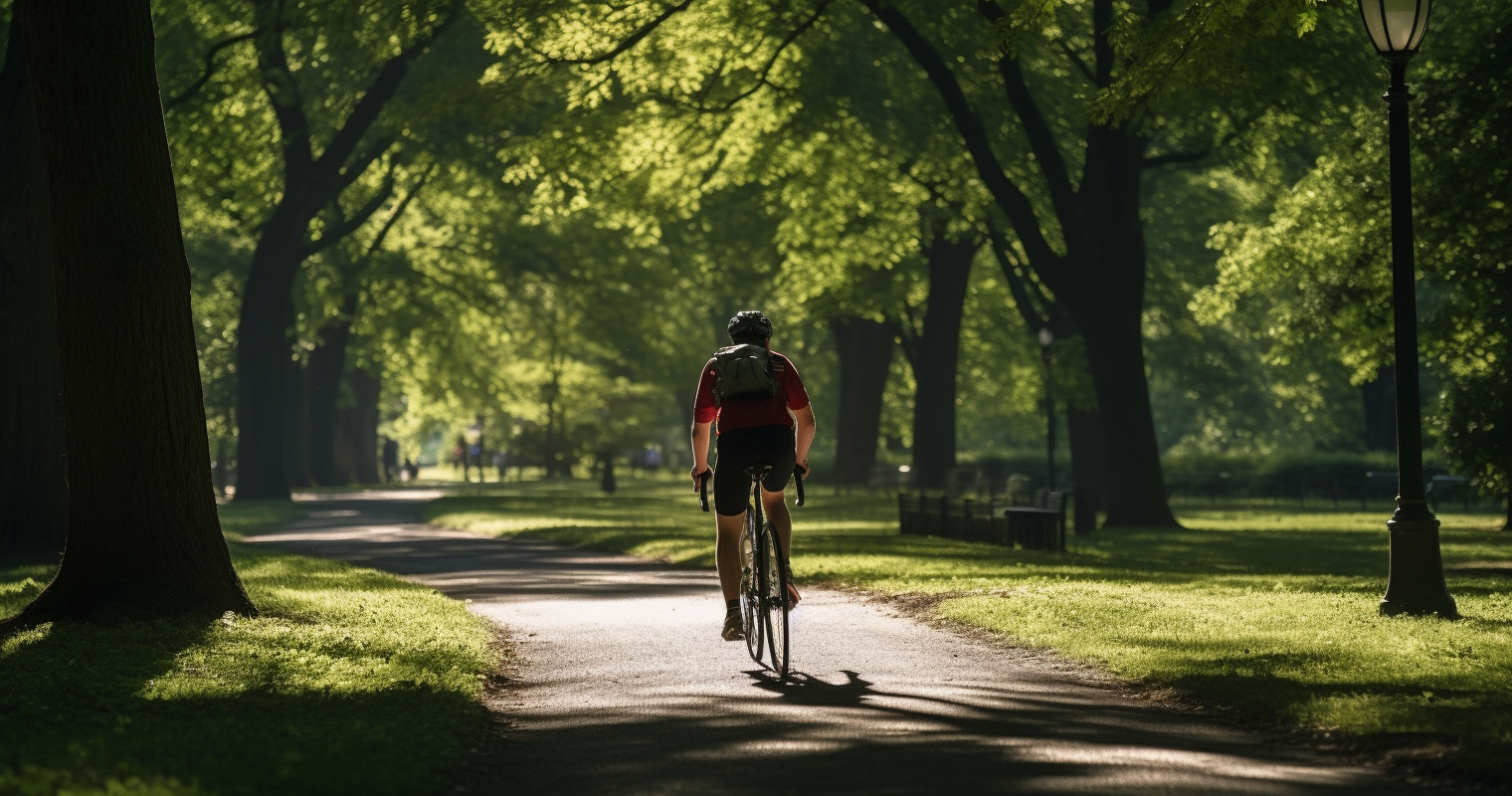
Bulgaria presents cyclists with a nuanced reality: the infrastructure is gradually improving but remains inconsistent, urban cycling rates are low by northern European standards, and the country has established itself far more as a recreational and touring destination than as a place with a meaningful cycling commuter culture. That said, investment in cycling is growing, cities such as Plovdiv and Burgas have made tangible strides, and the natural scenery is outstanding for anyone seeking leisure or adventure riding.
| Item | Details |
|---|---|
| Cycling commuter share (Sofia) | Approx. 3% of residents cycle regularly (as of 2022 survey) |
| Helmet law (adults) | Not mandatory for standard cyclists; strongly recommended |
| Bike registration | Not mandatory for standard bicycles |
| Third-party insurance (bikes) | Not legally required for standard bicycles |
| Road fatality rate | One of the highest in the EU — 78 deaths per million inhabitants (as of 2018) |
| Best season for cycling | April to October |
How popular is cycling in Bulgaria — is it a common way to get around?
In towns and cities, cycling is increasingly seen as a healthy, environmentally friendly, and affordable alternative to driving or using public transport, and its popularity has been edging upward as a result. Even so, describing Bulgaria as a cycling nation in the same breath as the Netherlands or Denmark — where bikes account for 25–30% or more of daily journeys — would be an overstatement. The picture on Bulgarian streets is considerably more modest.
A 2022 survey conducted in Sofia found that roughly 3% of the capital’s residents cycle on a regular basis for commuting purposes. While constraints such as patchy infrastructure and limited cycling participation continue to hold back growth, there are encouraging signs that attitudes are shifting, especially in cities where cycling is beginning to be embraced as a credible everyday transport option.
In broader terms, Bulgaria’s cycling scene more closely resembles that of other Southern and Eastern European countries — Romania or Greece, for instance — where the bicycle is primarily associated with recreation and sport rather than the daily commute. If you are relocating from a country where cycling infrastructure and commuter culture are well developed, it is worth adjusting your expectations for urban riding, while remaining optimistic about the wealth of leisure and adventure cycling on offer.
Burgas stands out as a notable example of progress, having achieved a cycling modal share of 8% and continuing to pursue both infrastructure improvements and complementary measures to push that figure higher. Meanwhile, annual events such as the Sofia Bicycle Parade each May, and the Tour of Bulgaria — a prestigious race covering up to 1,000 km — draw substantial numbers of participants and spectators, indicating a genuine and growing enthusiasm for cycling even where everyday commuter numbers remain limited.
What is the cycling infrastructure like in Bulgaria?
The quality of cycling provision differs considerably from one city or region to the next. Some local authorities have committed serious resources to building dedicated cycling networks, while others — along with most rural roads — offer cyclists almost nothing. The gap between Bulgaria’s best and least developed areas for cycling can be striking.
Plovdiv is perhaps the most pleasant surprise, boasting over 60 km of dedicated bike paths that make cycling through the city a genuinely enjoyable experience. Burgas, meanwhile, has used its integrated transport project to construct more than 20 km of bicycle lanes within city limits, connecting the town centre to surrounding residential areas and linking seamlessly to the main urban transport network.
Sofia tells a different story. The capital’s cycling lanes are fragmented and poorly joined up, frequently leaving riders with no option but to share road space with motor vehicles. This is a significant shortcoming given that Sofia is both the largest city and the first port of call for most arriving expats. The city municipality does have expansion plans in progress, but for now cycling in Sofia for everyday purposes demands a good deal of patience and a heightened sense of awareness.
Beyond dedicated paths, Bulgaria also has bike lanes running alongside major roads, separated from traffic by markings or physical barriers. Where these exist, they tend to be clearly signed and suitable for both experienced riders and relative beginners. Coverage, however, is uneven, and dedicated cycling provision largely vanishes outside the principal cities, leaving riders to share carriageways with motor traffic on many stretches.
For off-road enthusiasts, the outlook is considerably more encouraging. The Bulgarian countryside is a genuine draw for adventure cyclists and mountain bikers, many of whom navigate routes using GPS devices and specialist online platforms. The Bulgarian Cycling Association (BCA) acts as the national body for cycling advocacy and tourism promotion, and its resources are worth consulting for up-to-date route maps and information on planned infrastructure developments. At a national level, transport policy and infrastructure investment fall under the remit of the Ministry of Transport and Communications.
Is cycling safe in Bulgaria?
Road safety is one of the most pressing issues for anyone considering cycling in Bulgaria. The country’s overall record on road safety is among the worst in the EU, and this has direct consequences for cyclists sharing public roads with other traffic.
In 2018, Bulgaria recorded an average road death rate of 78 fatalities per million inhabitants, placing it second-highest in the EU. Cyclists accounted for 4.5% of all road deaths in Bulgaria — somewhat lower than the EU average of 7.9%. While that proportion may appear reassuring in relative terms, the elevated overall fatality rate means the absolute level of risk remains a genuine concern. Readers are encouraged to consult the Road Infrastructure Agency and the National Police for the most recent road safety data, as these 2018 figures represent the most widely referenced statistics and more current data should be sought where available.
Bulgarian drivers are not generally known for giving cyclists wide berth, though away from major arterial roads, traffic volumes tend to be manageable and many cyclists report feeling reasonably comfortable on quieter routes. Road conditions themselves can be hazardous, particularly at night and outside the main urban centres, where surfaces may be in poor repair and roadworks frequently lack proper lighting or signage.
Helmets are not currently a legal requirement for adult cyclists in Bulgaria, though safety authorities strongly encourage their use. Riders who are not confident in heavy traffic would do well to stick to designated cycle paths and minor country roads. Wearing high-visibility clothing and using front and rear lights — especially at dusk, dawn, or in rural areas — is sound practice regardless of the time of day. When cycling in the city, the greatest hazards tend to occur at junctions, where turning vehicles represent the most common source of conflict with cyclists.
What are the rules of the road for cyclists in Bulgaria?
Cyclists in Bulgaria are governed by the Road Traffic Act (Zakon za Dvizhenieto po Patishtata), which establishes the legal obligations of all road users. The following are the principal rules that cyclists need to know:
- Helmet law: Under current Bulgarian legislation, helmets are not compulsory for adult cyclists riding standard bicycles, though safety bodies strongly urge their use. Riders under the age of 18 are legally required to wear a helmet.
- Lighting: Front and rear lights are a legal requirement when cycling after dark or in conditions of reduced visibility. A red rear reflector must also be fitted.
- Alcohol limit: Bulgaria operates a zero-tolerance policy on alcohol for cyclists — riding while under the influence is a criminal offence and can lead to fines or prosecution.
- Pavements and pedestrian zones: Cycling on pavements is prohibited for adults unless the path is specifically designated as shared use. On shared paths, cyclists must yield to pedestrians.
- Age restrictions: Children younger than 10 years old are not permitted to cycle on public roads unless accompanied by an adult.
- Mobile phone use: Operating a handheld mobile phone while riding a bicycle is illegal.
- Cycle lanes: Where a dedicated cycle lane is present, cyclists are generally obliged to use it in preference to the main road carriageway.
It is worth noting that the regulatory framework for electric bikes and e-scooters has recently been updated. Parliamentary amendments to the Road Traffic Act now require riders of electric scooters to hold valid third-party insurance and register their vehicles. Riders of personal electric vehicles are required to use cycling infrastructure wherever it exists, or otherwise keep as close as possible to the right-hand edge of the road. Cyclists on conventional pedal bikes should be aware that rules governing electrically assisted vehicles continue to evolve.
For the full and most current legal requirements, consult the official Bulgarian Road Traffic Act and the Ministry of Interior (Traffic Police Directorate), which publishes updates to road traffic legislation as they occur.
Do I need to register my bike or have insurance to cycle in Bulgaria?
For standard pedal bicycles, neither registration nor third-party liability insurance is a legal requirement in Bulgaria. This position is broadly consistent with the approach taken across the EU, where conventional bicycles and basic pedal-assist e-bikes do not require registration in any member state.
The position differs for certain electrically assisted vehicles. Parliamentary amendments to the Road Traffic Act have introduced mandatory third-party insurance and vehicle registration for electric scooter riders. If you intend to ride a higher-powered e-bike or electric scooter, it is important to confirm the precise classification of your vehicle with the Bulgarian traffic authorities before assuming that no registration or insurance obligations apply.
Although personal liability insurance is not compulsory for cyclists, it is prudent to consider it — particularly for those who ride regularly in urban traffic. Several international and European home and travel insurers offer cycling cover either as a standalone product or as a policy add-on. Theft insurance is also worth looking into: a 2020 news report noted a 40% rise in bike thefts in Sofia compared with the preceding year, highlighting urban bicycle security as an increasing concern. For up-to-date regulatory information, the Traffic Police Directorate and the Financial Supervision Commission — Bulgaria’s financial regulator — can advise on applicable rules and regulated insurance products.
Are there public bike-sharing or rental schemes in Bulgaria?
Bike-sharing and rental provision is expanding, but has not yet reached the scale seen in many Western European capitals. What exists is concentrated mainly in the larger cities and tourist areas, and the picture is continuing to evolve as municipalities direct more investment towards active travel.
Velo Burgas has been a notable success story: many users of the city’s bike rental scheme went on to buy their own bicycles, generating a broader cultural shift and a measurable increase in the total number of bikes in circulation across the city. Burgas remains one of the more progressive cities in Bulgaria for municipal cycling initiatives. Sofia has also explored bike-sharing options over the years, though provision has historically been less reliable than in comparable European capitals.
For leisure and touring purposes, dedicated operators offer rental services in several parts of the country. Hiring a bicycle in Bulgaria is generally affordable — Cycling Bulgaria, for example, offered rental bikes at approximately 100–140 euros per week as of 2024, with e-bikes also available. Tourist-facing rental services can be found along the Black Sea coast, at Bansko ski resort (which has developed a growing mountain biking scene during the summer season), and in the vicinity of popular hiking and cycling areas.
For the latest pricing and details of any municipal bike-share schemes, check the websites of your local authority — such as Burgas Municipality or Sofia Municipality — bearing in mind that schemes are subject to change and may have seasonal availability.
Where can I buy or service a bike in Bulgaria?
The Bulgarian bicycle market is expanding, and sourcing a decent bike — whether new or second-hand — is increasingly manageable, especially in the larger cities. The Burgas BikeWays project, for instance, was accompanied by a notable growth in the number of cycling retailers within the city, a pattern that mirrors a wider national trend of improving retail provision as interest in cycling continues to rise.
In Sofia, Plovdiv, Varna, and Burgas, you will find established cycle shops carrying international brands alongside more affordable local alternatives. Specialist retailers for mountain bikes and road cycling are present in the bigger cities, and competent bike fitting and repair services are available. Away from major urban centres, provision becomes considerably thinner — rural locations may have limited access to specialist components or workshop services, so it is advisable to maintain a stock of essential consumables and to identify your nearest city-based mechanic if you are living outside a main population centre.
Second-hand bikes can readily be found through online platforms such as OLX.bg, which serves a similar function to eBay or Gumtree for used goods in Bulgaria. As with any second-hand purchase, it is worth inspecting a bike carefully or having a mechanic assess it before committing to buy. Consumer rights in Bulgaria are governed by EU consumer law — as an EU member state, Bulgaria requires that new bicycles sold by registered retailers carry a minimum two-year statutory warranty, broadly equivalent to the protections buyers would be familiar with elsewhere in the EU.
Prices for new bicycles are generally on a par with, or marginally below, those in Western European markets, reflecting Bulgaria’s lower overall cost of living. The country is widely regarded as one of the most cost-effective cycling destinations in the world.
Can I bring my bike when I move to Bulgaria, and are there any import rules?
As a member of the EU, Bulgaria applies EU customs regulations. If you are relocating from another EU country, bringing your bicycle with you is entirely straightforward — personal effects transferred between EU member states are not subject to import duties or customs declarations, as goods move freely within the single market.
If you are moving from outside the EU — from the UK, Switzerland, or further afield, for example — a different set of rules applies. Bicycles are classified as personal property, and most jurisdictions provide a personal effects exemption for individuals who are permanently relocating. Under EU rules, a person transferring their habitual residence to an EU country may claim relief from customs duty and VAT on personal belongings — including a bicycle — provided those items have been owned and used for at least six months prior to the move. Proof of the change in residence, such as a de-registration certificate from the country of departure, is typically required to claim this exemption.
Where standard import duties do apply, they are calculated on the purchase price of the item together with costs such as transport, insurance, loading, and unloading, with a 20% VAT charge levied at customs clearance (as of 2023). A bicycle brought as part of a genuine household relocation should not attract these charges if the personal effects exemption is correctly applied.
Always confirm the current rules before shipping your bike. The Bulgarian Customs Agency (Агенция “Митници”) is the authoritative source for import regulations and can advise on the documentation needed to claim personal effects relief. Requirements and thresholds may change, so it is important to check the agency’s website in advance of your move.
What are the best cycling routes or destinations in Bulgaria?
Bulgaria remains one of Europe’s lesser-known cycling destinations, partly due to its geographic distance from western markets, but those who make the journey discover a country of remarkable variety — mountains, lakes, rivers, ancient forests, and a Black Sea coastline where wooded ridges descend to welcoming beaches.
Here are some of the most rewarding routes and destinations for cyclists based in or visiting Bulgaria:
- EuroVelo 6 (Atlantic–Black Sea): Many routes in Bulgaria suit beginners particularly well, and the Danube Bike Path (EuroVelo 6) — which follows the Danube Plains of northern Bulgaria — is an ideal starting point for first-time cycle tourers. The route eventually reaches the Black Sea coast.
- EuroVelo 13 (Iron Curtain Trail): Threading through Bulgaria and several neighbouring countries, the Iron Curtain Trail traces the former boundary of the Eastern Bloc, combining compelling historical context with dramatic landscapes. A detailed electronic map of the trail itinerary is available online.
- Trans Rhodopi Trail: Designed with adventure riders in mind, the Trans Rhodopi trail covers around 500 kilometres through one of Europe’s most unspoiled mountain ranges, with roughly 70% of the route running on small country roads, dirt tracks, and single-track trails — largely free of motor traffic.
- Black Sea Coast: The coastline lends itself to relaxed, relatively flat riding along seaside routes that connect beach resorts, fishing villages, and nature reserves in a leisurely and scenic fashion.
- Rose Valley and Thracian Plains: The gently rolling terrain and light traffic of central Bulgaria’s Rose Valley and Thracian Plains make this an accessible and beautiful area for less experienced riders, particularly during May when the rose fields are in full bloom.
- Rila and Pirin Mountains: A good level of fitness is required to tackle Bulgaria’s highest mountain ranges, but the reward is extraordinary — alpine scenery in Rila and Pirin that ranks among the finest in the Balkans.
- Plovdiv urban cycling: With its extensive network of bike paths linking the old town, riverside parks, and outlying countryside, Plovdiv is one of the most agreeable cities in Bulgaria for recreational urban cycling.
Cycling in Bulgaria is rarely dull — there are abundant opportunities to combine riding with visits to historic sites, wine-tasting, culinary exploration, and the famous rose valleys where, each May, visitors can participate in rose-picking for essential oil production. For route planning, visit the Bulgaria Tourism official website and the EuroVelo Bulgaria page. The Bulgarian Cycling Association (BCA) is also a valuable resource for national route information and cycling advocacy.
Bulgaria enjoys a temperate climate, and the most suitable window for a cycling tour is between April and October. Those intending to ride in the mountains will find summer offers the most reliable weather conditions.
How do I set up for cycling in Bulgaria as a new arrival?
- Assess your city’s infrastructure: Look into the cycling network specific to your city or town before assuming commuting by bike will be straightforward. Plovdiv and Burgas provide the most favourable urban cycling conditions; Sofia is developing but remains more demanding.
- Source a bike: Visit local cycle shops in your city — most larger cities have several — or browse OLX.bg for second-hand options. If shipping your own bike from abroad, verify the customs exemption rules with the Bulgarian Customs Agency.
- Get the right safety gear: Equip yourself with a quality helmet, front and rear lights, and a high-visibility vest. Not all of these are legally compulsory for adult cyclists on standard bikes, but all are strongly advisable given the country’s road safety record.
- Secure your bike: Purchase a robust lock — preferably two of different types. Urban bicycle theft is on the rise; use designated secure parking wherever possible.
- Familiarise yourself with the traffic rules: Review the provisions of the Bulgarian Road Traffic Act relevant to cyclists, paying particular attention to the zero-tolerance rules on alcohol and handheld mobile phone use while riding.
- Consider insurance: While not legally required for standard bicycles, personal liability and theft cover is worth investigating, especially in cities. The Financial Supervision Commission can provide guidance on regulated insurers operating in Bulgaria.
- Explore local cycling communities: The Warm Showers network is active in Bulgaria, and the BCA organises both advocacy and events. Connecting with local riders is the surest way to discover the safest routes and benefit from local knowledge.
Frequently Asked Questions
Is Bulgaria a good country for everyday commuting by bike?
The answer depends largely on where you are based. Plovdiv and Burgas have reasonably well-developed cycling infrastructure and a growing culture of everyday riding. Sofia is making progress but still has fragmented and poorly connected cycle lanes. Rural areas offer very little dedicated provision. If cycling to work matters to you, research your specific city’s network carefully before deciding where to settle.
Do I legally have to wear a helmet when cycling in Bulgaria?
Helmets are not currently mandatory for adult cyclists on standard bicycles under Bulgarian law. However, wearing one is strongly advised given the country’s road safety statistics. Riders under the age of 18 are required by law to wear a helmet. Legislation is evolving — particularly in relation to electric bikes and scooters — so it is worth checking the latest version of the Road Traffic Act for up-to-date requirements.
Can I take my bike on trains in Bulgaria?
Bicycles are permitted on all trains in Bulgaria, though most services do not have dedicated bicycle carriages. You will typically need to carry your bike up narrow steps and stow it in the rearmost coach. The fee for transporting a bicycle is very modest — around 2 BGN (approximately €1) as of 2024. Check the Bulgarian State Railways (BDZ) website for current timetables and bicycle carriage regulations.
Is it safe to cycle alone in rural Bulgaria?
Many solo cyclists travel through Bulgaria’s rural areas without encountering problems. Traffic away from the main roads is generally light, and most riders report feeling reasonably secure on quieter routes. The primary hazards are poor road surfaces, the occasional impatient heavy goods vehicle on busier stretches, and the isolation of mountainous terrain. Carrying a basic repair kit, a fully charged phone, and adequate food and water is essential when venturing into more remote areas.
What is the best time of year to cycle in Bulgaria?
April to October is the most suitable period for cycling in Bulgaria. Riders planning to explore the mountains will find summer provides the warmest and driest conditions. Winters, especially at altitude, can bring heavy snow and cold temperatures that make cycling impractical. The Black Sea coast tends to have a somewhat longer comfortable riding season.
Do I need to register my bicycle or have insurance in Bulgaria?
No registration or third-party liability insurance is required by law for standard pedal bicycles in Bulgaria. However, recently introduced rules mean that electric scooters and certain e-bikes now require both insurance and registration — check the current Road Traffic Act for the rules applicable to your specific vehicle type. While theft and liability cover is not compulsory for conventional bikes, it is worth considering given the rise in urban bicycle theft.
Where can I find cycling routes and maps for Bulgaria?
Cycling in Bulgaria lends itself to combining with cultural sightseeing, wine-tasting, culinary tourism, and visits to the famous rose valleys. For route maps, consult the EuroVelo Bulgaria page, the Bulgaria Tourism official website, and community-driven platforms such as Komoot and Bikemap, which host thousands of user-contributed routes across the country.
How does Bulgaria compare to other European countries for cycling?
In terms of road cycling infrastructure, Bulgaria trails well behind most of Europe, with national policy investment in this area remaining insufficient. For off-road and mountain biking, however, the country holds its own against far more celebrated destinations — the Rhodopes, Rila, and Pirin mountains attract riders from across the continent. Urban cycling is progressing most quickly in Plovdiv and Burgas, while Sofia still has considerable ground to cover compared with cities of equivalent size in Central or Western Europe.