
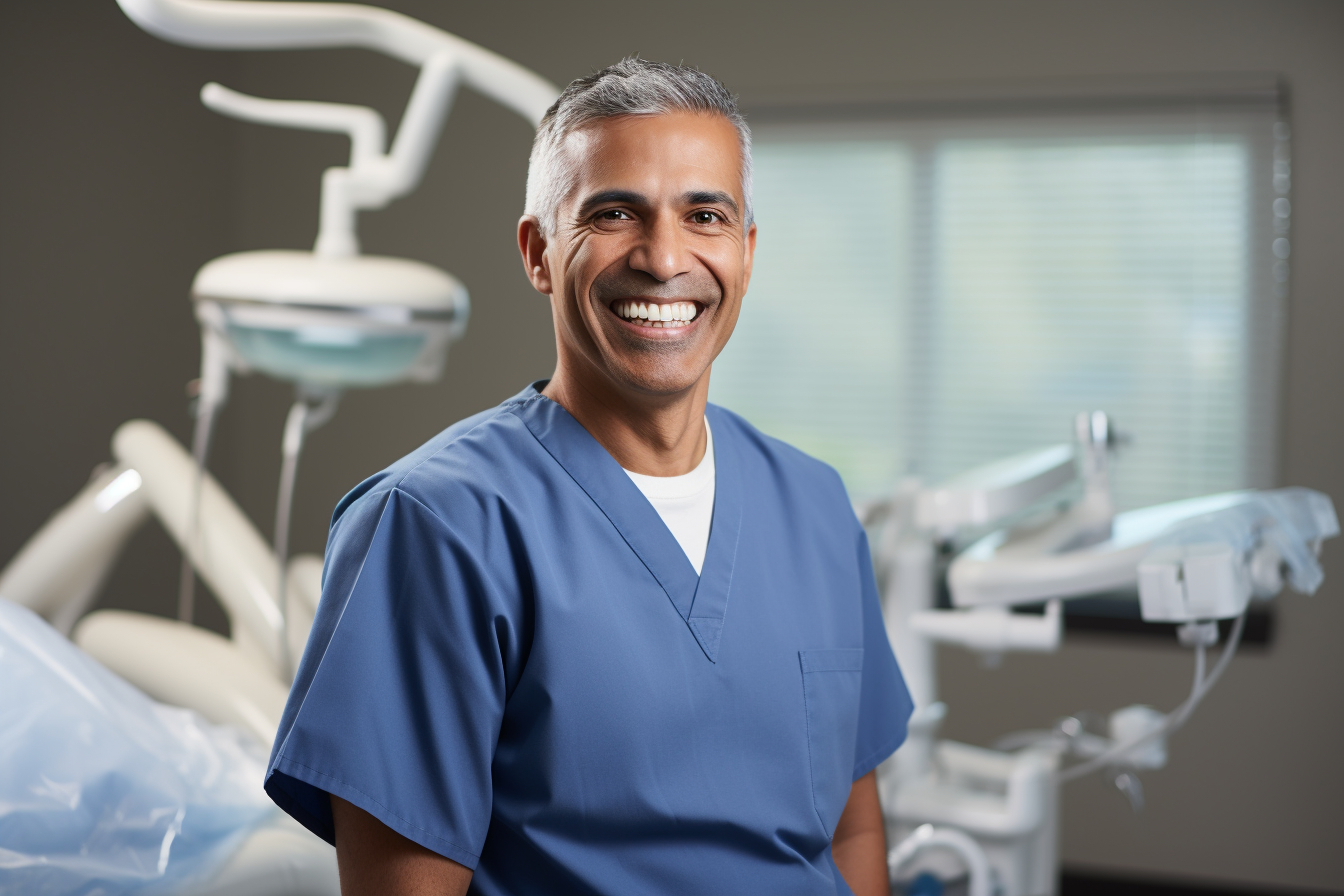
Dental care in Andorra is delivered through a mixed public-private framework overseen by the national social security institution, CASS. Contributing residents are eligible for subsidised dental treatment — covering standard check-ups and hygiene appointments — with CASS typically reimbursing roughly 75% of qualifying costs. Major procedures such as implants and crowns fall largely outside this coverage, making complementary private insurance a sensible addition for most residents.
| Item | Details |
|---|---|
| Public dental coverage body | CASS (Caixa Andorrana de Seguretat Social) |
| CASS reimbursement rate for dental (as of 2024) | Approximately 75% of eligible routine dental costs |
| Routine treatments covered by CASS | Check-ups and dental cleanings (typically two per year) |
| Complex treatments (crowns, implants, root canals) | Generally out-of-pocket or via supplementary private insurance |
| CASS membership | Mandatory for salaried workers and most residents; passive residents must hold private insurance |
| EHIC validity | Not valid in Andorra — Andorra is not an EU or EEA member state |
| Key official resource | www.cass.ad |
How does the dental care system work in Andorra — is it public, private, or mixed?
Healthcare in Andorra is neither purely public nor purely private — it functions through a parapublic management structure known as the Andorran Health Care Service (SAAS), which operates under regulated agreements and is partially funded through social security contributions in a co-payment arrangement. Residents therefore benefit from meaningful state subsidies on dental care, often to a greater degree than in several of Andorra’s larger neighbouring nations.
The Caixa Andorrana de Seguretat Social (CASS) is the national institution responsible for administering the social security system in Andorra, having been established in April 1968. It is the sole body with authority over social protection and medical coverage across the country. All healthcare expenses, dental treatment included, are channelled through this single institution — a significant simplification compared with countries that operate multiple competing insurance funds.
One particular strength of Andorra’s approach is the meaningful financial contribution it makes towards dental treatment, in contrast to countries like Spain, where dentistry is almost entirely absent from public healthcare provision. While countries such as Germany and France do offer publicly funded dental cover, they come with notable patient co-payments and restricted scope; Andorra’s model draws broad comparisons, though its smaller, high-contributing population enables comparatively generous reimbursement rates.
The Andorran system works on a co-payment basis: CASS contributes a defined portion of treatment costs, while the patient typically bears the expense upfront and subsequently claims reimbursement. Understanding this advance-payment-and-reclaim process is particularly important for newly arrived expats attending their first appointment.
Approximately 92% of the population holds CASS coverage. Enrolment is compulsory for all employed workers. Those outside this group are mainly passive residents, who are legally obliged to maintain private health insurance instead. Expats relocating to Andorra in an employed or self-employed capacity will generally find that CASS registration is handled as part of their work setup. For current eligibility information and registration guidance, the official CASS website (www.cass.ad) is the authoritative source.
How do expats find and register with a dentist in Andorra?
Locating and registering with a dentist in Andorra is a fairly uncomplicated process. Both public-affiliated and purely private dental practices are available, and the system does not require patients to formally commit to a single provider months in advance, as some countries do.
A defining feature of Andorra’s healthcare approach is the principle of free patient choice. Individuals may select whichever treating professional they prefer. This applies equally to dental care — patients retain the freedom to switch between clinics at any point, without bureaucratic obstacles.
To access CASS-subsidised dental treatment, you would need to attend a dentist who holds a formal agreement with CASS. If you are uncertain how to identify such providers, your nearest primary health centre can assist. Andorra is served by one hospital and 11 primary healthcare centres distributed across its parishes, and staff at these centres can direct you to CASS-affiliated dental practitioners.
Practical starting points for finding a dentist in Andorra include:
- The CASS website, which holds a directory of affiliated healthcare providers, dentists among them
- The SAAS (Servei Andorrà d’Atenció Sanitària) website, the parapublic body responsible for managing public healthcare resources in the principality
- Local expat community groups and online forums, where settled residents regularly share recommendations for practitioners experienced with international patients
- Your employer or HR department, who may already have a list of CASS-registered dental providers
- Local pharmacies, which are spread across all seven parishes and often have knowledge of nearby dental clinics
Dental appointments in Andorra are generally made by phone or through online booking platforms, with private clinics increasingly offering the latter option. There is no nationwide requirement to formally enrol with a single dentist as a permanent patient, though continuity of care with one practice is naturally encouraged for ongoing treatment.
Is dental treatment covered by public healthcare or social security in Andorra?
Andorra residents who contribute to the social security system may be entitled to free or heavily discounted dental treatment through the public healthcare framework. However, it is essential to recognise that this coverage has defined limits, and the scope of what is included differs considerably from what some other national systems provide.
CASS reimburses 75% of the cost of up to two dental hygiene appointments per year. Although Andorra’s subsidy for dental treatment is more generous than in many comparable countries, it still applies only to certain categories of treatment. In general, only routine visits and preventive check-ups fall within the state system’s remit.
More involved procedures — such as crowns, bridges, root canals, or dental implants — will typically need to be funded by the patient directly, unless a private or supplementary insurance policy is in place. Such treatments can be carried out at any dental clinic, whether CASS-affiliated or not, since the costs involved will not attract state reimbursement in any case.
This distinction is worth noting for expats familiar with systems like Germany’s statutory dental insurance, which covers a baseline proportion of prosthetic and restorative procedures, or France’s “100% Santé” scheme, which guarantees full reimbursement on certain categories of crowns and dentures. By comparison, Andorra’s public coverage is strongest for preventive and routine care, but provides less support for major restorative interventions.
Expats with passive resident status in Andorra are required by law to hold private health insurance — automatic CASS enrolment does not apply to this group. For such residents, all dental coverage, including standard check-ups, will be determined entirely by the terms of their chosen private policy.
Expats who carry European Health Insurance Cards should note that the EHIC has no validity in Andorra. The principality is not a member of the European Economic Area, and this card does not apply. It is vital to ensure CASS registration or private insurance coverage is in place before seeking any dental treatment.
For the most accurate and up-to-date details on which dental procedures are reimbursed and at what rates, the official CASS website should be consulted directly, as coverage terms can be revised.
What does dental treatment typically cost in Andorra, and how is it paid for?
The price of dental treatment in Andorra varies according to the nature of the procedure and the clinic selected. As a compact, high-income jurisdiction with a low tax burden, Andorra’s general cost of living is broadly on a par with neighbouring France and Spain, and dental fees at private clinics tend to sit within a similar range — though routine treatment costs are softened considerably for CASS members through reimbursement.
Before any reimbursements are applied, dental appointments in Andorra cost a fraction of what comparable care might run in countries such as Australia or Canada. After CASS reimbursement of approximately 75% for eligible treatments (as of 2024), the out-of-pocket expense for a routine appointment can be quite manageable.
For more involved private procedures, patients should expect to settle the full fee at the clinic and, where applicable, submit a claim to CASS for the eligible portion. As an indicative reference — bearing in mind that Andorra does not publish a fixed national fee schedule — the following approximate cost ranges (as of 2024–2025) reflect what comparable private dental procedures cost across the broader Pyrenean region, and Andorra’s private clinics generally align with these figures:
| Procedure | Approximate cost range | CASS coverage |
|---|---|---|
| Routine check-up & cleaning | €50–€120 | ~75% for up to 2 cleanings/year |
| Basic filling | €80–€150 | Partial — verify with CASS |
| Extraction (simple) | €80–€150 | Partial — verify with CASS |
| Root canal treatment | €300–€600+ | Generally not covered |
| Crown (porcelain/zirconia) | €400–€900 | Generally not covered |
| Single dental implant | €1,000–€2,000+ | Not covered |
| Orthodontic treatment | €2,000–€5,000+ | Not covered |
Before agreeing to any course of treatment, always request a written treatment plan with a full cost breakdown. Private dental clinics in Andorra la Vella, the capital, tend to offer the broadest range of services and are more likely to have transparent, itemised pricing structures.
Payment is generally the patient’s responsibility upfront. Following treatment at a CASS-affiliated clinic, the patient receives the relevant sealed documentation and CASS receipts. Reimbursement of the applicable percentage can then be processed either in person at a local CASS office or through the online portal, which automatically handles many claims and transfers the reimbursement by bank transfer within a few days. The CASS online portal (www.cass.ad) allows residents to manage claims digitally from home.
Does private health insurance cover dental treatment in Andorra, and is it worth getting?
Private health insurance in Andorra can extend an individual’s coverage to services that fall outside the public system, including dental and optical care, and may also incorporate international treatment options. For expats who expect to need restorative or specialist dental work at any point, taking out supplementary insurance deserves serious consideration.
One practical solution for those who find the upfront co-payment model inconvenient is complementary insurance, which is specifically designed to cover the portion of costs that CASS does not reimburse. For CASS-eligible treatments, pairing public and complementary private coverage can reduce out-of-pocket spending to close to zero. For procedures that CASS does not cover at all, a more comprehensive dental rider within a private policy would be required.
Private health insurance premiums in Andorra generally range from around €30 to €110 per month per person (as of 2025). This figure relates to general health top-up cover, with the cost of dental-specific riders potentially varying based on the extent of cover chosen. Always verify current premium rates directly with insurers before committing.
One important feature of the Andorran system that may surprise those accustomed to other countries is that holding private health insurance does not bar you from using CASS-affiliated providers. Private insurance covers your remaining share of the bill; it does not require you to forgo the public subsidy element altogether.
When comparing private dental insurance or international health policies, expats should pay particular attention to:
- Coverage for major restorative procedures (crowns, bridges, implants)
- Annual monetary caps on dental benefit
- Waiting periods before dental cover becomes active (commonly 3–12 months for major work)
- Exclusions applying to pre-existing dental conditions
- Exclusions for cosmetic procedures (whitening treatments, veneers)
- Whether claims can be processed directly within Andorra or must go through an international reimbursement process
International policies commonly extend to services not available within the public system, and expats arriving in Andorra are generally advised to arrange comprehensive health insurance — inclusive of dental cover — before relocating. If you already hold an international health policy, check whether Andorra falls within its geographic scope and whether dental treatment is a standard inclusion or an optional add-on.
What is the standard and quality of dental care like in Andorra?
Andorra is widely recognised for maintaining one of the world’s highest-quality healthcare systems — one that combines excellence with broad, subsidised access across the population. This reputation carries through to dental care, where practitioners have typically completed their training at universities in Spain, France, or other European countries, and are held to recognised professional standards.
Andorra’s main hospital is a contemporary facility equipped with advanced medical technology and well-qualified personnel, including specialists who have pursued postgraduate training abroad. The same professional pattern characterises the dental sector: many dentists working in Andorra have studied at institutions in Barcelona, Toulouse, or other leading European dental schools, bringing that expertise to practices within the principality.
In and around Andorra la Vella, several established dental clinics have built strong reputations by catering to both local and international patients in professional, well-equipped settings. Such practices often feature multidisciplinary teams with expertise spanning implantology, prosthodontics, paediatric dentistry, orthodontics, and cosmetic dentistry, working collaboratively to deliver tailored, evidence-based care.
One constraint inherent to Andorra’s small size is that certain specialist disciplines are simply not available locally. To address this, bilateral agreements with Spain and France allow residents to access specialist consultations in those countries when required. For highly complex oral surgery, advanced specialist orthodontic care, or procedures requiring hospital-level dental facilities, patients may be referred across the border — with CASS involved in coordinating and partially funding the care where appropriate.
Geographically, Andorra la Vella has the greatest concentration of dental clinics and the most consistent access to specialist services. The outer parishes have fewer practices, and the availability of specialist dental care is correspondingly reduced — though given the country’s compact dimensions (it can be driven across in under an hour), this rarely presents a serious inconvenience.
Are there language or practical barriers expats should be aware of when seeing a dentist in Andorra?
Catalan is Andorra’s official language, though Spanish and French are spoken widely in daily life, reflecting the country’s geographic position and its diverse population. In dental clinics — especially those in Andorra la Vella and areas with high tourist footfall — you will frequently encounter staff fluent in both Spanish and French, and English is increasingly present as well.
At least one prominent dental clinic in the capital actively caters to international patients with a fully English-speaking team, enabling clear and confident communication at every stage of treatment. This is especially valuable for complex or multi-step procedures where thorough understanding of the proposed plan is essential.
That said, not every clinic will have English-speaking staff as a matter of course. If communicating in a specific language is important to you, a quick phone call in advance to check language availability before booking an appointment is a worthwhile precaution. Having a short vocabulary list of common dental terms in Catalan or Spanish — or using a translation application — can also be helpful at clinics where English support is limited.
Consent forms and written treatment plans will generally be provided in Catalan or Spanish. Requesting a written cost breakdown is both standard practice and your right as a patient — avoid agreeing to any significant procedure without first receiving one in writing. For more involved treatment, consider arranging a translation so you have full clarity on what has been proposed.
In terms of approach, dental care in Andorra broadly follows the conventions you might expect in France or Spain — appointments tend to allow adequate time, practitioners are generally thorough in their explanations, and patient preferences are respected. The co-payment and reimbursement structure may feel unfamiliar to expats from countries where the provider bills the insurer directly; in Andorra, settling the fee at the clinic and reclaiming the subsidy afterwards is the norm.
What should expats do in a dental emergency in Andorra?
Should you face a dental emergency in Andorra — whether acute toothache, a fractured or displaced tooth, or signs of dental abscess — your first course of action should be to telephone a private dental clinic directly. Many practices in Andorra la Vella keep emergency appointment slots available or can advise on out-of-hours arrangements.
It is worth noting that while primary health centres offer a high standard of care, many do not operate at weekends. Continuous emergency and home care services do exist, but for dental emergencies arising outside regular clinic hours, attending the emergency department at Hospital Nostra Senyora de Meritxell in Andorra la Vella is the recommended course of action. While this department primarily handles general medical emergencies, it is equipped to assess dental conditions involving infection, significant trauma, or severe pain, and can connect you with an on-call dental professional where necessary.
With 192 private rooms and a full complement of qualified medical professionals, Hospital Nostra Senyora de Meritxell operates its emergency department around the clock and can manage the great majority of urgent situations. For dental emergencies requiring interventions beyond what is available within Andorra — such as complex oral and maxillofacial surgery — patients can be transferred to facilities in either Barcelona or Toulouse.
Regarding costs, emergency dental treatment at a private clinic will be billed at standard private rates. CASS reimbursement may apply if the procedure falls within covered categories and the clinic holds a CASS agreement. All patients can access emergency care regardless of residency status, though non-residents may be required to pay the full amount on the day. If your CASS registration is not yet in place, be prepared to cover the full cost upfront and seek reimbursement later if you are eligible.
Practical steps for handling a dental emergency in Andorra:
- Call a dental clinic in Andorra la Vella, describe your symptoms clearly, and ask whether they can offer an emergency appointment
- If it is outside clinic hours or your symptoms are severe — particularly if there are signs of infection — proceed to the emergency department at Hospital Nostra Senyora de Meritxell
- Bring your CASS card or private insurance documentation to assist with billing and any subsequent reimbursement claim
- If you are visiting from abroad and are not a resident, have your travel insurance documents to hand and be prepared to settle costs upfront
- Once the acute emergency has been addressed, arrange a follow-up appointment with a regular dentist to treat the underlying issue
Frequently asked questions: dental treatment in Andorra
Do I need to be registered with CASS to access subsidised dental care in Andorra?
As an Andorra resident, you can obtain healthcare coverage through CASS membership. Enrolment is compulsory for all individuals carrying out salaried professional activity. Once affiliated, you become entitled to CASS reimbursements on qualifying dental treatments. Passive residents not enrolled in CASS are required to hold private health insurance and are ineligible for CASS subsidies. Your eligibility and registration status can be confirmed at www.cass.ad.
How much will CASS reimburse for a routine dental check-up?
CASS reimburses 75% of the cost of up to two dental hygiene appointments annually (as of 2024). For other routine outpatient or specialist consultations, the general reimbursement rate is similarly around 75%. The full amount is settled at the clinic upfront, after which you submit your CASS receipts for reimbursement — either at a local CASS office or through the online portal.
Are dental implants or crowns covered by CASS?
More extensive restorative procedures — including implants, crowns, bridges, and root canals — are generally not reimbursed by CASS and must be funded by the patient directly, unless covered under a private or supplementary insurance policy. Taking out a complementary dental insurance plan that includes restorative work is the most effective strategy for managing these costs.
Is the European Health Insurance Card (EHIC) valid for dental treatment in Andorra?
The European Health Insurance Card carries no validity in Andorra, as the principality is not a member of the European Union or European Economic Area. EHIC or GHIC holders should not depend on these cards when seeking dental care in Andorra and must ensure adequate CASS or private insurance coverage is in place beforehand.
Can I find an English-speaking dentist in Andorra?
At least one well-established dental clinic in Andorra la Vella specifically welcomes international patients and operates with a fully English-speaking team, allowing smooth and confident communication throughout all stages of treatment. More broadly, many Andorran dental practitioners are fluent in Spanish and French, and English is available at a number of clinics in the capital. Phoning ahead to confirm the languages spoken at your preferred clinic is always a wise step.
What happens if I need specialist dental treatment that is not available in Andorra?
Bilateral agreements are in place with hospitals and specialist centres in both Spain and France to accommodate treatment in disciplines that are not locally available within Andorra. In such cases, the resident is referred by their general practitioner and the appointment must be arranged through CASS, which will subsequently reimburse the applicable proportion of costs. Always secure a proper referral to ensure that CASS coverage applies to the cross-border treatment.
Is private dental insurance worth taking out if I am already enrolled in CASS?
Complementary insurance is designed to cover precisely the portion of costs that CASS does not reimburse. If you anticipate needing any restorative dental work — or simply prefer not to carry any out-of-pocket expense for routine care — supplementary cover is a practical investment. Premiums generally run from around €30 to €110 per month per person (as of 2025), and policy terms vary considerably, so a careful comparison of options is advisable.
What should I do if I have a dental emergency while visiting Andorra as a tourist?
Visitors and temporary residents typically have restricted access to the Andorran healthcare system and are generally expected to hold private health insurance or home-country coverage when seeking treatment. Emergency dental care is accessible to everyone regardless of residency status, but non-residents may be required to pay the full cost at the time of treatment. Keep your travel insurance documents readily accessible and request an itemised receipt from the clinic to support any insurance claim on your return.
Latest: Expat Focus International Healthcare Update August 2026 →