

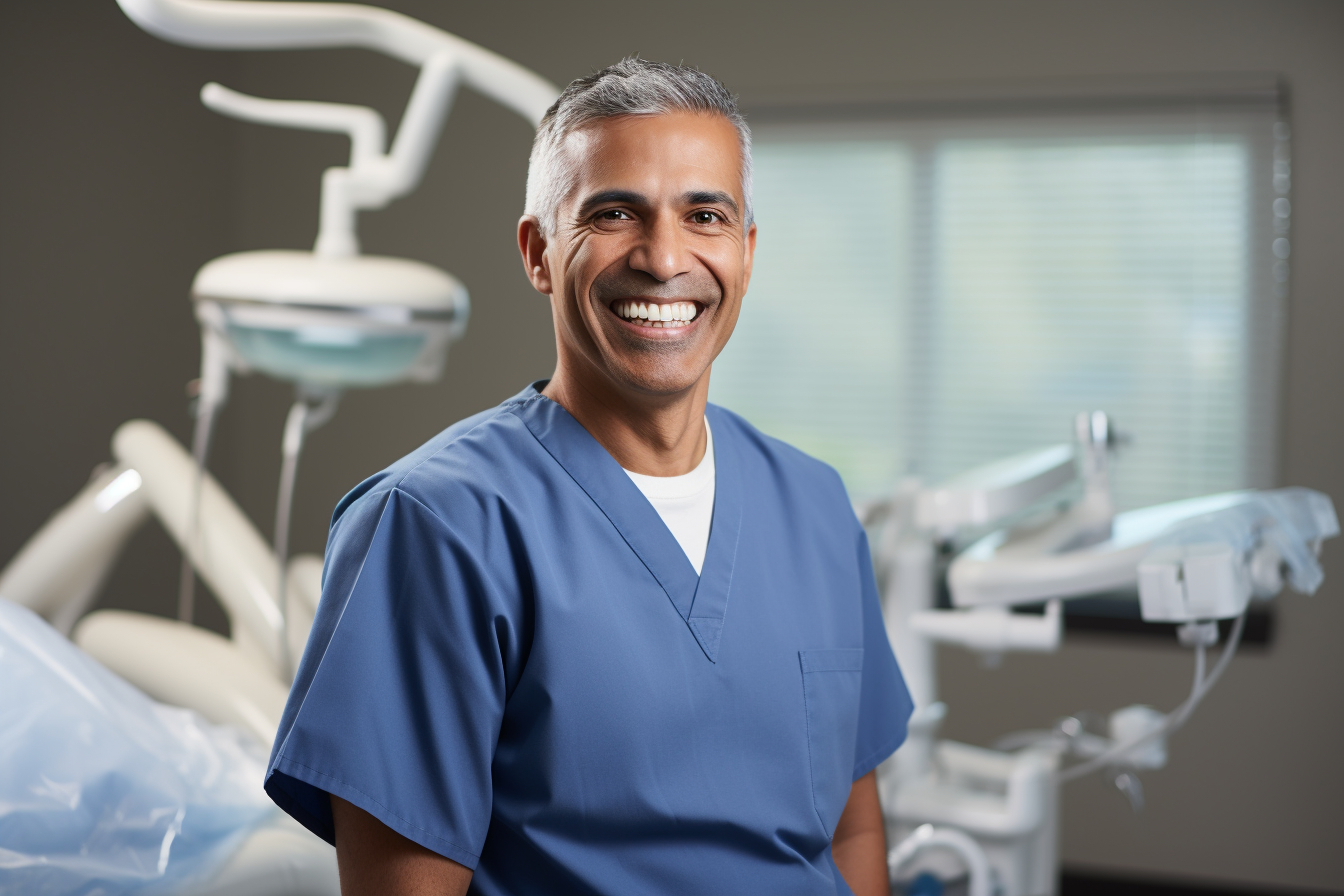
Argentina operates a blended dental care model that draws on free public provision, employer-linked social security schemes called obras sociales, and voluntary private insurance. Public dental services are open to all residents irrespective of where they were born, though waiting times can stretch considerably and the level of care differs from one province to another. The majority of expatriates gravitate toward private or semi-private options, which remain very competitively priced by international standards and are broadly regarded as delivering high-quality outcomes.
| Item | Details |
|---|---|
| Public dental care | Free for all residents (and even non-residents) at public hospitals; no registration fee required |
| Social security (obras sociales) | Mandatory for formally employed workers; must include minimum dental coverage; ~3% employee / 6% employer payroll contribution (as of 2025) |
| Private insurance (prepagas) | Available to anyone; basic plans from around USD $40–100/month (as of 2025); check directly with providers for current rates |
| Typical cost — consultation | Significantly lower than in Western Europe or North America; verify current fees directly with clinics |
| Typical cost — crown (porcelain) | Approximately USD $150–400 per tooth at private clinics (as of 2024–2025); check with individual providers |
| Key regulatory body | Ministerio de Salud de la Nación (Ministry of Health); Superintendencia de Servicios de Salud (private insurance regulator) |
How does the dental care system work in Argentina — is it public, private, or mixed?
Argentina’s healthcare landscape is divided into four distinct subsectors: publicly funded hospitals, the union-administered health insurance arrangements known as obras sociales, voluntary private medical insurance referred to as prepagas, and PAMI — the National Institute of Social Services for Retirees and Pensioners. Dental services are woven through each of these layers, so the nature of your treatment and how you pay for it will depend primarily on your employment situation and any additional coverage you choose to arrange for yourself.
The public sector delivers free or heavily subsidised health services to roughly half the Argentine population, encompassing both nationals and foreigners. Medical consultations, hospital care, dental treatment, palliative services, rehabilitation, prosthetics, and emergency medical transport are all provided without charge to the patient. This is a considerably broader model than many comparable systems: unlike the NHS in the United Kingdom, which restricts free adult dental care largely to specific exempt groups, Argentina’s public setup extends dental provision to anyone who walks through the doors of a public hospital, irrespective of nationality or residency status.
Workers in the formal employment sector are required to participate in one of around 300 union-linked health insurance schemes, each of which must guarantee a defined minimum level of coverage spanning preventative, diagnostic, medical, dental, and maternity care. These schemes — collectively known as obras sociales — are the cornerstone of health coverage for employed residents and function in a manner broadly analogous to statutory health insurance funds in Germany or France, where contributions from both employer and employee fund an established range of services.
Private insurance is open to anyone who wishes to subscribe. Approximately 5% of the population chooses to take out a private plan, and these prepagas are legally required to cover at least the same mandatory benefits as obras sociales. They typically deliver faster appointment access and a broader choice of providers. The Superintendencia de Servicios de Salud is the regulatory authority overseeing Argentina’s private health insurance market.
Despite the availability of free public services, the system contends with long waiting periods and uneven standards across different regions. For this reason, many expatriates choose to complement or replace their public entitlements with a private prepaga policy — particularly for dental treatment requiring prompt appointments or referrals to specialist practitioners.
How do expats find and register with a dentist in Argentina?
Unlike healthcare systems in some other countries — such as Australia’s Medicare model, where patients formally enrol with a practice within a recognised network — Argentina places no obligation on you to register with a dentist before attending. Private dental clinics work on an appointment basis, and you can generally contact any clinic directly to schedule a visit without needing a referral or completing prior registration formalities.
To access the public health system in Argentina, individuals are required to obtain a DNI (Documento Nacional de Identidad) or a temporary resident card, and register at a local public health centre using their identification documents. For public dental services specifically, you would typically present at your nearest public hospital or community health centre — known as a CAPS (Centro de Atención Primaria de la Salud) — and request an appointment. Be prepared for a wait, particularly in larger cities where patient demand is high.
Arranging private dental care is considerably more straightforward. In private clinics you can frequently book directly with specialists, though at a higher cost than the public alternative. Many clinics in Buenos Aires offer online booking platforms, and establishments that regularly treat foreign patients often employ multilingual reception staff.
When selecting a dentist, it is important to confirm that the practitioner holds a licence from the Argentine Dental Association — the Asociación Odontológica Argentina. You should also look into the dentist’s qualifications and professional background, together with any patient reviews or testimonials available. The Asociación Odontológica Argentina (AOA) is the primary professional body and a useful starting point for verifying credentials.
Expat online communities in Argentina, such as Buenos Aires Expat Hub on Facebook, are a practical resource for gathering recommendations for English-speaking dentists, doctors, and other specialists. Foreign embassies in Buenos Aires frequently publish lists of recommended English-speaking medical professionals for their citizens. These community networks and embassy resources are among the most reliable ways to find a trustworthy dental provider shortly after arriving in the country.
Is dental treatment covered by public healthcare or social security in Argentina?
The public sector provides free or heavily subsidised health services to approximately half the population. Medical appointments, hospital care, dental treatment, palliative services, rehabilitation, prosthetics, and emergency transport are all dispensed without direct charge. In practice, the only costs that patients typically encounter relate to prescriptions. This means routine dental check-ups, fillings, and extractions can be obtained at public dental clinics without any out-of-pocket expense.
That said, publicly funded dental care does come with real practical constraints. Several specialties carry lengthy waiting lists, which leads many patients to supplement their entitlements with private options. Cosmetic procedures — such as teeth whitening, porcelain veneers, or elective orthodontic work — are not covered under any public arrangement and would need to be funded privately.
For expatriates in formal employment who are enrolled in an obra social, these schemes are obliged to guarantee minimum coverage that includes preventative, diagnostic, medical and dental treatment, as well as maternity care. The patient pays the difference between the fixed-fee coverage provided and the actual cost of the treatment. Notably, obras sociales are prohibited from excluding pre-existing medical conditions — a protection that is considerably more generous than many private dental insurance policies available elsewhere in the world.
Employees contribute approximately 3% of their salary toward their health insurance, with employers adding roughly a further 6%. These contributions flow to the worker’s selected obra social. Always verify the current contribution rates with your employer or directly with the Ministerio de Salud de la Nación or the Superintendencia de Servicios de Salud, as these figures are subject to revision.
PAMI — Argentina’s national healthcare programme for retirees and pensioners — extends basic dental services to its members, though coverage can be limited in scope. Currently around 5 million elderly Argentine citizens, along with certain people with disabilities, are enrolled in PAMI, which is broadly comparable in structure to Medicare in the United States. As a retired expatriate, you are unlikely to qualify for PAMI unless you have a substantial contribution record within Argentina. Consult PAMI directly to establish current eligibility conditions, as rules relating to residency and contribution periods apply.
What does dental treatment typically cost in Argentina, and how is it paid for?
Dental fees in Argentina are substantially lower than those charged in the United States and across most of Europe. This cost advantage makes Argentina an attractive destination not only for residents seeking routine dental care, but also for patients who travel specifically for complex or cosmetic procedures. That said, pricing varies considerably between individual providers, cities, and the type of work being carried out — and because Argentine clinics quote in pesos, the equivalent value in USD or EUR can shift in line with exchange rate movements.
The savings available can differ depending on the specific procedure, where in Argentina you are being treated, and the fees charged by the individual practitioner. On average, dental procedures in Argentina can cost up to 50–70% less than equivalent treatment in the USA or Canada. The figures below are offered as a general orientation only (based on clinic pricing information available as of 2024–2025 — always confirm directly with the provider before proceeding):
- Consultation / check-up: Notably lower than comparable fees in Western Europe or North America; confirm current rates with clinics directly
- Composite filling: Considerably more affordable than in markets such as the US, UK, or Australia; fees vary by clinic and material used
- Porcelain crown: Expect to pay in the region of USD $150 to $400 per tooth, depending on crown type and materials (as of 2024–2025; verify with individual clinics)
- Dental implant: Costs can be as low as USD $600 to $2,000 per implant (as of 2024–2025), compared with considerably higher figures in North America or Northern Europe
- Orthodontics: Treatment can reach the equivalent of around €1,000 depending on the approach taken; obtain direct quotes from orthodontic practices for current figures
Unlike some markets where patients receive separate bills for facility fees, diagnostic imaging, anaesthesia, temporary prosthetics, and administrative charges, Argentine dentists often present patients with clear, all-inclusive pricing from the outset. This transparency is particularly helpful for those planning their dental expenditure in advance.
Regarding how payments work in practice: if you hold obras sociales coverage, you generally do not pay upfront for consultations or medication purchased within your scheme’s network. With a local private prepaga, you will usually need to pay at the point of treatment — except in the case of hospitalisation. Under an international health insurance policy, direct billing is commonly arranged for hospital admissions exceeding 24 hours; for routine dental expenses, you typically pay upfront and then submit receipts for reimbursement.
Fees tend to be lower in rural areas than in major cities. Always request a written treatment plan and itemised cost estimate (presupuesto) before committing to any procedure, and cross-reference this with your insurance provider or the Asociación Odontológica Argentina for the current official fee schedule.
Does private health insurance cover dental treatment in Argentina, and is it worth getting?
Most prepaga plans incorporate basic dental coverage. For more involved work such as crowns and implants, Argentina is widely recognised as offering outstanding and cost-effective care. Whether private insurance represents good value for you personally depends on how often you anticipate using dental services and how much protection you want against unexpected costs. For a large proportion of expatriates, even an entry-level prepaga plan delivers meaningful reassurance.
Local Argentine private insurance plans are competitively priced — some are available for around USD $40–50 per month — and do not involve an excessive amount of administrative complexity to set up. However, you must read your policy carefully to understand exactly what is covered and whether coverage is restricted to a particular region of the country. (Verify current pricing directly with providers, as fees may have changed since publication.)
One aspect that catches many people off guard is just how localised Argentine private insurance policies can be. A policy issued in Buenos Aires may not be recognised at a clinic in Mendoza or Bariloche. If you intend to move around Argentina, make sure you confirm whether your chosen plan provides coverage on a nationwide basis before signing up.
Expatriates who want to maintain international coverage — particularly relevant for those who travel regularly or might require repatriation — should consider international health insurance with a dental rider. You may also want to opt for a policy that is geographically comprehensive and covers you both across Argentina and in other countries. International insurers such as Cigna Global, Allianz Care, and Bupa Global offer plans that include dental benefits; study the policy schedule thoroughly to understand annual dental benefit ceilings, waiting periods, and any applicable exclusions.
Common exclusions across both local and international dental policies in Argentina typically encompass: purely cosmetic procedures (teeth whitening, elective veneers), adult orthodontics (unless explicitly included), and in certain cases dental implants. Pre-existing dental conditions may be subject to waiting periods under private prepagas, though it is worth noting that obras sociales — the social security schemes — are legally prohibited from excluding pre-existing medical conditions, making them a valuable bridge between public and private provision for many patients.
What is the standard and quality of dental care like in Argentina?
The standard of dental and orthodontic care in Argentina is excellent, even in smaller towns. The country has a long and distinguished tradition of rigorous dental education: formal dental qualifications were being awarded as far back as 1891, predating the official inauguration of the dental school in Buenos Aires. Today, dentistry degrees are conferred by accredited public and private universities following a structured multi-year programme of study, and practitioners must be registered with the relevant provincial professional body before they may legally treat patients.
A significant number of Argentine dentists have undertaken international training and bring a high level of expertise to their work. In the major cities it is common to encounter dentists who have completed postgraduate or specialist study in the United States, Europe, or Brazil, and who work with globally recognised implant systems and materials. Top-tier clinics regularly employ implant brands with an international reputation such as Nobel Biocare®, Straumann®, and Osstem®.
In Argentina you will find highly skilled dentists practising in smaller individual clinics as well as in large multidisciplinary centres that bring together teams of specialists across multiple fields. Both models are capable of producing excellent clinical outcomes — the critical step is verifying each practitioner’s credentials and reading patient feedback before committing to a particular provider.
All major medical specialties are available in Argentina, including highly complex interventional care. Several Argentine hospitals appear consistently in rankings of the finest healthcare institutions in Latin America — Hospital Italiano de Buenos Aires being a prominent example — and the same level of quality extends to dedicated dental facilities in the country’s major cities. There is, however, some regional variation: public hospitals can become overcrowded in urban centres, while in provincial towns and rural districts the range of specialist dental services may be narrower and waiting times at public facilities tend to be longer.
In large cities it is quite easy to find dentists who are bilingual and who can conduct consultations in English — and some practitioners work across three or four languages. This is, however, a characteristic of Buenos Aires, Córdoba, Mendoza, and comparable metropolitan areas; English-speaking dental professionals are considerably less prevalent outside these main urban centres.
Are there language or practical barriers expats should be aware of when seeing a dentist in Argentina?
For many newly arrived expatriates, the most immediate practical challenge is language. Dental consultations, consent documentation, and treatment plans in Argentina are all conducted in Spanish, and in smaller clinics or public health centres outside major urban areas, any form of English-language support is unlikely to be available. Even in Buenos Aires, while many private dentists do speak English, this cannot be assumed unless the clinic explicitly advertises multilingual services.
Preparing a brief written summary of your dental history in Spanish — including any anaesthetic allergies, medications you are currently taking, and details of significant prior dental work — is a sensible step to take before your first appointment. Expat online communities such as the Buenos Aires Expats group on Facebook can assist with translating dental terminology into Spanish, and translation apps can provide useful real-time support during consultations.
Some clinics in Buenos Aires that specifically serve international patients are fully bilingual, with staff fluent in both English and Spanish, allowing you to attend appointments without any concerns about the language barrier. When searching for a suitable dentist, it is worth asking directly whether the clinic has English-speaking staff if this matters to you.
Consent forms and written treatment plans are standard practice at reputable private clinics, and you are fully entitled to request an itemised cost breakdown — a presupuesto — before any treatment commences. If your Spanish is limited, ask for the presupuesto to be sent to you by email so that you can translate it carefully and consider it fully before agreeing to proceed. Never feel pressured to sign a consent form that you do not completely understand — responsible clinics will allow a brief delay to enable translation to take place.
In terms of cultural approach, dental appointments in Argentina tend to be conducted in a direct and practical manner. Dentists generally explain treatment options in a clear and matter-of-fact way, and seeking a second opinion is entirely accepted practice. Argentine clinics accustomed to treating international patients often make transparent pricing a key feature of their service offering, which helps considerably when navigating financial discussions in an unfamiliar system.
What should expats do in a dental emergency in Argentina?
Emergency treatment in Argentina is provided free of charge to everyone, tourists included. This means that if you are experiencing severe dental pain, a dental abscess, or acute trauma to your teeth or jaw, you can go directly to any public hospital emergency department — known as a guardia — and receive initial assessment and emergency treatment at no personal cost. This applies regardless of your residency situation or whether you hold any form of insurance.
Argentina has a well-established emergency care infrastructure accessible through both public and private hospitals. In Buenos Aires, major public hospitals including Hospital Ramos Mejía, Hospital Fernández, and Hospital Pirovano maintain dental departments that handle emergency presentations. For a public emergency, dial 107 (the national emergency medical services number) or go directly to the nearest hospital guardia.
Private dental clinics in larger cities often offer same-day or after-hours emergency appointments. Be aware that treatment carried out at short notice, outside regular hours, or on weekends and public holidays may carry an additional charge at private facilities, so confirm costs before agreeing to proceed. If you hold a prepaga or international health insurance policy, check whether emergency dental treatment is included in your cover and familiarise yourself with the claims process — many international policies require upfront payment with reimbursement following submission of receipts.
In an emergency, attending a public hospital is a fully viable option: the facilities are equipped to handle acute situations. Once the immediate emergency has been resolved, however, you may need to transfer follow-up care to a provider within your local insurance network, which can involve higher costs. If you are enrolled in an obra social or prepaga, contact your insurer’s emergency helpline as promptly as possible to identify the most appropriate pathway for ongoing care within your scheme.
For after-hours situations where attending a hospital feels disproportionate, pharmacies (farmacias) throughout Argentine cities are widely available and many operate around the clock. A pharmacist can advise on short-term pain management options to help you through until you can see a dentist — although this should be treated as a temporary measure only, not as a substitute for proper professional assessment.
How do I access dental care in Argentina as an expat? A step-by-step guide
- Obtain your DNI or temporary resident card. To access public healthcare in Argentina, individuals need to obtain a DNI (Documento Nacional de Identidad) or temporary resident card. Even if you intend to use private dental services, having your DNI available will speed up registration with insurance providers and clinics.
- Establish which sector applies to your situation. If you are formally employed in Argentina, you will be enrolled in an obra social automatically. If you are self-employed (monotributista), you may select an obra social when registering. If you are not in employment, you can access public dental care at no charge or purchase a private prepaga plan independently.
- Research and select a prepaga (optional but recommended). Compare offerings from providers such as OSDE, Swiss Medical, Galeno, or Medifé. Most prepaga plans include basic dental coverage. Confirm that the plan covers dental practitioners and clinics in your locality.
- Identify a suitable dentist. Use the Asociación Odontológica Argentina directory to verify credentials, or seek recommendations through expat community groups, your prepaga’s network directory, or your embassy’s referral list.
- Schedule a consultation and request a presupuesto. For private clinics, call or book online. Ask for a written treatment plan and an itemised cost breakdown (presupuesto) before consenting to any work.
- Attend your appointment with identification and insurance documents. Bring your DNI, obra social or prepaga membership card, and any dental records or X-rays from previous treatment. Providing this information upfront can reduce the need for repeat diagnostics, saving both time and money.
- Clarify how payment will work. If you hold obras sociales coverage, you will generally not need to pay upfront for consultations within your network. With a prepaga or international policy, upfront payment followed by a reimbursement claim is the typical process — retain all receipts and invoices.
- Arrange ongoing preventive care. Once you have found a dentist you are comfortable with, build a relationship for regular preventive appointments. Routine check-ups every six months are the standard recommendation in Argentina, just as in most countries, and consistent preventive care is the most effective way to avoid expensive emergency treatment down the line.
Frequently asked questions about dental care in Argentina
Can I access free dental care in Argentina as a foreigner?
Argentina is among a small number of countries that provides healthcare free of charge to everyone, regardless of nationality, through its public hospital network. Dental care is included within this provision. You can walk into a public hospital dental department and receive treatment at no direct cost, though waiting times may be considerable and the breadth of treatments on offer may be narrower than in the private sector.
Do I need health insurance to see a dentist in Argentina?
No — holding health insurance is not a requirement for attending a dentist in Argentina. Public dental care is accessible without any cover, and private clinics routinely accept patients who are paying out of pocket. That said, having an active obra social or a prepaga plan will reduce your direct costs for both routine and complex dental treatment and open up a wider choice of providers.
Are dental costs in Argentina significantly lower than in Europe or North America?
Yes. Dental procedures in Argentina typically cost up to 50–70% less than equivalent treatment in the USA or Canada, and costs are also substantially lower than those found across most of Western Europe. The cost savings can vary based on the specific procedure, the location within Argentina, and the individual dentist’s fees. Always confirm current charges directly with your chosen clinic, as peso-denominated pricing can move in line with exchange rate fluctuations.
How do I find an English-speaking dentist in Argentina?
Expat online communities such as Buenos Aires Expat Hub on Facebook are a useful source of personal recommendations for English-speaking dentists and specialists. Your country’s embassy in Buenos Aires may also maintain a referral list of English-speaking medical professionals. Many private clinics in Buenos Aires, Córdoba, and Mendoza that cater to international patients advertise English-language services on their websites.
Will my obra social cover specialist dental treatments such as root canals or implants?
Obras sociales must guarantee minimum coverage for preventative, diagnostic, medical and dental treatment, with the patient responsible for the difference between the fixed coverage amount and the actual treatment cost. Routine and straightforward restorative procedures are typically partially covered, but more involved treatments such as implants may not be fully funded. The approximately 300 obras sociales operating nationally each have their own specific terms, so check directly with your own scheme for details.
What happens if I need urgent dental treatment before I have insurance set up?
Emergency attention in Argentina is free for everyone, tourists included. Go directly to the emergency department (guardia) of any public hospital, explain your dental emergency, and you will be assessed and treated without any direct charge. For non-emergency private treatment before your insurance arrangements are in place, most clinics accept payment by card or cash at the time of the appointment.
Is orthodontic treatment covered by health insurance in Argentina?
This varies depending on your particular plan. Standard obras sociales typically offer limited or no coverage for adult orthodontic treatment, while some higher-tier prepaga plans do include orthodontic benefits — often subject to annual limits or waiting periods. Cosmetic orthodontic procedures, such as clear aligners sought purely for aesthetic reasons, are generally excluded from coverage. Confirm the precise terms with your insurer before commencing any orthodontic programme.
Which official bodies should I consult for up-to-date information on dental care in Argentina?
The principal official and professional sources are: the Ministerio de Salud de la Nación (the national Ministry of Health), the Superintendencia de Servicios de Salud (the regulator for obras sociales and private health insurance), the Asociación Odontológica Argentina (the national dental professional association), and PAMI for retirees and pensioners. Consult these sources directly for the most current information on entitlements, fees, and regulatory requirements, as both the legal framework and fee schedules are periodically updated.
Latest: Expat Focus International Healthcare Update September 2026 →