
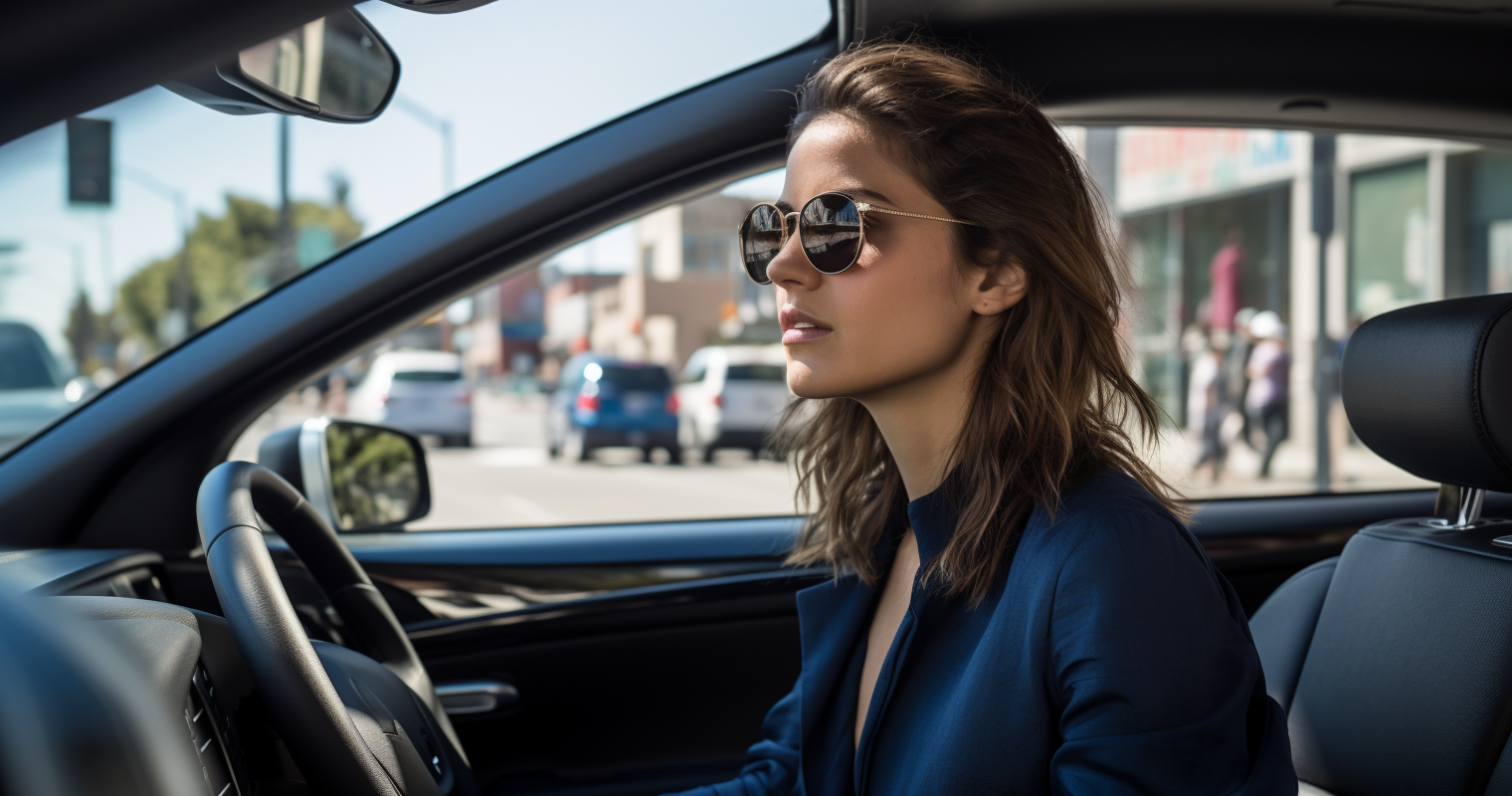
Getting behind the wheel in the Dominican Republic means travelling on right-hand traffic roads that range from well-maintained motorways to demanding rural tracks. Traffic safety is a genuine concern — the country records one of the highest road fatality rates anywhere in the Americas. A valid foreign licence covers you for up to 90 days after arrival; beyond that point, you will need a locally issued Dominican licence from INTRANT. Anyone intending to drive here should approach the roads with solid defensive habits, full insurance cover, and a clear understanding of how local traffic culture operates.
| Item | Details |
|---|---|
| Side of the road | Right-hand traffic |
| Speed limits (as of 2024) | 40 km/h urban · 80 km/h rural roads · 120 km/h motorways |
| Blood alcohol limit | 0.05% BAC (verify with INTRANT for current enforcement) |
| Foreign licence validity | Up to 90 days from arrival |
| Local licence validity | 4 years from date of issue |
| Road authority | INTRANT – Instituto Nacional de Tránsito y Transporte Terrestre |
| Emergency number | 911 |
Is driving in the Dominican Republic safe?
Road safety in the Dominican Republic is a pressing public health issue that every driver should take seriously before setting off. In 2024, traffic accidents claimed 3,114 lives across the country, with 38% of victims falling between the ages of 15 and 29. This places Dominican roads considerably more hazardous than those found across most of Western Europe or North America, and expectations must be adjusted accordingly.
The national road fatality rate in 2024 stood at 20.02 deaths per 100,000 inhabitants. The country ranks second in regional traffic-related mortality, recording 27 deaths per 100,000 people — a figure double the global average. By comparison, fatality rates in Germany or France sit well below 4 per 100,000, making the gap in risk levels stark and significant.
Figures from the Permanent Road Safety Observatory show that motorcycles featured in 65.5% of all fatal incidents, with vehicle collisions responsible for 60.8% of deaths. Motorcyclists represent 70.48% of all traffic fatalities, followed by pedestrians who account for 13% of deaths. Motoconcho (motorcycle taxi) riders weave unpredictably through traffic — frequently without helmets or functioning lights — and constitute one of the most consistent hazards any driver will face.
Road quality is highly variable: the main motorways connecting tourist centres are generally in acceptable condition, but city side streets and rural roads can be scattered with deep potholes, unmarked speed bumps, and sudden dips that often demand a vehicle with higher ground clearance. While the Dominican Republic has one of the more extensive highway networks in the Caribbean and Central America, conditions deteriorate quickly away from principal routes.
Driving after dark should be avoided wherever possible, especially on quieter roads. Inadequate street lighting, livestock straying onto carriageways, and vehicles travelling without headlights all combine to create dangerously poor visibility. Mudslides and washed-out bridges can also become hazards during and after heavy rainfall.
INTRANT — the Instituto Nacional de Tránsito y Transporte Terrestre — is the authority responsible for regulating mobility, land transport, traffic, and road safety throughout the Dominican Republic. Their road safety campaigns and current statistics can be found at intrant.gob.do.
Which side of the road do you drive on in the Dominican Republic?
Traffic in the Dominican Republic flows on the right-hand side of the road, consistent with the majority of the Americas, continental Europe, and much of the rest of the world. If you are arriving from a country where vehicles drive on the left — such as the United Kingdom, Japan, Australia, or India — you will need a deliberate acclimatisation period before driving solo.
The situations where drivers accustomed to left-hand traffic most frequently make errors include quiet junctions, multi-storey car parks, and after emerging from one-way systems. Allow yourself time to adapt before tackling busy urban roads. In Santo Domingo and other major cities, traffic conditions are already chaotic, and old habits can swiftly become dangerous in those environments.
Indicators are frequently not used by local drivers; it is common practice to extend a hand out of the window to signal a turn instead. This is yet another adjustment for those used to more consistent signalling behaviour. Maintaining a generous following distance and adopting a defensive driving approach from the outset will serve you well.
What are the main driving rules in the Dominican Republic?
Speed limits are expressed in kilometres per hour (km/h) and broadly follow this structure: 40 km/h in urban and built-up zones, 80 km/h on rural and secondary roads, and up to 120 km/h on major motorways. Signs display limits in kilometres, not miles. As of 2024, these figures reflect the standards established under Law 63-17 on Mobility, Land Transport, Traffic and Road Safety; always consult INTRANT for any subsequent amendments.
Respecting posted speed limits is required to avoid fines, and all vehicle occupants must wear seatbelts by law — an offence regularly targeted by traffic officers. Unlike countries such as Germany, Canada, or Spain — where detailed child restraint legislation specifies requirements by age and weight — the Dominican Republic has no formal child car seat law. That said, fitting appropriate child seats when travelling with young passengers is strongly advisable regardless of legal obligation.
Using a handheld mobile phone while driving is strictly forbidden; only hands-free devices are permitted. Dominican law additionally requires that a driver involved in an incident causing serious injury or death be taken into custody pending investigation, regardless of whether they appear to be at fault or hold valid insurance.
The blood alcohol concentration (BAC) limit for drivers is generally cited as 0.05% (as of 2024), though some older references quote higher figures — the current legal threshold should always be confirmed with INTRANT or the national transport authority before driving. Given the gravity of potential penalties, anyone planning to drive should adopt a strict no-alcohol policy.
Right turns on a red light are permitted provided the driver comes to a complete stop first. Driving behaviour can be aggressive and unpredictable, with many drivers failing to yield even when road markings or signals require it. Pedestrians frequently step into traffic regardless of crossings or signals, making constant alertness necessary even at seemingly controlled intersections.
On-the-spot penalties are issued by traffic officers; the severity of the offence determines the amount. Fines should not be settled by handing cash to an officer at the roadside — instead, proceed to the nearest police station and present your documentation to pay officially.
What equipment must you legally carry in your vehicle?
In the Dominican Republic, insurance is not merely a sensible precaution — it is a legal obligation for every vehicle using public roads. All drivers must hold at least Third-Party Liability (TPL) cover as a minimum, and both police and military checkpoints will routinely verify that this documentation is present.
Under Law 63-17 and standard INTRANT requirements, the following items must be carried in your vehicle at all times (as of 2024 — verify current requirements with INTRANT):
- Valid driving licence (foreign or Dominican, as applicable)
- Vehicle registration certificate
- Proof of valid Third-Party Liability insurance
- Warning triangles (at least one, with two recommended)
- Reflective high-visibility vest
- Fire extinguisher
- Basic first aid kit
Unlike France, where carrying a portable breathalyser in your vehicle is a statutory requirement, no equivalent obligation exists in the Dominican Republic. However, authorities — particularly around public holidays and at night — do operate random sobriety checkpoints, along with checks for documentation and other safety compliance matters.
Police and military personnel conduct road stops as a matter of routine, typically checking that drivers are carrying the correct paperwork. Keeping all documentation organised and within easy reach will make these encounters straightforward and quick.
Vehicles hired from established rental agencies should already contain the required equipment. If you are driving a personally imported vehicle, confirm the full mandatory equipment list directly with INTRANT, as requirements can be revised over time.
What are the most important road signs in the Dominican Republic?
The Dominican Republic follows the international road sign framework, drawing on both European and American road safety standards. Most signs will be familiar to drivers who have experience with either the Vienna Convention system — used across Europe and much of Latin America — or North American-style signage conventions. All distances and speed figures appear in kilometres.
Signs are written in Spanish. Although the symbols on regulatory and warning signs are largely universal, a working knowledge of common Spanish road terms is useful — particularly for place names on directional signs, which typically appear in Spanish only with no transliteration provided.
Key signs and phrases worth knowing include:
- PARE — Stop (red octagon, equivalent to STOP)
- CEDA EL PASO — Give way / Yield
- VELOCIDAD MÁXIMA — Maximum speed
- PROHIBIDO ADELANTAR — No overtaking
- DESVÍO — Detour / Diversion
- PEAJE — Toll
- ZONA ESCOLAR — School zone (reduced speed required)
Speed bumps — referred to locally as reductores de velocidad or informally as tumulos — appear throughout the road network, including on main roads and highways. Many are not preceded by advance warning signs, particularly on rural stretches. Slowing down whenever you approach a settlement or built-up area is wise even where no signage is visible.
The Dominican Republic uses the standard three-colour traffic light system; turning right at a red light is allowed, providing it is safe to do so. At signalised junctions, caution is essential because traffic lights are frequently disregarded by local drivers. Treat a green light as permission to move with care, not as an assurance that other road users will stop.
What should you do if you are involved in a road accident in the Dominican Republic?
Being caught up in a road accident in the Dominican Republic carries legal consequences that differ substantially from procedures in many other countries. Knowing the correct steps — and the pitfalls to avoid — before you start driving is genuinely important.
- Do not move the vehicles. Vehicles involved in accidents must remain where they are and not be moved, even to clear congestion, until a police officer authorises otherwise. Drivers who disregard this rule may find themselves held legally responsible for the incident.
- Call 911. The emergency number 911 connects you to all relevant emergency services and is now active across much of the country. The Policía Nacional is the responsible body for attending road incidents.
- Wait for the police to arrive. If the accident involves serious injury or a fatality, Dominican law requires the driver to be taken into police custody while the circumstances are investigated, even where the driver appears not to have caused the incident. You should contact the police and remain at the scene until they arrive.
- Exchange information. Collect and share names, contact details, vehicle registration numbers, and insurance information with the other party involved. Photograph the scene thoroughly — vehicle positions, damage, licence plates, and any visible injuries — before vehicles are cleared.
- Contact your insurer. Notify your insurance provider promptly. Bear in mind that most motor insurance policies will not pay out if the driver was not in possession of a valid licence at the time of the accident, so ensure your documentation is in order before you drive.
- If detained, contact your embassy. Should you be held in custody following a road accident, request that the police contact your embassy to notify them and seek appropriate assistance.
The minimum period of detention following a serious accident is 48 hours; however, detention often extends until a court decision is reached — a process that may take weeks or months — or until the injured party signs a waiver, which typically results from a private financial settlement. This represents a significant departure from post-accident procedures in most European or North American countries, and reinforces how important it is to hold comprehensive insurance coverage.
As of 2024, emergency procedures are governed by Law 63-17. Always seek updated guidance from your embassy or a qualified local legal adviser, as procedures may evolve. The emergency number remains 911 throughout the country.
Where can you find current road traffic information for the Dominican Republic?
Keeping up with road conditions in the Dominican Republic requires drawing on several sources in combination. No single centralised, real-time traffic portal covers the entire country comprehensively, so most expats rely on a mix of official channels, digital tools, and local community networks.
- INTRANT (official transport authority): intrant.gob.do publishes official traffic news, road safety initiatives, and regulatory updates. This is the primary authoritative source for transport-related information.
- Google Maps: Widely used across the country and generally provides reasonably reliable live traffic data in urban centres, particularly Santo Domingo, Santiago, and Punta Cana. The satellite view is especially helpful for assessing rural road conditions before you set off.
- Waze: Extremely popular among Dominican drivers and frequently delivers more detailed, community-sourced hazard alerts than Google Maps — including police checkpoint locations, accidents, and real-time road closures.
- Local radio: Santo Domingo-based stations broadcast regular traffic updates during peak commuting periods. Stations such as Z-101 and Mega 97.9 FM are widely tuned into by capital city commuters.
- Social media: Facebook community groups and WhatsApp networks specific to expat communities or particular regions frequently share real-time road closure information, especially following heavy rainfall events.
Tolls apply on all of the main roads leading out of Santo Domingo. The Duarte Highway recorded the highest number of accidents in 2024, making it particularly worthwhile to check conditions on this route before travelling. Always verify that any government website links you use are current, as URLs for Dominican public services can change periodically.
How does parking work in the Dominican Republic?
Parking across the Dominican Republic can be a disorganised affair. Larger towns and resort areas such as Punta Cana and Puerto Plata tend to have designated and signposted car parks, but elsewhere drivers commonly park wherever a gap presents itself. This is a notably different experience from countries with rigorously enforced parking regimes — such as the UK’s Pay & Display system or Germany’s Parkschein arrangements.
In most areas parking is free, though charges are more commonly encountered in larger towns. In the busier districts of Santo Domingo — including Piantini, Naco, and the Colonial Zone — staffed private car parks known locally as parqueos are widely available and generally affordable. These are typically attendant-supervised. Check posted rates on arrival, as charges vary by location; as of 2026, set municipal tariffs may differ — verify with the relevant local municipality for up-to-date figures.
Parking against the direction of traffic flow is not permitted in towns and cities. Vehicles parked illegally or obstructively will be issued a ticket and, in more serious cases, towed. Towing enforcement is more actively applied in central Santo Domingo than in smaller urban areas.
Disabled parking provision in the Dominican Republic is very limited. There is no broadly recognised equivalent to the EU Blue Badge scheme or comparable international disabled parking permit system, and foreign disabled parking permits are not formally acknowledged as legal authorisation to use designated spaces. Residents requiring disability-related transport accommodations should contact INTRANT (intrant.gob.do) and the appropriate municipal authority for guidance on whatever local provisions may currently be available.
Can you drive in the Dominican Republic using a foreign or international licence?
Visitors from many countries are permitted to drive in the Dominican Republic using a valid licence issued in their home country for a period of up to 90 days. Foreign visitors may also drive using an International Driving Permit for this three-month window. Once that period expires, a Dominican driver’s licence becomes mandatory. Carrying both your national licence and an International Driving Permit (IDP) is strongly advisable, as the IDP provides a standardised multilingual translation of your credentials that police and officials can readily interpret.
Once you are resident in the Dominican Republic and the 90-day window has passed, you must apply for a Dominican licence through INTRANT. Unlike some countries — such as Spain or France — where bilateral agreements enable a straightforward licence exchange with minimal formality, the Dominican Republic generally requires applicants to complete a full application process. The steps involved are as follows:
- Book an appointment online through the INTRANT virtual office or visit an INTRANT regional office to register in person.
- Obtain a Learning Card (Carnet de Aprendizaje). This forms the initial stage of the Dominican licensing process. You must present the current Learning Card no earlier than 15 days after its issuance (45 days for minors) and no later than six months after issuance.
- Complete a driver education class at a central or regional INTRANT headquarters.
- Pass the written theory test at an INTRANT office. Applicants must demonstrate theoretical and practical knowledge of driving and road law by sitting a written examination at INTRANT premises.
- Pass the practical driving examination. The practical test requires a minimum score of 75 points to be awarded a pass.
- Undergo a medical examination. An eye test and blood type assessment are conducted at INTRANT headquarters in Santo Domingo or at a regional office.
- Submit your foreign licence documentation. A certification from the embassy or consulate of your country of origin confirming the validity of your licence is required, duly authenticated and legalised via the Dominican Foreign Ministry.
- Pay applicable fees through the INTRANT virtual office or at a BanReservas branch. Provide payment receipts from the Banco de Reservas to confirm that all required taxes and fees have been settled. Check intrant.gob.do for current fee amounts, as these are subject to revision.
A Dominican driver’s licence, once issued, remains valid for four years from the date on which it was granted. Ensure you hold a valid Dominican cédula (national resident ID) before beginning the application, as this is a prerequisite. Contact INTRANT directly for the most current requirements and anticipated processing times.
Frequently Asked Questions About Driving in the Dominican Republic
Do I need insurance to drive in the Dominican Republic?
Insurance is a statutory requirement for every vehicle operating on public roads in the Dominican Republic. All drivers must hold at minimum Third-Party Liability (TPL) cover. If you are hiring a vehicle, clarify the precise terms of insurance with your rental company before driving away. If you own a vehicle in the country, arrange cover with a licensed Dominican insurer. Driving without valid insurance can lead to fines, vehicle impoundment, and severe legal difficulties if an accident occurs.
Are there toll roads in the Dominican Republic?
Tolls are levied on all of the main roads departing Santo Domingo. Toll booths (peajes) are located on major routes including the Duarte Highway linking Santo Domingo to Santiago, the Las Américas Highway, and roads heading towards Punta Cana and the eastern coast. Payment is typically made in cash using Dominican pesos, though some updated booths may accept card payments. Carry small denomination notes, as change is not always readily available. Current toll rates are displayed at individual booths and are updated periodically.
Is it safe to drive at night in the Dominican Republic?
Night driving should be avoided wherever possible, especially on less-frequented routes. A combination of poor street lighting, animals on the road, and oncoming vehicles using no headlights or only full beam significantly reduces visibility after dark. Power outages further amplify the risks of travelling at night. If you must drive after dark, keep to well-lit main roads, reduce your speed below posted limits, and confirm that your own headlights are in proper working order.
What are the penalties for drink-driving in the Dominican Republic?
Dominican law mandates that any driver found to be under the influence of alcohol be taken into custody, regardless of insurance status. The minimum detention period is 48 hours, but cases can extend for weeks or months until a judicial ruling is issued or until the injured party signs a waiver — usually in exchange for a financial settlement. Potential consequences include criminal prosecution, imprisonment, and disqualification from driving. The only genuinely safe approach is to commit to drinking no alcohol whatsoever when you intend to drive.
Are there winter driving requirements in the Dominican Republic?
Being a tropical Caribbean country, the Dominican Republic experiences no winter conditions that would necessitate seasonal tyres, snow chains, or similar cold-weather driving equipment. There is no equivalent to the mandatory winter tyre regulations in force in countries such as Sweden or Austria. The principal seasonal driving challenge is the rainy season, which runs roughly from May to November, bringing heavy downpours capable of causing flash flooding, road washouts, and sharply reduced visibility. Adjust your speed accordingly and steer clear of low-lying or rural roads during and after significant rainfall.
Can I use my sat nav or mapping app in the Dominican Republic?
Both Google Maps and Waze operate effectively in the Dominican Republic and are used extensively by local and expatriate drivers. Waze is particularly valued for its crowd-sourced hazard notifications, which include police checkpoints and live accident reports. However, mapping data for rural areas can be incomplete or outdated — particularly for minor tracks and unpaved roads. Cross-referencing with local knowledge before venturing off main routes is always prudent, and downloading offline maps as a contingency against poor mobile signal is highly recommended.
Are child car seats required by law in the Dominican Republic?
Child seats are seldom used locally and there is currently no legislation requiring their use in the Dominican Republic. Nevertheless, fitting a suitable child car seat when travelling with young children is strongly advised. This stands in clear contrast to many European and other countries where age- and weight-based child restraint laws carry significant fines for non-compliance. Bringing your own child seat from home is the wisest approach, as rental availability is not guaranteed.
How do I get a vehicle registered in the Dominican Republic as an expat?
Vehicle registration is handled through the Dirección General de Impuestos Internos (DGII) and INTRANT. Imported vehicles must first clear customs via the Dirección General de Aduanas. You will need your Dominican cédula (residence ID), proof of customs duties paid, the vehicle title, and insurance documentation. Periodic vehicle emissions checks are also required to confirm compliance with environmental standards. Fees and procedures are subject to periodic revision — consult the INTRANT website and the DGII for current requirements before proceeding.