
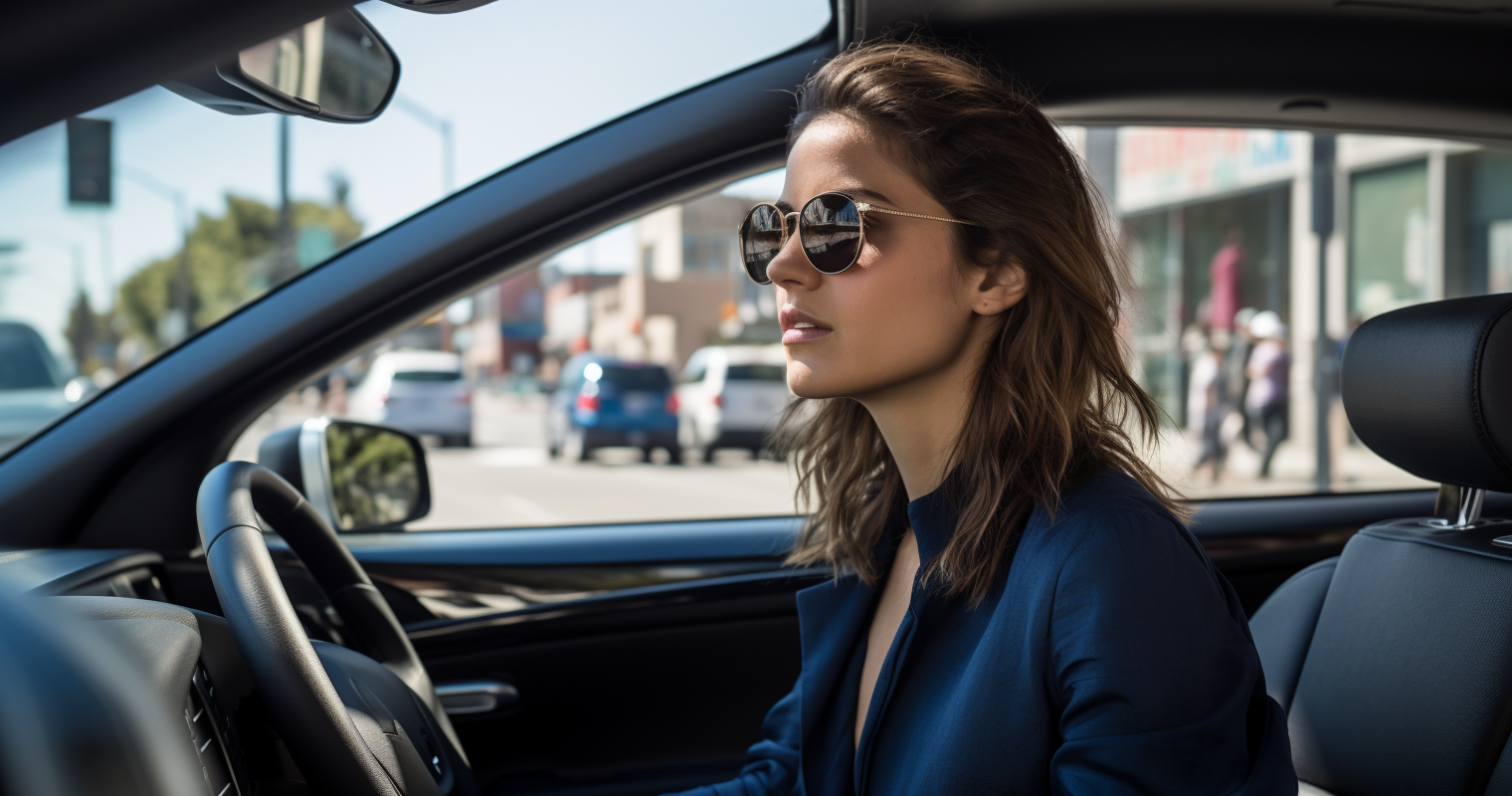
Getting behind the wheel in Hong Kong means joining a left-hand traffic system on one of the world’s most intensively used road networks. The infrastructure is generally of a high standard, though urban congestion is a constant reality. Speed limits vary from 30 to 110 km/h depending on the type of road, alcohol limits are tightly enforced at 50 mg per 100 ml of blood, and those arriving with an overseas licence are usually permitted to drive for up to 12 months before a local licence becomes necessary.
| Item | Details |
|---|---|
| Side of the road | Left-hand traffic |
| Speed limits (as of 2024) | 30–50 km/h urban; 70–80 km/h highways; up to 110 km/h expressways |
| Drink-drive limit (as of 2024) | 50 mg alcohol per 100 ml blood; 22 µg per 100 ml breath |
| Mobile phone use | Handheld use prohibited; maximum fine HK$2,000 |
| Foreign licence validity | Up to 12 months for visitors; direct exchange available for approved countries |
| Emergency number | 999 (police, fire, ambulance) |
Is Hong Kong safe to drive in?
By global standards, Hong Kong maintains a reasonably strong road safety record, underpinned by quality infrastructure and consistent police enforcement. The Hong Kong Police Force Traffic Report 2024 recorded a 14% year-on-year decline in fatal accidents to 83 cases, while serious accidents dropped by 25% to 751 cases (as of 2024). These figures represent positive progress, although the number of minor accidents increased over the same period.
With close to 300 registered vehicles per kilometre of road, Hong Kong’s streets rank among the most heavily trafficked anywhere in the world during peak hours. Despite the quality of the road network, the sheer volume of vehicles — particularly in Kowloon and on Hong Kong Island — can be challenging for drivers more accustomed to quieter conditions. Traffic density during rush hours noticeably exceeds what most European city drivers would expect.
Road safety sits among the Hong Kong Police Commissioner’s Operational Priorities, with efforts directed at engineering improvements, community engagement, and active enforcement across the territory. Special attention is given to incidents involving public transport, cyclists, and goods vehicles.
Police data identifies inattentive driving, tailgating, and reckless lane changes as leading causes of accidents. While major expressways and cross-harbour routes are well-signed and well-maintained, streets in older urban districts can be narrow and heavily used. Rural roads across the New Territories and outlying islands present their own hazards, including steep gradients, tight bends, and poor lighting.
The Hong Kong Transport Department releases annual road accident statistics, and the Hong Kong Police Force Road Safety page outlines current enforcement priorities and ongoing safety campaigns.
What side of the road do you drive on in Hong Kong?
Traffic in Hong Kong travels on the left. This practice dates back to British colonial rule and places Hong Kong alongside other left-hand traffic territories including the United Kingdom, Australia, Japan, and Singapore. Drivers coming from right-hand traffic countries — such as mainland China, the United States, or most of continental Europe — will need to make a deliberate and conscious adjustment.
The transition demands particular care at intersections, roundabouts, and when completing turns. The most frequent error made by drivers switching sides is drifting back to the right after turning, especially on quieter stretches of road where there are no other vehicles to act as a natural prompt. Hiring a car and spending time in a low-traffic area, or booking a brief refresher lesson, is a sensible precaution for anyone unfamiliar with left-hand driving.
The overwhelming majority of vehicles in Hong Kong are right-hand drive, positioning the driver on the right side of the car. Those accustomed to left-hand-drive vehicles will find the control layout and perception of road width unfamiliar at first. Allow extra time at complex multi-lane junctions while you build your confidence and spatial awareness.
What are the main driving rules in Hong Kong?
Road traffic in Hong Kong is primarily governed by the Road Traffic Ordinance, Cap 374, which addresses offences ranging from dangerous and careless driving to speeding and drink-driving. Penalties are substantial, and the system offers limited leniency to repeat offenders.
Speed limits
The general speed limit in urban areas is 50 km/h, rising to 80 km/h on highways and 110 km/h on expressways, unless signs indicate otherwise. Certain residential areas carry limits as low as 30 km/h. Posted signs take precedence at all times, as limits can vary and are subject to revision. Fixed and mobile speed cameras operate throughout the territory, and officers may issue on-the-spot fines or fixed penalty notices to drivers caught exceeding limits.
Drink-driving
Drink-driving constitutes a criminal offence under the Road Traffic Ordinance. The prescribed limits are 22 micrograms of alcohol per 100 millilitres of breath, 50 milligrams per 100 millilitres of blood, or 67 milligrams per 100 millilitres of urine. This blood alcohol threshold is stricter than the 80 mg/100 ml limit applied in the Republic of Ireland and the United Kingdom, and equivalent to the 50 mg/100 ml standard found across much of mainland Europe.
Drivers found over the prescribed limit face a maximum fine of HK$25,000 and up to three years’ imprisonment, together with a driving disqualification of no less than two years for a first conviction and no less than five years for any subsequent offence (as of 2024).
Mobile phones
Using a handheld mobile phone while driving is prohibited in Hong Kong. Offenders receive a fixed penalty notice, and the maximum fine stands at HK$2,000. Hands-free devices, headphones, and speakerphone functions are permitted under the law.
Seatbelts and child safety
Seatbelt use is mandatory for all occupants, whether seated in the front or rear of the vehicle. Children must be suitably restrained at all times. For the latest child seat requirements, consult the Hong Kong Transport Department directly, as regulations in this area can be updated.
Driving-offence points system
Not every traffic offence falls within the driving-offence points system. Minor violations typically carry 3 points; offences such as careless driving or failing to stop after an accident each attract 5 points; and the most serious offences — including dangerous driving or exceeding the speed limit by more than 45 km/h — result in 10 points each. Accumulating enough points will trigger a licence suspension.
Insurance
Every registered vehicle in Hong Kong must be covered by valid third-party liability insurance. Driving without such cover is a serious criminal offence. If you are operating a vehicle registered outside Hong Kong, verify that your policy is valid within the territory before driving.
What equipment are you legally required to carry in your car in Hong Kong?
The mandatory in-vehicle equipment requirements in Hong Kong are comparatively limited when set against some other jurisdictions. Countries such as France require drivers to carry warning triangles, high-visibility vests, and breathalysers by law — Hong Kong imposes no equivalent checklist for private vehicles. Nonetheless, there are essential items every driver must have to hand.
- Valid driving licence: Drivers must carry their valid driving licence on their person whenever they are at the wheel.
- Third-party insurance documentation: As Hong Kong law mandates valid third-party liability insurance for all registered vehicles, proof of cover should be kept accessible within the vehicle at all times.
- Vehicle registration document: Evidence of vehicle registration should be available in the car, as police are entitled to request it.
Although warning triangles, first aid kits, fire extinguishers, and high-visibility vests are not legally required for private vehicles in Hong Kong, carrying them as a precaution is strongly advisable — especially when travelling on expressways or rural roads where help may not be immediately accessible.
Commercial and goods vehicles are subject to separate and additional regulations. If you are operating a vehicle for business or commercial purposes, consult the Hong Kong Transport Department to confirm which requirements apply to your vehicle type.
Unlike several European countries, Hong Kong does not require drivers to carry a breathalyser. However, any uniformed police officer may require a driver — or anyone about to drive — to undergo a breath test without needing grounds for suspicion. Compliance with such a request is obligatory under law.
What are the most important road signs in Hong Kong?
Hong Kong adheres to the Vienna Convention for traffic signals, so the familiar red-amber-green light sequence used across much of the world applies here. The cycle runs: red → red and amber simultaneously → green → amber → red, consistent with the system used in the United Kingdom and many Commonwealth nations. Pedestrian crossings display the standard walk/don’t-walk signals.
A notable advantage for non-Chinese-speaking drivers is that road signs throughout Hong Kong appear in both Chinese and English. Directional signage on major routes and expressways is clear and consistently maintained, with distances shown in kilometres.
Route numbers are displayed in black or blue text on yellow backgrounds, while exit numbers feature white text on black backgrounds. This colour convention differs from motorway signage in continental Europe — typically blue with white lettering — and from the US interstate system’s green with white text, so familiarise yourself with these differences before using expressways.
In line with international practice, warning signs use red-bordered triangles, regulatory signs (such as speed limits and no-entry markings) use red circles, and informational signs are rectangular. Drivers from countries outside the Vienna Convention framework, or those unfamiliar with UK-style signage, should review Hong Kong’s sign system before setting out. The Transport Department’s safe motoring guides offer a useful overview of local signs and road markings.
Drivers should also be aware of the distinction between “no stopping” and “no waiting” restrictions, which — as in the UK — are communicated through yellow kerb markings and signposts. Double yellow lines indicate no waiting at any time; a single yellow line denotes time-restricted waiting. These rules are actively enforced by parking wardens throughout the territory.
What must you do if you have a road accident in Hong Kong?
Under the Road Traffic Ordinance, both failing to stop and failing to report an accident are criminal offences. If you find yourself involved in a road accident in Hong Kong, specific legal obligations apply regardless of whether you consider yourself responsible.
- Stop immediately. You are legally obliged to remain at the scene of any accident involving injury, damage to another vehicle, or damage to property.
- Contact emergency services if necessary. Call 999 to reach police, fire, and ambulance services. This single number connects to all emergency services in Hong Kong.
- Swap details with other parties. Exchange your full name, home address, vehicle registration number, and insurance information with everyone else involved. If anyone is injured, request an ambulance without delay.
- Report the incident to police. Any accident resulting in personal injury must be reported to the police. Where only property damage has occurred, both parties may choose to settle privately, though reporting the incident to police is still advisable.
- Comply with alcohol testing. As a driver involved in an accident, you will be required to undergo alcohol-level testing. Exceeding the prescribed limit may result in criminal prosecution.
- Inform your insurer. Notify your insurance provider as soon as reasonably possible, even if you have no intention of making a claim. Unreasonable delay in reporting can jeopardise your policy.
- Record the scene. Where it is safe to do so, take photographs of the vehicles involved, their positions on the road, and any visible damage before anything is moved.
The Hong Kong Police Force Traffic Branch manages road incidents across the territory, with regional teams covering Hong Kong Island, Kowloon East, Kowloon West, New Territories South, and New Territories North. Always verify current reporting procedures via the Hong Kong Police Force website, as requirements may be subject to revision (as of 2024).
Where can you find up-to-date road traffic information for Hong Kong?
A number of authoritative and dependable resources exist for monitoring live traffic conditions, planned roadworks, and the status of tunnels and bridges in Hong Kong. Given how heavily congested key arterial routes can become, checking conditions ahead of your journey is well worth the effort, particularly during morning and evening peaks.
- Transport Department Traffic Information System: The Hong Kong Transport Department runs an official traffic information portal offering real-time updates on road conditions, incidents, and planned works throughout the territory.
- 511 Hong Kong: The government’s 511 travel information service delivers road, tunnel, and public transport updates via both web and telephone.
- Google Maps and Waze: Both platforms are widely used in Hong Kong and offer real-time traffic data, incident notifications, and route planning. Google Maps integrates particularly well with the territory’s road and tunnel network.
- Radio traffic bulletins: RTHK Radio 3 (English-language) and other local broadcasters provide regular traffic updates during peak commuting periods. These are especially useful for monitoring conditions on major expressways and near tunnel entrances.
- Tunnel operator websites: The main toll tunnels — including the Cross-Harbour Tunnel, Eastern Harbour Crossing, and Western Harbour Crossing — each maintain their own status pages. Electronic signs at tunnel approaches also display live congestion levels at toll plazas.
Confirm that all official links are still active by checking through the GovHK portal, as web addresses may change following government website updates.
How does parking work in Hong Kong?
Parking in Hong Kong is scarce and perpetually in demand. Off-street car parks are the most practical option wherever available; on-street parking is only permitted in clearly designated bays and zones. In busy districts such as Central, Wan Chai, or Mong Kok, finding a roadside space is exceptionally difficult, and most residents rely on building-based or public multi-storey car parks.
Parking meters
Roughly 17,800 pay-and-display or individual parking meters are installed across Hong Kong. Weekday operating hours run from 08:00 to midnight, while Sunday and public holiday hours are 10:00 to 22:00. Time limits range from 15 minutes to two hours, and payment is made using an Octopus card.
A meter fitted with a white top indicates charges apply around the clock, seven days a week including bank holidays. The territory is progressively transitioning from traditional meters to digital ticket machines. Unlike the coin-operated systems found in many other countries, Hong Kong’s parking payment infrastructure is increasingly contactless and app-enabled.
Car parks
Hong Kong has fourteen government-owned multi-storey car parks alongside an estimated 600,000 or more private spaces across the territory. The Transport Department publishes a directory of government car park locations and opening hours. Private facilities in commercial buildings typically charge by the half-hour, with rates that vary significantly by district and are not currently subject to regulation. Consult the Transport Department website for current government car park tariffs (as of 2024).
Enforcement
Parking illegally may result in a fixed penalty notice, wheel clamping, or towing. All fines can be settled at bank ATMs. Given how intense demand for spaces is, enforcement officers operate with minimal leniency.
Disabled parking
A disabled parking permit scheme is in place for drivers and passengers with mobility impairments, administered by the Transport Department. Overseas disabled parking permits are not automatically valid in Hong Kong; those relocating who hold foreign disabled badges should apply for a local permit through the Transport Department. Contact the department directly for the most current eligibility criteria and application process, as these are periodically reviewed.
Can you drive in Hong Kong on a foreign or international licence?
Visitors who do not intend to remain in Hong Kong for more than one year may drive using a valid overseas driving licence. This provision comfortably covers most newcomers throughout their initial period of settling in. If the licence is not written in English or Chinese, it must be accompanied by an officially certified translation.
International Driving Permits
A visitor holding a valid International Driving Permit issued outside Hong Kong may drive the class of vehicle authorised by that permit for up to 12 months from the date of arrival, provided the minimum age requirements are met — 18 years for private cars, light goods vehicles, motorcycles, and motor tricycles; 21 years for all other vehicle types.
Exchanging a foreign licence for a Hong Kong licence
Overseas driving licence holders residing in Hong Kong may apply for a full Hong Kong driving licence without sitting a driving test, subject to conditions: the overseas licence must have been issued by one of the approved countries, must be current or expired for no more than three years, and must have been obtained by passing a driving test in the country of issue.
Approved countries and territories for direct exchange include Australia, Austria, Bangladesh, Belgium, Bermuda, Canada, China, Denmark, Finland, France, Germany, Guernsey, India, Iceland, Ireland, the Isle of Man, Israel, Italy, Japan, Jersey, Luxembourg, Macao, Malaysia, the Netherlands, New Zealand, Nigeria, Norway, Pakistan, Portugal, Singapore, South Korea, Spain, Sweden, Switzerland, South Africa, Namibia, Taiwan, the United Kingdom, and the United States.
If your licence was issued in a country not on the approved list, a temporary driving licence may be granted to allow you to drive legally while you prepare for the Hong Kong driving test.
How to apply
- Assemble your original overseas driving licence along with a certified translation if it is not in English or Chinese, your Hong Kong Identity Card, and any documentation confirming the period of residency in the country that issued your licence.
- From 16 March 2026 onwards, applicants for direct issue of a Hong Kong full driving licence must make an advance appointment for “direct issue” counter services via the designated online appointment booking system.
- Submit your application at the Hong Kong Licensing Office (3/F, United Centre, 95 Queensway, Hong Kong) or as directed by the Transport Department’s current guidance.
- Await processing. Once approved, a Hong Kong full driving licence covering the same vehicle class as your existing licence will be issued.
A full Hong Kong driving licence remains valid for 10 years, subject to age-related conditions as the holder approaches 60. For full details, visit the Transport Department Driving Licences page or call the government hotline at 1823. Always confirm the current requirements directly with the department, as procedures are subject to change.
Frequently Asked Questions About Driving in Hong Kong
Are there toll roads in Hong Kong, and how do I pay?
Hong Kong has both toll tunnels and toll bridges. The toll bridges include the Hong Kong–Zhuhai–Macau Bridge, Kap Shui Mun Bridge, and Tsing Ma Bridge. Among the toll tunnels are the Cross-Harbour Tunnel, Eastern Harbour Crossing, Lion Rock Tunnel, Tai Lam Tunnel, and Tseung Kwan O Tunnel, along with others. Payment at toll booths can be made by cash or with an Octopus card. For current toll rates, check directly with the relevant tunnel operators or the Transport Department, as fees are reviewed from time to time (as of 2024).
Can I use my Octopus card for parking payments?
Yes. Stored-value Octopus cards are accepted at parking meters throughout Hong Kong. The Octopus card functions as the territory’s standard contactless payment card — comparable to London’s Oyster card or Singapore’s EZ-Link — and is accepted for transport and parking across the territory. Cards can be purchased and topped up at MTR stations, convenience stores, and a wide range of retail outlets.
What are the penalties for drink-driving in Hong Kong?
Drivers found to exceed the prescribed alcohol limit face a maximum fine of HK$25,000 and up to three years’ imprisonment, along with a disqualification of no less than two years on first conviction and no less than five years on any subsequent conviction (as of 2024). A three-tier penalty structure is applied, with the harshest “Tier 3” sanctions reserved for the most severe cases. Drink-driving is prosecuted as a criminal matter rather than a routine traffic infringement.
Do I need a child car seat in Hong Kong?
Seatbelts are compulsory for all passengers in both front and rear seats, and children must be properly restrained in accordance with Hong Kong law. Child restraint regulations have been subject to legislative review, so always check the most current requirements with the Transport Department. The Transport Department website is the authoritative source for up-to-date information.
Is there a driving-offence points system in Hong Kong?
Yes. Minor traffic offences carry 3 points; offences including careless driving and failing to stop after an accident each attract 5 points; and serious violations such as dangerous driving or exceeding the speed limit by more than 45 km/h each result in 10 points. Once a driver accumulates 15 or more points within the specified period, mandatory driving improvement courses or licence suspension may follow, depending on the total accrued.
Is car insurance for foreign drivers easy to arrange in Hong Kong?
Hong Kong law requires every registered vehicle to carry valid third-party liability insurance. Most major international and local insurers provide policies that extend to foreign licence holders, though premiums may be elevated until a local driving history is established. When renting a vehicle, confirm that the rental company’s insurance is applicable to your licence type. For privately owned vehicles, the Hong Kong Automobile Association (HKAA) is a useful resource for advice on appropriate coverage.
Is public transport a practical alternative to driving in Hong Kong?
Unquestionably. Around 90% of Hong Kong’s population relies on public transport for daily travel. The territory’s taxis, buses, and Mass Transit Railway (MTR) are plentiful, affordable, and reliable. The MTR alone transports an average of 3.5 million passengers every day. For most expats living in urban areas, a private car is far from essential — the public transport network is among the finest in the world, and the cost of parking in central districts can be prohibitive.
Are there any winter driving requirements in Hong Kong?
No. Hong Kong’s subtropical climate means snow and ice on roads are essentially unheard of, and there are no requirements for winter tyres, snow chains, or cold-weather driving equipment of any kind. That said, rainfall during the typhoon season — broadly from May to November — can be torrential, and drivers should reduce speed, exercise heightened caution on wet surfaces, and remain alert to flooding on low-lying roads and underpasses. Before driving in deteriorating weather, consult the Hong Kong Observatory for up-to-date forecasts and typhoon warnings.