
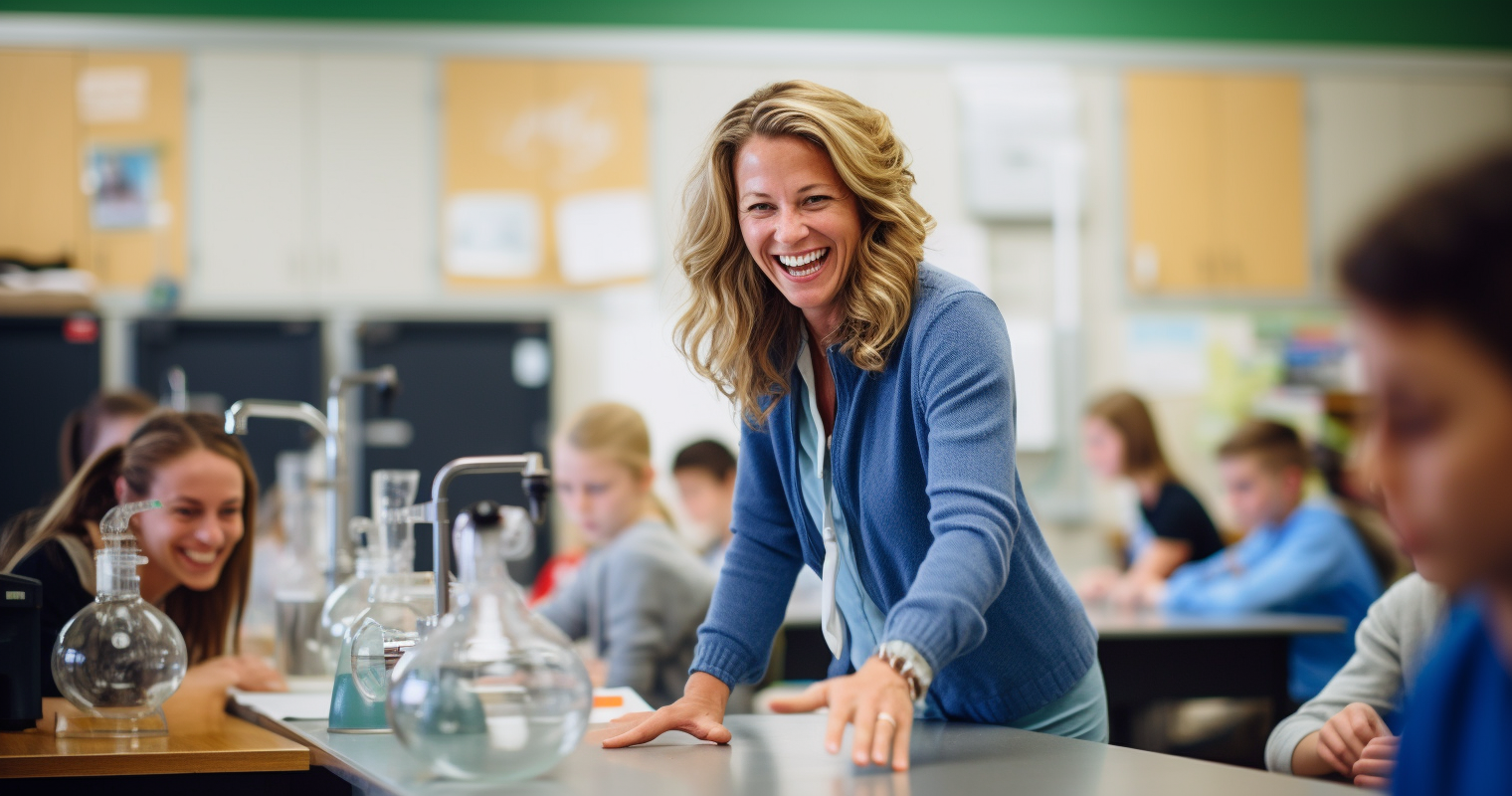
Iceland’s education system spans four levels and is funded predominantly by the state, running from early childhood care through to university. Schooling is free during the compulsory years and heavily subsidised at tertiary level. Rooted in principles of inclusion and equal opportunity, the system closely resembles those found in other Nordic nations in its overall structure. Though internationally well regarded, Iceland’s most recent PISA scores have raised concerns, especially in mathematics and reading literacy.
| Item | Details |
|---|---|
| Compulsory education ages | 6–16 (as of 2025) |
| School structure | 4 levels: pre-primary (leikskóli), compulsory (grunnskóli), upper secondary (framhaldsskóli), higher education |
| State school fees (compulsory level) | Free — tuition and textbooks at no cost (as of 2025) |
| University of Iceland annual registration fee | ISK 75,000 (plus ISK 8,000 for non-EEA citizens) (as of 2024–25) |
| International School of Iceland tuition (K–10) | Approx. USD 26,766 per year (as of 2023–24; verify directly with school) |
| School year length | 170 days, early September to end of May |
How good is the education system in Iceland?
For decades, Iceland has treated education as a cornerstone of public life. Among OECD member states, Iceland ranks among the highest when it comes to education spending as a share of GDP, placing it at the top of European comparisons. The system is guided by a deeply held egalitarian philosophy: it is a founding principle that every person should have the same opportunities to receive an education, regardless of gender, economic background, where they live, their religion, any disability, or their cultural and social origins.
When measured against international benchmarks, however, the picture is more nuanced. PISA — the OECD’s Programme for International Student Assessment, which evaluates 15-year-olds in mathematics, reading, and science — has produced worrying findings for Iceland in recent years. The 2022 PISA results showed declines across all three tested subjects compared to 2018, with mean scores in each area falling to their lowest point in any assessment to date. The rate of decline between 2018 and 2022 represented a sharp acceleration of a trend that had already been building.
Among Nordic countries, Iceland recorded the steepest fall in mathematics scores (36 points), matched only by Norway (33 points), while in reading comprehension Iceland again saw the largest drop (38 points), followed by Finland (30 points). These findings have generated considerable debate in domestic policy circles and within the Nordic Council more broadly. In response, Iceland’s government has set out a new framework: the 2030 Education Policy, backed by an action plan covering 2025–2027, organised around five strategic pillars — equity, teaching, skills for the future, well-being, and quality of education — and underpinned by the values of resilience, courage, knowledge and happiness.
One domain in which Iceland continues to excel is educational equity. In the 2022 PISA results, socio-economic background explained only 9% of the variance in mathematics performance in Iceland, well below the OECD average of 15% — indicating that family circumstances exert far less influence over a child’s outcomes in Iceland than in the majority of peer nations. Expat families considering relocating to Iceland should consult the most recent PISA data and OECD Education at a Glance reports for the latest assessment of system performance, as these publications are updated on a regular basis.
At what age is education compulsory in Iceland, and how is schooling structured by age?
Iceland’s education system is divided into four distinct stages: pre-school, compulsory schooling, upper secondary, and higher education. A clear understanding of how each phase operates is essential for expat families mapping out their children’s education.
Pre-primary (leikskóli) — ages 1 to 6: Pre-primary education is formally designated as the first tier of Iceland’s educational system and provides both care and learning for children who have not yet turned six. While attendance is optional, take-up is very high. From age one, children may attend preschool centres known as leikskóli, which operate under the overall oversight of the Ministry of Education and Children. Icelandic pre-schools adopt a holistic model, prioritising child well-being and learning through play. More than 95% of Icelandic children aged between two and three have been offered a place at a preschool in their home municipality.
Compulsory schooling (grunnskóli) — ages 6 to 16: Under Icelandic law, schooling is mandatory for all children and young people from age six to sixteen. Rather than being split across two separate institutions, compulsory education in Iceland takes place within a single unified structure — what most countries would call primary and lower secondary education are delivered under the same roof, in the same school. This differs from countries such as Ireland or Germany, where a transfer between primary and secondary schools occurs partway through. Iceland’s ten-year grunnskóli encompasses both the primary phase (approximately ages 6 to 12) and the lower secondary phase (ages 12 to 16) without any institutional break.
Upper secondary (framhaldsskóli) — typically ages 16 to 20: Upper secondary education is not legally required, but any student who has finished compulsory schooling holds an automatic right to enrol. A standard programme spans three years for students aged 16 to 19, though certain tracks extend to four years.
Higher education — age 19 onwards: The foundations of Iceland’s modern university sector date to the establishment of the University of Iceland in 1911. Entry into higher education follows completion of upper secondary school, with a range of universities and specialist institutions offering programmes across many disciplines.
What types of schools are available in Iceland?
Iceland’s school sector is dominated by publicly funded institutions, with private provision forming a very small proportion of the total. The overwhelming majority of children in Iceland attend state schools, which are entirely free during the compulsory years. This stands in contrast to countries such as the Netherlands or Belgium, where independent and faith-based schools constitute a substantial part of mainstream provision.
State (public) schools: The bulk of both compulsory and upper secondary education is delivered through state-run schools. Over time, Iceland has devolved considerable responsibility to local authorities: municipalities manage primary and lower secondary schools, while the central government retains control over upper secondary schools and universities. State schools follow the national curriculum and allocate pupils based on residential catchment zones.
Private schools: Historically, Icelandic education has been a public-sector affair; private institutions exist but remain a small and slowly expanding segment of the market. Roughly 6% of schools are private grant-aided establishments — run independently of government but partially funded through public resources. These schools typically levy fees in addition to any state support they receive.
International schools: A handful of international schools serve expat communities in Iceland, concentrated primarily in and around Reykjavík. These schools deliver instruction in languages other than Icelandic and follow internationally recognised curricula — described in greater detail in the dedicated international schools section below.
Specialist and vocational upper secondary schools: At the post-compulsory stage, students may opt for academically oriented (gymnasium-style) pathways or vocational and technical programmes according to their interests and ambitions. Across Iceland, there are 42 upper secondary schools offering this range of academic and professional tracks.
What curriculum and qualifications do schools in Iceland follow?
The Ministry of Education and Children holds responsibility for developing curriculum guidelines across pre-primary, compulsory, and upper secondary levels, as well as for issuing regulations and driving educational reform. The national curriculum sets out an overarching framework, but schools and teachers enjoy considerable discretion in deciding how that framework is put into practice — a degree of autonomy that contrasts markedly with more centralised systems such as those in France or Japan.
At the compulsory level, core subjects include Icelandic language (covering both grammar and literature), mathematics, foreign languages, natural sciences, social sciences, religious studies, arts and crafts, and physical education — with compulsory swimming practice forming a distinctive element of the Icelandic curriculum. A competency-based curriculum introduced in 2011 and 2013 identified seven fundamental pillars: health and well-being, literacy, sustainability, democracy, human rights, equality, and creativity. This framework was revised again in 2024 as part of the first implementation phase of Education Policy 2030, with some simplification of its overall structure.
Pupil assessment at the compulsory level is conducted internally and is not standardised across schools. Students receive periodic reports charting their progress, though the format varies between institutions — some schools use numerical grades while others rely on written or oral evaluations. A new national assessment framework called Matsferill is being phased in: it will require testing in the 4th, 6th, and 9th grades, with results used to identify schools in need of additional resources, and full implementation is expected by 2025/26.
Upon completing upper secondary education, students take the Icelandic matriculation examination (stúdentspróf), which functions in a similar way to the French Baccalauréat or the German Abitur — serving as a school-leaving qualification that grants the holder the right to apply to higher education. The Educational Testing Institute is the sole examination body in the country, responsible for producing and marking national assessments. Although the stúdentspróf is widely recognised across the Nordic region and in Europe more broadly, families who plan to return to another country’s educational system should confirm in advance how the qualification is regarded there. The International Baccalaureate (IB) is not widely offered in Icelandic state schools; families should check with individual schools and consult the International Baccalaureate Organisation for current availability.
What are typical school hours and holidays in Iceland?
The academic year consists of 170 days, running from early September through to the end of May, with schools operating five days a week. This calendar is broadly in line with those of Iceland’s Nordic neighbours. The school day generally begins between 8:00 and 8:30am. Younger children in the compulsory phase often finish earlier in the afternoon — typically somewhere between 2:00 and 3:30pm — while upper secondary students may have a longer day depending on their individual timetable. Precise hours differ between municipalities and individual schools, so it is always worth confirming arrangements directly with your local school.
Combined holiday entitlement in Icelandic primary schools totals 13.8 weeks per year, slightly above the OECD average of 13.5 weeks — meaning Iceland’s annual break schedule is very close to the international norm. The main holiday periods are: a long summer break from late May to late August, a Christmas and winter break of roughly two weeks, and a spring break of approximately one week around Easter. Some schools and municipalities also observe shorter autumn half-term holidays.
In terms of instructional time, students receive 729 hours of compulsory teaching annually in primary education and 839 hours in lower secondary — both figures falling short of the OECD averages of 804 and 909 hours respectively. Parents accustomed to longer school days in their home country may find the Icelandic school day relatively brief, particularly for younger children. After-school care provision, known as frístundaheimili, is widely available across municipalities and is frequently used by families in which both parents work.
How do you enrol a child in school in Iceland?
The process of registering a child in an Icelandic state school is generally uncomplicated and is administered at the municipal level. Children enter compulsory education at age six and are normally assigned to the school serving their local area. Because placement depends primarily on where you live, the neighbourhood you choose in Iceland will in most cases determine your child’s school.
- Register your address: Your first step is to ensure that your entire household is registered at your Icelandic home address in the National Registry (Þjóðskrá). Get in touch with Registers Iceland (Þjóðskrá Íslands) and complete this formality as soon as you arrive in the country.
- Contact your local municipality: Responsibility for compulsory schooling rests with the municipality (sveitarfélag) in which you reside. Reach out to the local education office (fræðsluskrifstofa) to find out which school has been allocated to your child’s address and to begin the enrolment process. In Reykjavík, this is handled through the City of Reykjavík’s education department.
- Gather required documents: The documentation you will typically need includes proof of your registered address, the child’s birth certificate, a passport or national identity document, vaccination records, and any prior school reports or academic records. Check with your specific school or municipal office to confirm exactly what is required, as this can vary.
- Arrange a meeting with the school: Most schools will request an introductory meeting with parents and the child ahead of the start of term, particularly where the child has little or no Icelandic. This is an ideal opportunity to discuss what language support the school provides and to raise any special educational needs.
- Confirm start date and practical arrangements: Agree with the school on when your child will begin attending, clarify what equipment they will need — including a swimming kit, which is a compulsory part of the curriculum — and find out what after-school care options exist.
Places in state compulsory schools are not allocated competitively — every child residing within a catchment area is entitled to a place. Pre-primary (leikskóli) places, however, can be in short supply in popular urban areas such as Reykjavík, and it is wise to join waiting lists promptly after registering your address. For private or international schools, contact the institution directly for its own admissions procedures and timelines.
For authoritative guidance, refer to the Ministry of Education and Children or your local municipality’s education office. Always confirm current documentation requirements with the relevant authority directly, as they are subject to change.
What international schools are available in Iceland?
International schooling options in Iceland are modest in number but meet a genuine need for expat communities, particularly families on temporary assignments or whose children have not yet developed sufficient Icelandic to enter mainstream state education. Available options are concentrated in the greater Reykjavík area.
The most established institution is the International School of Iceland (ISI), based in Reykjavík. ISI delivers an English-medium international education to students in the Greater Reykjavík area for a defined period of time, alongside an international bilingual programme — taught in both Icelandic and English — for students with strong Icelandic proficiency who are making Iceland their long-term home. The school admits students from kindergarten (from age five) through to grade 10. ISI is structured as a private company operating under a non-profit mission. Further details can be found at internationalschool.is.
For the 2023–2024 academic year, annual tuition fees at ISI for grades K–10 were USD 26,766, with an optional school bus service available at an additional USD 5,850. Fees are subject to annual review and are likely to have changed since this publication; always verify the current schedule directly with the school before making any decisions.
Beyond ISI, the range of international schooling in Iceland is quite restricted. Families looking for IB programmes, British curriculum schools, or American curriculum provision at secondary level may find these are not available locally and should contact schools individually or search accredited international school directories. To locate internationally accredited schools, consult the Council of International Schools (CIS) directory or the International Schools Consultancy (ISC) database. Given Iceland’s small population, the international school sector is significantly more limited than in larger European capitals, and families should investigate the options well before any planned relocation.
What higher education options are available in Iceland?
Iceland has seven accredited universities in total; six of these do not charge tuition fees, while one — Reykjavík University — does. Three of the seven are situated in the capital, two in West Iceland, and two in the north. Although compact, the sector includes institutions that have built strong international reputations in particular fields.
The country’s largest and oldest university is the University of Iceland (Háskóli Íslands), established in 1911. It offers close to 400 programmes spanning social sciences, health sciences, natural sciences, engineering, the humanities, and education, and holds a position of #582 in the QS World Rankings 2026. Students enrolled at the University of Iceland pay no tuition fees, only an annual registration fee of ISK 75,000. Those coming from outside the EEA/EFTA area are also required to pay a supplementary handling and processing charge of ISK 8,000 (as of 2024–25; consult the University of Iceland website for up-to-date figures).
Reykjavík University is the largest private institution in the country and levies tuition fees. EU/EEA undergraduate students pay ISK 305,000 per semester, while non-EU/EEA students are charged ISK 835,000 per semester. Master’s programme costs for EU/EEA students range between ISK 449,000 and ISK 1,250,000, and between ISK 980,000 and ISK 1,250,000 for non-EU/EEA students. These figures are indicative and should be verified directly with the university, as fees are reviewed each year.
Other institutions in the sector include Bifröst University (specialising in business, law, and social sciences), the Iceland University of the Arts (covering fine arts, music, design, dance, and theatre), the Agricultural University of Iceland, and the University of Akureyri in the northern part of the country. The University of Iceland delivers a number of degree programmes — including some bachelor’s courses as well as many graduate programmes — in English, making it accessible to international students who have not yet mastered Icelandic. A bachelor’s degree in Iceland typically takes three to four years of full-time study to complete.
International students are not eligible for Icelandic state student loans; however, they may be able to apply for student financing in their country of origin. Scholarships are offered by individual institutions and by Rannís (the Icelandic Centre for Research) — check with your chosen university for current opportunities. The Study in Iceland portal is a helpful first resource for prospective international students.
What should expat parents know about language of instruction in Iceland?
All teaching in Icelandic schools is conducted in Icelandic. For children who arrive with no prior knowledge of the language, the initial period can feel overwhelming — but Icelandic schools are accustomed to welcoming children from migrant and expat families, and younger children in particular tend to absorb a new language with remarkable speed, particularly through the natural exposure that comes with playground and classroom interaction.
Iceland’s National Curriculum Guidelines include specific provisions for pupils learning Icelandic as an additional language, as well as for deaf and hearing-impaired students. In practice, the level and quality of Icelandic language support (móðurmálskennsla og íslenska sem annað mál) available to newly arrived children varies from one school and municipality to the next. The government’s 2024 platform explicitly prioritises reading skills for all pupils and commits to expanded efforts to give students from migrant backgrounds a strong grounding in the Icelandic language. Parents should ask prospective schools directly what targeted support is on offer for children who arrive without Icelandic.
Children who arrive at a young age — generally under ten — typically integrate into Icelandic-medium schools with relative ease, often reaching functional fluency within one or two academic years. Older children and teenagers may find the adjustment more demanding and are likely to require more structured and sustained language support. Broader measures are being introduced to strengthen foundational literacy and expand Icelandic language programmes for children from immigrant backgrounds.
For families who would prefer their child to receive instruction in another language, the International School of Iceland provides English-medium teaching, as described above. At university level, a number of institutions — including Reykjavík University and several graduate programmes at the University of Iceland — deliver courses in English, which may be relevant for adult expats thinking about further study. Families intending to settle in Iceland for the long term should give careful thought to the significance of Icelandic language fluency for their children’s ongoing educational achievement and social integration.
What financial support or subsidies are available for education in Iceland?
At the compulsory level, both tuition and textbooks are provided free of charge to all children resident in Iceland, irrespective of nationality or immigration status. This represents one of the most substantial financial advantages for expat families: once a child is registered and enrolled in a state school, the fundamental costs of their education are met by public funds.
Pre-primary (leikskóli) education, by contrast, is not free. Places are available on a fee-paying basis, with the programme focused on the developmental and educational needs of children from age one to five. Fees differ between municipalities, and means-tested subsidies may be available through local authorities. Families should contact their local municipality directly to determine their entitlements and to find out what the prevailing fee structure looks like, as rates vary by location and are updated periodically.
Upper secondary education (framhaldsskóli) is likewise tuition-free, with state funding covering the costs of these schools. That said, as in many European countries, students may still face expenses related to study materials, travel, and extracurricular activities.
For families choosing private or international schooling, no direct government subsidy is generally available to offset fees, although grant-aided private schools do receive partial public funding, which may mean their total costs are somewhat lower than those of fully independent schools. There are no broadly available tax relief measures for private school fees in Iceland that apply specifically to expat families; for the current position, consult a local tax adviser or the Directorate of Internal Revenue (Skatturinn).
At the higher education level, the fee structure varies depending on whether an institution is state-run or privately owned; public universities do not charge tuition fees, though all students are required to pay an annual registration or administration charge. Fee schedules are reviewed each year, so it is important to check directly with individual institutions for the most current figures. The Ministry of Education and Children website is a reliable starting point for understanding the range of entitlements currently in place.
Frequently asked questions: education in Iceland for expats
Will my child need to speak Icelandic to attend a state school in Iceland?
All state schools in Iceland teach in Icelandic, so your child will need to acquire the language — but there is no expectation that they can speak it before they start. Schools have an obligation to support children who are new to Icelandic, and most children, particularly those who are younger, tend to build up the language reasonably quickly through everyday classroom and social interaction. If your child is older or you have specific concerns, it is worth speaking directly with the school before enrolment to understand what language assistance is available.
Are there waiting lists for pre-primary (leikskóli) places in Iceland?
Yes, particularly in Reykjavík and other urban centres, demand for leikskóli places frequently outstrips the number available. It is strongly advisable to put your child’s name on a waiting list as soon as your family has registered its address in Iceland. Get in touch with your local municipality’s education office to join the appropriate list. While more than 95% of Icelandic children between ages two and three have been offered a preschool place in their municipality, the waiting time for a spot to become available can span several months.
Can expat families access state schools on the same terms as Icelandic families?
Yes. Every child who is lawfully resident in Iceland between the ages of six and sixteen is entitled to attend a state compulsory school, regardless of their nationality. Tuition is free, and textbooks are provided at no cost. The essential prerequisite is that your family is formally registered at an Icelandic address in the National Registry (Þjóðskrá).
Will foreign qualifications be recognised in Iceland — for example, for university entry?
Recognition of overseas qualifications for the purposes of university admission is assessed by individual institutions and, in certain cases, by the Icelandic ENIC/NARIC centre. As a general rule, applicants holding a recognised upper secondary leaving qualification from another country are eligible to apply to Icelandic universities, though the precise requirements differ from one institution to the next. Contact your chosen university directly, and seek guidance from the relevant ministry or professional recognition body for occupationally relevant qualifications.
Is childcare available for children under 1 year old in Iceland?
Formal leikskóli places are usually available from age one, but Iceland also has a system of regulated, publicly subsidised home-based childcare (dagforeldri) for the youngest children from birth to around age two, which falls primarily under the remit of the Ministry of Social Affairs and Labour. Contact your local municipality for details on current availability and the associated costs.
Can adults who move to Iceland access higher education?
Yes. Icelandic universities welcome both international students and residents. Because most public institutions charge only an annual registration fee rather than tuition, higher education is relatively affordable from a financial standpoint. A number of programmes — especially at graduate level — are delivered in English, which is relevant for adult expats exploring further study. Mature students are a common feature of Icelandic higher education: the average age of students enrolled in upper secondary vocational programmes is notably higher in Iceland than in most comparable countries, and Iceland has one of the oldest average ages among short-cycle tertiary graduates in the entire OECD.
What is the grunnskóli, and how does it differ from primary and secondary schools elsewhere?
The grunnskóli is Iceland’s compulsory school, covering children from age six to sixteen within a single, continuous institutional structure. Unlike the approach taken in countries such as Ireland or the Netherlands — where pupils move from a separate primary school to a separate secondary school partway through their compulsory years — Icelandic children typically spend their entire ten years of compulsory education in the same school building. The pedagogical approach naturally evolves as pupils grow older: younger children tend to have one generalist class teacher, while older pupils are taught by subject specialists. The institution itself, however, remains constant throughout.
Are there scholarships available for international students at Icelandic universities?
The Icelandic Ministry of Education awards a number of scholarships annually to international students wishing to study Icelandic language, literature, and history at the University of Iceland. Rannís, the Icelandic Centre for Research, offers postgraduate funding, and the Icelandic Research Fund provides support for research students. In addition, individual universities maintain their own scholarship schemes. Check directly with your intended institution and with Rannís for details of current opportunities, as both the availability and the eligibility criteria are reviewed each year.