
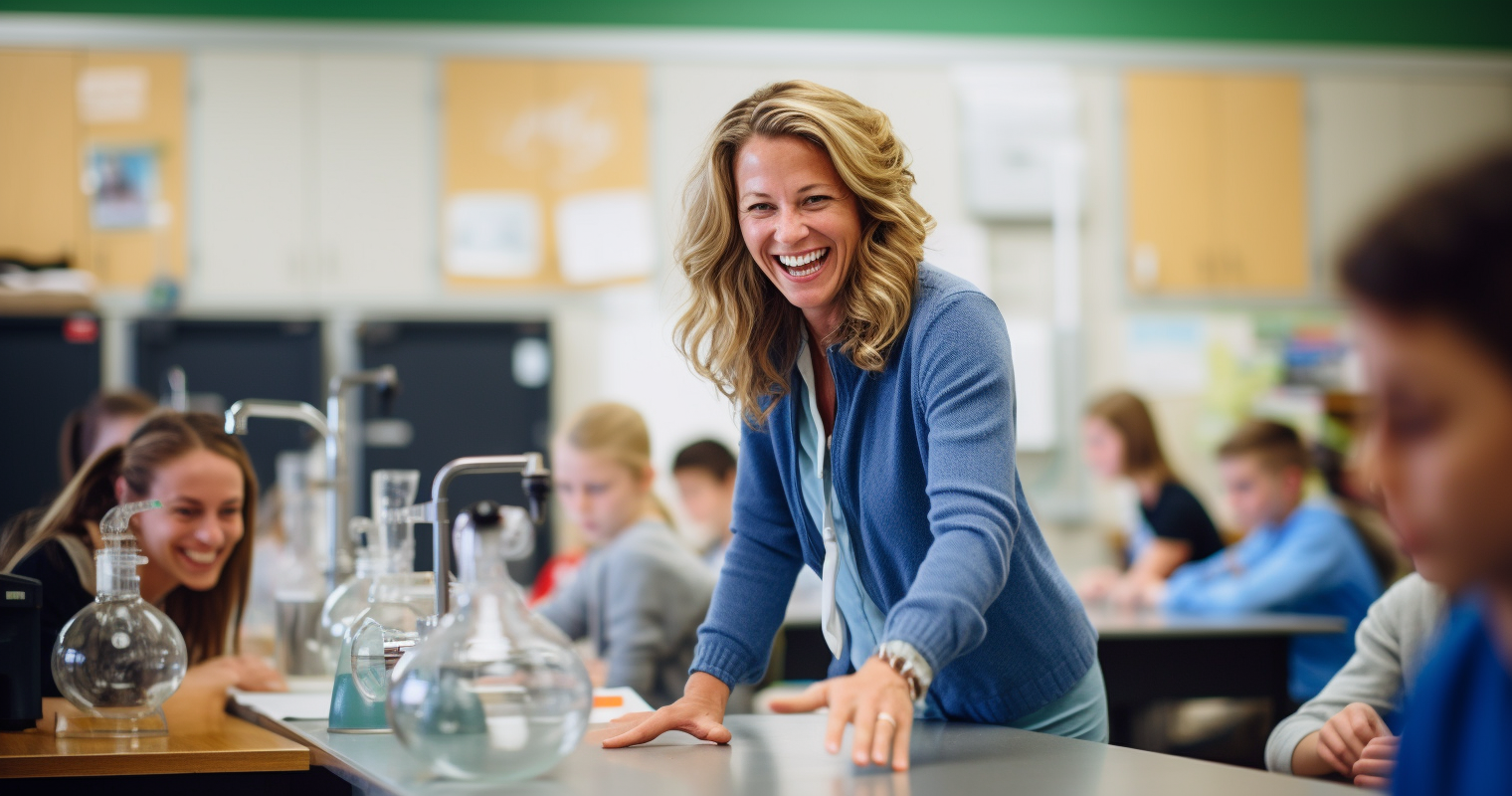
South Africa operates a nationally administered education system under the authority of the Department of Basic Education. Schooling is compulsory from age 7, and since 2024, Grade R (covering ages 5–6) has also become compulsory. The system extends from early childhood all the way through to Grade 12 and encompasses public, private, and international schools. Standards differ considerably across institutions, but expat families can find excellent options — including well-funded private and international schools — in all of South Africa’s major cities.
| Item | Details |
|---|---|
| Compulsory school ages | Ages 7–15 (Grades 1–9), with Grade R (age 5–6) now also compulsory (as of 2024) |
| School structure | Grade R (pre-primary) → Grades 1–7 (primary) → Grades 8–12 (secondary) |
| National qualification | National Senior Certificate (NSC), awarded at end of Grade 12 |
| Public school fees (fee-paying schools) | Approx. R25,000–R40,000/year for Quintile 4–5 state schools (as of 2024) |
| International school fees | Typically R80,000–R250,000+ per year depending on school and curriculum (as of 2024–2025) |
| University tuition (domestic) | Approx. R18,000–R46,000/year for domestic students (as of 2024); international students typically pay double |
| Official oversight body | Department of Basic Education (DBE) |
How good is the education system in South Africa?
South Africa’s education system ranks among the most developed on the continent, yet it is marked by profound inequality between well-resourced and under-resourced schools. As of 2025, the country’s literacy rate stood at 95% — the second highest in Africa, surpassed only by Seychelles. Despite this, international benchmarking studies consistently highlight serious learning deficits, particularly within poorly funded public schools.
In the 2019 Trends in International Mathematics and Science Study (TIMSS), South Africa placed third lowest out of 64 participating countries at primary level and second lowest out of 39 countries at secondary level. South Africa does not take part in the OECD’s PISA assessment, which makes direct comparisons with nations such as France, Germany, or Australia difficult — but TIMSS data clearly show that mainstream public school outcomes fall well short of those seen in most high-income countries. Families are encouraged to consult the Department of Basic Education and the OECD Education GPS for the most up-to-date assessments.
South Africa devotes 6.9% of GDP to education — the highest proportion among countries featured in OECD data and well above the OECD average of 4.7%. This reflects a significant national commitment to the sector, yet outcomes remain uneven. Entrenched social inequality continues to undermine the quality of the public school system, especially in communities where families lack the means to supplement state funding through school fees.
Where parents can afford higher fees, schools are generally better equipped — benefiting from superior infrastructure, more qualified teachers, smaller classes, and stronger overall results. For expat families, this creates an enormously wide spectrum of schooling experiences in South Africa: from severely under-resourced rural public schools at one end, to internationally accredited private institutions that would hold their own against top schools anywhere in the world at the other.
A World Bank report published in February 2025 concluded that improving learning quality in the early years of basic education could serve as a powerful driver of inclusive growth in South Africa. The government has identified early childhood development and the foundation phase as strategic priorities, indicating an active intent to narrow the quality gap over time.
At what ages is education compulsory in South Africa?
Under the South African Schools Act of 1996, attendance at school is compulsory for all children between the ages of 7 and 15, encompassing Grades 1 through 9. Parents and guardians bear the legal responsibility of ensuring that children within this age range are enrolled and attend school on a regular basis.
The pre-primary Reception Year — known as Grade R — is now also compulsory, designed to ready young children for formal primary schooling. When mandatory education was extended in 2024, the government did not accompany this expansion with increased funding, meaning public schools have been expected to accommodate additional learners within their existing budgets — a policy that has attracted considerable controversy.
Schooling beyond Grade 9 (Grades 10–12, ages 15–18) is not a legal requirement, though continuation is broadly encouraged. This upper secondary phase, also referred to as Further Education and Training (FET), culminates in Grade 12 and remains voluntary. The compulsory schooling requirement applies to all children present in South Africa, including those of expats and foreign nationals, irrespective of visa status. Families should verify current obligations directly with the Department of Basic Education or their relevant provincial education department, as policy may be updated.
South Africa’s nine provinces each maintain their own education departments, which are responsible for implementing national policy at a local level. While the compulsory age range is set nationally, provincial departments manage registration and compliance, so contacting your local provincial office when planning your child’s schooling is a practical first step.
What types of schools are available in South Africa, and how is education structured by age?
The Department of Basic Education (DBE) has responsibility for public schools, private schools (referred to by the department as independent schools), early childhood development (ECD) centres, and special needs schools. Together, public and private schools are classified as ordinary schools, which account for roughly 97% of all schools in South Africa.
Schooling is structured from early childhood through to Grade 12 and is divided into the following phases:
- Early Childhood Development (ECD) / Grade 000 and Grade 00: Pre-school provision serving children from birth to around age 5. Grades 000 and 00 can be completed at a pre-school centre, though the use of these designations is not universal across all facilities.
- Foundation Phase (Grades R–3, ages 5–9): This phase includes Grade R — the “reception” year — which is compulsory. Not every primary school offers Grade R; it may also be completed at a recognised pre-school facility.
- Intermediate Phase (Grades 4–6, ages 10–12): Students build on foundational literacy and numeracy, with the curriculum expanding to include natural sciences, social sciences, and creative arts.
- Senior Phase (Grades 7–9, ages 13–15): The concluding stage of compulsory education, during which students study a broader range of subjects in preparation for the Further Education and Training phase.
- Further Education and Training (FET) / Grades 10–12, ages 16–18: At the beginning of Grade 10, students choose between an academic (general) track and a technical track. Those selecting the technical pathway must enrol at a technical secondary school.
Basic education in South Africa comprises four phases across twelve years of primary and secondary schooling. There is no intermediate tier comparable to middle school in the United States, intermediate school as in New Zealand, or collège as in France. Unlike the German Gymnasium model, which places students onto separate academic or vocational tracks from around age 10, South Africa keeps all learners in a shared general school environment until Grade 10.
The Department of Higher Education and Training (DHET) governs Technical and Vocational Education and Training (TVET) colleges — formerly known as FET colleges — as well as adult basic education and training (ABET) centres and higher education institutions. TVET colleges provide an alternative route for students who do not proceed through the traditional Grade 12 academic pathway.
What curriculum and qualifications do schools in South Africa follow?
All public schools are required to deliver the nationally prescribed Curriculum and Assessment Policy Statement (CAPS), which is the current version of the national curriculum established by the Department of Basic Education. CAPS specifies what must be taught at each grade level across every subject and applies uniformly to every public school in the country.
Whether following the academic (general) or technical route, all students must study seven subjects. Four of these are compulsory for every learner, regardless of their chosen stream: two official languages, mathematics, and life orientation. The remaining three subjects are chosen as electives by the student.
The principal national qualification awarded upon completing schooling is the National Senior Certificate (NSC), conferred at the end of Grade 12. Students seeking university entry require a “Matriculation Endorsement”, though individual universities may impose additional academic criteria. The total number of full-time candidates sitting the NSC examinations rose from 691,160 in 2023 to 705,291 in 2024.
The NSC is recognised by South African universities and is broadly accepted for admission purposes by many institutions in other countries, though requirements differ by university and destination. Families intending to return home after schooling in South Africa should confirm in advance how the NSC is regarded by universities in their home country. The broader higher education qualification framework is administered by the South African Qualifications Authority (SAQA) under the National Qualifications Framework (NQF).
Private and independent schools may choose to deliver the national CAPS curriculum or adopt alternative frameworks such as the International Baccalaureate (IB), Cambridge International (IGCSE and A-Levels), or an American curriculum. International schools almost universally follow non-CAPS curricula intended for globally mobile learners. Always confirm directly with a school which curriculum and qualifications it offers.
What are typical school hours, term dates, and holidays in South Africa?
The South African academic year is divided into four terms, running from mid-January through to early December. This Southern Hemisphere pattern is quite distinct from the September-to-July calendar common in many Northern Hemisphere countries, including the UK, France, and Germany. Families arriving from the Northern Hemisphere should factor this timing difference into their relocation planning and when considering mid-year enrolments.
The four terms generally follow this structure:
- Term 1: Mid-January to late March
- Term 2: April to late June
- Term 3: July to late September
- Term 4: October to early December
Holidays fall between each term. The longest break is the summer holiday spanning December and January, lasting approximately six weeks. The inter-term breaks between the other terms are shorter, typically running for two to three weeks each. Precise dates are published annually by each provincial education department and may differ slightly from province to province. National public holidays — including Heritage Day (24 September), Workers’ Day (1 May), and Youth Day (16 June) — are observed across the country and are incorporated into the school calendar.
Primary school pupils typically attend from approximately 07:30 until 13:30 or 14:00, while secondary school hours often extend slightly later, with many schools finishing between 14:00 and 15:00. The intermediate and senior phases each require 27.5 classroom hours per week. Most schools also offer extracurricular activities — sport, arts, and various clubs — after formal lessons conclude, which can lengthen the school day considerably. International schools may operate on different timetables aligned with their particular curriculum.
How do you enrol a child in school in South Africa?
Parents may choose to enrol their child at either a public school or an independent school. Public schools are managed by the state, while independent schools are privately governed. All independent schools must be registered with the relevant Provincial Education Department.
The enrolment process differs somewhat between public and private schools, but the general procedure is as follows:
- Research schools in your area: Before proceeding with any registration or payment, verify with the Provincial Education Department that your preferred school holds the necessary registration. For public schools, catchment zones typically apply, so you may need to live within a defined geographic area to be eligible for admission.
- Gather required documents: Documents commonly required include the child’s birth certificate, a certified copy of the parent or guardian’s identity document or passport, proof of current address (such as a utility bill or lease agreement), the child’s most recent school report or academic records from their previous school, immunisation records, and evidence of the child’s immigration status where applicable.
- Submit an application to the school: Public schools typically open their admissions process for the following academic year between July and September. Private and international schools generally manage their own rolling admissions calendars, though sought-after schools may operate waiting lists — submitting an application as early as possible is advisable.
- Await confirmation of placement: Public schools will inform parents whether a place can be offered. Where a place is declined, parents have the right to refer the matter to the Provincial Head of Department.
- Complete registration formalities: Once a place is confirmed, parents will generally be asked to sign enrolment forms, pay any applicable registration fee, and clarify requirements regarding uniforms and learning materials.
- Prepare for language of instruction: If you are considering an Afrikaans-medium or another language-medium public school, establish the school’s language policy before applying. English-medium schools are plentiful and widely accessible, especially in cities.
Expat families should be aware that competition for places at well-regarded fee-paying public schools (Quintile 4 and 5) and popular independent schools — especially in Gauteng, Cape Town, and Durban — can be intense. Beginning your search well ahead of your planned arrival is strongly recommended. As requirements and timelines are subject to change, always confirm current procedures directly with the school or the relevant provincial education department. The Department of Basic Education’s website provides guidance on admissions policy.
What international schools are available in South Africa?
South Africa has an expanding international school sector, with the greatest concentration of schools found in Johannesburg, Pretoria, Cape Town, and Durban. These schools are designed specifically to serve expatriate and globally mobile families, offering internationally recognised curricula that ease transitions between countries and educational systems.
The main curricula on offer at international schools in South Africa include:
- International Baccalaureate (IB): Available at Primary Years Programme (PYP), Middle Years Programme (MYP), and Diploma Programme (DP) levels. The IB Diploma enjoys wide recognition by universities across the globe.
- Cambridge International (IGCSE and A-Levels): Provided by a number of schools, this curriculum carries global recognition and is particularly valued for university admission in many countries.
- American curriculum: A smaller number of schools deliver the US-aligned curriculum, typically leading to an American High School Diploma or Advanced Placement (AP) courses.
Among the well-established international schools operating in South Africa are:
- Crawford International Schools — a nationwide network with campuses throughout South Africa, offering a combination of South African and international curricula: crawfordschools.co.za
- The American International School of Johannesburg (AISJ) — delivering the American curriculum alongside IB programmes: aisj-jhb.com
- Reddam House — independent schools offering both Cambridge and South African curricula, with campuses in Gauteng and the Western Cape: reddamhouse.com
- Lycée Jules Verne (French School, Johannesburg) — following the French national curriculum and accredited by the French Ministry of Education: lyceejulesverne.co.za
- Deutsche Schule Johannesburg — providing the German curriculum for families relocating from German-speaking countries: dsj.co.za
Fees at international schools vary considerably. As a general guide (as of 2024–2025), annual tuition at South African international schools typically falls in the range of approximately R80,000 to R250,000 or more per year, depending on the school, the grade level, and the curriculum offered. These figures are indicative only — always consult individual schools directly for their current fee schedules, as these are revised annually. A useful starting point for locating accredited independent and international schools is the Independent Schools Association of Southern Africa (ISASA), which represents many of the country’s leading private and international schools.
What are the options for higher education in South Africa?
South Africa’s higher education sector is lively and well-developed, with more than a million students enrolled across the country’s universities, universities of technology, and colleges. There are over 20 public universities in South Africa, and tuition fees differ according to institutional policy, the nature and duration of the programme, and the student’s nationality.
The higher education system follows the internationally familiar bachelor’s–master’s–doctoral (BMD) structure. Most bachelor’s degrees require three to four years of study, while professional programmes such as medicine and law are typically longer. Master’s programmes generally last one to two years, and doctoral programmes three to four years. All universities operate autonomously, answering to their own governing councils rather than directly to the government.
A number of South African universities enjoy strong international reputations and appear regularly in global rankings. The University of Cape Town (UCT), the University of the Witwatersrand (Wits), Stellenbosch University, and the University of Pretoria are consistently recognised for their research output and academic standing, particularly in areas such as medicine, engineering, law, and the humanities. For the most current comparative rankings, refer to the QS World University Rankings or the Times Higher Education World University Rankings.
At the University of the Witwatersrand, international students are charged double the rate applicable to local students; for bachelor’s degrees, local students typically pay between 1,500–3,850 EUR per programme. For master’s degrees, international students likewise pay double the local rate, with local students paying approximately 720–12,800 EUR per programme. These figures are indicative as of 2024–2025 and vary by institution and subject area — check individual university websites for current information.
The DHET also oversees Technical and Vocational Education and Training (TVET) colleges and adult basic education and training (ABET) centres, which provide alternative post-school pathways for students who choose not to pursue the conventional university route. Most universities conduct teaching primarily in English, though Afrikaans-medium instruction remains available at institutions such as Stellenbosch University. The Department of Higher Education and Training (DHET) website is the authoritative source for current information on universities, admissions requirements, and funding.
What should expat families know about education costs in South Africa?
The cost of schooling in South Africa spans an exceptionally broad range depending on the type of institution chosen. A thorough understanding of the fee structure — including costs beyond the headline tuition figure — is essential for family financial planning.
Public schools: Unlike in most countries, many South African public schools charge tuition fees. A limited number of no-fee schools were introduced from 2007 onwards. Annual fees at a Quintile 4 or 5 state school can range from R25,000 to R40,000 (as of 2024), making these schools considerably more affordable than independent schools, though still beyond the reach of many families. Quintile 1–3 schools — those serving the lowest-income communities — are designated as no-fee schools. The quintile system runs from Quintile 1 for schools in the most disadvantaged areas to Quintile 5 for those in the most affluent communities.
Private and independent schools: Fees at South Africa’s independent schools vary substantially. The Independent Schools Association of Southern Africa (ISASA) represents many of these institutions. Annual tuition can range from approximately R40,000 to R150,000 or more, depending on the school’s location, facilities, and reputation.
International schools: As noted above, annual fees at international schools typically range from R80,000 to R250,000 or more (as of 2024–2025). Always confirm fees directly with schools, as these are subject to revision each year.
Additional costs: Published fee figures generally cover tuition only and may not include extras such as uniforms, textbooks, extramural activities, school excursions, or technology levies. School uniforms are standard at the great majority of South African schools — both public and private — and can add several thousand rand to annual outgoings. Extracurricular activities, particularly sport, play a prominent role in South African school culture and may carry separate fees. Registration fees are also commonly charged at the time of initial enrolment. Always ask schools for a comprehensive breakdown of all anticipated costs before making a commitment.
Are there any language considerations or support available for expat children in South Africa?
South Africa recognises 11 official languages, giving its educational landscape a linguistic complexity that is virtually unique among the world’s school systems. The languages most widely used as the medium of instruction are English and Afrikaans, while indigenous languages such as Zulu, Xhosa, Sotho, and Tswana serve as the medium of instruction in many community schools, particularly during the Foundation Phase (Grades R–3).
For expat children, English-medium schooling represents the most accessible route and is readily available across major urban centres including Johannesburg, Pretoria, Cape Town, and Durban. Most private, independent, and international schools teach in English, and a substantial proportion of public schools — especially urban Quintile 4 and 5 institutions — also use English as the primary teaching language from the early grades.
Afrikaans-medium public schools are particularly prevalent in the Western Cape, parts of Gauteng, and the Northern Cape. These schools conduct teaching in Afrikaans, and children who have no proficiency in the language may encounter significant difficulties. Expat families should always verify the medium of instruction before submitting an application.
Unlike certain national systems — such as France’s formal CASNAV support network for newly arrived pupils, or Germany’s Seiteneinstieg classes for children without German — South Africa does not have a standardised, nationally operated language support programme for children arriving without English or Afrikaans. The level of support for non-first-language learners depends on the individual school. Many private and international schools have considerable experience welcoming children from internationally mobile families and may be able to offer in-school English language support or transitional assistance. It is always worthwhile asking prospective schools directly what provision they can make for a child arriving from a non-English-speaking background.
During the FET phase (Grades 10–12), all students — whether on the academic or technical track — must study seven subjects, among them two official languages. Language choice and language proficiency therefore remain relevant throughout a child’s entire South African school career. Expat families planning a stay of several years should give early thought to which languages their child will study and how they will develop the necessary fluency.
Frequently Asked Questions
Are foreign school qualifications or reports recognised when enrolling in a South African school?
The majority of South African schools — both public and private — will accept recent school reports or transcripts from a child’s previous school as a basis for determining appropriate grade placement. No formal foreign credential evaluation is required for enrolment at school level. However, where a student seeks university entry using non-South African qualifications, the South African Qualifications Authority (SAQA) may be required to assess the foreign certificates. Always confirm requirements directly with the relevant institution.
How do I find a good school in a specific city such as Johannesburg, Cape Town, or Durban?
The Independent Schools Association of Southern Africa (ISASA) directory is a useful starting point for locating private and independent schools, while the relevant provincial education department can supply lists of public schools. Expatriate community networks, employer relocation support services, and international school directories also provide practical peer recommendations. Where at all possible, visiting schools in person before making a final decision is strongly encouraged.
Does my child need to speak English or Afrikaans to attend a public school in South Africa?
No formal language test is a prerequisite for admission to a public school. However, the medium of instruction will have a direct bearing on how effectively your child is able to learn. English-medium public schools are widely available in urban areas and represent the most practical choice for expat children who are not Afrikaans speakers. Schools that teach in Afrikaans will expect a reasonable degree of proficiency in that language. Establishing the school’s language of instruction before applying is essential.
How long does it take to secure a school place in South Africa?
The timeline varies substantially. For well-regarded public schools, applications for the following academic year typically open between July and September, with places confirmed before the year ends. In high-demand areas such as Johannesburg and Cape Town, schools can be heavily oversubscribed, making early applications — ideally several months before your planned move — strongly advisable. Private and international schools may accept rolling applications but can also have waiting lists for specific year groups. Get in touch with schools as soon as your relocation is confirmed.
What happens if my family moves mid-year? Can my child join a school partway through a term?
Mid-year enrolment is possible at both public and private schools in South Africa, provided places are available. The four-term academic calendar creates natural transition points at the end of late March, late June, and late September, which are generally less disruptive times to change schools. Schools will usually rely on previous school reports to gauge your child’s academic level, and some may conduct their own placement assessment. International schools are typically the best equipped to handle mid-year arrivals from relocating families.
Is the South African National Senior Certificate (NSC) accepted by universities in other countries?
The NSC is the official school-leaving qualification in South Africa and is recognised by many universities internationally, particularly in the UK, Australia, and other Commonwealth nations. Entry requirements vary by institution — specific subject combinations or minimum grade thresholds may be stipulated. If your child intends to pursue university study abroad after completing Grade 12 in South Africa, contact the target universities or their admissions offices well ahead of application deadlines to confirm acceptance criteria.
Are there any scholarships or bursaries available for expat children in South Africa?
Scholarships and bursaries at private and international schools are predominantly reserved for South African citizens, with a particular focus on learners from disadvantaged backgrounds. Expat children are generally ineligible for government-funded bursary schemes. Some schools offer merit-based scholarships open to applicants regardless of nationality — enquire directly with individual schools for details. At university level, international students may qualify for certain merit-based institutional bursaries; contact the financial aid office at the relevant university for current information.
What is the school system like for children with special educational needs?
The Department of Basic Education is responsible for special needs schools as part of its broader mandate. South Africa maintains a network of public special schools, and inclusive education is an articulated government objective. The extent of learning support available at private and international schools varies considerably from one institution to the next. The number of learners with special educational needs sitting the NSC examinations grew from 5,288 in 2023 to 6,470 in 2024, reflecting an increasing integration of these learners into the mainstream examination system. Expat families with children who have additional learning requirements should discuss the specific support available directly with any prospective school, as provision differs markedly between institutions.