
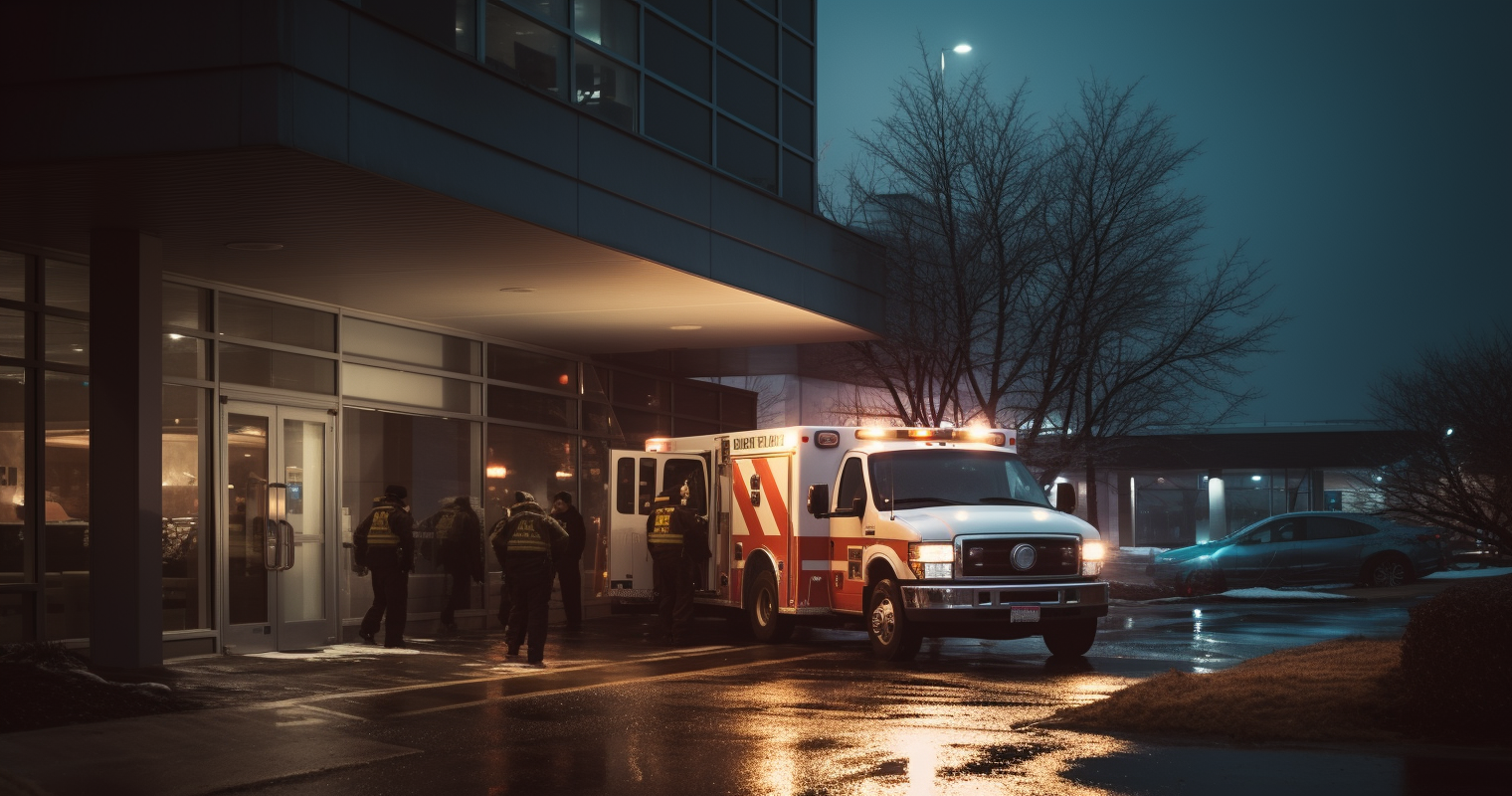
Bulgaria uses 112 as its single emergency number, connecting callers to police, fire, and ambulance services at no charge from any telephone. Each service also has its own direct-dial number. Anyone facing a life-threatening situation will receive emergency treatment regardless of nationality or insurance status, though non-urgent care and subsequent treatment may result in a bill. EU and EEA residents holding a valid EHIC are treated on the same basis as Bulgarian nationals; everyone else is strongly urged to carry adequate travel or health insurance.
| Item | Details |
|---|---|
| Single emergency number | 112 (free, from any phone, 24/7) — as of 2025 |
| Direct ambulance number | 150 — as of 2025 |
| Direct police number | 166 — as of 2025 |
| Direct fire brigade number | 160 — as of 2025 |
| Emergency care cost (life-threatening) | Free for all patients regardless of nationality or insurance — as of 2025 |
| EHIC outpatient co-payment | BGN 2.90 per consultation; daily hospitalisation fee BGN 5.80 (max 10 days/year) — as of 2024; verify with the NHIF |
What is the single emergency number in Bulgaria?
Dialling 112 in Bulgaria puts you through to the emergency services. The operator will ask which service you need — ambulance, fire brigade, or police — and connect you accordingly. This is the standard pan-European emergency number, functioning in the same way as 911 in the United States or 999 in the United Kingdom: a single point of entry for all categories of emergency.
The number 112 works from any telephone — landline, payphone, or mobile — anywhere in Europe, and calls are entirely free. One particularly important feature is that 112 can be dialled even when your mobile device is outside its own network’s coverage. As of 2025, operators are able to communicate in English and French in addition to Bulgarian as a minimum — always confirm the latest language capabilities with the relevant emergency authority.
Bulgaria also maintains dedicated national emergency numbers alongside 112: 150 for the ambulance service, 166 for police, and 160 for the fire brigade. Traffic police can be contacted on 165. These numbers connect to the same services and may be useful if 112 is experiencing high call volumes, though 112 remains the recommended first point of contact in most emergencies.
Mountain rescue can be reached on 02 963 2000. Those planning to visit Bulgaria’s popular ski resorts — such as Bansko or Borovets — or hike in its mountain ranges should save this number separately, since mountain rescue operates as a distinct service. Statutory health insurance does not cover mountain rescue operations in Bulgaria; anyone venturing into mountainous terrain should obtain dedicated mountain accident insurance beforehand, or face full personal liability for any rescue costs.
How do you call for emergency medical assistance in Bulgaria?
To summon an ambulance, call 112. Under Bulgarian law, the state ambulance service is provided free of charge. When the call connects, remain calm and be prepared to give your full name, a clear description of what has happened, and — critically — your exact location, including a street address or a recognisable nearby landmark. Emergency operators are trained to assess the severity of calls and deploy the most appropriate response.
Charges for ambulance services only apply if you contact a private ambulance provider, for instance through a private hospital or clinic that operates its own transport. To ensure you are using the free state service, always call 112 or the direct ambulance number 150. If you call a private hospital’s own emergency line, costs may arise — confirm this before asking them to send a vehicle.
Medical personnel in larger Bulgarian cities are more likely to have some command of a foreign language, but this cannot be relied upon in rural or remote areas. If communication is difficult, stay connected to the operator for as long as possible; some operators can arrange interpreter assistance. Keeping your home or current address written out in Bulgarian on your phone or on a card can prove invaluable when every second counts.
When paramedics arrive, they will assess your condition on the spot and transport you to the nearest suitable hospital emergency department. You may also travel independently to a hospital emergency unit after an accident, though be prepared for potentially lengthy waits before being seen.
What should you do in a mental health crisis in Bulgaria?
Bulgaria does not currently have a nationally recognised, dedicated telephone crisis line for mental health emergencies comparable to those operating in some other countries. If there is an immediate risk to life during a mental health episode, the right course of action is to call 112 and request an ambulance or police attendance as the situation demands. Check with the Bulgarian Ministry of Health or a local healthcare provider for the most current information, as support services in this area are evolving.
Psychiatric care falls within the remit of the country’s emergency medical centres, which means that hospital emergency departments are equipped to manage acute mental health crises. You can present in person to the emergency unit (Спешно отделение — Speshna pomosht) of your nearest hospital, where staff will carry out an assessment and arrange appropriate care, potentially including transfer to a psychiatric facility.
Expats dealing with mental health difficulties who are not in an acute crisis should consider contacting their country’s embassy or consulate in Bulgaria for referrals to practitioners who speak their language. Many international health insurance policies include access to psychologists or mental health professionals via teleconsultation — review your policy details before you need this service. Travel health resources such as TravelHealthPro and most government foreign ministry websites offer guidance on mental health while abroad; consult your own government’s travel advice pages for Bulgaria for country-specific information.
Where can you go for emergency medical treatment in Bulgaria?
Bulgaria’s healthcare system is divided into two main sectors — public and private — each with different access routes and cost implications. Public hospitals are legally obliged to operate emergency departments that must accept all patients; private hospitals and clinics may also provide urgent care but will generally expect upfront payment or confirmation of insurance cover before proceeding.
The public hospital network has suffered from prolonged underinvestment, leaving many facilities overcrowded and in need of modernisation. Sofia, Plovdiv, Varna, and Burgas are home to the country’s best-resourced public hospitals. Outside these urban centres, facilities can be considerably more limited, and cases requiring specialist input may necessitate transfer to a larger hospital. Access to healthcare services in rural Bulgaria is noticeably more restricted than in the major towns.
Bulgaria’s private healthcare sector is significantly better equipped and more efficient than the public system, and because costs remain relatively modest compared with many neighbouring countries, Bulgaria has established itself as a medical tourism destination. For urgent but non-life-threatening conditions, private clinics in major cities typically offer faster service and more modern infrastructure — though all costs are usually settled directly or reclaimed through insurance.
To locate your nearest hospital or emergency facility:
- Call 112 and the operator will direct you to the most appropriate facility for your situation.
- Ask your GP, landlord, or local contacts in advance for the address of the nearest hospital (болница — bolnitsa).
- The Bulgarian National Health Insurance Fund (NHIF) maintains a searchable online register of all contracted healthcare providers.
- The UK’s FCDO publishes a list of medical providers in Bulgaria where some staff speak foreign languages — embassies of other countries in Sofia may maintain similar lists.
Is emergency medical treatment free in Bulgaria?
Treatment for life-threatening emergencies is provided free of charge in Bulgaria. Every hospital is legally required to treat any patient who arrives in a critical condition, regardless of their nationality, insurance status, or financial means. This protection is universal — but its scope has important limits that patients should understand in advance.
While emergency rooms are obliged to treat every patient under Bulgarian law, this free provision applies specifically to life-threatening situations. For conditions assessed as urgent but not immediately life-threatening, charges may apply — for ambulance transport as well as treatment. You may also receive a bill after your hospital stay even if you entered through the emergency department. The distinction between “life-threatening” and “non-life-threatening” can be consequential in practice.
Residents registered with Bulgaria’s National Health Insurance Fund (NHIF) have most inpatient care covered at NHIF-contracted public hospitals. The mandatory health insurance contribution stands at 8% of income as of 2024 — confirm current rates with the NHIF or the National Revenue Agency. For EU and EEA visitors presenting a valid EHIC, a consultation fee of BGN 2.90 applies per outpatient visit and is non-refundable. For hospital stays, a standard daily charge of BGN 5.80 applies, capped at 10 days per calendar year — check the NHIF website for the most current figures, as these are subject to revision.
Nationals of countries outside the EU, EEA, and Switzerland are liable for the full cost of any medical care received in Bulgaria. Where a patient holds valid health insurance, the insurer bears responsibility for reimbursing those costs, in whole or in part, according to the terms of the policy.
Do expats in Bulgaria need travel or health insurance?
Expats who take up residency and enter employment in Bulgaria typically pay social security contributions that establish their entitlement to NHIF cover. Temporary visitors, by contrast, have no automatic insurance protection and should carry travel or health insurance to cover any medical needs. The bottom line is straightforward: if you are not enrolled in the NHIF and you are not an EU, EEA, or Swiss national with a valid EHIC, comprehensive health insurance should be treated as a necessity rather than an optional extra.
For foreign nationals applying for a Bulgarian residence permit, mandatory medical insurance must cover medical treatment and hospitalisation, emergency medical care, and both outpatient and inpatient care. The minimum insured amount is 60,000 leva, and policies must run for no less than 90 days and no more than one year. Verify the current minimum requirements with the Bulgarian immigration authorities, as these thresholds are reviewed periodically.
From 1 July 2025, updated regulations require holders of a Single Permit for Work and Residence to participate in the Compulsory Health Insurance (CHI) system — not merely to be eligible, but to be actively enrolled. If you hold or are applying for such a permit, familiarise yourself with these obligations. Until NHIF registration is secured, expats are advised to hold private international health insurance that bridges any gaps, enables access to private care, and includes medical repatriation and evacuation cover if required.
Arriving at a Bulgarian hospital without insurance and without funds will still result in emergency stabilisation under Bulgarian law. However, a substantial bill may follow, and failure to settle it can have legal repercussions. Having the right coverage in place before you need it is far preferable to dealing with the consequences afterwards.
Are there bilateral health agreements covering Bulgaria?
As a full European Union member state, Bulgaria participates in the EU’s social security coordination framework, including the European Health Insurance Card (EHIC) scheme. EU and EEA residents can use their EHIC in Bulgaria to access medical treatment at public hospitals that hold contracts with the Bulgarian National Health Insurance Fund (NHIF). This reflects the reciprocal arrangements established under EU Regulation 883/2004, under which citizens insured in one member state can receive necessary healthcare in another on equal terms with that country’s own insured population.
Following the UK’s departure from the EU, a UK Global Health Insurance Card (GHIC) or an existing EHIC can be used to access medically necessary state healthcare in Bulgaria. This arrangement means UK nationals visiting Bulgaria on a temporary basis are broadly entitled to the same state healthcare access as EU citizens — though neither card replaces travel insurance or covers all associated costs. Always check current arrangements with the UK’s Foreign, Commonwealth & Development Office.
Several countries hold specific bilateral social security agreements with Bulgaria that may entitle their nationals to certain healthcare rights. Some such agreements extend free medical care to diplomatic representatives, while others operate under different terms. If your country of origin has concluded a bilateral arrangement with Bulgaria, contact your national social security authority or your country’s embassy in Sofia to clarify what you are entitled to. Nationals of countries outside the EU, EEA, and Switzerland that have no such bilateral agreement in place must cover the full cost of any non-emergency care received.
For nationals of countries in Asia, the Americas, Africa, or other regions without a specific bilateral arrangement with Bulgaria, the working assumption should be that all non-emergency medical costs will need to be paid in full. Comprehensive travel health insurance is strongly recommended before departure.
How does Bulgaria’s emergency healthcare system compare to others?
Bulgaria operates a mixed public-private healthcare model administered through the National Health Insurance Fund. In theory it provides universal coverage for all residents, but in practice it is marked by infrastructure gaps, uneven quality, and pronounced disparities between cities and rural areas. Unlike a purely tax-funded national health service — where care is generally free at the point of use — Bulgaria’s system is built on mandatory insurance contributions and retains co-payments for many services.
Some public hospitals continue to contend with funding shortfalls and ageing infrastructure, and regional imbalances in capacity persist, even as investment initiatives — including digitisation projects and telemedicine legislation introduced in 2024 — seek to raise standards. Expats accustomed to healthcare systems with greater levels of investment may find that the practical reality of using a Bulgarian public emergency department falls short of their expectations. Waiting times, especially at urban hospitals during out-of-hours periods, can be considerable.
Poor facilities, staff shortages, and inadequate funding characterise much of the Bulgarian public sector, which is why most expats choose to use the more capable and responsive private healthcare sector instead. This mirrors the situation in a number of other Central and Eastern European countries, where a functioning public system runs alongside a private sector offering faster access and better-equipped facilities — but at direct cost to the patient. Most expats find it worthwhile to budget for private health insurance on top of any mandatory NHIF contributions.
What emergency services exist beyond medical — how do police and fire work?
Bulgaria’s national emergency numbers, consistent across all major cities, are: 150 for the ambulance service, 160 for the fire brigade, 166 for police, and 165 for traffic police (KAT). All of these services can also be reached by calling the single number 112, which routes you to the appropriate service after a brief question from the operator. Emergency calls are free and recorded.
The Bulgarian National Police (Национална полиция) operates under the Ministry of Interior. For crimes that do not constitute an active emergency — such as a theft you discover after returning home — the appropriate course of action is to attend your nearest police station (районно управление) to file a report. It is worth noting that Bulgarian law requires individuals to carry valid identification at all times; always have your passport, residence card, or other recognised ID on your person when out and about.
The Bulgarian Fire Safety and Civil Protection Directorate is responsible for responding to fire emergencies and also plays a leading role in rescue operations during natural disasters and major incidents. The 112 number covers any life-threatening situation — serious medical events, road accidents, fires, unconscious persons, cardiac symptoms, and seizures all fall within its remit. Fire services attend structural and vehicle fires and provide support at significant road traffic collisions.
A practical note for expats: language can become an obstacle in direct dealings with police or fire services, particularly in smaller communities. Storing your embassy’s emergency contact number alongside 112 in your phone is a sensible precaution, as embassy staff can sometimes assist with translation during urgent situations. The 112 line supports communication in Bulgarian, English, French, and German.
Are there country-specific emergency risks in Bulgaria?
A number of hazards are specific to Bulgaria, or are more pronounced there than in many other countries. Expats — particularly those living outside major cities or engaging in outdoor pursuits — should familiarise themselves with these risks before they need to respond to one.
- Seismic activity: Bulgaria lies within a seismically active region. Earthquakes occur from time to time; while large-scale events are relatively rare, minor tremors are not uncommon. Learn basic earthquake safety principles and consider whether your accommodation meets contemporary building safety standards.
- Severe winter weather: Winters in Bulgaria can be harsh, particularly in mountainous zones and inland areas. Heavy snow can block roads, disrupt transport links, and cause power cuts. Mountain regions carry an avalanche risk following heavy snowfall, and altitude sickness is a consideration in higher terrain.
- Flooding: Melting snow in spring and heavy rainfall in summer can trigger flash floods, especially in river valleys and low-lying ground. Keep an eye on local weather forecasts and follow any official warnings promptly.
- Wildlife and disease risks: Stray dogs are widespread and can pose a danger, especially in groups. Keep your distance and treat any animal bite as a medical matter requiring urgent attention, as rabies and other zoonotic diseases are present in Bulgaria. Ticks capable of transmitting Lyme disease and tick-borne encephalitis are found in rural and wooded areas, mainly during the warmer months.
- Road safety: Bulgaria records one of the higher road fatality rates in the EU. Defensive driving is essential; road conditions in rural areas can be poor, and driving after consuming alcohol is both illegal and genuinely dangerous.
Bulgaria’s Civil Protection Directorate, which sits within the Ministry of Interior, coordinates the national response to natural disasters and large-scale incidents. Official warnings are disseminated through national broadcasters, the Interior Ministry’s website, and increasingly through mobile alert systems. Expats living in Bulgaria should register a local SIM card and ensure they are set up to receive any national alert messages that may be issued.
What should expats do to prepare for emergencies before they arise?
Thorough preparation before a crisis occurs is the most reliable way to protect yourself and reduce the impact of an emergency. The steps below, taken in advance, can make an enormous difference when it matters most.
- Register with your country’s embassy or consulate in Bulgaria. Most governments provide a registration service — such as the UK’s LOCATE system, the US STEP programme, or equivalent schemes — allowing authorities to reach you during a major emergency, natural disaster, or episode of civil unrest. Visit your foreign ministry’s website to register for Bulgaria.
- Save all emergency numbers in your phone. Store 112, 150 (ambulance), 166 (police), 160 (fire), your country’s embassy emergency line, and your insurance provider’s 24-hour assistance number before you find yourself in a situation where you need them.
- Arrange appropriate insurance before you need it. Confirm that your policy covers emergency medical treatment, hospitalisation, medical repatriation, and — if you spend time in mountain areas — mountain rescue. Statutory health insurance does not cover rescue services in Bulgaria’s mountain resorts; obtain dedicated mountain accident cover before visiting such areas.
- Register with an NHIF-contracted GP if you are a resident. Bulgarian residents can register with a doctor of their choice in any town. Registration with a GP opens up the full NHIF pathway, including referrals to specialists and prescription access.
- Identify your nearest hospital and emergency department in advance. Find out which hospitals serve your area and which hold NHIF contracts. Record the address in both Latin and Cyrillic script so you can communicate it clearly when needed.
- Keep key documents accessible. Save digital copies of your passport, residence permit, insurance documentation, and EHIC (if applicable) in a secure cloud storage location, and keep paper copies at home.
- Learn basic Bulgarian emergency phrases. Even a handful of words — “помощ” (pomosht — help), “спешна помощ” (speshna pomosht — emergency/ambulance), “пожар” (pozhar — fire), “полиция” (politsiya — police) — can bridge a communication gap in a real emergency.
- Monitor official alerts. Follow Bulgarian government channels, your country’s embassy social media accounts, and reputable international travel advisory services for information on severe weather, civil disturbances, or other developments that may affect your safety.
Where can expats get official emergency information for Bulgaria?
In emergency matters, official and authoritative sources should always take precedence over informal blogs or online forums. The following are the key references for expats in Bulgaria:
- Bulgarian National Health Insurance Fund (NHIF): The primary official source for healthcare entitlements, EHIC acceptance, contracted hospital lists, and insurance contribution rates. Essential reading for anyone living or working in Bulgaria.
- Bulgarian Ministry of Interior: The ministry responsible for national police, fire services, and civil protection. Publishes official guidance on emergency response and public safety.
- Bulgarian Ministry of Health: Sets public health policy, hospital standards, and healthcare legislation. Issues notifications on disease outbreaks and health alerts (primarily in Bulgarian).
- Your country’s foreign ministry travel advice for Bulgaria: For example, the UK FCDO Bulgaria travel advice, the US State Department Bulgaria page, or your own government’s equivalent. These pages are regularly updated and include current health, safety, and emergency guidance.
- European Commission EHIC country page for Bulgaria: Official guidance on using the EHIC in Bulgaria, including current fee levels and contracted provider requirements.
- Your country’s embassy in Sofia: Most embassies maintain a 24-hour emergency duty line for nationals in genuine distress. Locate this number and save it before you ever need to use it.
Frequently asked questions
What is the emergency number to call in Bulgaria?
The number to dial for any emergency in Bulgaria is 112, which connects you to ambulance, fire brigade, or police depending on your need. Individual service numbers also exist: 150 for ambulance, 166 for police, and 160 for fire. All calls are free. As of 2025, operators at 112 can communicate in Bulgarian, English, and French.
Will I be treated in a Bulgarian hospital if I have no insurance?
Every Bulgarian medical facility is legally obliged to provide the necessary diagnosis and treatment in an emergency, regardless of the patient’s citizenship, country of residence, or insurance status. However, this does not mean you will not receive a bill afterwards. Costs for elements of your care that fall outside the definition of a life-threatening emergency may be invoiced to you following your stay.
Is the EHIC accepted in Bulgaria?
Yes. EU and EEA residents can use their EHIC at public hospitals contracted by the Bulgarian NHIF. UK nationals may use a GHIC or EHIC for medically necessary state healthcare. A standard daily hospitalisation fee of BGN 5.80 applies for up to 10 days per calendar year — check current fees at the NHIF website.
Is the state ambulance free in Bulgaria?
Yes, by law. The state ambulance service in Bulgaria is free of charge. Costs only arise if you contact a private ambulance provider, such as one operated by a private clinic. To access the free state service, always call 112 or 150.
Are stray dogs a genuine safety risk in Bulgaria?
Yes. Stray dogs are a common sight across Bulgaria and can be dangerous, particularly when encountered in groups. Keep your distance and never approach a stray pack. Any animal bite should be treated as a medical emergency — seek immediate attention at a hospital, as rabies and other animal-borne diseases are present in Bulgaria.
Do I need mountain rescue insurance for skiing or hiking in Bulgaria?
Yes. Statutory health insurance does not cover mountain rescue operations in Bulgaria’s mountain resorts. If you plan to ski or hike in mountainous areas, you must obtain separate mountain accident insurance, or you will be personally responsible for all rescue and treatment costs. Standard travel insurance policies do not always include mountain rescue as standard — read your policy carefully before heading into the mountains.
Does Bulgaria have a dedicated mental health crisis line?
Bulgaria does not currently operate a nationally recognised, dedicated crisis line for mental health emergencies. If someone is in immediate danger, call 112. You can also go directly to the emergency unit of any public hospital, as psychiatric care is handled within the emergency medical system. Expats are advised to identify local mental health resources before a crisis occurs, including checking with their insurer or embassy for suitable practitioner referrals.
Where do I find a list of NHIF-contracted hospitals in Bulgaria?
The Bulgarian National Health Insurance Fund (NHIF) provides a searchable online register of all contracted healthcare providers. Hospitals and doctors on this list should accept valid EHICs. It is wise to identify your nearest contracted facility well before an emergency arises, rather than trying to find one under pressure.