
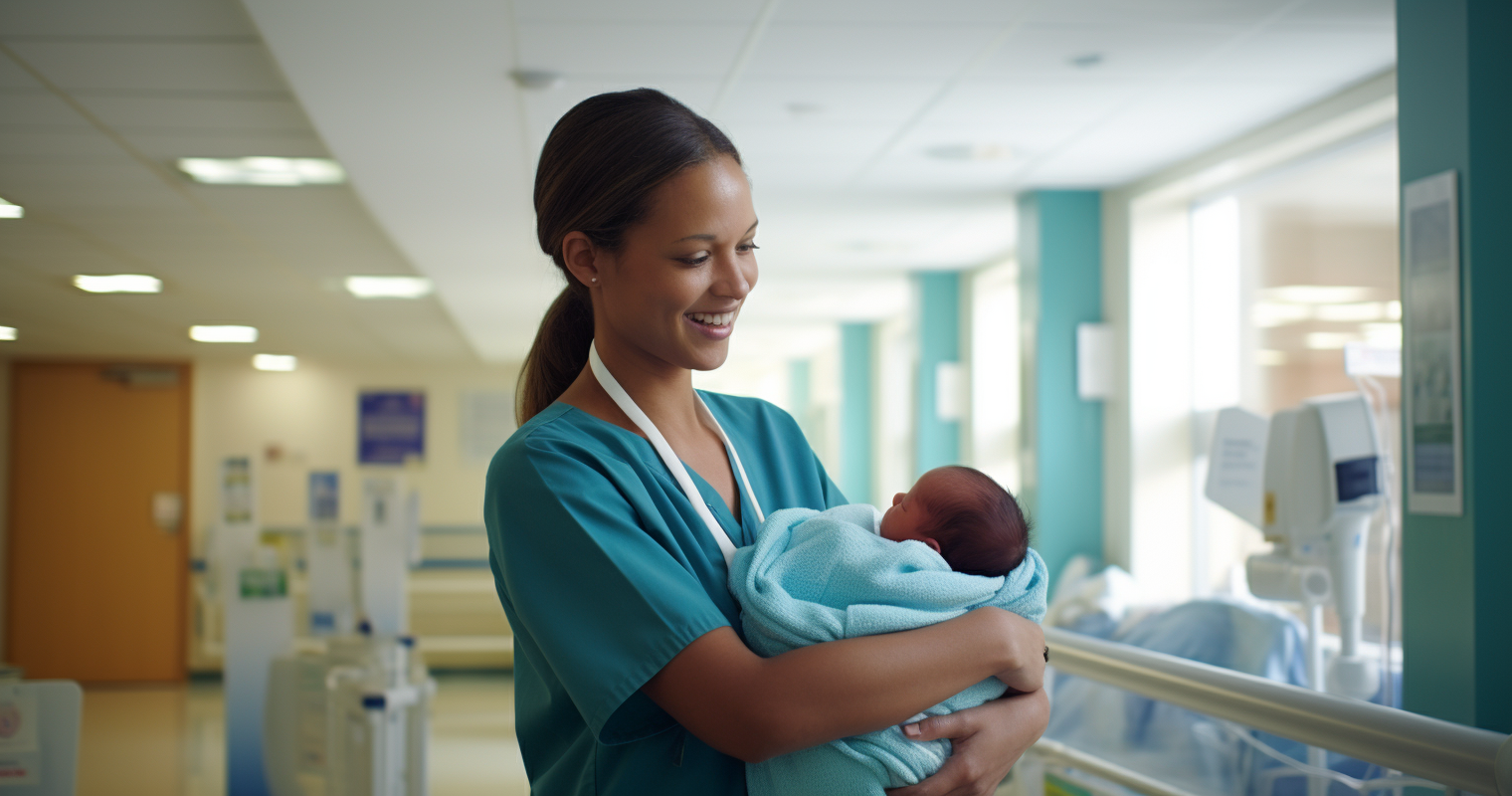
Expectant expats in the Dominican Republic will find a healthcare landscape that blends public and private maternity services, with the majority of foreign residents choosing private facilities for the quality and comfort they offer. Deliveries almost always take place in a hospital environment. While foreign nationals are not typically turned away from emergency public maternity services, comprehensive private health insurance is strongly advisable. Parents should also pay close attention to the country’s nuanced rules on citizenship for children born to non-Dominican parents.
| Item | Details |
|---|---|
| Typical birth setting | Hospital-based; home births are rare and not mainstream |
| Recommended care route for expats | Private hospital with comprehensive health insurance |
| Average public hospital delivery cost (2024) | Approx. RD$32,419 per delivery (based on official data); expats may be charged differently — verify with provider |
| Statutory maternity leave (as of 2025) | 14 weeks fully paid, shared between employer and social security |
| Statutory paternity leave (as of 2025) | 2 working days paid |
| Birth registration deadline | Within 30 days of birth at the Civil Registry (Junta Central Electoral) |
| Citizenship by birth (jus soli) | Not automatic for children of non-resident or undocumented foreign parents |
| Abortion legal status (as of 2025) | Prohibited in all circumstances under the Penal Code — one of the most restrictive frameworks in the region |
What maternity care options are available in Dominican Republic?
The Dominican Republic operates a dual healthcare system comprising both a public network and an established private sector. When it comes to maternity services, expectant mothers can turn to either system, though the vast majority of expat residents gravitate toward private facilities for prenatal consultations and the birth itself.
Antenatal care in the Dominican Republic broadly adheres to international standards. Regular check-ups, ultrasound scans, and blood tests are routine elements of pregnancy monitoring, with practitioners tracking both fetal development and maternal wellbeing throughout gestation. That said, the depth and frequency of these services can vary considerably between providers, and private clinics tend to offer a more thorough, individualised approach than public hospitals.
The public health system falls under the authority of the Ministry of Public Health and Social Assistance (Ministerio de Salud Pública y Asistencia Social, or MISPAS), which is tasked with delivering essential health services to the population — particularly those who cannot afford private care. The Dominican Constitution and associated health legislation establish the right to universal healthcare access, which in practice means that women in labour, regardless of their nationality or legal status, are generally not turned away from emergency maternity services in public hospitals.
As of 2023, the National Health Service (SNS) infrastructure comprised 1,226 first-level centres (Centros de Primer Nivel, or CPNs), representing 86.7% of the system’s total provision, alongside 189 specialist-level centres — including hospitals — making up the remaining 13.3%. Initial antenatal appointments can take place at a primary care facility, with referrals issued for hospital-based obstetric units when pregnancies are higher risk or more complex.
Almost all births in the Dominican Republic occur within a hospital setting. There is no established midwifery network to support home deliveries in the way that exists in countries such as the Netherlands or the United Kingdom, and freestanding birth centres are not a recognised feature of the local maternity landscape. Expats should therefore plan for a hospital-based delivery as the default.
Securing private health insurance is strongly advisable for expats, as it unlocks access to better facilities, shorter waiting times, and a more personalised standard of care. Private policies typically cover prenatal appointments, delivery costs, and postnatal services — none of which may be comprehensively available through the public system. Arranging insurance well before conception or in the earliest stages of pregnancy is important, particularly given the waiting periods that many policies impose.
How much does it cost to give birth in Dominican Republic?
The financial outlay for maternity care in the Dominican Republic depends heavily on whether you use the public or private system, which region and facility you choose, and the nature of your delivery.
Based on international studies cited by Dominican health authorities, the average cost to the public system per delivery — including caesarean sections — stood at approximately RD$32,419 as of 2024. This figure reflects the system’s expenditure per birth and offers a general sense of value, but does not necessarily represent what individual patients, particularly foreign nationals, will be billed at a specific public facility. For accurate, patient-facing fee information, contact your intended hospital directly or consult the Ministry of Public Health (MISPAS).
Costs at private hospitals are substantially higher and depend on the facility, its location, and the complexity of care required. A routine vaginal birth at a well-regarded private clinic in Santo Domingo or Santiago can run from several hundred to several thousand US dollars once you account for antenatal consultations, the delivery itself, anaesthetic services (including epidurals), and postnatal care. Caesarean sections carry additional costs. Since private hospitals do not publish uniform tariffs, it is best to request a current price breakdown directly from each institution you are considering.
Before relying on health insurance to cover maternity costs, review your policy closely for exclusions and limitations. Most international health plans that include maternity coverage will be accepted at private Dominican hospitals, but many impose a waiting period — typically 10 to 12 months — before maternity benefits can be claimed. If you are relocating to the Dominican Republic during pregnancy, or intend to conceive shortly after moving, confirm your policy’s maternity waiting period before departure. Where possible, choose a plan that explicitly lists maternity care in the Dominican Republic as a covered expense.
Employees enrolled in the Dominican public social security system through their employer may have access to some maternity healthcare coverage under the Seguro Familiar de Salud (SFS), but the extent of this entitlement for foreign nationals will depend on their employment and residency status. Contact the Tesorería de la Seguridad Social (TSS) to check your current eligibility.
What is the standard of maternity and neonatal care in Dominican Republic?
Healthcare in the Dominican Republic has undergone significant development over recent decades, with sustained investment in hospital infrastructure, medical training, and specialist services. The country now hosts a wide spectrum of facilities — from internationally recognised private hospitals in the capital to modernised regional centres across the provinces.
Private hospitals typically provide a more comfortable birthing environment, with up-to-date equipment, the availability of private rooms, and stronger capacity for pain relief and specialist intervention. Among the most highly regarded facilities in Santo Domingo are Plaza de la Salud, CEDIMAT, and Clínica Abreu, all of which maintain dedicated obstetric and neonatal units. These units are equipped to care for newborns who require additional medical attention after birth, and expats are advised to research the availability of neonatal intensive care units (NICUs) near their chosen hospital, especially where risk factors exist — proximity to such facilities can be critical in an emergency and provides important reassurance throughout pregnancy.
Despite these advances, significant challenges persist at the national level. The Dominican Republic records one of the highest neonatal mortality rates in the region, and maternal mortality figures have been trending upward. There is a notable contradiction in the coexistence of broadly adequate service coverage metrics — such as high rates of professionally attended institutional deliveries and widespread prenatal check-up uptake — alongside comparatively poor health outcomes, a pattern that points to deficiencies in care quality, particularly affecting the most economically disadvantaged populations.
Stark disparities in healthcare access between urban and rural areas compound this picture. Santo Domingo and Santiago concentrate the majority of hospitals and specialist services, while communities in rural provinces are largely reliant on small clinics with limited capacity. Expats based outside the main cities are strongly encouraged to plan their delivery well ahead of time and, where practical, to arrange to be near a private urban hospital as their due date approaches.
Caesarean section rates in the Dominican Republic are relatively high by international standards; both elective and medically indicated C-sections are commonplace, with the decision shaped by clinical assessment and patient preference. Pain management approaches can vary from one hospital to another — epidurals are available in many private facilities, though their provision and administration may differ from what expats have experienced in their home countries.
Spanish is the language of clinical care throughout the country. While many healthcare professionals in the major cities — particularly those working at private facilities — have some proficiency in English or other languages, this is far from guaranteed. If Spanish is not your primary language, it is worth identifying an obstetrician who can consult with you comfortably in your preferred language, or ensuring that a trusted interpreter is available for appointments and especially for the birth.
What should expats know about maternity rights and leave in Dominican Republic?
Employment law in the Dominican Republic is governed by Law No. 16-92 of May 1992 — known as the Labour Code — which provides robust protections for individual workers. These protections extend to all employees engaged in lawful employment within the country, irrespective of their nationality.
Employed women are entitled to 14 weeks of fully paid maternity leave, typically structured as seven weeks before the expected date of delivery and seven weeks following the birth. Funding for this leave is shared between the employer and the social security system: the Dominican Social Security System (SDSS) pays a subsidy calculated on the basis of the employee’s average salary, while the employer is obligated to make up the difference between the subsidy and the employee’s full regular pay, ensuring she receives her complete salary throughout the leave period.
The Labour Code affords specific protections to pregnant employees and those who have recently given birth. Dismissal without cause is strictly prohibited during pregnancy and for a period of three months following delivery. After returning to work, new mothers are also entitled to three 20-minute rest periods per working day for breastfeeding, and to half a working day off each month to take their child for paediatric check-ups.
For new fathers, Dominican employment law provides two days of paid paternity leave following the birth of a child. It is worth noting that the paternity leave provisions of Article 54 of the Labour Code were ruled unconstitutional by the courts, which found that the entitlement was too brief to enable meaningful father-infant bonding. As a result, the legal framework around paternity leave may be subject to revision — expats should verify the current position with the Ministry of Labour (Ministerio de Trabajo).
Dominican law does not provide for any form of shared or extended parental leave beyond the established maternity and paternity entitlements. Self-employed workers and those operating under freelance or contractor arrangements are not covered by the Labour Code’s maternity leave provisions in the same way as salaried employees, and their access to social security maternity benefits will hinge on whether they are making voluntary contributions to the Dominican system. Those in non-standard employment situations are advised to seek independent legal or financial advice.
Foreign nationals employed legally in the Dominican Republic under a formal contract are entitled to the same statutory maternity protections as Dominican workers. Those working informally or without a valid work permit will not be covered by these provisions. Confirm your specific entitlements with both your employer and the Ministry of Labour.
How do you register a birth in Dominican Republic?
The registration of births in the Dominican Republic is administered by Civil Registry offices operating under the authority of the Junta Central Electoral (JCE), the national body responsible for civil registration. Registering your child’s birth is a legal obligation and should be carried out without delay.
- Collect the hospital birth documentation. Following delivery, the hospital or clinic will produce a medical certificate of live birth (certificado médico de nacimiento vivo). Health facilities are legally required to issue this document and to notify the relevant authorities for entry into the JCE’s civil registry. This certificate is fundamental to the registration process and must be kept safe.
- Attend a Civil Registry office. Bring the birth certificate and valid identity documents for both parents — passports or national identity cards — to the nearest Civil Registry office (Oficialía del Estado Civil). In many larger hospitals, particularly in major cities, there is a Civil Registry desk located within the building, allowing registration to be completed on-site without a separate journey.
- Register within 30 days of birth. Dominican law requires that every birth be registered within 30 days. Registrations submitted after this deadline are classified as late and attract penalties, as well as additional administrative requirements and potential fees. Prompt registration is strongly advisable.
- Obtain the official Dominican birth certificate (Acta de Nacimiento). Upon successful registration, an official birth certificate will be issued. This is the foundational legal record of the child’s birth in the Dominican Republic and will be required for a wide range of future purposes, including school enrolment and the application for travel documents.
- Notify your home country’s embassy or consulate. Most countries require parents to formally register an overseas birth with their own national consular authority in order to establish the child’s citizenship and entitlement to a passport. Contact your nearest embassy or consulate in the Dominican Republic as promptly as possible after the birth to understand their exact requirements, processing times, and any associated fees. Consular birth registration services are offered at many embassies in Santo Domingo, but procedures differ by nationality.
- Apply for your child’s passport. Once both the Dominican civil registration and the consular registration have been completed, you can submit a passport application for your newborn. Timelines and documentation requirements vary according to your country of nationality — contact your embassy for specific guidance.
For up-to-date information on fees and required documents, contact the Junta Central Electoral directly, as these details are subject to change. Some Civil Registry offices provide free or subsidised registration — confirm the current arrangements when you attend.
What nationality will my child have if born in Dominican Republic?
This is among the most consequential questions for expat parents in the Dominican Republic, and the answer is considerably more involved than in many other countries. Automatic citizenship by birth on Dominican soil — the principle known as jus soli — does not apply to all children of foreign parents.
Article 18, paragraph 3 of the Dominican Constitution defines Dominicans as persons born within the national territory, but expressly excludes the children of foreign diplomatic or consular staff, of foreigners deemed to be in transit, and of those residing in the country in an irregular immigration status. The practical implications for expats hinge significantly on how “in transit” is defined under current immigration law — a category that has been applied with considerable breadth under the existing regulatory framework.
Under the current legal framework, being born in Dominican territory does not exempt a foreign-born child from the requirements of General Migration Law No. 285-04 or its Implementing Regulations No. 631-11. The document that formally establishes Dominican nationality is the birth certificate, which is issued only to those meeting the constitutional criteria. Where children are born to non-resident foreigners, those considered to be in transit, or those with irregular immigration status, the authorities instead issue a live birth certificate (certificado de nacimiento vivo). This document confirms that the birth took place in the Dominican Republic but does not confer Dominican nationality or regularise the child’s immigration status.
In most practical scenarios, a child born in the Dominican Republic to two foreign parents who are not permanent residents will not automatically acquire Dominican citizenship. Instead, the child’s nationality will be determined by the citizenship laws of the parents’ country or countries — typically through the principle of jus sanguinis, or citizenship by descent. The Dominican birth documentation will serve as an official record of the birth without granting Dominican citizenship.
Where one parent holds Dominican citizenship, the position is different, and the child will generally be eligible to claim Dominican nationality through that parent. For guidance on your specific circumstances, contact the Junta Central Electoral.
Nationality law in this area has shifted considerably in recent years and can be complex to navigate. Expat parents should confirm their child’s citizenship status with their home country’s embassy or consulate in the Dominican Republic, and consult a qualified Dominican immigration or nationality lawyer if in any doubt. Do not assume a specific nationality outcome without verifying it with the appropriate authorities.
What are the laws and attitudes around abortion in Dominican Republic?
The Dominican Republic maintains one of the most stringent abortion laws anywhere in the world. As of 2025, termination of pregnancy is criminalised in all circumstances under the Dominican Penal Code — no exceptions exist for rape, incest, severe fetal abnormality, or situations where continuing the pregnancy poses a risk to the life of the pregnant person.
This absolute prohibition means that therapeutic abortion — a procedure legally available in numerous countries when a pregnant person’s life or health is in serious danger — cannot be provided through either the public or private healthcare system in the Dominican Republic. International bodies including the United Nations and various global health organisations have repeatedly expressed concern over the consequences of this blanket ban for maternal health outcomes, particularly in cases involving obstetric emergencies or pregnancies resulting from sexual violence.
The legal landscape in the Dominican Republic stands in stark contrast to that of most of Europe and a growing number of Latin American countries, including Colombia, Argentina, and Mexico, where abortion access has been meaningfully expanded in recent years. Expats arriving from countries where termination services are legally available should be fully aware that no equivalent access exists locally, whatever the personal or medical circumstances may be.
The absolute nature of the legal prohibition means that healthcare providers in both public hospitals and private clinics face criminal liability if they perform abortion procedures. Anyone seeking to end a pregnancy within the Dominican Republic faces serious legal jeopardy, as does any medical professional who assists them. Those who require reproductive healthcare services that are unavailable in the country should seek urgent guidance from their home country’s embassy or a reputable international medical assistance provider.
For information on the reproductive health services that are available within the Dominican Republic’s public health framework, contact the Ministry of Public Health and Social Assistance (MISPAS). Given the legal and personal sensitivity of this subject, expats are strongly advised to obtain independent legal and medical advice tailored to their individual situation.
Frequently asked questions
Can I give birth in a Dominican Republic public hospital as a foreigner?
Dominican constitutional and health law establishes the right to universal healthcare access, meaning emergency maternity services — including delivery — are generally provided in public hospitals regardless of a patient’s nationality. However, public facilities offer a significantly lower standard of comfort and resources compared to private hospitals, and there are ongoing discussions around levying charges on non-resident foreigners for non-emergency public healthcare. Expats are strongly encouraged to arrange private health insurance that covers maternity care well before their due date.
How much does a private hospital birth cost in Dominican Republic?
Costs at private facilities vary considerably depending on the hospital and the type of delivery involved. As of 2024, the average expenditure per delivery within the public system was approximately RD$32,419, which offers a general point of reference; costs at private hospitals are typically substantially higher. Request a current price schedule directly from your chosen private hospital and verify in advance what your insurance policy will cover.
Does my baby automatically get Dominican citizenship if born there?
Not necessarily. Where children are born to non-resident foreigners, those considered to be in transit, or those with irregular immigration status, a live birth certificate is issued as a record of the birth — but this does not confer Dominican nationality or regularise the child’s immigration position. Children born to two foreign parents who do not hold Dominican permanent residency will generally not automatically receive Dominican citizenship. Your child’s nationality will ordinarily derive from your own citizenship — confirm this with your embassy and seek advice from a qualified legal professional.
What documents do I need to register my baby’s birth in Dominican Republic?
You will require the medical certificate of live birth issued by the hospital, together with valid identity documents — passports or national identity cards — for both parents. Registration is carried out at a Civil Registry office (Oficialía del Estado Civil) operating under the Junta Central Electoral. Births must be registered within 30 days of delivery. Visit the Junta Central Electoral website for the current full list of required documents and any applicable fees.
How long is maternity leave in Dominican Republic?
Employees working legally in the Dominican Republic are entitled to 14 weeks of paid maternity leave, ordinarily divided as seven weeks before the expected delivery date and seven weeks following the birth. The cost of this leave is shared between the employer and the social security system. These entitlements apply to all legally employed workers, regardless of nationality.
Is there paternity leave for fathers in Dominican Republic?
New fathers are entitled to two working days of paid paternity leave upon the birth of their child. However, the paternity leave provisions of the Labour Code were found unconstitutional by the courts, which determined that the duration was insufficient for meaningful father-infant bonding, and legislative reform may follow. Check the current position with the Ministry of Labour.
Do I need to register my baby’s birth with my home country’s embassy?
Yes. Beyond the Dominican civil registration process, most countries require parents to formally record an overseas birth with their own national consular authorities in order to establish the child’s citizenship and passport eligibility. The specific requirements, deadlines, and fees involved differ by nationality — contact your nearest embassy or consulate in the Dominican Republic promptly after the birth to understand what steps you need to take.
Are there English-speaking obstetricians in Dominican Republic?
In the larger urban centres — particularly Santo Domingo and Santiago — it is generally possible to find obstetricians and gynaecologists with proficiency in languages other than Spanish, especially at private hospitals. However, this cannot be assumed. Seek recommendations from local expat networks or contact private hospitals directly to identify an appropriate practitioner before your pregnancy is well advanced.
Latest: Expat Focus International Healthcare Update August 2026 →