

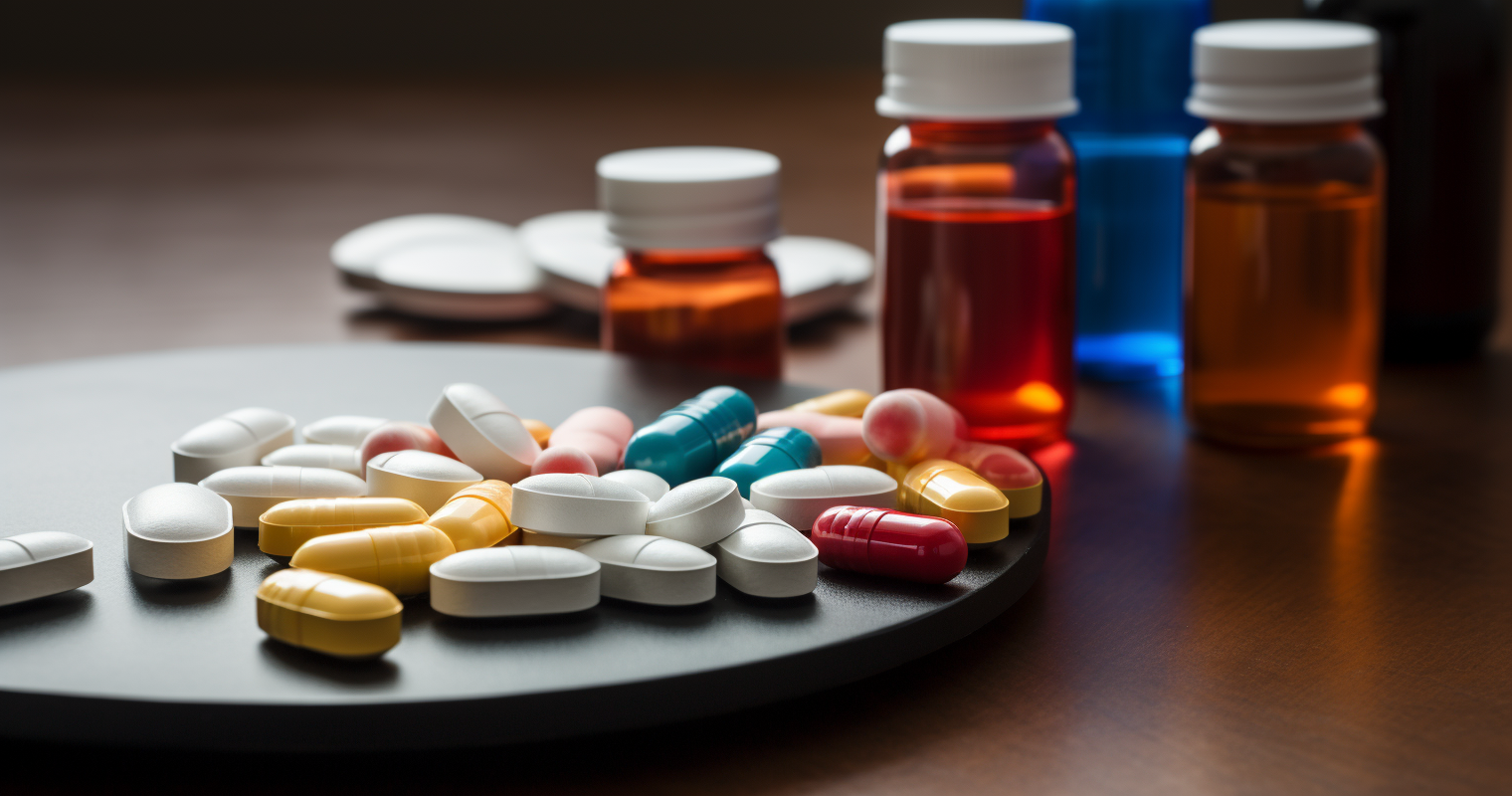
Pharmacies — known as farmacias — are found throughout the Dominican Republic and tend to be well-supplied. A wide range of everyday medicines can be purchased without a prescription, though controlled substances are legally restricted to prescription-only dispensing. Drug prices are frequently far lower than what you would pay in North America or Western Europe, and while cash is the dominant payment method, certain pharmacies also accept cards. Expats are advised to arrange travel or international health insurance to help cover medication expenses.
| Item | Details |
|---|---|
| Local word for pharmacy | Farmacia |
| Standard hours | Generally 8:00 am–9:00 pm Mon–Sat; 8:00 am–6:00 pm Sun (as of 2025) |
| 24-hour pharmacies | Available in major cities and some tourist areas |
| Prescription requirement | Legally required for controlled substances/narcotics; many other medications dispensed without one in practice |
| Public health insurer | SENASA (Seguro Nacional de Salud) — limited access for expats |
| Official health ministry website | msp.gob.do |
What are pharmacies called in Dominican Republic, and how do I recognise one?
In the Dominican Republic, a pharmacy is referred to as a farmacia in Spanish. This term appears on shop signs, in local directories, and when asking someone on the street for directions. It is used consistently throughout the entire country, making it one of the first pieces of vocabulary worth learning before you set foot on Dominican soil.
The exterior of a pharmacy typically displays a green cross alongside the word Farmacia. This green cross serves as a near-universal pharmacy symbol across Latin America and much of Europe, so if you have previously lived in Spain, France, Italy, or similar countries, it will be immediately recognisable to you.
Farmacias are generally easy to locate, especially in cities and towns, where they tend to cluster in commercial districts and shopping centres. Shopping malls such as Plaza Central, Nacional, and Blue Mall reliably house pharmacies, and these outlets are usually better stocked than smaller neighbourhood establishments.
Among the well-known pharmacy chains operating in the country are Farmacia Carol, Farmacia Popular, and Farmacia Saver. GBC pharmacies and FarmaValue are also frequently encountered and are recognised for offering competitive prices. If you are relocating to a rural area, be aware that local pharmacies may carry a narrower range of products, so it is advisable to confirm availability of any specialist medications before you move.
What are pharmacy opening hours in Dominican Republic?
Pharmacy hours across the Dominican Republic vary by location, but most operate seven days a week. Typical trading hours run from 8:00 am to 9:00 pm Monday through Saturday, and from 8:00 am to 6:00 pm on Sundays. These hours are broadly similar to those seen in Spain and much of continental Europe, where closing in the early evening is the norm.
In tourist destinations, some pharmacies remain open beyond these standard hours. Around-the-clock pharmacy services exist in major cities — for instance, in Puerto Plata, Farmacia Cristal operates 24 hours a day across multiple locations, and in both Santo Domingo and Santiago, several chains also run continuous overnight services.
If you require a pharmacy outside of regular trading hours, searching Google Maps for “farmacia abierta 24 horas” (24-hour open pharmacy) near your current location is the most effective approach. In popular expat and tourist areas such as Punta Cana, Las Terrenas, and Cabarete, late-night and overnight pharmacy access is relatively easy to arrange. Expats based in more remote regions should take the time to identify their closest extended-hours pharmacy well before any urgent situation arises.
Which medications can I buy over the counter in Dominican Republic, and which require a prescription?
In the Dominican Republic, many everyday medications — including painkillers, antibiotics, and antihistamines — can be purchased at a pharmacy without presenting a prescription. Stronger substances such as opioids and powerful analgesics, however, do require one. This approach is considerably more relaxed than that taken in countries like France, Germany, or Australia, where antibiotics are tightly controlled and available only with a valid prescription.
Dominican pharmacies are permitted to sell antimicrobials with or without a prescription, and many also offer motorcycle courier delivery to nearby addresses. While this level of accessibility is convenient, healthcare professionals strongly caution against self-medicating with antibiotics, since doing so contributes to the growing global problem of antimicrobial resistance. Always consult a doctor before beginning an antibiotic course.
Medicines containing controlled substances falling under Categories II, III, and IV must be dispensed solely on the basis of a medical prescription issued on the specially designed forms produced by the National Drug Control Directorate. This requirement applies to narcotics, strong opioids, benzodiazepines, and comparably regulated compounds — all of which are subject to strict controls requiring the correct official documentation.
How rigorously prescription rules are enforced varies from one pharmacy to the next across the Dominican Republic. Some establishments may dispense certain medicines without documentation, while others apply the rules strictly. Expats are strongly discouraged from depending on informal dispensing arrangements, particularly for controlled medications, since possessing such substances without proper documentation can lead to serious legal consequences.
Delivery services are offered by various pharmacies in the Dominican Republic, with some providing motorcycle courier drop-offs to nearby addresses. However, there is no nationally regulated online pharmacy framework comparable to, say, the NHS Electronic Prescription Service. If you choose to use a pharmacy delivery or digital ordering service, confirm that the business is a licensed, bricks-and-mortar establishment rather than an unverified online-only operation. The official Ministry of Public Health (Ministerio de Salud Pública) website can provide guidance on licensed providers.
How does the prescription system work in Dominican Republic?
In the Dominican Republic, prescriptions are issued by licensed medical professionals, encompassing both general practitioners and specialists. You can obtain one from a doctor at a private clinic, private hospital, or public healthcare facility. Private clinics are the most popular choice among expats, with appointments in larger cities frequently available on the same day or within 48 hours.
Paper prescriptions remain the standard format. Unlike the UK’s NHS or Australia’s Medicare, both of which have embraced electronic prescriptions, the Dominican Republic continues to rely primarily on handwritten or printed paper prescriptions supplied directly by the attending physician. For controlled substances, these must additionally be issued on the specific forms designed by the National Drug Control Directorate and sold at Inland Revenue posts located at the Ministry of Public Health and Social Welfare — special forms that supplement rather than replace the ordinary doctor’s note.
There is no equivalent here to the NHS repeat prescription system or Australia’s PBS streamlined repeat dispensing model. In general, you will need to return to your doctor for a fresh prescription each time your supply runs low. In practice, this is less burdensome than it might seem, as private doctors in the Dominican Republic are usually accessible and their consultation fees are relatively modest. Local physicians can be seen at hospitals, clinics, and private practices.
Knowing the generic name of any medication you take is essential, as brand names differ widely between countries. Many drugs available in the Dominican Republic are manufactured in Latin America or Spain and may be sold under names entirely different from those you recognise at home. Referring to the International Non-proprietary Name (INN) — the standardised scientific name for a drug — makes it far easier for pharmacists to identify and supply the correct product.
How much do prescriptions and medications cost in Dominican Republic?
The Dominican Republic does not operate a flat-fee prescription charge system of the kind seen in the UK under the NHS, nor does it have a structured co-payment model like that in France. Medicines are sold at market rates, and the price you pay depends on the specific drug, whether you opt for a branded or generic version, and which pharmacy you visit.
Prescription medication costs in the Dominican Republic are generally quite reasonable by international standards, particularly when compared with the United States. Generic drugs are consistently cheaper than their branded counterparts, and it is worth making a habit of comparing prices across pharmacies — especially for medicines you take on a regular basis.
Payment at pharmacies is most commonly made in cash, though some establishments also accept credit cards; it is sensible to check in advance. Prices can differ considerably from one pharmacy to another and from one medication to the next. Some products cost noticeably less than they would in your home country, while others may be comparably priced or even more expensive.
A number of pharmacy chains run loyalty programmes that offer discounts to registered customers. When paying in cash, simply asking for a “descuento” (discount) will often result in a price reduction. Chains such as GBC extend automatic discounts to customers who have signed up with them. It is always worth enquiring about discount cards or loyalty schemes when you first register at a pharmacy.
The government runs a subsidised medicines initiative through PROMESE/CAL (Programa de Medicamentos Esenciales y Central de Apoyo Logístico), which oversees the Farmacias del Pueblo (People’s Pharmacies) network. Locally referred to as “boticas populares,” these outlets supply essential medicines at reduced prices. Access is primarily aimed at the Dominican population through the public health system, and expats who are not enrolled in SENASA may not be eligible. For up-to-date eligibility information, consult the PROMESE/CAL website or the Ministry of Public Health, as the criteria are subject to change.
Will my home-country prescription be accepted in Dominican Republic?
The Dominican Republic has no formal mechanism for automatically recognising prescriptions issued in other countries. In practice, many pharmacies throughout the country will dispense a broad range of medicines without requiring any prescription at all — but for controlled substances, only a prescription written on the correct Dominican official form by a locally licensed doctor will be accepted.
In many cases, you will not need a prescription if you present the original container of the medicine you use. Arriving with your original medication packaging and accompanying documentation can considerably simplify the process for non-controlled medicines. It is also advisable to carry a list of any prescriptions you rely on, showing the drug name and its purpose with the name clearly legible.
If you depend on a controlled substance — such as a benzodiazepine, opioid painkiller, or stimulant — a foreign prescription will not be sufficient to obtain that drug legally in the Dominican Republic. You will need to consult a locally licensed physician, who can evaluate your situation and, if appropriate, issue a valid prescription on the required official form. It is far better to arrange this consultation shortly after arrival than to wait until your existing supply has run out.
Bear in mind that certain medications may be known by different names or may not be stocked at all in the Dominican Republic. Bringing a written summary prepared by your doctor at home — covering your diagnosis, the brand and generic names of your medications, dosages, and treatment duration — will enable any Dominican doctor to quickly grasp your medical background and write an appropriate local prescription.
Can I bring my medications into Dominican Republic?
Bringing medications intended for personal use into the Dominican Republic is generally allowed, but there are specific rules that must be followed — particularly when it comes to controlled substances. The essential principles are straightforward: keep medicines in their original labelled packaging, travel with supporting documentation, and store them in your hand luggage rather than checked bags to guard against loss.
- Keep medications in original packaging: Any medication you bring from your home country should remain in its original packaging and be clearly labelled, so as to avoid complications at customs. Officers may examine medicines upon arrival, and loose, unlabelled tablets or pills can attract unwanted scrutiny.
- Carry a copy of your prescription or doctor’s letter: The Dominican Republic Embassy recommends that anyone travelling with prescription medicine carry an original prescription indicating the required dosage. A letter written by your doctor on official letterhead — confirming the drug, your diagnosis, and your prescribed dose — provides an additional layer of reassurance if questions arise.
- Note the rules on controlled substances: Under Dominican Law No. 50-88 on drugs and controlled substances, medicines in Categories II, III, and IV may only be legally dispensed on the basis of a prescription issued on forms designed by the National Drug Control Directorate. If you are entering the country with controlled medications, ensure you carry complete documentation and limit your supply to a reasonable personal-use quantity.
- Carry medications in hand luggage: Placing all essential medications in your carry-on bag rather than your checked luggage is strongly recommended, so that you still have access to them if your hold baggage is delayed or lost.
- Bring an adequate supply: If you take medication regularly, it is wise to carry a sufficient supply alongside a copy of your prescription. For highly specialised or brand-specific drugs that may not be widely available in the Dominican Republic, bringing several months’ worth from home may be the most sensible course of action while you establish a relationship with a local doctor.
There is no single, officially published document setting out quantity limits for personal-use medications entering the Dominican Republic. Since regulations can change, always verify the latest requirements with the Dominican Ministry of Public Health and the Dominican Customs authority (Dirección General de Aduanas) before you travel, especially if you are carrying controlled or high-dose medications.
How do expats access prescription medications through health insurance in Dominican Republic?
The Dominican Republic maintains a functioning national health insurance framework that includes Seguro Nacional de Salud (SENASA) as the principal public insurer, alongside private insurance providers known as Administradoras de Riesgos de Salud (ARS). Gaining a clear understanding of how each option operates is essential for expats planning their healthcare arrangements.
Public healthcare is government-funded and available to citizens and legal residents via SENASA. It is either free or very low cost, but standards of care differ considerably between facilities. Expats who obtain legal residency in the Dominican Republic may technically qualify for SENASA access, but in practice most expats do not treat the public system as their primary source of medical care. Private healthcare in the Dominican Republic is generally of a high standard, readily accessible, and widely used by expatriates as well as middle- and upper-income Dominican residents.
Holding medical insurance is important, and many plans include prescription medication coverage, which can result in meaningful savings. If you are enrolled in a Dominican private health insurance plan through an ARS, your insurer will typically maintain a network of affiliated pharmacies where covered medications can be obtained at a reduced rate or for a set co-payment. Some pharmacies collaborate directly with major health insurers to supply prescription medicines at discounted prices, though they will require the original prescription from your doctor along with your insurance card — copies are not accepted.
For expats, it is worth considering international health insurance that covers the Dominican Republic to ensure comprehensive protection. Global insurance policies offered by international providers generally cover both private consultations and prescription medications, and are widely recognised at private hospitals and clinics around the country. Without local or international insurance, you will pay full market prices for all medicines out of pocket. While prescription drug costs in the Dominican Republic are reasonably affordable by global standards, expenditure on specialist or branded medications can still mount up considerably without any coverage in place.
Expats who are settling in the Dominican Republic for the long term will find that arranging a local ARS policy or keeping an international plan with prescription coverage active from the moment they arrive is the most reliable way to manage medication costs in a predictable manner. Before relying on reimbursement, always confirm whether the specific drugs you need appear on your insurer’s formulary — the approved list of covered medicines.
Frequently asked questions: prescriptions and medications in Dominican Republic
What should I do if I run out of medication in Dominican Republic?
For most non-controlled medicines, head to the nearest farmacia and request the drug by its generic name, bringing the original packaging along if you have it. In many cases, showing the original container of the medicine you use is enough to obtain a supply without a prescription. For controlled substances, you will first need to consult a locally licensed doctor who can issue a valid Dominican prescription before any pharmacy can legally provide the medication.
Are brand-name medications available in Dominican Republic?
If you rely on a specific brand-name medication, it is sensible to check availability before you need it, as stock can vary. Many internationally recognised brand names are carried by larger urban pharmacies, but this is not always guaranteed. Knowing the generic (INN) name of your medication significantly improves your chances of locating the correct product even when your preferred brand is not on the shelf.
How do I find a pharmacy that speaks a language other than Spanish?
In areas that attract large numbers of tourists and expatriates, some pharmacies employ multilingual staff, but the majority of pharmacy personnel across the Dominican Republic communicate primarily in Spanish. Finding staff who speak other languages becomes increasingly unlikely in smaller towns and rural settings. In expat-concentrated communities such as Cabarete, Sosúa, and parts of Punta Cana, certain pharmacies cater specifically to international residents and may have French- or Italian-speaking staff. Regardless of your location, preparing a written list of your medications in Spanish — including generic names and dosages — is a practical and reliable solution.
What happens if I need medication in a medical emergency?
The Dominican Republic has a 911 emergency system in place, with coverage extending across Santo Domingo east to Boca Chica and west to San Cristóbal, as well as in Puerto Plata, Santiago, La Romana, and Punta Cana. In a medical emergency, dial 911 or proceed directly to the nearest private clinic or hospital emergency department. Private hospitals typically have in-house pharmacies that can administer emergency medications without delay.
Are generic medications widely available in Dominican Republic?
Generic medicines are cheaper than branded alternatives and are stocked across the vast majority of farmacias. Generic equivalents of commonly prescribed drugs — including antihypertensives, diabetes treatments, antibiotics, and anti-inflammatory agents — are broadly available. Discount-focused chains such as GBC and FarmaValue tend to feature generics prominently and price them competitively.
Can I order medications online for delivery in Dominican Republic?
Many pharmacies in the Dominican Republic offer delivery by motorcycle courier to addresses within their local area. This is an informal but commonplace arrangement, particularly in urban centres. There is no nationally regulated online pharmacy platform equivalent to those established in some European countries, so the safest course of action is to order from a known, licensed physical pharmacy that provides local delivery rather than purchasing from unverified online sources.
Will my private health insurance reimburse medication costs in Dominican Republic?
Coverage depends entirely on the terms of your individual policy. Many insurance plans do include prescription medication benefits, which can represent a significant financial saving. Review your policy documents carefully for a drug formulary listing covered medications, any applicable co-payment amounts, and whether the pharmacy you plan to use falls within your insurer’s network. Some ARS insurers restrict reimbursement to affiliated pharmacies, while international policies may require you to pay in full at the point of purchase and then submit a claim for reimbursement afterwards.
Is it safe to buy medications from small local stores or markets in Dominican Republic?
Small neighbourhood stores known as bodegas sometimes stock over-the-counter medicines, including antimicrobials. Nevertheless, buying medications from unregulated market stalls or informal vendors is inadvisable, as there is no way to verify proper storage conditions, check expiry dates, or confirm product authenticity. For all medication purchases, it is best to use licensed farmacias — ideally from established chains — to ensure both quality and safety.
Latest: Expat Focus International Healthcare Update September 2026 →