
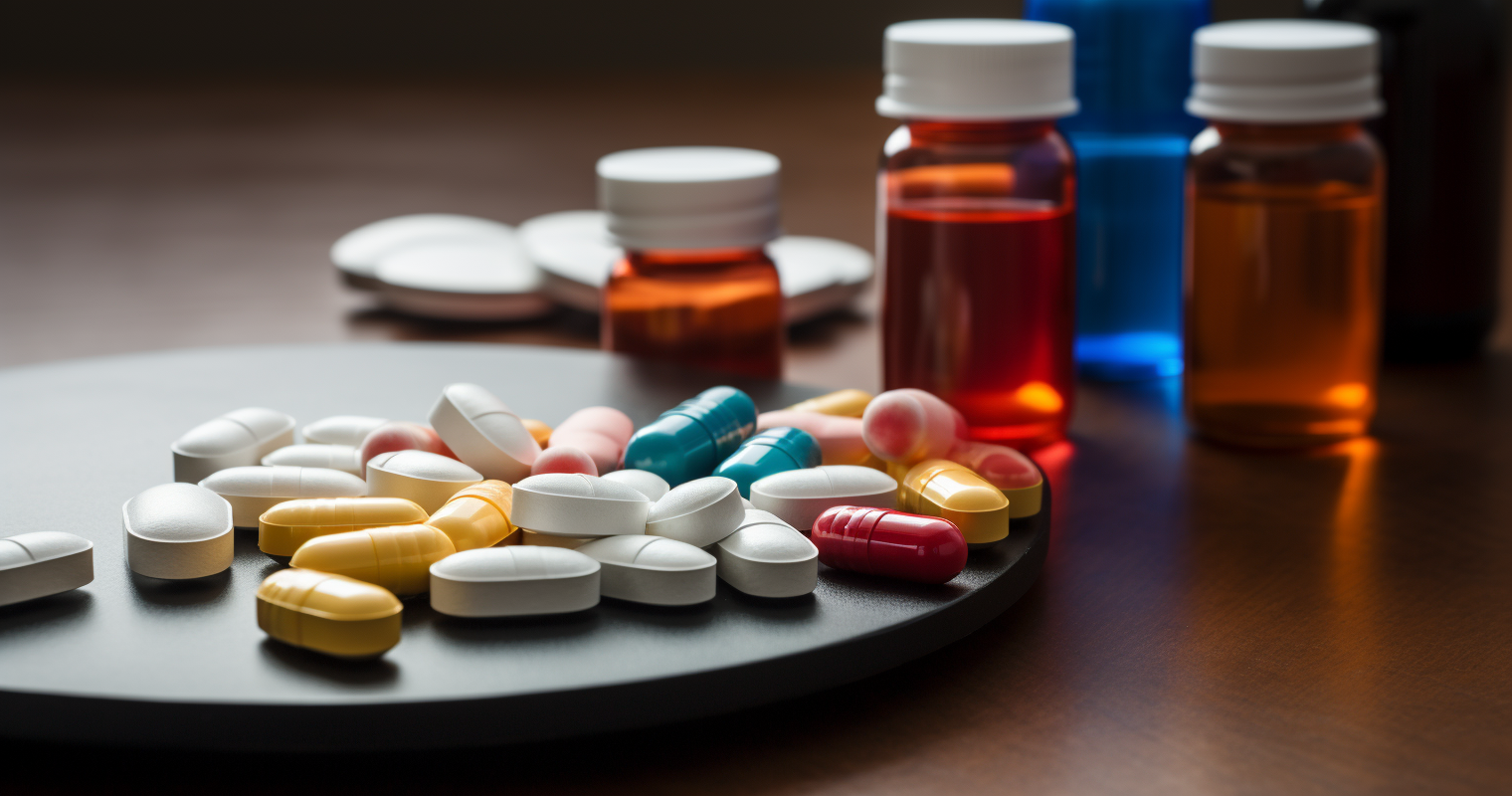
Peru boasts an extensive network of pharmacies, particularly in urban centres, where medicines are readily available at farmacias and boticas throughout the country. Numerous drugs that demand a prescription in other nations can be purchased without one here, although regulations governing antibiotics and controlled substances are rigorously applied. Expats are advised to keep records of their current medications, plan for out-of-pocket expenses when using private healthcare, and establish a relationship with a local doctor soon after arriving.
| Item | Details |
|---|---|
| Local word for pharmacy | Farmacia or botica |
| Identifying symbol | Green cross on a white background |
| Standard hours | Mon–Sat 9:00 am–9:00 pm; Sun 9:00 am–1:00 pm (typical) |
| 24-hour availability | Yes — major chains in Lima and other large cities (as of 2026) |
| Prescription validity | Generally up to 6 months for standard medications |
| Medicines regulator | DIGEMID (Dirección General de Medicamentos, Insumos y Drogas) — digemid.minsa.gob.pe |
| Generic medicines law | Law No. 32033 (2024) requires pharmacies to stock a minimum percentage of essential generics |
| Public health schemes | SIS (low-income) and EsSalud (employees); most expats use private insurance |
What are pharmacies called in Peru, and how do I recognise one?
In Peru, pharmacies go by the Spanish names farmacias or boticas, and both terms are used freely in everyday conversation. In formal and regulatory contexts, a farmacia typically refers to a fully licensed dispensing outlet operating under the supervision of a qualified pharmacist, while a botica tends to be a smaller, neighbourhood-based establishment. For most routine purchases, however, this distinction is of little practical consequence — both types sell prescription and non-prescription medicines.
The easiest way to identify a pharmacy on the street is to look for a green cross on a white background, a symbol recognised in many parts of the world. Well-known national chains such as Inkafarma, Mifarma, Farmacia Universal, and Boticas Perú use prominent illuminated signs and are straightforward to locate in both commercial districts and residential areas.
Inside any properly licensed pharmacy, visible authorisation documents and the pharmacist’s credentials should be displayed near the service counter. Independent boticas often compete on price and speed of service, though their stock levels and accepted payment methods may be less consistent — a posted health authorisation near the counter is a good indicator that the outlet is operating legitimately.
Although Peru has regulatory standards governing medication safety, it is wise to stay cautious: check expiry dates on any medicine you purchase and make sure all packaging is intact and undamaged. Purchasing medicines from informal street stalls or open-air markets carries real risks, as the authenticity and quality of such products cannot be verified. Limiting your purchases to licensed pharmacies is always the safest course of action.
In addition to street-facing outlets, most hospitals and clinics operate their own pharmacies on the ground floor, stocked with the bulk of medicines their doctors are likely to prescribe. Some larger supermarkets, including Santa Isabel, also incorporate pharmacies within their premises.
What are pharmacy opening hours in Peru?
Opening hours at Peruvian pharmacies depend on the location and the day. The typical schedule runs Monday through Saturday from 9:00 am to 9:00 pm, with Sunday hours usually shortened to 9:00 am until 1:00 pm. On weekdays, some pharmacies observe a midday break between 1:00 pm and 2:00 pm.
Round-the-clock pharmacies do exist, particularly in larger urban centres such as Lima and Arequipa. If you find yourself needing medication outside normal business hours, it pays to know in advance where your nearest 24-hour outlet is located. Some pharmacies that do not operate fully overnight will partially open at night, with a small hatch or window in the front door — approach the opening and a member of staff will come to serve you.
The major chains — Inkafarma, Mifarma, and Farmacia Universal — are your best options for around-the-clock access, card payments, a wider product selection, and late-night delivery from certain branches. Inkafarma runs a 24-hour telephone ordering service called “Inkafono,” and Farmacia Universal also advertises 24-hour order intake.
Beyond Lima, consistent 24-hour coverage becomes harder to find. In smaller cities and rural communities, pharmacies generally stick to daytime hours, and anyone needing urgent medication after closing time may need to travel to a hospital with an on-site pharmacy. If you live outside a major city, it is worth identifying your nearest round-the-clock outlet before you actually need it. The DIGEMID website (digemid.minsa.gob.pe) maintains a searchable register of authorised pharmaceutical establishments. For queries about your rights as a patient, you can also call Peru’s national health helpline on 113 (press option 7 for SUSALUD, the health supervisory body).
Which medications can I buy over the counter in Peru, and which require a prescription?
Peru operates a system in which a broad range of medicines can be purchased without a prescription, while others are subject to stricter dispensing controls. A notable feature of the Peruvian market is that many drugs classified as prescription-only in other countries are freely available over the counter here, generally at accessible prices. This contrasts markedly with stricter regimes found in numerous other nations, where even relatively mild antihistamines or stomach remedies are dispensed only on prescription.
Items commonly available without a prescription include pain and fever relievers such as paracetamol (500 mg) and ibuprofen (200–400 mg); gastrointestinal treatments including loperamide, bismuth subsalicylate, and oral rehydration salts; and allergy and cold preparations such as loratadine, cetirizine, and dextromethorphan-based combinations.
For certain categories, however, the rules are considerably tighter. Pharmacies are required by law to demand a valid prescription before dispensing antibiotics and other Rx-classified medicines; failure to comply can result in a fine of one UIT (approximately S/ 5,150–5,350, as of 2024–2025, depending on the year). Narcotics and psychotropic substances must be prescribed using special numbered prescription forms, and pharmacies are obliged to maintain detailed dispensing records for these products.
Online ordering is also an option in Peru, with several internet-based pharmacies offering home delivery. However, caution is essential: only use platforms linked to chains that display a valid DIGEMID authorisation, confirm the active ingredient and quantity before confirming any order, and bear in mind that delivery coverage by district can vary and is subject to change, particularly for late-night orders.
A helpful practical point: it is worth knowing the generic name of any medication you regularly take, since brand names can differ substantially between Peru and your home country. A drug you recognise by a particular commercial name abroad may be marketed under an entirely different brand name in Peru — or sold exclusively under its International Non-proprietary Name (INN).
How does the prescription system work in Peru?
To obtain a prescription medicine in Peru, you will need to consult a doctor who can issue you a written prescription. You then take that prescription to a pharmacy to have it dispensed. Both general practitioners and specialists are authorised to write prescriptions, and at private clinics — which most expats prefer — it is usually possible to see a doctor, receive a prescription on the same visit, and fill it at a nearby pharmacy the same day.
Peruvian law requires that prescriptions include the International Non-proprietary Name (INN) of the medicine, the pharmaceutical form, the dosage, the duration of treatment, and the route of administration. The trade name may also appear, but is optional. Omitting the INN from a prescription constitutes an administrative infraction for which prescribing doctors may face financial penalties. This requirement is broadly comparable to mandatory generic prescribing rules in force in several European countries.
Paper prescriptions remain the standard across Peru. Electronic prescribing is being trialled in some public health facilities, but as of 2025, handwritten or printed paper prescriptions are still the norm in private practice. Unlike systems such as the UK’s NHS — where a single prescription form can cover repeat supplies collected from any registered pharmacy — Peru’s system generally requires a fresh prescription each time a regulated medication is dispensed.
Standard prescriptions in Peru are typically valid for up to six months. Once this period has elapsed, you will need to return to a doctor for a new prescription. For controlled substances — narcotics and psychotropics — the validity period is shorter, and stricter conditions apply under DIGEMID regulations.
A significant legislative development was Law No. 32033, enacted in May 2024, which restored the requirement for pharmacies to maintain a minimum proportion of essential generic medicines in their stock. Under the associated regulations, pharmacies and drugstores must make available generic alternatives identified by their INN with the same active ingredients, concentration, and pharmaceutical form, and must display their prices clearly without steering customers away from those options. Patients therefore have a legal entitlement to be informed about generic alternatives at the point of dispensing.
How much do prescriptions and medications cost in Peru?
Peru’s public and private healthcare systems function independently, and drug prices are not set by government regulation in the private sector. Pharmacies are, however, obliged to report their prices to DIGEMID’s Price Observatory, which means there is no single official price list for medications sold at private outlets and costs can vary between different chains and individual pharmacies. Consulting the DIGEMID Price Observatory (digemid.minsa.gob.pe) before making a purchase can help you identify the best available price.
Medicines dispensed through the national public healthcare system are government-subsidised. Patients using private healthcare, on the other hand, pay the full market price directly or have costs met through a private insurer. There is no universal flat-rate prescription charge comparable to, for example, the NHS prescription fee in the UK — in the private sector, you pay the market rate for each medicine.
When filling a prescription at a pharmacy, you will need to provide your health insurance details. If you hold Peruvian health insurance through EsSalud, you may be required to pay only a modest co-payment for prescription medicines. The precise co-payment amount varies by insurer and treatment, so it is worth checking directly with your insurance provider for current figures.
Documented pricing anomalies exist in Peru’s private pharmacy sector: in a number of cases, branded generic medicines and those sold under their INN have been found to be priced virtually the same, offering little real financial benefit to the consumer. More surprisingly, some branded generics have turned out to cost as much as — or even more than — the original innovator product. This makes it especially worthwhile to ask the pharmacist explicitly for the INN-labelled version and to cross-check prices using DIGEMID’s Price Observatory.
For expats without local insurance cover, all medication costs fall entirely to the individual at market rates. Generic versions of everyday medications are generally affordable in absolute terms, but specialised, chronic-condition, or imported drugs can carry considerably higher price tags. Always verify current prices at the official DIGEMID website, since these figures change over time.
Will my home-country prescription be accepted in Peru?
Peru does not have any formal mutual recognition arrangement for foreign prescriptions of the kind that exists between certain EU member states. A prescription issued in another country is not automatically treated as a valid local document at a Peruvian pharmacy. In practice, however, the outcome varies and tends to depend on the individual pharmacy, the category of medication, and whether a locally available equivalent can be identified.
For antibiotics and controlled medicines, most chains will insist on a local prescription in order to comply with Peruvian pharmaceutical regulations — including DS 014-2011-SA. It is sensible to carry a photograph or copy of your home prescription and to plan a short teleconsultation with a local doctor if needed to obtain the necessary Peruvian documentation.
For non-controlled medications, pharmacists at larger chains may be prepared to dispense based on a foreign prescription, particularly if it is clearly legible, shows the INN, dosage, and prescribing doctor’s details, and corresponds to a medicine available locally. This remains at the pharmacist’s discretion, however, and cannot be depended upon. The most reliable approach is to arrange a consultation with a local doctor or clinic as early as possible after arriving in Peru, bring your complete medication history and original prescription records, and secure a Peruvian prescription for any ongoing needs.
It is advisable to arrive with a supply of your regular medications, along with supporting prescription documentation, to give yourself time to source a local alternative without interruption. If your prescription is not in Spanish, bringing a document that at minimum shows the INN and dosage — or arranging a translation — will make dealing with pharmacies and clinics considerably smoother.
Can I bring my medications into Peru?
Travellers and people relocating to Peru are generally allowed to bring personal-use quantities of both prescription and over-the-counter medicines into the country. That said, certain categories of medication face strict import controls, and carrying the appropriate documentation is essential to avoid difficulties at customs.
The following steps are recommended when travelling to Peru with medications:
- Carry your original prescription or a doctor’s letter. For any prescription medication, bring a letter from your prescribing doctor on headed paper, stating your name, the medication name (including INN), dosage, and the medical reason for use. This is especially important for controlled substances.
- Keep medications in their original packaging. Customs officials need to be able to verify what the medication is. Original, labelled packaging with an intact pharmacy label is important.
- Declare controlled substances at the border. Narcotics and psychotropic drugs are subject to the control and supervision of DIGEMID. To import or export those products, an official certificate issued by DIGEMID must be obtained. If you are carrying such medications as a patient, contact Peru’s customs authority (SUNAT) and DIGEMID well in advance to understand the documentation required.
- Bring a reasonable personal supply. A supply sufficient for your trip or an initial period (commonly up to 30–90 days is considered a personal use quantity for most medications) is generally acceptable, though no fixed statutory limit for personal-use quantities has been published for all medication types. Check current rules with SUNAT (Peru’s customs authority) before travel, as these rules can change.
- Research availability in advance. If you need special medication or a specific drug, it is highly recommended to bring it with you — at least enough until you find a local alternative. Consult your doctor for substitutes in advance.
It is worth noting that cannabinoid drugs are only permitted in the form of medical cannabis for informed use, research, production, import and trade for medicinal and therapeutic purposes under Peruvian Law No. 30681. The possession, promotion, financing, or import of cannabinoid drugs for other purposes is classified as a criminal offence. Anyone travelling with cannabis-based medicines must verify their specific product’s legal status in Peru before arrival.
Always check the latest official guidance from SUNAT and DIGEMID for the most up-to-date import rules, as regulations in this area are subject to change.
How do expats access prescription medications through health insurance in Peru?
Peru’s healthcare system is structured around several distinct programmes: on the public side, the Ministry of Health administers the Seguro Integral de Salud (SIS), which targets low-income residents, while EsSalud provides coverage for formally employed workers. The private sector encompasses privately funded hospitals, clinics, and medical services operating independently of these public schemes.
All residents in Peru, including expats, are entitled to access public healthcare. Expats employed by a Peru-based company are automatically enrolled in EsSalud from the moment they begin work, as employers are legally obliged to register employees in the scheme. Once enrolled, 9% of the employee’s monthly salary is deducted as the insurance contribution. EsSalud covers medications dispensed through its network facilities for conditions included in its coverage, meaning enrolled patients typically pay little or nothing for medicines that fall within the scheme’s formulary.
SIS falls under the oversight of the Peruvian Ministry of Health and is primarily designed for individuals living in poverty or lacking any existing health coverage. The majority of expats will not qualify for SIS, which is aimed at low-income Peruvian residents, but those who do meet the eligibility criteria may receive subsidised medications through the programme.
A significant proportion of expats arriving in Peru opt for private or international health insurance, attracted by its broader choice of providers, direct billing arrangements, and international coverage. Under private insurance policies, prescription medication costs are usually reimbursed or settled directly with the pharmacy or clinic according to the specific terms of the plan — some policies cover a proportion of outpatient pharmacy costs, while others limit medication coverage to medicines dispensed during hospitalisation. It is important to review your policy closely to understand what outpatient prescription cover you actually have.
While Peru continues to work towards universal healthcare coverage, residents are still expected to contribute towards the cost of treatment and prescriptions. The amount you pay depends on whether you are covered by SIS, EsSalud, or private insurance. Expats without any local insurance cover pay the full market rate for medicines at private pharmacies — there is no universal subsidy mechanism equivalent to, for example, Australia’s Pharmaceutical Benefits Scheme (PBS) or the UK’s NHS prescription system.
Lima and Cusco both offer good private healthcare options that are frequently favoured by the expat community. Healthcare infrastructure is not evenly distributed across Peru, however — EsSalud operates around 380 healthcare centres nationwide, but at least half are concentrated in Lima. Expats based outside the capital should take this into account when planning their healthcare arrangements, particularly if they require access to specialist medications.
Frequently asked questions: prescriptions and medications in Peru
What should I do if I run out of medication in Peru?
Seek out a private clinic or doctor as promptly as possible, explaining your circumstances and bringing any existing prescription paperwork or medicine packaging that shows the name and dosage of your medication. Most private clinics in Lima and major cities are able to accommodate same-day appointments. For non-controlled medicines, some pharmacists at larger chains may agree to dispense a short bridging supply on the basis of a foreign prescription while you arrange a local consultation, but this is entirely at the pharmacist’s discretion and should not be relied upon.
Are brand-name medications available in Peru?
A medicine sold under a familiar brand name in your home country may be marketed under an entirely different brand name — or only under its generic International Non-proprietary Name (INN) — in Peru. Major international brands produced by multinational pharmaceutical companies are available at larger pharmacies and hospital pharmacies in Lima, while smaller towns and rural areas tend to carry a more limited selection. Asking the pharmacist for both the brand name and the INN gives you the best chance of locating the medicine you need.
How do I find a pharmacist who speaks a language other than Spanish?
Pharmacists working in urban settings often have at least some command of English, and even a basic knowledge of Spanish on your part can greatly improve communication. In Lima’s expat-heavy neighbourhoods — such as Miraflores, San Isidro, and Barranco — staff at major chain pharmacies are more likely to have English-language skills. Having the INN, dosage, and original packaging of your medication on hand is a more dependable approach than relying solely on verbal communication, particularly outside the capital.
What happens if I need medication in a medical emergency?
In an emergency, head directly to the nearest private clinic or hospital emergency department (emergencias). The in-house pharmacies at private clinics such as Clínica Ricardo Palma or Clínica Internacional in Lima are well stocked and can dispense prescription medicines as part of your treatment. For immediate guidance, call 113 (Peru’s national health helpline) or proceed to the nearest emergency department. SUSALUD can also be contacted via 113, option 7, for questions about patient rights.
Can I get medications delivered to my home in Peru?
Several larger pharmacies in Lima provide a 24-hour delivery service — you place an order by telephone and a courier delivers the medication to your address. Mifarma maintains 24-hour listings on delivery apps such as Rappi in Lima, though coverage varies by district. Delivery options are far more limited outside Lima. Bear in mind that prescription medications ordered for delivery still require a valid prescription.
Does Peru have a national list of essential medicines?
Yes. Peru is widely regarded as a pioneer in the field of essential medicines. DIGEMID — the General Directorate of Medicines, Supplies and Drugs, established in 1990 — acts as the national medicines regulatory authority, with its primary mandate being to ensure the population has access to medicines that are safe, effective, and of assured quality. In 1998, DIGEMID published the country’s first National List of Essential Medicines, selecting drugs on the basis of medical need, efficacy, safety, and cost using evidence-based principles. This list determines what is stocked in public health facilities and what receives subsidy under the public health system.
Is it safe to buy medications from markets or informal sellers in Peru?
No. The circulation of counterfeit medicines, expired products re-packaged to appear current, and medicines of uncertain provenance is a documented problem in Lima, with most such products found in the city’s lower-income districts. Provided you use only licensed pharmacies, you should be safe. Always check the expiry date on any medicine you buy, regardless of where you purchase it, and never buy medicines from street vendors or informal market stalls.
Are there altitude sickness medications available at Peruvian pharmacies?
Travellers who ascend rapidly to altitudes above 2,500 m are at risk of altitude sickness. Peru is home to some of the highest-altitude destinations on earth — Cusco sits at around 3,000 m and Lake Titicaca at approximately 4,000 m. Acetazolamide (Diamox), the most widely used medication for preventing altitude sickness, is available in Peru and can generally be found at larger pharmacies, though some outlets may require a prescription. Coca leaf tea (mate de coca), a traditional Andean remedy for mild altitude-related symptoms, is widely sold at markets, supermarkets, and cafés throughout the region.