

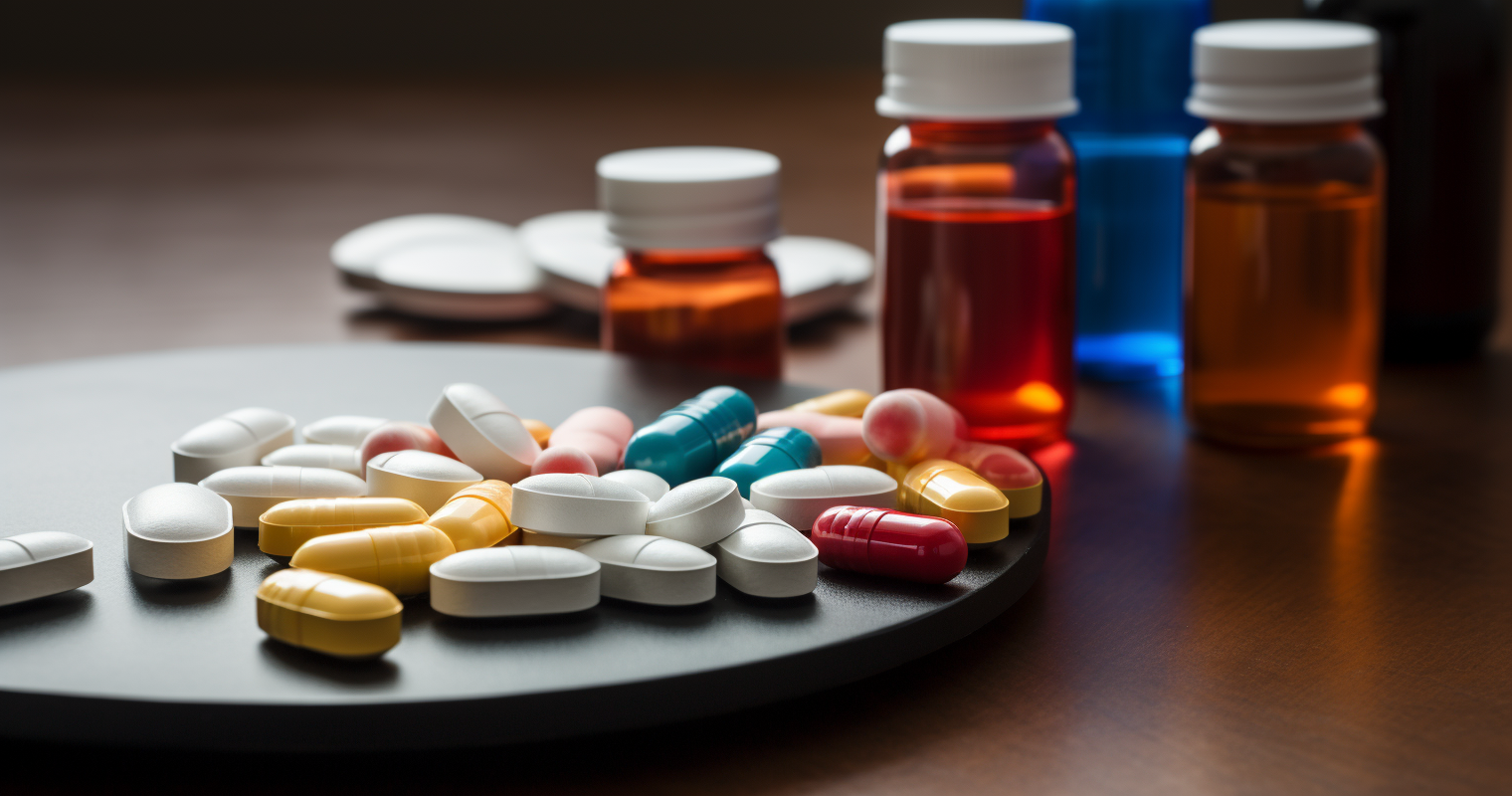
The Philippines supports an extensive pharmacy network, with outlets serving both urban centres and provincial communities. Drug regulation falls under the Food and Drug Administration (FDA), which operates within the Department of Health. While a broad range of everyday medicines is freely accessible without a prescription, the rules governing controlled and higher-risk substances are firmly enforced. Expats who depend on regular medications should make advance arrangements, since product availability can differ considerably from one region to another.
| Item | Details |
|---|---|
| Regulatory body | Food and Drug Administration (FDA) Philippines, under the Department of Health (DOH) |
| Drug classification system (as of 2024) | Prescription pharmaceutical products and non-prescription pharmaceutical products (pharmacist-only or general sale) |
| Prescription validity | Generally up to six months for standard medications; controlled drugs limited to 30-day supply per prescription |
| 24-hour pharmacies | Available in major cities such as Manila and Cebu; less common in rural areas |
| PhilHealth medication coverage (as of 2025) | New PhilHealth GAMOT outpatient drug benefit being rolled out; check philhealth.gov.ph for current benefit packages |
| Bringing medications into the Philippines | Personal use quantities permitted in original packaging; controlled substances require a Permit to Import (PTI) from the FDA or DDB |
What are pharmacies called in the Philippines, and how do I recognise one?
Pharmacies in the Philippines are commonly referred to as Botika or Botika ng Bayan. The word botika is an informal, nationwide term applied to any retail pharmacy outlet, whereas Botika ng Bayan denotes a specific government-supported community pharmacy initiative intended to improve access to essential medicines at reduced prices.
The universal green cross on a white background is the standard symbol displayed outside pharmacies, and newcomers will find it a reliable way to spot one on any street. Well-known chain pharmacies — including Mercury Drug, Rose Pharmacy, Watsons, and Generika — use prominent branded storefronts, but all will incorporate the green cross in their signage in some form.
Pharmacies are not difficult to find, whether in densely populated cities or smaller provincial towns, and their signage is generally in English, which is a useful advantage for those not yet conversant in Filipino or local dialects. Some supermarket chains and convenience stores also carry a limited selection of basic non-prescription products, so OTC medicines are not exclusive to dedicated pharmacy outlets.
Every legitimate pharmacy, regardless of size or location, is required by law to hold a current licence from the Philippine FDA — no pharmaceutical product may be sold or otherwise made available to the public through any retail drug outlet that has not been duly licensed. You can confirm whether a pharmacy holds a valid registration by consulting the FDA Philippines website.
What are pharmacy opening hours in the Philippines?
Operating hours across Philippine pharmacies vary by location and the day of the week. The typical pattern for most outlets is Monday to Saturday, from 8:00 a.m. to 8:00 p.m. On Sundays, many pharmacies open at 8:00 a.m. but close earlier than they would on a weekday. A midday break between 12 p.m. and 1 p.m. is observed at some pharmacies on weekdays.
Round-the-clock pharmacies exist, particularly in larger urban centres such as Manila and Cebu. If you need medication outside normal business hours, it is worth locating a 24/7 branch in advance. Several Mercury Drug locations in city areas operate continuously, and pharmacies within major private hospital complexes tend to remain open late or through the night.
In rural municipalities and smaller towns, opening hours are often considerably shorter, and 24-hour options are uncommon. If you are settling outside a major city, identifying your closest late-night or all-night pharmacy soon after arrival is a practical precaution. Hospital emergency departments may be able to supply critical medication in urgent circumstances when no pharmacies are accessible. Unlike some countries where health authorities publish a formal on-duty rota for pharmacies, no nationwide rota system operates in the Philippines, so your most dependable options are contacting major pharmacy chains directly or enquiring at your nearest hospital.
Which medications can I buy over the counter in the Philippines, and which require a prescription?
The Philippines uses a revised two-tier classification framework: prescription pharmaceutical products and non-prescription pharmaceutical products. Non-prescription medicines are further divided into pharmacist-only products — which still require a pharmacist’s involvement before being dispensed — and those available for general sale. This approach mirrors the tiered systems found in many other countries.
A wide range of everyday medicines, including common painkillers, cough preparations, and antihistamines for allergy relief, can be purchased at most pharmacies without a prescription. Medicines that carry a greater risk of harm or abuse — such as powerful analgesics and sleeping tablets — are subject to prescription requirements. The distinction between what is freely available and what is controlled differs from country to country, and the rules in the Philippines may not align with what you are accustomed to at home.
It is always sensible to speak with a pharmacist before buying any medicine you are unfamiliar with, particularly regarding appropriate dosage and possible side effects. Some antibiotics freely dispensed without prescription in certain countries are classified as prescription-only here, while various anti-inflammatory drugs and antihistamines are freely available OTC. Philippine authorities maintain strict oversight of the purchase and sale of prescription medicines.
Online ordering is possible within the Philippines, and a number of licensed online pharmacies offer home delivery. Caution is essential, however: fraudulent and unregistered online sellers are known to distribute substandard, fake, or counterfeit medicines that may contain insufficient active ingredients and pose real risks to health. Always verify that any online pharmacy holds a valid FDA Licence to Operate before placing an order — the FDA’s official register can be searched at fda.gov.ph.
How does the prescription system work in the Philippines?
To obtain a prescription medicine in the Philippines, you must first consult a doctor, who will assess your condition and issue a written or electronic prescription. That document can then be taken to any licensed pharmacy for dispensing. Standard prescriptions are generally valid for up to six months, after which a further consultation is needed before a new prescription can be issued. This contrasts with systems such as Australia’s PBS, where the original prescription may carry a set number of repeats dispensable at intervals without an additional visit.
Both general practitioners and specialists are authorised to prescribe in the Philippines. Most private clinics and hospitals charge a consultation fee, and this appointment is the standard gateway to obtaining any prescription-only medicine. Unlike the UK’s NHS model — where a GP referral is normally required before accessing specialist care — patients in the Philippines can frequently book directly with a specialist at private facilities.
Under FDA Circular 2020-037, all licensed physicians may issue electronic prescriptions via email or other electronic means recognised under the Electronic Commerce Act of 2000, and these carry the same legal standing as a handwritten prescription. Electronic prescriptions must state the patient’s name, and include the digital signature, full name, licence number, and professional tax receipt number of the issuing physician. This provision does not, however, extend to prescriptions that require an S-2 licence from the Philippine Drug Enforcement Agency.
Controlled and dangerous drugs are subject to a more complex regulatory framework. Medical practitioners who hold a valid S2 licence — a special authorisation issued by the Philippine Drug Enforcement Agency (PDEA) — may prescribe medicines classified as dangerous drugs, including potent opioids such as morphine and fentanyl. A single prescription for a dangerous drug may cover a maximum of 30 days’ supply, except in the treatment of epilepsy and dystonia, where a prescription may cover up to 60 days.
Prescription medicines and pharmacist-only OTC products must be dispensed by a duly registered and licensed pharmacist, except in genuine emergency situations where a licensed pharmacist is unavailable. This dispensing requirement shares broad similarities with rules in countries such as Canada and Germany, though the specific control categories and licensing structures are particular to the Philippines.
How much do prescriptions and medications cost in the Philippines?
The Philippines does not operate a universal flat-fee prescription system comparable to the NHS standard charge in the United Kingdom or the subsidised pricing structure of Australia’s Pharmaceutical Benefits Scheme. As a general rule, patients pay the full retail price of any medicine at the pharmacy counter, regardless of whether it is branded or generic.
Medication prices vary considerably depending on the drug type, dosage strength, and manufacturer. Generic alternatives are typically far less expensive than their branded equivalents. The affordability of medicines also has a broader market effect: drugs priced beyond the reach of most consumers generate limited demand, which can influence what pharmacies choose to stock and which products pharmaceutical companies register for sale locally.
A notable development in subsidised medicine access is the PhilHealth GAMOT programme. Approved under PhilHealth Board Resolution No. 3019 s. 2025, this policy enables the implementation of PhilHealth GAMOT by directly engaging drug dispensing facilities across the country. PhilHealth GAMOT forms part of comprehensive outpatient care coverage, supporting the country’s Universal Health Care goals. The programme is being introduced in phases, so expats should check philhealth.gov.ph regularly for updates on covered medicines and eligible facilities.
Senior citizens and persons with disabilities are entitled by law to a mandatory 20% discount on medicines at all licensed pharmacies in the Philippines, regardless of insurance status. This is a statutory entitlement that requires no special application process. For expats who qualify as senior citizens, this discount is accessible upon presenting a valid Senior Citizen ID card. Contact the Office for Senior Citizens Affairs (OSCA) at your local government unit to register. For guidance on current drug pricing and the Maximum Drug Retail Price list, visit the FDA Philippines website or the Department of Health at doh.gov.ph.
Will my home-country prescription be accepted in the Philippines?
The Philippines does not operate a formal mutual recognition arrangement for foreign prescriptions of the kind that exists between some neighbouring countries. In practical terms, if you are continuing treatment for an established medical condition, you should carry a written prescription from your doctor at home and ensure it clearly states the generic name of the drug. Using the International Nonproprietary Name (INN) — the globally recognised generic designation — is essential, as the branded version you rely on at home may not be registered or regularly stocked in the Philippines.
A foreign prescription can serve as useful supporting documentation during a consultation with a Philippine doctor, but it generally cannot be presented directly at a pharmacy as a substitute for a locally issued prescription when controlled medicines are involved. For standard prescription drugs, some pharmacies may exercise discretion, but this cannot be counted on, and relying solely on a foreign prescription to secure ongoing medication is not advisable. The safest course of action is to arrange a consultation with a registered Philippine physician as promptly as possible after your arrival.
In practice, establishing a relationship with a dependable local doctor is the most effective approach to managing repeat prescriptions and continuity of care. Many expats accomplish this through reputable private hospitals or clinics, where patient records, follow-up appointments, and prescription renewal are handled in a more structured manner. Bring a detailed letter from your current doctor outlining your diagnosis, all current medications listed by their generic names, and your dosages — this will allow a new local physician to understand your treatment history and issue an appropriate Philippine prescription without unnecessary delay.
Can I bring my medications into the Philippines?
The Philippines enforces strict rules on bringing pharmaceutical products into the country, including prescription medicines, in order to protect public health, prevent drug misuse, and meet international obligations regarding controlled substances. These regulations are administered primarily by the Food and Drug Administration (FDA) under the Department of Health, the Bureau of Customs (BoC), and the Dangerous Drugs Board (DDB).
For personal-use quantities of ordinary prescription medicines, the core requirement is straightforward: all drugs must be in their original pharmacy packaging, clearly labelled with the manufacturer’s information, expiry date, and batch number. Loose tablets or unlabelled containers are not acceptable and may attract suspicion of illicit activity. Carrying enough medicine for the duration of your trip or an initial settlement period — generally between 30 and 90 days for personal use — is normally accepted, provided the medicine is legally available in the Philippines.
All medicines must be declared on your Customs Declaration Form upon arrival. It is advisable to carry medicines in your hand luggage so they are readily available for inspection. For injectable drugs or equipment such as insulin syringes, a doctor’s letter explaining your medical condition and the necessity of the medication is mandatory.
Controlled substances require additional preparation. For Schedule II–IV drugs, a Permit to Import (PTI) from the FDA or DDB may be needed before you travel. Obtaining a PTI involves submitting medical records, prescriptions, and evidence of personal use through the FDA’s online portal. Narcotics and psychotropic substances may also require separate approval from the PDEA.
Non-compliance can result in confiscation, financial penalties, or criminal prosecution. Because the rules in this area are subject to change, always confirm the current requirements before departing by consulting the FDA Philippines and the Bureau of Customs websites, or by contacting the Philippine Embassy or Consulate in your home country.
Step-by-step: how to bring medications into the Philippines
- Confirm that your medication is permitted in the Philippines. Search the FDA Philippines registered drug list at fda.gov.ph to verify that your medicine is not a prohibited or unregistered substance.
- Retain all medicines in their original, labelled packaging. The pharmacy label, manufacturer’s details, expiry date, and batch number must all be intact and clearly readable.
- Obtain a supporting letter from your doctor. Your prescribing physician should provide a letter stating your diagnosis, the medicine by its generic name, your dosage, and confirmation that it is for personal use. This is compulsory for injectables and strongly recommended for all prescription medicines.
- Apply for a Permit to Import (PTI) if your medicines are controlled substances. Submit your application through the FDA’s online portal, along with medical records, prescriptions, and personal use documentation, well in advance of your departure date.
- Declare all medications on your Customs Declaration Form when you arrive. Carry your medicines in hand luggage to allow customs officers to inspect them easily if required.
- Keep copies of all relevant documents — prescriptions, doctor’s letter, and PTI where applicable — within easy reach throughout your journey and during your initial period in the Philippines.
How do expats access prescription medications through health insurance in the Philippines?
Healthcare funding in the Philippines draws on several sources: the national public insurance programme (PhilHealth), local private Health Maintenance Organisations (HMOs), private insurance purchased locally, and international health insurance policies. The extent to which your medications are covered depends on which arrangement you hold — and, for many expats, a layered approach combining more than one form of cover proves to be the most workable solution.
PhilHealth, the national health insurance programme established by the Philippine government, provides the foundation of the country’s public healthcare framework. Foreign nationals considering PhilHealth enrolment should be aware that eligibility is generally tied to formally recognised long-term or permanent residency status. While PhilHealth can meaningfully reduce the cost of hospital treatment and provide a baseline level of coverage within the public system and accredited private facilities, patients are still likely to face out-of-pocket costs for certain treatments, medicines, and other medical expenses.
In many government hospitals, the standard practice is to issue a prescription rather than dispense the medicine directly, which means patients or their family members must source and purchase the medication from an external pharmacy. This differs significantly from the NHS model in the UK, where medicines administered to inpatients are generally included in the overall cost of care.
HMO plans are the most widely used form of private healthcare cover among expats living in the Philippines. Positioned between PhilHealth and full medical insurance, HMOs offer prepaid, cashless access to partner clinics and hospitals for routine consultations and everyday health needs. Some HMO plans include a pharmacy benefit for medicines dispensed at partner outlets; the scope of this varies between providers, so reviewing your plan documents carefully is essential. Medication coverage can make a meaningful difference to those managing long-term or chronic conditions.
International health insurance offers expats comprehensive global coverage that can be tailored to their specific circumstances, potentially eliminating the need to pay out of pocket for healthcare services received in the Philippines. Coverage under international plans can encompass inpatient and outpatient care, mental health and wellness support, and medication benefits. For expats with substantial or ongoing medication requirements, an international health insurance policy is frequently the most all-encompassing option, though premiums reflect the breadth of protection provided.
Expats who have neither local nor international insurance cover will pay all medication costs out of pocket at market rates. Asking the pharmacist about the cost before committing to a purchase is advisable, particularly for specialist or branded medicines. Under the Generics Act, pharmacies are legally required to offer a generic alternative whenever one exists, and pharmacists must inform customers of this option — making generics a practical and accessible means of managing medication expenses.
Frequently asked questions: prescriptions and medications in the Philippines
What should I do if I run out of medication in the Philippines?
If your supply of a standard prescription medicine runs out, visit a private clinic or hospital to consult a doctor, who can evaluate your condition and issue a prescription valid in the Philippines. Bring whatever packaging remains, your home-country prescription, or a doctor’s letter documenting your current treatment. For controlled substances, the process takes longer because of the additional S2 licensing requirements that apply to prescribing physicians, so it is important to monitor your supply carefully and never allow it to reach a critical low.
Are brand-name drugs available in the Philippines?
Because the Philippines depends heavily on imported medicines — especially branded and specialised products — the local supply chain is more exposed to disruptions and stock shortfalls than markets with strong domestic manufacturing. Many internationally recognised brand-name drugs are stocked at pharmacies in large cities, but particular brands may be unavailable or difficult to source, especially outside metropolitan areas. Even commonly used generics can sometimes be hard to find because most rely on imported raw ingredients. Ask your pharmacist about equivalent generic substitutes whenever your preferred brand is not in stock.
How do I find a pharmacist who speaks English in the Philippines?
English holds official language status in the Philippines and is routinely used in professional and healthcare contexts. The great majority of licensed pharmacists at chain pharmacies in cities and larger towns are comfortable conversing in English, and signage at major chains is typically presented in English. If communication proves difficult at a smaller neighbourhood pharmacy, heading to a branch of a major chain — such as Mercury Drug or Watsons — within a shopping centre is the most reliable way to obtain clear English-language assistance.
What happens in a medical emergency — will I receive medication at the hospital?
At government hospitals, it is common practice to issue a prescription rather than dispense medicines directly, requiring you or someone on your behalf to obtain them from an outside pharmacy. Private hospitals generally bill medications administered during your care to your account, which private insurance can cover. In any life-threatening emergency, hospitals are legally obligated to provide stabilising treatment regardless of your insurance status. If you take medication regularly, keeping an emergency reserve on hand is strongly advisable so that any interruption in normal supply does not compromise your treatment.
Can I order my medications online and have them delivered in the Philippines?
Online pharmacies operating within the Philippines do offer home delivery services. However, the online marketplace also attracts unregistered sellers who supply substandard, counterfeit, or adulterated medicines that can cause serious harm. Only purchase from online pharmacies that hold a valid FDA Licence to Operate, which you can verify through the searchable register at fda.gov.ph. A valid prescription remains legally required for the supply of prescription medicines, including those ordered through online platforms.
Are there any medications that are legal elsewhere but banned in the Philippines?
Republic Act No. 9165, the Comprehensive Dangerous Drugs Act of 2002, classifies drugs into dangerous and controlled substances and imposes stringent restrictions on their importation, possession, and distribution. Certain medicines that are legally prescribed in other countries — including specific opioid analgesics, sedatives, and psychotropic substances — are tightly controlled or altogether prohibited in the Philippines. Before travelling, check whether your medication appears on the DDB’s prohibited list by consulting the Dangerous Drugs Board or the Philippine FDA. Penalties for possessing prohibited substances in the Philippines can be severe.
Does PhilHealth cover the cost of outpatient medications?
The PhilHealth GAMOT programme, approved in 2025 under PhilHealth Board Resolution No. 3019 s. 2025, introduces an outpatient drug benefit delivered through directly engaged drug dispensing facilities nationwide. As a developing initiative forming part of the broader Universal Health Care agenda, the list of covered medicines, eligibility criteria, and participating pharmacies remain subject to revision and expansion. Consult the latest benefit circulars at philhealth.gov.ph for up-to-date coverage information.
Can I get a repeat prescription without visiting a doctor again?
Philippine prescriptions are generally valid for up to six months, after which a new consultation with a doctor is required before further medication can be prescribed. Unlike systems where a pre-authorised number of repeats is built into the original prescription, the Philippines typically requires an in-person or telemedicine appointment to renew a prescription once the original period has elapsed. For controlled and dangerous drugs, each prescription is ordinarily limited to a 30-day supply, making regular contact with a prescribing doctor essential for anyone on long-term controlled medication.
Where can I verify that a pharmacy or medication is legitimate in the Philippines?
The Food and Drug Administration (FDA) of the Philippines holds responsibility for licensing, monitoring, and regulating drugs, food products, medical devices, cosmetics, and vaccines in terms of safety, efficacy, and quality. The FDA provides a searchable online database of registered medicines and licensed establishments. Before purchasing from any pharmacy — whether physical or online — you can check its FDA licence status at fda.gov.ph. The Department of Health website at doh.gov.ph offers additional consumer health guidance and publishes alerts concerning unregistered or counterfeit products.
Latest: Expat Focus International Healthcare Update September 2026 →