
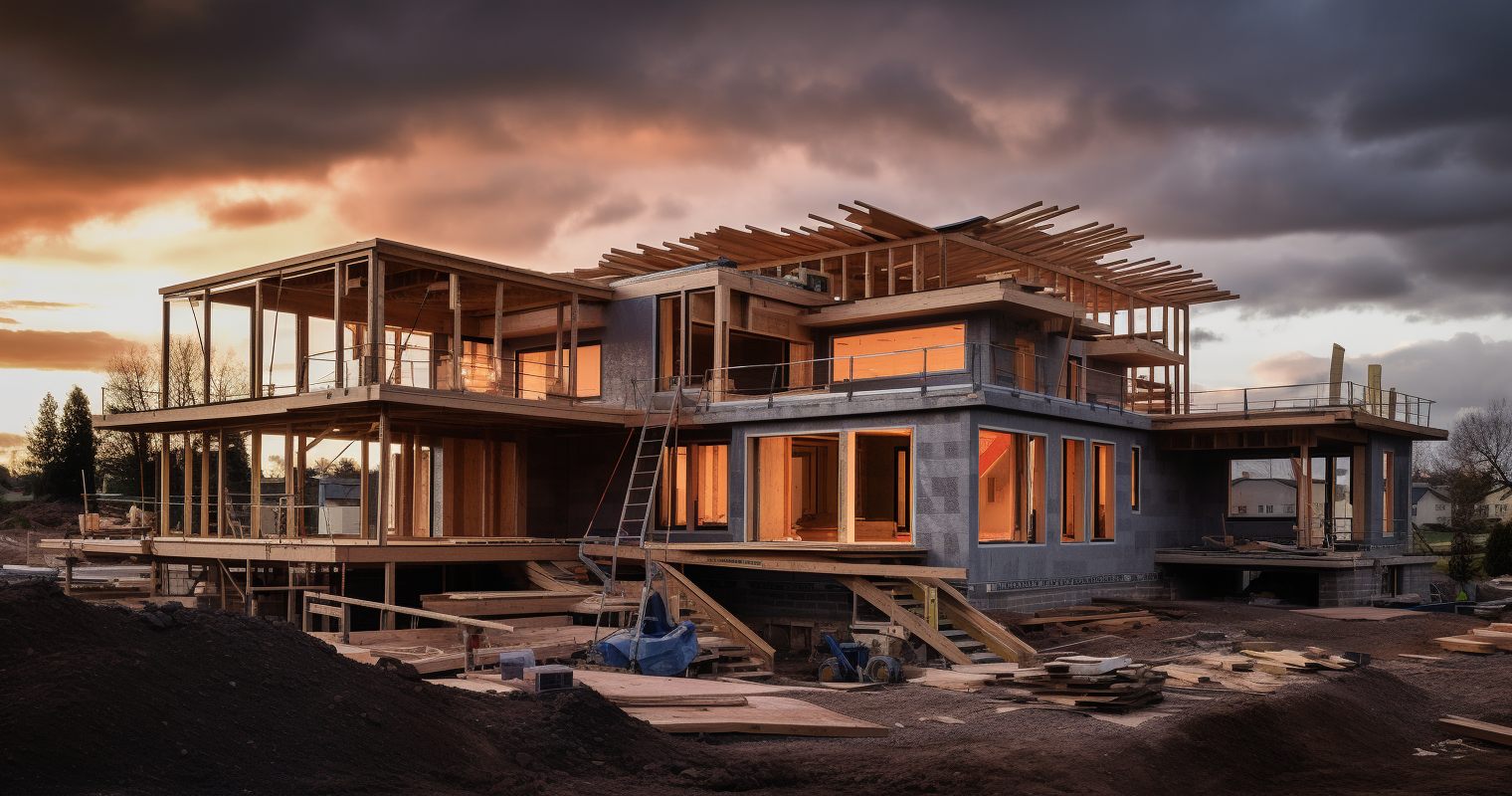
Any building or renovation work in Jamaica — including extensions and substantial refurbishments — requires formal planning permission and a building permit. The process is overseen by Local Planning Authorities (Municipal Corporations), the National Environment and Planning Agency (NEPA), and a number of other statutory bodies. While foreign nationals face no general restrictions on land ownership in Jamaica, successfully navigating this multi-agency approval system demands thorough preparation and the support of experienced local professionals.
| Item | Details |
|---|---|
| Planning permission required? | Yes — all development must be approved by the Local Planning Authority before work begins (as of 2025) |
| Residential approval timescale | Approximately 6–8 weeks for single-family homes; 3–6 months for commercial projects (as of 2025) |
| Building permit validity | 6 months from date of issuance; revalidation possible up to 4 times (2 years total) |
| Penalty for building without a permit | Stop Notice issued; fines from JMD $250,000; potential property forfeiture (as of 2025) |
| Heritage authority | Jamaica National Heritage Trust (JNHT) — www.jnht.com |
| Architects registration body | Architects Registration Board (ARB) — arb.com.jm |
| Foreign land ownership | Permitted; no general restrictions on foreign nationals owning land in Jamaica |
| Key planning portal | Jamaica Development Application Portal (JDAP) — www.jdap.gov.jm |
Do you need planning permission to build or renovate a property in Jamaica?
Every development application must be submitted to and approved by the Local Planning Authority before any construction work can begin. This requirement extends beyond new builds to cover extensions, alterations, demolition, and changes of use. Jamaica’s Town and Country Planning Act takes a broad approach to the definition of “development”: even a renovation that substantially changes a building’s structure or intended use will generally require formal approval before work commences.
Activities requiring a permit include erecting a new building, making additions, alterations and repairs to an existing one, putting up temporary structures, changing a building’s use from one category to another (for instance, from residential to commercial), and demolishing a building. If you have any doubt about whether your proposed works fall within these categories, the Planning or Roads and Works Department of your local parish council can provide guidance before you spend any money.
Before funds are committed to purchasing land for development or to commissioning design drawings, professional advice should be sought on the zoning regulations that apply to the specific area in which the development is intended. This is particularly important for expatriates who may be unfamiliar with Jamaica’s Development Orders, which establish land-use rules across different parishes and localities throughout the island.
The step-by-step application process is as follows:
- Pre-application check: NEPA offers a walk-in “Pre-Check” service through the Development Assistance Centre (DAC), allowing you to bring in one set of your application documents and drawings/plans for review and comments prior to your full submission. Your local parish council can also provide guidance on submission costs.
- Prepare your drawings: All residential and commercial construction drawings are to be drawn to a minimum scale of 1:100; all details must be drawn to a minimum of 1:25. Buildings greater than 300m² must be designed and stamped by registered professionals (architects or engineers), while buildings smaller than 300m² can be designed by other skilled professionals such as a draughtsman.
- Gather required documents: A certified copy of the registered title is required; in the absence of the registered title, a certified copy of alternative documents is needed, along with a letter of authorisation from the owner, stamped and signed by a Justice of the Peace or a Notary Public.
- Submit via JDAP or in person: Applications can be submitted online via the Jamaica Development Application Portal (JDAP), including building applications, planning applications, environmental applications, and subdivision applications of 9 lots or under and under 5 acres. Paper submissions are still accepted at Municipal Corporations.
- Pay the prescribed fee: The completed application form must be submitted with the prescribed fee. Fees vary based on the size and type of project. Contact your local Municipal Corporation for the current fee schedule, as these change periodically.
- Agency referrals: Critical referral agencies include the National Works Agency (NWA) and NEPA. For complex developments, additional referral agencies may be required, including the Fire Brigade, the National Water Commission (NWC), the Ministry of Health, and the Geological Survey Division.
- Await approval: The approximate approval time for residential plans is 6 to 8 weeks and 3 to 6 months for commercial plans (as of 2025). Applications can be tracked online through the JDAP portal.
- Collect permits and commence work: If you are not the owner, the owner must give you a Letter of Authorization, stamped and signed by a Justice of the Peace or a Notary Public. You must commence construction within six months of the issuance of the permit or it shall lapse.
- Keep plans on site and schedule inspections: Contact the appropriate departments to carry out inspections during the course of construction, and keep a copy of the plans and permits on site.
Where an application is refused, the Municipal Corporation is obliged to issue a written notification letter setting out its reasons and explaining the available appeal process. If an appeal also proves unsuccessful, a partial refund not exceeding 50% of the total fees paid may be granted. Applicants also have the right to appeal to the relevant minister within 28 days of receiving the refusal notice.
Building permits remain valid for only 6 months from the date of issue. If construction is not expected to begin within that initial period, the plans should be returned to the council for revalidation; the revalidation fee is calculated at 10% of the original building fee. Permits may only be revalidated for a total of two years — that is, a maximum of four times — after which an entirely new submission must be made.
In contrast to frameworks such as the UK’s permitted development rights — which allow a range of minor works and modest extensions without requiring formal consent — Jamaica’s regulatory system is considerably more encompassing. Almost every form of physical development, including substantial repair work, falls within the scope of permit requirements. When in doubt, submit an application rather than assuming that the proposed works are exempt.
What are the rules around listed buildings, conservation areas, and heritage protection in Jamaica?
The Jamaica National Heritage Trust (JNHT) carries responsibility for promoting, preserving, and developing Jamaica’s material cultural heritage — encompassing buildings, monuments, and bridges — and maintains the official register of National Heritage Sites across the country. The Trust operates under the Jamaica National Heritage Trust Act, 1985. Its role is broadly comparable to that of Historic England or Parks Canada in protecting the built heritage of their respective countries, although Jamaica’s framework uses the designations “national monuments” and “protected national heritage” rather than “listed buildings” or “conservation areas.”
The Trust has the authority to declare structures as national monuments where they are of public interest on historical, architectural, traditional, artistic, aesthetic, scientific, or archaeological grounds. A register of national monuments is published each year in the Gazette. The Trust may also designate places, objects, or species as protected national heritage, with annual published lists and direct notification to relevant owners.
The Trust identifies and safeguards buildings, structures, and sites of historical, architectural, or cultural significance. If you are considering buying or renovating a property that may carry heritage significance — such as an old great house, a colonial-era structure, or a building situated within a historic town centre — you must consult the JNHT before undertaking any works whatsoever. Any alteration, demolition, or new construction affecting a national monument or protected heritage site will require JNHT consent in addition to the standard building permit process.
The Jamaica National Heritage Trust (JNHT) is involved in the processing of building approval applications as it relates to areas declared under the JNHT Act. This means that if your site falls within a protected area, your application will be automatically referred to the JNHT — but it remains wise to confirm this independently before submitting your application.
Owners of national monuments or protected heritage properties are entitled to compensation should they suffer financial loss as a direct result of a declaration or designation. However, carrying out unauthorised works on a national monument can trigger enforcement action, financial penalties, and compulsory restoration orders at the owner’s expense. The consequences can be particularly serious where structures of considerable cultural value are involved.
To establish whether a property falls within the protected heritage register, contact the JNHT directly. Contact details: Jamaica National Heritage Trust, 79 Duke Street, Kingston, Jamaica. Website: www.jnht.com. Always verify the current status of any property on the JNHT register before proceeding with a purchase or commissioning any design work.
What permits and licences are required when building or renovating in Jamaica?
Embarking on any development project in Jamaica requires careful progression through a structured sequence of permits and licences to achieve full compliance with planning, environmental, and building regulations. The order in which approvals must be obtained is fixed, and bypassing any stage can delay or undermine subsequent applications.
The three main tiers of approval are:
- Environmental Permit (where required): An environmental permit is required to begin any construction, enterprise or development of a prescribed nature anywhere in the island and the territorial sea. The permit is intended to safeguard the various environmental and natural resources from direct damage due largely, but not exclusively, to physical development. An environmental permit is usually required before planning permission can be granted, ensuring that the project’s environmental impacts are evaluated at an early stage. Environmental permits are valid for two years (as of 2025). Processing of environmental permits takes a maximum of ninety days (as of 2025), though this can vary.
- Planning Permission: Once the necessary environmental permit has been secured, the next step is to obtain planning permission from the local planning authority. Planning permission confirms that the proposed project is consistent with local development plans, evaluates its potential effects on neighbouring properties and the wider community, and sets out conditions to govern how the development should proceed.
- Building Permit: Once you have secured both environmental permits (if required) and planning permission, the next step is to apply for a building permit. Building permits are regulated by the Building Authority and focus on the structural and safety aspects of the project.
Beyond these core approvals, additional clearances may be required depending on the nature and scale of your project:
- Fire Brigade approval: The Jamaica Fire Brigade (local chapters) is involved in the processing of applications for larger or more complex projects. Fire safety sign-off is typically required before occupancy.
- National Water Commission (NWC) approval: Required for connection to the public water supply and sewerage network. Contact NWC directly for connection fees and timescales, as these vary by location and project type.
- Ministry of Health (Environmental Health Unit): Involved for developments that include sewage or wastewater disposal, particularly in areas not served by mains sewerage.
- Water Resources Authority (WRA): The Water Resources Authority is one of the entities involved in processing certain applications, particularly where a project may affect watercourses, wells, or aquifers.
- Environmental Impact Assessment (EIA): For larger projects with significant potential impacts, an Environmental Impact Assessment may be required. NEPA and the NRCA evaluate the EIA to decide if the project can proceed with conditions to mitigate its environmental impact.
The processing of applications for environmental permits and licences is a key mandate of NEPA under the Natural Resources Conservation Authority (NRCA) Act and Town and Country Planning Authority (TCPA) Act. All environmental permit applications are submitted to NEPA. Contact: National Environment and Planning Agency (NEPA), 10 Caledonia Avenue, Kingston 5, Jamaica. Website: www.nepa.gov.jm. Verify all current fees and timescales directly with NEPA, as these are subject to change.
How do you find a reliable, trustworthy builder in Jamaica?
Jamaica’s construction industry operates within a regulated framework, and selecting a reputable, properly registered contractor is among the most consequential decisions you will make in protecting your investment. The sector is represented by the Incorporated Masterbuilders Association of Jamaica (IMAJ), a professional body for builders and contractors. Membership of a recognised trade association is a positive indicator of professional standing, though it does not substitute for thorough personal vetting of any individual contractor.
When evaluating a builder, look for the following:
- Proof of registration and licensing: Ask for the builder’s company registration documents and any trade licence. It is required that all buildings be designed to Jamaica Building Code standards. Buildings greater than 300m² must be designed and stamped by registered professionals — architects or engineers. For works of this scale, ensure the builder works alongside registered professionals.
- References and a portfolio: Request contact details for at least three previous clients who commissioned comparable projects. If at all possible, visit completed builds in person. Ask specifically whether work was finished on schedule and within the agreed budget.
- A detailed written contract: Never allow works to begin without a signed contract that sets out the full scope of works, materials specifications, a phased payment schedule, completion dates, and a dispute resolution procedure. Verbal arrangements provide very limited legal protection.
- Staged payments and escrow: Structure payments in tranches linked to clearly defined construction milestones — such as completion of the foundations, roofing, and fit-out — rather than releasing large sums at the outset. For significant projects, a solicitor-administered escrow arrangement is worth considering.
- Insurance: Confirm that the contractor carries current public liability insurance and, where employees are engaged on site, employer’s liability cover. Request copies of the insurance certificates and check that they remain valid.
Foreign property owners can sometimes be targeted by individuals presenting themselves as qualified contractors. Recurring problems include contractors who collect a substantial deposit and then abandon the project, those who use below-standard materials, and those who begin work without obtaining the required permits — leaving the owner bearing the legal consequences. Never release more than a modest mobilisation payment before work begins, and insist on seeing all permits before any construction activity starts.
For contractor referrals and advice, contact the Incorporated Masterbuilders Association of Jamaica (IMAJ), 5 Oxford Park Avenue, Kingston 5, Jamaica. Website: www.imaj.org.jm. Your architect is often the most reliable source of recommendations, since they will be able to suggest contractors they have worked with successfully on previous projects.
How do you find a qualified local architect in Jamaica?
The Architects Registration Board of Jamaica is mandated to register architects, regulate the practice of architecture in Jamaica, and to ensure the maintenance of acceptable standards of professional conduct of persons registered under the Architects Registration Act. Practising architecture in Jamaica without registration is unlawful, so it is essential to confirm that any architect you engage appears on the official register before entering into any agreement.
A list of all registered architects licensed to practise is available for the current year. Persons requesting a list of registered architects are directed to view the register at the offices of the ARB Secretariat at Office No. 5, Ground Floor, Incorporated Masterbuilders Building, 5 Oxford Park Avenue, Kingston 5, Jamaica, between the hours of 10am and 4pm. The register is also accessible online.
To find and verify a qualified architect, contact the Architects Registration Board (ARB) of Jamaica directly:
- Website: arb.com.jm
- Address: Office No. 5, Ground Floor, Incorporated Masterbuilders Building, 5 Oxford Park Avenue, Kingston 5, Jamaica
When selecting an architect, consider the following:
- Registration status: Verify that the architect’s name appears on the ARB’s current register. This is non-negotiable for buildings exceeding 300m², where drawings must be stamped by a registered professional before they can be accepted by the authorities.
- Experience with similar projects: An architect with a demonstrable track record of residential work at a similar scale and style to your project — particularly one who has handled commissions for foreign clients or absentee owners — will be well placed to manage the process on your behalf.
- Local authority relationships: A well-connected local architect will be familiar with the specific Development Orders and zoning provisions applicable to your parish, and will understand which referral agencies are likely to be consulted. This practical knowledge can make a meaningful difference to the speed of approvals.
- Communication and project management: For expatriates overseeing a build from abroad, consistent and transparent communication is essential. Agree from the outset on how frequently you will receive updates, when site inspections will take place, and how decisions will be reached when you are not present.
There is no language barrier to contend with; all official procedures are carried out in English, which is Jamaica’s official language. Local architects will, however, also understand the informal communication practices and local construction customs that can be unfamiliar to those new to the island.
What are the common pitfalls when buying land to build on in Jamaica?
Acquiring land for development in Jamaica calls for rigorous due diligence. A number of issues that appear straightforward in other property markets present specific risks in the Jamaican context that can be both costly and difficult to resolve. The following are the most important areas to investigate thoroughly before committing to any purchase:
Confirm planning viability before exchanging contracts: Before any money is spent acquiring land for development or on preparing plans and drawings, you need to seek professional guidance in respect of the zoning regulations relating to the specified area where the development is proposed. No permission or consent will be given to develop land when the proposed land use will not be to the advantage of the district in which it is to be located or in contravention of a Restrictive Covenant on the title. No development will be permitted in any area if such development is contrary to the current development policy of the government or zoning regulations. Seek written confirmation from the local planning authority that your intended use is permissible before exchanging contracts.
Title checks and ownership history: Jamaica operates a Registered Titles system, but a considerable proportion of land — particularly in rural locations — remains informally held or has contested, fragmented ownership histories. Always instruct a qualified Jamaican attorney-at-law to carry out a comprehensive title search at the National Land Agency (NLA) before completing any purchase. Unregistered or “common law” titles carry substantially greater risk and should be treated with extreme caution.
Boundary disputes: Discrepancies in boundary lines are frequently encountered, particularly on rural and hillside plots. Engage a licensed land surveyor to conduct a boundary survey and compare the results against the boundaries shown on the registered title before the purchase is finalised.
Restrictive covenants: Many Jamaican titles are subject to restrictive covenants that constrain how land may be used — for example, by prohibiting commercial activity or capping building heights. Such covenants appear on the title and must be scrutinised carefully, as they can override any planning permission subsequently granted.
Environmental and flood risk: Jamaica is exposed to hurricanes, flooding, and landslides, particularly across low-lying coastal areas and steep hillside terrain. Consult the Office of Disaster Preparedness and Emergency Management (ODPEM) and the Water Resources Authority (WRA) for any flood hazard mapping or watershed designations that may affect your chosen site. Some coastal land is also governed by Beach Control Act restrictions, which require additional permits from NEPA before any development near the shoreline can proceed.
Utilities availability: Do not take for granted that electricity, piped water, and sewerage connections are available at the plot boundary. Verify connections — and their likely cost — with the Jamaica Public Service Company (JPS) for electricity, the National Water Commission (NWC) for water and sewerage, and FLOW or other providers for telecommunications, before the purchase is completed.
Use a qualified attorney: Jamaica does not employ a notarial conveyancing system of the kind found in civil law countries such as France or Spain. Property transactions are instead handled by licensed attorneys-at-law. Ensure your chosen attorney is in good standing with the General Legal Council of Jamaica (www.generallegalcouncil.org) and has specific expertise in conveyancing. Never rely on the vendor’s attorney to look after your interests.
What are the rules around foreign ownership and financing for construction projects in Jamaica?
Jamaica maintains an open stance toward foreign investment in real estate, and no general restrictions prevent foreign nationals from purchasing land or commissioning construction projects on the island. NEPA aims to promote sustainable development by ensuring protection of the environment and orderly development in Jamaica, and the broader investment framework actively welcomes overseas participation in property development.
Key points for foreign buyers and builders include:
- No general ownership restrictions: Foreign nationals and non-residents may purchase freehold land and property in their own name, through a company, or via a trust. There is no requirement to establish a Jamaican joint-venture partnership for standard residential development. However, certain agricultural land classifications may involve separate approval requirements — confirm the position with the Agricultural Land Management Division if your plot encompasses agricultural land.
- Investment facilitation: For larger-scale developments, the Jamaica Promotions Corporation (JAMPRO) — Jamaica’s national investment promotion agency — can assist foreign investors in understanding regulatory requirements and may be able to facilitate introductions to relevant government ministries. Website: www.jamaicatradeandinvest.org.
- Mortgages and construction loans: Access to Jamaican mortgages and construction finance for non-residents is limited. Most Jamaican commercial banks and building societies require borrowers to be resident in Jamaica or to demonstrate a reliable local income. Non-residents will typically need to fund construction from overseas resources or from existing equity. Foreign nationals residing in Jamaica on a work permit or permanent residence may qualify for local financing — speak directly with banks such as Scotiabank Jamaica, NCB (National Commercial Bank), or JMMB Bank for current eligibility criteria, as lending policies are subject to regular revision.
- Currency and repatriation: Jamaica does not restrict the repatriation of funds by non-residents, but currency exchange controls and reporting obligations may apply to large transactions. Consult the Bank of Jamaica (www.boj.org.jm) for the current position on foreign exchange regulations.
- Tax considerations: Transfer tax and stamp duty are payable on property purchases in Jamaica regardless of the buyer’s nationality. Current applicable rates should be confirmed with Tax Administration Jamaica (TAJ) (www.jamaicatax.gov.jm), as these are subject to change. Annual property tax is also levied, based on the unimproved value of the land.
Succession planning warrants particular attention for foreign owners. Jamaican succession law governs immovable property situated in Jamaica, irrespective of the owner’s nationality. Foreign owners are strongly advised to prepare a Jamaican will to ensure their intentions are carried out efficiently and to avoid a prolonged estate administration process.
What official sources should you consult when planning to build or renovate in Jamaica?
Several government bodies play a role in regulating building and renovation in Jamaica. Always consult official sources directly for the most current fees, forms, and procedural requirements, since rules and processes are revised on a regular basis.
| Body | Role | Website |
|---|---|---|
| National Environment and Planning Agency (NEPA) | Environmental permits, planning policy, TCPA functions, development orders | www.nepa.gov.jm |
| Jamaica Development Application Portal (JDAP) | Online portal for submitting building, planning, and environmental applications | www.jdap.gov.jm |
| Local Authorities / Municipal Corporations | Building permit approval, local planning decisions | localauthorities.gov.jm |
| Jamaica National Heritage Trust (JNHT) | National monuments and heritage site protection | www.jnht.com |
| Architects Registration Board (ARB) | Registration and regulation of architects | arb.com.jm |
| National Land Agency (NLA) | Land titles, cadastral surveys, registration of deeds | www.nla.gov.jm |
| Jamaica Promotions Corporation (JAMPRO) | Investment facilitation for foreign developers | www.jamaicatradeandinvest.org |
| National Water Commission (NWC) | Water and sewerage connections | www.nwcjamaica.com |
| Jamaica Public Service Company (JPS) | Electricity connections | www.jpsco.com |
| Tax Administration Jamaica (TAJ) | Transfer tax, stamp duty, property tax | www.jamaicatax.gov.jm |
| Office of Disaster Preparedness and Emergency Management (ODPEM) | Flood risk, disaster hazard mapping | www.odpem.org.jm |
| General Legal Council | Verify attorneys-at-law in good standing | www.generallegalcouncil.org |
The National Spatial Plan, development plans, development orders and other planning documents, such as the Development and Investment Manual, are critical tools to guide land use planning in Jamaica. Obtain the relevant Development Order for your parish from NEPA to understand the land-use rules that apply specifically to your site. Official sources should always be consulted to ensure you are working with the most current requirements.
Frequently asked questions
How much does it typically cost to build a house in Jamaica?
Construction costs in Jamaica differ considerably depending on location, choice of materials, and the standard of finish required. As a broad guide, basic residential construction in 2024–2025 was estimated at roughly JMD 35,000–70,000 per square foot for standard finishes, with costs rising substantially where high-specification or imported materials are used. Labour and materials prices fluctuate with exchange rate movements and global supply conditions. Obtain at least three written quotations from registered contractors before making any commitment, and set aside a contingency allowance of at least 15–20% to cover unforeseen expenses. Always verify prevailing market rates with a local quantity surveyor.
How long does a full building project typically take in Jamaica, from planning to completion?
For a conventional single-family residential build, allow 6–8 weeks for building permit approval (as of 2025), plus up to 90 days if an environmental permit is also needed. Construction of a typical three-bedroom house generally spans 12–24 months, depending on contractor availability, materials supply, and weather conditions. Larger or more complex developments — especially those requiring environmental impact assessments or heritage authority consent — can take considerably longer. Add further time if you are overseeing the project from outside Jamaica.
Are there language barriers when dealing with planning authorities and contractors in Jamaica?
All official government procedures, legal contracts, and planning documents in Jamaica are handled in English, which is the country’s official language. Jamaican Patois (Creole) is widely spoken in everyday settings, including on construction sites, but you will not need an interpreter when dealing with planning authorities, attorneys, or registered professionals. Clear written communication and formally documented contracts are always recommended regardless of the language of day-to-day conversation.
Are building standards or professional qualifications from other countries recognised in Jamaica?
All buildings in Jamaica must be designed to meet Jamaica Building Code standards. Building qualifications obtained internationally — including those from the UK, United States, Canada, or elsewhere — are not automatically recognised for the purpose of certifying drawings in Jamaica. Architects and engineers from overseas who wish to practise must apply for registration with the Architects Registration Board (ARB) or the relevant engineering professional body. For most expatriate projects, the practical course of action is to engage a locally registered architect who can collaborate with an overseas designer but who takes full professional responsibility for the Jamaican submission.
What happens if I build without a permit in Jamaica?
Anyone found to be carrying out construction without a permit may be served with a Stop Notice requiring an immediate halt to all work until plans have been submitted, approved, and a permit issued. Under the Town and Country Planning Act 1957 (as amended), a Stop Notice and an Enforcement Notice can be served on an owner or occupier, and if they fail to obey the notices, a fine of up to one million dollars (JMD $1,000,000) can be imposed, thereafter a fine of JMD $5,000 per day if the development continues, and in the event of a court conviction your property could be forfeited. Work should never begin without confirmed written approval in hand.
Can I manage my build remotely from overseas?
Remote management of a building project is a common arrangement for expatriate property owners in Jamaica, but it carries real risks that require proactive mitigation. The most effective strategy is to appoint a locally registered architect or dedicated project manager with a clearly defined mandate and firm reporting commitments. Consider holding scheduled video call site inspections, tying payment releases to verified construction milestones, and granting a trusted local representative power of attorney to handle day-to-day administrative decisions in your absence. Bear in mind that construction programmes in Jamaica can be disrupted by seasonal factors, including hurricane season (June to November), which may delay materials deliveries and outdoor works.
What should I do if I have a dispute with a contractor in Jamaica?
If a dispute arises, start by sending written notice to the contractor clearly setting out your concerns and specifying a reasonable deadline for a response or resolution. If direct negotiation fails, you may refer the matter to the Consumer Affairs Commission of Jamaica (www.cac.gov.jm) or pursue the claim through the Jamaican courts. A well-structured contract incorporating a dispute resolution clause — whether providing for mediation, arbitration, or litigation — is your most effective line of defence. The Jamaica Bar Association (www.jambar.org.jm) can refer you to attorneys with expertise in construction-related disputes.
Are there any restrictions on building near the coast or in environmentally sensitive areas in Jamaica?
A permit is required to undertake any construction, enterprise or development of a prescribed nature anywhere in the island and the territorial sea. The permit is intended to safeguard the various environmental and natural resources from direct damage due largely, but not exclusively, to physical development. Coastal projects are additionally subject to the Beach Control Act, administered by NEPA, which regulates activities on or near beaches and the foreshore. Designated environmental sensitivity zones — including wetlands, coral reef habitats, and watershed areas — carry further restrictions. Always arrange a site-specific environmental screening with NEPA before purchasing any coastal or ecologically sensitive plot.