
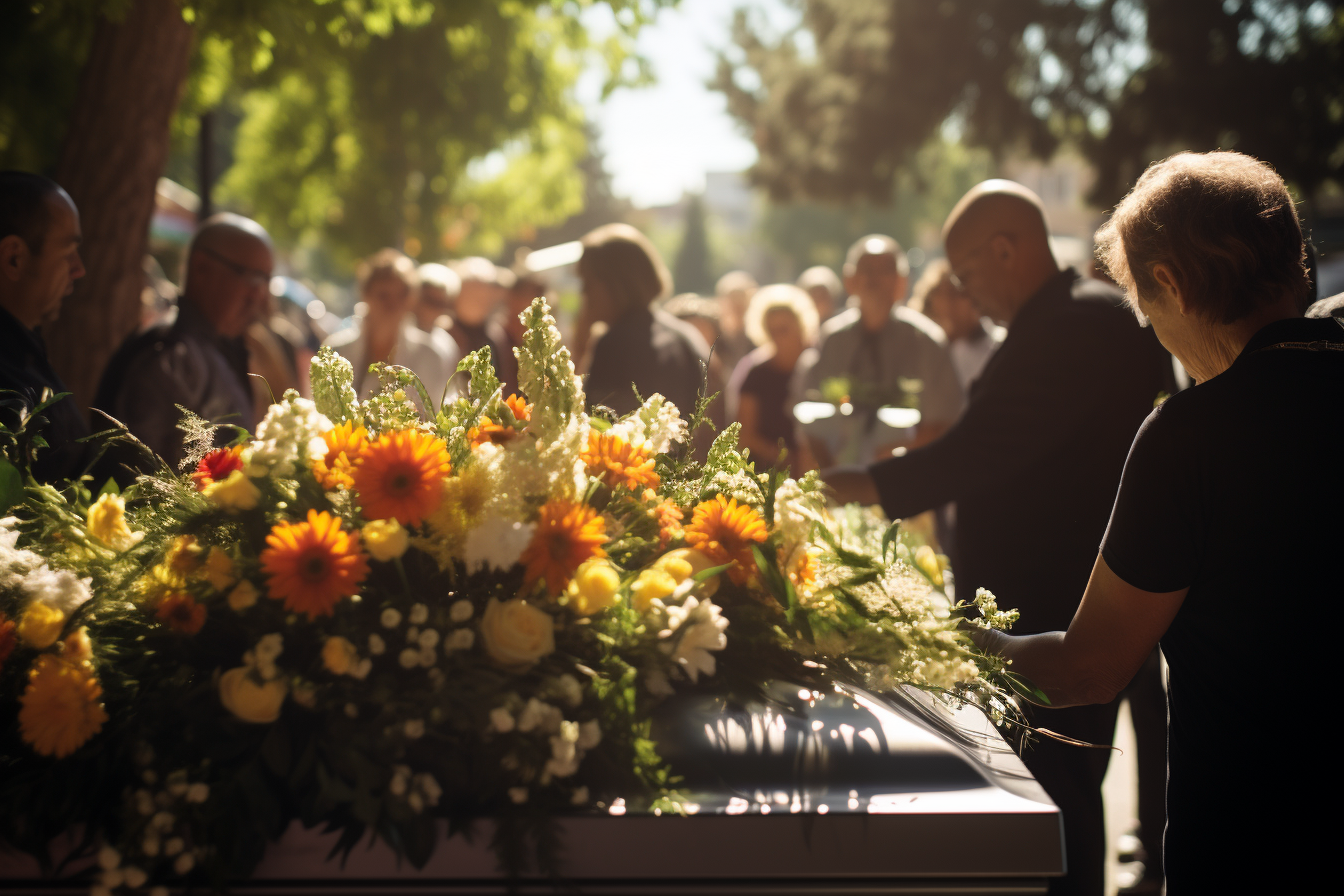
Hong Kong maintains a comprehensive public healthcare framework that delivers palliative and end-of-life services through the Hospital Authority’s network of public hospitals, alongside NGO-operated hospices and private sector providers. Deaths must be formally recorded within 14 days with the Immigration Department. Expatriates living in Hong Kong should familiarise themselves with the essential legal instruments, cultural practices, and procedures involved in estate administration, funeral planning, and — when required — the repatriation of a deceased person’s remains.
| Item | Details |
|---|---|
| Death registration deadline | Within 14 days of a natural death (as of 2025); handled by the Immigration Department |
| Advance Medical Directive (AMD) law | Advance Decision on Life-sustaining Treatment Ordinance passed November 2024; implementation expected ~mid-2026 |
| Euthanasia / assisted dying | Illegal in Hong Kong; no legislation permitting it |
| Public palliative care beds | Approximately 300 in public hospitals; ~454 total including NGO providers (as of recent figures) |
| Inheritance / estate duty | Estate duty was abolished in Hong Kong for deaths on or after 11 February 2006 |
| Probate processing time | Typically 3 to 9 months, depending on estate complexity |
What end of life care options are available in Hong Kong, and how does the system work?
Palliative care in Hong Kong is designed to offer comprehensive support to patients living with life-threatening or life-limiting conditions, as well as to their families. This encompasses physical, psychological, social, and spiritual dimensions of care. Services are delivered across three principal settings: Hospital Authority (HA) public hospitals, community and residential care home programmes, and a small number of NGO-operated hospice facilities.
Care is coordinated through multidisciplinary teams comprising doctors, nurses, medical social workers, clinical psychologists, physiotherapists, and occupational therapists. The Hospital Authority organises its palliative care provision on a cluster basis, with services now extended across all seven clusters throughout Hong Kong.
To minimise avoidable hospital admissions and support people in living well within their communities, a number of public hospitals have joined forces with elderly residential homes to bring palliative support to frail older residents and those living with dementia. A geriatrician-led initiative known as the “Enhanced Community Geriatric Assessment Team Support to End-of-Life Patients in Residential Care Homes for the Elderly” (EOL-RCHE) has been piloted across four hospital clusters since 2015.
The Jockey Club End-of-Life Community Care Project (JCECC), which commenced in 2016, introduced two community-oriented models: the Integrated Community End-of-Life Care Support Teams (ICEST) and end-of-life care programmes embedded within Residential Care Homes for the Elderly (RCHEs). These models promote collaboration between public hospitals, residential facilities, and community organisations. Home-based palliative care is additionally available for patients who wish to spend their final period in the comfort of familiar surroundings.
What is palliative care in Hong Kong, and who is eligible for it?
Palliative care is a holistic approach aimed at enhancing quality of life for patients and families confronting a life-threatening illness. It is frequently misunderstood as being relevant only in the final stages of illness — in reality, it can and should be introduced much earlier in the disease trajectory.
Over recent years, palliative care services within the Hospital Authority have expanded steadily. Although originally developed with cancer patients in mind, the service has since been broadened to accommodate patients with non-cancer diagnoses in recognition of their equally complex needs. Palliative care now extends to patients living with conditions such as Parkinson’s disease, dementia, and chronic life-limiting illnesses including cardiovascular diseases, chronic respiratory conditions, and AIDS.
The central goal of palliative care is to reduce suffering and improve the wellbeing of both patients with serious illness and those who care for them. This is achieved through early identification, thorough assessment, and addressing physical and psychological distress. Depending on a patient’s individual circumstances, interventions may include physiotherapy, pharmacological treatment, or acupuncture to manage pain, while medical social workers and clinical psychologists provide emotional and practical support to both patients and their families.
Entry into the public palliative care system is ordinarily facilitated through a referral from a hospital doctor or specialist. Patients cannot typically self-refer to Hospital Authority palliative programmes, although certain NGO-operated community hospice services do accept direct referrals from patients or family members.
Are there hospices in Hong Kong, and how do you access them?
Approximately 40,000 people die in Hong Kong each year. Across both public and private sectors, there are around 450 palliative and hospice care beds in total — roughly 300 of which are within public hospitals, 124 operated by Haven of Hope Christian Service (HOHCS), and 30 by the Society for the Promotion of Hospice Care (SPHC). HOHCS and SPHC represent the only hospice bed providers outside the public hospital system, meaning overall capacity is severely constrained relative to the population’s needs.
The Jockey Club Home for Hospice (JCHH), run by the SPHC and situated in Sha Tin, is a standalone 30-bed facility offering around-the-clock, patient-centred palliative care for people with life-limiting conditions and their families. It operates on a family-inclusive basis and is staffed by a multidisciplinary team of palliative doctors, nurses, personal care workers, allied health professionals, and social workers.
Jockey Club Home for Hospice serves patients whose health is declining, whose life expectancy is assessed at one year or less, and who have expressed a preference for comfort-focused rather than curative care. Haven of Hope Sister Annie Skau Holistic Care Centre’s JCECC Hospice Home primarily serves older individuals with terminal illnesses across Hong Kong — with the exception of the outlying islands — though patients in Kowloon, Tseung Kwan O, and East Hong Kong Island are given priority.
To gain access to public hospice or palliative care services, patients should request a referral from their treating doctor. For certain NGO services, patients or family members may make direct enquiries without a formal referral. Those experiencing financial hardship may ask their doctor or medical social worker to refer them to applicable financial assistance programmes, which can provide a degree of support based on individual circumstances.
Is palliative or hospice care covered by public health insurance or the national health system in Hong Kong, or does it need to be funded privately?
Hong Kong does not operate a single national health insurance programme comparable to the NHS in the United Kingdom or Medicare in Australia. Instead, the Hospital Authority runs a heavily subsidised public hospital system. While public healthcare services are in principle accessible to everyone in Hong Kong — whether residents or visitors — they are not provided free of charge; the key distinction lies in the fees levied on different categories of user.
It has been the standing policy of the Hong Kong SAR Government to offer public healthcare services to “Eligible Persons” at substantially reduced rates. Eligible persons are defined as individuals holding a valid Hong Kong identity card (HKID) that confers the right of abode, or those satisfying specific alternative criteria. Expatriates who have not yet attained Eligible Person status will be categorised as “Non-Eligible Persons” and charged considerably higher rates for Hospital Authority services, including palliative care wards.
For NGO-operated facilities such as Jockey Club Home for Hospice, costs are partially offset through charitable funding streams. The SPHC is a self-financing organisation that does not receive government subventions for its administrative or operational expenses; Jockey Club Home for Hospice relies on service income and voluntary donations from individuals, corporations, and charitable foundations. Financial assistance is available to qualifying patients in need. Private medical insurance can be used to help meet the costs of palliative or hospice care at private facilities; expats are strongly advised to scrutinise the specific conditions of their policy, as coverage for terminal or palliative care varies considerably from plan to plan.
What legal documents should expats have in place before the end of life in Hong Kong — such as a living will, advance directive, power of attorney, or healthcare proxy — and how do these work?
Advance planning is critically important. There are several key legal instruments that expatriates should consider putting in place while they retain full mental capacity.
Advance Medical Directive (AMD): The Hong Kong government enacted the Advance Decision on Life-sustaining Treatment Ordinance to create a statutory framework for advance medical directives (AMDs) and do-not-attempt cardiopulmonary resuscitation (DNACPR) orders. The Ordinance was passed at the Legislative Council on 20 November 2024 and gazetted on 29 November 2024. The Government has allocated an 18-month preparation period to allow medical institutions, relevant departments, and organisations to update their protocols, records, and systems, and to equip frontline staff with the necessary training — meaning full implementation is anticipated around mid-2026. In the meantime, Hong Kong has no statute that currently confers legal status on AMDs and DNACPR orders, although AMDs are regarded as legally binding under common law.
An AMD enables a patient with a terminal illness to refuse or have withheld life-sustaining treatments in specified circumstances. AMD makers may not refuse basic or palliative care, nor request the administration of a substance intended to end their life. Any person aged 18 or over who is mentally capable may execute an AMD, which requires at least two witnesses, one of whom must be a registered medical practitioner (RMP).
DNACPR Order: A DNACPR order instructs medical personnel not to perform cardiopulmonary resuscitation on a patient who suffers a cardiopulmonary arrest. These are ordinarily completed in conjunction with a hospital doctor, and the new Ordinance will standardise and give statutory force to this process.
Lasting Power of Attorney (LPA): A Lasting Power of Attorney empowers you to designate a trusted person to make decisions concerning your finances and/or personal welfare should you lose mental capacity. In Hong Kong, LPAs are governed by the Mental Health Ordinance (Cap. 486). Powers of attorney relating to property must be registered with the Land Registry. Expatriates should engage a Hong Kong-qualified solicitor to prepare an LPA that satisfies local legal requirements.
Will: A valid will is arguably the most significant document an expatriate can have prepared. Without one, the estate will be divided according to Hong Kong’s intestacy rules, which may not align with the deceased’s wishes. Wills in Hong Kong must generally be in written form, signed by the testator in the presence of two witnesses, both of whom must also sign in the testator’s presence.
Alongside the legislative provisions concerning AMDs, open advance care planning (ACP) conversations between patients and their families are considered a vital component of thorough end-of-life preparation. Discussing wishes regarding care preferences, preferred place of death, and funeral arrangements openly with family members and healthcare providers is strongly encouraged.
Are documents such as advance directives or powers of attorney made in another country legally recognised in Hong Kong?
This is a significant and nuanced question for expats. Hong Kong operates under a common law legal system, which affords somewhat greater flexibility than civil law jurisdictions in recognising foreign legal documents.
In relation to pre-existing AMDs that are clearly presented but do not fully meet all the requirements of the new Ordinance, where a registered medical practitioner (RMP) determines that it is not in the patient’s best interests to administer the life-sustaining treatments refused in the AMD, the RMP may withhold such treatment on the basis of that AMD under common law — including one executed outside Hong Kong. Nevertheless, it is advisable for anyone who has made an AMD to review it regularly with an RMP and to update or revise the instructions as circumstances change, using the model form prescribed by the new Ordinance once it takes effect.
Powers of attorney executed abroad are generally capable of recognition in Hong Kong if they were prepared in accordance with the legal formalities of the country in which they were made, but their practical scope and enforceability may be limited — particularly for property transactions, which may require registration under local rules. Different countries issue public documents in varying forms and languages, and it is standard practice that a foreign public document will only be accepted in Hong Kong legal proceedings if it has been properly authenticated. The Probate Registry adheres to this practice.
Expatriates holding legally executed documents from their home country should arrange for these to be reviewed by a Hong Kong-qualified solicitor, who can advise whether they are enforceable locally or whether additional Hong Kong-specific documents should be prepared alongside them.
What are the laws around euthanasia or assisted dying in Hong Kong?
Euthanasia and assisted dying are not permitted in Hong Kong. No legislation exists that allows a doctor or any other individual to deliberately end a patient’s life, even where the patient has explicitly requested it. Both euthanasia — in which a third party administers a lethal substance — and assisted suicide — in which the patient self-administers with a third party’s help — constitute criminal acts under Hong Kong law.
The new Advance Decision on Life-sustaining Treatment Ordinance is specifically designed to enable patients to refuse life-sustaining treatments; it does not extend to any form of assisted dying. AMD makers are explicitly prohibited from refusing basic or palliative care, or from requesting the administration or prescription of a substance intended to bring about their death.
The legal position in Hong Kong therefore draws a firm distinction between permitting a natural death by withdrawing or withholding life-prolonging interventions — which the new Ordinance now supports — and the deliberate act of causing death, which remains unlawful. Expatriates wishing to understand their options for refusing unwanted medical treatment should speak with a Hong Kong-registered medical professional and, where necessary, a solicitor with expertise in healthcare law.
What are the local customs, traditions, and religious practices around death and dying in Hong Kong?
Hong Kong’s predominantly Chinese population maintains deep-rooted cultural and religious traditions relating to death and dying. Buddhist, Taoist, and Confucian values all shape how death is perceived and observed, though Christian, Catholic, and a wide range of other faith traditions are also actively practised in this cosmopolitan city.
Death is regarded as a sensitive and often taboo subject within many Chinese families in Hong Kong. This cultural reticence can create obstacles to frank conversations between healthcare professionals, patients, and family members about future care preferences and end-of-life planning. Expatriates in caring roles for Chinese family members should be mindful of this cultural dimension and approach such discussions with care and sensitivity.
Traditional Chinese customs relating to death include rituals intended to ease the transition of the soul and bring peace to the departed. These frequently involve the burning of paper offerings — such as paper currency or representations of prized possessions — so that the deceased may benefit from them in the afterlife. Elaborate funeral ceremonies, often involving chanting by Buddhist or Taoist monks or priests, are commonplace. White or black attire is conventional at funerals; bright or vivid colours are considered inappropriate. The duration of the mourning period and associated rituals varies according to family preference and religious denomination, typically spanning three to seven days.
Filial piety — the profound respect owed to parents and elders — means that family members often feel a strong obligation to care personally for a dying relative at home or to maintain a bedside presence. Given Hong Kong’s acute shortage of cemetery land, the government actively promotes green burial as a more environmentally sustainable approach to the disposal of cremated remains, which has broadened public awareness of end-of-life planning more generally.
Expatriates from any background are entirely free to arrange funerals in keeping with their own traditions. Funeral directors in Hong Kong are experienced in managing a diverse range of religious and cultural requirements, including Christian, Muslim, Jewish, Hindu, and secular ceremonies.
What must you do when someone dies in Hong Kong? Who do you notify, how quickly, and in what order?
The steps below apply to deaths from natural causes in Hong Kong. Deaths from unnatural causes — including accidents, violence, or suspected suicide — follow a separate pathway involving the police and the Coroner’s Court.
- Contact a doctor or emergency services without delay. If the death takes place at home, call 999 or the deceased’s own doctor. Where death occurs in hospital, the medical team will manage the immediate response. A registered medical practitioner must examine the body and certify the cause of death.
- Obtain the Medical Certificate of Cause of Death. The attending doctor will issue this certificate, which is a prerequisite for initiating death registration. Where the cause of death is uncertain or the death is unnatural, the case will be referred to the Coroner.
- For deaths referred to the Coroner: Where death has resulted from unnatural causes such as poisoning or violence, the matter must be reported to the Coroner, who may order a post-mortem examination or conduct an inquest to establish the cause of death. Once determined, the Coroner will notify the Registrar of Deaths to proceed with registration, and the Registrar will inform the family in writing.
- Register the death with the Immigration Department. Under section 14 of the Births and Deaths Registration Ordinance (Chapter 174, Laws of Hong Kong), a relative or other relevant person of the deceased is obliged to register a death from natural causes within 14 days. Registration may be completed in person at any Births and Deaths Registry or online via the GovHK online death registration portal.
- Notify the deceased’s embassy or consulate (for foreign nationals). Contact the relevant consular office as soon as practicable following confirmation of the death. Consular staff can provide guidance, recommend local funeral directors, and assist with documentation required for repatriation where applicable.
- Engage a funeral director. A licensed funeral director will assist in managing the body, completing the required paperwork, and arranging burial, cremation, or repatriation. Upon appointment, they will ask you to sign an authorisation enabling them to apply for all necessary permits and documents.
- Notify relevant institutions. Inform the deceased’s bank, employer, insurance provider, pension administrator, and any applicable government agencies of the death. Contact all relevant financial and investment institutions and take steps to secure the deceased’s possessions and assets.
- Locate the will and commence estate administration. Obtain the most recent will and begin compiling a list of the deceased’s assets in preparation for the probate process and eventual distribution of the estate. Where a will exists, the named executor should apply to the Probate Registry. Where no will was made, a next of kin must apply for letters of administration.
How is a death officially registered in Hong Kong, and what documents are needed?
Death registration in Hong Kong falls under the remit of the Immigration Department. Under the Births and Deaths Registration Ordinance (Cap. 174), a death from natural causes must be registered within 14 days by a relative or other relevant person of the deceased. Registration may be completed either in person at any Births and Deaths Registry or via the online portal.
To register a death from natural causes, you will generally need to produce: the Medical Certificate of Cause of Death (provided by the attending doctor); the deceased’s Hong Kong Identity Card (if one was held) or their travel document or passport; and the identity document of the individual conducting the registration. Upon completion, a Death Certificate will be issued. It is advisable to obtain multiple certified copies, as these will be required by banks, insurance companies, the Probate Registry, and foreign authorities.
Deaths from unnatural causes do not need to be registered by a relative. Where a death has been referred by the Coroner, registration is processed exclusively at the Births and Deaths General Register Office in Admiralty.
What happens if a foreign national dies in Hong Kong — what are the specific steps for notifying their home country’s embassy or consulate, and what role does the consulate play?
When a foreign national passes away in Hong Kong, the consulate or embassy of their home country should be contacted as soon as possible. Most consulates operate a dedicated consular services or assistance line outside standard office hours to handle urgent matters.
The role of the consulate is primarily advisory and administrative rather than hands-on. In general, a consulate can: provide a list of reliable local funeral directors and legal advisers; assist with obtaining and authenticating official documents — for instance, certifying the Hong Kong death certificate for use in the home country; issue an emergency travel document for a family member who needs to travel urgently; liaise with local authorities where required; and advise on the procedure for registering the death in the deceased’s home country, which is typically required in addition to Hong Kong registration.
If the deceased held insurance, you should contact the insurance company promptly to determine whether repatriation expenses and related arrangements are covered under the policy. You may need the policy number and the associated 24-hour medical emergency contact number. If the insurer confirms that a valid policy is in place, you should not independently appoint a funeral director or allow yourself to be pressured by local funeral agencies to do so without first consulting the insurer.
Where no insurance exists, the responsibility for arranging and funding funeral arrangements falls to the next of kin. Consulates do not typically provide financial assistance. Expatriates in serious financial difficulty should be aware that the Hong Kong government will arrange a basic “Pauper’s funeral” where a person is unable to meet funeral costs, with ashes subsequently scattered at a designated location with no permanent marker or burial plot.
Every public hospital in Hong Kong has a morgue on site, and there are three public mortuaries located in Kwai Chung, Victoria, and Fu Shan. The mortuary to which a body is transferred is determined by the place of death. Where death occurs in hospital, the body remains in the hospital morgue until it is moved to a funeral parlour. Where death occurs at home or at the scene of a road accident, the body is conveyed to one of the three public mortuaries.
How are funerals typically arranged in Hong Kong, and what are the usual options for burial or cremation?
The next of kin will generally need to decide between local burial, cremation in Hong Kong, or repatriation of the remains. An appointed funeral director will ordinarily be able to outline the available options, explain the associated costs, and assist with making all necessary arrangements.
Cremation is by far the most prevalent choice in Hong Kong, primarily due to the scarcity of land. Where the deceased is to be cremated locally, the next of kin or appointed funeral director should approach the Food and Environmental Hygiene Department at the Cemeteries and Crematoria Office. Cremation in Hong Kong can take several weeks owing to limited crematorium capacity. Ashes may subsequently be retained by the family, placed in a columbarium niche, scattered at a designated sea area or memorial garden, or transported to another country.
Burial is an option but is both expensive and increasingly uncommon given land constraints. Acquiring or leasing a burial plot in Hong Kong is costly, and the government operates public cemeteries alongside private and faith-based burial grounds for Christians, Muslims, Jews, and Catholics. Space in public cemeteries is limited and waiting times for plots can be considerable.
Funeral services are typically organised through a licensed funeral parlour. Traditional Chinese funeral ceremonies commonly span several days and may incorporate religious observances conducted by Buddhist or Taoist clergy. Services for other faiths — including Christianity, Catholicism, Islam, Hinduism, and secular ceremonies — are well catered for within Hong Kong’s diverse international community.
What are the approximate costs of a funeral in Hong Kong, and are there any state or insurance-based funds that can help cover them?
The cost of a funeral in Hong Kong varies considerably depending on the nature of the service, the casket or urn selected, and whether additional memorial or religious elements are included. As a general indication, a basic local funeral encompassing all charges, undertaker’s fees, a religious service, and documentation costs in the region of HK$28,000, while cremation and the transportation of ashes overseas (such as to the United Kingdom) costs approximately HK$26,000–30,000. These figures are indicative only and should be confirmed with local funeral directors, as pricing changes over time.
Sample cost figures for standard funeral services were published in 2021 and are likely to have risen since then. Costs will also vary according to the condition of the body, the casket chosen, and the type of memorial services required. It is always prudent to obtain itemised quotations from at least two or three funeral directors before making any commitments.
Regarding financial support: the Home Affairs Department is able to issue certificates authorising the release of funds from a deceased person’s bank account specifically to meet funeral costs, or for the maintenance of former dependants or the inspection of bank deposit boxes. Where urgent funding is needed for funeral expenses and the estate consists entirely of money not exceeding HK$50,000, the relevant procedures can be followed through the Home Affairs Department. Travel insurance and private life insurance policies may also provide cover for repatriation or funeral costs — policy terms should be checked carefully before any arrangements are made.
What is the process for repatriating the remains of a foreign national from Hong Kong to another country?
Repatriation — the return of a deceased person’s body or ashes to their home country — is a logistically involved undertaking that is best handled through an experienced international funeral director. The process differs according to whether the remains are being repatriated as a body or as cremated ashes.
For a body: The body must be embalmed to meet international transportation requirements. A range of official documents will be required, including the Hong Kong Death Certificate, the Medical Certificate of Cause of Death, a Certificate of No Objection from the Coroner (where applicable), and the deceased’s passport. The receiving country will typically have its own importation requirements, and many airlines stipulate that the body must be transported in a sealed, zinc-lined coffin. The deceased’s consulate can advise on the specific requirements of the destination country.
For cremated ashes: To carry ashes out of Hong Kong, the next of kin requires the certificate of the fact of death, the certificate of cremation, and a removal permit for the urn. These can be arranged through a local funeral parlour, which will also handle all further logistics for transporting the ashes to their destination.
The next of kin, or family members acting under written authorisation from the next of kin, should arrange repatriation through an international funeral director. This can involve considerable expense. Repatriation insurance — whether through a comprehensive travel policy or a dedicated expatriate insurance plan — is strongly recommended for all expats residing in Hong Kong. If an insurance policy is in place, the insurer should be notified before a funeral director is engaged, as the insurer may have preferred service providers. In certain instances, a further post-mortem examination may be required in the receiving country even where one has already been conducted in Hong Kong, and some jurisdictions’ authorities may also wish to hold their own inquest. It should be noted that an inquest will not ordinarily take place if a local burial or cremation has already occurred in Hong Kong.
What happens to the estate of someone who dies in Hong Kong — how does probate or estate administration work, and are there inheritance taxes?
When a person dies in Hong Kong, their estate must pass through a formal legal administration process. Beneficiaries of the estate may apply for a Grant of Representation from the Probate Registry. The grant may take the form of a grant of probate, a grant of letters of administration, or a grant of letters of administration with will annexed, depending on whether the deceased left a will and whether an executor was appointed.
An application for a grant is submitted to the Probate Registry of the High Court. This involves lodging the original will (where one exists), a sworn affidavit, the death certificate, and a schedule of the deceased’s assets and liabilities. Probate typically takes between 3 and 9 months, depending on the complexity of the estate and whether the will is disputed. Expatriates with assets across multiple jurisdictions may need to obtain grants of representation separately in each relevant country.
Importantly, Hong Kong does not impose any inheritance tax or estate duty on deaths occurring on or after 11 February 2006. The estate of a person who died before that date remains subject to the provisions of the Estate Duty Ordinance (Cap. 111), requiring estate duty clearance from the Inland Revenue Department before administration can proceed. For deaths from 2006 onwards, no estate duty applies. The absence of capital gains tax in Hong Kong further simplifies the administration of investment assets.
For smaller estates, a Confirmation Notice may be issued by the Home Affairs Department where all property owned by the deceased consists entirely of money not exceeding HK$50,000 in aggregate and the deceased held no property as a trustee. This streamlined procedure removes the necessity for a full grant of probate in uncomplicated small-estate situations.
If an expat dies without a will in Hong Kong, what happens to their assets under local intestacy laws?
Where a person dies without a valid will — a situation described legally as dying “intestate” — their Hong Kong-situated assets are distributed in accordance with the Intestates’ Estates Ordinance (Cap. 73). The rules specify a fixed order of entitlement that does not necessarily correspond to what family members might expect, and can produce outcomes that are particularly surprising for unmarried partners or those in blended family situations.
Under Hong Kong’s intestacy provisions, the estate is distributed broadly as follows: where the deceased is survived by a spouse and children, the spouse receives the personal chattels, the first HK$500,000 of the residual estate, and one half of the remainder, while the children share the remaining half in equal portions. Where there are no children, the spouse receives the personal chattels, the first HK$1,000,000, and half the remainder, with the other half passing to the deceased’s parents. Where there is no surviving spouse, the estate passes first to children, then to parents, then to siblings, and thereafter to more distant relatives. Unmarried partners — including those who have cohabited for many years — have no automatic entitlement under Hong Kong intestacy law, regardless of the length or nature of their relationship.
Expatriates should bear in mind that intestacy rules govern only Hong Kong-situated assets. Assets held in other jurisdictions will be subject to the intestacy laws of those respective countries. This underscores the vital importance of executing a valid will — and ideally separate wills in each country where significant assets are located — as early as possible after taking up residence in Hong Kong.
Where an estate is complex or family members dispute the proposed distribution, obtaining legal advice from a Hong Kong-qualified solicitor is strongly recommended. The Law Society of Hong Kong maintains an online directory of solicitors’ firms for reference.
Frequently asked questions
Is private health insurance from another country accepted for palliative care in Hong Kong’s public hospitals?
Foreign private health insurance is not generally accepted directly by Hospital Authority public hospitals in Hong Kong, which operate their own billing system. That said, many international health insurance plans offer reimbursement after treatment, whereby you settle the hospital bill directly and subsequently submit a claim to your insurer. It is essential to review your policy terms before receiving care and to retain all official receipts and medical records. Private hospitals in Hong Kong are more likely to have direct billing arrangements with international insurers.
Are advance directives or wills written in a language other than Chinese valid in Hong Kong?
Yes. Hong Kong is a bilingual legal jurisdiction in which both Chinese and English carry official status. Wills, advance directives, and powers of attorney may be drafted and executed in English and will be legally valid. Documents originating from outside Hong Kong in other languages may require official translation and authentication before they will be accepted by Hong Kong courts or registries.
How long does the repatriation of remains typically take from Hong Kong?
The timeframe for repatriation depends on a number of factors, including the cause of death — natural deaths proceed more quickly than those requiring a coroner’s investigation — the import requirements of the destination country, and how swiftly the necessary documentation can be assembled. In uncomplicated cases involving a natural death, repatriation can sometimes be arranged within one to two weeks. Where a coroner’s inquest is required, the process can extend considerably. Engaging an experienced international funeral director will help streamline the process significantly.
What support is available to bereaved family members in Hong Kong?
Medical social workers and clinical psychologists provide ongoing support to patients and their carers, and continue to offer psychological assistance to families after a patient’s death. NGOs such as the Society for the Promotion of Hospice Care (via its Jesse and Thomas Tam Centre) and Haven of Hope Christian Service deliver dedicated bereavement support services. Hospital Authority hospitals have medical social workers who can connect families with appropriate community resources. A number of private counsellors and grief support groups also operate in English and other languages across Hong Kong.
Can an expat’s home country will be used to deal with assets in Hong Kong?
A will executed outside Hong Kong may be admitted to Hong Kong probate provided it was validly prepared according to the laws of the country in which it was made. However, foreign public documents are generally only accepted in Hong Kong legal proceedings if they have been appropriately authenticated, and the Probate Registry adheres to this standard. Preparing a separate Hong Kong will for Hong Kong-situated assets is advisable, as it avoids potential delays and complications in the probate process. Advice from a qualified Hong Kong solicitor should always be sought in such circumstances.
Does Hong Kong have a public death notification or “Tell Us Once” service similar to some other countries?
Hong Kong does not currently have a centralised “Tell Us Once” notification mechanism equivalent to those found in certain other countries. Following registration of the death with the Immigration Department, family members or executors are required to notify banks, insurers, pension administrators, employers, and government agencies — such as the Social Welfare Department or the relevant Mandatory Provident Fund (MPF) trustee — individually. The Home Affairs Department’s Estate Beneficiaries Support Services can assist with certain aspects of this process; further information is available on the Home Affairs Department website.
What happens to an expat’s Mandatory Provident Fund (MPF) balance when they die in Hong Kong?
The Mandatory Provident Fund is a compulsory retirement savings scheme for employees working in Hong Kong. Upon the death of an MPF scheme member, accrued benefits are paid to the member’s legal personal representative — that is, the executor or administrator of the estate — for distribution in accordance with the will or, in its absence, the intestacy rules. MPF benefits do not pass automatically to named beneficiaries in the manner that some life insurance policies operate. The MPF scheme trustee should be informed as soon as possible after the death has been registered, and they will guide the legal representative through the claims process.
Are there any cultural sensitivities expats should be aware of when a Chinese colleague or neighbour is bereaved?
A strong cultural taboo surrounding death exists within many Hong Kong Chinese families, which can make it challenging to raise end-of-life matters in open conversation. When a Chinese colleague or neighbour has been bereaved, offering condolences is appropriate, but it is best to avoid making direct reference to the circumstances or manner of death unless the family introduces the topic. Practical gestures of support — such as providing food or assistance with day-to-day errands — are generally well received. If you attend a funeral, wear white, black, or subdued colours; bright shades and red are considered unsuitable. Small white envelopes containing a cash gift in an odd-numbered amount are a customary expression of condolence. Always take your cue from the family regarding what is fitting within their specific cultural and religious context.