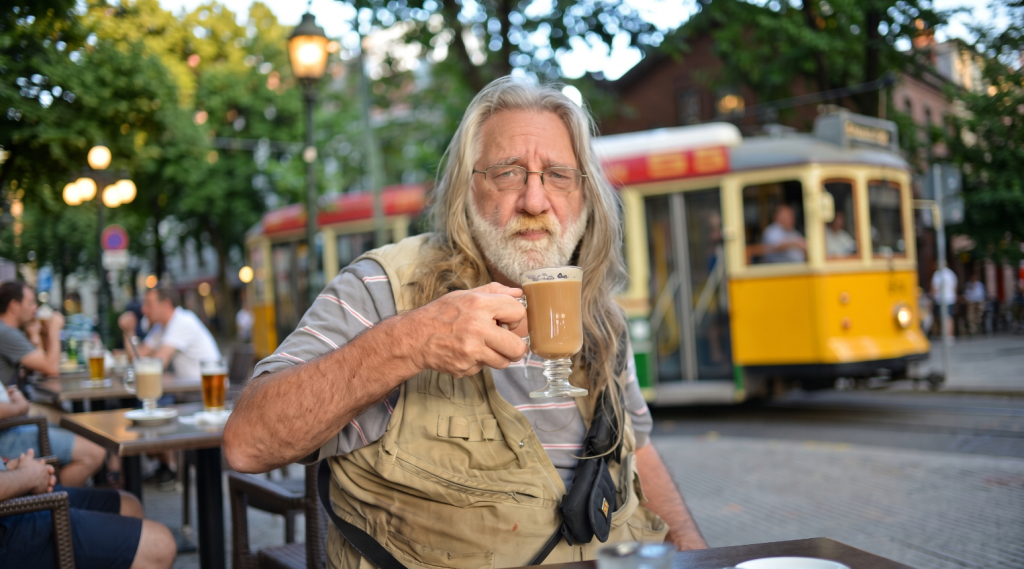
After crossing North America twice by bicycle and once on foot, Jerry decided in 2012 that it was time for a different kind of life. Approaching 60, he and his wife Alejandra left the US for Buenos Aires, drawn by a more affordable, grounded way of living. He shares the realities of adapting to Argentine culture, navigating bureaucracy and economic instability, building relationships with locals, and finding a slower, more human rhythm of life abroad.
Where, When, and Why Did You Move Abroad?
The decision came after three long crossings across North America, twice on a bicycle and once on foot, starting at age 54. By 2012, the road had run out, and the States felt narrow and expensive. I was pushing 60, tired of feeding the sterile machinery of suburban rent and endless bills. I wanted a life that demanded physical presence rather than just money.
Alejandra and I had met by chance at the Nashville airport and married in Tennessee a week later. We packed our lives into worn luggage and headed south to Buenos Aires. The city offered something tangible: stone facades, loud bus engines, neighborhood markets, and a pace where a working writer could afford a desk, black coffee, and time to breathe without selling 60 hours a week just to stay afloat.
What Challenges Did You Face During the Move?
The friction started the minute we stepped into the administrative grind. Moving across borders strips away every small efficiency you took for granted. Setting up an apartment and handling basic paperwork meant standing in slow-moving lines at state bank counters, clutching three copies of every form, waiting for an official to stamp a paper with blue ink.
The street language hit just as hard. Textbook Spanish is useless when a colectivo driver barks at you in rapid-fire porteño slang, dropping his consonants and waving his hand while the engine idles. You stand on a cracked sidewalk in the humid heat, holding heavy bags and a transit card, realizing you have to learn the rhythm of the corner bakery and the butcher counter from scratch, or you simply do not eat.
What Do You Enjoy Most About Life in Your New Country?
The life on the sidewalk makes up for every headache. In the morning, shopkeepers roll up steel shutters, sweep the curb, and wash down the tiles with buckets of cold water. You can walk into an old wooden cafe, order a cortado, and sit for three hours with a notebook. Nobody brings the check until you catch the waiter’s eye and ask for it.
There is a genuine, human warmth here that modern life up north traded away long ago. Neighbors talk about soccer, the price of flank steak, and politics with deep conviction, then share a round of bitter mate on the stoop. I buy bread from the baker on the corner, vegetables from the family down the block, and beef from a butcher who knows exactly how I want it cut.
What Is the Hardest Part of Expat Life for You and Your Family?
Distance is a quiet tax you pay every month. You miss the casual family dinners, the slow aging of old friends, and the funerals you can only attend through a brief message on a phone screen. When something goes wrong back in the States, you cannot simply start the car and drive over. You stare at flight itineraries that cost months of writing income and sit with the silence.
The economic volatility also grinds on your nerves. Inflation is not a statistic here; it is the verdulería owner writing new numbers on a wooden chalkboard every Tuesday. You get used to carrying thick bricks of cash in a canvas bag, calculating exchange rates in your head, and planning purchases before prices jump again. It creates a background hum of alertness that never completely fades.
What Is Your Relationship Like with Locals and Other Expats?
Living alongside locals takes patience and humility. If you show up demanding American punctuality, people will let you stew in your frustration. But if you take time to greet the doorman, ask after the grocer’s family, and accept that delays are part of the day, people show an incredible, protective generosity. They know life here is hard, and they respect anyone who stays and shares the weight of it.
With other foreigners, I steer clear of the transient crowd that spends its evenings complaining about missing brand-name goods from home. I stick with the lifers, the people who teach, translate, build small businesses, or write. They know the real trade-offs of living here and focus on doing good work rather than looking backward.
What Advice Would You Give to Someone Thinking of Making a Similar Move?
Leave your romantic daydreams behind before you pack. A foreign city will not cure your restless mind, save a troubled relationship, or hand you an easy ride. If you move abroad to escape work, the reality here will wear you out in a season. Come with solid emergency savings, a portable income, and the humility to speak like a child while you learn the language from shopkeepers and taxi drivers.
Learn to live with fewer things and zero guarantees. Pipes leak, offices close unexpectedly, and transit strikes happen when it rains. If you can take a breath, order an espresso at the corner bar, and find your footing amid the chaos, you can build a solid, deeply rewarding life on this ground.