

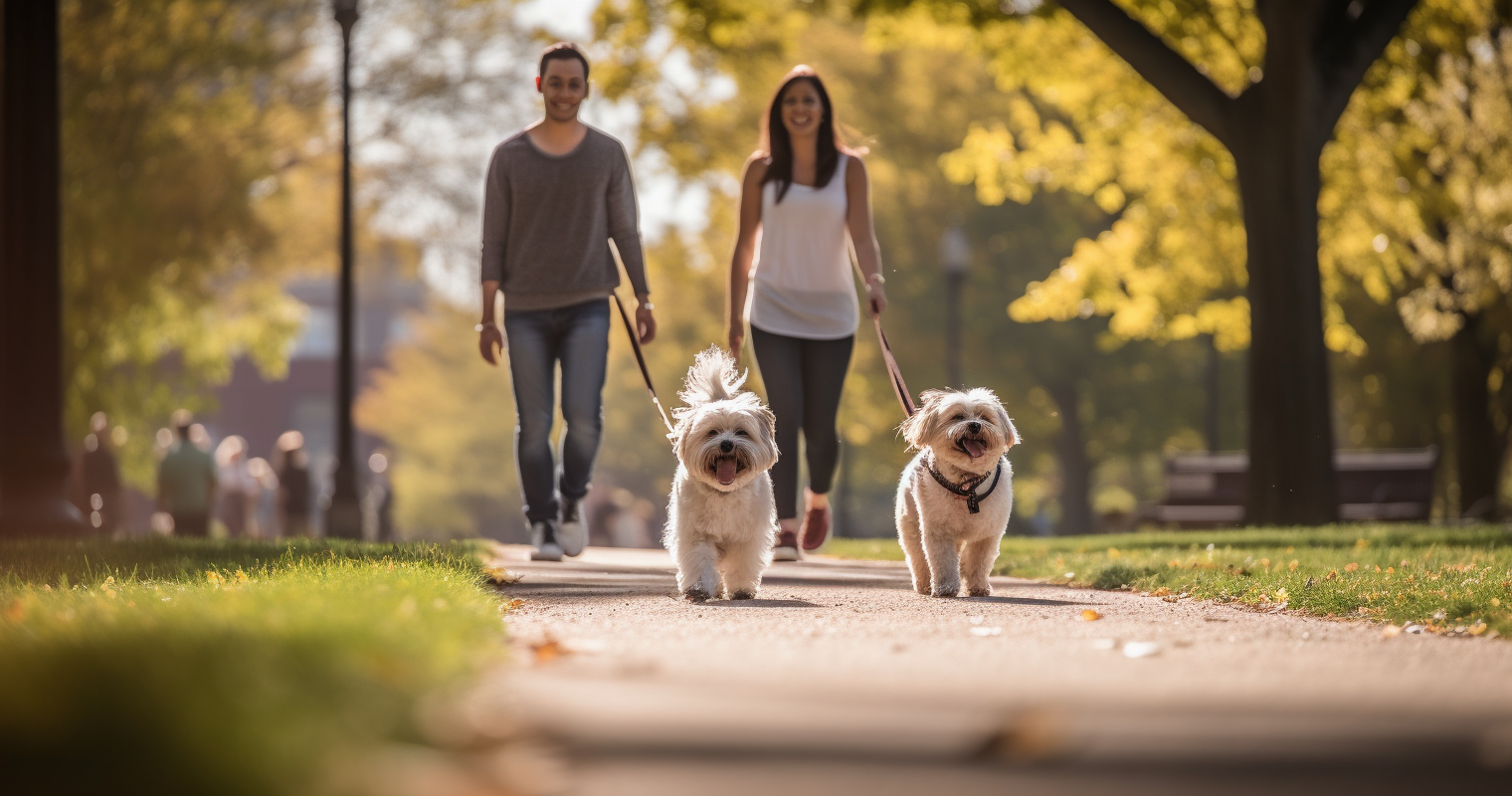
The Bahamas enjoys a rich but nuanced connection with the animal world. Dogs and cats are beloved household companions, and the country’s native wildlife is widely treasured, yet stray animals — most notably the iconic Potcake dog — represent a persistent and openly recognised problem. Those who own pets must follow the Animal Protection and Control Act 2010, register and licence dogs each year, and secure an import permit before introducing any animal to the country.
| Item | Details |
|---|---|
| Primary animal welfare law | Animal Protection and Control Act 2010 (as amended 2023) |
| Dog licensing | Mandatory annual licence; collar and ID tag required |
| Pet import permit fee | US $10.00 + 12% VAT = US $11.20 (as of 2025; verify with BAHFSA) |
| Veterinary health certificate | Required within 48 hours of embarkation |
| Quarantine on arrival | None, if all import conditions are met |
| Enforcement authority | Bahamas Agricultural Health and Food Safety Authority (BAHFSA) / Animal Control Wardens |
What are the general attitudes toward pets and animals in The Bahamas?
Attitudes toward animals across The Bahamas are, by and large, warm and positive. Dogs feature prominently in Bahamian household life, and it is perfectly ordinary to spot residents walking their dogs along neighbourhood streets or bringing them to the beach. Cats are equally popular and often kept as indoor companions. In the urban centres of Nassau and Freeport, pets are increasingly regarded as genuine family members rather than simply working animals — a shift most apparent among younger Bahamians and the sizeable expatriate community.
In contrast to much of Northern Europe, where pet ownership is tightly bound up with formal registration systems and standardised veterinary documentation, everyday pet culture in The Bahamas tends to be more relaxed in practice — even though the legal framework is more comprehensive than many newcomers anticipate. Pet care awareness is generally higher in Nassau on New Providence and Freeport on Grand Bahama than across the outer Family Islands, where access to veterinary services is sparse and dogs more commonly serve functional or yard-keeping roles.
The archipelago supports a remarkable range of native wildlife, including iguanas, flamingos, and sea turtles. These creatures are not kept as pets, but they command deep respect from most Bahamians, and conservation is regarded as a matter of genuine national pride. Anyone who harms a protected species can expect serious legal repercussions.
The Potcake holds the distinction of being an officially recognised breed in The Bahamas. Typically, Potcakes have short, smooth coats with little or no undercoat, upright ears, a hound-like ribcage, and a long, terrier-shaped muzzle. Rough or shaggy-coated examples are far less common. Brown is the most frequent colour, though the breed appears in brindle, black, white, cream, yellow, and red as well. At once a proud symbol of Bahamian heritage and a living reminder of the country’s animal welfare challenges, the Potcake occupies a singular place in the national consciousness.
What laws and regulations govern pet ownership in The Bahamas?
The cornerstone of Bahamian pet law is the Animal Protection and Control Act, 2010. Alongside it, the Dogs Act regulates dog ownership and treatment, covering matters such as licensing, the management of stray animals, and measures directed at dangerous dogs. Together these two pieces of legislation form the principal legal architecture for keeping, registering, and controlling animals in the country.
Animal control services are mandated to address all stray, roaming, or nuisance animals under the Animal Protection and Control Act 2010, with enforcement concentrated primarily in New Providence and Grand Bahama. The service conducts annual inspections of all animal-holding facilities and oversees mandatory annual dog licensing. Expats settling on a Family Island should consult the local Family Island Administrator to understand how rules apply in that specific jurisdiction.
Microchipping under the Act is required only for security guard dogs, dogs that have been demonstrated to pose a danger in their neighbourhood, and dogs registered for breeding. The Act does not oblige owners of ordinary household pets to microchip their animals — it requires that dogs be licensed and wear a collar with an identification tag. That said, a 2023 amendment adjusted this position in part: the Animal Protection and Control (Amendment) Act, which came into force on 1 July 2023, inserted a new provision permitting any licensed veterinarian to implant a microchip in a dog, and established that a microchip-based dog licence is valid for one year. The Bahamas Laws website carries the most current consolidated version of the legislation.
Dog licence fees are payable to the Animal Control Unit. On payment of the applicable fee, the owner receives a receipt and a dog licence tag. The precise fee is set by regulation and may be revised — always confirm the current amount directly with the Animal Control Unit at Darville’s Business Complex, Gladstone and Munnings Roads, New Providence.
Animals found roaming at large may be seized, impounded, euthanised, or otherwise disposed of by an animal control warden or a police officer. Expats renting accommodation with dogs should scrutinise their lease agreements carefully, as landlords in Nassau frequently include specific pet clauses. There is no overarching national statute governing pets in rental properties, making it a matter governed entirely by private contract.
Are there animal welfare laws in The Bahamas, and how are they enforced?
Bahamian law unequivocally prohibits the mistreatment or abuse of animals in any form, including failure to supply adequate food, water, shelter, and veterinary care. Abandoning an animal is equally unlawful and carries the potential for both financial penalties and a custodial sentence. These protections derive from the Animal Protection and Control Act 2010, the full text of which is available through the official Bahamas government legislation portal.
Local government bodies are empowered to establish and administer local animal control and welfare programmes, grant inspection certificates for guard-dog facilities and animal-holding establishments, set up animal control units within each local government district, and promote responsible animal ownership across their communities.
In practice, enforcement has attracted sustained criticism. Roaming dogs, unregulated breeding, cruelty, and neglect are all illegal, yet the application of the law remains patchy. Animal welfare advocates have repeatedly highlighted what they describe as the “continued failure of the Department of Agriculture to enforce existing animal welfare legislation” as the central impediment to meaningful improvement. Unlike countries such as Germany or the Netherlands, where dedicated animal welfare police units operate with substantial authority and resources, enforcement in The Bahamas depends heavily on a level of police cooperation that welfare organisations characterise as unreliable.
The Humane Society of Grand Bahama has observed that humane societies lack law enforcement powers and must depend on the police — officers frequently record complaints and statements but fail to act on them: “Very all too often, the police are not interested.” For the most current information on enforcement bodies and how to lodge a formal complaint, consult the official Bahamas government website or contact the Ministry of Agriculture, Marine Resources, and Family Island Affairs directly.
What animal welfare charities and rescue organisations operate in The Bahamas?
The Bahamas Humane Society (BHS) is a non-profit animal welfare organisation based in Chippingham, New Providence. Beyond running an animal shelter and veterinary clinic, it champions the humane treatment of animals and works to prevent cruelty through community education. Established in 1924, it holds the distinction of being Nassau’s oldest charitable organisation. The BHS makes an excellent first port of call for expats hoping to adopt a rescue animal. Adoption listings and donation information are available at bahamashumane.org.
Through its spay-and-neuter programme, the BHS has succeeded in operating as a no-kill shelter. It deploys resources to investigate allegations of animal cruelty, delivers humane education initiatives in schools, and provides medical treatment to animals in need. For those settling in Nassau, the BHS represents the most established resource for both rehoming a pet and accessing veterinary services.
BAARK! (Bahamas Alliance for Animal Rights and Kindness) is a volunteer-led Nassau organisation dedicated to spay-and-neuter programmes and advocacy work. It employs no paid staff and receives no government funding, meaning every donated dollar goes directly to helping animals. BAARK’s mobile clinic operates at full capacity four days a week across New Providence, with waiting lists forming and demand at repeat Family Island clinics continuing to grow. BAARK reported completing 6,066 free spay-and-neuter surgeries in 2024 and 4,252 in 2025 across multiple islands. Contact BAARK at baarkbahamas.com or by calling 242-427-7729.
The Humane Society of Grand Bahama (HSGB) is dedicated to tackling animal overpopulation and suffering on Grand Bahama. Its activities include a Potcake spay-and-neuter project, Operation Puppy Lift, and ongoing community education and outreach. While the organisation cannot yet save every one of the more than 1,400 animals it takes in each year, over the past six years it has cut its euthanasia rate by more than 25%. Further details are available at humanesocietygb.org.
The Abaco Shelter in Marsh Harbour serves as a sanctuary for stray and abandoned dogs across The Abacos, working to improve Potcake welfare through spay, neuter, rescue, and adoption. Its mission is to rescue, rehabilitate, and rehome as many Abaco Potcakes as possible, while providing spay and neuter services to owners who cannot bear the cost. Adoption enquiries can be directed to abacoshelter.org.
Operation Potcake is a joint initiative of the Bahamas Humane Society, BAARK!, and Animal Balance, supported by the Ministry of Agriculture, the Ministry of Tourism, and the Veterinary Medical Association of the Bahamas. Its goal is to humanely reduce the country’s dog and cat populations. The programme operates five clinics around New Providence, staffed by international volunteers, and aims to spay and neuter more than 3,000 animals over eight days before returning each animal to the location where it was found.
What should expats know about bringing a pet into The Bahamas?
The Bahamas Agricultural Health and Food Safety Authority (BAHFSA) bears responsibility for overseeing pet importation into The Bahamas. Since September 2024, the authority to issue pet importation permits has resided with BAHFSA, which now processes applications through the Customs Department’s online Click2Clear platform. This represents a significant recent change — any earlier guides that list the Department of Agriculture as the issuing body are now out of date.
The step-by-step process for importing a pet is as follows:
- Register with Click2Clear. To apply, you must first register with Click2Clear. Once registered, email [email protected] to request that your password and username be activated in order to apply for a pet permit with BAHFSA.
- Apply for an import permit online. An import permit is required for the import of dogs and cats and must accompany the animal at the time of import. All conditions listed on the permit must be satisfied or the animal may be refused entry or confiscated and disposed of as a disease risk.
- Pay the permit fee. As of 2025, the application processing fee for a dog or cat is US $10.00 plus 12% VAT, bringing the total to $11.20. Note that BAHFSA is currently reviewing fees and conditions, so always verify the current amount directly with them.
- Ensure your pet meets vaccination requirements. All cats and dogs must be vaccinated for rabies between 30 days and 10 months prior to entry for primary vaccinations, and booster vaccinations must be administered prior to the expiration of the previous one. Dogs must be vaccinated against canine distemper, hepatitis, leptospirosis, and parvovirus. Cats must be vaccinated against feline panleukopenia, leukemia, calicivirus, pneumonitis, and viral rhinotracheitis.
- Treat for internal and external parasites. Parasite treatments for internal and external parasites are required prior to entering the Bahamas, using products approved in the originating country. The administering veterinarian can record these treatments on the health certificate.
- Obtain a veterinary health certificate. Once you receive your permit, give it to your veterinarian and request a veterinary certificate to accompany the permit. The veterinary certificate must be dated 48 hours prior to embarkation.
- Present documents at the port of entry. Submit the Dog Permit and completed Veterinarian Form to an Agricultural Officer and Customs Officer at the port of entry.
No pets will be permitted to enter the Bahamas from either Cuba or Haiti. Dogs and cats must be a minimum of six months of age prior to entering. No quarantine will be imposed upon arrival provided all import conditions have been met in full. Should your pet fail to satisfy any of these requirements, it may be quarantined, returned to its country of origin, or euthanised.
The most widely accepted form of identification is a 15-digit microchip conforming to ISO Standard 11784 or Annex A to ISO Standard 11785. All accompanying documentation must reflect the microchip number. These standards are broadly comparable to those of the EU Pet Passport scheme and are stricter than some other Caribbean entry requirements. Allow ample time — apply at least four weeks before your travel date. For assistance, contact BAHFSA at bahfsabahamas.com or reach their helpdesk on 1-242-424-1826.
Where can expats buy pet food, supplies, and veterinary care in The Bahamas?
Several pet supply retailers in The Bahamas serve the needs of animal owners. Among the most frequented is Pet Food ‘N Things, which stocks a broad range of supplies — including food, toys, and accessories — and also offers grooming services for dogs and cats. Pet Haven is another popular choice, carrying food, toys, and bedding alongside grooming services and veterinary care. Both outlets are situated in Nassau and are regularly patronised by local residents and expats alike.
Nassau offers the widest selection of pet products and the highest concentration of veterinary clinics anywhere in the country. Freeport on Grand Bahama provides a more limited but still serviceable range of options for routine needs. Across the outer Family Islands, both pet supply outlets and veterinary services become significantly harder to come by. Many of the smaller islands have no veterinarian at all, meaning that anything beyond the most basic care requires a journey to Nassau or, in serious emergencies, travel overseas. Expats planning to live on one of the outer islands should weigh this carefully before relocating with a pet.
The Bahamas Humane Society’s shelter in Chippingham, Nassau, also provides veterinary services and can represent a more affordable avenue for routine care and vaccinations. There is no branch of any major international pet supply chain — such as PetSmart or Pets at Home — physically present in the Bahamas, so product ranges may feel narrower than in larger markets. Imported pet food and specialist items generally cost more than they would in North America or Europe, a consequence of the island nation’s heavy reliance on imports.
Online shopping options do exist for Bahamian pet owners, including Bahama Pet, which delivers a wide variety of pet products directly to customers’ homes. US-based retailers such as Chewy do not currently ship to the Bahamas, so expats are advised to stock up on specialist items during trips abroad or to arrange delivery through an international freight forwarder.
Are there cultural taboos, sensitivities, or religious considerations around specific animals in The Bahamas?
The Bahamas is an overwhelmingly Christian society, and there are no religiously motivated taboos concerning animals that are at all comparable to those found in certain other parts of the world. Unlike in some predominantly Muslim communities, for instance, dogs are not regarded as ritually unclean and are kept freely as pets across all sections of Bahamian society. Equally, there are no traditions of sacred animals analogous to those found in parts of South Asia. People of all backgrounds interact without restriction with common domestic animals.
The archipelago’s native wildlife — including iguanas, flamingos, and sea turtles — is held in deep regard, and this appreciation carries both cultural and legal force. Harming or capturing these species violates wildlife conservation laws and would be considered a serious affront in most Bahamian communities. Expats should be especially attentive to this when spending time near beaches, wetlands, or protected nature reserves.
The Potcake dog occupies a layered cultural position: it is simultaneously a cherished emblem of Bahamian identity and a creature that is frequently neglected and left to fend for itself. Some Bahamians regularly feed neighbourhood Potcakes and form informal bonds of care with them, while others view the animals as a nuisance. Expats are encouraged to approach stray Potcakes with calm and composure, and to avoid feeding them publicly in ways that might draw large groups of dogs or create friction with nearby residents and businesses.
When exercising dogs in public spaces — particularly on beaches or near resort areas — be aware that specific rules about animals may apply in certain locations. Keeping a dog on a lead in public is both a legal obligation and a social courtesy. In communities with a history of dog bites, or where street dogs have been a recurring safety concern, attitudes toward large or unfamiliar breeds may be noticeably more guarded.
What is the situation regarding stray or feral animals in The Bahamas?
In most affluent nations, stray dogs are an uncommon sight; in The Bahamas, they are a constant presence. They patrol school zones, doze beneath parked cars, dash across busy roads, and forage around shops and construction sites. Residents encounter them at all hours — sometimes in large groups, sometimes visibly sick or injured and struggling along the roadside. This is one of the most conspicuous and pressing animal welfare issues in the country, and one that every expat will come face to face with sooner or later.
Kim Aranha, president of the Bahamas Humane Society and the Animal Protection and Control Board, has stated that the stray dog crisis is a solvable one — and could be resolved humanely within roughly five years through a comprehensive, island-wide spay-and-neuter programme. Enforcement of existing laws has been inconsistent and political commitment uneven, allowing irresponsible breeding and abandonment to outstrip every humane effort at control.
The primary strategy for managing stray populations centres on trap-neuter-return (TNR) programmes, shelter provision, and public education — rather than culling. The Bahamas Humane Society tackles the stray problem through spay-and-neuter initiatives, catch-and-release operations, adoptions with sterilisation included as standard, and large-scale adoption events that place Potcakes who would otherwise remain homeless into caring families.
From a health standpoint, expats should take sensible precautions around stray animals. While The Bahamas is not currently classified as a high-risk country for rabies, the presence of unvaccinated strays means the possibility cannot be entirely dismissed. The World Health Organization (WHO) recommends that residents and long-term visitors who may come into contact with stray animals consider pre-exposure rabies prophylaxis — consult your doctor or the WHO website for current guidance. Avoid feeding stray dogs from your hand, and keep children under close supervision near strays at all times. If bitten or scratched, seek medical attention without delay.
Stray cats — known locally as “Potcats” — are equally prevalent, particularly around fishing docks, markets, and residential neighbourhoods. Many are fully feral and warrant careful handling. The majority of cats admitted to Bahamian shelters are domestic short-hairs, locally referred to by this same “Potcat” designation. Expats who wish to make a practical difference can volunteer with or donate to organisations such as BAARK!, the Bahamas Humane Society, or the Humane Society of Grand Bahama.
Frequently Asked Questions
Do I need to quarantine my pet when bringing it to The Bahamas?
Provided all import conditions are fully satisfied, no quarantine will be imposed on your pet upon arrival in The Bahamas. The requirements include a valid import permit, up-to-date vaccinations, a veterinary health certificate issued within 48 hours of embarkation, and evidence that the animal is free from internal and external parasites. If any requirement is not met, your pet may be quarantined, returned to its country of origin, or — in the most serious cases — euthanised at the owner’s expense.
How do I licence my dog in The Bahamas?
Annual dog licensing is compulsory in New Providence and Grand Bahama under the Animal Protection and Control Act 2010. The Animal Control Service oversees annual inspections for all animal-holding facilities and enforces this requirement. You will need to present previous health records as part of the application. Visit the Animal Control Unit at Darville’s Business Complex, Gladstone and Munnings Roads, Nassau, or contact your local Family Island Administrator if you are based on an outer island.
Are there breed-specific restrictions on owning or importing certain dogs?
Breed-based restrictions do exist within the Bahamian regulatory framework, though the official BAHFSA import conditions are primarily oriented around health and vaccination compliance. Certain breeds of dogs and cats are restricted. Because this information is subject to revision, verify the current position directly with BAHFSA at bahfsabahamas.com or through the official government portal before travelling with any breed that might attract scrutiny, such as pit bull-type dogs.
Where is the nearest vet to where I will be living?
Veterinary services are most readily available in Nassau (New Providence) and Freeport (Grand Bahama), where both private clinics and the Bahamas Humane Society operate. On many of the outer islands, no veterinarian is present at all, and residents must travel to Nassau for anything beyond very basic care. Before committing to a particular location, expats with pets should research what veterinary provision exists on their chosen island and think carefully about how they would respond to a pet health emergency.
Can I adopt a rescue Potcake and bring it home when I leave The Bahamas?
Yes — and Bahamian welfare organisations actively encourage this. The Bahamas Humane Society runs adoption drives specifically designed to place Potcakes that would otherwise remain homeless into caring homes. The Abaco Shelter and BAARK! also facilitate adoptions. If you intend to take the dog back to your home country, you will need to satisfy both Bahamian export requirements and your destination country’s import regulations, which may involve microchipping, specific vaccinations, and mandatory waiting periods. Start this process well ahead of your planned departure.
Is it safe to interact with stray dogs on the street?
A degree of caution is warranted. Stray dogs are found throughout the islands and some are frightened, unwell, or in pain and may react by biting. Although many Potcakes are gentle and comfortable around people, there is no way to assess an unfamiliar animal’s history or health at a glance. Avoid approaching dogs you do not know, refrain from offering food from your hand, and supervise children carefully at all times. If bitten or scratched, seek immediate medical attention and report the incident to Animal Control.
What should I do if I witness animal cruelty in The Bahamas?
Mistreating or abusing animals in any form is against the law in The Bahamas, and abandoning an animal can result in fines or imprisonment. If you witness cruelty or neglect, report it to the Royal Bahamas Police Force or get in touch with the Bahamas Humane Society, which has resources dedicated to investigating animal cruelty. The BHS can be reached through bahamashumane.org. Bear in mind that enforcement can be inconsistent, but making a formal report and documenting the incident with photographs or video creates an official record that may prompt action.
Are exotic animals or birds allowed as pets in The Bahamas?
The Department of Agriculture governs the import of animals and animal products under the Animal Contagious Diseases Act and the Wildlife Conservation and Trade Act, both of which require a permit for the importation of any animal. As a signatory to both CITES and the Convention on Biological Diversity, The Bahamas strictly controls or prohibits the trade in many exotic species. If you are considering keeping birds, reptiles, or other exotic animals, consult BAHFSA and the Ministry of Agriculture well before making any arrangements — certain species may be outright banned, while others may require specific licences to keep legally.