
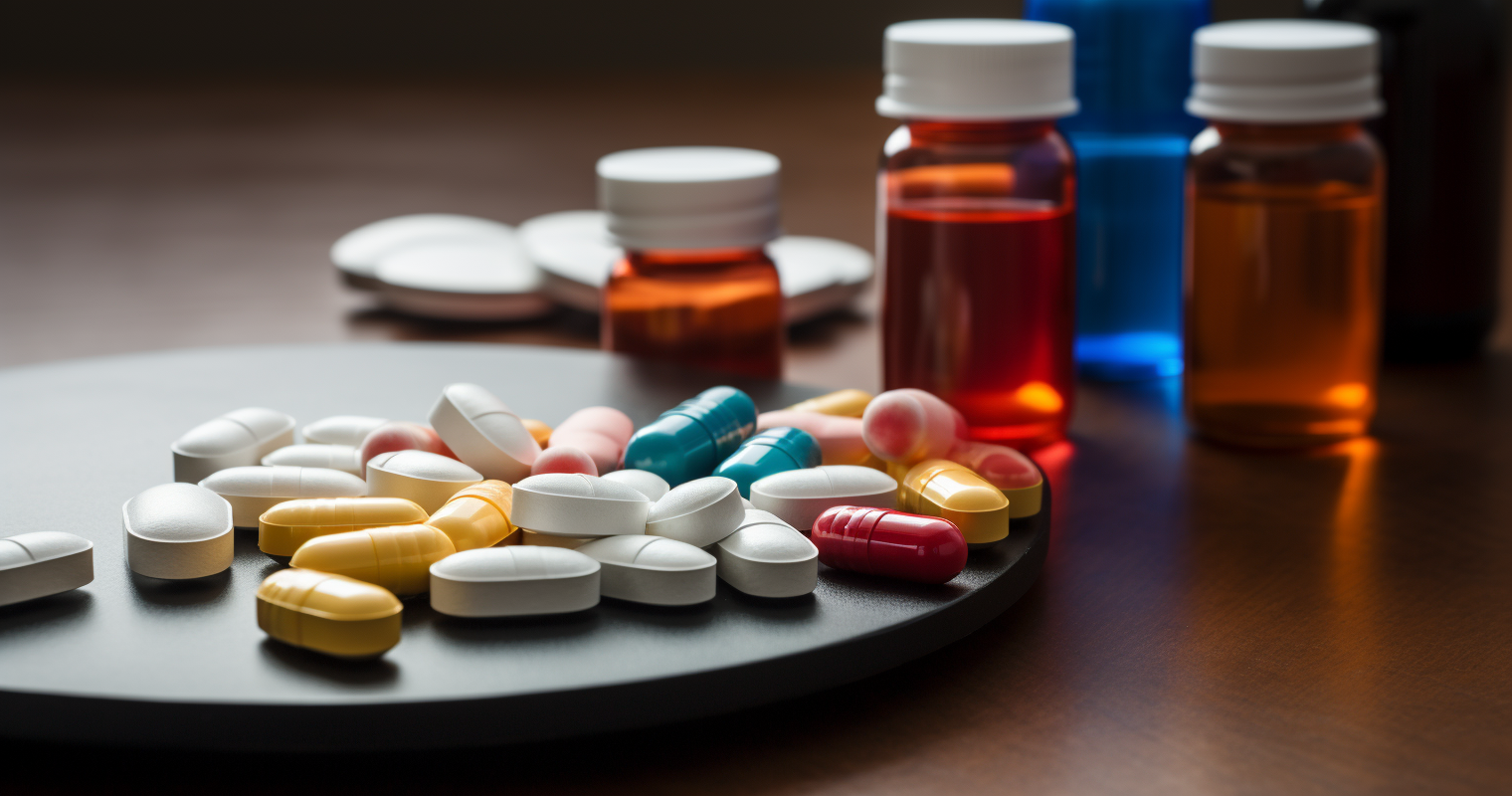
Bahrain’s pharmacy network is extensive, encompassing both privately owned outlets and government-operated facilities, with many open around the clock. The National Health Regulatory Authority (NHRA) oversees medication regulation, classifying pharmaceutical products and establishing official medicine prices. Expats generally find a broad selection of recognisable medications readily available, although controlled substances are only dispensed with a valid prescription. The extent to which prescription costs are covered by health insurance will depend on your specific employer and insurance arrangement.
| Item | Details |
|---|---|
| Pharmacy regulator | National Health Regulatory Authority (NHRA) — nhra.bh |
| Pharmacy availability | Widespread; malls, hospitals, standalone stores; multiple 24-hour locations in major cities |
| Medication price-setting | NHRA sets official prices for registered medicines (as of 2024) |
| Prescription requirement | Required for controlled substances; many common medications available OTC |
| Expat health insurance | Mandatory under SEHATI scheme; employers must cover expat employees (as of 2024) |
| Controlled substances | Strictly regulated; prohibited narcotics include heroin, cocaine, hashish |
What are pharmacies called in Bahrain, and how do I recognise one?
The Arabic term for a pharmacy is صيدلية (pronounced saydaleeyah), and this word frequently appears in Arabic script on shopfronts alongside its English equivalent — “Pharmacy” or “Chemist.” Because Bahrain operates as a thoroughly bilingual environment, most pharmacy premises display signage in both languages, making it straightforward for newcomers to identify these outlets while navigating the streets.
The NHRA requires all pharmaceutical products to carry comprehensive labelling in both English and Arabic, ensuring that product identification and usage instructions are clear for healthcare professionals and patients alike. This bilingual standard carries through to the signage displayed at pharmacy locations throughout the kingdom.
As in many parts of the world, pharmacies in Bahrain typically show a green cross symbol — an internationally recognised emblem for dispensing outlets. Established chains including Bahrain Pharmacy, Life Pharmacy, and Al Jazeera Pharmacy feature prominent branded shopfronts and are easily spotted in shopping centres, along main roads, and near hospitals and health clinics. Pharmacies are distributed widely and can be found in malls, hospitals, and independent premises across the country.
Every pharmacy operating in Bahrain must hold a valid licence. The Pharmaceutical Products Regulation Department (PPR) of the NHRA is responsible for guaranteeing the quality, safety, and efficacy of all pharmaceutical products — covering medicines, health products, and alternative or complementary remedies. The legitimacy of any pharmacy can be verified by consulting the NHRA website.
What are pharmacy opening hours in Bahrain?
Opening hours across Bahrain’s pharmacy network are notably generous, and access to medication outside normal business hours is rarely difficult. Most private pharmacies begin trading from around 8am and close somewhere between 9pm and midnight, with some remaining open even later — particularly at weekends.
Pharmacies stock a comprehensive range of products, from over-the-counter remedies to prescription medicines. Many operate very long hours, and a considerable number run on a 24-hour basis, meaning you can obtain medications whenever you need them — a notable advantage over healthcare systems in many other countries where late-night pharmacy access is limited.
Several specific branches operate continuously, including locations in Reem Center (Riffa), Government Avenue (Manama), and Busaiteen. To illustrate the range of schedules elsewhere, the Askar branch trades from 8am until 2am, while the Saar branch opens at 7am and closes at 11pm.
Government health centre pharmacies operate according to each centre’s individual timetable. Muharraq Health Center, Hamad Kano Health Center, and Yousef Engineer Health Centers all run on a continuous 24-hour, seven-day-a-week basis. Pharmacies attached to hospitals similarly tend to function around the clock; American Mission Hospital’s pharmacy, for instance, is open 24 hours a day, every day of the week, including Fridays and public holidays.
In more remote or outlying areas, trading hours may be shorter and the number of outlets lower. If you live outside Manama or Muharraq, it is worth locating your nearest 24-hour pharmacy before you actually need it. Delivery platforms such as Talabat are also active in Bahrain and include pharmacy delivery options, which can be particularly handy during unsociable hours.
Which medications can I buy over the counter in Bahrain, and which require a prescription?
Bahrain’s system for classifying medicines draws a distinction between ordinary medicines and health products on one side and controlled substances on the other. In practical terms, this means that a notably broad array of medications — including some that would require a prescription in countries such as France, Germany, or Australia — can be bought over the counter without one in Bahrain.
Whether a prescription is needed for any given product is determined by its classification as a medicine or health product, together with its composition, concentration, and intended medical application. All prescription-only products may only be sold through licensed pharmacies. For a large number of everyday remedies, however, no prescription is required at the point of purchase.
Expats may find that some medications they currently obtain on prescription are freely dispensed over the counter in Bahrain, while conversely, certain products they buy without a prescription at home may be classified as prescription-only here. It is always sensible to confirm directly with the pharmacist whether what you require can be dispensed freely or falls under Bahrain’s controlled medicines framework.
Controlled substances — encompassing strong opioids, certain psychotropic drugs, and medicines with significant misuse potential — are tightly regulated and may only be dispensed against a valid prescription from a licensed practitioner. Numerous drugs are entirely prohibited in Bahrain, including all narcotic substances such as heroin, cocaine, and hashish.
On the subject of online pharmacies, Bahrain forms part of a broader regional move toward regulated digital dispensing. The requirements for releasing medicinal products through Bahraini customs when ordered from an overseas online pharmacy are comparable to those in Saudi Arabia, necessitating a valid prescription and supporting documentation. Ordering controlled medications through online channels is not permitted. For standard prescription medicines ordered online, a valid and signed prescription from a healthcare provider is required. Only pharmacies licensed and registered with the NHRA should be used.
How does the prescription system work in Bahrain?
Prescriptions in Bahrain may be issued by both general practitioners and specialists, whether they practise within government health centres or private clinics and hospitals. Unlike healthcare systems such as the UK’s NHS — where a GP referral is usually needed before accessing a specialist — Bahrain’s setup allows patients to consult specialists directly, and prescriptions can be issued at that consultation.
In Bahrain, it is common practice to visit a specialist or clinic directly when seeking medical attention rather than going through a traditional family doctor as a first step. As a result, prescriptions are routinely written by both GPs and specialist physicians depending on who you consult.
Bahrain’s public health infrastructure has been progressively shifting toward digital services. The Ministry of Health supports a medical prescription delivery service through the Salmaniya Medical Complex (SMC) pharmacy, enabling patients to place requests online and have medications delivered to their home without having to queue or attend the hospital in person. This service is accessible via the SEHATI app, Bahrain’s national health platform.
This delivery service does not extend to controlled medications or to medicines dispensed from health centres. Similarly, health centre pharmacies offer delivery for chronic patients’ monthly medications, but again this excludes controlled substances.
Repeat prescriptions for ongoing conditions are available, particularly through government health centres. Health centre pharmacies help to reduce pressure on major hospitals by refilling monthly prescriptions for patients with chronic illnesses, offering greater flexibility due to those centres’ extended opening hours. This broadly parallels repeat prescription arrangements found under schemes such as Medicare in Australia or the NHS repeat dispensing service, though the administrative procedures involved differ.
How much do prescriptions and medications cost in Bahrain?
Medicine pricing in Bahrain falls under the NHRA’s regulatory remit, which establishes official prices for all registered medicines. Unlike France’s tiered reimbursement model or the UK’s flat-rate prescription charge, Bahrain does not operate a universal fixed-fee system. Costs instead vary by medication and by whether you are using public or private healthcare channels.
The NHRA determines medicine prices and publishes a formal price list for this purpose. It does not, however, regulate the prices of health products. This means that for registered prescription medicines, pricing is standardised across licensed pharmacies, whereas the cost of health products and supplements may fluctuate between outlets.
Pharmacies such as that at American Mission Hospital apply Ministry of Health pricing, indicating that government-set price schedules are consistently enforced across licensed premises.
For Bahraini nationals, medications dispensed through government facilities are provided at no charge under the state healthcare system. The government meets the full cost of medical coverage for citizens; those who choose private services pay up to 40% of the cost, with the government subsidising the remainder. Expats, on the other hand, pay market rates at private pharmacies, though these costs are commonly covered in part or entirely by private health insurance.
The price of prescription medicines in Bahrain varies considerably — some are quite inexpensive while others, particularly imported products, carry a higher price tag. Generic alternatives are widely stocked and offer a more economical option. For the most current official pricing, consult the NHRA website or enquire directly at a licensed pharmacy.
Will my home-country prescription be accepted in Bahrain?
Bahrain has no formal mutual recognition arrangement for prescriptions issued in other countries, so a prescription written by a doctor abroad is not automatically valid for dispensing at a Bahraini pharmacy. In practice, however, the situation is somewhat more flexible and depends on the specific medication concerned.
Where a medication is freely available over the counter in Bahrain, no prescription is needed at all — whether local or foreign. For prescription-only drugs, including controlled substances, a prescription from a licensed practitioner based in Bahrain will be required. This means that if you arrive with an ongoing medication need, your first priority should be to register with a local doctor — either at a government health centre or a private clinic — and secure a Bahraini prescription.
When first arriving in Bahrain, it is advisable to bring an adequate supply of any essential medications together with your existing prescriptions. It is equally important to verify that your medications are legal in Bahrain, since substances that are permitted in other countries may be controlled or prohibited here.
Your original prescription and any documentation from your overseas physician can be valuable when consulting a doctor in Bahrain, as they provide important background on your diagnosis and treatment history. The vast majority of doctors and pharmacists in Bahrain work in English alongside Arabic, so language is seldom an obstacle — Bahrain is an internationally oriented workplace with a large expat population, and English is widely used in healthcare settings. Where your medical records are in a language other than English or Arabic, having them translated can nonetheless be a useful precaution.
For expats, establishing a relationship with a local doctor as early as possible is strongly recommended. This is the most practical route to obtaining prescriptions and ensures continuity of care from the outset.
Can I bring my medications into Bahrain?
If you are moving to Bahrain and intend to bring medication with you, it is essential to familiarise yourself with the applicable customs and importation rules before you travel — particularly where controlled substances are involved. Regulations can change, and you should always verify the current official guidance before your departure.
If you plan to carry prescription drugs into Bahrain, you may need to obtain prior approval from the relevant authorities. Checking with the nearest Bahraini Embassy or consulate before travelling is strongly advisable, and this step is especially important for any medications containing controlled or psychotropic substances.
For standard prescription medications in personal-use quantities, travelling with your original prescription and a supporting letter from your prescribing doctor is strongly recommended. Prescribed medications are generally acceptable to bring in, provided the GP prescription accompanies them. Keeping all medicines in their original, clearly labelled packaging helps to prevent complications at customs checkpoints.
For medications ordered online from pharmacies located outside Bahrain, specific customs requirements apply. The conditions for releasing such medicinal products through Bahraini customs mirror those in Saudi Arabia — requiring a detailed prescription that includes the patient’s name, the prescribing physician’s name, the drug name, dosage, route of administration, and frequency, along with an invoice for the medication.
All narcotic substances — including heroin, cocaine, and hashish — are prohibited in Bahrain. Attempting to import any such prohibited substance, even accompanied by a foreign prescription, can lead to serious legal consequences. Always confirm the legal status of your medications in Bahrain before travel, since substances permitted elsewhere may be controlled or banned. For the most up-to-date guidance, consult the NHRA and the Kingdom of Bahrain’s official government portal.
How do expats access prescription medications through health insurance in Bahrain?
Bahrain has put in place a mandatory national health insurance framework — known as SEHATI — that applies to all residents, including expatriates. Understanding how this scheme affects you, and what it means for medication costs, is an important aspect of planning your healthcare as an expat in the country.
SEHATI is Bahrain’s national health insurance system, established under Law No. 23 of 2018 with the aim of making healthcare services both equitable and sustainable. It grants individuals freedom of choice in selecting their healthcare provider and brings both public and private providers together within a single overarching structure.
If you are employed in Bahrain as an expat, your employer is obligated to fund your health insurance, with the premium incorporated into the cost of the work permit and its renewals. Expats who are not employed or who are self-employed must purchase their own insurance plan through a private provider.
Under SEHATI, expatriates have access to state-funded medical coverage, though this is limited to emergencies and primary care. Broader coverage requires private health insurance, and without adequate cover you may face substantial out-of-pocket expenses. This is particularly relevant for ongoing prescription costs, which may not be fully included in the basic state provision available to expats.
Although expats benefit from partial coverage under the national system, the majority also take out their own private international health insurance to access private facilities and achieve fuller cost coverage. Health insurance can make a substantial difference to prescription drug costs, and having a comprehensive policy that explicitly covers medications is advisable. When reviewing policy options, check carefully whether outpatient prescription medicines are included, as some plans extend only to hospitalisation costs.
Expats should also bear in mind that generic alternatives are widely available and represent a cost-effective option when meeting prescription costs directly. As of 2024, the SEHATI rollout continues to develop; consult the latest guidance from the Bahrain Ministry of Health and the NHRA for current coverage details and approved insurance providers.
Frequently asked questions
What should I do if I run out of my regular medication in Bahrain?
If the medication you need is available over the counter in Bahrain, you can simply walk into any licensed pharmacy to purchase it. If it is prescription-only or classified as a controlled substance, you will need to visit a local doctor to obtain a Bahraini prescription. Private clinics in Bahrain typically see patients the same day or within 24 hours, and waiting times are generally short. In urgent situations, hospital pharmacies at major facilities such as Salmaniya Medical Complex are open around the clock.
Are brand-name medications available in Bahrain?
Yes. Branded medications from international manufacturers are stocked in pharmacies throughout Bahrain, especially in larger outlets and hospital pharmacies. Generic versions are also readily available and tend to be significantly less expensive. If a particular brand is temporarily out of stock, pharmacists can generally suggest equivalent alternatives.
Can I find a pharmacist who speaks English in Bahrain?
English is spoken widely across Bahrain’s healthcare sector, which is a truly international environment employing many expatriates. This applies to pharmacists throughout the country, especially in urban locations and pharmacies connected to hospitals. You are very unlikely to face a language barrier when describing your medication requirements in English.
What happens in a medical emergency and I need medication urgently?
In a medical emergency, go directly to the nearest hospital emergency department. Leading hospitals such as Salmaniya Medical Complex and King Hamad University Hospital maintain 24-hour emergency units with on-site pharmacies. A number of private hospital pharmacies — including at American Mission Hospital — also operate continuously. Emergency medications will be provided promptly without the standard prescription process causing any unnecessary delay.
How do I know if my medication is legal in Bahrain?
The Pharmaceutical Products Regulation Department (PPR) of the NHRA holds responsibility for the quality, safety, and efficacy of all pharmaceutical products in Bahrain and maintains a register of approved and prohibited medicines. Before you travel, review the NHRA website or contact the Bahraini Embassy in your home country to confirm that your particular medication is permitted for importation and use in the kingdom.
Is it possible to get medications delivered to my home in Bahrain?
Yes. The Ministry of Health operates an online prescription delivery service through the SMC pharmacy, allowing patients to submit requests digitally and receive their medications at home. This service excludes controlled medications. Several private pharmacy chains also provide home delivery — via WhatsApp ordering or online platforms — and apps such as Talabat feature multiple pharmacies offering delivery across the kingdom.
Will my private health insurance from abroad cover medications in Bahrain?
The answer depends entirely on the terms of your specific policy. Certain international health insurance plans offer global coverage that includes prescription medications in Bahrain, while others may require you to switch to a locally compliant plan. As of 2024, Bahrain’s SEHATI regulations stipulate that health insurance for expatriate employees must be provided by insurers licensed within Bahrain. Review your policy with your insurer before relocating and verify explicitly that outpatient prescription medication coverage is included.
Are there pharmacies inside shopping malls in Bahrain?
Pharmacies are widely distributed across Bahrain and are commonly found inside shopping malls as well as in hospitals and standalone premises throughout the country. Major retail destinations such as City Centre Bahrain and Seef Mall typically host pharmacy counters that remain open during mall trading hours — often until 10pm or later on weekdays and midnight or beyond at weekends and on public holidays — making it easy to pick up medications while going about other errands.
Latest: Expat Focus International Healthcare Update September 2026 →