
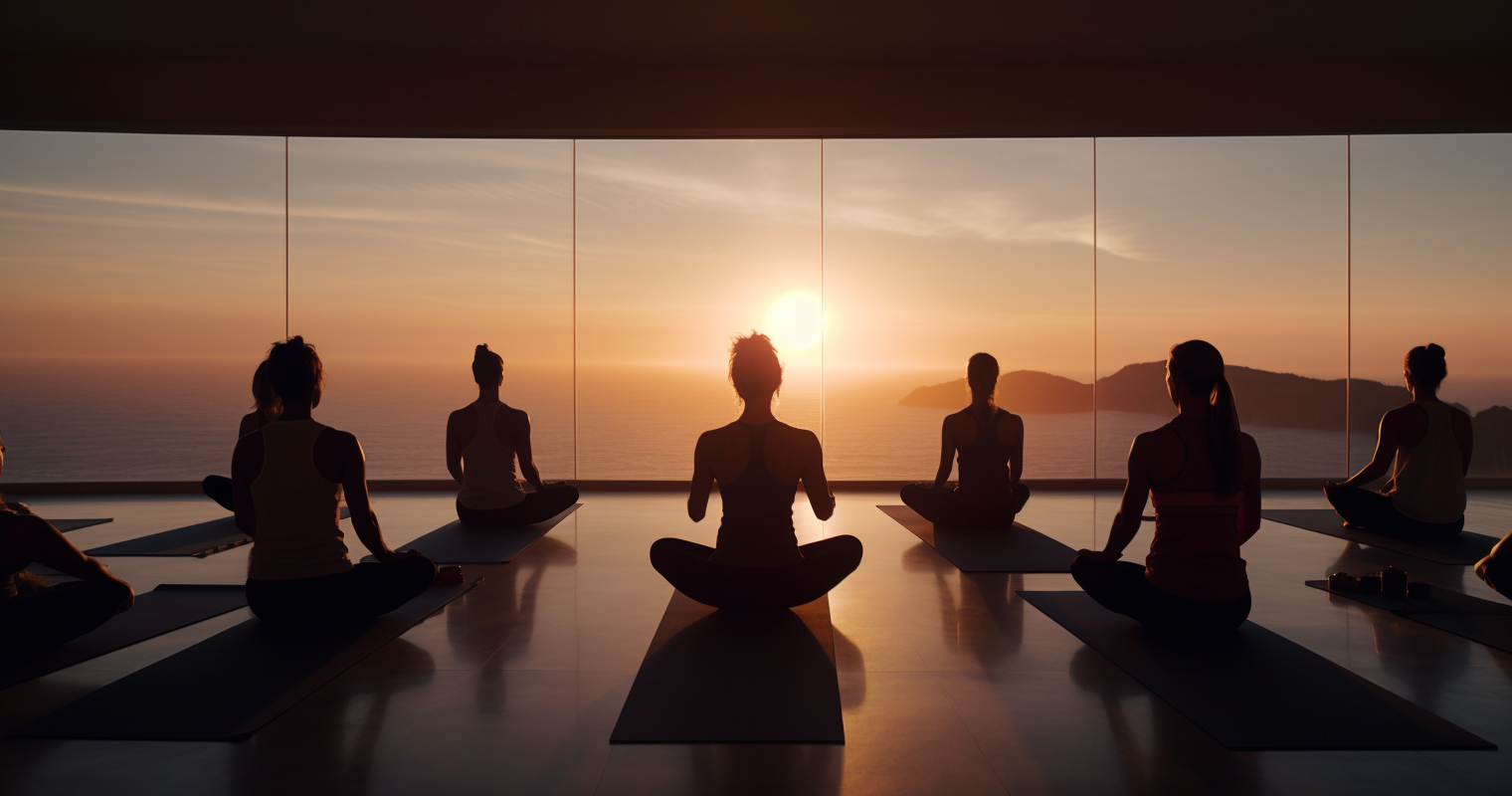
Complementary and alternative medicine (CAM) occupies a significant place in Belizean life, operating alongside conventional healthcare in an environment that remains largely unregulated. Ancient Maya healing traditions are woven into the country’s cultural identity, while therapies originating elsewhere — including massage, chiropractic care, and acupuncture — are attracting growing interest. No formal statutory licensing system for CAM practitioners is currently in place, and patients generally meet costs from their own funds.
| Item | Details |
|---|---|
| CAM regulation status (as of 2025) | No statutory licensing or mandatory registration framework for CAM practitioners |
| Most prominent therapies | Traditional Maya herbal medicine, massage therapy, chiropractic, acupuncture, naturopathy |
| Public health system CAM coverage | Not covered under the National Health Insurance programme |
| Private insurance CAM coverage | Rarely included; check individual policy terms directly with your insurer |
| Typical costs | Mostly out-of-pocket; prices vary widely by therapy and provider — verify directly with practitioners |
| Key official resource | Belize Ministry of Health & Wellness |
What types of complementary and alternative medicine are available in Belize?
Interest in complementary and alternative medicine has grown steadily throughout Belize, with a growing number of people turning to natural and holistic approaches for a broad range of health concerns. Among the most established CAM practices in the country are traditional Maya medicine, acupuncture, massage therapy, and chiropractic care. The menu of available treatments has broadened further to encompass naturopathy, homeopathy, reflexology, reiki, and various energy and bodywork practices, particularly in cities and tourist-frequented areas like Belize City, San Ignacio, and Placencia.
Massage therapy is one of the most accessible CAM options available across Belize, with many individuals seeking relief from muscle tension, chronic pain, and stress-related complaints. The Belize Massage Therapy Association serves as a resource body for the profession, offering information and referrals to licensed massage therapists. It is available across a range of settings — from day spas and resort wellness facilities to independent clinics operated by sole practitioners.
Chiropractic care, which centres on the musculoskeletal system and its broader influence on health, is gaining traction in Belize, with increasing numbers of patients seeking help with back pain, headaches, and related conditions. The Belize Chiropractic Association provides information and practitioner referrals for those seeking chiropractic treatment.
Acupuncture is practised in Belize, primarily in larger towns, though it is considerably less widespread than in countries with established regulatory frameworks — such as Australia, where thousands of registered practitioners operate under a national body, or the United States, where most states licence acupuncturists formally. In Belize, locating an appropriately trained acupuncturist may involve greater effort, and options outside major urban centres can be scarce.
Naturopathy has developed a meaningful presence in Belize, in part through the influence of figures such as Dr. Rosita Arvigo, a Doctor of Naturopathic Medicine who founded Ix Chel Farms — a widely recognised natural healing centre in western Belize. Dr. Arvigo has also taught herbal medicine at the Belize College of Agriculture and delivered seminars for community health volunteers and students of nursing and pharmacology at the University of Belize. Homeopathy exists within the Belizean CAM landscape but remains relatively niche, with far fewer dedicated practitioners than in countries such as India, where it functions as a formally regulated and widely subsidised profession.
Yoga studios, meditation spaces, and wellness retreats have proliferated in recent years, particularly in areas with large expatriate and tourist populations. Spiritual and faith-based healing — including prayer rituals and ceremonial practices — also forms part of the wider healing culture, most notably within Garifuna and Maya communities.
Is complementary and alternative medicine regulated in Belize?
Belize presently has no regulatory or registration requirements for CAM practitioners, meaning that an individual may offer CAM services without any formal training or recognised qualifications. This stands in stark contrast to jurisdictions such as the United Kingdom, where osteopaths and chiropractors are governed by specific Acts of Parliament with statutory registers — making it a criminal offence to practise without registration — or Australia, where Chinese medicine practitioners must be registered with the Australian Health Practitioner Regulation Agency (AHPRA).
That said, a considerable number of CAM practitioners working in Belize have pursued formal training and hold recognised certifications. It is therefore essential for anyone considering CAM treatment to investigate a practitioner’s background and qualifications thoroughly. Without a statutory framework, there is no government-maintained public register of CAM providers that patients can use to confirm credentials.
Whatever oversight currently exists is largely the product of voluntary professional associations — including the Belize Chiropractic Association and the Belize Massage Therapy Association — which may establish their own membership criteria, though joining is not a legal requirement to practise. While this resembles a voluntary self-regulation model, the comparison has limits: in many countries, such bodies are formally acknowledged by health ministries; in Belize, institutional recognition and enforcement capacity remain limited.
There has been governmental discussion about introducing legislation to provide greater formal recognition to traditional healing and herbal remedies as part of a broader national cultural policy. At the bi-annual Traditional Healers Conclave held in Belmopan, the National Institute of Culture and History (NICH) outlined plans to promote and elevate traditional healing and alternative medicine through legislative recognition. As of 2025, however, no comprehensive CAM licensing law has been enacted.
The Belize Ministry of Health & Wellness is the primary government authority with broad oversight of the healthcare sector, and its website is the most reliable starting point for monitoring any emerging regulatory developments. Given that policy in this area continues to evolve, readers are strongly encouraged to contact the Ministry directly for the most current information.
Is CAM covered by health insurance or the public healthcare system in Belize?
Belize operates a National Health Insurance (NHI) programme rooted in health sector reform initiatives. A pilot scheme launched in Belize City in 2001 was later extended to the southern region in 2006, with a dedicated agency established within the Social Security Board to manage its financing and purchasing functions. Ongoing efforts aim to extend NHI coverage further across the country. Nevertheless, the programme is oriented towards conventional primary and secondary healthcare; complementary and alternative therapies are not reimbursable under this public scheme as of 2025.
Private health insurance in Belize — whether obtained locally or through an international expatriate insurance provider — does not routinely extend to CAM treatments. Occasional coverage for therapies such as chiropractic or massage may appear as an optional add-on in more comprehensive plans, but this is the exception rather than the norm. This reflects a broader global pattern in which alternative therapies face inconsistent insurance coverage; while some health plans may accommodate acupuncture or chiropractic visits, the majority of alternative treatments require patients to pay out of pocket.
If you hold an international health insurance policy, it is worth reviewing your documentation for terms such as “complementary medicine,” “integrative health,” or “chiropractic” to identify any applicable coverage. Always verify coverage details, referral requirements, and any visit limits directly with your insurer prior to commencing treatment, as policy terms differ and figures change over time.
The Ministry of Health & Wellness is committed to delivering quality, affordable, and comprehensive health services within a resilient system that promotes health equity and well-being for all. For current guidance on what is covered under public healthcare schemes, visit the Ministry of Health & Wellness website or reach out to the Social Security Board directly.
How much does complementary and alternative medicine cost in Belize?
Given that CAM is almost entirely self-funded in Belize, having a clear picture of likely costs is essential for financial planning. Pricing varies substantially depending on the type of therapy, the practitioner’s qualifications and experience, geographic location within Belize, and whether services are delivered through a dedicated clinic, a resort wellness facility, or an informal home-based practice. As of 2025, published fee schedules from Belizean CAM providers are limited, so the figures below are intended as general guidance only — always confirm current pricing with individual practitioners before booking.
- Massage therapy: Spa and resort massage treatments in tourist areas typically fall in the range of BZD 60–150 (approximately USD 30–75) per hour-long session, though independent community-based therapists may charge less. Verify current rates with practitioners as of 2025.
- Chiropractic: Consultation and adjustment fees at established chiropractic clinics in Belize City and other towns generally fall within BZD 60–120 (approximately USD 30–60) per session, with initial consultations including assessment potentially costing more. Confirm pricing directly with the practitioner or the Belize Chiropractic Association.
- Acupuncture: Where practitioners are available, acupuncture session fees are broadly comparable to those charged by chiropractors, though pricing varies considerably by practitioner background. Confirm current rates prior to booking.
- Traditional Maya healing: Consultations with traditional healers tend to be community-based and significantly more affordable than imported Western CAM therapies, though costs vary widely. Some healers operate on a sliding-scale basis or accept in-kind contributions.
- Yoga and wellness retreats: Drop-in yoga classes typically range from BZD 20–60 (approximately USD 10–30) per session; retreat packages vary considerably depending on duration and facilities.
For therapies such as naturopathy, homeopathy, or reflexology, where the number of practitioners operating in Belize is relatively small, benchmarking prices is more difficult and fees may reflect the relative scarcity of providers. Always request a clear fee schedule from any practitioner before committing to a course of treatment.
How do I find a qualified CAM practitioner in Belize?
Identifying a trustworthy CAM practitioner in Belize demands more active investigation than in countries that maintain statutory registers, since no official government directory of CAM providers currently exists. The following steps and resources can assist in your search:
- Contact professional associations: The Belize Chiropractic Association and the Belize Massage Therapy Association are the most established bodies for their respective disciplines. Reach out to these organisations to enquire about member practitioners in your area and to understand the membership standards they apply.
- Ask your conventional healthcare provider: Physicians and nurses at public health clinics or private medical practices may be familiar with reputable local CAM practitioners and can provide referrals. Establishing a relationship with a conventional GP early on is a practical first step for any newly arrived expat.
- Contact the Belize Association of Traditional Healers: This association, which developed from conferences held at the Ix Chel Tropical Research Foundation, can connect those interested in traditional Maya healing with recognised practitioners.
- Verify practitioner credentials directly: Request sight of diplomas, certificates, or documentation of professional training, and ask where and for how long the practitioner studied. Taking time to understand a practitioner’s qualifications and background is essential given the absence of a statutory register.
- Draw on expat community networks: Online forums, local Facebook groups, and expatriate community organisations in areas such as Ambergris Caye, the Cayo District, and Placencia often compile informal directories of trusted practitioners based on shared community experience.
- Watch for warning signs: Exercise caution with any practitioner who makes exaggerated claims about cures, is unwilling to share details of their training, charges disproportionately high fees without clear justification, or actively discourages you from maintaining contact with conventional medical providers. While no statutory framework exists in Belize, it remains vital to ensure you are seeking treatment from someone with genuine and verifiable training.
There is currently no equivalent in Belize to the UK’s Complementary and Natural Healthcare Council (CNHC) or the AHPRA voluntary register for certain CAM professions — which means consumer protection rests primarily on personal due diligence. When uncertain, consult the Belize Ministry of Health & Wellness for any guidance it may issue on recognised or approved practitioners.
Are there traditional or indigenous medicine systems practised in Belize?
Belize’s position as the heartland of the ancient Maya civilisation has given alternative medicine deep and enduring roots in the country. Traditional Maya healing is as integral to Maya culture as their art, astronomy, or mathematical systems. This healing tradition stretches back an estimated 5,000 years, though it came close to being extinguished by the Spanish Conquest of the fifteenth century.
Traditional Maya medicine draws on herbs, massage, and other natural remedies as its primary tools for restoring and maintaining health and well-being. Its practice in Belize carries a long and continuous history, with many remedies still in everyday use. A substantial proportion of these treatments are derived from plants and herbs cultivated locally or gathered from Belize’s rich natural environment.
The World Health Organisation defines traditional medicine as a system of healthcare with ancient roots, ancestral connections, and trained healers whose work may incorporate spiritual healing through prayers, ceremonies, and sacred objects. A traditional healer is typically a primary healthcare practitioner whose knowledge has been passed down through apprenticeship with an experienced elder. They prepare and administer plants in a variety of forms — including herbal teas, baths, salves, powders, and ointments — and may be men or women. Prayer and spiritual healing are frequently integrated into consultations to address the physical, emotional, and spiritual dimensions of a person’s health.
The rainforests of southern Belize are central to the lives and identity of the Mopan and Ketchi Maya communities who inhabit the region. Their cultural identity is deeply rooted in tradition, particularly among older generations. The Garifuna people — an Afro-Indigenous community with a strong presence along the coastline — also maintain distinctive healing traditions drawing on plant medicine and spiritual practices, though these are less extensively documented in formal literature.
There is a recognised imperative to extend greater formal acknowledgement to traditional healing, to protect medicinal plants from pharmaceutical patenting, and to reduce the foreign exchange expenditure associated with importing medications from industrialised nations. At the bi-annual Traditional Healers Conclave in Belmopan, National Institute of Culture and History officials outlined a vision for a national cultural policy, arguing that traditional healing and alternative medicine deserve legislative recognition — including proposals to package traditional medicinal herbs and stock them alongside pharmaceutical products at government hospital pharmacies.
As of 2025, traditional healers are not formally licensed or regulated by the state in the same manner as conventional medical practitioners. However, the cultural and political momentum behind recognition of traditional medicine is considerable, and the situation may change. Readers should monitor updates from the Ministry of Health & Wellness and the National Institute of Culture and History (NICH) for any policy developments.
What should expats know about using CAM alongside conventional medicine in Belize?
It is widely acknowledged that individuals in rural parts of Belize often prefer non-Western healthcare approaches over publicly available conventional health services. For expatriates, the picture tends to differ: most will rely on Belize’s conventional healthcare system as their principal source of medical care, incorporating CAM therapies where they choose to do so. Understanding how these two systems relate to one another is fundamental to managing your health safely.
Belize maintains a network of approximately 60 public health clinics alongside around 700 public hospital beds delivering primary medical and dental services. Many of these facilities, however, operate under pressure due to staff shortages and resource constraints. In light of this, many expatriates opt for private clinics for their conventional healthcare needs — and practitioners at private urban clinics tend to be more accustomed to patients with international backgrounds who also use CAM.
The degree to which conventional doctors in Belize are open to discussing CAM varies. Practitioners who have trained or worked abroad may be more acquainted with integrative approaches. It is always advisable to inform your doctor of any CAM treatments, herbal preparations, or supplements you are taking, as herb-drug interactions represent a genuine and potentially serious safety concern. This is particularly relevant given the potency of many plants found in Belize’s rainforest pharmacopoeia, where interactions with pharmaceutical drugs — including anticoagulants, antidiabetics, and antiretrovirals — are possible and not always well characterised in the scientific literature.
While traditional medicine can address a range of infectious and chronic conditions, counterfeit, substandard, or adulterated herbal products circulating in international markets pose significant risks to patient safety. When acquiring herbal remedies in Belize — whether from a traditional healer, a market vendor, or a health shop — enquire about the origin and preparation of the product, especially if it has been imported rather than locally grown or prepared.
No formally designated integrative medicine clinics are currently operating in Belize, though certain private wellness centres and naturopathic practices do offer combined treatment approaches. The Belize Health Sector Strategic Plan 2025–2034, developed with PAHO/WHO support, may in time place greater emphasis on integrating traditional and complementary medicine within the national health framework. Expats are encouraged to consult the Ministry of Health & Wellness website for any consumer guidance relating to herbal medicines and CAM safety.
Frequently asked questions about CAM in Belize
Are CAM therapies such as acupuncture and chiropractic legal in Belize?
Yes, complementary and alternative medicine therapies — including acupuncture, chiropractic, massage, herbal medicine, and naturopathy — are all legal to provide and receive in Belize. No law prohibits CAM practice. The central issue is not one of legality but of the absence of formal licensing obligations, which means practitioners are under no legal compulsion to hold professional qualifications. Always investigate a practitioner’s training and credentials independently before starting any treatment.
How can I check a CAM practitioner’s credentials in Belize?
Many CAM practitioners working in Belize do hold formal training and recognised certifications, and taking the time to understand their qualifications is important. Ask to see original diplomas or training certificates, find out where and for how long they trained, and request references from current or past clients. For chiropractors and massage therapists, contact the relevant professional association to check whether the practitioner holds membership. There is no government-maintained register of CAM practitioners available for public consultation as of 2025.
Is it easy to find practitioners who speak languages other than Spanish or Kriol?
English is Belize’s official language and is used widely throughout the country, making it one of the more accessible Central American destinations for those without fluency in Spanish. Most CAM practitioners — particularly those based in urban areas, popular tourist destinations, and expat communities — conduct their work primarily in English. Traditional healers in rural Maya villages may communicate mainly in Mopan, Ketchi, or Spanish, so arranging for an interpreter in advance can be valuable when seeking traditional healing in those communities.
Will my international health insurance cover CAM in Belize?
The answer depends entirely on the specifics of your individual policy. The majority of international expatriate health insurance plans do not include CAM therapies as standard, though certain premium plans may offer optional riders or supplementary cover for treatments such as chiropractic or massage. Examine your policy documents for language such as “complementary medicine” or “chiropractic,” and contact your insurer directly to establish what is covered, whether a referral is required, and whether visit caps apply. Never assume coverage without written confirmation from your insurer.
How does traditional Maya healing differ from general herbal medicine?
Traditional Maya healing represents a complete system of healthcare with ancient origins and deep ancestral connections. A traditional healer is ordinarily trained through apprenticeship under an experienced elder and works with plants in a range of forms — including herbal teas, baths, salves, powders, and ointments. Prayer and spiritual healing are typically woven into consultations to attend to the physical, emotional, and spiritual dimensions of a patient’s wellbeing. This sets it apart from Western herbal medicine, which generally operates within a more clinical and secular framework, without the ceremonial and spiritual elements that are central to the Maya healing tradition.
Is homeopathy available and widely used in Belize?
Homeopathy can be found in Belize but ranks among the less prominent and less widely used CAM therapies in the country. It is far less prevalent than in countries such as India — where it is a fully regulated and state-subsidised discipline — or France and Germany, where it has historically received partial coverage from national health systems. In Belize, locating a practitioner who specialises in homeopathy may require dedicated research, and availability tends to be confined to larger urban centres. Expat community networks or enquiries at private wellness clinics may help with finding referrals.
Are there any safety concerns specific to using herbal medicine in Belize?
Counterfeit, poor-quality, or adulterated herbal products circulating in international markets represent a serious threat to patient safety. When using locally sourced herbal remedies, obtain them only from practitioners or suppliers with a known and trustworthy reputation, and always disclose any herbal preparations you are taking to your conventional doctor. Belize’s rainforest contains numerous potent plants, and interactions between herbal compounds and pharmaceutical medications — particularly anticoagulants, diabetes drugs, and immunosuppressants — are a genuine safety consideration that is not always well-documented. If in doubt, seek your doctor’s guidance before introducing any new herbal product.
Is the CAM regulatory landscape in Belize likely to change?
Government officials have been exploring legislation that would extend greater formal recognition to traditional healing and herbal remedies as part of a proposed national cultural policy. The Belize Health Sector Strategic Plan 2025–2034, developed with technical support from PAHO/WHO, charts a new strategic direction for the health system. Taken together, these developments suggest that formal acknowledgement and possible regulation of CAM — particularly traditional healing — is on the policy agenda, though no specific legislation had been enacted as of 2025. Stay informed by monitoring updates from the Ministry of Health & Wellness.