

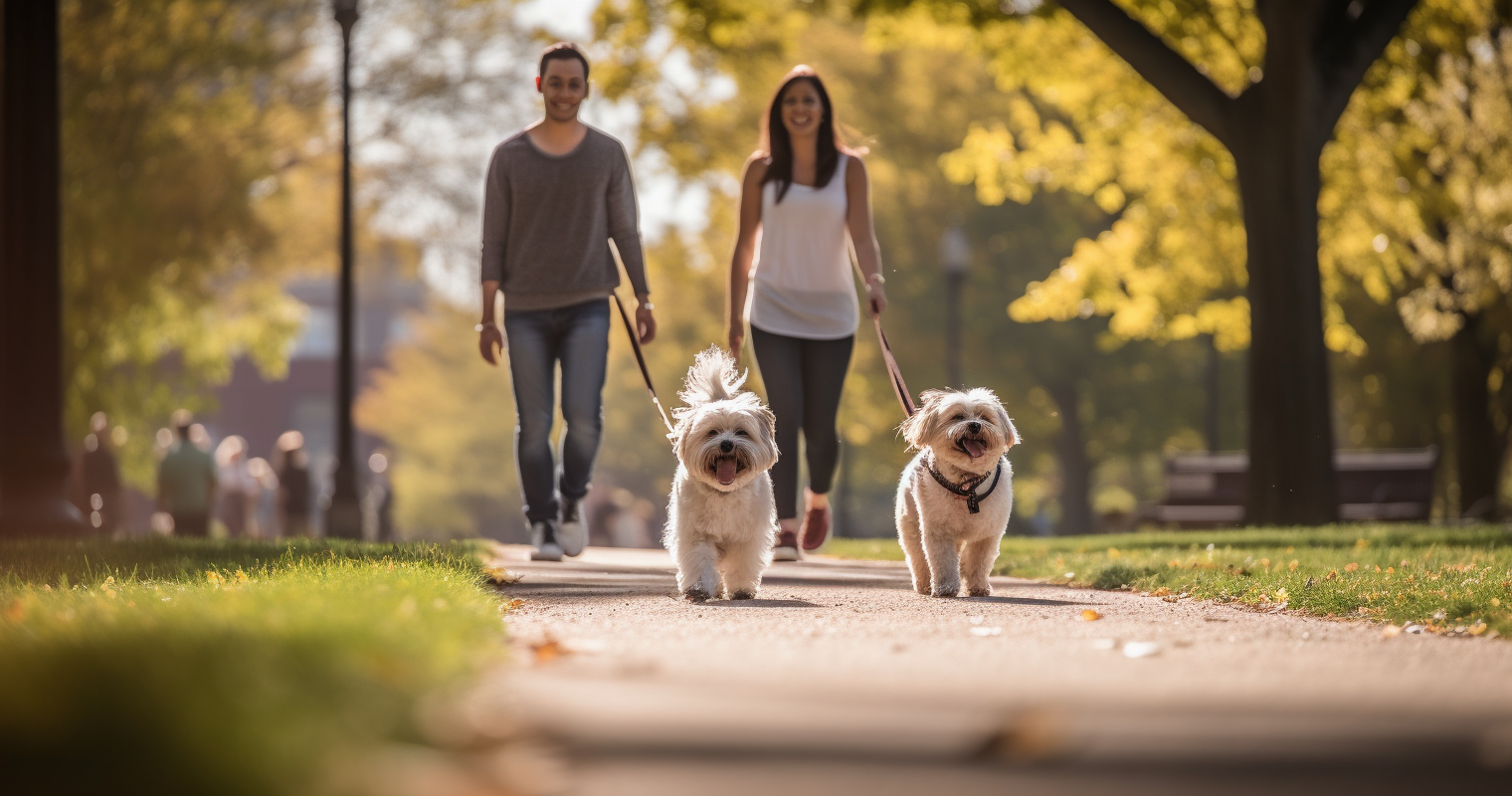
Cuba’s relationship with animals and pet ownership is both nuanced and constantly shifting. Dogs and cats are popular companions, yet stray animals remain a persistent reality across the island. A landmark animal welfare statute — Decree-Law No. 31 — was enacted in 2021, but meaningful enforcement continues to lag behind. Expats considering relocating with a pet, or adopting one upon arrival, should familiarise themselves with the cultural attitudes shaped by Santería, the scarcity of veterinary supplies, and the bureaucratic hurdles involved in importing animals.
| Item | Details |
|---|---|
| Animal welfare legislation | Decree-Law No. 31 on Animal Welfare, passed 2021; published in Official Gazette April 2022 |
| Fines for animal abuse | Up to 7,000 Cuban pesos under Decree-Law No. 31 (as of 2021) |
| Pet import: quarantine | No quarantine if all entry requirements are met |
| Pet import: rabies vaccination | Required; administered at least 30 days and no more than 12 months before entry |
| Breed import restrictions | Wolf hybrids and Savannah/Bengal cats (under 5th generation) cannot be imported |
| Enforcement authority | Ministry of Agriculture (MINAG) / National Animal Health Centre (CENASA) |
What are the general attitudes toward pets and animals in Cuba?
Most Cubans hold a warm and positive view of animals, with dogs occupying the top spot among favourite pets, followed closely by cats. Affection for animals is woven into everyday life — dogs trot beside their owners along Havana’s Malecón and cats settle into the sun-drenched courtyards of Trinidad with an easy familiarity.
Yoruba culture, which has deeply influenced Cuban society through the religion of Santería, holds dogs in particular reverence, viewing them as sacred creatures deserving of protection. This spiritual underpinning gives Cuban attitudes toward dogs a distinctly different flavour from the more secular, consumer-driven approach to pet ownership prevalent across much of Europe.
That said, economic realities shape pet ownership just as powerfully as cultural ones. The island’s prolonged economic crisis has taken a heavy toll on animal care: as households struggle to cover basic necessities, more and more pets are abandoned, swelling the ranks of strays. Pet ownership in Cuba is therefore framed less by lifestyle aspiration and more by what families can realistically sustain.
The growth of Cuba’s private sector since around 2010 has, however, begun to cultivate a more consumer-oriented pet culture among a rising urban middle class. Havana now boasts roughly ten canine grooming salons — a telling indicator of changing priorities among those with greater disposable income. This trend sits in sharp contrast to rural communities, where animals are far more likely to serve practical purposes — guarding property, working the land, or providing food — than to be treated as household companions.
Expats moving beyond Havana or other larger cities should anticipate a markedly different set of attitudes toward animals in the countryside, where welfare considerations may rank well below economic utility.
What laws and regulations govern pet ownership in Cuba?
Cuba does maintain legal provisions relating to pet ownership: under the Cuban Civil Code, animals are classified as personal property, and general property law applies to their ownership. However, a cohesive national framework covering pet registration, licensing obligations, and specific owner duties has taken considerable time to materialise.
The 2021 Animal Welfare Decree-Law introduced a meaningful change by placing a legal obligation on animal custodians to seek both preventive and emergency veterinary treatment for their animals. This duty-of-care requirement moves Cuba closer — at least in its written law — to standards seen in other Latin American nations that have overhauled their animal welfare codes in recent years.
The legislation also directs state agencies and animal welfare bodies to uphold responsibilities relating to the physical and mental wellbeing of animals, covering not only household pets but also livestock, sport animals, and working animals. Breed-specific domestic restrictions are not extensively publicised by Cuban authorities, though import bans on certain hybrid animals do apply (see the section on bringing pets into Cuba).
Leash and containment rules exist at the municipal level, but application varies widely across the country. In practice, many owners keep their pets indoors or within enclosed yards primarily as a practical response to traffic hazards rather than as a result of legal compulsion. Cuba has no national microchipping registry comparable to the EU’s TRACES system. Rabies vaccination requirements do apply to pet dogs, and these vaccinations are frequently offered free of charge as part of campaigns coordinated between zoologists and the Ministry of Public Health.
For authoritative, up-to-date information on registration procedures, any applicable licensing fees, and local municipal rules in your intended place of residence, contact the Cuban Ministry of Agriculture (MINAG) or the National Animal Health Centre (CENASA) directly. Rules change periodically, and third-party sources should not be relied upon in isolation.
Are there animal welfare laws in Cuba, and how are they enforced?
After many years of public pressure and advocacy from citizens demanding formal animal rights protection, the Cuban government eventually enacted dedicated animal welfare legislation. The Council of State published the new law in the Official Gazette on 10 April 2022. While the law establishes fines for those who abuse animals, it also permits cockfighting and religious animal sacrifice under defined conditions.
Under the statute, all forms of animal cruelty are prohibited and offenders face fines of up to 7,000 pesos (as of 2021). The decree further forbids the deliberate staging of fights between animals of any species, unless sanctioned by a competent authority — meaning dogfighting and bullfighting are outlawed, while cockfighting retains its legal status.
Responsibility for investigating violations and applying administrative and disciplinary sanctions under Decree-Law No. 31/2021 and its associated Regulatory Decree 38/2021 falls to the General Division of the National Animal Health Centre (CENASA) and the Livestock Business Group (GEGAN).
In reality, however, the gap between what the law prescribes and what happens on the ground remains vast. Enforcement is hampered by shortages of resources, organisational weaknesses, and insufficient political will. Veterinary facilities lack the medicines and equipment needed to function at full capacity, and there are no systematic sterilisation or vaccination initiatives targeting stray animals.
More than four years since the regime approved Decree-Law 31, the legislation remains largely symbolic: none of the shelters or rehabilitation centres mandated by the law have been established, and thousands of dogs and cats continue to live unsheltered on Cuba’s streets. This contrasts with countries such as Brazil or Mexico, which have enacted similarly sweeping welfare legislation but have built more substantial state machinery to put it into effect.
Animal cruelty is widely acknowledged to be a worsening issue in Cuba. Although the government has recognised the increase in reported cases and reporting channels exist, the absence of effective enforcement and the inadequacy of penalties allow abusive practices to continue unchecked. The official text of the legislation can be found at the Official Gazette of the Republic of Cuba, where Decree-Law No. 31 and Regulatory Decree 38 are published.
What animal welfare charities and rescue organisations operate in Cuba?
Because the state has built so little infrastructure to support animal welfare, virtually all rescue and rehoming work in Cuba is carried out by grassroots activists and non-governmental organisations that depend heavily on donations of supplies and money from overseas. These groups are excellent contacts for expats who wish to adopt a rescue animal after settling in Cuba.
Cubanos en Defensa de los Animales (CEDA) is among the most prominent advocacy organisations in the country. CEDA campaigns for stronger animal protection legislation and more rigorous enforcement, using donations to purchase veterinary supplies for rescued street animals, provide food, and fund sterilisation procedures. The organisation is based in Havana and can be reached through its website and social media platforms.
Animal Protection SOS — PASOS is another significant body. PASOS coordinates an annual gathering of animal rights activists at Havana’s Colón Cemetery — specifically at the Tomb of Loyalty, the burial site of historical animal welfare advocate Jeannette Ford Ryder — which has grown into the largest event of its kind on the island. The organisation advocates for genuine enforcement of Decree-Law 31 and maintains records of ongoing cruelty cases throughout Cuba.
Protección Animal Ciudad (PAC / PACCUBA) is a Havana-based group that rescues stray dogs and cats, nurses them back to health, and finds them new homes. PACCUBA can be contacted via Facebook and at the email address [email protected], and operates entirely on the goodwill of volunteers.
Project De La Calle — translated as “From the Street” — centres its work on cats and kittens. A dedicated network of Cuban community volunteers and veterinarians has collectively rescued hundreds of kittens, puppies, cats, and dogs from Havana’s streets. The project receives international backing from Ocean Doctor, a US-based nonprofit organisation.
All People for Animals in Cuba (APAC Cuba) runs sterilisation drives, trap-neuter-return (TNR) programmes, cat cafés at resort hotels, rescue and shelter operations, and free or subsidised veterinary services. APAC Cuba is dedicated to improving the lives of homeless and abandoned animals in Cuba through a combination of sterilisation, TNR, adoption, and palliative care, and can be found on Facebook.
Aniplant is one of Cuba’s longest-established formally registered animal protection bodies. In 2015 alone, Aniplant carried out sterilisations on more than 5,000 animals in an effort to limit the growth of the stray population, and its staff work to reduce animal suffering through community education and encouragement of good veterinary practice.
Across Cuba, a great many individual activists care for hundreds of abandoned animals in makeshift shelters within their own homes, frequently doing so with minimal resources and no state assistance. Expats who are able to contribute supplies, funds, or volunteer time will find these groups genuinely grateful for the support.
What should expats know about bringing a pet into Cuba?
Relocating to Cuba with a pet requires careful advance preparation. The body responsible for overseeing animal imports is the National Centre for Animal Health (CENASA), which operates under Cuba’s Ministry of Agriculture (MINAG). Requirements can and do change, so always seek confirmation directly from CENASA before making any travel arrangements — do not rely solely on third-party summaries.
The standard process for importing a dog or cat into Cuba is as follows:
- Microchip your pet. Microchipping is essential for international travel: it links your animal to its paperwork at the point of entry and greatly improves the chances of being reunited with your pet should you become separated in transit. Although not all of Cuba’s published guidance explicitly specifies a chip standard, use of the internationally recognised ISO 11784/11785 microchip is strongly advised.
- Obtain a current rabies vaccination. Cuba does not impose quarantine on healthy pets whose owners can present proof of a valid rabies vaccination administered no fewer than 30 days and no more than 12 months before the date of entry.
- Obtain other required vaccinations. Your pet’s records must include evidence of rabies vaccination and any other required immunisations, together with an international export health certificate.
- Get a Veterinary Health Certificate. A Veterinary Certificate for Cuba must be issued by a licensed veterinarian shortly before travel. Travellers from the United States or Canada are advised to have an APHIS Form 7001 completed by a USDA- or CFIA-licensed veterinarian and formally endorsed by the relevant authority. Travellers from other countries should have the equivalent forms endorsed by the competent national authority responsible for animal import and export.
- Check breed restrictions. Wolf hybrids and Savannah and Bengal cats that are not at least 5th generation removed from wild ancestry cannot be imported under Cuba’s regulations.
- Check CITES status for non-standard pets. If you are travelling with any animal other than a dog, cat, or ferret, confirm that it is not listed under the Convention on International Trade in Endangered Species (CITES). If it is, additional permits will be required before travel.
- Present all documentation at the port of entry. All dogs and cats entering Cuba must show no signs of illness communicable to humans at the border inspection point. If an animal appears unwell, an examination by a licensed veterinarian may be mandated — at the importer’s cost.
Provided all import requirements are satisfied, no quarantine will be imposed. If requirements are not met, however, your pet may be held in quarantine (where facilities exist), returned to its country of origin, or euthanised — in each case at the importer’s expense.
The overall approach bears some resemblance to the EU’s Pet Travel Scheme in that it rewards pre-travel preparation rather than imposing blanket post-arrival quarantine. The key distinction is that Cuba’s system is administered nationally through CENASA rather than through a harmonised regional framework. Always contact CENASA or the Cuban embassy in your home country to confirm the latest requirements before finalising your travel plans.
Where can expats buy pet food, supplies, and veterinary care in Cuba?
Pet food and veterinary services in Cuba are considerably harder to access than in most countries, and expats moving from places with well-stocked pet retail markets should recalibrate their expectations. The island’s ongoing economic difficulties and restrictions on imports make an already challenging situation more acute.
Private pet shops such as “Animalia” in Havana do exist and offer grooming services alongside a range of pet supplies. However, pet food — the item most in demand among local customers — is frequently out of stock due to supply chain pressures. While local entrepreneurs are gradually opening more private pet shops and clinics, many Cuban pet owners cannot afford the prices these businesses must charge to remain viable.
No major international pet retail chains — such as PetSmart, Fressnapf, or Pets at Home — operate in Cuba, and trade and shipping restrictions prevent reliable delivery from international online retailers. Expats are strongly advised to bring an ample supply of their pet’s usual food and any specialist medications on their first trip to the island, and to top up stocks whenever they travel outside Cuba. In some respects, bringing physical supplies from abroad can be of greater practical value than financial donations, as certain items simply cannot be sourced locally regardless of budget.
State-run veterinary clinics are present across the country and provide a foundational level of care. They see all comers, but routinely lack the medications, equipment, and consumables required to carry out more complex procedures. The number of private veterinary clinics has grown in recent years, most visibly in Havana, and these generally offer a higher quality of service — though at a correspondingly higher price.
Access to veterinary medicines presents a persistent challenge: many antibiotics, antiparasitic treatments, and vaccines cannot be imported, leaving practitioners to rely on alternative remedies, natural preparations, and Cuban biotechnology products. Diagnostic tools and advanced medical technology are similarly constrained by trade restrictions, placing genuine limits on the range of procedures available.
Expats whose pets require ongoing medication or specialist treatment should consult their home-country vet well in advance of relocating, bring a substantial reserve of any prescription drugs, and identify a private veterinary practice in their intended city of residence before arriving. Havana offers the greatest concentration of private clinics; elsewhere on the island, options thin out considerably, particularly in rural areas.
Are there cultural taboos, sensitivities, or religious considerations around specific animals in Cuba?
Santería, the dominant Afro-Cuban faith, exerts a profound influence on how animals are perceived and treated across the island. Santería emerged in Cuba as a synthesis of Catholicism and the Yoruba religious traditions carried to the island by enslaved Nigerians, and it is very widely observed. Its rituals carry direct consequences for how animals feature in public life.
Encountering the remains of sacrificed chickens or pigeons in the streets of Havana is not uncommon, a visible reflection of how central Santería is to everyday Cuban life. Depending on which deity is being invoked and what is being sought, animals including rams, goats, roosters, pigeons, hutias, dogs, and cats may be used in private ritual sacrifices. Expats — particularly those from countries with no cultural tradition of animal sacrifice — may find this confronting. It is essential to respond with cultural sensitivity rather than public disapproval, which could cause serious offence.
The 2022 animal welfare law stops short of prohibiting animal sacrifice, instead requiring that such acts be carried out in a “compassionate and rapid manner, avoiding pain and stress.” This compromise reflects the political difficulty of legislating against a deeply entrenched religious practice, and advocates themselves have acknowledged that an outright ban would be impossible to enforce in practice.
Cockfighting has deep roots in Cuban culture and retains legal standing under the 2022 welfare law. While the decree bans animal fighting in general — explicitly prohibiting dogfighting and bullfighting — cockfighting is exempted where it receives approval from the relevant authority. Expats who find cockfighting distressing should be aware that it remains a visible part of life in some communities, especially in rural Cuba.
In terms of day-to-day social norms, walking dogs in public is perfectly normal and accepted throughout Cuban towns and cities. There is no deeply ingrained cultural aversion to dogs as unclean or threatening — unlike in some majority-Muslim societies, for instance. That said, because stray dogs are so common, local residents may react with wariness toward large or unleashed dogs in shared spaces. Keeping your pet on a lead and being considerate of communal areas will go a long way toward building good relations with neighbours.
What is the situation regarding stray or feral animals in Cuba?
Stray dogs and cats are a highly visible feature of Cuban life, particularly in towns and cities. The problem has intensified in recent years as economic hardship has pushed more families to surrender or abandon animals they can no longer afford to keep. Cuba’s streets hold large numbers of dogs and cats in poor condition — animals cast aside for financial reasons, some of whom are taken in by individuals or welfare groups whose own resources are stretched to the limit.
Zoonosis, the state body historically charged with animal control, has traditionally relied on euthanisation as its primary tool for managing the stray population. The current law requires that stray animals instead be captured and transferred to observation and rehabilitation centres, where they may subsequently be offered for adoption, reunited with owners, or, only as a last resort, euthanised. In practice, however, the shelters and care centres that the law mandates do not exist, and vast numbers of dogs and cats remain on the streets with nowhere to go.
Trap-neuter-return programmes do operate in Cuba but are run almost exclusively by voluntary organisations rather than the state. Bringing the stray population under control requires not only capture, vaccination, and neutering but also the construction of appropriate facilities and the coordination of community volunteers — none of which has been systematically funded or organised by the government.
From a public health standpoint, the WHO estimates that dog bites cause tens of millions of injuries globally each year, and Cuba’s growing stray population presents a real and recognised public health challenge in line with broader trends across Latin America and the Caribbean. Rabies remains a concern throughout the region. Expats should consult the WHO Cuba country office and Cuba’s Ministry of Public Health (MINSAP) for current guidance on rabies risk and any recommended prophylaxis before and after arriving in Cuba.
As a practical matter, expats should avoid handling stray animals without appropriate protection, keep their own pets up to date with rabies and other vaccinations, and seek prompt medical attention after any bite or scratch from an animal of unknown health status. It is worth noting that many of Cuba’s street dogs are gentle by nature — often friendly and cautious rather than aggressive, and likely to approach if softly called — but sensible caution remains advisable at all times.
Frequently asked questions about pets and animal welfare in Cuba
Can I bring my dog or cat to Cuba when I relocate?
Yes, dogs and cats may be brought to Cuba provided all entry conditions are fully satisfied. You will need a valid rabies vaccination administered no fewer than 30 days and no more than 12 months before arrival, an international veterinary health certificate signed by a licensed veterinarian, and confirmation that your animal is in good health on arrival. No quarantine applies if all requirements are met. Contact CENASA, under the Cuban Ministry of Agriculture, to verify the most current conditions before making any arrangements, as requirements are subject to revision.
Are there breed restrictions for bringing dogs into Cuba?
Yes. Wolf hybrids and Savannah and Bengal cats that are not at least 5th generation removed from their wild ancestry cannot be imported under Cuba’s pet entry regulations. Cuba does not publish widely circulated breed bans for domestic dogs comparable to dangerous dog restrictions in some European countries, but if you own a breed that is subject to restrictions in other jurisdictions, always confirm its status with CENASA before travelling.
How do I find a vet in Cuba?
State veterinary clinics are present in most municipalities and provide a basic, subsidised level of care, though they are routinely short of medications and diagnostic equipment. Private practices have multiplied in recent years, particularly in Havana, and typically offer a higher standard of service at greater cost. Expat community networks and animal welfare organisations such as CEDA and PACCUBA can provide valuable recommendations, as local knowledge often fills the gaps left by incomplete official directories.
Is pet food easy to find in Cuba?
Pet food is unreliable and frequently scarce across Cuba, including in Havana. Trade restrictions and supply chain difficulties mean that internationally recognised brands are rarely stocked in Cuban shops. Expats should arrive with a generous supply of their pet’s usual food and replenish it during any travel abroad. Some private pet shops in Havana carry basic pet food, but stock levels fluctuate considerably. Many Cuban pet owners rely on home-prepared alternatives such as cooked rice mixed with offal.
What is Decree-Law No. 31, and does it protect my pet?
Decree-Law No. 31 on Animal Welfare, enacted in 2021 and officially published in the Official Gazette in April 2022, is Cuba’s first purpose-built animal protection law. It bans animal cruelty, requires owners to provide veterinary care for their animals, and imposes fines of up to 7,000 pesos for breaches. In practice, enforcement is limited and the shelters and care infrastructure the law calls for have not been built. While the law marks genuine legislative progress, expats should not assume it translates into consistent real-world protection.
What should I know about Santería and animals before I move to Cuba?
Santería, Cuba’s predominant Afro-Cuban religion, involves rituals in which animals — including chickens, pigeons, goats, and in some cases cats and dogs — may be sacrificed. Finding animal remains in public spaces in Havana is not unusual. The 2022 animal welfare law regulates the manner in which such sacrifices may be conducted but does not prohibit them. Expats should treat this as a culturally embedded practice deserving of respect, and avoid public criticism, which is likely to cause serious offence. Cockfighting is similarly legal and culturally entrenched in certain communities.
Is there a rabies risk in Cuba?
Rabies circulates in the wider Latin American and Caribbean region, and stray dogs are a common presence throughout Cuba. While Cuba has historically conducted rabies vaccination campaigns targeting dogs, the reach and consistency of these programmes vary. Expats relocating to Cuba should ensure both they and their pets are vaccinated against rabies, and should seek immediate medical guidance following any bite or scratch from an unknown animal. The WHO Cuba country office and Cuba’s Ministry of Public Health (MINSAP) can provide current risk assessments and travel health advice.
Can I adopt a rescue animal from Cuba?
Yes, adopting a rescue animal in Cuba is possible. Organisations including CEDA, PACCUBA, and APAC Cuba regularly facilitate rehoming. If you intend to take a rescued Cuban animal out of the country when you eventually leave, you will need an official registration card documenting the animal’s health and vaccination history, and you must satisfy the import requirements of your destination country. Cuban Dog Tales, a Canada-based organisation, has practical experience coordinating international adoptions from Cuba and is a useful source of guidance.