

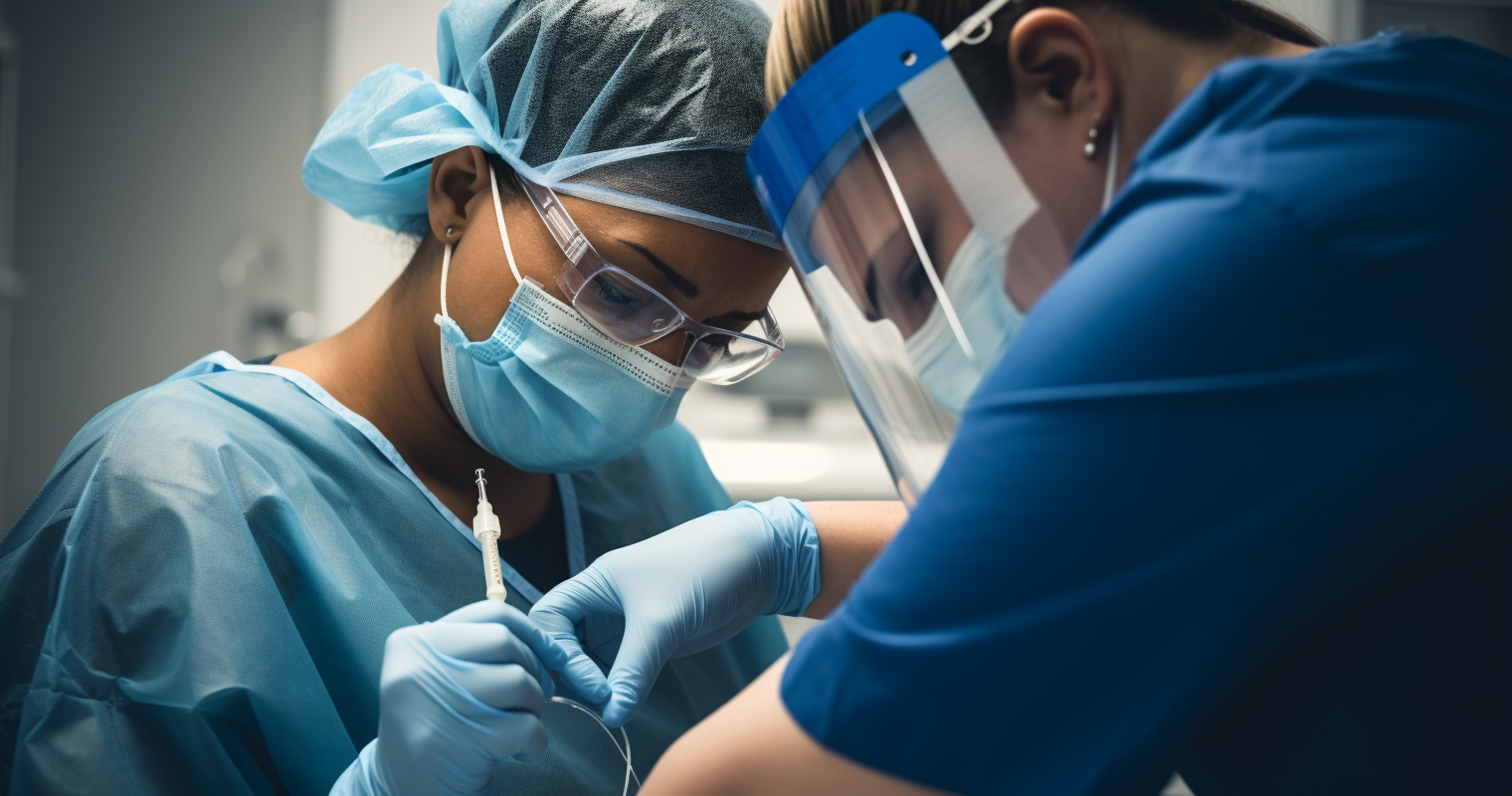
The Dominican Republic’s healthcare system is a mixed, two-tier arrangement that brings together a social insurance-based public sector and a well-developed private sector. Despite reforms introduced in 2001 aimed at achieving universal coverage, the quality of public facilities varies considerably — particularly when comparing urban centres with rural communities. The majority of expats depend on private health insurance to gain access to the higher-standard hospitals found in Santo Domingo, Santiago, and the country’s tourist corridors.
| Item | Details |
|---|---|
| System type | Mixed: social insurance (public) + private sector; two-tier structure |
| National insurer | Seguro Nacional de Salud (SENASA) — public; private insurers known as ARS |
| Public healthcare access for expats | Legal residents entitled to access; eligibility for SENASA depends on residency/employment status |
| Emergency number | 911 (nationwide) |
| Private insurance cost (as of 2024) | Local advanced plans approx. USD $700–$1,500/year per couple; international plans vary by age and coverage |
| Public hospital waiting times (as of 2024) | Primary care: same-day to several weeks; specialist: weeks to months; elective surgery: months to years |
| Key health risks | Dengue (widespread), malaria (specific provinces), travellers’ diarrhoea, rabies risk |
| Official health authority | Ministerio de Salud Pública y Asistencia Social (MISPAS) |
What is the standard of healthcare in the Dominican Republic?
Healthcare in the Dominican Republic is structured across two distinct tiers. Public clinics and facilities frequently fall short of standards common in more developed nations, whereas the private sector — especially within major cities such as Santo Domingo and Santiago and across tourist-heavy regions — delivers care that can rival international benchmarks. The level of care any individual receives therefore depends heavily on which tier they access and their geographic location within the country.
There are pronounced quality differences between regions. Private hospitals tend to be equipped with contemporary medical technology, staffed by highly trained professionals, and held to consistent quality standards. Public hospitals, by contrast, frequently contend with outdated equipment and understaffing. In this respect, the Dominican system resembles a Bismarck-style contributory insurance model structurally, but without the uniform quality standards characteristic of countries such as Germany or France — the gap between public and private provision is considerably wider.
In the main urban centres and tourist destinations — including the North Coast and Punta Cana — private healthcare is genuinely of a high calibre. Medical professionals working in these settings are well-qualified, and a significant proportion have completed training overseas, placing the private sector in these areas on a competitive footing internationally.
A stark contrast exists between urban and rural healthcare access. Santo Domingo and Santiago concentrate the greatest density of hospitals and specialist services, while rural communities often have little more than modest clinics with constrained resources. Expats who plan to settle outside the principal cities or established tourist zones should expect to travel to a larger urban centre for quality specialist care.
An interesting tension runs through the Dominican health system: service delivery indicators — such as professionally attended births and high rates of prenatal care coverage — appear broadly adequate, yet overall health outcomes remain comparatively weak, reflecting concerns about the quality of care delivered, particularly to the most economically disadvantaged populations. This contradiction is an important consideration for anyone who may depend on public services.
For authoritative assessments of healthcare quality, readers should consult the Pan American Health Organization (PAHO) Dominican Republic country profile, the WHO country page, and the Ministerio de Salud Pública y Asistencia Social (MISPAS), the government body responsible for public health in the Dominican Republic.
How is healthcare funded in the Dominican Republic, and is private health insurance necessary?
Dominican healthcare financing is built around three pillars: a contributory scheme for workers in the formal sector administered through the Social Security system (SDSS), a subsidised programme directed at lower-income and informal sector communities, and a parallel private sector encompassing both providers and insurers. The legal foundation for this structure was laid by Law 87-01, which established the Social Security system and continues to define public coverage arrangements.
Funding flows through a mixed Social Health Insurance (SHI) model. Formal employees under the contributive regime pay into the system through salary-based contributions shared between employee and employer, while the subsidised regime draws on general tax revenues to cover those who are unemployed or living below the poverty line. This approach aligns the Dominican Republic more closely with a Bismarck-style contributory model than with a Beveridge-style tax-funded universal system such as the United Kingdom’s NHS.
The healthcare financing structure operates across three tiers: a subsidised tier covering the poor, disabled, and unemployed, who receive state funding; and a contributive tier supported by employer and worker contributions. These tiers determine both the type of care individuals can access and how that care is paid for.
Expats living in the Dominican Republic may qualify for either the contributive or contributory subsidised tier depending on their residency and employment circumstances. Those without local employment typically rely on international private insurance. Eligibility should be confirmed directly with SENASA or the Ministry of Public Health (MISPAS), as the applicable rules may be subject to change.
Accessing public healthcare requires individuals to hold a Dominican identification card (cédula) or a valid residency permit, and to register with the Seguro Nacional de Salud (SENASA) where eligible. Without this registration, individuals must either pay out of pocket for public services or rely entirely on private care.
Foreign expats in the Dominican Republic will commonly fall within the contributive subsidised tier, though this is worth confirming with your employer. To avoid significant gaps in coverage, a local or international private health insurance plan is not merely a sensible precaution — for most expats, it is effectively indispensable for reliable access to quality medical treatment.
The private health insurance market is overseen by the Superintendencia de Salud y Riesgos Laborales (SISALRIL). Prominent local insurers include ARS Humano, ARS Palic, ARS Universal, and MAPFRE Salud ARS, with products ranging from basic outpatient cover through to comprehensive plans encompassing hospitalisation and complex surgical procedures. Current premiums and plan conditions should be verified directly with providers and through SISALRIL.
How do I register with a doctor or access primary care in the Dominican Republic?
General practitioners and family doctors are uncommon in the Dominican Republic. Most residents instead choose an internist for adult primary care (or a paediatrician for children), who can address general medical needs and direct patients to specialists when required. This contrasts with systems such as those in the Netherlands or Australia, where a GP functions as a mandatory gateway to specialist services.
The state health insurance programme is known as Seguro Nacional de Salud (SENASA). Participation requires a Dominican ID card (cédula) and registration with SENASA at a local office. Public care is relatively inexpensive, but waiting times can stretch considerably and the system is not well-suited to managing complex conditions.
The following steps outline how to access primary care as a resident:
- Obtain legal residency and a Dominican identification card (cédula) through the relevant immigration authority.
- Register with SENASA (if eligible based on employment or residency status) at a local SENASA office. Bring your cédula and residency documentation.
- Choose an internist or specialist clinic for day-to-day primary care. In major cities, private clinics and hospitals can be visited directly without a referral in most cases.
- For employer-covered workers, check whether your employer provides an iguala — a medical coverage arrangement at a private, local clinic at no additional cost to the worker.
- If using public facilities, attend the hospital or clinic’s outpatient department (consulta externa) directly. Walk-in access is available but expect potentially long waiting times.
The public healthcare system in the Dominican Republic often faces challenges with long waiting times and limited resources. As of 2024, primary care appointments can range from same-day to several weeks, specialist appointments from weeks to months, and elective surgeries can extend to months or even years for non-urgent procedures. Those with private insurance will generally experience much shorter waits.
Staff at public clinics will typically communicate only in Spanish, so some preparation in the language is useful. For official guidance on registration procedures and eligibility criteria, consult SENASA’s official website and MISPAS directly.
What services do hospitals in the Dominican Republic provide, and what should patients expect?
Four principal categories of healthcare facility exist in the Dominican Republic: public hospitals, clinics serving tourist areas, private clinics, and larger public or private hospital complexes. Each functions quite differently, and understanding these distinctions is essential for expats planning their healthcare arrangements.
The private healthcare sector in the Dominican Republic can match standards found in many developed nations, especially within major cities. Leading private hospitals offer bilingual staff and facilities equipped to handle advanced procedures including organ transplants and cardiac surgery. Expats using private facilities can expect considerably shorter waiting times, more extensive clinical teams, and access to specialised services including intensive care.
The finest private facilities — featuring cutting-edge technology and experienced practitioners — are concentrated in Santo Domingo and Santiago, as well as tourist destinations such as Punta Cana and Puerto Plata. Notable private hospitals include Hospital General Plaza de la Salud (Santo Domingo), Centro de Medicina Avanzada (Santo Domingo), and Hospital Metropolitano de Santiago.
Every major town in the country has a public hospital, and medical treatment there is provided free of charge. However, consumables such as medications, X-rays, and stitches typically attract additional fees. The public system remains accessible, though it is frequently constrained by limited resources.
One important cultural difference expats should appreciate relates to inpatient stays in public hospitals. Patients are generally expected to supply their own personal items — including toiletries, bedding, and food — and family members customarily assume responsibility for around-the-clock personal care, including assistance with bathing and meals. This differs markedly from hospital practice in countries across Western Europe or Canada, where nursing staff take charge of all personal care tasks. Expats without family nearby should factor this into their plans.
Record-keeping practices also differ from many countries: most hospitals do not maintain ongoing patient files, and consultations rarely proceed without fresh diagnostic tests such as blood work or imaging. Additionally, it is commonplace in Dominican hospitals to administer saline drips and intravenous antibiotics across a wide range of conditions. Awareness of these practices helps patients engage more effectively with their care.
Healthcare fraud — including inflated charges and unnecessary hospitalisation — has been reported in the Dominican Republic, particularly through medical services linked to tourist resorts. Choosing a reputable private hospital with a direct-billing arrangement with your insurer provides the strongest protection against unexpected financial exposure.
How does follow-up and aftercare work in the Dominican Republic?
Post-treatment follow-up and aftercare in the Dominican Republic is considerably less formalised than in countries with well-established primary care networks. Unlike the French médecin traitant system or the NHS community nursing service, there is no standardised pathway guaranteeing automatic post-discharge follow-up for most patients.
Consultations across all facility types are typically conducted by specialists rather than general practitioners, and the absence of ongoing patient files makes continuity of care across different visits or facilities difficult to maintain. For this reason, expats are strongly advised to take an active role in managing their own medical records, retaining copies of test results, prescriptions, and discharge documentation throughout their time in the country.
Within the private sector, follow-up is generally arranged directly with the treating specialist. Private clinics and hospitals are more likely to operate outpatient departments through which scheduled return appointments can be booked. Rehabilitation services, community nursing, and home healthcare exist in the private sphere but are largely absent from the public system.
Certain medications and supplementary wellness services are more readily accessible through private healthcare institutions. Some private hospitals can also connect patients with international networks of medical providers for more comprehensive ongoing care. Expats managing complex or long-term conditions are strongly advised to establish a relationship with a well-resourced private clinic from the outset.
For aftercare that involves rehabilitation or ongoing specialist management, expats may need to arrange private consultations independently. International health insurance plans that incorporate outpatient cover will make this process considerably more straightforward. It is always worth confirming what post-hospitalisation services your policy includes before you find yourself in a position of needing them.
What are the rules on medical treatment for foreign visitors and new arrivals in the Dominican Republic?
Emergency medical care is accessible to everyone in the Dominican Republic regardless of nationality or insurance coverage. The national emergency number is 911. This means that any individual facing a life-threatening situation — whether a tourist or a newly arrived expat — will not be refused emergency treatment.
However, emergency treatment is not provided free of charge to unregistered foreign nationals. Private hospitals in particular will typically require proof of insurance or a payment guarantee before accepting non-emergency admissions. Some long-stay and residency permit applications stipulate that applicants must demonstrate health insurance coverage, and major private facilities routinely require insurance documentation or a financial guarantee for planned admissions and significant procedures.
Short-term visitors and tourists have no entitlement to access the SENASA public insurance system and should ensure they carry adequate travel or international health insurance before arriving. While some smaller or rural facilities may still operate on a cash-only basis, the majority of leading private hospitals now accept credit cards and international insurance policies, particularly in areas with a substantial tourist presence.
Regarding reciprocal healthcare agreements, the Dominican Republic has not entered into comprehensive bilateral reciprocal healthcare arrangements of the kind that exist between European Union member states under the European Health Insurance Card (EHIC) scheme. Regardless of your country of origin, you should not assume any automatic entitlement to subsidised or cost-free care as a visitor. The existence and scope of any bilateral arrangements can change, so always check the current position with the Dominican Ministry of Public Health (MISPAS) and your home country’s foreign affairs or health ministry before travelling or relocating.
Newly arrived expats who have obtained residency but have not yet completed registration with SENASA or an ARS insurer should treat themselves as effectively uninsured in the interim. Ensuring sufficient private coverage is in place from the moment of arrival is essential.
What are the most important health insurance options for expats in the Dominican Republic?
Expats in the Dominican Republic can choose from international health insurance, locally available health insurance plans, and travel insurance. The right option depends on individual circumstances including the length of stay, preferred location, and medical history. International health insurance is widely regarded as the most suitable choice for expats and frequent travellers.
The principal insurance options available to expats include:
- Local ARS plans: Several private health insurers operate within the Dominican Republic, offering a wide spectrum of coverage. These include ARS Humano, ARS Palic, ARS Universal, and MAPFRE Salud ARS, with products ranging from basic outpatient consultations through to comprehensive inpatient and surgical cover. Local plans are frequently more competitively priced and may come with direct-billing arrangements at Dominican hospitals.
- International health insurance: International medical insurance allows policyholders to select private facilities, add optional benefits such as outpatient, maternity, dental, or optical cover, and incorporate medical evacuation to higher-acuity facilities when necessary. Providers including Cigna, Allianz, and Bupa offer international plans, and many expats in the Dominican Republic opt for worldwide cover excluding the USA in order to manage premium costs.
- Employer-provided cover: Locally employed expats may find that their employer offers an iguala arrangement or enrols them in an ARS plan as part of their employment terms. It is important to examine the scope of such cover carefully, as it may not extend to all specialist services or to care obtained outside the country.
As of 2024, a comprehensive local plan for a couple costs approximately USD $700–$1,500 per year. Plans are typically offered on an annual basis for full-time residents, with quarterly arrangements available — a useful option for those who spend only part of the year in the country. Premium levels and plan terms change regularly, so always confirm current figures directly with your chosen insurer.
Dominican-based health insurers do provide cover to foreign nationals, whether they hold legal residency in the country or not. Cover is available even to foreigners without formal residency status. As with insurance in any country, the terms, benefits, and cost of a plan will reflect factors including age, existing health conditions, and the duration of cover sought.
Applicants aged over 55 can obtain coverage, though providers may require a medical examination to assess any underlying pre-existing conditions. All pre-existing conditions must be disclosed honestly during the application process to avoid difficulties when making a claim later. The private health insurance market is regulated by the Superintendencia de Salud y Riesgos Laborales (SISALRIL) — current rules and the register of approved insurers can be checked through their official website.
When evaluating plans, prioritise policies that include inpatient and outpatient care, emergency medical evacuation (particularly relevant if you may live in a rural area), direct-billing arrangements with private hospitals, and clear terms around pre-existing condition exclusions. International health insurance is an important safeguard against the high costs of private treatment and potential medical evacuation — ensure your policy addresses both eventualities, as well as coverage when travelling to neighbouring countries.
Are there any particular health risks or considerations for people moving to the Dominican Republic?
Vector-borne illnesses — including the viral disease dengue and the parasitic condition malaria — represent ongoing health considerations for those living in the Dominican Republic. These are persistent risks for long-term residents, not merely concerns for short-stay visitors, and should inform both your insurance choices and everyday precautionary habits.
Dengue fever is a particular concern. Dengue is widespread throughout the Dominican Republic — more than 10,000 cases were recorded in 2022. Cases occur year-round, though transmission tends to intensify during the rainy season, which runs from May to November. The primary mosquito vector, Aedes aegypti, is present in both rural and urban environments. Applying insect repellent regularly, wearing clothing that covers exposed skin, and keeping window screens well-maintained are important daily protective habits for residents.
Malaria is endemic but geographically concentrated. A total of 335 cases were reported during 2022. Transmission occurs predominantly in the provinces of Azua, Elias Piña, La Altagracia, San Juan, and Santo Domingo, including certain resort areas. There is no malaria risk within the urban limits of Santiago and Santo Domingo themselves. Those relocating to at-risk provinces should consult a travel health professional about appropriate prophylaxis before moving.
Vaccinations: All travellers and residents should be current with routine immunisations before living in the Dominican Republic, including the measles-mumps-rubella (MMR) vaccine, the diphtheria-tetanus-pertussis vaccine, the chickenpox vaccine, the annual flu vaccine, and the polio vaccine. Hepatitis A, Hepatitis B, Typhoid, and COVID-19 vaccinations are also advised. A consultation with a travel health specialist is recommended before relocating to review your full immunisation status.
Food and water safety: Despite improvements in food hygiene at large all-inclusive resorts and major tourist venues, travellers’ diarrhoea remains the most frequently encountered health complaint among visitors and new arrivals. Street food and items sold informally on beaches carry a heightened risk of illness. Residents are advised to drink commercially bottled water or water that has been properly filtered.
Rabies merits attention for those spending time outdoors or in contact with animals. Animal rabies cases in the Dominican Republic are not infrequent. Post-exposure rabies prophylaxis is available at specialist and regional hospitals. Pre-exposure vaccination should be considered by anyone who anticipates spending extended time in outdoor environments or handling animals.
Medical tourism and cosmetic surgery caution: The CDC and the Dominican Ministry of Health have investigated deaths associated with cosmetic surgery procedures undertaken in the Dominican Republic and have issued recommendations aimed at reducing the risk of complications. The Ministry is engaged in ongoing efforts to strengthen safety and quality standards in this sector. Anyone considering elective procedures should research facilities thoroughly and consult the relevant official guidance before proceeding.
For current, authoritative health risk information, consult the WHO Dominican Republic country page, the CDC Yellow Book Dominican Republic chapter, and your own national travel health advisory service before relocating.
Frequently asked questions: healthcare in the Dominican Republic
Can expats use the public healthcare system in the Dominican Republic?
All legal residents of the Dominican Republic are entitled to access public healthcare. However, eligibility for SENASA coverage — which provides subsidised care — depends on your residency status and employment situation. Those employed formally by a Dominican employer will typically be enrolled in the contributive regime. Those without formal local employment should not assume automatic free access to subsidised public services and should carry private insurance. Always verify your specific entitlements with SENASA and MISPAS.
How do I find a doctor who speaks my language in the Dominican Republic?
Private hospitals across the Dominican Republic generally offer superior facilities and are more likely to have multilingual staff equipped to assist expat patients. Hospitals in major tourist destinations and cities such as Santo Domingo, Santiago, and Punta Cana provide the best prospects for finding English-speaking practitioners. Seeking personal recommendations from your insurer, employer, or the local expat community is also a highly effective approach. Pharmacies are widely distributed throughout the country, many remain open into the evening, and staff frequently have some English-language capability.
What happens in a medical emergency in the Dominican Republic?
Emergency services are accessible to everyone regardless of citizenship or insurance status. The national emergency number is 911, which connects callers to emergency services. Hospital emergency departments are typically signposted as “Emergencia”. Private ambulance services such as ProMed also operate in key urban areas. Carrying an insurance policy card at all times is strongly recommended, as a policy with direct billing or a payment guarantee will considerably ease the hospital admission process.
How do prescriptions work in the Dominican Republic?
Obtaining prescription medications in the Dominican Republic requires a valid prescription from a licensed physician, as in most other countries. Medicines are dispensed through hospitals and pharmacies; however, not every brand-name product available in other countries will be stocked locally, and generic equivalents may be offered as alternatives. Public hospitals and clinics typically supply only basic medications, which makes access to pharmacies particularly important. The government programme PROMESE/CAL provides essential medicines at reduced prices through designated distribution points.
Are pre-existing conditions covered by health insurance in the Dominican Republic?
Coverage for pre-existing conditions varies by insurer and plan. Many local ARS providers will extend cover to pre-existing conditions, though waiting periods or specific exclusions may apply. Applicants over the age of 55 can obtain coverage, but insurers may require a medical examination to assess underlying conditions. International plans differ considerably from one another — always review the policy exclusions with care and disclose all conditions honestly during the application process. Current terms should be verified with individual insurers and with SISALRIL.
Is healthcare in the Dominican Republic affordable compared to other countries?
The Dominican healthcare system has advanced considerably in recent years and generally offers more affordable services than those found in Europe or the United States. Private specialist consultations are typically far less costly than comparable services in North America or Western Europe. That said, clinics catering predominantly to tourists can charge significantly more than standard private facilities, so requesting a cost estimate before beginning treatment is advisable. Ensuring your insurance covers both inpatient and outpatient expenses is important to avoid unexpected financial liability.
Is the Dominican Republic a good destination for medical tourism or elective procedures?
In certain specialties — laser eye surgery being a notable example — the Dominican Republic is considered ahead of many regional competitors and attracts a meaningful volume of health tourists. Dental care is widely regarded as offering strong value, combining good quality with reasonable pricing. For complex elective procedures, however, it is vital to thoroughly research the specific clinic and operating surgeon, verify their credentials with the relevant Dominican medical authority, and review the CDC and MISPAS guidance on cosmetic and elective surgery safety in the country.
Does the Dominican Republic have reciprocal healthcare agreements with other countries?
The Dominican Republic does not maintain comprehensive bilateral reciprocal healthcare agreements comparable to those governing care between EU member states. Foreign nationals should not arrive anticipating free or subsidised treatment on the basis of agreements originating from their home country. The status of any bilateral arrangements may change over time, so it is always advisable to confirm the current position with the Dominican Ministry of Public Health and your home country’s foreign affairs or health ministry before relocating.
Latest: Expat Focus International Healthcare Update September 2026 →