
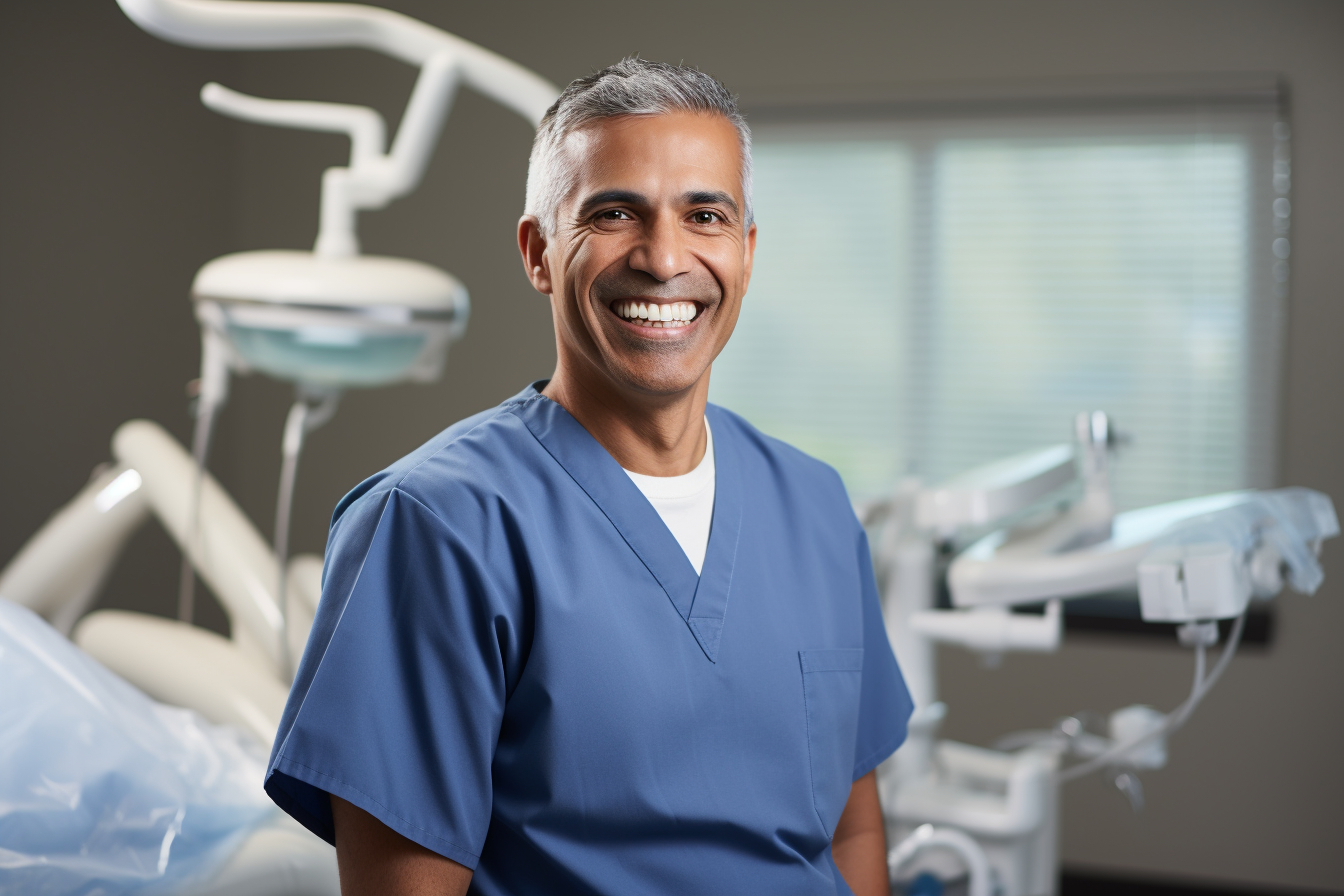
Ecuador’s dental care landscape operates through a dual public-private framework. The overwhelming majority of expats gravitate toward private clinics, which deliver high-quality treatment at costs that are a fraction of what patients would pay in Western Europe or North America — and crucially, no prior registration or referral is necessary to walk through the door. Public dental services exist within the IESS social security network for registered contributors, but protracted waiting times mean that private clinics are the realistic day-to-day choice for most newcomers.
| Item | Details |
|---|---|
| System type | Mixed public (IESS/MSP) and private; most expats use private clinics |
| IESS monthly contribution (as of 2026) | Approx. $85/month at minimum declared income (17.6% of the Salario Básico Unificado) |
| IESS dental coverage | Yes — dental care included for enrolled members; 3-month waiting period for non-emergency treatment |
| Private dental cleaning cost (as of 2026) | $30–$50 |
| Private filling cost (as of 2026) | $40–$80 depending on material and location |
| Private dental implant cost (as of 2026) | $800–$1,500 including post and crown |
| Key official sources | IESS: iess.gob.ec; Ministry of Public Health: salud.gob.ec |
How does the dental care system work in Ecuador — is it public, private, or mixed?
Ecuador’s dental care structure mirrors the country’s broader healthcare arrangements: a combination of public provision and a flourishing private sector running in parallel. For any newcomer, grasping this distinction early is essential, because the two tracks diverge substantially in terms of waiting times, service quality, cost, and overall patient experience.
On the public side, dental services fall under the joint remit of the Ministry of Public Health (MSP) and the Ecuadorian Social Security Institute (IESS). The MSP runs a network of community health centres spread across the country, providing basic preventive and primary care including routine check-ups, cleanings, fillings, and extractions. These facilities are intended to give all citizens access to fundamental dental care irrespective of income.
In practice, however, public dental clinics can face prolonged waiting lists and constrained resources, and they rarely offer advanced or specialist procedures. This is a recognisable feature of publicly funded systems worldwide — just as NHS dental waiting lists in the United Kingdom can stretch for many months, Ecuador’s public facilities are operating under considerable strain.
The private sector, by contrast, comprises a network of modern hospitals, specialist clinics, and independent practitioners. It is this sector that most expats turn to, attracted by swift appointments, access to English-speaking professionals, and technologically up-to-date facilities. Private clinics typically offer the full spectrum of dental care, from preventive treatments through to orthodontics, cosmetic dentistry, and implant surgery.
Ecuador essentially operates a two-tier arrangement in which the public and private systems function largely independently of each other. National healthcare rankings that appear unfavourable reflect the situation of the population majority who depend entirely on the public sector — a sector that, like many public systems globally, is stretched and under-resourced. For most expats, the private dental sector will be their primary port of call, and it is here that Ecuador’s reputation for affordable, skilled treatment is most tangible.
Regulatory oversight of social security provision rests with the Instituto Ecuatoriano de Seguridad Social (IESS), while health policy and standards in public facilities are governed by the Ministerio de Salud Pública (MSP). Both websites are worth saving as reference points for the most current information on coverage rules and recognised facilities.
How do expats find and register with a dentist in Ecuador?
One of the most welcome discoveries for newcomers is how straightforward it is to access dental care in Ecuador’s private sector. Unlike many countries where you must register with a general practitioner before a specialist will see you, there is no formal registration requirement whatsoever for private dental appointments. You identify a clinic, make contact, and book a time to come in.
Private clinic visits are settled out of pocket — no insurance card is required, no referral letter, no pre-authorisation from a fund. You arrive, receive treatment, and pay on departure. Appointments can typically be arranged by telephone, WhatsApp, or simply by walking in, and same-day or next-day slots are frequently available at well-run private practices.
Excellent dental clinics are concentrated in Ecuador’s principal cities — Cuenca, Quito, and Guayaquil — though some smaller towns also have reputable practitioners. Personal recommendation is one of the most reliable methods of finding a dentist you can trust; experienced expat residents tend to know which clinics consistently deliver good results and which to avoid.
Cuenca in particular has built a considerable reputation for quality dental practices that actively serve the international community. Online expat communities are among the most practical resources for current, first-hand recommendations: Facebook groups such as Gringos in Ecuador and Cuenca Expats receive regular questions about dental care and generate candid responses from people with direct experience. Some embassies also maintain informal lists of local practitioners familiar with treating international patients — it is worth contacting your country’s diplomatic mission in Quito to ask.
When evaluating a clinic, practical indicators worth assessing include visible autoclaves, sealed sterile instrument packaging, evidence of single-use items, and overall cleanliness of the premises. It is entirely appropriate to ask about a dentist’s qualifications and whether they hold specialist credentials in areas such as endodontics, periodontics, or prosthodontics. Reading reviews across multiple platforms, not just one, gives a more balanced picture.
For those who want to use IESS for dental care, access starts with enrolment in the IESS scheme. Expats holding legal resident status can register at a local IESS office, presenting their residency documentation, or can begin the process online at iess.gob.ec under the Voluntary Affiliation section. Once enrolled, dental appointments within the IESS network are scheduled through the IESS system, though waiting times for routine non-emergency care can be considerable.
Is dental treatment covered by public healthcare or social security in Ecuador?
The IESS benefits package is notably broad, encompassing general and specialist medical care, surgery, hospitalisation, medicines, laboratory services, and dental care. This means that expats who make regular IESS contributions are, in principle, entitled to subsidised or cost-free dental treatment within the IESS network — a more generous offer than many comparable social insurance systems, which commonly exclude routine adult dental care altogether.
The scope of public healthcare coverage in Ecuador extends to inpatient and outpatient care, extended and home care, prescription medications, dental treatment, and eye care. IESS affiliation additionally covers optical care and funeral expenses. This compares favourably with, for example, Australia’s Medicare scheme, which provides no routine adult dental coverage, or various European social insurance frameworks where adult dental benefits are capped at relatively modest amounts.
Accessing IESS dental services does require prior enrolment and the completion of an initial waiting period. Full entitlement to non-emergency services begins after three consecutive monthly contributions — during those first ninety days, you are paying in but cannot yet draw on benefits. Emergency care is handled differently: IESS facilities will attend to genuine dental emergencies regardless of whether the waiting period has been satisfied.
Monthly premiums are set at 17.6% of your declared income, with a minimum base linked to the 2026 Salario Básico Unificado of $482, equating to approximately $84.83 per month at the minimum level. Since the Salario Básico Unificado is revised annually, it is wise to check the IESS website for the current contribution rate.
The reality on the ground is more layered than the formal coverage might suggest. The principal drawback of using IESS for dental care is the combination of waiting times and administrative complexity. Securing a specialist appointment through an IESS hospital can involve waits measured in weeks. Facilities are functional but typically not equipped to the standard of leading private clinics. English-speaking staff within the IESS system are a rarity. As a consequence, many expats treat IESS primarily as a safety net for significant medical events — major surgery, serious illness, hospitalisation — while paying directly at private clinics for routine and urgent dental work where speed and clear communication matter most. This hybrid approach applies naturally to dental care: private practices for check-ups, fillings, and restorative work; IESS as a backstop for more serious situations.
It is worth noting that cosmetic dental procedures — whitening treatments, veneers sought for purely aesthetic purposes — fall outside the scope of IESS coverage and must be funded privately. Always verify the current extent of dental coverage directly with IESS, as entitlements and available capacity are subject to change.
What does dental treatment typically cost in Ecuador, and how is it paid for?
It is in the area of dental pricing that Ecuador’s appeal to expats — and to medical tourists who travel specifically for treatment — is most striking. It is not unusual for patients to complete significant dental work at 50 to 70 percent below what comparable procedures would cost in North America or Western Europe, while receiving treatment of equivalent quality.
The figures below represent approximate private clinic prices as of 2026, drawn from multiple sources serving the expat community. Costs vary according to the provider, city, and materials selected, so always ask for a written, itemised quotation before agreeing to any course of treatment:
| Procedure | Approximate cost (USD) |
|---|---|
| Dental cleaning / check-up | $30–$50 |
| Filling (composite/amalgam) | $40–$80 |
| Extraction (simple) | $40–$80 (check with clinic) |
| Root canal | $150–$300 |
| Porcelain crown | $200–$400 |
| Dental implant (post and crown) | $800–$1,500 |
| Partial denture | Approx. $325 |
| Full set of dentures | Approx. $900 (including fittings and lab work) |
To put these figures in context: a porcelain crown in Ecuador costs $200 to $400, compared to $800 to $1,500 in the United States. A dental implant, inclusive of the post and crown, runs $800 to $1,500 — broadly a third of the equivalent cost in North America. Prices differ between Quito, Cuenca, Guayaquil, and smaller cities, so it is always worth confirming current rates directly with the clinic you plan to use.
Most private clinics accept cash, credit and debit cards, and bank transfers; a number offer phased payment plans for substantial restorative courses. The dominant model in the private sector is direct, upfront payment at the time of treatment — there is no general reimbursement mechanism comparable to a public dental benefit programme. Patients without insurance pay at point of care. Those covered by private insurance with dental riders should confirm with their insurer whether the clinic will bill directly or whether the patient pays and subsequently claims reimbursement.
Requesting a staged treatment plan that allows for incremental payments and appropriate healing intervals is a perfectly standard and accepted practice at private clinics, particularly for extensive work such as full-mouth rehabilitation or multiple implant placements.
Does private health insurance cover dental treatment in Ecuador, and is it worth getting?
Understanding how dental insurance works in Ecuador — or more precisely, how it often does not — is one of the more important practical points for arriving expats. Routine dental and optical care is excluded from most standard private health insurance policies in Ecuador. You will generally need to fund dental treatment out of pocket or access it through the IESS network.
Some private insurance products do incorporate dental or vision benefits, but coverage limits tend to be modest, and it is essential to scrutinise the fine print: pre-existing condition exclusions, annual caps, and restrictions on specialist procedures can significantly narrow what is actually covered. If dental coverage is a priority, you will need to seek a policy that explicitly includes a dental rider — not all policies do, and the range of procedures covered under such riders varies considerably from product to product.
International health insurance plans from global providers are accepted at many private clinics in Ecuador’s main cities. Plans from insurers such as Cigna, Allianz, or GeoBlue typically cost $300 to $800 per month (as of 2026), carry no network restrictions, and include medical evacuation provisions. These plans are particularly suited to expats who move between Ecuador and other countries. That said, internationally sourced plans can cost considerably more than locally issued Ecuadorian policies.
Entry age limits — commonly 65 to 70 — apply to most local insurers, alongside pre-existing condition exclusions or waiting periods. Cosmetic dental procedures are universally excluded from insurance coverage. It is worth checking whether any medical or travel insurance you already hold covers dental emergencies: many standard policies exclude routine dentistry but do cover care arising from accidents or trauma. Some international expat health plans offer dental riders as optional add-ons; comparing what the rider would cost against simply paying clinic rates in Ecuador is a worthwhile exercise.
Given how affordable private dental treatment is in Ecuador, a significant number of long-term expats carry no dedicated dental insurance at all — they rely on IESS as a backstop for serious medical events and pay cash at private clinics for everything dental. Given Ecuador’s pricing structure, this approach is more sensible than it might initially appear. Always review the exact terms of any policy with your insurer before committing, and confirm in advance whether your chosen clinic accepts direct billing or requires you to pay first and reclaim.
What is the standard and quality of dental care like in Ecuador?
Private dental care in Ecuador consistently receives strong endorsements from long-term expat residents, and the country has carved out a genuine reputation as a dental tourism destination. Affordable treatment, skilled practitioners, and increasingly modern facilities have attracted international patients — particularly from North America — who travel specifically to access dental procedures at a fraction of domestic prices.
Many Ecuadorian dentists completed their foundational training at the country’s leading universities before pursuing postgraduate specialisation abroad — in the United States, Europe, or elsewhere in Latin America. It is not unusual to encounter implantologists, prosthodontists, and cosmetic dentistry specialists who attend international conferences, undertake continuing professional development courses, and apply contemporary evidence-based approaches in their work.
Well-established private clinics in central Cuenca and in neighbourhoods popular with expats commonly feature digital radiography, CBCT scanning capability, intraoral scanners, and implant planning software. Reputable practices also specify the origin of the materials they use: respected implant brands such as Nobel Biocare, Straumann, or Dentsply Sirona, and high-quality crown materials such as e.max or zirconia. Before agreeing to restorative or prosthetic work, it is reasonable and advisable to ask about the brands and laboratory partners involved.
Availability does vary meaningfully by region. Cuenca, Quito, and Guayaquil offer the broadest range of specialist dental services, and private facilities in these cities can deliver excellent care with shorter waiting times than public institutions. For complex procedures — advanced implant reconstruction, specialist periodontal surgery, or comprehensive full-mouth rehabilitation — a dentist in one city may refer you to a specialist colleague or to a hospital in Quito or Guayaquil, depending on the clinical requirements.
Outside the major urban centres, access to dental facilities thins considerably. Rural communities face real barriers to both preventive and emergency dental care, and expats settling in smaller towns or rural areas should identify their nearest reliable private clinic before a problem arises, and factor travel to an urban centre into their planning for anything beyond basic treatment.
The overall consensus among the expat community is that dental care in Ecuador represents excellent value: practitioners are generally well-trained, many speak English, and access to contemporary equipment is improving. Quality and equipment levels do vary between individual providers, however, making it worthwhile to research and ideally visit a clinic before committing to a course of treatment.
Are there language or practical barriers expats should be aware of when seeing a dentist in Ecuador?
Spanish is the working language of dental consultations, treatment plans, and consent documentation throughout Ecuador. At clinics not specifically oriented toward international patients, all forms, invoices, and written communications will typically be in Spanish alone — a practical reality worth preparing for before your first appointment rather than discovering on arrival.
Learning a core set of dental vocabulary in Spanish is a worthwhile investment. Terms such as limpieza (cleaning), empaste (filling), endodoncia (root canal), corona (crown), and implante (implant) will help you follow conversations and communicate your needs with much greater confidence. Keeping a short bilingual glossary on your phone is a simple measure that can smooth appointments considerably.
That said, the language barrier at private dental clinics in areas with large expat populations is appreciably lower than in the general public system. Many private dentists in Cuenca are well accustomed to treating international patients and will make extra effort to explain procedures in English. In Quito and Guayaquil, larger private clinics frequently have English-speaking dentists or front-desk staff. The IESS public system, by contrast, rarely has English-speaking personnel — an important practical consideration for expats contemplating use of public dental services.
Bringing previous dental records and X-rays from your home country is advisable when you first see a dentist in Ecuador — they spare time and spare you unnecessary repeat imaging. Carrying a concise summary in Spanish of your dental and medical history, including any current medications, is also sensible preparation, particularly if you ever need emergency treatment from an unfamiliar provider.
Local expat clubs and online community groups are useful resources for clinic recommendations and typical price ranges for common procedures. Before committing to substantial treatment, consulting two or three clinics to compare proposed treatment plans and costs is entirely standard practice and well accepted within Ecuadorian dental culture.
In broader terms, the style of dental practice in Ecuador is broadly comparable to approaches familiar in Western Europe or North America. Reputable dentists explain what they intend to do before beginning, and well-run clinics use clear communication protocols throughout treatment. Patients are generally encouraged to signal if they need a pause, and good practitioners take the time to walk patients through each step of a procedure before proceeding.
What should expats do in a dental emergency in Ecuador?
Dental emergencies respect no timetable. Sudden pain from a previously untreated cavity, a filling that detaches without warning, or trauma from a fall are all situations expats may encounter. Knowing in advance how to access urgent dental care is as much a part of settling into a new country as finding a grocery store or opening a bank account.
The most practical route to emergency dental treatment in Ecuador is a private clinic. Many private practices in Cuenca, Quito, and Guayaquil can accommodate same-day urgent cases, and a number maintain out-of-hours contact via WhatsApp. If you do not yet have a regular dentist, searching online for “emergency dentist [City Name] English” or asking your hotel concierge — who often holds a list of trusted local contacts including internationally experienced practitioners — can produce results quickly.
For the most serious situations — pronounced facial swelling, a suspected jaw fracture, or traumatic injury involving uncontrolled bleeding — the emergency department of a private hospital is the safest destination. In Cuenca, Hospital Santa Inés and Hospital Monte Sinaí are the facilities most commonly used by the expat community, both staffed with English-speaking professionals and equipped with modern emergency services. In Quito, Hospital Metropolitano, Hospital de los Valles, and Hospital Vozandes serve the international community. The cost of an emergency room attendance at a private hospital typically falls between $100 and $300 depending on the nature of the problem (as of 2026).
IESS hospitals are obliged to treat genuine emergencies irrespective of a patient’s contribution status. If you find yourself near an IESS facility and cannot quickly reach a private clinic, you can attend for stabilisation. Subsequent dental follow-up will, however, generally need to be arranged either privately or through the IESS appointment system.
For the most common dental emergencies, the following first-aid measures are widely recommended while you arrange an urgent appointment:
- Knocked-out tooth: This is a time-sensitive emergency. Handle the tooth by the crown (not the root), rinse gently, and try to reinsert it. If that fails, store it in milk or saliva and see a dentist within 60 minutes for the best chance of saving it.
- Broken tooth: If a large piece breaks off or there is sharp pain, rinse your mouth with warm water and apply a cold compress to reduce swelling.
- Lost crown or filling: This exposes the sensitive inner tooth. Use dental cement from a pharmacy or sugar-free gum as a temporary fix until you can be seen.
- Severe toothache or abscess: Take over-the-counter pain relief (ibuprofen is widely available in Ecuadorian pharmacies without prescription) and seek a dentist appointment as soon as possible. Do not delay — dental abscesses can become serious if left untreated.
- Soft-tissue injury to gums, lips, or tongue: Apply clean gauze with gentle pressure to control bleeding and attend a clinic or hospital emergency department promptly if bleeding does not stop within 10–15 minutes.
Confirming in advance whether your medical or travel insurance includes dental emergency cover is strongly recommended — do not leave this until the moment you need it. Store the contact details of your nearest private dental clinic and the emergency department of your nearest private hospital on your phone as a routine part of settling in.
Frequently asked questions about dental care in Ecuador
Do I need to register with a dentist before I can be seen in Ecuador?
No formal registration is required to access private dental care in Ecuador. You can walk into a private clinic, call ahead, or send a WhatsApp message to book an appointment directly, with no referral or prior registration needed. If you wish to use dental services through the IESS public system, you must first enrol in IESS, which requires legal residency and your Ecuadorian identity card (cédula).
Is dental treatment free or subsidised through the IESS system?
Dental care forms part of the IESS benefits package, so enrolled contributors can access dental treatment within the IESS network at no additional charge beyond their regular monthly contribution. Entitlement to non-emergency services begins after three consecutive monthly payments have been made. In practice, the waiting times involved lead the majority of expats to use private clinics for routine dental work. Always verify the current scope of entitlements directly with IESS.
How much does a dental check-up or cleaning cost in Ecuador?
A standard dental cleaning at a private clinic costs $30 to $50 (as of 2026). Rates vary between cities and individual providers — Quito and Guayaquil may carry slightly higher fees than Cuenca. Always confirm pricing directly with the clinic, since costs can differ depending on the extent of cleaning required and the practitioner’s level of experience.
Are dental implants good quality in Ecuador, and how do costs compare internationally?
A dental implant inclusive of the post and crown runs $800 to $1,500 in Ecuador (as of 2026) — approximately one third of what the same procedure typically costs in North America. Many implantology specialists have completed university training in Ecuador followed by advanced postgraduate study abroad, and routinely apply modern evidence-based techniques. Before proceeding, ask any clinic to confirm the implant brand and materials being used, along with details of their laboratory partnerships.
Does standard private health insurance in Ecuador cover routine dental treatment?
Routine dental care is excluded from most standard private health insurance policies in Ecuador — patients generally fund dental treatment out of pocket or access it through the IESS network. Some international health insurance plans offer optional dental riders; review the specific terms of any policy carefully before purchasing. Given the modest cost of private dental treatment in Ecuador, many long-term expats opt simply to pay directly at the clinic rather than seeking insurance coverage for dental care.
Can I find dentists who speak English in Ecuador?
Ecuador has a strong base of well-trained dentists, and many speak English. English-speaking practitioners are most readily found in Cuenca, Quito, and Guayaquil, particularly at clinics that actively serve the expat and dental tourism market. English-speaking staff are uncommon within the public IESS system, so if language accessibility is a priority, private clinics in the main cities are the most dependable option.
What are the best ways to find a reputable dentist in Ecuador as a newcomer?
Personal recommendation from established expat residents is one of the most reliable routes to finding a trustworthy dentist — people with direct local experience tend to know who delivers consistently good results. Active expat Facebook groups specific to your city, community forums such as CuencaExpat.com, and review platforms such as Dental Departures are all useful starting points. When comparing clinics, ask about qualifications, any specialist postgraduate training, the equipment in use, and the hygiene protocols followed.
What should I do if I need urgent dental treatment outside normal clinic hours?
Try your regular private dental clinic first — many maintain out-of-hours contact via WhatsApp for urgent situations. If you cannot reach a clinic, the emergency department of a major private hospital — Hospital Santa Inés or Hospital Monte Sinaí in Cuenca, or Hospital Metropolitano in Quito — can handle acute dental emergencies. IESS hospitals are required to treat genuine emergencies regardless of contribution status, providing a further safety net. A private emergency room attendance typically costs $100 to $300 depending on the treatment required (as of 2026).
Latest: Expat Focus International Healthcare Update September 2026 →