
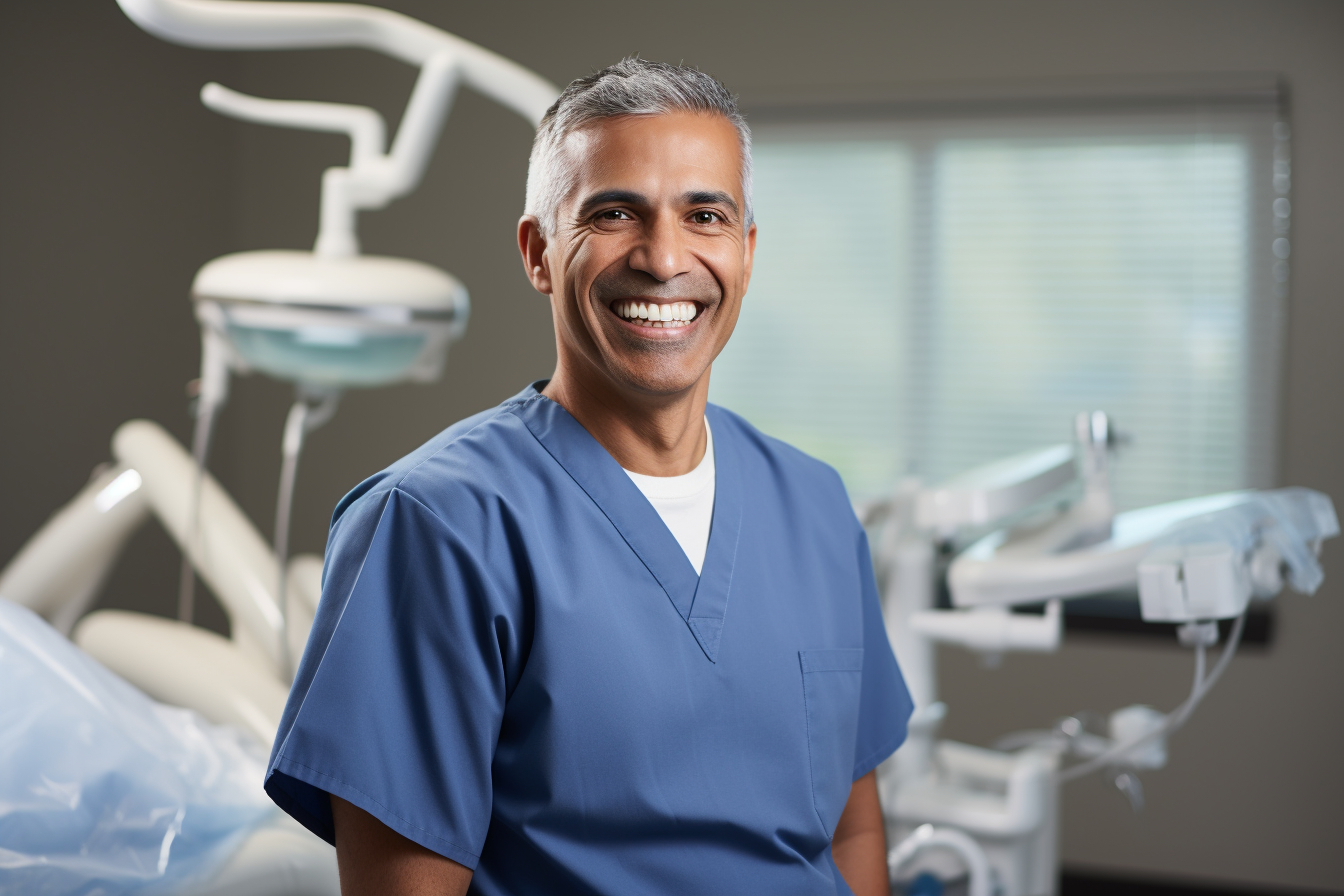
Estonia’s dental landscape functions as a hybrid public-private arrangement. The Estonian Health Insurance Fund (EHIF, referred to locally as Tervisekassa) offers modest subsidies for insured adults and covers treatment at no cost for children and young people below the age of 19, yet the bulk of adult dental expenses are met personally. The vast majority of dental practices in Estonia are privately operated, and expats should plan their finances accordingly — particularly for everyday and non-essential procedures.
| Item | Details |
|---|---|
| System type | Mixed: privately operated clinics, with partial public subsidy via EHIF for insured residents |
| Children’s dental care | Free for insured residents under age 19 (as of 2024) |
| Adult dental benefit (EHIF) | €60 per year for insured adults, with 50% co-payment (as of January 2024) |
| Enhanced benefit (vulnerable groups) | €105 per year for pregnant women, new mothers, pensioners, those with no/partial work capacity (as of January 2024) |
| Typical consultation fee | From approximately €50 at private clinics; always confirm current pricing with individual clinics |
| Key official source | Estonian Health Insurance Fund (Tervisekassa) |
How does the dental care system work in Estonia — is it public, private, or mixed?
Dental provision in Estonia is primarily delivered through private practices, though partial public funding is channelled through the Estonian Health Insurance Fund (EHIF), known in Estonian as Tervisekassa. Every healthcare provider in Estonia operates under private law, regardless of who owns them. This sets Estonia apart from countries with traditionally state-employed dental workforces — such as the NHS in the United Kingdom — since Estonian dental clinics function as independent commercial entities, even those holding contracts with the EHIF to deliver subsidised services.
The broader Estonian health system is coordinated centrally, with the Ministry of Social Affairs responsible for shaping health policy, strategic direction, and regulatory supervision. Healthcare is organised through a social health insurance model administered by the EHIF, which collects pooled public funds and contracts with service providers. For dental treatment specifically, however, the EHIF’s coverage is significantly narrower in scope than it is for other medical services.
Out-of-pocket (OOP) expenditure is substantial — accounting for close to 22% of total health spending — and much of this flows towards dental treatment and outpatient medications. This stands in marked contrast to systems in countries such as France or Germany, where social insurance funds a considerably wider range of dental procedures. In Estonia, most adult dental expenditure falls outside the publicly funded basket, making it essential for those relocating there to factor private dental costs into their financial planning.
The publicly funded benefit package excludes adult dental care beyond a defined basic scope, as well as the majority of orthodontic treatments. The Health Insurance Fund does finance the prevention and treatment of oral and dental diseases and emergency dental care through contracted providers. Insured adults can therefore draw on limited subsidies at those contracted clinics, but the majority of routine and elective dental work is charged at private commercial rates.
How do expats find and register with a dentist in Estonia?
In contrast to the process for joining a family doctor’s list in Estonia — which involves formal enrolment with a GP — there is no compulsory registration system for dentists. You are free to approach any dental practice directly and book an appointment. Most clinics welcome new patients via telephone, email, or increasingly through their online booking platforms. Appointments can typically be arranged by calling during clinic opening hours or by sending an email enquiry.
If you want to make use of your EHIF dental benefit, you must visit a practice that holds a contract with the Health Insurance Fund. The annual benefit is only accessible at dental care institutions that have concluded a contract with the Health Insurance Fund. A searchable directory of contracted providers is available through the Tervisekassa website. You can also review the balance and remaining amount of your annual dental allowance via the national online portal at eesti.ee.
The majority of dentists practising in Estonia are self-employed. While access to dental care may be more challenging in rural settings, expats living in major urban centres should face little difficulty. Tallinn and Tartu both offer a wide selection of dental clinics, giving international residents plenty of choice. In smaller towns and rural communities, options narrow considerably and appointment waiting times may be longer.
Should you need guidance in identifying a suitable dentist, your nearest EURAXESS Services centre may be able to help. EURAXESS is an EU network designed to support researchers and internationally mobile professionals relocating across Europe, and their Estonia office can serve as a useful starting point. Expat forums, Facebook groups for international residents in Tallinn, and your employer’s HR team (if you are relocating through work) can also be valuable sources of personal recommendations. The Estonian Health Board (Terviseamet) is the supervisory body for healthcare providers and can be approached if you have concerns about a clinic’s licensing or professional conduct.
Is dental treatment covered by public healthcare or social security in Estonia?
What you are entitled to depends on your age and whether you hold EHIF insurance coverage. In Estonia, dental treatment is free for children up to the age of 19. Contracted clinics receive payment from the EHIF for every insured child under 19. This encompasses a wide range of core dental services — from regular check-ups and fillings through to extractions — for insured under-19s attending participating practices.
For adults, publicly funded dental coverage is far more restricted. From 1 January 2024, the compensation for dental treatment for insured adults increased to €60 (with a 50% personal contribution). This means that as an insured adult, the EHIF will contribute up to €60 annually towards essential dental treatment, but you are personally responsible for at least half of each invoice. This allowance renews every year and may be spread across several appointments.
The level of compensation is higher for individuals with greater dental care needs, including pregnant women, mothers of children under one year old, people with partial or full incapacity for work, and older pensioners. The benefit amount rises from €85 to €105, while the personal contribution rate falls from 15% to 12.5% (as of January 2024). These figures should be confirmed directly with the EHIF, as benefit levels are subject to periodic revision.
The benefit applies only to essential dental services. Any treatment not included on the official list of reimbursable procedures must be paid in full according to the clinic’s own pricing schedule. This means that orthodontic work for adults, aesthetic treatments such as whitening, dental implants, and most prosthetic procedures sit entirely outside public funding and are billed at private rates. The Estonian Health Insurance Fund covers orthodontic treatment only for insured patients under 19 years of age, and only where certain severe orthodontic diagnoses are present.
To draw on the EHIF dental benefit as an expat, you must be enrolled in Estonian health insurance. Estonia operates a social health insurance (SHI) model covering roughly 96% of its population of 1.3 million, with those in precarious or informal employment among those who may lack coverage. If you are employed in Estonia and registered with the EHIF, you will generally qualify for the adult dental benefit. Those who are self-employed, freelancing, or outside formal employment may need to make voluntary contributions to obtain coverage. You can verify your entitlement status through the Tervisekassa website.
What does dental treatment typically cost in Estonia, and how is it paid for?
Dental fees in Estonia are determined by each clinic individually and are not subject to any centralised pricing framework. Costs differ between providers, between Tallinn and smaller cities, and according to the complexity of the treatment required. The figures below are indicative, based on publicly available price information from Estonian clinics (as of 2024–2025), and should always be verified directly with the clinic you plan to use, as rates change over time.
- Consultation / check-up: From approximately €50 at many private clinics in Tallinn. One centrally located Tallinn practice lists a consultation at €50 and a written treatment plan at €70.
- X-rays: Digital local X-ray from around €15; panoramic X-ray from around €30 (as of 2024, based on published clinic price lists — verify with your clinic).
- Fillings: Costs vary depending on the tooth and material used; always request a treatment plan and a written quote before agreeing to proceed.
- Root canal treatment: The total cost depends on the condition of the tooth and the number of root canals involved (typically 1–4, though occasionally more). Ask your dentist for an itemised quote, as pricing is procedure-specific.
- Dental implant (single tooth, including abutment and crown): Generally between €1,300 and €3,000 for a single implant including abutment and crown (as of available published rates — confirm with individual clinics).
- Teeth cleaning (hygienist): From approximately €85 for a professional clean at some Tallinn clinics (as of 2024).
Payment at Estonian dental clinics is ordinarily made at the time of treatment — you settle the bill directly, and if you are EHIF-insured and visiting a contracted clinic, the fund’s contribution is deducted from the total charged. Clinics accept both cash and card payments. Instalment payment arrangements are also available at some practices, with financing options such as MediCredit offered for larger courses of treatment. Always establish the payment terms in advance and secure a written treatment plan before committing to any procedure.
Does private health insurance cover dental treatment in Estonia, and is it worth getting?
Given how limited EHIF dental coverage is for adults, taking out private health insurance that includes a dental component can significantly reduce your personal expenditure. Insurers’ claims data shows that outpatient services and dental care are reimbursed more frequently than any other category; together, these two areas accounted for 68% of all benefits paid under voluntary health insurance (VHI) in Estonia.
The private health insurance market in Estonia is highly concentrated. At the start of 2025, voluntary health insurance was offered by seven insurers. Dental cover is generally bundled into a wider voluntary health insurance (VHI) package rather than sold as a standalone dental product. Having employer-provided health insurance has been shown to improve access to dental services — people with employer-sponsored cover are around 7 percentage points more likely to secure a dental appointment when one is needed, compared with those who are uninsured.
From 1 January 2025, the rules around tax-exempt employer spending on health promotion were extended, with dental care, rehabilitation, psychological treatment, physiotherapy, and other services now included among reimbursable categories. If you are moving to Estonia for employment purposes, it is worth enquiring with your employer about whether a VHI plan incorporating dental coverage forms part of your package, as this benefit is becoming increasingly standard.
For those not covered through an employer, international health insurance policies — widely used by expats — may feature dental riders. Coverage terms, however, differ considerably from one policy to another. Typical exclusions to look out for include: pre-existing dental conditions, cosmetic treatments (whitening, veneers), adult orthodontics, and implants. Read policy documentation carefully, establish whether Estonian private dental clinics are accepted as recognised providers under your plan, and find out whether pre-authorisation is required before treatment. Always check current policy terms with your insurer directly, as exclusions and benefit caps are subject to change.
What is the standard and quality of dental care like in Estonia?
Dental care quality in Estonia is generally regarded as high, particularly in Tallinn and Tartu. Dental practices in Tallinn operate in accordance with European Union healthcare standards, upholding rigorous sterilisation protocols, the use of certified materials, and full transparency with patients. Estonia’s EU membership means that dental practitioners are trained and regulated to European benchmarks, and clinics are subject to inspection and oversight by the Estonian Health Board.
Practices undergo regular inspections and are required to maintain thorough records covering materials used, procedures performed, and treatment outcomes. EU regulations mandate the use of approved materials, adherence to sterilisation standards, and complete disclosure to patients. This produces a reliable standard of care across leading clinics. Estonia has also established itself as a destination for dental tourism from Scandinavia and Western Europe, a trend that has encouraged substantial investment in state-of-the-art equipment and patient-oriented services at many private practices.
Specialist dental services — including endodontics, periodontology, oral surgery, orthodontics, and implantology — are available in the main cities. Larger clinics often accommodate the full range of specialisms: paediatric dentistry, periodontology, endodontics, implantology, oral surgery, prosthetics, and general dentistry. In rural areas, specialist provision is more limited, and more complex treatment may require a journey to one of the larger cities.
Accessing dental care can be more challenging in rural parts of the country, but expats based in urban centres such as Tallinn should encounter no difficulty. Those settling outside the major cities are advised to research local clinic availability before relocating and to account for travel time when scheduling appointments.
Are there language or practical barriers expats should be aware of when seeing a dentist in Estonia?
Language can present a practical hurdle when navigating dental care in Estonia. The national language is Estonian, and Russian is also widely spoken — particularly in Tallinn’s Lasnamäe district and across north-eastern Estonia. Many dental clinics in Tallinn, especially those accustomed to treating international patients, employ English-speaking staff, and some actively promote multilingual services on their websites. Dentists practising in Tallinn frequently have international training backgrounds and are well used to working with patients from various European countries and beyond.
Patient reports from Tallinn clinics suggest that communicating across a third language is generally workable, even where English fluency is not perfect. Some clinic staff may have limited but functional English — patients have noted that staff made every effort, and that communication did not present a significant barrier in practice. In smaller towns and rural areas, however, English proficiency among dental staff may be lower, and bringing a translator or using a translation application for detailed treatment discussions may be advisable.
Treatment plans and patient consent forms are usually produced in Estonian. At clinics with experience treating international patients, English-language versions may be available on request — it is always sensible to ask when making your booking. Leading practices routinely share treatment plans, anticipated risks, and expected outcomes with patients in written form, making the process both transparent and legally sound. If any element of a proposed treatment is unclear, ask the clinic to explain it again or to provide written notes you can review and translate before giving your consent.
From a practical standpoint, always bring valid photo identification — either your ID card or passport — to dental appointments. Clinics can only provide treatment once identification has been presented. If you intend to use your EHIF dental benefit, let the clinic know when booking rather than waiting until you arrive, as the benefit must be correctly recorded on your invoice. Notifying your dentist of your intention to use the compensation before your visit is essential; if this is not communicated in advance, the clinic will be unable to apply it to your bill.
What should expats do in a dental emergency in Estonia?
If you face a dental emergency in Estonia — such as severe toothache, a fractured tooth, a dislodged filling or crown, or dental trauma — your first course of action should be to contact a private dental clinic. Many practices in Tallinn accommodate urgent cases with same-day appointments. Emergency dental treatment at a number of Tallinn clinics is available to patients in pressing situations on the same day. Searching online for clinics offering hambaravivalve (emergency dental care), or calling the EHIF health advice line on 1220, can help you identify a provider promptly.
The Estonian Health Insurance Fund operates a health advice hotline that is available around the clock, every day of the year; the service is free of charge and accessible by dialling 1220. Although the line is primarily oriented towards general medical guidance, it can direct you towards appropriate dental care outside of normal clinic hours.
Within the EHIF framework, insured adults have a right to emergency dental care when the clinical situation is serious. Adults are entitled to receive emergency dental treatment where delay or non-treatment could result in death or lasting harm to health. The treating dentist makes the determination as to whether emergency care is warranted. Where the patient holds a European health insurance card, the Estonian Health Insurance Fund will meet the cost. Emergency treatment for individuals without insurance cover is funded from the state budget via the Ministry of Social Affairs.
If you hold a European Health Insurance Card (EHIC) — available to nationals of EU/EEA countries and Switzerland — this entitles you to emergency dental treatment in Estonia on the same basis as insured Estonian residents, meaning it covers emergency situations where withholding care could lead to serious harm. It does not extend to routine appointments, planned procedures, or cosmetic treatments. Always carry your EHIC, and confirm your coverage with the treating clinic before treatment commences. Outside clinic hours, hospital emergency departments are able to manage acute dental pain and trauma, though they are not equipped for standard dental procedures. Keep receipts for any out-of-pocket payments you incur if you plan to submit a claim under private insurance. In any general emergency in Estonia, the national emergency number is 112.
Frequently asked questions
Do I need to be registered with the Estonian Health Insurance Fund to access dental care?
EHIF coverage is not a prerequisite for visiting a dentist in Estonia — any private clinic will treat you as a self-paying patient. However, to benefit from the annual adult dental allowance (€60 as of January 2024, or €105 for qualifying groups), you must be enrolled in Estonian health insurance and attend a clinic that holds a contract with the EHIF. You can check your insurance status via the Tervisekassa website or the state portal at eesti.ee.
Is dental treatment free for children in Estonia?
Yes. Dental care is provided at no cost for insured residents under the age of 19 at clinics contracted with the EHIF, covering a broad range of essential dental services. A small visit fee may be applied at certain clinics — check the specific terms with your chosen practice. Children who are not enrolled in the EHIF will be charged standard private rates.
How do I find an English-speaking dentist in Estonia?
Many private clinics in Tallinn and Tartu have staff who speak English, and practices experienced in treating international patients often highlight this on their websites. Online directories such as WhatClinic list dental providers in Tallinn, and EURAXESS Estonia can support internationally mobile workers in identifying suitable practitioners. Seeking recommendations through expat social media communities is also a reliable approach.
Can I use a European Health Insurance Card (EHIC) for dental treatment in Estonia?
The EHIC grants EU/EEA and Swiss nationals access to emergency dental treatment in Estonia on the same footing as insured Estonian residents, covering situations where failure to treat could result in serious harm. It does not cover routine check-ups, planned procedures, or cosmetic treatments. Always carry your EHIC with you and verify your coverage with the treating clinic before any work begins.
Does my international health insurance cover dental treatment in Estonian clinics?
This depends entirely on the specifics of your policy. Many international health insurance plans include dental riders that may reimburse a portion of treatment costs at private clinics in Estonia. Typical exclusions include pre-existing dental conditions, cosmetic procedures, adult orthodontics, and implants. Read your policy documents carefully, confirm whether Estonian clinics are recognised under your plan, and establish whether prior authorisation is required. Contact your insurer directly for the most up-to-date terms and conditions.
How much should I budget for dental treatment in Estonia?
Dental costs in Estonia represent a significant out-of-pocket expense for adults, and you should plan accordingly. A standard consultation generally starts from around €50 at private Tallinn clinics (as of 2024–2025). More involved procedures — root canal treatment, crowns, implants — can amount to several hundred or several thousand euros per tooth. The EHIF adult benefit (€60 per year as of January 2024) reduces costs modestly for insured adults. Always request a written treatment plan and cost breakdown before agreeing to proceed, and verify current pricing with your chosen clinic.
Are orthodontic treatments covered by the public system in Estonia?
Public funding for orthodontic treatment is available only in limited circumstances. The EHIF covers orthodontic care and associated diagnostic services for insured patients under 19 years of age, but only in cases involving certain severe orthodontic diagnoses and only with an appropriate referral. For adults, all orthodontic treatment is funded privately at commercial rates. Obtain a written referral and confirm your EHIF eligibility with the clinic ahead of your appointment.
What happens if I need a dentist outside normal working hours in Estonia?
Some private dental clinics in Tallinn provide out-of-hours or same-day emergency appointments — check individual clinic websites or telephone ahead for availability. The EHIF health advice line (1220, available 24 hours a day, free of charge) can direct you to appropriate urgent care. For severe dental emergencies involving trauma or the risk of serious infection, hospital emergency departments can perform an initial assessment and provide pain relief. The national emergency number in Estonia is 112.
Latest: Expat Focus International Healthcare Update August 2026 →