
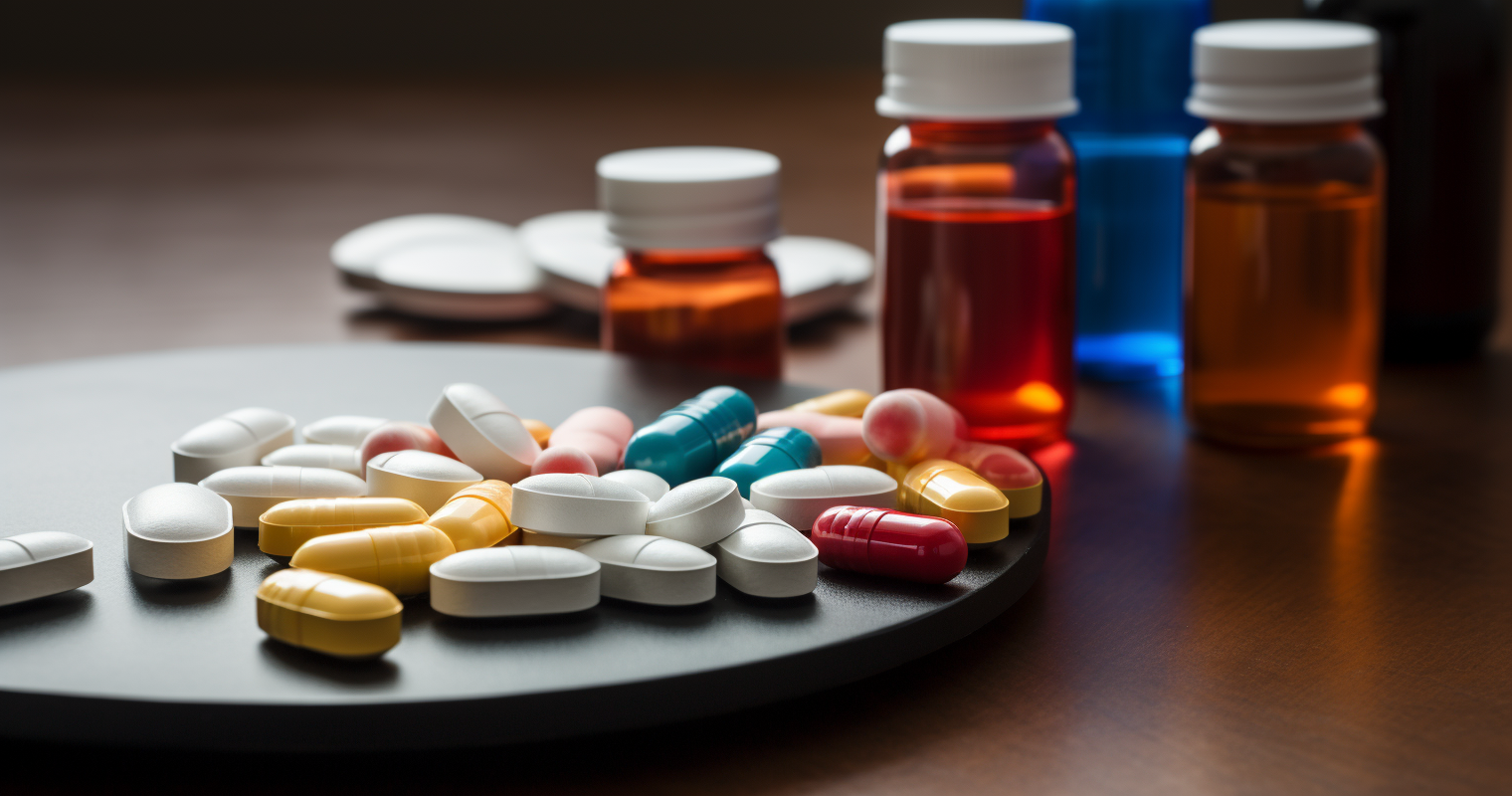
Iceland maintains a well-structured network of pharmacies and a publicly funded healthcare system that subsidises prescription medication costs for registered residents. Pharmacies — known as apótek — are present in most communities across the country and are identified by the familiar green cross displayed outside. Prescriptions are issued digitally, subsidised medicines are administered through Iceland Health (Sjúkratryggingar Íslands), and the fact that most pharmacy staff speak fluent English means the system is reasonably straightforward for newcomers settling in Iceland.
| Item | Details |
|---|---|
| Word for pharmacy | Apótek (plural: apótek or apótekar) |
| Pharmacy identification | Green cross sign on the exterior |
| Typical opening hours | Mon–Fri 10:00–18:00; Sat 10:00–16:00 (general guideline; varies by location) |
| Late-night pharmacies (Reykjavík) | Lyfja Lágmúla open until midnight/01:00; Lyfja Smáratorgi open until midnight |
| Prescription type | Electronic prescriptions (via national system); paper prescriptions also used |
| Annual out-of-pocket maximum (subsidised drugs) | ISK 62,000 per 12-month period (as of 2025) — verify current figures at island.is |
| Regulatory authority | Icelandic Medicines Agency (IMA) |
| Health insurance authority | Sjúkratryggingar Íslands (Iceland Health) |
What are pharmacies called in Iceland, and how do I recognise one?
In Icelandic, pharmacies are referred to as apótek or lyfjaverslun, and they can be found in the majority of towns throughout the country. The term apótek — closely related to its Danish and Norwegian counterparts — will soon become second nature as you navigate Icelandic streets, appearing in large lettering on signage above pharmacy entrances.
Pharmacies are simple to spot thanks to the green cross mounted outside, a symbol recognised across much of the world as the universal emblem for a pharmacy. If you are accustomed to locating pharmacies by this sign in countries such as France, Germany, Spain, or elsewhere in the EEA, you will find the process of spotting one in Iceland entirely familiar.
The Icelandic Medicines Agency (IMA) is responsible for the regulatory oversight of all pharmacies and their associated branches operating within Iceland. The main pharmacy chains found across the country include Lyfja, Lyf og heilsa (which trades under the name Apótekarinn), and ÍslandsApótek. Apótekarinn alone operates 21 branches distributed throughout the country. A complete register of all licensed pharmacies is available on the IMA website.
What are pharmacy opening hours in Iceland?
As a general rule, pharmacies (apótek) in Iceland are open weekdays from 10 am to 6 pm and on Saturdays from 10 am to 2 pm, closing on Sundays and public holidays. Within Reykjavík, two pharmacies extend their service until midnight: Lyfja Lágmúla and Lyfja Smáratorgi, the latter operating from 8:00 to 24:00 every day of the week. It is always wise to check directly with individual branches for current hours, since these can shift with the seasons.
Certain Reykjavík pharmacies keep slightly longer weekday schedules. Reykjavíkur Apótek on Seljavegur, for instance, is open Monday to Friday from 9:00 to 18:30 and on Saturdays from 10:00 to 16:00, while Lyfja on Laugavegi is open Monday to Friday from 9:00 to 18:00 and on Saturdays from 11:00 to 16:00. Pharmacies in smaller regional towns tend to operate shorter hours, reflecting the lower concentration of residents.
In more remote locations, pharmacies may be entirely absent or may open for only very limited periods. Anyone who depends on regular medication should ensure adequate supplies are obtained before venturing into the more sparsely populated regions of Iceland. This is a particularly relevant practical concern for expats choosing to settle outside the capital area, where distances to the nearest healthcare facility or pharmacy can be considerably greater than in most other countries.
For medical assistance outside normal pharmacy hours — including evenings and weekends — residents of the Reykjavík area can contact the out-of-hours medical service known as “Læknavaktin” by calling 1700, which provides telephone advice and home visits when clinics are closed. In any life-threatening situation, the emergency number is 112.
Which medications can I buy over the counter in Iceland, and which require a prescription?
A wide range of medicines in Iceland is available over the counter (OTC) without the need for a prescription. These include everyday remedies such as painkillers, antacids, cough and cold preparations, and topical skin treatments. That said, certain medicines — particularly those classified as prescription-only — will require authorisation from a physician or another qualified medical practitioner.
One notable distinction from several other healthcare systems is that OTC medicines for everyday complaints — including pain relief and antihistamines — are sold exclusively through pharmacies and are not stocked by supermarkets or general retailers. Unlike in countries such as the UK, Australia, or the United States, where you might pick up ibuprofen or allergy tablets at a grocery store, in Iceland you must visit a pharmacy for even the most routine OTC products.
Medicines for headaches and common pain can be purchased without difficulty at any pharmacy, but other types of medication require a prescription obtained through a visit to a doctor’s practice or a Heilsugæsla (primary healthcare centre).
Prescription medicines in Iceland are governed by the Icelandic Medicines Agency, which among other requirements must approve the maximum wholesale and retail prices of prescription drugs and ensure that details of each medicine are published in the Icelandic Medicine Price Catalogue. The approval status of individual medicines can be checked at ima.is.
Purchasing medications through online pharmacies is permitted under Icelandic law, and a number of such services operate in the country. Nevertheless, caution is advisable when buying medicines online. Always confirm that the website holds a valid licence issued by the Icelandic Medicines Agency and that the products it sells have received official approval. Only online pharmacies holding IMA authorisation are legally permitted to operate, so verifying credentials before making any purchase is essential.
How does the prescription system work in Iceland?
Iceland runs a fully digital prescription system, centralised through a national medicines database. All information relating to medicinal product prescriptions must be recorded electronically by pharmacies in a format determined by the Directorate of Public Health. In practice, this means that when a doctor issues you a prescription, it is entered into a secure national register accessible to any licensed pharmacy in Iceland — there is no paper document to carry with you or risk losing.
Prescribing physicians are required to use the Prescription Medicines Register and the central medicine card when prescribing and reviewing patient medication. Both GPs working within the Heilsugæslan primary care network and specialist doctors are able to issue prescriptions. For conditions such as ADHD, diagnosis and initial treatment fall under the remit of a specialist in mental health; if ongoing management is transferred to a GP, this must be done collaboratively and with the GP’s agreement.
The system accommodates repeat prescriptions effectively. The most convenient way to renew prescriptions is through My Pages on the Heilsuvera national health portal, using your electronic ID (e-ID) to log in. Through this platform you can view all prescriptions issued in the past three years — including those for children under the age of 16 — and check whether a prescription has already been dispensed. Renewals can also be requested by telephone, with each health centre operating a dedicated line for this purpose.
Medicines taken on a regular basis can generally be renewed without a face-to-face consultation, provided they were originally prescribed by your family doctor or another physician at your health centre. Antibiotics, strong analgesics, sedatives, and sleeping tablets, however, may only be renewed following a clinical consultation. This approach broadly parallels the NHS repeat prescription model in the UK, whereby routine maintenance medicines can be reordered remotely, while controlled or higher-risk drugs demand direct clinical oversight.
The Heilsuvera portal allows individuals to access their medication records securely at any time and from any location, providing information on both prescriptions and dispensed medicines. The portal is accessible at heilsuvera.is, although it should be noted that many of its functions require an Icelandic electronic ID, which new residents obtain after completing registration in Iceland.
How much do prescriptions and medications cost in Iceland?
Rather than charging a single flat dispensing fee, Iceland employs a stepped co-payment structure for subsidised prescription medicines. The pharmaceutical subsidy model in Iceland is broadly similar to those in other Scandinavian nations, building on a series of contribution thresholds through which the individual’s share of costs decreases progressively as their total expenditure on medicines rises over a 12-month period.
Initially, the patient meets the full cost of their medicines up to a set level. Beyond that point, their contribution reduces in stages until cumulative spending reaches a defined ceiling, after which any further costs are borne entirely by the state. Specifically, the patient pays the first ISK 22,000 in full, then 15 per cent of costs up to ISK 31,750, and then 7.5 per cent of costs up to ISK 62,000 — expenditure exceeding this figure is fully covered. (These figures apply for 2024–2025; always confirm the current thresholds at island.is/en/medicines-co-payment-system.)
From January 2026, a further tier is being introduced to the co-payment framework, expanding it from three levels to four. The annual maximum contribution for patients will remain unchanged, meaning that standard payers will continue to pay no more than ISK 62,000 per year, as under the existing arrangement. The purpose of this reform is to address rising public expenditure on pharmaceuticals while continuing to shield vulnerable groups — including people with disabilities, older residents, and children — from disproportionately high medicine costs.
The decision on which medicines qualify for Iceland Health subsidy rests with the Icelandic Medicines Agency. The tiered co-payment brackets apply solely to medicines included on the subsidised list — either through general approval or via an individual medicine certificate. For any medicine not covered by the scheme, the full regulated retail price applies, with maximum wholesale and retail prices set by the Icelandic Medicines Agency.
Generic medicines are readily available in Iceland and may be prescribed by any doctor. They are subject to the same regulatory standards as brand-name equivalents and are typically available at lower cost. Discussing generic alternatives with your pharmacist where clinically appropriate can meaningfully reduce what you pay out of pocket.
Will my home-country prescription be accepted in Iceland?
As a general principle, prescriptions issued in another country cannot be directly dispensed at Icelandic pharmacies. Because Iceland’s prescription infrastructure operates through a national digital database, a foreign paper prescription cannot simply be entered into that system without first being reviewed by a physician registered in Iceland.
For residents of EU and EEA member states, however, a growing cross-border electronic prescription framework is in place. The ePrescription and eDispensation service allows EU citizens to collect their medicines at a pharmacy in another EU country, made possible by the electronic transfer of their prescription from their home country to the country where they are seeking treatment. Iceland’s Directorate of Health has established and maintains a secure digital communication portal linked to the European Union’s health data exchange infrastructure, facilitating the safe and timely sharing of health information across participating EU countries. Details of which nations currently participate can be found at island.is/en/electronic-cross-border-health-services.
If you are arriving from outside the EEA, or if the cross-border scheme does not yet cover your specific circumstances, the most practical approach is to bring enough of your current medication to last until you can register with a local GP. Once you have enrolled at a Heilsugæslan health centre and been assigned a family doctor, that doctor can review your treatment history and issue an Icelandic prescription for your ongoing medicines. It is strongly advisable to bring copies of your existing prescriptions, ideally showing the international non-proprietary (generic) name of each medicine, as brand names often differ between countries.
Having a summary letter from your treating doctor or specialist in your home country — translated into English where possible — will be of considerable help to your new Icelandic GP in understanding your medical background and ensuring continuity of care. If you use prescription eyeglasses, contact lenses, or other medical supplies, carry copies of those prescriptions too.
Can I bring my medications into Iceland?
You are generally permitted to bring personal quantities of both prescription and over-the-counter medications into Iceland for your own use. As a practical measure, carrying enough to cover the transition period while you register with Iceland’s healthcare system is sensible, but it is important to familiarise yourself with the rules governing quantity limits and controlled substances, as these can affect what you are legally allowed to import.
Stricter conditions apply to controlled substances — including opioid analgesics, certain ADHD treatments, benzodiazepines, and potent sleeping medications. You should carry a letter from your prescribing doctor on official headed notepaper, stating the medication name, your diagnosis, the prescribed dose, and the intended duration of treatment. Keeping medicines in their original, labelled packaging alongside a copy of the prescription is also advisable. Iceland’s controls on such substances are rigorous — where a valid prescription exists in the national prescription portal for a habit-forming medicine, issuing a second prescription for the same product is not permitted unless the new prescription covers a different strength, pharmaceutical form, or active ingredient.
Iceland participates in the EEA and aligns its pharmaceutical legislation with EU law. As a member of the EU’s single market through the EEA agreement, Iceland’s framework corresponds fully with the relevant EU directives and regulations, with the objective of ensuring an adequate supply of essential medicines distributed as efficiently as possible. Since import rules for medicines can change, always verify the latest customs guidance with the Directorate of Customs (tollur.is) and the Icelandic Medicines Agency before you travel.
For OTC medicines, bringing reasonable quantities for personal use is generally unproblematic. However, unusually large amounts of any medicine — including non-prescription products — may attract scrutiny from customs officers, so carry supporting documentation if you require significant volumes of a particular item. When in any doubt, contact the Icelandic Medicines Agency ahead of your journey or relocation.
How do expats access prescription medications through health insurance in Iceland?
Eligibility for subsidised prescription medicines in Iceland is linked to enrolment with Iceland Health (Sjúkratryggingar Íslands), the national health insurance body. Once you have been recognised as a legal resident and registered with the public system, you become entitled to participate in the co-payment structure for subsidised medicines described above. This registration process normally follows receipt of an Icelandic identification number (kennitala) and entry in the National Registry.
When accessing medical services, Scandinavian nationals must present their passport, while citizens of other EEA countries must produce a valid European Health Insurance Card (EHIC) or otherwise meet the full cost of treatment. Citizens of countries outside the EU and EEA are charged in full at hospitals and clinics. This principle applies broadly to prescription costs as well: without public insurance coverage, you pay the full regulated retail price for medicines at the pharmacy — which, for specialist or long-term treatments, can be considerable.
EU and EEA citizens who are visiting or newly arrived in Iceland may use their EHIC to access necessary medical treatment — including prescribed medications — on the same terms as Icelandic residents. Standard patient fees are not refundable in Iceland, and any other reimbursement claims should be submitted to the Sjúkratryggingar Íslands office in Reykjavík.
If you hold private health insurance — whether through an employer arrangement, a personal policy, or an international expat plan — review your policy documents with care. Some private plans cover prescription co-payments in their entirety, while others are limited to hospital admissions. Clarifying this before your move and making appropriate financial provision for out-of-pocket medicine costs during any period before public registration is essential. For information on eligibility and how to enrol, contact Sjúkratryggingar Íslands directly.
Children under the age of 18 receive treatment free of charge. For families relocating to Iceland and registered in the public system, this represents a meaningful benefit, eliminating the cost of paediatric prescriptions entirely.
Frequently asked questions: prescriptions and medications in Iceland
What should I do if I run out of medication in Iceland?
If you exhaust your supply of a non-controlled medicine, go to the nearest Heilsugæslan health centre as promptly as possible and explain your circumstances. A GP will be able to review your medical background and issue a local electronic prescription. Outside clinic hours, residents of the Reykjavík area can telephone the out-of-hours medical service on 1700 for guidance. In any life-threatening situation, call 112 immediately. To avoid finding yourself without treatment, try to maintain a buffer supply when you first arrive in Iceland.
Are brand-name drugs available in Iceland, or only generics?
Generic medicines are widely stocked across Iceland, prescribed routinely by doctors, and regulated to the same standards as brand-name products by the Icelandic Medicines Agency. Brand-name medicines are also available in many instances, and your pharmacist may suggest a generic alternative. If your doctor has prescribed a specific brand for a clinical reason, this should be indicated on your prescription and will be respected by the pharmacist.
Will pharmacists in Iceland speak a language other than Icelandic?
The overwhelming majority of pharmacy staff in Iceland — particularly in Reykjavík and larger towns — are highly proficient in English. Should you be in a hospital or clinic and not speak Icelandic, staff will generally make every effort to locate an interpreter. Communication may be slightly more challenging in very small rural communities, but staff will do their best to assist. When travelling to remote areas, having your medication needs written down in English can be a useful safeguard.
How do I find which pharmacy is on duty outside normal hours?
In Reykjavík, Lyfja Lágmúla and Lyfja Smáratorgi both remain open until midnight. Outside the capital, your best course of action is to contact your local health centre or the out-of-hours medical line (1700 in the Reykjavík area) for information on the nearest available pharmacy or on-call service. The Icelandic Medicines Agency maintains a full listing of licensed pharmacies and their locations at ima.is.
Can I use an electronic prescription from my home country at an Icelandic pharmacy?
Through the EU’s ePrescription and eDispensation service, citizens of participating countries can have their electronic prescription transferred from their home country and dispensed at an Icelandic pharmacy. However, this cross-border functionality is only operational between countries that have joined the scheme and is not yet universally available. If your home country does not currently participate, you will need to consult an Icelandic GP who can issue a local prescription for your treatment. Always confirm the current list of participating countries before depending on this option.
What is the maximum I will pay for prescription medicines in a year?
For general payers, the annual co-payment ceiling stands at ISK 62,000 per 12-month period (as of 2025–2026). Once your cumulative expenditure reaches this threshold, subsidised medicines are provided at no further cost to you for the remainder of that period. Since these figures are reviewed periodically, always check the latest thresholds and co-payment tiers at island.is/en/medicines-co-payment-system.
What happens to my prescription coverage if I am not yet registered with Icelandic Health?
Prior to enrolment in Sjúkratryggingar Íslands, you are not entitled to co-payment subsidies and will be required to pay the full regulated retail price for prescription medicines. EEA nationals can use their EHIC to access necessary medical care in the interim. Those arriving from outside the EEA should arrange comprehensive private health or travel insurance that includes prescription medication cover, to protect against potentially significant costs during the registration period, which may take several weeks to complete.
Are there any special rules for bringing controlled medications into Iceland?
Yes. Controlled substances — such as opioid painkillers, benzodiazepines, and stimulants prescribed for conditions like ADHD — are subject to heightened regulation both at the border and within Iceland’s prescription framework. Always travel with a doctor’s letter on headed notepaper confirming your diagnosis, the medicine prescribed, the dosage, and the treatment duration. Keep medications in their original labelled packaging and carry a copy of the prescription, clearly showing the generic name of the drug. Check the most current import requirements with the Directorate of Customs and the Icelandic Medicines Agency before you travel, as the rules are subject to change.
Latest: Expat Focus International Healthcare Update August 2026 →