
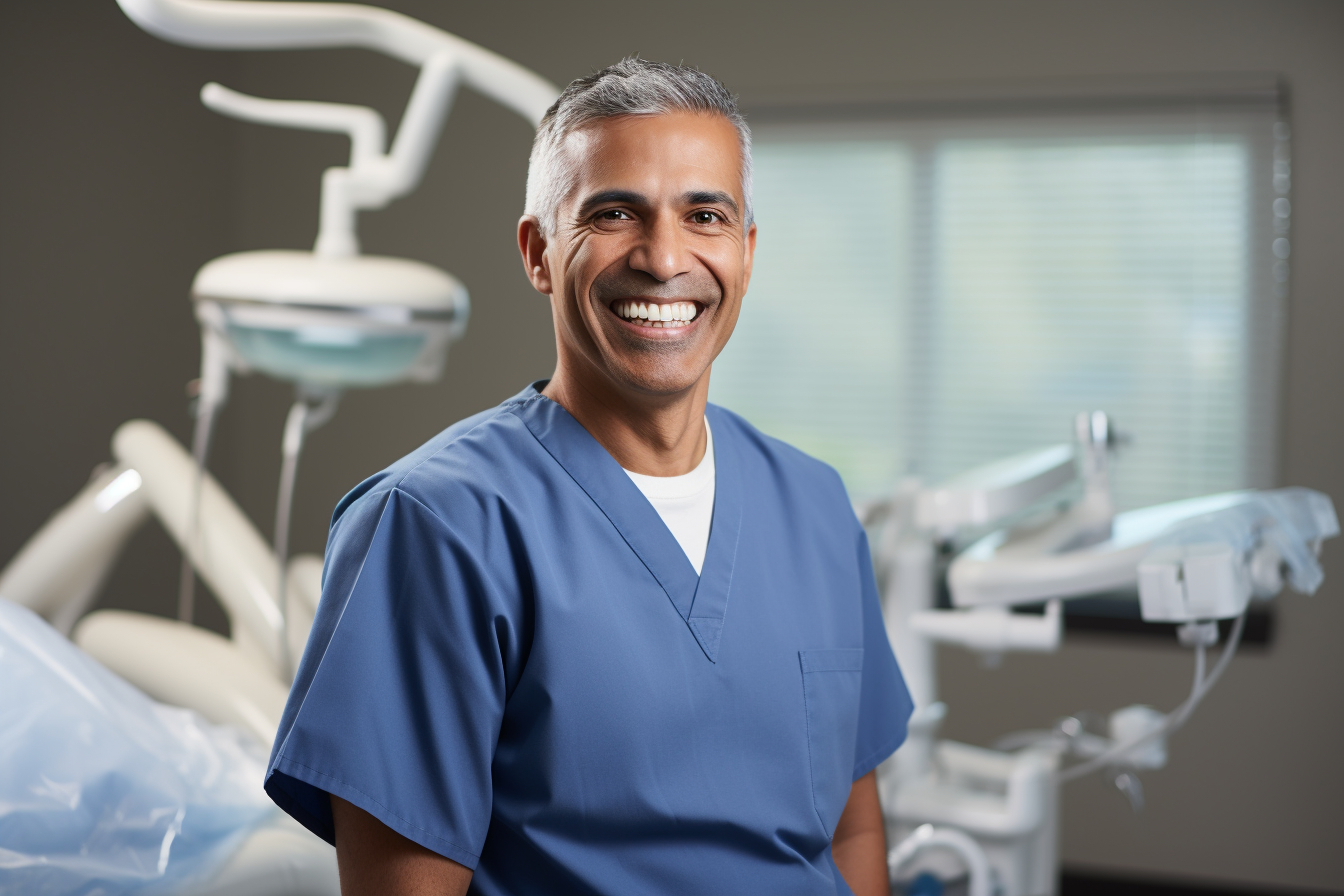
Dental care in Ireland operates largely outside the public health system, with most people — including those who have recently moved to the country — paying for treatment privately or through voluntary health insurance. State-funded dental services exist, but access is restricted to those who qualify through a medical card or through PRSI contribution history. Familiarising yourself with this dual structure before you need treatment will help you avoid unwelcome financial surprises.
| Item | Details |
|---|---|
| System type | Mixed — predominantly private, with limited public provision via medical card (DTSS) and PRSI contributions (DTBS) |
| Public dental entitlement (medical card) | Free annual exam, 2 fillings, emergency extractions; cosmetic and orthodontic work excluded (as of 2025) |
| PRSI dental benefit | Free annual exam + subsidised scale and polish (max €15 patient contribution, as of 2025) |
| Typical private check-up cost | Approximately €60–€80 per visit (as of 2025; varies by clinic and region) |
| Typical implant cost | €1,500–€2,500 per tooth, including crown (as of 2025) |
| Key regulatory body | Dental Council of Ireland |
How does the dental care system work in Ireland — is it public, private, or mixed?
Ireland’s approach to dental care stands apart from countries where oral health services form part of a universal public healthcare system. In the United Kingdom, for instance, the NHS provides at least a baseline level of dentistry to all residents regardless of their financial situation; in France, social health insurance reimburses patients for a proportion of most dental treatments. Ireland takes a markedly different path, operating a predominantly private model in which the vast majority of people either pay directly for their dental care or rely on voluntary private insurance.
Dental services can be provided either by dentists employed directly through Local Health Offices or by private practitioners who hold contracts with the Health Service Executive (HSE). However, these publicly funded arrangements are not universally available — eligibility is determined by means-testing or contribution records, meaning they cannot be accessed by every resident.
Budget constraints on the HSE have progressively eroded the scope of publicly funded dental care for medical card holders, cutting back on preventive services. The effect of this has been a shift away from routine care and towards emergency interventions such as extractions, placing additional strain on the private sector as demand increases.
Across Europe, roughly two thirds of dental expenditure is met through out-of-pocket payments or voluntary private health insurance rather than state funding — and Ireland broadly mirrors this trend. In practical terms, the majority of adults in Ireland fund their own dental care, either entirely through personal payments or through a mix of insurance reimbursement and direct costs.
The Irish Government’s National Oral Health Policy, Smile agus Sláinte, maps out an ambitious long-term agenda to restructure the system. Among its proposals is the expansion of state-funded dental care delivered through contracted private general dental practitioners, covering all children and adults in vulnerable circumstances. However, progress has been slow: the number of contracted dentists fell sharply, from 1,500 in 2019 to 813 in 2024.
There are two main publicly funded pathways that new arrivals should be aware of: the Dental Treatment Services Scheme (DTSS), designed for medical card holders, and the Dental Treatment Benefit Scheme (DTBS), which is tied to PRSI (Pay Related Social Insurance) contribution history. Both are described in detail in the sections that follow.
How do expats find and register with a dentist in Ireland?
In contrast to the GP system in Ireland, dentistry involves no formal patient registration process. You are not required to enrol with a particular practice. If you are not entitled to HSE dental services, you are free to attend any private dental clinic of your choosing. Irish consumer protection rules require dental practices to display their fees in a location clearly visible to patients before treatment begins, so you should always be able to review a price list before agreeing to any procedure.
To locate a qualified private dentist, you can search the register of practitioners maintained by the Dental Council of Ireland, which is the official body responsible for regulating dentistry in the country. The Irish Dental Association (IDA) also operates a Find a Dentist directory at dentist.ie. The majority of clinics welcome new patients via telephone booking or their website, without any administrative registration formalities.
Medical card holders seeking a dentist who participates in the DTSS should contact their local HSE dental service for a list of contracted providers in their area. Local HSE offices can also provide assistance to patients who are having difficulty accessing a DTSS dentist.
Online expat communities — including local Facebook groups or platforms such as Internations — can be a useful source of first-hand recommendations, particularly for those settling in a specific town or city. Dublin, Cork, Galway, and Limerick have the greatest density of dental clinics and the broadest range of specialist services. In more rural parts of the country, the selection of providers is naturally more limited.
Before attending your first appointment, it is worth telephoning the practice to establish whether they are taking on new patients, whether they are registered with the DTSS or DTBS schemes, and how long you might wait for a routine appointment. Waiting times can differ substantially between practices, particularly outside large towns and cities.
Is dental treatment covered by public healthcare or social security in Ireland?
State support for dental costs in Ireland flows through two separate channels: the Dental Treatment Services Scheme (DTSS) for medical card holders, and the Dental Treatment Benefit Scheme (DTBS) for those with a qualifying PRSI contribution record. Both are considerably more restricted in scope than dental coverage available in countries with integrated social health insurance systems.
Medical Card (DTSS)
Adults aged 16 and over who hold a medical card are entitled to access dental treatment under the DTSS. Medical cards are issued by the HSE to people who satisfy both residency requirements and income thresholds — recent arrivals may be eligible depending on their household circumstances. Up-to-date eligibility criteria can be found at hse.ie.
Under this scheme, qualifying card holders receive one oral examination per year at no charge, together with up to two fillings per calendar year and an unlimited number of extractions where clinically necessary. Entitlement also includes one first-stage endodontic (root canal) treatment per year on anterior (front) teeth.
It is important to note that the scheme does not extend to cosmetic dentistry, orthodontic treatment, or dental implants. Adult orthodontic treatment — including braces — is not covered by the medical card except in a very narrow range of clinically exceptional circumstances.
PRSI (Dental Treatment Benefit Scheme)
The Treatment Benefit Scheme is administered by the Department of Social Protection (DSP) and offers a financial contribution towards a range of dental, optical, and aural services. Eligibility extends to employed workers, the self-employed, and retired people who have accumulated the required number of PRSI contributions.
For expats working in Ireland, this scheme is particularly worth understanding, as PRSI deductions begin with your very first payslip. Once you have built up the necessary contribution history, PRSI dental entitlements become available to you as part of the Treatment Benefit Scheme.
As of 2025, PRSI dental benefits cover one comprehensive oral examination every 12 months free of charge, along with a subsidy towards the cost of a scale and polish. For the cleaning, you will pay no more than €15 as a patient contribution under the 2025 rules.
The scheme is confined to specific treatments. A scale and polish carried out by a dental hygienist is covered, but cosmetic procedures such as whitening and orthodontic treatment fall outside its scope. For more complex private work — including crowns, bridges, root canal treatment, and implants — PRSI does not provide cover, but a 20% tax relief may be available. This is claimed via a Med 2 form submitted to Revenue; details of qualifying treatments and current procedures are available at revenue.ie.
If you have previously paid into a social insurance scheme in another EU member state, your overseas contribution record may be taken into account when assessing your eligibility for Treatment Benefit. You must, however, have made at least one reckonable PRSI contribution since arriving in Ireland. This is worth exploring if you have come from within the EU.
What does dental treatment typically cost in Ireland, and how is it paid for?
Fees at private dental clinics across Ireland vary widely, influenced by the practice’s location (Dublin and major cities command higher prices), the dentist’s experience, and the nature of the treatment involved. The figures below are drawn from publicly available clinic fee schedules as of 2025 and are intended as a general guide only. Always ask your chosen practice for a written treatment plan and itemised cost estimate before any work begins.
| Treatment | Approximate cost range |
|---|---|
| Dental examination / check-up | €60 – €80 |
| Scale and polish (cleaning) | €75 – €140 |
| Emergency appointment | From €80 |
| White filling (composite, small) | €120 – €150 |
| White filling (large) | €170 – €220 |
| Crown (ceramic) | From €650 – €850+ |
| Root canal treatment | Varies by tooth; check with your clinic |
| Dental implant (including crown) | €1,500 – €2,500 per tooth |
| Teeth whitening (take-home trays) | Approximately €290 |
At Dublin-area private practices, a standard examination with a treatment plan typically costs around €60, while a scale and polish is usually around €90, and an emergency appointment starts from €80. These figures reflect general market pricing, but there is genuine variation — clinics in rural locations are sometimes more affordable, while specialist practices in city centres may sit at the upper end of the range or beyond.
Dental implants with a crown currently cost approximately €2,000–€2,500 per tooth on average in Ireland, though some providers offer more competitive prices. When comparing quotes, always verify whether the figure includes the abutment, the crown, and any required scanning or preparatory procedures, as these can add considerably to the overall bill.
Private patients are generally expected to settle their account at the time of treatment — there is no direct billing arrangement between private clinics and the state. Most practices are registered with leading dental insurance providers and can assist patients in completing Med 2 forms for tax relief claims. Larger group practices may offer phased payment arrangements for extensive treatment plans, so it is always worth asking whether this option is available.
For non-routine dental work — including crowns, veneers, bridgework, root canal treatment, orthodontics, dental implants, and the surgical extraction of impacted wisdom teeth — tax relief at 20% is available through Revenue. Ask your dentist to provide a completed Med 2 form so that you can submit this claim. This can meaningfully reduce the net cost of significant dental work.
Does private health insurance cover dental treatment in Ireland, and is it worth getting?
Ireland has a well-established private health insurance market. The principal domestic insurers are Laya Healthcare, Irish Life Health, and VHI Healthcare. Many of these providers offer dental cover either as an add-on or as part of a broader health cash plan, though the extent of dental benefit varies considerably from one product to another. Basic health insurance plans rarely include dental cover as standard — it is typically purchased separately or bolted on as a supplementary option.
Most Irish dental insurance products operate on a cash benefit or reimbursement basis: you pay the clinic directly and subsequently submit a claim to your insurer for a fixed sum per treatment type, subject to an annual overall limit. This differs from arrangements in some other countries where the insurer pays the provider directly. In practice, you will need to have the funds available to pay upfront in most cases before reclaiming from your insurer.
Standard exclusions in Irish dental policies typically include cosmetic treatments such as whitening and veneers, with some plans providing a limited orthodontic benefit and others excluding it entirely. Pre-existing dental conditions are also commonly subject to a waiting period — often between six and twelve months — before cover becomes active. If you are planning dental treatment shortly after relocating to Ireland, it is essential to factor in these waiting periods when choosing a plan.
If you hold an international private medical insurance policy from your home country or a global insurer, it is worth confirming whether Irish dental clinics fall within your network, what reimbursement procedures apply, and whether the policy covers routine dental care as well as emergency treatment. A significant number of international plans include emergency dental cover but exclude routine preventive care, so careful review of your policy terms is advisable.
The value of dental insurance depends heavily on how often you attend and the extent of treatment you require. For those whose needs are limited to annual check-ups and cleaning, premium costs may outweigh the benefits. For families, people with ongoing dental conditions, or anyone anticipating substantial treatment, a dental plan is likely to offer real savings. You can compare current insurance products at hia.ie, the website of the Health Insurance Authority, Ireland’s independent regulator for private health insurance, which provides an online policy comparison tool.
What is the standard and quality of dental care like in Ireland?
The standard of dental care available in Ireland is broadly high. Every dentist practising in the country is required to be registered with the Dental Council of Ireland, the statutory regulatory body charged with setting and upholding standards of education, training, and professional conduct across the profession. Irish dental degrees are five-year undergraduate programmes delivered at recognised institutions, including Trinity College Dublin’s School of Dental Science and the University College Cork Dental School and Hospital.
Ireland also draws dentists trained overseas, particularly from within the European Union. Graduates of EU dental schools are entitled to have their qualifications recognised in Ireland under mutual recognition arrangements, and practitioners from continental Europe and further afield work throughout the country. Dentists who trained outside the EU must apply to the Dental Council for individual assessment of their qualifications before they are permitted to practise.
Specialist dental services — encompassing oral surgery, orthodontics, periodontics, and endodontics — are concentrated in larger cities and at teaching hospitals. Both children and adults may refer themselves to the Dublin Dental University Hospital at Lincoln Place, Dublin 2, which offers an extensive range of specialist treatments. Cork operates a comparable university dental facility providing specialist care.
There are regional differences in both choice and accessibility. Dublin, Cork, Galway, and Limerick have the highest concentration of practices and the widest access to specialist services. In rural and more remote communities, options are considerably narrower, and specialist treatment typically requires travel to a larger centre. In some areas, medical card holders may find it difficult to identify a DTSS-contracted dentist with capacity to take new patients.
National dental groups such as Dental Care Ireland and Smiles Dental have grown substantially in recent years, extending the reach of consistent-quality private care across a broader geographic area. These chains frequently offer extended hours and online appointment booking, which can ease the process for people who are new to navigating the Irish healthcare landscape.
Are there language or practical barriers expats should be aware of when seeing a dentist in Ireland?
English is the working language of dental clinics throughout Ireland. Consent forms, treatment plans, invoices, and aftercare guidance are all routinely provided in English, which means that for many people moving to Ireland there is no language obstacle when accessing dental care.
For those whose English is limited, communication with clinical staff may present some challenges. Ireland does not operate a dedicated dental interpretation service comparable to the interpreter services available in some larger hospital settings. If your command of English is restricted, it is advisable to bring someone you trust who can assist with translation during the consultation — particularly when treatment options, risks, and consent are being discussed.
Irish dental practice places considerable emphasis on informed consent. Before any procedure begins, your dentist will explain what is proposed, outline the associated risks and benefits, and present any available alternatives. Your agreement must be given — verbally or by signing a consent form — before treatment can proceed. If anything is unclear, do not hesitate to ask for written information about the procedure or to request that the explanation be repeated or simplified.
There are several practical matters worth noting ahead of your appointment. If you plan to use PRSI dental benefits or claim tax relief, bring your PPS (Personal Public Service) number, as your provider will need it along with your date of birth to verify your eligibility before treatment. Medical card holders should bring their card to every appointment. On your first visit to a new practice, you will likely be asked to complete a medical history form — be prepared to declare any current medications and relevant health conditions, as these can have a bearing on treatment decisions.
In terms of clinical culture, Irish dentists tend to prioritise a preventive approach, encouraging regular check-ups and hygiene appointments. Patients accustomed to more interventionist practice in other countries may find this reassuring; those interested in specific cosmetic treatments may need to raise these directly, as they may not be volunteered in the course of a routine consultation.
What should expats do in a dental emergency in Ireland?
If you find yourself with a dental emergency in Ireland, contacting a private dental clinic should be your first move. Most practices hold a number of urgent appointment slots each day, and telephoning as early as possible in the morning maximises your chances of being seen that day. Describe your situation clearly — whether you are dealing with severe pain, facial swelling, a fractured tooth, or a dislodged filling — so the reception team can assess the urgency appropriately.
Out-of-hours cover is more restricted. The Dublin Dental University Hospital, Lincoln Place, Dublin 2, operates a service on Saturdays, Sundays, and public holidays for severe dental emergencies only, running from 9am to 11pm. Access this service by calling 01 6127200 and leaving your details on the answering machine. Cork University Dental School and Hospital offers a comparable out-of-hours emergency service — consult their website for current contact details and operating hours.
Medical card holders who are unable to locate an available DTSS dentist should contact their local HSE dental clinic during business hours. In exceptional situations where urgent treatment cannot be deferred, the HSE may intervene directly or arrange for treatment to be carried out by HSE-employed dental staff.
Hospital emergency departments (A&E) are not set up to perform dental procedures — they can address acute pain, infections causing facial swelling, and injuries involving the face and jaw, but dental problems will generally be redirected to a dentist. Attendance at A&E is, however, appropriate and sometimes necessary if you have a spreading dental abscess accompanied by significant facial swelling, difficulty swallowing or breathing, or a dental injury combined with head trauma.
Private emergency dental appointments carry private fees, generally starting from approximately €80 as of 2025, with further charges depending on the treatment needed. If you have private dental insurance, check your policy before attending to understand what emergency treatment is covered and how to make a claim, as reimbursement limits and procedures differ between providers.
A sensible precaution when first moving to Ireland is to identify both a local dental practice and the nearest out-of-hours dental emergency service before any urgent need arises. Store these contact numbers somewhere accessible so they are ready when you need them.
How to access your PRSI dental benefit in Ireland: step-by-step
- Check your eligibility. Confirm that you have sufficient PRSI contributions by logging into mywelfare.ie or contacting the Department of Social Protection. As of 2025, you generally need at least 39 paid or credited contributions in the relevant governing contribution year.
- Find a participating dentist. Not all private dentists are registered to process DTBS claims. Use the Irish Dental Association directory or call your preferred clinic to confirm they participate in the scheme.
- Book your appointment. Contact the dental practice by phone or online and let them know you would like to use your PRSI dental entitlement for a check-up and/or scale and polish.
- Bring your PPS number and date of birth. Your provider will need these details to verify your eligibility through the online system before treatment begins.
- Sign the consent form. Before treatment proceeds, you will be asked to sign a consent form authorising your provider to share your details with the Department of Social Protection so that your claim can be processed and paid.
- Receive your treatment. Your dentist will carry out the check-up and any eligible treatments. The practice will submit the claim to the DSP directly on your behalf.
- Pay any patient contribution. For a scale and polish, as of 2025, PRSI entitlements mean that you’ll pay a maximum of €15 for a scale and polish. Your annual check-up is free of charge under the scheme.
- Claim tax relief on non-routine treatments if applicable. If you have any additional private dental work carried out, ask the practice to complete a Med 2 form so you can claim 20% tax relief through Revenue.
Frequently asked questions
Do I need to register with a dentist when I move to Ireland?
No — there is no formal registration system for dentists in Ireland. Unlike the GP system, you do not need to be enrolled with a specific practice. Simply call or book online at any private dental clinic that is accepting new patients. If you hold a medical card, you will need to find a clinic that holds a DTSS contract with the HSE.
I have just started working in Ireland and paying PRSI — can I use my dental benefit straight away?
Not immediately. The Treatment Benefit Scheme requires a minimum number of PRSI contributions before you become eligible — generally at least 39 paid or credited contributions in the relevant governing contribution year. The exact qualifying rules depend on your age and contribution history. Check your eligibility at mywelfare.ie or through the Department of Social Protection.
Is dental treatment free with a medical card in Ireland?
Medical card holders over the age of 16 are entitled to a range of free dental services each year, including one annual oral examination, two fillings per calendar year, and unlimited extractions. However, coverage is limited — cosmetic treatments, implants, and orthodontics for adults are not included, and some more complex treatments require prior HSE approval.
How much does a routine check-up cost at a private dentist in Ireland?
A standard examination including a treatment plan typically costs around €60 at a private clinic in Ireland, as of 2025. Scale and polish (cleaning) is usually charged separately, ranging from around €75 to €140. Prices vary by clinic and by location, with Dublin practices generally at the higher end of the scale. Always ask for a price list before booking.
Does private health insurance in Ireland cover dental treatment?
Some private health insurance plans include a dental cash plan add-on, but standard policies do not automatically include comprehensive dental cover. Dental benefits typically work on a reimbursement basis — you pay upfront and claim back a set amount. Common exclusions include cosmetic treatments and pre-existing conditions. Compare plans at hia.ie, the Health Insurance Authority.
Are Irish dentists qualified and regulated?
Yes. All dentists practising in Ireland must be registered with the Dental Council of Ireland, the statutory body responsible for setting and enforcing professional standards. Irish dental qualifications are typically five-year undergraduate degrees from accredited dental schools. EU-trained dentists may also practise following recognition of their qualifications.
What do I do in a dental emergency outside of normal hours?
For out-of-hours emergencies in Dublin, the Dublin Dental University Hospital provides a service on Saturday, Sunday and public holidays for severe dental emergencies only from 9am to 11pm. Elsewhere, contact the nearest private clinic that offers emergency slots, or your local HSE dental service. Hospital emergency departments can manage pain and infection but do not provide routine dental treatment.
Can I claim tax relief on dental treatment in Ireland?
Yes, for non-routine dental treatments. Eligible treatments include crowns, veneers, bridges, root canal treatment, orthodontics, dental implants, and surgical removal of impacted wisdom teeth. You can claim 20% tax relief on non-routine dental treatments by submitting a Med 2 form to Revenue. Ask your dentist to complete this form for you. Check revenue.ie for the current list of qualifying treatments.
Latest: Expat Focus International Healthcare Update August 2026 →