
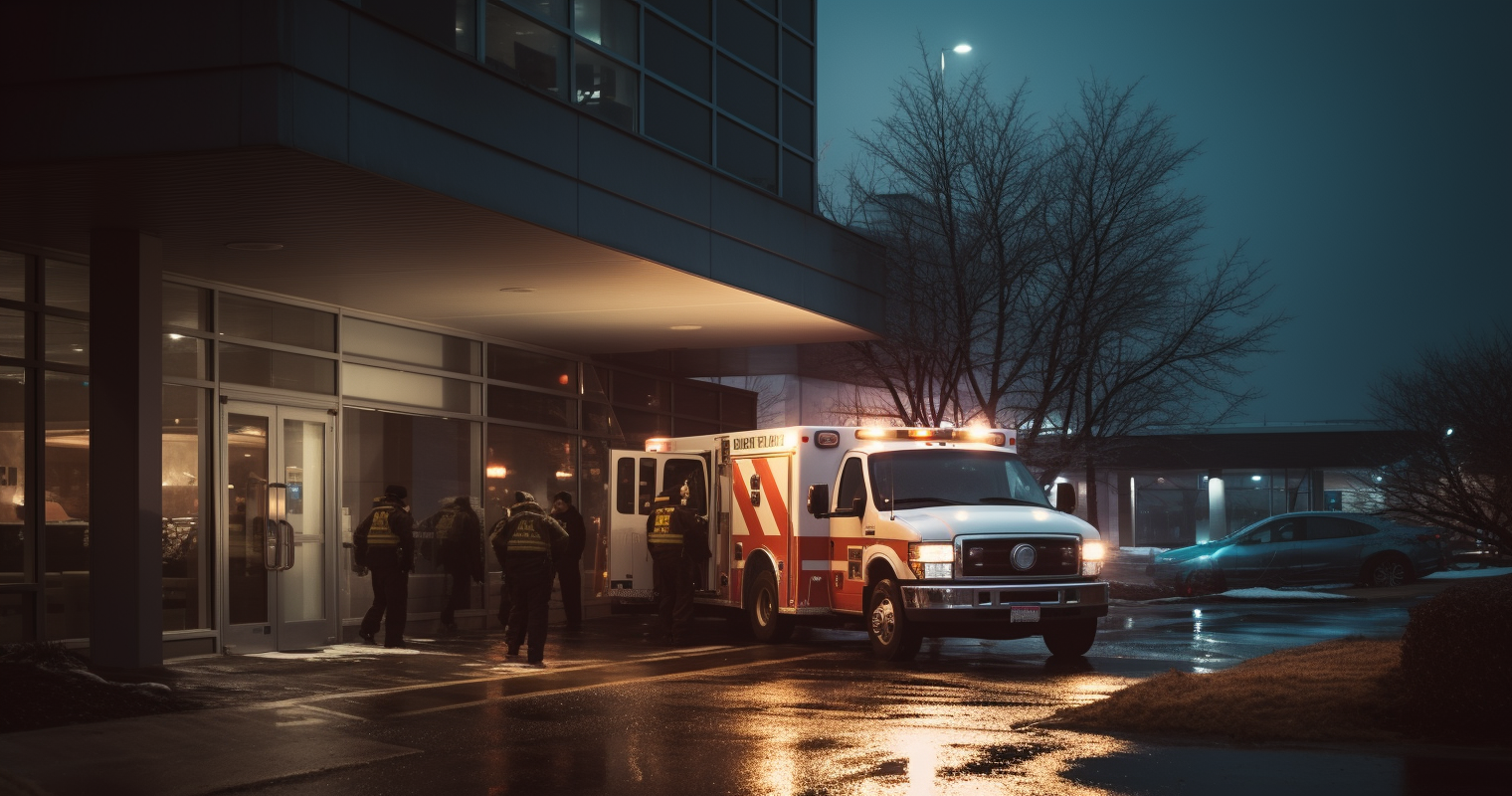
When facing an emergency in Italy, the number to dial is 112 — the EU-wide single emergency line that routes callers to police, fire, or medical assistance as needed. A dedicated ambulance and medical coordination line, 118, is also operational. No public hospital may refuse emergency care to any individual, though the costs that follow will depend on nationality, residency status, and whether you carry an EHIC card. Always confirm current details with official sources.
| Item | Details |
|---|---|
| Single emergency number | 112 (all services — police, fire, ambulance), as of 2025 |
| Dedicated medical emergency line | 118 (ambulance dispatch and medical coordination) |
| Fire brigade direct number | 115 (Vigili del Fuoco) |
| State Police direct number | 113 (Polizia di Stato) |
| Emergency treatment for uninsured visitors | Provided to all; billing may follow for non-residents — verify with official sources |
| EHIC/GHIC coverage in Italy | Valid for EU/EEA nationals and eligible UK nationals; reduces or eliminates most costs at SSN-affiliated providers, as of 2025 |
| Approximate ER visit cost (non-resident, no EHIC) | €50–€200 for basic services, as of 2024/2025 — costs vary by region and treatment |
What is the single emergency number in Italy, and does it cover all services?
If you are in serious trouble and need urgent help anywhere in Italy, the number to call is 112. It costs nothing to dial, requires no prefix, and puts you in contact with a trained operator who will direct your call to whichever authority is best placed to respond — whether that is a medical team, the fire brigade, or the police. This makes it the most practical emergency contact to keep stored, regardless of the nature of the crisis.
Dialling 112 connects you to a Public Safety Answering Point (PSAP), a centralised coordination centre whose operators assess the situation and dispatch the appropriate service. The concept is functionally comparable to 911 in the United States or 999 in the United Kingdom, but 112 is designed with full multi-service routing built in from the outset.
Operators at these centres can communicate in multiple languages, including French and German among others, which makes 112 particularly useful for those who do not yet speak Italian. The number works from locked phones and roaming SIM cards, and no area code is needed.
When a call is placed to any emergency number — whether 112, 113, 115, or 118 — or through the “Where are U” app, it is directed to the operator at the 112 PSAP. In other words, the longstanding individual service numbers remain active and functional, but they now feed into the same centralised infrastructure across most of the country.
Italy also maintains specific direct lines for individual services, as of 2025: 118 for ambulance and medical coordination, 115 for the fire brigade (Vigili del Fuoco), 113 for the State Police (Polizia di Stato), and 112 for the Carabinieri. Most major cities and northern regions now have fully operational 112 PSAP centres as of 2024. It is worth checking which system is active in your specific region with local authorities.
| Number | Service | Notes |
|---|---|---|
| 112 | All emergencies (single EU number) | Free, multilingual, routes to all services |
| 118 | Medical emergency / ambulance | Free, 24/7, staffed by medical professionals |
| 115 | Fire brigade (Vigili del Fuoco) | Free, 24/7 |
| 113 | State Police (Polizia di Stato) | Free, 24/7 |
| 1530 | Coast Guard (maritime emergencies) | Free |
| 800 883300 | Poison control | Free helpline |
| 803 116 | Road breakdown (ACI) | May involve charges for non-members |
How do you call for emergency medical assistance in Italy?
For ambulance or medical emergencies, 118 is a toll-free national line available around the clock, connecting callers to a Medical Operations Centre staffed by healthcare professionals. These specialists can offer immediate guidance while coordinating the dispatch of an ambulance, medical watercraft, or air rescue helicopter to the nearest appropriate hospital. This service operates under the Servizio Sanitario di Urgenza ed Emergenza Medica (SUEM).
Upon calling 118 or 112, the operator will ask you to describe what has happened and confirm your location. Triage nurses then assign a colour-coded priority: red for life-threatening situations, yellow for urgent but stable cases, and green for minor issues. This coding system governs both the speed of the emergency response and the order in which patients are seen once they reach hospital.
When a call is made to 112, the PSAP operator immediately has access to the caller’s phone number and can view their position on a geographical map. Enhanced location technology uses GPS data to help pinpoint the caller’s whereabouts and shorten response times. If you are uncertain of your exact address, pointing out nearby landmarks, street names, or the name of the local municipality will help operators find you more quickly.
Italy’s emergency services are generally dependable and well-organised, though expats should be aware that response times in remote or rural areas may be longer than in cities. If you are in an isolated location and cannot safely wait for an ambulance, the 112 operator can advise whether travelling independently to the nearest emergency department — the Pronto Soccorso — is the safer option.
What should you do in a mental health crisis in Italy?
Italy does not operate a single dedicated national mental health crisis line comparable to, for example, the 988 Suicide and Crisis Lifeline in the United States. That said, support is accessible through a number of channels. Where a mental health emergency is acute or life-threatening — such as when someone poses a danger to themselves or others — the appropriate first action is to call 112 or 118, whose operators can send a trained medical response team.
Anyone in Italy who requires urgent care, regardless of nationality or insurance status, is entitled to receive it. Public hospitals are legally obliged to treat all patients presenting at the emergency department, and this obligation extends fully to psychiatric emergencies. You are entitled to walk into any Pronto Soccorso (emergency department) at a public hospital and request help.
Within the Italian public health system, mental health services are delivered by local Dipartimenti di Salute Mentale (Departments of Mental Health), which fall under the regional Azienda Sanitaria Locale (ASL). For non-emergency crisis support outside of hospital settings, contacting the local ASL during office hours is the recommended route. The Telefono Amico helpline (02 2327 2327) offers emotional support in Italian, and Telefono Azzurro (19696) is dedicated to children and young people. Always confirm the current availability and contact details of these services with official local health authorities, as provision varies between regions.
Expats who do not speak Italian may find communication challenging in a public hospital setting during a mental health crisis. The 112 PSAP interpreting service supports calls in 20 languages, which can help bridge the gap in an acute situation. It is strongly advisable to carry a brief written summary of any ongoing mental health conditions, current medications, and your GP’s contact details at all times.
Where can you go for emergency medical treatment in Italy?
The first destination for emergency medical treatment in Italy is the Pronto Soccorso — the emergency department of a public hospital. Foreign visitors can seek treatment at either public or private hospitals, but there is an important distinction: private hospitals typically handle non-emergency care only and do not operate emergency departments. For a genuine emergency, a public hospital is therefore always the correct choice.
Although the SSN is a nationally funded system, it is administered at the regional level, which means the quality of care is not consistent across the country. Public hospitals in northern and central Italy are widely regarded as offering higher standards than those in the south — a factor worth considering when deciding where to settle as an expat.
Walk-in urgent care clinics are not widely established in Italy. For non-emergency day-to-day needs, most residents are seen by their designated primary care physician on the same day. During the summer months, certain regions with heavy tourist footfall operate a Guardia Medica Turistica — a public “Doctor on Duty” service specifically for visitors. For after-hours non-emergency care outside these seasonal provisions, the Servizio di Continuità Assistenziale (Healthcare Assistance Continuity Centre) gives access to a public health doctor overnight and at weekends.
To find your nearest public hospital or emergency department, the official Italian government health portal salute.gov.it is a useful starting point, or you can contact the local Azienda Sanitaria Locale (ASL) directly. In Rome alone there are six public hospitals and more than 50 ASL offices. Private hospitals are widely available in major cities and generally offer shorter waiting times, but they are costly and unsuitable for acute emergencies.
Is emergency medical treatment free in Italy — and does this differ for residents versus visitors?
Healthcare in Italy is not entirely free, but charges are typically modest, and emergency treatment is made available to anyone who needs it, regardless of nationality, without any requirement to pay upfront. The critical distinction lies between what happens at the moment of care and what may be billed once you are discharged.
Emergency medical services accessed via 118 or 112 are available to all individuals irrespective of nationality. While no one is turned away in an emergency, the costs of subsequent treatment — including diagnostic tests, medications, and inpatient stays — may still be charged. It is important to understand that receiving emergency care does not mean all associated costs are automatically waived; a bill may arrive after the fact.
For residents registered with the Italian national health service (Servizio Sanitario Nazionale, SSN): Italy’s SSN is a universal, tax-funded healthcare framework established in 1978. Registered residents are entitled to essential care that is largely free at the point of access, with modest co-payments (ticket) applying to some services such as specialist consultations, diagnostics, and certain prescriptions. Emergency treatment is free for registered residents, and exemptions from co-payments are available for low-income groups and patients with chronic conditions.
For uninsured visitors and short-term tourists without an EHIC or equivalent card: emergency treatment will be provided, but non-EU tourists are likely to receive a bill for those services afterwards. As of 2024/2025, basic emergency room visits can cost between €50 and €200; more complex treatments or hospital admissions will substantially increase this figure. Retaining all receipts is advisable, as travel insurance may cover reimbursement of eligible costs.
Do expats need travel or health insurance to access emergency care, and what happens without it?
No public emergency department may turn away a patient for lack of insurance. Non-residents will receive care and be billed afterwards; residents with SSN registration pay only a nominal co-payment or nothing at all for genuine emergencies. In short, the absence of insurance will not prevent you from receiving care — but it may result in significant costs once treatment is complete.
For those intending to stay in Italy long-term, registering with the SSN is strongly advisable. Foreign nationals residing in Italy for an extended period may be eligible to enrol. Enrolment typically requires paying a fee and meeting certain residency criteria — such as being in employment, running a business, or being registered as a student. Once on the SSN, you are entitled to the same standard of care as Italian citizens.
Many expats choose to supplement SSN coverage with private health insurance, which can provide faster access to specialists and private clinics. Premiums typically range from €300 to €1,000 per year depending on age and the level of coverage. It is important to note that private health insurance in Italy is always supplemental — residents cannot opt out of the public system, so private cover adds to, rather than replaces, the SSN.
Verifying whether your travel insurance policy covers healthcare in Italy is essential, as private treatment can be expensive. Visitors from outside the EU/EEA who do not hold an EHIC equivalent are especially advised to carry comprehensive travel insurance. Schengen regulations require that foreign visitors to Italy hold a valid medical insurance policy — confirm this requirement with the relevant consulate prior to travelling.
Are there bilateral health agreements between Italy and other countries?
The most significant arrangement governing emergency and healthcare access in Italy is the European Health Insurance Card (EHIC) scheme. EU citizens are entitled to apply for an EHIC free of charge; the card gives access to medically necessary, state-provided healthcare during a temporary stay in any EU country, Iceland, Liechtenstein, Norway, or Switzerland, on the same basis and at the same cost as locally insured residents.
The EHIC covers medically necessary — not only strictly urgent — care during a temporary visit to Italy. Cardholders can access treatment from any provider affiliated with the SSN simply by presenting their EHIC, which entitles them to the same conditions as Italian patients. Private practitioners are not obliged to accept the EHIC. It is important to present the card at the hospital before leaving to confirm it has been accepted.
UK nationals are covered by a separate but equivalent arrangement: EEA countries and Switzerland have reciprocal healthcare agreements with the United Kingdom, which issues a UK Global Health Insurance Card (GHIC) that functions on similar terms to the EHIC for visits to Italy. Both the EHIC and GHIC reduce or eliminate most costs at public SSN-affiliated facilities, but neither covers private clinics, non-covered treatments, or repatriation — which is why supplementary travel insurance remains advisable.
Outside the EU/EEA framework, Italy has bilateral health agreements with a limited number of other countries. The United States, for example, does not have a reciprocal arrangement with Italy. However, a US citizen who also holds Italian dual citizenship but is legally resident in the United States is entitled to urgent healthcare from the local ASL for up to 90 days. For your country’s specific arrangements, consult the Italian Ministry of Health at salute.gov.it or your home country’s embassy in Rome before travelling.
Nationals of countries outside the EU/EEA framework who are not covered by a bilateral agreement will typically be billed for treatment once discharged. This makes comprehensive travel insurance especially important for such visitors.
How does Italy’s emergency healthcare system compare to other systems?
Italy’s universal healthcare framework — the Servizio Sanitario Nazionale (SSN), established in 1978 — is publicly funded through taxation and covers all registered residents. In broad terms, it is structurally most comparable to the UK’s National Health Service or Canada’s Medicare model, in that essential care is largely free at the point of use for those enrolled, rather than depending on individual insurance or upfront payment as in parts of the United States.
A key difference from the NHS, however, is the extent to which Italy’s system is decentralised. Regional governments are responsible for managing the SSN at a provincial level, which produces meaningful variation in quality across the country. The disparity between northern and southern regions is more pronounced than in many comparable universal systems, and waiting times can diverge considerably depending on where you are based.
Like France’s social insurance model or Australia’s Medicare, the SSN incorporates co-payments (ticket) for certain non-emergency services — specialist visits, diagnostic procedures, and some prescriptions — while keeping emergency and essential care free or heavily subsidised. For tourists and short-term visitors without EHIC coverage, the system operates more like a fee-for-service model in practice: you pay and then claim back through travel insurance, reinforcing why adequate coverage before travelling is so important.
International comparisons consistently rank Italy’s healthcare system among the world’s strongest. Many Italians hold private insurance to gain faster access to specialists or enhanced services, but the public SSN remains the universal foundation for the entire population.
What emergency services exist beyond medical — how do police and fire services work in Italy?
Italy’s law enforcement landscape is more layered than in many other countries, with two main national police forces operating in parallel. The Carabinieri (reached via 112) are a military police corps with wide law enforcement powers, particularly active in rural areas and smaller communities. The Polizia di Stato (State Police, reached via 113) is the civilian national force, with a stronger presence in cities and major urban centres. Both handle criminal investigations, public order, and emergency response.
The 113 number is specifically designated for the State Police and serves as the primary contact for urgent law enforcement needs — situations involving crimes in progress, theft, violence, public disorder, road accidents, or any other circumstance requiring an immediate police presence. It operates around the clock, and since both 112 and 113 now feed into the centralised PSAP system in most regions, either number will reach the appropriate service.
For fires, rescues, and incidents involving hazardous materials, calling 115 connects you to the National Fire Brigade, the Vigili del Fuoco. This free service operates 24 hours a day and responds to any situation threatening people, property, or the environment. The Vigili del Fuoco also carry out technical rescue operations — including responses to earthquakes, flooding, and structural collapse — extending well beyond the purely fire-fighting role their counterparts fulfil in some other countries.
Italy’s police forces and Carabinieri are well-trained and highly visible. Travellers should nonetheless remain alert to scams that target tourists, especially in busy transit hubs, train stations, and popular tourist districts. When dealing with Italian police, always have an identity document to hand — either a passport or a residence permit — as officers are legally entitled to request identification. Filing a crime report (denuncia) is carried out at the nearest police station (commissariato) or Carabinieri barracks (caserma), and is typically required in order to make an insurance claim.
Are there country-specific emergency risks in Italy?
Italy is exposed to a variety of natural and environmental hazards that anyone relocating there should understand in advance. The country sits in one of Europe’s most seismically active zones, with central and southern regions particularly prone to earthquakes. Significant events have struck L’Aquila in 2009, Emilia-Romagna in 2012, and the central Apennines in 2016, making awareness of earthquake risks a practical necessity for residents in high-risk areas.
Summer months bring elevated wildfire danger in southern regions and along coastal areas. In winter, mountainous zones are susceptible to heavy snowfall and landslides. Low-lying areas such as the Po Valley experience significant flooding risk, especially in autumn. Communities on or near volcanic zones — most notably around Mount Etna in Sicily and the Campi Flegrei caldera near Naples — may also face hazards related to volcanic activity.
Italy’s national civil protection authority, the Dipartimento della Protezione Civile, oversees the national emergency response and operates the official public warning system. Their website at protezionecivile.gov.it provides live alerts, risk mapping, and preparedness guidance in Italian. Regional civil protection bodies issue colour-coded weather and hazard warnings — green, yellow, orange, and red — which are broadcast widely through local media. The Civil Protection Contact Centre can be reached on the toll-free number 800 840840, which operates Monday to Saturday from 8am to 8pm and switches to 24/7 availability during declared emergencies.
The IT-alert system, introduced by the Italian government, delivers text messages directly to mobile phones in areas affected by or at risk from major incidents — including dam failures, industrial accidents, earthquakes, and extreme weather events. Make sure your phone’s emergency alert settings are enabled so that these warnings reach you if you are in an affected area.
What should expats do to prepare for emergencies before they arise?
Taking preparatory steps before an emergency occurs is the most effective way to protect yourself and those around you. The following actions are strongly recommended for all expats living in or relocating to Italy.
- Register with your home country’s embassy or consulate. Many governments offer voluntary registration schemes — such as the UK’s LOCATE service, the US STEP programme, or Australia’s Smartraveller — enabling their embassy to reach you during a crisis and offer consular assistance. Having your home country’s embassy or consulate number readily accessible is strongly advisable. Consult your government’s Italy travel advisory page for current registration options.
- Save all key emergency numbers. Enter 112, 118, 113, and 115 into your phone contacts before you ever need them. Also store the number for your nearest embassy or consulate, your SSN GP or private doctor once registered, and your insurer’s emergency helpline.
- Obtain and carry your EHIC or GHIC. If you are entitled to an EHIC or UK GHIC, check that it is current and keep it on your person at all times.
- Register with the SSN as soon as you are eligible. Foreign nationals holding a valid residence permit (permesso di soggiorno) are entitled to the same healthcare rights as Italian citizens. Registering early ensures public health coverage is in place from the beginning of your residency.
- Arrange comprehensive health or expat insurance. Even after joining the SSN, a private or expat health policy can provide quicker access to specialist care, cover for repatriation, and protection against treatments excluded from the public system. Confirm that your policy explicitly covers Italy and includes emergency medical evacuation.
- Familiarise yourself with your local civil protection resources. Check your accommodation’s evacuation procedures and identify the nearest emergency exits. Learn whether your local area falls within a designated seismic risk zone, and review any emergency plans published by your municipality (comune).
- Download the Where ARE U app. This app connects directly to the 112 PSAP system and transmits your GPS location to operators — particularly valuable in areas with weak mobile signal or if you are unable to speak during a call.
- Prepare a personal emergency information document. Compile a record containing your blood type, current medications, known allergies, your GP’s details, your insurance policy number, and the contact information for your next of kin. Carry one copy on your person and keep another at home.
Where can expats get official and up-to-date emergency information for Italy?
Consulting official sources is essential, as procedures, contact numbers, and entitlements can be revised without notice. The following are the key authoritative resources for emergency information in Italy, as of 2025:
- Italian Ministry of Health (Ministero della Salute): salute.gov.it — for information on the SSN, EHIC arrangements, and healthcare rights for foreign nationals. The authoritative source for bilateral health agreement details.
- Single European Emergency Number — 112: nue112er.it — official information on Italy’s 112 PSAP rollout, including regional progress and the Where ARE U app.
- Italian Civil Protection Department: protezionecivile.gov.it — live emergency alerts, national risk mapping, and disaster preparedness guidance.
- Italia.it official tourism and information portal: italia.it — practical emergency and assistance information for visitors to Italy.
- European Commission — EHIC information for Italy: European Commission EHIC Italy page — definitive guidance on using your EHIC while in Italy.
- Your home country’s embassy in Rome: Check your government’s official travel advisory page for Italy-specific guidance, citizen registration details, and lists of recommended healthcare providers. For example, the UK’s FCDO Italy travel advice page, or the US State Department’s Italy country information.
Always consult official government sources before travelling or relocating, and re-check any time-sensitive details — such as bilateral agreements, insurance requirements, or emergency contact numbers — as these are subject to change.
Frequently asked questions: emergencies in Italy
What number do I call in a medical emergency in Italy?
The single number to dial for any emergency in Italy is 112, which is free and connects you to the appropriate service. You may also call 118 directly for ambulance and medical emergencies. Both numbers are toll-free and available around the clock, and 112 provides multilingual operator support.
Will I be treated in an Italian emergency room if I have no insurance?
No public emergency department can turn away a patient for lack of insurance. However, if you are not registered with the SSN and your country does not have a reciprocal healthcare agreement with Italy, you will in most cases be issued a bill for treatment once you are discharged. Keep all receipts, as travel insurance may cover reimbursement of eligible costs.
Is my EHIC or UK GHIC valid in Italy?
The EHIC entitles you to receive medically necessary care during a temporary stay in Italy. By presenting your card at a public or SSN-contracted provider, you receive treatment on the same terms as locally insured patients, free of charge aside from any applicable co-payment. The UK GHIC operates on equivalent terms. Note that private practitioners are not required to accept the EHIC.
How much does an emergency room visit cost in Italy?
As of 2024/2025, a basic emergency room visit in Italy costs between €50 and €200 for those without SSN registration or EHIC coverage. More involved treatments or hospital admissions will increase this considerably. SSN-registered residents pay only a small nominal ticket, or nothing at all, for genuine emergencies. Costs vary by region and treatment — always verify current figures with the relevant hospital or ASL.
Is there a mental health crisis line in Italy?
There is no single national mental health emergency number in Italy. If someone is in acute crisis, call 112 or 118 and, if needed, go directly to the Pronto Soccorso of any public hospital for psychiatric emergencies. For non-emergency emotional support, the Telefono Amico helpline (02 2327 2327) offers assistance in Italian. Check with your local ASL to confirm which services are available in your region.
What are the main natural disaster risks in Italy?
Italy is susceptible to earthquakes, particularly in central and southern regions, and is also at risk from floods, wildfires, and volcanic activity. Wildfires pose the greatest threat in southern and coastal areas during summer, while the regions surrounding Mount Etna in Sicily and the Campi Flegrei caldera near Naples are subject to volcanic hazards. Monitor real-time alerts from the Dipartimento della Protezione Civile and ensure your phone’s emergency alert settings are active.
Does Italy have a 112 system like the rest of the EU?
112 is a mandatory single emergency number across all EU member states. Italy has been progressively implementing its 112 PSAP infrastructure, and as of 2024 most metropolitan areas and northern regions have fully operational centres. Calling 112 from anywhere in Italy will connect you to the appropriate emergency service nationwide.
Should I register with my embassy when moving to Italy?
Yes — this is strongly recommended. Most governments run voluntary registration programmes allowing their embassy to contact you during a major emergency, natural disaster, or civil unrest, and to provide consular assistance. Visit your government’s official travel advice page for Italy to register before you travel or settle. Keep the embassy’s emergency line saved separately from the general switchboard, as standard lines may become congested during a major incident.