
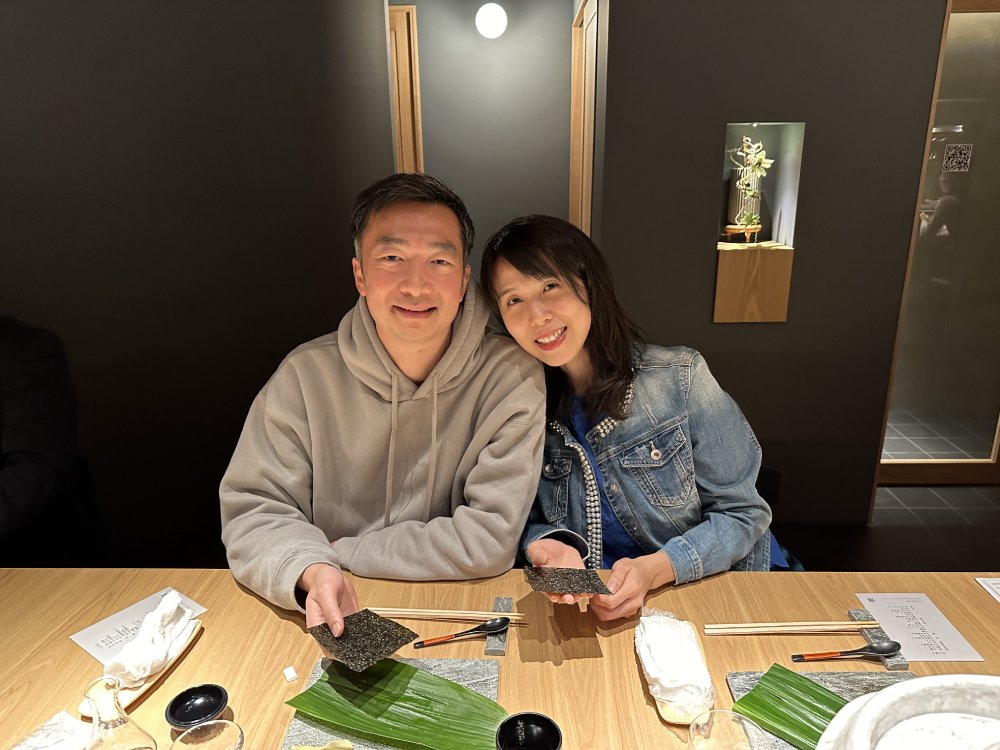
Where, when and why did you move abroad?
I left Canada when I was 13 and never really went back, not permanently, anyway. My studies in the US drove the first move. Later on I was in the gaming industry, and Asia was where the action was. I told myself it would be a year or two, the way most people do. That was over twenty years ago.
Tokyo came much later in that journey, after years of living across other parts of Asia. By then I already spoke Mandarin and Cantonese, so I wasn’t new to the experience of being a foreigner navigating a city in a language that wasn’t mine. But Japan is different. There’s a precision to life here, a particular kind of order and beauty in how things are done, that got under my skin in a way other places hadn’t.
I also had a professional reason to be here. I was building PrettyFluent, a language learning app specifically for expats and digital nomads, and living inside the problem I was trying to solve felt important. You build different things when you’re actually living the experience rather than theorizing about it from the outside.
There was also something honest about admitting that I’d become a person who lives abroad. Tokyo wasn’t an experiment anymore. It was a choice I kept making on purpose.
What challenges did you face during the move?
Japan is extraordinarily welcoming in some ways and genuinely impenetrable in others. The practical side of setting up life here, e.g. bank accounts, phone plans, address registration and health insurance, involves a level of paperwork and process that assumes you either read Japanese or have someone who does. I didn’t, not at first. I could get by in conversation, but bureaucratic Japanese is its own dialect, and showing up to a ward office with confident spoken Mandarin does not help you fill out a residency form.
Renting an apartment as a foreigner is where the friction really shows. Many landlords in Tokyo won’t rent to non-Japanese nationals without a Japanese guarantor, a real person, not just an agency. There are services that help bridge this gap, but it takes time to find them and longer to trust them. I got my place through a contact who could vouch for me personally, which meant I was lucky. A lot of people arrive here without that network and spend their first weeks in serviced apartments burning through money they didn’t plan to spend.
The other challenge nobody talks about enough is cognitive load. When every sign, every form, every overheard conversation requires active effort to parse, your brain is working overtime constantly. You come home exhausted from things that would take zero energy back home. That adjustment period is real and it lasts longer than you expect.
What do you enjoy most about life in your new country?
Tokyo functions at a level that is almost unreasonable. The trains run on time, not approximately on time, actually on time. The streets are clean. The food is extraordinary at every price point, from a 600 yen convenience store onigiri to a three-hour omakase. There is a craft and seriousness applied to ordinary things here that I find genuinely inspiring. The ramen shop that has been perfecting the same bowl for thirty years. The dry cleaner who folds your shirts like they’re being gift-wrapped. Attention and care as a default setting, not a premium feature.
Beyond the logistics, what I enjoy most is the depth of it. Tokyo rewards patience and curiosity in ways that feel almost endless. I’ve been here long enough to have favorite neighborhoods within neighborhoods, to know which side street has the best yakitori, to understand why locals gather at a particular shrine on a particular morning in November. The city keeps revealing itself slowly, and that gradual discovery is something I’ve come to value enormously. It’s the opposite of a city that shows you everything at once and leaves you with nothing left to find.
I also genuinely enjoy the pace of daily life. There is a mutual respect between people in public spaces here, a kind of unspoken social contract, that makes Tokyo feel calm despite its scale. Thirteen million people and almost no one is yelling.
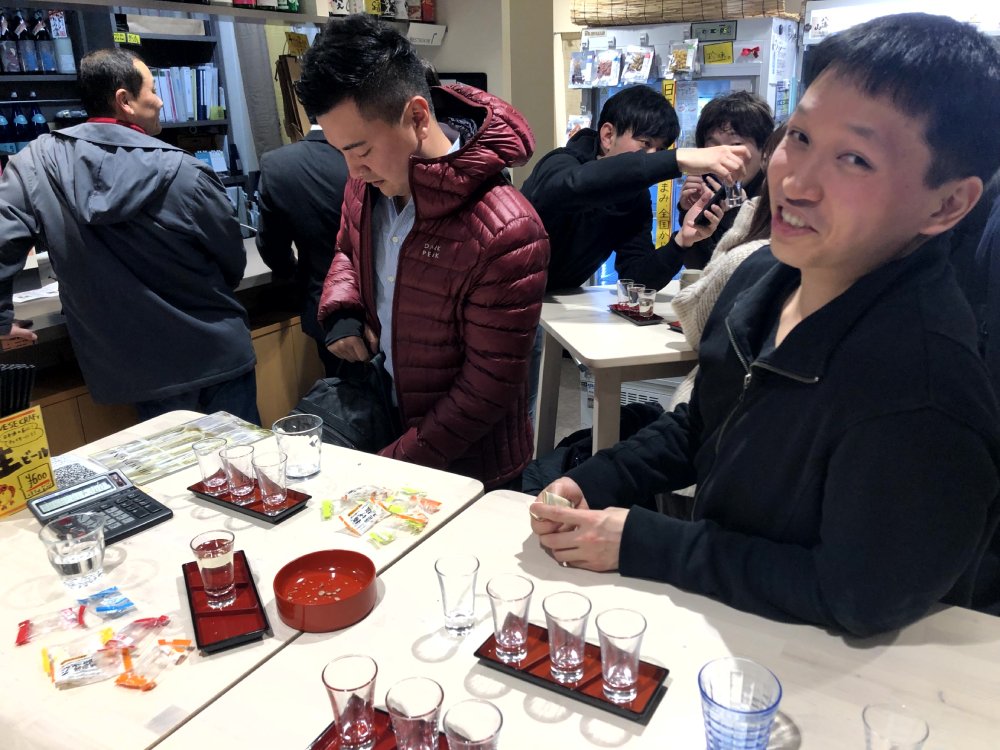
What is the hardest part of expat life for you and your family?
Being away from family is the honest answer, and it never fully resolves. You manage it, you build routines around it, you get very good at time zones and video calls, but it doesn’t go away. When something happens at home, a parent’s health scare, a family milestone, you feel the distance acutely in a way that no amount of frequent flyer points can fix. My wife and I have a young son now, and that layer has added new complexity. There are grandparents who exist to him mainly as faces on a screen, and that is a real cost we’ve chosen to carry.
For my wife and me, the harder ongoing challenge is the social depth problem. Tokyo is easy to live in on the surface and genuinely difficult to break into at a deeper level. Making real friendships here, the kind that involve honesty and history and showing up for each other, takes longer than anywhere else I’ve lived. The culture is not cold, it’s the opposite, but it is reserved, and building trust takes consistent, sustained effort over a long time. Expat friendships tend to have a built-in expiration date too, because people rotate in and out. You invest in a friendship and then someone’s contract ends and they’re back in Amsterdam. It’s one of the stranger emotional rhythms of this life.
What is your relationship like with locals and other expats?
With locals, it’s warm but earned. Japanese culture has a deep respect for effort and sincerity, and if you make a genuine attempt to engage in Japanese, even badly, even with the wrong pitch accent, people respond with real generosity. I’ve had shopkeepers spend twenty minutes helping me find something I could have Googled because they appreciated that I tried in their language first. That kind of exchange doesn’t happen if you lead with English and hope for the best.
That said, getting past the surface layer with Japanese people takes time and consistency. I have local friendships that took two or three years to develop into anything resembling real openness. There’s nothing cold about it. It’s just a different pace of trust-building than I grew up with. Once you’re in, though, you’re genuinely in. The loyalty and care in those friendships is something I value deeply.
The expat community here is tight and useful. Particularly for the practical stuff: finding a doctor who speaks English, navigating a lease, figuring out which international school has the shortest waitlist. That network saved me significant pain in the early days. Socially, expat friendships can be easy and fun but sometimes feel slightly provisional, because everyone knows that one of you might be somewhere else in eighteen months. I’ve learned to invest in those relationships anyway and let them be what they are.
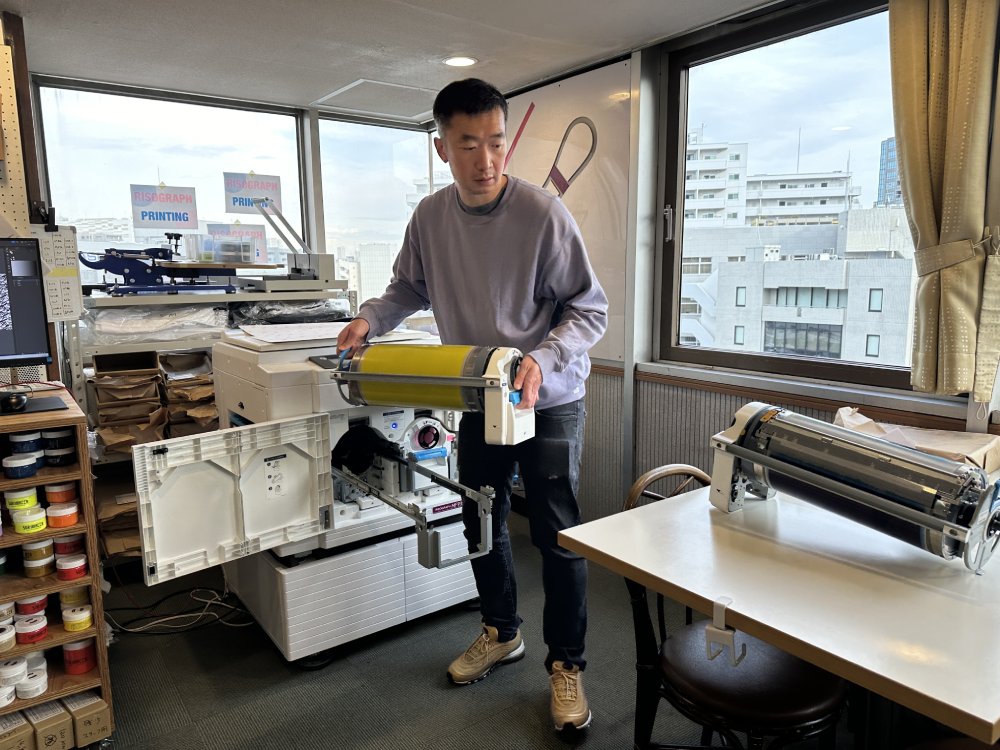
What advice would you give to someone thinking of making a similar move?
Learn some Japanese before you arrive. Not a lot, you don’t need to be conversational before you land, but enough to handle the basics of daily life. Greetings, numbers, ordering food, asking for directions, apologizing (you will need this one more than you think). The reason isn’t just practical. The effort signals something to the people around you. It says you’re here to participate, not just to observe. That signal matters enormously in Japan.
Then keep going after you arrive. This is where most people stop, because daily life gets busy and English is available enough to get by. Getting by is not the same as living here. The gap between a tourist experience and a genuine expat life is largely a language gap, and closing it even partially changes everything: the relationships you can build, the places you can go, the things you can understand about why Japan is the way it is. I built PrettyFluent specifically because I kept seeing people, smart, capable, curious people, plateau at a level of language that kept them comfortable but kept them at arm’s length from the place they were living. Don’t let that be you.
Finally, give it more time than you think it needs. The first few months in Tokyo can feel overwhelming and occasionally lonely. That is normal and it passes. The city opens up slowly, and the version of Tokyo you’ll know after two years is completely different from the one you arrived in. The people who leave after six months because it felt hard almost always wish they’d stayed.
Bio / Contact
Erik is a Canadian expat and the founder of PrettyFluent, a language learning app built for expats, travelers, and digital nomads. Rather than academic fluency, PrettyFluent focuses on the practical, situational language skills that actually matter when you’re living abroad — navigating landlords, locals, and life in a language that isn’t yours.
Website: https://prettyfluent.app