

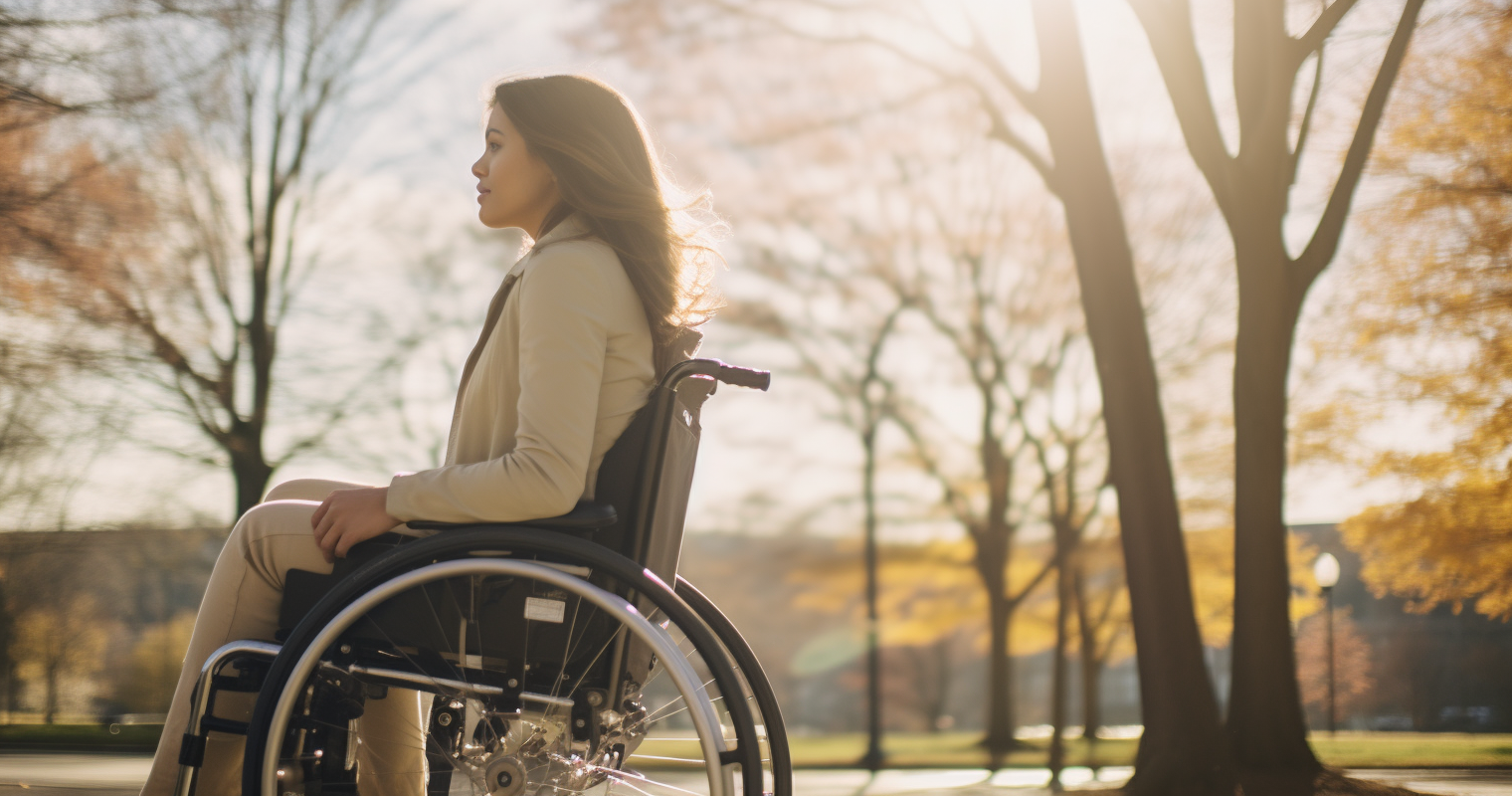
Mexico has a well-developed legal foundation for disability rights, built on the 2011 General Law for the Inclusion of Persons with Disabilities (LGPID) and the UN CRPD, which the country ratified in 2007. Practical accessibility, however, differs dramatically between major urban centres and rural communities, and disabled expats will usually need to depend on private healthcare for specialist support. Thorough advance planning is indispensable.
| Item | Details |
|---|---|
| Primary disability law | General Law for the Inclusion of Persons with Disabilities (LGPID), enacted 2011, most recently amended June 2024 |
| UN CRPD ratification | Ratified 17 December 2007; Optional Protocol also signed |
| National disability authority | CONADIS (National Council for the Inclusion of Persons with Disabilities) |
| IMSS disability pension eligibility | Requires minimum 150 weeks of contributions and at least 50–75% assessed loss of earning capacity (as of 2024) |
| IMSS voluntary enrolment cost | Approx. USD $63–$93/year depending on age (as of 2024); check imss.gob.mx for current rates |
| Accessibility reality | Legal standards exist but enforcement is inconsistent; major cities far better served than rural areas |
What are the general attitudes towards disability in Mexico?
Public attitudes towards disability in Mexico are undergoing a gradual transformation, influenced by deep-rooted family traditions, the country’s strong religious heritage, and an increasingly vocal rights-based movement. For much of the country’s modern history, disability was viewed primarily through a medical or charitable lens — centred on individual impairment and the provision of care, rather than on dismantling the social and environmental barriers that restrict participation. This perspective mirrored a pre-CRPD global consensus described by human rights bodies, in which interventions tended to focus on rehabilitation and physiotherapy and promoted segregated services such as specialist schooling.
Over the last two decades, Mexico has made a conscious move toward the social model of disability. The country is regarded as a trailblazer in advancing disability rights and implementing the UN CRPD, and is frequently cited as a reference point for other nations in the region. In everyday life, however, legislative progress has not always translated into a comparable shift in social attitudes. Stigma and marginalisation continue to affect many disabled people, and participants in international forums have drawn attention to persistent challenges including discrimination, social exclusion, and insufficient economic participation and empowerment.
Family networks occupy a central and broadly supportive role in the lives of disabled people in Mexico, especially in smaller towns and rural communities. The flipside of this dynamic is that disabled individuals may be less visible in employment, civic life, and public spaces. Persons with disabilities participate to a very limited extent in government, the legislature, and the judiciary, but to a greater extent in NGOs. For newly arrived expats, the contrast with countries where independent-living cultures are more firmly established may be striking — though the community warmth and family-centred support that characterise Mexican society can represent a genuine and meaningful resource.
What legal protections exist for disabled people in Mexico?
Mexico has built a substantial body of legislation to protect the rights of people with disabilities. The General Law for the Inclusion of Persons with Disabilities (Ley General para la Inclusión de las Personas con Discapacidad) forms the cornerstone of this framework, guaranteeing equal opportunity across areas including education, employment, transport, healthcare, and access to public services. First enacted in 2011, the law has been refined through a series of key amendments — most notably in 2015, 2018, and 2024 — intended to reinforce protections, improve physical accessibility, and sharpen institutional oversight, with the most recent revision taking effect on 14 June 2024.
At the constitutional level, a landmark reform in June 2011 incorporated all international human rights treaties directly into the Mexican constitution, giving CRPD principles constitutional standing. The law adopts a comprehensive definition of disability, encompassing individuals with physical, mental, intellectual, or sensory impairments — whether lasting or temporary — which, in interaction with social or environmental barriers, may restrict their ability to participate fully in society.
In the workplace, employers are obliged to provide reasonable accommodations and are prohibited from discriminating against disabled workers in recruitment, training, or promotion. All workplaces must meet applicable safety and accessibility standards. A specific official Mexican standard (Norma Oficial Mexicana STPS) sets out the safety conditions that any employer must satisfy when employing persons with disabilities. A notable legislative milestone came in 2023, when the legal mechanism known as “interdiction” — through which disabled individuals could be stripped of their legal decision-making capacity — was permanently abolished, paving the way for broader reforms affirming the autonomy and independence of persons with disabilities across all areas of life.
A significant structural complexity is that Mexico’s 31 states and Federal District each hold considerable legislative authority. This has produced an uneven patchwork of state-level laws, not all of which align with the national LGPID or the CRPD. As of 2014, only 18 of Mexico’s 32 federal entities had harmonised their legislation with CRPD standards. Progress has continued since that point, but expats should investigate the specific legal landscape of their chosen state in addition to federal protections. For up-to-date information on specific provisions or thresholds, CONADIS — the National Council for the Inclusion of Persons with Disabilities — is the principal official point of contact and can be reached at gob.mx/conadis.
Has Mexico ratified the UN Convention on the Rights of Persons with Disabilities (CRPD)?
Mexico ratified the UN Convention on the Rights of Persons with Disabilities on 17 December 2007, making it one of the earliest countries to do so. Its involvement in creating the treaty was foundational: in December 2001, a Mexican proposal prompted the UN Resolution that launched the negotiation process. Mexico also ratified the Optional Protocol to the CRPD, which grants individuals the right to submit complaints about CRPD violations directly to the UN Committee.
Mexico was one of the principal architects of the Convention on the Rights of Persons with Disabilities — the first human rights treaty concluded in the twenty-first century and the first ever dedicated specifically to the rights of persons with disabilities. The practical consequences of ratification were far-reaching: in 2011, Mexico enacted the General Law for the Inclusion of People with Disabilities (LGPID), replacing the 2005 legislation and embedding CRPD principles into domestic law, with an explicit mandate for the government to promote, protect, and guarantee the full exercise of the rights of persons with disabilities.
Despite this leadership role, the UN CRPD Committee has identified gaps in implementation. Key challenges include limited coordination among advocacy organisations and the political framework, which grants each of the 31 states and the Federal District broad autonomy to legislate independently, resulting in inconsistencies between state laws, the national LGPID, and the CRPD. In comparison to countries such as Germany or New Zealand — which have established centralised national monitoring mechanisms — Mexico’s federated structure makes uniform enforcement considerably more difficult. Disability-led organisations, policy makers, legal experts and civil society actors are actively addressing these issues and engaging to identify solutions.
How accessible is public transport in Mexico for disabled people?
The LGPID sets a clear legal baseline for transport accessibility, requiring public transport to provide priority seating, audible announcements, and accessible boarding arrangements. The distance between this legal requirement and day-to-day reality, however, remains considerable and depends heavily on location.
In Mexico City, the metro (Sistema de Transporte Colectivo) has received meaningful accessibility investment — including lifts, ramps, and tactile paving at a number of stations — though coverage is far from complete and lift maintenance can be unreliable, a challenge familiar to users of metro systems in cities such as Rome or Istanbul. The Metrobús Bus Rapid Transit system in the capital tends to offer more consistent accessibility than the metro. Guadalajara and Monterrey have likewise invested in accessible transport on primary routes, but coverage outside main corridors remains inconsistent.
In rural communities and smaller urban centres, formal accessibility provisions are largely nonexistent. Bus services outside metropolitan areas rarely feature low floors, boarding ramps, or accessible stops. Taxis and ride-hailing platforms such as Uber and Didi are widely available in cities and often represent a more practical alternative for wheelchair users, though purpose-adapted vehicles are not the norm. Unlike the UK, where the Public Service Vehicles Accessibility Regulations impose mandatory vehicle standards across the network, Mexico lacks a uniformly enforced national accessibility standard for private hire transport.
Expats with mobility-related disabilities should investigate their intended city closely before making any commitment to relocate. Mexico City and Guadalajara provide the widest range of public transport options; coastal resort towns and colonial cities, while highly appealing, often have older infrastructure and steep, cobblestoned streets that pose serious practical obstacles. Always verify current provision directly with local transport operators and disability organisations before finalising your decision.
How accessible are public buildings and spaces in Mexico for disabled people?
Accessibility requirements for buildings in Mexico are set out in both the LGPID and national construction standards. The law places significant emphasis on ensuring that everyone can move through and make use of public and digital spaces independently, with public buildings and facilities required to incorporate ramps, elevators, and tactile signage. The Mexican Social Security Institute has additionally published guidelines establishing the legal criteria and architectural and engineering specifications for adapting spaces to make them accessible to persons with disabilities.
The reality, however, reflects a pattern common across many middle-income countries: newer buildings in major urban centres tend to comply reasonably well, while older colonial structures, historic city centres — of which Mexico has an abundance, many legally protected — and rural infrastructure fall considerably short. Mexico City’s historic centre, for instance, holds UNESCO World Heritage status, and preservation requirements place real constraints on accessibility modifications. Pavements in many cities are frequently narrow, uneven, or obstructed by street vendors and parked vehicles, making independent wheelchair navigation challenging even in otherwise well-served areas.
Restaurants, shopping centres, and international hotel chains in major cities generally offer reasonable accessibility standards. Government offices, hospitals, and contemporary cultural venues in cities such as Mexico City, Monterrey, and Guadalajara are typically better equipped. Nonetheless, there remains a persistent gap between the law on paper and actual conditions on the ground, with a need for continuous updates and adjustments. Enforcement of building standards varies by municipality and is not consistently applied.
Expats evaluating specific neighbourhoods should, wherever possible, visit in person and seek candid assessments from local disability community groups about everyday accessibility — rather than relying solely on what property listings or planning documents state.
What disability benefits or financial support is available to expats in Mexico?
Mexico’s disability benefit system is primarily contribution-based and closely linked to formal employment. The country’s social security arrangements are governed by the Social Security Law (LSS) of 1995, which came into force on 1 July 1997, with the Mexican Social Security Institute (IMSS) responsible for administering these programmes. Unlike systems such as the UK’s Personal Independence Payment (PIP) or Australia’s NDIS — which are needs-based and available regardless of employment history — Mexico’s state disability support is largely conditional on having accumulated sufficient IMSS contributions.
To be eligible for an IMSS disability pension (as of 2024): workers enrolled in the system before 1 July 1997 qualify if they have a permanently assessed reduction of at least 50% in normal earning capacity and a minimum of 150 weeks of contributions. Workers enrolled after that date qualify with a permanent loss of at least 75% of normal earning capacity and a minimum of 150 contribution weeks, or a loss of between 50% and 74% with at least 250 contribution weeks. Always verify the current thresholds directly at imss.gob.mx.
Disability pension payments are set at 35% of the worker’s average adjusted earnings across the last 500 contribution weeks, with a further 15% added for a spouse or partner and 10% for each dependent child under 16. A worker who requires the ongoing assistance of another person to carry out daily activities is also entitled to a constant attendance supplement of up to 20% of the pension amount.
For the majority of expats — especially retirees, self-employed individuals, or those on temporary residency who have not accumulated sufficient IMSS contribution history — state disability pensions will remain out of reach. There is no general non-contributory disability benefit readily available to foreign residents. Expats should therefore ensure they hold robust private insurance and, where applicable, explore whether disability entitlements from their home country can be maintained or transferred while residing abroad. Consult IMSS directly and seek guidance from a qualified local social security lawyer for advice specific to your circumstances.
What healthcare and rehabilitation services are available to disabled expats in Mexico?
Mexico operates a mixed public-private healthcare system, and understanding which elements you can access is critical for disabled expats. Those living and working in Mexico may be eligible for healthcare through IMSS, the national social security institute. Employees are typically enrolled automatically, with contributions deducted from their salary, while individuals not employed by an IMSS-registered employer can apply to join independently by paying a monthly fee.
A crucial limitation, however, is that IMSS does not extend coverage to pre-existing conditions — a significant distinction from universal healthcare systems such as the NHS, which cover pre-existing conditions from the moment of registration. For expats whose disability predates their arrival in Mexico, IMSS waiting periods and exclusion clauses mean that specialist or rehabilitation services connected to that condition are unlikely to be covered under the public system.
Because of potentially lengthy waiting times and crowded public hospitals, taking out a supplementary private health insurance policy is strongly advisable. Private health cover in Mexico provides a considerably broader range of services, including rehabilitation. Mexico’s private healthcare sector is well-developed by regional standards, and treatment costs are markedly lower than in North America. Major private hospitals in Mexico City, Guadalajara, Monterrey, and Mérida offer specialist rehabilitation programmes, physiotherapy, occupational therapy, and assistive technology assessment.
Healthcare quality varies depending on your location within Mexico and the level of demand at the time you seek treatment. Rehabilitation and disability-specific services are far more readily available in major cities than in smaller coastal towns or rural areas. Always confirm current IMSS entitlements and waiting-period conditions at imss.gob.mx, and consult Mexico’s Ministry of Health (gob.mx/salud) for information on publicly funded specialist services.
How does the process of having a disability assessed or recognised work in Mexico?
Formal disability recognition in Mexico is coordinated through CONADIS and linked health institutions. To access disability-related services, financial support, or legal protections, individuals generally need official documentation of their disability, which may encompass medical certificates from registered practitioners, specialist evaluations, and documentation issued by IMSS or the relevant health authority.
CONADIS administers the National Registry of Persons with Disabilities (Registro Nacional para Personas con Discapacidad — RENAPO), which provides formal recognition and underpins access to certain state programmes. The process ordinarily requires a formal medical diagnosis issued by a registered Mexican health professional or institution. Foreign medical records — such as a diagnosis or assessment made abroad — may be submitted as supporting documentation, but are typically required to be validated or supplemented by a Mexican medical professional before formal recognition is granted. This approach broadly mirrors that of other countries, such as Spain or Canada, where foreign documentation supports but does not automatically replace a domestic assessment.
Processing timelines and documentation requirements differ according to the nature of the disability and the services being applied for. For IMSS disability pension assessments, IMSS conducts its own evaluation of the degree of reduced earning capacity, involving formal medical and functional review. As of 2024, specific processing timelines are not publicly standardised; contact IMSS directly at imss.gob.mx or CONADIS at gob.mx/conadis for current procedures and applicable fees, which are subject to change.
What support exists for disabled children and young people in Mexico?
Mexico has a clear legislative commitment to inclusive education. In principle, the country has a strong foundation for its special education programme; teachers are required to receive training to work with special education students, and legislation seeks to integrate disabled students into mainstream classrooms. The system functions through two principal pathways: USAER (Unidades de Servicios de Apoyo a la Educación Regular), which supports students whose disabilities do not necessitate removal from the standard classroom, and CAM (Centros de Atención Múltiple), which caters to students whose needs require a more specialist setting.
In practice, the gap between what the law promises and what is delivered in classrooms remains pronounced. Very few students in reality receive these services; in 2005, for example, only 3.5% of students on the autism spectrum were receiving any support, and schools frequently struggled with the task of diagnosing students with disabilities. While access has improved since that period, expat families should not assume that the standard of special educational needs (SEN) support will be equivalent to what they may have experienced in countries with well-resourced SEN systems, such as the Netherlands or New Zealand.
Expat children have the right to enrol in Mexican public schools irrespective of nationality, and should in principle be entitled to the same support mechanisms as Mexican pupils. In practice, however, language barriers — most SEN provision is delivered in Spanish — and considerable variation between states mean that private international schools, some of which offer dedicated SEN provision, represent a realistic option for many expat families. Contact the Secretaría de Educación Pública (SEP) for information on formal entitlements, and reach out to local disability organisations for practical, on-the-ground guidance.
What advocacy and support organisations exist for disabled people in Mexico?
A variety of organisations are active in disability rights advocacy, peer support, and capacity building across Mexico. The following are among the most established:
- CONADIS (Consejo Nacional para el Desarrollo y la Inclusión de las Personas con Discapacidad) — The government body charged with developing and coordinating national disability policy and overseeing its implementation. The primary official point of contact for disabled people living in Mexico. Website: gob.mx/conadis
- CNDH (Comisión Nacional de los Derechos Humanos) — Mexico’s National Human Rights Commission, which receives and investigates complaints relating to human rights violations, including those based on disability discrimination. Website: cndh.org.mx
- COAMEX (Coalición de Organizaciones de y para Personas con Discapacidad de México) — A coalition of disability-led and disability-focused organisations engaged in advocacy and capacity development. COAMEX collaborates with international disability rights initiatives and is active in national policy discussions.
- MADIJAL (Movimiento de Apoyo a los Discapacitados de Jalisco) — A Guadalajara-based organisation working on disability inclusion and rights in the Jalisco region, with involvement in legal advocacy and community training.
- Global Disability Rights Now (Mexico) — An international project that has partnered with Mexican disabled people’s organisations and government stakeholders on CRPD implementation. Website: globaldisabilityrightsnow.org
- CONAPRED (Consejo Nacional para Prevenir la Discriminación) — Mexico’s national anti-discrimination body, which handles equality complaints and works to eliminate discrimination, including on the grounds of disability. Website: gob.mx/conapred
No organisations specifically oriented towards supporting expats with disabilities were identified in the course of research. However, broader expat community networks in cities such as Mexico City, Guadalajara, and San Miguel de Allende frequently include members with disabilities who can offer candid, experience-based advice. Searching Facebook groups and online forums focused on expat life in your target city is a practical starting point for building informal peer support connections.
What practical tips should disabled expats know before moving to Mexico?
Relocating to Mexico with a disability demands careful preparation. The following step-by-step approach can help you plan effectively:
- Research your specific city’s accessibility before committing. The difference in accessibility between a modern district of Mexico City and a cobblestoned colonial town can be dramatic. Visit your intended destination in advance wherever possible, and connect with local disability communities online to obtain honest, practical information about streets, buildings, and transport options in that area.
- Secure healthcare and insurance coverage before you arrive. Put in place comprehensive private health insurance that addresses your disability-related needs from the outset. Because IMSS excludes pre-existing conditions, depending on the public system for ongoing disability-related care from arrival is not a viable option. Obtain written confirmation of exactly what your policy covers before you leave home.
- Compile and translate all medical documentation. Bring certified Spanish translations of every relevant medical diagnosis, assessment, prescription, and treatment record. These will be essential when accessing healthcare, registering with CONADIS, and pursuing any social security entitlements should you take up formal employment in Mexico.
- Find out whether home-country disability benefits can be paid abroad. Some countries allow disability payments to continue while a recipient lives overseas; others do not, or apply time restrictions. Speak with your home government’s benefits authority well before departure. Bear in mind that Mexico does not have reciprocal social security agreements with most countries, meaning IMSS entitlements and home-country benefits operate entirely independently of one another.
- Register with CONADIS after arriving in Mexico. Official registration with the national disability authority establishes your legal status under Mexican law and can open the door to services, discounts, and formal legal protections. Contact CONADIS at gob.mx/conadis for current registration requirements.
- Ask the right questions of landlords and prospective employers. Before signing any lease, ask explicitly about building access, lift reliability, and the possibility of bathroom adaptations. When meeting potential employers, enquire about their reasonable accommodation policy and whether the workplace has been assessed against the NOM-STPS accessibility standard.
- Make arrangements for assistive technology and equipment in advance. Specialist assistive technology is available in Mexico, particularly in larger cities, but the range of products is more limited and prices may be higher than in countries with well-established procurement systems. Bring essential equipment from home, carry spare parts, and identify suppliers in your destination city before you move.
- Learn Spanish or arrange reliable language support. The IMSS enrolment process, disability assessments, healthcare consultations, and interactions with public services are conducted entirely in Spanish. If your Spanish is limited, you will need a fluent speaker or professional interpreter to help you navigate these processes effectively.
Many expats discover that the warmth of Mexican communities, the relatively low cost of living, and the quality of private medical care come as a welcome surprise. Healthcare in Mexico can be excellent — frequently more accessible, more personal, and far more affordable than in the United States. The challenges that arise tend to be structural and administrative in nature rather than attitudinal, and thorough preparation in advance can make a decisive difference to the quality of your experience.
Frequently asked questions: living with a disability in Mexico
Can I move to Mexico with a disability?
Yes. No visa category excludes applicants on the basis of disability. Standard residency pathways — including temporary resident, permanent resident, and retirement or income-based visas — are available regardless of disability status. That said, you should plan carefully for healthcare coverage, physical accessibility, and the continuity of any benefits before making the move.
Will my disability be formally recognised in Mexico?
Mexico operates a National Registry of Persons with Disabilities (RENAPO), administered through CONADIS. Medical documentation from another country may be submitted as supporting evidence but will generally need to be validated by a Mexican medical professional before formal recognition is granted. Contact CONADIS at gob.mx/conadis for the current registration process.
Can I access Mexico’s public health system for disability-related care?
Expats who are living and working in Mexico may be able to access healthcare through IMSS. Those employed by a registered employer are typically enrolled automatically, while others can apply to join independently by paying a monthly fee. However, IMSS does not cover pre-existing conditions, which makes private health insurance an essential safeguard for most disabled expats requiring ongoing disability-related treatment.
Is Mexico City wheelchair-accessible?
Mexico City has made considerable investments in accessibility infrastructure, notably in its Metrobús BRT network and at selected metro stations, where ramps, lifts, and tactile paving have been installed. Coverage is not universal across the system, however, and lift reliability varies. Accessibility at street level differs markedly between neighbourhoods — more recently developed areas generally perform much better than the historic colonial zones. Thorough research into your specific district and intended transport routes is strongly recommended.
What happens if I am discriminated against on the basis of disability in Mexico?
The law guarantees people with disabilities the right to fair treatment in legal and administrative proceedings, including access to legal assistance and accessible communication. Complaints about disability-based discrimination can be lodged with CONAPRED (the National Anti-Discrimination Council) at gob.mx/conapred, or with the CNDH (National Human Rights Commission). Legal remedies are available, though outcomes vary according to the state and the specifics of each case.
Can my disabled child access special educational support in Mexican schools?
Expat children are entitled to enrol in Mexican public schools and, in principle, to access the same SEN support frameworks as their Mexican peers — including USAER in-class support and CAM specialist centres. In practice, the quality and availability of provision differs significantly between states and individual schools. Teachers are required to receive training to work with special education students, though resource levels and standards vary considerably. Expat families whose children have higher support needs frequently opt for private international schools as a result.
Is Mexico’s disability benefit system similar to what I might have at home?
Mexico’s disability support is primarily contribution-based through IMSS, unlike needs-based systems such as the UK’s PIP or Australia’s NDIS. IMSS retains responsibility for managing and collecting contributions, and workers must have accumulated at least 150 weeks of contributions and meet specific earning-capacity loss thresholds to qualify. Expats who have not built up IMSS contribution history will generally be ineligible for state disability pensions, making private insurance and continuity of home-country entitlements critical elements to plan for before relocating.
Are there any organisations in Mexico that specifically support expats with disabilities?
No organisations dedicated specifically to supporting expats with disabilities were identified at the time of writing. However, broader expat community networks in major cities — particularly Mexico City, Guadalajara, Puerto Vallarta, and San Miguel de Allende — often include members with disabilities who are willing to share practical, experience-based advice. Organisations such as CONADIS and CONAPRED are open to all residents in Mexico, regardless of nationality.
Latest: Expat Focus International Healthcare Update September 2026 →