
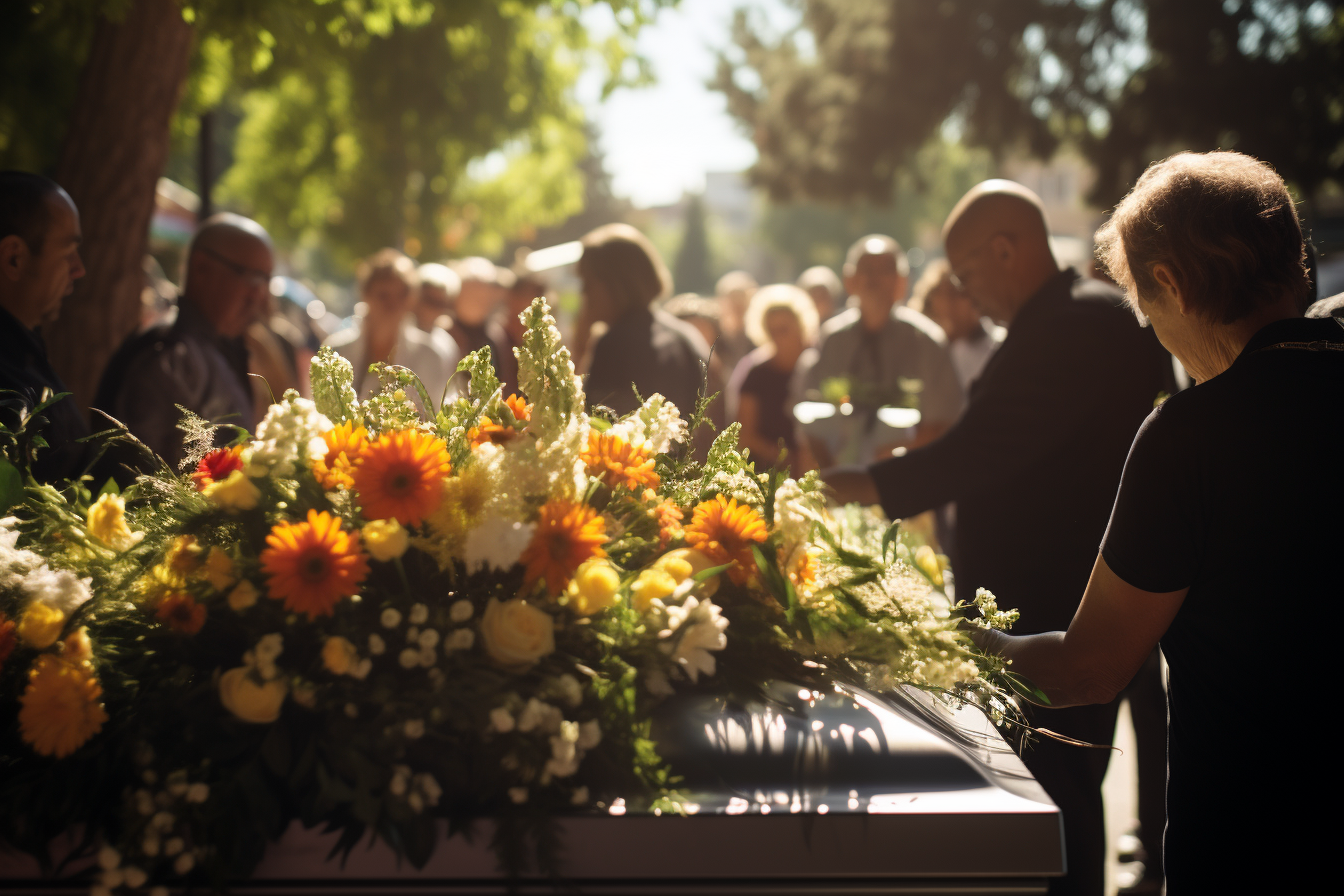
End of life care exists in Morocco but remains limited in scope, with palliative services concentrated in a handful of major urban centres and largely restricted to cancer patients. Expats are well advised to plan ahead: dedicated hospice facilities are virtually absent, there is no specific legal framework for advance directives, euthanasia is prohibited, and Islamic burial customs mean that funerals commonly take place within 24 hours of death. Comprehensive private health insurance is strongly recommended for all foreign residents.
| Item | Details |
|---|---|
| Palliative care availability (as of 2024) | Limited; units in regional oncology centres, primarily for cancer patients; concentrated in Casablanca and Rabat |
| Standalone hospices | No dedicated hospice facilities; palliative care delivered within hospital oncology units |
| Death registration deadline | Within 30 days for deaths in Morocco (civil status officer at place of death) |
| Burial timeline | Typically within 24 hours of death (Islamic tradition); non-Muslims may have more time with funeral home coordination |
| Cremation | Not permitted in Morocco |
| Repatriation of remains | Requires Moroccan death certificate, embalming certificate, and permission-to-transfer document; typically arranged through Compagnie Marocaine de Pompes Funèbres |
| Inheritance tax | Generally no inheritance tax between direct heirs, but notarial and administrative fees apply; Islamic succession law applies to Muslim estates |
What end of life care options are available in Morocco, and how does the system work?
Morocco’s healthcare system delivers end of life care principally through its network of public hospitals, with regional oncology centres serving as the main points of contact for patients facing life-limiting illnesses. The public sector, overseen by the Ministry of Health and Social Protection, operates alongside a private sector that offers more accessible and better-equipped facilities for those with sufficient financial means — a structure broadly comparable to tiered public-private healthcare models found in many parts of the world.
Morocco’s development of end of life and palliative services is notably constrained. There is an almost total absence of dedicated legislation and regulatory frameworks in this area, and despite incremental improvements in recent years, care remains fragmented and underdeveloped, with pronounced disparities in access depending on where a patient lives. Expats should not assume that the public system will be able to meet complex end of life needs, and should plan for private hospital care or repatriation well in advance of any crisis.
Home-based palliative care is effectively unavailable outside Casablanca and Rabat. Residents of smaller towns or rural regions face substantial obstacles in reaching any form of specialist end of life support, and the primary burden of care at home typically falls on the family.
What is palliative care in Morocco, and who is eligible for it?
Palliative care in Morocco is principally provided to cancer patients through the national oncology network. Following the introduction of the first National Cancer Prevention and Control Plan (PNPCC1) in 2010, palliative care was established as a distinct strategic priority alongside cancer prevention, early detection, and treatment.
Palliative care units have since been set up in seven regional oncology centres, four of which have mobile home-visit teams, in addition to both outpatient and inpatient services. This represents genuine progress, though eligibility in practice remains largely confined to oncology patients being managed within those centres.
Significant gaps remain, including the absence of a comprehensive legislative framework, a shortage of trained specialists, and inadequate coverage for patients with non-cancer life-limiting conditions. Those living with end-stage heart failure, chronic kidney disease, or advanced neurological illness currently have very limited access to formal palliative care through public channels. Expats in this situation are advised to explore private hospital options or contact the Moroccan Society of Palliative Care and Study of Pain for information on what services may be available to them.
Are there hospices in Morocco, and how do you access them?
Morocco currently has no dedicated standalone hospice facilities of the kind that exist in many other healthcare systems — for instance, the network of independently operated hospices in the United Kingdom, funded through a combination of NHS contracts and charitable contributions, or the residential hospice models prevalent across Western Europe and North America. Palliative and end of life care is instead provided within the oncology units of hospitals.
The Moroccan government has taken a number of meaningful steps in this area, but specialist palliative care units within public hospitals are found only in Casablanca and Rabat, and services are restricted to cancer patients. Access is typically granted through a referral from a treating oncologist within the public hospital network.
For patients without a cancer diagnosis, or for those living in cities lacking a palliative care unit, home care arranged informally through local healthcare providers becomes the primary — and often only — option. Expats are strongly encouraged to contact the Ministry of Health and Social Protection or consult their private insurer to identify the nearest appropriate facility for their particular condition and circumstances.
Is palliative or hospice care covered by public health insurance or the national health system in Morocco, or does it need to be funded privately?
Morocco’s mandatory public health insurance scheme, the Assurance Maladie Obligatoire (AMO), covers a range of hospital and medical services for registered employees and certain other categories of resident. Coverage for specialist palliative care, however, is limited and inconsistent in practice, which reflects the broader underdevelopment of the sector as a whole.
For the majority of expats — particularly those not formally employed by a Moroccan organisation and therefore not enrolled in AMO — treatment costs will typically be borne by private insurance. International private medical insurance (IPMI) policies frequently include provisions for palliative care and end of life hospital stays, but coverage for home-based palliative support or non-clinical comfort care is less reliably included. Expats should examine their policy carefully and discuss end of life care provisions directly with their insurer before such needs arise.
The RAMED scheme, which provides healthcare coverage to vulnerable lower-income Moroccan residents, does not generally extend to foreign nationals. Expats who have not obtained private insurance should do so without delay, or make advance arrangements for repatriation to a country where comprehensive care is available under a publicly funded system.
What legal documents should expats have in place before the end of life in Morocco — such as a living will, advance directive, power of attorney, or healthcare proxy — and how do these work?
Morocco has no specific legal framework for advance healthcare directives or living wills comparable to those established in many other countries. No dedicated legislation sets out the formal status or enforceability of such documents. This means that while a written expression of your wishes may carry considerable moral weight with family members and treating clinicians, it cannot be counted upon to carry the same legal force it would in many other jurisdictions.
Despite this, expats living in Morocco are strongly encouraged to prepare the following documents, ideally with the help of a Moroccan notary (notaire) and a lawyer conversant with both Moroccan civil law and the legal system of their home country:
- A general power of attorney (procuration générale): This authorises a named individual to act on your behalf in legal, financial, and administrative matters in the event of your incapacity. It must be notarised in Morocco to be valid with Moroccan authorities.
- A written statement of healthcare preferences: Although not legally binding under any specific statute, a signed and witnessed document setting out your treatment preferences — including wishes regarding resuscitation, life-prolonging interventions, and pain management — can meaningfully guide medical teams and family members, especially if shared with your doctor ahead of time.
- A last will and testament: A will covering your Moroccan assets should be drawn up through a Moroccan notary. Expats who also hold assets and maintain ties in another country should ensure their wills are coordinated across all relevant jurisdictions.
- Healthcare proxy instructions: Clearly identifying a trusted person to make healthcare decisions on your behalf — and communicating this to your treating physician and to the hospital — is advisable even where no formal legal mechanism exists to enforce such an appointment.
For current guidance on the legal standing of such documents, consult the Secrétariat Général du Gouvernement (Morocco’s government secretariat) or a licensed Moroccan notary.
Are documents such as advance directives or powers of attorney made in another country legally recognised in Morocco?
Morocco participates in the Hague Convention and has mechanisms for recognising foreign legal documents, but the position regarding advance healthcare directives specifically is not codified in Moroccan law. A foreign advance directive therefore carries no guaranteed legal standing in a Moroccan hospital or before a Moroccan court.
As a signatory to the Hague Apostille Convention, Morocco accepts documents bearing an apostille certificate without requiring further authentication for general legal purposes. This means that a power of attorney or equivalent formal legal instrument from another country can be apostilled in the country of origin and presented to Moroccan authorities — such as banks or notaries — and should ordinarily be accepted. However, practical enforceability in an urgent medical context — where a hospital may need to make treatment decisions at speed — remains uncertain given the absence of specific healthcare directive legislation in Morocco.
The most practical course of action is to have a fresh power of attorney drawn up by a Moroccan notary, even if an equivalent document already exists from your home country. For any foreign document you intend to rely upon, obtain an apostille, commission a certified translation into Arabic or French, and ensure copies are held by your treating physician, your designated proxy, and your country’s consulate in Morocco.
What are the laws around euthanasia or assisted dying in Morocco?
Both euthanasia and assisted dying are unlawful in Morocco. There is no legal route to either voluntary euthanasia or physician-assisted suicide. Moroccan law does not draw a meaningful legal distinction between active and passive euthanasia in this context, and Moroccan medical ethics — deeply shaped by Islamic principles — holds that the deliberate ending of a life is prohibited under any circumstances.
Healthcare professionals in Morocco are not permitted to administer treatment with the primary purpose of ending a patient’s life, and there is no legislative movement in Morocco comparable to the assisted dying laws introduced in certain other countries in recent years. Expats who hold strong views regarding end of life autonomy should be fully aware of this legal position and discuss their care preferences and options — including the possibility of repatriation — well before any medical emergency arises.
What are the local customs, traditions, and religious practices around death and dying in Morocco?
Morocco is an overwhelmingly Muslim country, and Islamic tradition and custom profoundly shape the way death, dying, and funeral rites are understood and observed. Familiarity with these customs is important for expats both as a matter of cultural sensitivity and for practical planning.
In Islamic belief, death is understood as a passage rather than a terminus, and great importance is placed on surrounding a dying person with prayer, recitation of the Quran, and the presence of family. A dying or recently deceased person is turned to face in the direction of Mecca (the Qibla), and at burial the remains are laid facing Mecca. Funerals take place on the day of death or as soon thereafter as possible.
Following death, the body is washed and wrapped according to Islamic rites (ghusl and kafan), funeral prayers are offered (Salat al-Janazah), and burial is carried out as swiftly as possible — ideally within 24 hours. Cremation is not practised within Islamic tradition and, as set out below, is not legally permissible in Morocco.
For non-Muslim expats, these timescales can present real practical difficulties. Non-Muslim foreigners are not subject to the same religious obligations, but the pace of the administrative process — including obtaining a death certificate and authorisation for burial or repatriation — means that families and embassies still face considerable time pressure. Establishing a relationship with a reputable international funeral director before any emergency arises is strongly recommended.
Mourning in Moroccan culture is characteristically communal. Friends, neighbours, and extended family gather at the home of the bereaved to offer condolences (ta’ziya), prayers are said collectively, and the family traditionally observes a period of mourning during which celebrations are set aside. Non-Muslim expats will not be directly bound by these customs, but an appreciation of them is helpful for engaging respectfully with the local community in the context of death and bereavement.
What must you do when someone dies in Morocco? Who do you notify, how quickly, and in what order?
When a death takes place in Morocco, a series of steps must be completed promptly. The process involves Moroccan civil authorities, medical professionals, and — for foreign nationals — the relevant consulate. The sequence below reflects standard procedure; in practice, several steps may proceed simultaneously.
- Obtain a medical certificate of death. A doctor must formally certify the death. If the person died in a hospital, the certifying doctor there issues this document. If death occurred at home, a doctor must be contacted immediately. Where any doubt exists about the cause of death, the authorities must be informed without delay. Post-mortems are normally conducted when the cause of death is not clearly natural, or in the case of a foreign national — the King’s Prosecutor will automatically request an autopsy to be carried out by forensic doctors appointed by the court.
- Notify the Civil Status Officer (officier d’état civil). Death notification must be registered with the Civil Status Officer within a time limit of 30 days for deaths occurring in Morocco, starting from the date of decease. Failure to notify within this period may result in a fine of MAD 300 to MAD 1,200 (under current Moroccan law). The notification is made at the Civil Status Office (état civil) of the local municipality (commune) or prefecture in the district where the death occurred.
- Notify your home country’s embassy or consulate. Contact your consulate as soon as possible. When someone dies in Morocco and the next of kin is abroad, Moroccan authorities will ordinarily inform the relevant consulate of the death of a foreign national. Nevertheless, do not wait to be contacted — taking the initiative significantly accelerates the process.
- Obtain the official Moroccan death certificate. Once death registration procedures have been completed, funeral arrangements may begin with the issuance of a burial authorisation submitted by the Community Health Protection Office or the competent social service. The heirs of the deceased are then entitled to a short or full copy of the death certificate from the Civil Status Office of the place of death.
- Contact a licensed funeral director. There is one local funeral company in Morocco with the legal standing to repatriate non-Muslim foreigners who die in Morocco: Compagnie Marocaine de Pompes Funèbres, which maintains branches in major cities. Contact them to arrange local burial in Morocco or to initiate repatriation procedures.
- Notify banks and financial institutions. Inform any Moroccan banks where the deceased held accounts. Financial accounts will typically be frozen pending estate administration. Obtain legal advice before any assets are moved.
- Engage a Moroccan notary or lawyer. For estate and inheritance matters, retain a notary (notaire) registered in Morocco as soon as practically possible to begin the estate administration process.
How is a death officially registered in Morocco, and what documents are needed?
Death registration in Morocco is handled by the Civil Status Office of the municipality or commune in which the death occurred. The process is governed by Morocco’s Civil Status Code and is a mandatory step before any funeral, burial, or repatriation can proceed.
The following documents are typically required to register a death:
- The medical certificate of death (certificat médical de décès), issued by the certifying doctor
- The family book (livret de famille) or the deceased’s identity and civil status booklet, together with the death certification or an administrative certificate following an investigation by the local authority
- The deceased’s national identity document or passport (for foreign nationals)
- The deceased’s residence permit (carte de séjour), where applicable
Once registration is complete, the Civil Status Officer issues a death certificate (acte de décès). This certificate is required for administrative purposes across public institutions and is also needed by the consulate and by any funeral director handling repatriation. Where a death certificate is to be used abroad, it will generally need to be apostilled and translated into the appropriate language by a certified translator.
What happens if a foreign national dies in Morocco — what are the specific steps for notifying their home country’s embassy or consulate, and what role does the consulate play?
When a foreign national dies in Morocco, their home country’s consulate assumes a central coordinating role. When someone dies in Morocco and the next of kin is abroad, Moroccan authorities will ordinarily notify the relevant embassy, and the consular team will do what they can to trace the next of kin as quickly as possible.
Even so, it is strongly advisable for family members or others already present in Morocco to contact the consulate directly rather than waiting for official notification. The consulate can typically assist with:
- Advising on local legal requirements for death registration and for burial or repatriation
- Supplying a list of recommended local funeral directors, lawyers, and translators
- Issuing country-specific consular death documentation — for example, the US Consulate in Casablanca prepares a Consular Report of Death of a US citizen abroad, which is accepted in the United States as the legal equivalent of a state death certificate, and is based on the Moroccan death certificate
- Helping to trace and notify next of kin
- Providing guidance on the repatriation of remains
Registering the death with your home country’s authorities is not always mandatory, but in some cases it is possible to apply for a consular death registration, which is not a substitute for the Moroccan death certificate. Check with your own country’s foreign affairs ministry for their specific requirements.
How are funerals typically arranged in Morocco, and what are the usual options for burial or cremation?
For Moroccan Muslims, funerals are arranged promptly and collectively, following Islamic rites. The body is washed and prepared by family members or community members of the same gender, wrapped in white linen, and conveyed to the mosque for funeral prayers before burial in a Muslim cemetery. The entire process typically unfolds within 24 hours of death.
For non-Muslim foreign nationals, the arrangements differ. A relative, next of kin, or formally appointed representative must instruct a local funeral director in Morocco or an international funeral director either to repatriate the remains or to arrange burial in Morocco — cremation is not permitted in Morocco.
Several cities, including Casablanca, Rabat, Tangier, and Marrakech, have non-Muslim cemeteries where foreign nationals may be interred. These contain Christian, Jewish, and international sections. The availability and remaining capacity of such cemeteries varies by location, so expats who wish to be buried in Morocco are advised to investigate this well in advance.
There is one local funeral company legally authorised to repatriate non-Muslim foreigners who die in Morocco: Compagnie Marocaine de Pompes Funèbres, which has branches in major cities and is equipped both to carry out repatriation procedures and to provide the specialist coffins and caskets required for the international carriage of human remains.
What are the approximate costs of a funeral in Morocco, and are there any state or insurance-based funds that can help cover them?
Funeral costs in Morocco vary considerably depending on the nature of the service, the city involved, and whether repatriation is required. For a straightforward local burial in Morocco, costs are substantially lower than in Western Europe or North America. A simple Muslim burial carried out through a mosque and local cemetery is typically very modest in expense. For non-Muslim foreigners, funeral home charges for local burial in a non-Muslim cemetery generally range from several thousand to tens of thousands of Moroccan dirhams (MAD), depending on the level of service selected (as of 2024 — verify current figures directly with Compagnie Marocaine de Pompes Funèbres or your chosen funeral director).
Repatriation of remains adds substantially to the overall cost. The all-in expenses of repatriation — encompassing embalming, a sealed casket, documentation, consular fees, and air freight — can range from approximately MAD 30,000 to MAD 80,000 or more (roughly €2,800–€7,500 at 2024 exchange rates), though costs vary widely. Always confirm current costs directly with the funeral director.
There is no state fund in Morocco specifically designed to assist foreign nationals with funeral expenses. However, the following sources of support may be available:
- International private health insurance (IPMI): Many comprehensive expat health insurance policies include a repatriation of remains benefit. Check your policy for the specific limit and any applicable conditions.
- Travel insurance: If the deceased was a visitor or short-term resident holding travel insurance, repatriation of remains is commonly covered.
- Employer assistance: Expats employed by international companies may have access to employee assistance programmes or group insurance schemes that include a repatriation benefit.
- Home country assistance: Some countries maintain limited consular assistance funds for nationals in genuine financial hardship, though these are typically a last resort and subject to strict eligibility criteria. Contact your consulate for details.
What is the process for repatriating the remains of a foreign national from Morocco to another country?
Repatriating remains from Morocco is a regulated procedure requiring the coordination of multiple parties: the funeral director, Moroccan civil and health authorities, the foreign consulate, and the authorities in the destination country. The complete process typically takes between one and two weeks, though complications such as a court-ordered autopsy can extend this considerably.
The principal steps are as follows:
- Obtain the official Moroccan death certificate from the Civil Status Office.
- Engage Compagnie Marocaine de Pompes Funèbres (or coordinate through your consulate), as they are equipped to manage repatriation and will liaise with the consulate and local authorities to arrange the necessary documentation, including the civil registry death certificate, a certificate of embalming, and a certificate granting permission to transfer the remains.
- Obtain a certificate of embalming (required for international transport of human remains by most airlines and by the vast majority of destination countries).
- Obtain a laissez-passer mortuaire (transport permit for human remains) issued by the Moroccan health authorities.
- Obtain the consular death certificate or equivalent document from your home country’s consulate.
- Arrange air freight through an airline approved to carry human remains; the coffin must meet IATA standards for international carriage.
- Comply with the destination country’s import requirements for human remains — this may include apostilled Moroccan documents, translated certificates, and advance notification to customs or health authorities in the receiving country.
If an autopsy has been ordered — as may occur automatically when the deceased is a foreign national or when the cause of death is unclear — it must be completed before embalming can take place, adding time to the overall process. Contact your consulate as early as possible to understand the precise requirements for your specific destination country.
What happens to the estate of someone who dies in Morocco — how does probate or estate administration work, and are there inheritance taxes?
Estate administration in Morocco proceeds through the civil court system and the notarial process. The law governing an estate depends on the nationality and religion of the deceased, as well as the nature and location of the assets involved. For Muslim Moroccan nationals, Islamic succession law — as set out in the Moroccan Family Code, or Moudawwana — applies. For foreign nationals, the situation is considerably more complex and may bring into play the laws of their home country as well.
In practical terms, the estate administration process for a foreign national who dies in Morocco typically involves:
- Retaining a Moroccan notary (notaire) to identify and value Moroccan assets
- Applying to the Court of First Instance (Tribunal de Première Instance) in the jurisdiction where the assets are situated to establish the succession
- Obtaining a certificate of inheritance (certificat d’hérédité or vocation successorale) identifying the legal heirs
- Transferring or liquidating Moroccan assets in accordance with the applicable succession rules
Morocco does not impose a general inheritance tax in the same manner as several European countries — there is no direct inheritance tax (droits de succession) between direct heirs (spouse, children, parents). Transfers of real estate, however, are subject to registration fees and notarial costs, which typically amount to a few percentage points of the property value. Verify current rates with a Moroccan notary, as these are subject to change.
For expats with assets in more than one country, obtaining legal advice in each relevant jurisdiction is essential. A Moroccan lawyer can work in coordination with legal counsel in the home country to ensure that all aspects of the estate are properly administered.
If an expat dies without a will in Morocco, what happens to their assets under local intestacy laws?
Where a foreign national dies intestate (without a will) in Morocco, the law applicable to their estate will be determined by factors including their nationality, their religion, and the type of asset in question — whether movable property or immovable (real estate). Moroccan courts generally apply the law of the deceased’s nationality to movable property, and Moroccan law to immovable property situated within Morocco.
For Moroccan immovable assets governed by Moroccan succession law, the rules differ fundamentally from intestacy provisions in many other legal systems. Under Moroccan Islamic succession law — applicable to Muslims — heirs receive fixed fractional shares of the estate (known as faraïd) determined by their relationship to the deceased. A surviving spouse, children, and parents each receive specified portions. It is important to note that non-Muslim relatives may be excluded from Islamic inheritance under certain interpretations of the Moudawwana.
For non-Muslim foreign nationals, where the succession to movable assets is governed by their home country’s law, those rules will be applied by a Moroccan court — but navigating this in practice demands expert legal assistance. The outcome can be a lengthy and costly process, particularly where the deceased held assets across multiple countries and left no clear will.
This underscores the critical importance of drawing up a valid will — ideally with the assistance of a Moroccan notary and in coordination with legal advisers in any other country where the expat holds assets. Preparing a valid will is one of the most valuable practical steps any expat living in Morocco can take to protect their estate and provide clarity for those left behind.
Frequently Asked Questions
Is foreign private health insurance accepted at Moroccan hospitals for end of life care?
Many private hospitals in Morocco’s principal cities do accept foreign private health insurance, though procedures differ between facilities. In most cases, you will need to present your insurance card and arrange a guarantee of payment (prise en charge) from your insurer before or at the point of admission. Public hospitals do not generally accept foreign insurance directly — costs are typically settled out of pocket and subsequently claimed back as reimbursement. Always keep your insurance documentation and your insurer’s emergency contact number readily accessible.
Are documents in languages other than Arabic or French valid in Morocco?
The official languages of Morocco are Arabic and Amazigh (Berber), while French is extensively used in legal and administrative settings. Documents in other languages — including English — are not treated as legally valid by Moroccan authorities unless accompanied by a certified translation into Arabic or French. For any significant document (power of attorney, advance directive, will), always commission a certified translation from a sworn translator (traducteur assermenté) authorised to practise in Morocco.
How long does the process of repatriating remains typically take?
Where no complications arise, repatriation typically takes between one and two weeks from the date of death. The steps that consume the most time include obtaining the official Moroccan death certificate, completing the embalming process, assembling the transport documentation (including the laissez-passer mortuaire), and coordinating with the consulate and airline. If an autopsy is required — which may occur automatically in the case of a foreign national — several additional days can be added to this timeline. Having repatriation insurance in place and a funeral director’s details to hand at the outset can significantly reduce delays.
What support is available to bereaved family members in Morocco?
Bereaved families can draw on practical support from a number of sources. Their home country’s embassy or consulate can assist with administrative procedures, provide lists of local lawyers and funeral directors, and help locate and notify next of kin. International funeral directors and relocation companies with experience in Morocco can also provide vital logistical support. On the emotional side, expat community groups and international churches or cultural organisations in cities such as Casablanca, Rabat, and Marrakech often offer informal support networks. Formal grief counselling in English or other languages besides Arabic and French is limited, so families may prefer to access remote counselling services available in their home country.
Can a non-Muslim expat be buried in Morocco rather than repatriated?
Yes. Non-Muslim expats may be buried in Morocco in dedicated non-Muslim cemeteries, which are found in several cities including Casablanca, Rabat, Tangier, and Marrakech. Cremation is not permitted anywhere in Morocco, making burial the only available local option. Families wishing to arrange local burial should contact Compagnie Marocaine de Pompes Funèbres and the relevant municipality to confirm whether space is available in a non-Muslim cemetery. As plot availability is not guaranteed, exploring this possibility well ahead of time is strongly advisable.
What happens if the deceased had a Moroccan bank account or property? Can family members access funds immediately?
No. Once notified of a death, Moroccan banks will typically freeze the accounts of the deceased pending formal succession proceedings. Family members cannot access funds simply by presenting a death certificate. A certificate of inheritance (certificat d’hérédité), ordinarily obtained through a notary or court, is required before accounts can be released or assets transferred. This process can take anywhere from several weeks to several months. It is therefore prudent for expats to ensure that a trusted family member or representative has access to separate emergency funds to cover immediate expenses — such as funeral costs — while the estate is being administered.
Does having a will from my home country mean my Moroccan assets will be distributed as I intend?
Not necessarily. A foreign will does not automatically have enforceable effect in Morocco with respect to Moroccan immovable assets (real estate). Moroccan courts will generally apply Moroccan law to property located in Morocco, which may include the Islamic succession rules of the Moudawwana where relevant. To ensure the greatest possible certainty, prepare a separate Moroccan will through a Moroccan notary that addresses your Moroccan assets specifically, and verify that it is consistent with any will you hold in your home country. Seek advice from a lawyer experienced in cross-border succession matters.
Is there any specialist organisation for palliative care in Morocco that expats can contact for advice?
The Moroccan Society of Palliative Care and Study of Pain is listed in the International Association for Hospice and Palliative Care (IAHPC) global directory and can serve as a useful starting point for expats seeking information on available palliative care services in Morocco. The WHO Eastern Mediterranean Regional Office (EMRO) also publishes guidance on palliative care developments across the region. For country-specific administrative enquiries, the Moroccan Ministry of Health and Social Protection is the primary official source of information.