

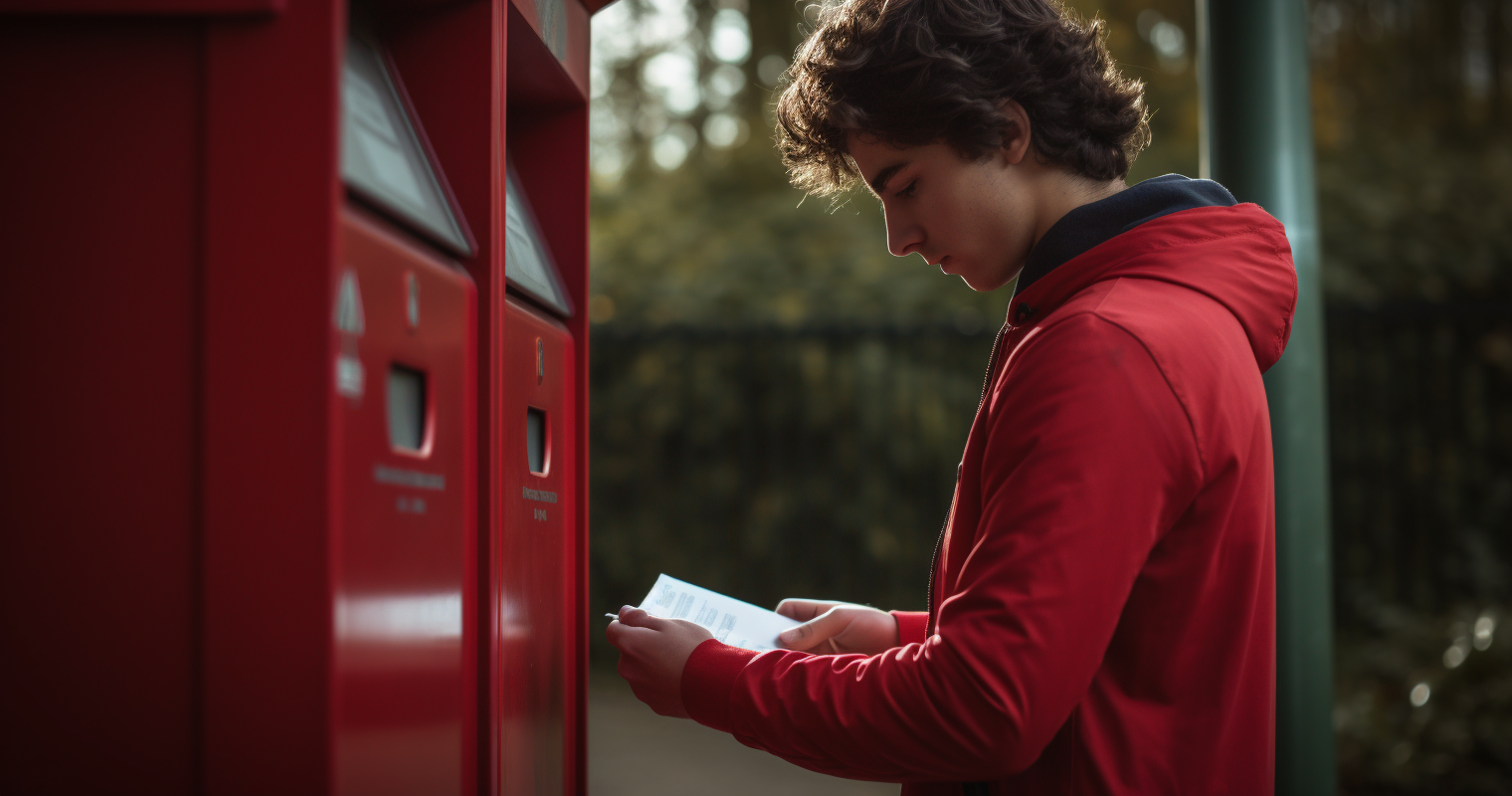
The Philippine Postal Corporation — better known as PHLPost — is the country’s government-owned national postal operator, managing a network of more than 1,200 post offices spread across the archipelago. A well-established private courier industry operates alongside it. Although PHLPost is obligated to serve all parts of the country, service quality can differ significantly from one location to another. Expats would do well to familiarise themselves with the realities of rural delivery, the customs process for incoming parcels, and the correct way to format and look up addresses.
| Item | Details |
|---|---|
| National postal operator | Philippine Postal Corporation (PHLPost) |
| Number of post offices | Over 1,215 nationwide (as of 2025) |
| ZIP code format | 4-digit numeric code (e.g. 1000 for Manila Central) |
| Postal ID fee | ₱550 regular / ₱650 rush processing (as of 2025) |
| Municipalities without a post office | 616 municipalities (as of end of 2024) |
| International mail customs | All inbound parcels subject to Bureau of Customs examination and potential duties — check customs.gov.ph for current rates |
What is the postal service in the Philippines and who are the main providers?
The Philippine Postal Corporation — operating under the name PHLPost, or the Philippine Post Office — is a government-owned and controlled corporation that falls under the Office of the President and holds responsibility for postal services across the entire Philippine archipelago. As the country’s designated universal service provider, PHLPost is legally required to serve all communities, regardless of how remote or commercially unviable they may be.
With a workforce exceeding 8,000 employees and more than 1,215 post offices in operation nationwide, PHLPost is headquartered at the landmark Manila Central Post Office at Liwasang Bonifacio, situated along the banks of the Pasig River. This structure mirrors arrangements seen in many other countries — such as La Poste in France or Deutsche Post in Germany — where a state-owned entity carries the universal service obligation while the wider market accommodates private competition.
PHLPost handles the delivery of correspondence, goods, merchandise, and payment services to Filipino communities throughout the island nation. In practice, however, the Philippine postal market functions as an open one: private courier and logistics companies operate freely beside PHLPost. Well-known international names such as DHL, FedEx, and UPS have a significant local presence, while homegrown operators including LBC Express, J&T Express, Ninja Van, and 2GO have carved out substantial market share — particularly in e-commerce fulfilment.
The roots of the Philippine postal system reach back more than two and a half centuries. Manila’s first post office opened in 1767, and the Philippines joined the Universal Postal Union on 1 January 1922 as a sovereign member. UPU membership grants the country access to international mail exchange agreements with postal operators around the world.
How fast and reliable is postal delivery in the Philippines?
Delivery times through PHLPost depend considerably on the chosen service tier, the specific origin and destination, and whether incoming items must pass through customs. PHLPost publishes a “Delivery Lead Time” calculator on its official website at phlpost.gov.ph, which senders can use to estimate how long a particular route is likely to take before handing over a letter or parcel.
Within the country, registered letters and standard parcels typically arrive within a few days for destinations within Metro Manila, while inter-island routes connecting Luzon, the Visayas, and Mindanao can take one to two weeks. PHLPost’s domestic express service (DEMS) caters to time-sensitive shipments and is designed to achieve faster turnaround — though expats should confirm current lead times directly with PHLPost before relying on it. For international express shipments, PHLPost advertises delivery to major destinations “within 5 working days,” while standard international options tend to run longer, with timelines influenced by available capacity, customs processing, and the distance to the destination.
Reliability has not been a consistent strength of the system by international standards. The country’s geography — an archipelago of roughly 7,640 islands grouped into three broad regional divisions — means that virtually all inter-island mail must cross water at some point, adding logistical complexity absent from continental postal networks. Urban centres such as Metro Manila, Cebu City, and Davao City generally benefit from more dependable and timely delivery, whereas provincial towns and outlying islands can experience longer waits and a greater incidence of items going missing.
Tracking capabilities have seen meaningful improvement in recent years. Registered mail and parcels dispatched through PHLPost can be monitored via the official tracking portal at tracking.phlpost.gov.ph. Standard unregistered letters carry no tracking at all, so for anything of value or importance, the modest extra cost of registered or express service is well worthwhile. Private couriers such as DHL and LBC Express generally offer superior tracking functionality and more predictable delivery windows, which is why many residents and expats turn to them for shipments that cannot afford to go astray.
What additional services are available at post offices in the Philippines?
Philippine post offices offer considerably more than mail delivery alone, functioning as broader community services hubs in a manner reminiscent of post office networks in countries like France, Japan, or New Zealand — all places where post offices double as outlets for financial and government transactions. The Philippines operates along comparable lines.
Through its Payment Center service, PHLPost enables customers to settle utility bills and other charges directly at post office counters — a particularly valuable facility in parts of the country where banking infrastructure is sparse. Money transfer services are also on offer at many branches, meeting the needs of the large overseas Filipino worker community whose families rely on remittances sent from abroad.
Among the most practically useful additional services for newcomers is the Postal ID. This PHLPost-issued government identification card is designed to verify a holder’s address for the accurate delivery of mail and parcels. It functions simultaneously as a Know Your Customer (KYC) instrument for both personal and institutional purposes and is recognised as a valid photo ID by Universal Postal Union member countries worldwide. For expats in the process of establishing local residency, the Postal ID can prove genuinely helpful. The Department of Foreign Affairs reaffirmed in November 2024 that it accepts the Postal ID for passport applications and related transactions. Application fees stand at ₱550 for standard processing or ₱650 for rush processing (as of 2025). Regular applications are typically ready for collection within 10 to 15 working days, either at the issuing branch or delivered by mail; rush processing may allow same-day or next-day release at selected offices.
PHLPost also maintains an active philatelic programme for stamp collectors, and certain branches serve as access points for transactions with other government agencies. The range of services on offer varies from branch to branch, so it is worth checking with your nearest post office to find out exactly what is available locally.
Does the postal service deliver to every address in the Philippines?
Door-to-door delivery is far from universal in the Philippines, and this is among the most significant practical considerations for expats living outside main urban centres. As of late 2024, a total of 616 municipalities have no established post office within their boundaries. Residents of these areas cannot receive mail through standard home delivery arrangements.
Where no local post office exists, people typically travel to the nearest serving branch in a larger town or city to collect their mail. PO boxes are available at most main post offices and enjoy widespread use among residents who want a dependable, fixed collection point — an arrangement that works particularly well for expats in areas where consistent street addressing is lacking. It is also worth noting that the majority of local residents neither routinely use ZIP codes nor know how to apply them when addressing domestic mail, meaning codes are frequently left off entirely. This omission can cause sorting difficulties and misrouting, making it all the more important for expats to include the correct code when sending mail.
In an effort to reach communities not served by fixed post offices, PHLPost offers mobile capturing services that bring on-site ID application and issuance capabilities to remote locations. Even so, regular parcel delivery to far-flung and island communities remains unreliable in many cases.
Expats residing outside major cities — especially on smaller islands, in elevated barangays, or in newly developed districts — are strongly encouraged to arrange a PO box at their nearest PHLPost branch or to rely on a private courier company with a broader delivery footprint. Operators including J&T Express, Ninja Van, and LBC Express have extended their reach into many provincial areas and often deliver more reliably to the door than PHLPost in those localities.
How do you write a postal address in the Philippines?
Philippine address formatting follows a recognisable general logic, but the specific sequence of elements differs enough from conventions in other countries to catch newcomers off guard. The Universal Postal Union’s official addressing guidelines for the Philippines specify that the postal code should appear before the locality name — a convention that differs from many European countries, where the postcode typically follows the city.
The standard format recommended by PHLPost for a street address is:
- Name of recipient
- House/unit number and street name, followed by the barangay (district) name
- Four-digit ZIP code, followed by the city or municipality name
- Province (where applicable, written on the same or next line)
- PHILIPPINES (for international mail, written in capitals)
A correctly formatted address for a Metro Manila location would look like this:
Maria Santos
123 Rizal Avenue, Barangay San Miguel
1005 MANILA
PHILIPPINES
For addresses outside Metro Manila, the province is included. For example:
Jose Reyes
45 National Road, Barangay Poblacion
6000 CEBU CITY
Cebu
PHILIPPINES
The four-digit postcode sits to the left of the city or province name, which differs from the convention in several other countries where the postcode comes after the city. PHLPost emphasises that correct use of ZIP codes aids the letter-sorting process and reduces the likelihood of misrouting. Despite this guidance, many senders continue to leave the code off, so including it gives your mail the strongest chance of reaching its destination promptly and without incident.
How do you find or look up a postcode in the Philippines?
Philippine ZIP codes are four-digit numbers, each representing a specific locality. The first two digits correspond to a province or major geographic grouping, while the final two digits identify a particular municipality or district within it. This structure is broadly similar to postal code systems in other countries, where the leading digits point to a wide geographic area and the remaining digits home in on a more localised one.
Within Metro Manila, the capital region, postal codes fall in the 04xx to 17xx range, with individual codes assigned to each city and district. Codes for the rest of the country are allocated on a regional basis that runs broadly from north to south across the archipelago. Some Metro Manila areas have more than one code covering distinct sub-districts.
Although including a ZIP code is not legally mandatory, PHLPost strongly encourages its use. A bill currently before the House of Representatives would extend the ZIP code format from the existing four-digit numeric system to a seven-character alphanumeric code that more precisely encodes the region, city, and barangay. Anyone managing significant volumes of mail or setting up a business address in the Philippines should keep an eye on this proposed change.
The most straightforward way to find a postcode is through PHLPost’s own ZIP Code Locator, accessible at phlpost.gov.ph/zip-code-locator. The tool lets you search by region, province, city, or municipality to retrieve the correct code. If the official tool is temporarily unavailable, third-party databases such as philippineszipcode.com offer a searchable alternative — though you should always cross-check results against the PHLPost tool to be certain of accuracy.
What should expats know about sending and receiving international mail and parcels in the Philippines?
PHLPost offers a range of options for sending items overseas, including International Express Mail (IEMS), International Registered Mail, and standard airmail. Its international express service targets delivery “within 5 working days” to major destinations, while standard postal channels typically take longer depending on available capacity and customs handling. For the most time-sensitive or high-value shipments, private couriers such as DHL, FedEx, and UPS provide more reliable international transit times. Current postage rates are subject to change and should be verified at the PHLPost website before dispatching items.
When sending items overseas through PHLPost, senders must accurately complete standard customs declaration forms — the CN22 for lower-value items and the CN23 for goods of higher value. These forms require clear information on the item description, quantity, weight, declared value, purpose, and country of origin. Incomplete or inaccurate declarations are among the most frequent causes of delays and customs holds for outbound mail.
All international parcels arriving in the Philippines pass through customs inspection. Recipients may be required to pay duties, taxes, and associated fees before items are released for delivery. PHLPost and the Bureau of Customs (BOC) jointly process and assess customs duties for all incoming parcels at the Central Mail Exchange Center (CMEC) for air arrivals and the Surface Mail Exchange Department (SMED) for sea arrivals.
Customs clearance targets are set at 24 hours from arrival for Express Mail items, 48 hours for registered mail and small packets, and 72 hours for air parcels and surface mail — except where items are flagged for further examination. In practice, delays beyond these targets are not uncommon, particularly during busy periods. The Bureau of Customs website should be consulted for up-to-date information on duty thresholds, restricted goods, and import procedures, as these rules are updated frequently.
One recent development that underscores how international postal services can be disrupted by geopolitical events: in August 2025, PHLPost indefinitely suspended deliveries to the United States in response to tariffs imposed by the Trump administration, before resuming mail and document delivery to the US in September 2025. This episode is a useful reminder to check for current service advisories on the PHLPost website before dispatching any time-sensitive international items.
Are there any known issues or practical tips for using the postal service in the Philippines?
A number of recurring challenges await expats engaging with the Philippine postal system. Knowing about them in advance — and understanding the available solutions — can prevent a good deal of unnecessary stress.
Lost or undelivered mail: Unregistered items going missing is a recognised problem. Anything important should be sent as registered mail or entrusted to a tracked private courier. Mail containing goods — particularly dutiable items — is subject to customs examination and may require additional processing time. For genuinely critical documents, experienced residents consistently advise using DHL or another premium international courier rather than routing items through the standard postal service.
Receiving parcels without a recognised local address: In areas lacking consistent street addressing, taking delivery of parcels can be problematic. Opening a PO box at your nearest PHLPost branch resolves this by giving you a formal and consistent address for incoming deliveries. Availability of PO boxes differs by location, so it is best to enquire directly at your local post office.
Customs charges on incoming packages: It is important for the public to understand that all mail and parcels may be subject to customs examination, duties, taxes, and other fees. Expats receiving gifts or online purchases from abroad are sometimes caught off guard by duty assessments. When using private couriers, be aware that additional brokerage and documentation fees are charged by the carrier on top of any government-imposed duties — these handling charges can be substantial and are typically payable by the recipient upon delivery.
Phishing scams: PHLPost has issued warnings to the public about phishing attempts by individuals fraudulently using the PHLPost name, logo, and agency details. Access PHLPost services exclusively through the official website at phlpost.gov.ph and independently verify any delivery notifications before clicking on links or submitting payment online.
Getting a Postal ID: For expats in the process of establishing a local address, the PHLPost Postal ID is a practical document to obtain. It integrates with modern postal technologies including the 7-digit ZIP Code PH system and the Kartero App for tracking and delivery verification. As a formally recognised government-issued ID, it can simplify a range of administrative tasks during your time in the country.
Language: PHLPost operates in both Filipino and English, and most post office staff in urban locations have a working command of English. In rural areas, Tagalog or a local regional language may be more predominant. Writing out your address clearly and correctly in advance — including the four-digit ZIP code — helps staff process your mail efficiently and accurately, regardless of any language differences.
Frequently asked questions
What is PHLPost?
PHLPost, also referred to as the Philippine Post Office, is a government-owned and controlled corporation under the Office of the President, charged with delivering postal services throughout the Philippines. It serves as the country’s national universal service provider and administers the official post office network.
How do I track a PHLPost parcel?
Registered mail and parcels dispatched via PHLPost can be monitored through the official tracking portal at tracking.phlpost.gov.ph. Simply enter your tracking number to check the current status of your item. Bear in mind that standard unregistered letters cannot be tracked — for anything of value or importance, always choose registered or express service.
What is the format of a Philippine ZIP code?
Philippine ZIP codes consist of four digits representing a specific locality. The first two digits identify the province or broader regional grouping, while the final two digits pinpoint a particular municipality or district. When writing an address, the ZIP code is placed to the left of the locality name.
Can I apply for a Postal ID as a foreigner living in the Philippines?
The PHLPost Postal ID is primarily intended for residents of the Philippines as a means of verifying their address. Foreign nationals with a valid local address may be eligible to apply — consult the current application requirements on the PHLPost website or visit the nearest capturing post office branch, as eligibility criteria and documentary requirements can change. Standard processing typically takes 10 to 15 working days (as of 2025).
Will I have to pay customs duties on parcels sent to me from abroad?
All international mail and parcels arriving in the Philippines are subject to examination by the Bureau of Customs, and recipients may be required to pay duties, taxes, and other fees before items are released for delivery. The amount owed depends on the declared value and category of goods involved. For current duty rates and de minimis thresholds, consult the Bureau of Customs website, as these figures are revised periodically and can substantially affect the overall cost of receiving goods from overseas.
Is mail delivered to rural and island areas of the Philippines?
As of the end of 2024, some 616 municipalities across the country have no post office within their boundaries. Door-to-door delivery is therefore not available in these locations. Expats and residents in such areas typically collect their mail from the nearest post office in a larger neighbouring town, or maintain a PO box. Private couriers have extended their provincial networks and may provide more reliable coverage in certain rural areas.
What private courier alternatives are available in the Philippines?
The private courier sector in the Philippines is mature and competitive. International operators with a well-established local presence include DHL, FedEx, and UPS, which are widely recommended for sending or receiving important documents and parcels internationally. Domestic carriers such as LBC Express, J&T Express, Ninja Van, and 2GO serve a broad range of urban and provincial destinations and handle a large share of e-commerce deliveries. For time-sensitive or high-value shipments, private couriers generally deliver more consistent tracking and more predictable outcomes than the standard PHLPost service.
Where can I find a list of PHLPost branch locations?
PHLPost maintains an official post office locator on its website at phlpost.gov.ph under the “Post Office Location” section. With more than 1,215 branches operating nationwide across all regions of the archipelago, the online search tool allows you to locate your nearest office by region or province.