

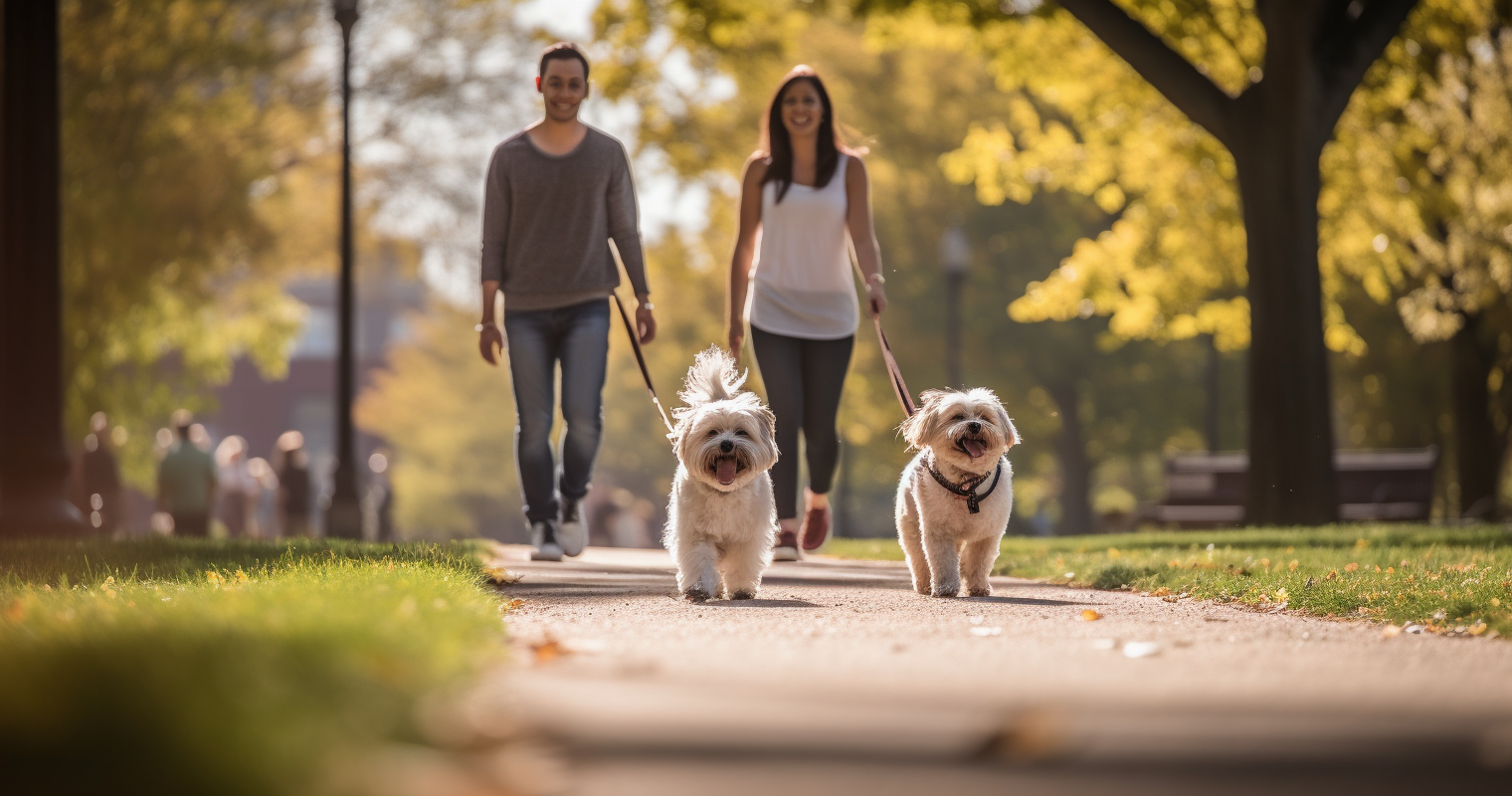
Singapore is a tightly regulated, densely built city-state where pet ownership — especially of cats and dogs — has expanded considerably in recent years, underpinned by formal licensing frameworks, strong animal welfare legislation, and an active community of rescue organisations. Although companion animals are increasingly regarded as integral members of the household, the country’s rich cultural and religious diversity means attitudes toward animals, dogs in particular, differ from one community to another. Expats planning to bring or adopt a pet should become familiar with Singapore’s licensing requirements, import protocols, and community sensitivities before doing so.
| Item | Details |
|---|---|
| Governing authority | Animal & Veterinary Service (AVS), a cluster of the National Parks Board (NParks) — nparks.gov.sg/avs |
| Cat licensing (as of 2024) | Mandatory for all cats from 1 September 2024; up to 2 cats allowed in HDB flats |
| Dog rules (HDB, as of 2024) | One dog per flat, approved breeds only; specified/restricted breeds must be muzzled in public |
| Off-leash fine (as of 2024) | Up to S$5,000 for walking a dog off-leash in public |
| Animal cruelty penalty (as of 2024) | Up to S$15,000 fine and/or 18 months’ imprisonment for first offence |
| Pet import lead time | Allow 4–6 months from start of process; import permit required from AVS before travel |
What are the general attitudes toward pets and animals in Singapore?
The number of households keeping pets in Singapore has risen steadily over recent years, and prevailing attitudes increasingly resemble those found across much of East Asia and Europe, where cats and dogs are cherished companions rather than mere possessions. Local media routinely employs the affectionate term “paw-rents” to describe pet owners, capturing a broader cultural shift toward viewing animals as dependants worthy of genuine care.
In contrast to parts of Southeast Asia where street dogs are commonplace and animals are often kept for practical purposes such as guarding, Singapore’s urban character means virtually all pets live indoors within flats or private residences. Despite its compact size and exceptionally high population density, Singapore is internationally recognised as one of the world’s greenest cities — ranking first in the Green Cities Index in Asia — a distinction owed to sustained government efforts weaving nature into the built environment. Wildlife such as otters, monitor lizards, and long-tailed macaques appears regularly in public green spaces, where such animals are afforded protection rather than treated as nuisances.
Because Singapore is entirely urban with no rural hinterland, the urban-versus-rural split in attitudes toward animals that characterises countries such as Australia or France simply does not exist here. What does shape attitudes considerably, however, is the diverse mix of religious and cultural traditions — particularly Islamic and Buddhist backgrounds — that influences how individual residents relate to certain animals in daily life. These considerations are addressed in greater depth in the cultural sensitivities section below.
What laws and regulations govern pet ownership in Singapore?
Pet ownership in Singapore operates within a comprehensive legal framework, with the Animals and Birds Act serving as the principal piece of legislation governing owner responsibilities, breeding standards, importation, and animal care. The Animal & Veterinary Service (AVS), a cluster of the National Parks Board (NParks), is the primary regulatory authority overseeing both animal health and welfare and broader public health and safety considerations. The official AVS website at nparks.gov.sg/avs is the authoritative source for current requirements and fees.
Licensing
Every cat and dog kept as a pet in Singapore must be registered through the Pet Animal Licensing System (PALS), an online platform that enables animals to be traced in the event of a disease outbreak. From 1 September 2024, first-time applicants for either a cat or dog licence must complete an online pet ownership course covering the essentials of animal care and responsible ownership before a licence is granted. Current licence fees are subject to periodic revision and should be confirmed directly on the AVS website.
Cats in HDB flats
Following the lifting of a 34-year prohibition, residents may now keep up to two cats in HDB flats and up to three cats in private condominiums, a change that took effect on 1 September 2024. All cat owners in both HDB and private properties are required to licence their cats from that date. A transitional period running from 1 September 2024 to 31 August 2026 accommodates those who were already keeping more cats than the new limits permit.
Dogs in HDB flats
Only one dog may be kept per HDB flat, and that dog must belong to a breed featured on the HDB-approved list. Certain breeds, designated “Specified Dogs” under the Animals and Birds Rules 2024, are regarded as carrying a higher potential for dangerous behaviour and are subject to additional requirements including specialist training and compulsory muzzling in public areas. While private property owners may keep one specified dog, HDB residents are prohibited from keeping any breed on this list. Residents of private condominiums should also check with their Management Corporation Strata Title (MCST) regarding any building-specific policies that may impose further restrictions.
Leash laws and public behaviour
Dogs must be kept on a leash at all times when in public areas. Walking a dog off-leash is a criminal offence carrying a fine of up to S$5,000 (as of 2024). Specified breeds including the Bull Terrier, Doberman Pinscher, and German Shepherd are additionally required to wear muzzles in public. Failure to muzzle a breed subject to this requirement attracts a fine of up to S$5,000 for a first offence and up to S$10,000 for repeat offences.
Containment and safety of cats
Owners must ensure their cats are housed securely, including by installing mesh, grilles, screens, or equivalent barriers to prevent cats from roaming freely or falling from height — a particularly important precaution in Singapore’s high-rise residential environment.
Prohibited and exotic pets
Singapore enforces restrictions on pet ownership through both the Wildlife Act and the Animals and Birds Act, primarily to safeguard public safety, protect native biodiversity, and prevent illegal wildlife trafficking. Ferrets are banned on biosecurity grounds, while most snakes, iguanas, and monitor lizards are prohibited owing to their specialist care requirements and inherent safety risks. HDB residents are permitted to house dogs, cats, small mammals such as rabbits, mice, hamsters, and gerbils, birds, and certain reptiles and amphibians including specified frog and turtle species. Prospective owners should always verify which species are currently permitted with AVS before acquiring any animal.
Are there animal welfare laws in Singapore, and how are they enforced?
Protections for animals against cruelty and neglect are embedded within the Animals and Birds Act, under which AVS has issued a Code of Animal Welfare applicable to the pet industry. The complete text of the Animals and Birds Act is publicly accessible via Singapore Statutes Online.
Section 41C of the Act imposes a positive duty of care, requiring anyone who owns or has charge of an animal — whether on a temporary or permanent basis — to provide for it in accordance with the Codes of Animal Welfare issued by AVS. This duty explicitly includes the provision of adequate and appropriate food, fresh water, and suitable shelter.
Penalties for cruelty and neglect
Anyone convicted of animal cruelty under the current Animals and Birds Act faces a fine of up to S$15,000 and/or imprisonment of up to 18 months for a first offence, rising to a fine of up to S$30,000 and/or imprisonment of up to 3 years for subsequent offences. The penalties are substantially more severe where cruelty is perpetrated in the context of an animal-related business: first offenders in such cases face fines of up to S$40,000 and/or up to 2 years’ imprisonment, with repeat offenders liable for fines of up to S$100,000 and/or up to 3 years’ imprisonment.
Courts may also impose disqualification orders under Section 43B(1), barring individuals from owning animals for periods of up to 12 months. Breaching such an order carries a fine of up to S$5,000 and/or imprisonment of up to 6 months. In contrast to some neighbouring countries where animal cruelty legislation exists in theory but is seldom applied in practice, Singapore maintains a comparatively strong enforcement record, with AVS actively investigating complaints and pursuing prosecutions.
Code of Animal Welfare
The Code of Animal Welfare sets out the minimum standards for housing, management, and care that pet owners are expected to meet. Evidence of non-compliance with these standards may be cited in legal proceedings to demonstrate that an animal’s welfare has been compromised and to support a prosecution under the Animals and Birds Act. The Code is freely available on the AVS website.
What animal welfare charities and rescue organisations operate in Singapore?
Singapore hosts a lively ecosystem of animal welfare organisations, from the long-established national SPCA to numerous volunteer-driven rescue groups. For expats considering giving a home to a rescue animal rather than purchasing from a pet shop, these organisations are an excellent starting point.
- SPCA Singapore (Society for the Prevention of Cruelty to Animals) — Singapore’s oldest and most prominent animal welfare body, operating an animal shelter, rehoming services, a low-cost veterinary clinic, and anti-cruelty advocacy campaigns. Visit spca.org.sg for adoption listings and volunteer opportunities.
- SOSD (Save Our Street Dogs) — A charity dedicated to rescuing, rehabilitating, and rehoming Singapore’s street dogs, commonly known as Singapore Specials or local mixed breeds. SOSD also campaigns for humane approaches to stray management. Visit sosd.org.sg.
- Causes for Animals (Singapore) — A registered charity providing rescue, rehabilitation, fostering, and adoption services for stray and abandoned animals. Visit causesforanimals.com.
- Action for Singapore Dogs (ASD) — Focused on rescuing Singapore Special dogs from streets and shelters and securing permanent homes for them, alongside education and sterilisation outreach programmes. Visit asdsingapore.com.
- Cat Welfare Society (CWS) — Advocates on behalf of community cats and manages Trap-Neuter-Return-Manage (TNRM) programmes throughout Singapore, making it a key resource for residents near community cat colonies. Visit catwelfare.org.
- Exclusively Mongrels — Concentrates specifically on rehoming local mixed-breed dogs and promoting responsible, breed-neutral adoption practices.
- MercyLight Animal Rescue & Sanctuary — A no-kill sanctuary providing long-term care for animals that prove difficult to rehome due to age, health conditions, or temperament.
Organisations including Action for Singapore Dogs, Causes for Animals (Singapore), Exclusively Mongrels, MercyLight, SOSD Singapore, and the SPCA all operate as recognised rehoming partners under the AVS framework. Expats who adopt through any of these channels may be eligible for a reduced licence fee: to qualify for the discounted rate of S$15 for a cat or dog, the applicant must present an adoption letter confirming the animal originates from one of AVS’s recognised rehoming partners (as of 2024).
What should expats know about bringing a pet into Singapore?
Singapore treats biosecurity with exceptional seriousness. AVS notes that the country has been free of rabies since 1953 and credits rigorous import controls with maintaining that status. The process of importing a dog or cat is detailed and demands considerable lead time — the end-to-end process can span 4–6 months, so preparations should begin as early as possible, with early vet visits and any necessary quarantine arrangements confirmed well in advance. Rules in this area are revised periodically, so always check the latest requirements directly on the AVS import page before making travel arrangements.
Step-by-step import process for dogs and cats
- Obtain an ISO-compliant microchip. Your dog or cat must be microchipped in compliance with ISO Standard 11784 or ISO Standard 11785 Annex A. The microchip number must appear in all vaccination and treatment records, and implantation must take place before the rabies vaccination is administered.
- Administer required vaccinations. Evidence of a current rabies vaccination is mandatory for imports from all countries other than Schedule I jurisdictions. All dogs must additionally be vaccinated against canine distemper, hepatitis, and parvovirus. All cats must be vaccinated against cat flu and cat enteritis.
- Carry out a Rabies Antibody Titre Test (RATT/RNATT). This test must be conducted at least 30 days after the rabies vaccination. The result must exceed 0.5 IU/ml and remains valid for 12 months for the purpose of entry into Singapore.
- Determine your country’s schedule category. Singapore classifies source countries into three schedules: Schedule I (a small group including Australia, New Zealand, the Republic of Ireland, and the United Kingdom), Schedule II (a broader list of controlled-risk jurisdictions, explicitly including the USA), and Schedule III (all countries not listed under Schedule I or II). Your schedule governs the veterinary conditions and quarantine obligations that apply to your pet.
- Apply for a dog licence (if applicable). For dogs, the owner or appointed agent must obtain a dog licence before applying for the import licence. Both licences must be submitted at least 30 days prior to arrival.
- Apply for an import permit from AVS. An import permit issued by AVS must be in hand before the pet travels to Singapore. For cats, the owner or agent must submit the import licence application at least 30 days before arrival.
- Obtain a health certificate from a government-approved veterinarian. This certificate must be issued within seven days of export and endorsed by an official government veterinarian in the country of origin.
- Book an inspection appointment. AVS veterinary officials must be notified at least five days before the pet’s arrival and will inspect both the animal and its documentation upon landing.
- Comply with any quarantine requirements. For Schedule II countries, quarantine on arrival is not always obligatory. Where it is required, a minimum 10-day home quarantine applies for personal import licences. Commercial pet shipments must complete a 10-day stay at an Animal Quarantine Centre (AQC); advance booking is essential given limited capacity.
Breed restrictions on import
The following breeds and their crosses are prohibited from import into Singapore: Pit Bull (encompassing the American Pit Bull Terrier, American Staffordshire Terrier, Staffordshire Bull Terrier, and American Bulldog), Neapolitan Mastiff, Tosa, Akita, Dogo Argentino, Boerboel, Fila Brasileiro, Perro de Presa Canario, and Bengal and Savannah cat crosses of the 4th generation and below. Owners of any of these breeds should seek specialist guidance from a qualified pet relocation service as early as possible before their move.
Where can expats buy pet food, supplies, and veterinary care in Singapore?
As a well-stocked cosmopolitan city, Singapore offers expats ready access to a broad range of pet products and veterinary services of a high standard. Prices tend to reflect the country’s elevated overall cost of living, but quality is reliably good across the board.
Pet retail and supplies
Several significant retail chains serve pet owners across the island, including Pet Lovers Centre — one of Southeast Asia’s largest and most established pet retail networks, with outlets spread across Singapore stocking food, accessories, grooming products, and live animals. Kohepets and Pawmeal are well-regarded online retailers delivering throughout Singapore, and both carry premium and specialist pet food labels that may not feature prominently in physical stores. Mainstream supermarkets including NTUC FairPrice and Cold Storage also stock a reasonable selection of standard pet food brands.
While brick-and-mortar retailers have historically favoured mainstream brands, the online market has expanded the range of available options considerably, including organic, grain-free, and raw food diets of the kind that are mainstream in many parts of continental Europe. Import costs mean that premium international labels are frequently more expensive in Singapore than in their country of origin, so it is worth factoring this into your relocation budget.
Veterinary care
Veterinary clinics are well distributed across Singapore’s residential neighbourhoods, with international-standard practices available throughout the city and emergency veterinary services accessible when needed. All pet shops must hold a licence from AVS, obtained through a process that includes mandatory staff training in animal welfare and management; the same licensing rigour applies to veterinary clinics. The SPCA operates a subsidised veterinary clinic available to lower-income pet owners, which can also benefit expats with tighter budgets. Consultation and surgical fees in Singapore are broadly comparable to those in other developed urban centres, and given the potential costs involved, taking out pet health insurance before or shortly after arrival is strongly advisable. A number of both international and Singapore-based insurers offer suitable cover.
Are there cultural taboos, sensitivities, or religious considerations around specific animals in Singapore?
Singapore is a multi-ethnic, multi-religious society in which Chinese, Malay, Indian, and Eurasian communities coexist closely. This diversity produces a range of attitudes toward animals that expats — particularly those with dogs — should understand and respect in everyday life.
Dogs and Islam
Around 15% of Singapore’s population is Muslim, predominantly of Malay heritage. Within Islamic tradition, dogs are generally regarded as najis (ritually impure), and contact with a dog — especially its saliva — necessitates ritual purification. This does not translate into hostility toward dogs, but it does mean that allowing a dog to jump up at, lick, or encroach uninvited upon a person who has not indicated willingness to interact is something dog owners should be especially vigilant about. When exercising your dog in areas with sizeable Muslim populations — such as Geylang Serai, Kampong Glam, or the surroundings of mosques — keep your dog on a short lead and maintain a respectful distance from others. Dogs should not be taken onto the grounds of mosques or their immediate surroundings.
Cats and community animals
Cats enjoy broadly positive regard across all of Singapore’s communities. Free-roaming community cats, cared for by resident feeders, are a familiar and largely accepted feature of urban life, and causing harm to or displacing them is both socially disapproved of and, in certain circumstances, legally actionable.
Animals in Chinese cultural tradition
Singapore’s majority Chinese community, comprising roughly 75% of the population, brings with it a range of cultural associations with animals. Many animals carry symbolic significance within the Chinese zodiac — the dragon, horse, and rabbit, for instance, are widely considered auspicious. Fish, particularly goldfish and arowana, are popular both as pets and as decorative elements in homes and businesses, associated in Chinese culture with prosperity and good fortune. The arowana is so highly prized that Singapore functions as a major centre for the international arowana trade, though all transactions must comply with CITES regulations.
Wildlife and protected species
Under the Wildlife Act, intentionally feeding, releasing, killing, trapping, or keeping any wild animal without prior written authorisation from the relevant authorities is prohibited. Feeding wildlife — including macaques, wild boar, and birds of prey — is an offence carrying financial penalties. This is especially relevant for expats from countries where informal wildlife feeding is customary, as the same behaviour is firmly prohibited in Singapore.
What is the situation regarding stray or feral animals in Singapore?
In contrast to many other Southeast Asian cities where roaming street dogs are an everyday sight, Singapore has largely eradicated the problem of straying dogs through decades of systematic intervention. The situation with community cats is quite different, however, and considerably more visible to residents and newcomers alike.
Community cats
Singapore manages its community cat population chiefly through Trap-Neuter-Return-Manage (TNRM) programmes, eschewing culling in favour of humane, long-term population stabilisation. The Cat Welfare Society coordinates much of this work alongside AVS, with networks of volunteer caregivers managing colonies in residential neighbourhoods. This approach shares broad similarities with TNR initiatives in countries such as Italy and the Netherlands and is widely accepted by both the public and the authorities as the most effective and ethical strategy available.
Dogs — Project ADORE
Project ADORE (Project on ADOption and REhoming of dogs) is a joint initiative by HDB and AVS, run in partnership with welfare organisations, designed to facilitate the rehoming of medium-sized local mixed-breed dogs — often called Singapore Specials — in HDB flats, thereby reducing the number of animals on the streets. The scheme reflects a deliberate policy commitment to humane population management over punitive approaches.
Rabies status and health considerations
Singapore has been rabies-free for more than six decades, and stringent controls on animal imports are maintained to preserve that status. There is accordingly no rabies risk from community animals within Singapore itself. Nonetheless, animals that have entered the country illegally are of unknown health status, and rabies remains the primary concern in such cases. Expats should avoid handling any animal that appears unwell or distressed, and should consult a physician without delay if bitten or scratched by any animal. For the most current guidance on animal-related health risks, refer to the Ministry of Health Singapore or the WHO Singapore country office.
Frequently asked questions
Can I keep any breed of dog in my HDB flat?
No. Only one dog from the official HDB-approved breed list may be kept in an HDB flat. Breeds designated as Specified Dogs under the Animals and Birds Rules 2024 are entirely prohibited in public housing, though private property owners may keep one such dog. Consult the full approved breed list at hdb.gov.sg before acquiring a dog, particularly if you will be living in public housing.
Do I need to microchip my pet before bringing it to Singapore?
Yes. Your dog or cat must be microchipped in accordance with ISO Standard 11784 or ISO Standard 11785 Annex A. The chip must be implanted before the rabies vaccination is given, as the vaccination record must carry the microchip number. This requirement is absolute and cannot be fulfilled after the fact.
Is there quarantine when I bring my pet to Singapore?
This depends on the country you are travelling from. For Schedule II countries, post-arrival quarantine is not always required; where it is, a minimum 10-day home quarantine applies for personal import licences. Commercial pet shipments require a 10-day stay at an Animal Quarantine Centre (AQC). Pets originating from Schedule I countries (Australia, New Zealand, Republic of Ireland, and the United Kingdom) face the least demanding requirements. Always verify the current rules with AVS before making travel arrangements.
How do I find a vet in Singapore?
Veterinary clinics are spread across Singapore’s residential areas. A directory of AVS-licensed practices is available through the AVS website. The SPCA also runs a subsidised clinic — details at spca.org.sg. It is advisable to register with a vet soon after arriving, and to explore pet insurance options before your move, as veterinary bills can be considerable.
Can I adopt a rescue dog or cat as an expat in Singapore?
Yes. Singapore’s rescue organisations welcome applications from expats. Groups such as SOSD, Action for Singapore Dogs, Causes for Animals, and the SPCA all rehome animals to suitable adopters regardless of nationality. You will need a valid residential address in Singapore and must satisfy the applicable housing and licensing requirements. Those who adopt from recognised AVS rehoming partners may qualify for a discounted licence fee of S$15 (as of 2024).
What should I do if I see an animal being mistreated in Singapore?
Suspected animal cruelty should be reported to AVS via the Animal Response Centre or through the online reporting tool on the AVS website. You can also contact the SPCA’s cruelty investigation hotline. Those convicted of animal cruelty face fines of up to S$15,000 and/or imprisonment of up to 18 months for a first offence. It is important not to intervene physically; leave enforcement to the relevant authorities.
Are there religious or cultural rules I should follow when walking my dog in public?
Singapore’s multicultural character means dog owners need to be consistently thoughtful in shared public spaces. Always keep your dog on a short lead and never permit it to approach anyone who has not explicitly welcomed contact. Exercise particular care near mosques, in areas with significant Muslim foot traffic, and during religious occasions. Bringing a dog onto the grounds of a place of worship or its immediate surroundings should be avoided. This is fundamentally a matter of social respect rather than legal obligation, but it is taken seriously within local communities.
Where can I find the official rules on what pets I can keep in Singapore?
The primary, regularly maintained source of information is the AVS pets section at nparks.gov.sg/avs. For rules specific to HDB housing, consult hdb.gov.sg. Regulations are subject to change, and official sources should always be consulted in preference to third-party blogs or community forums.