
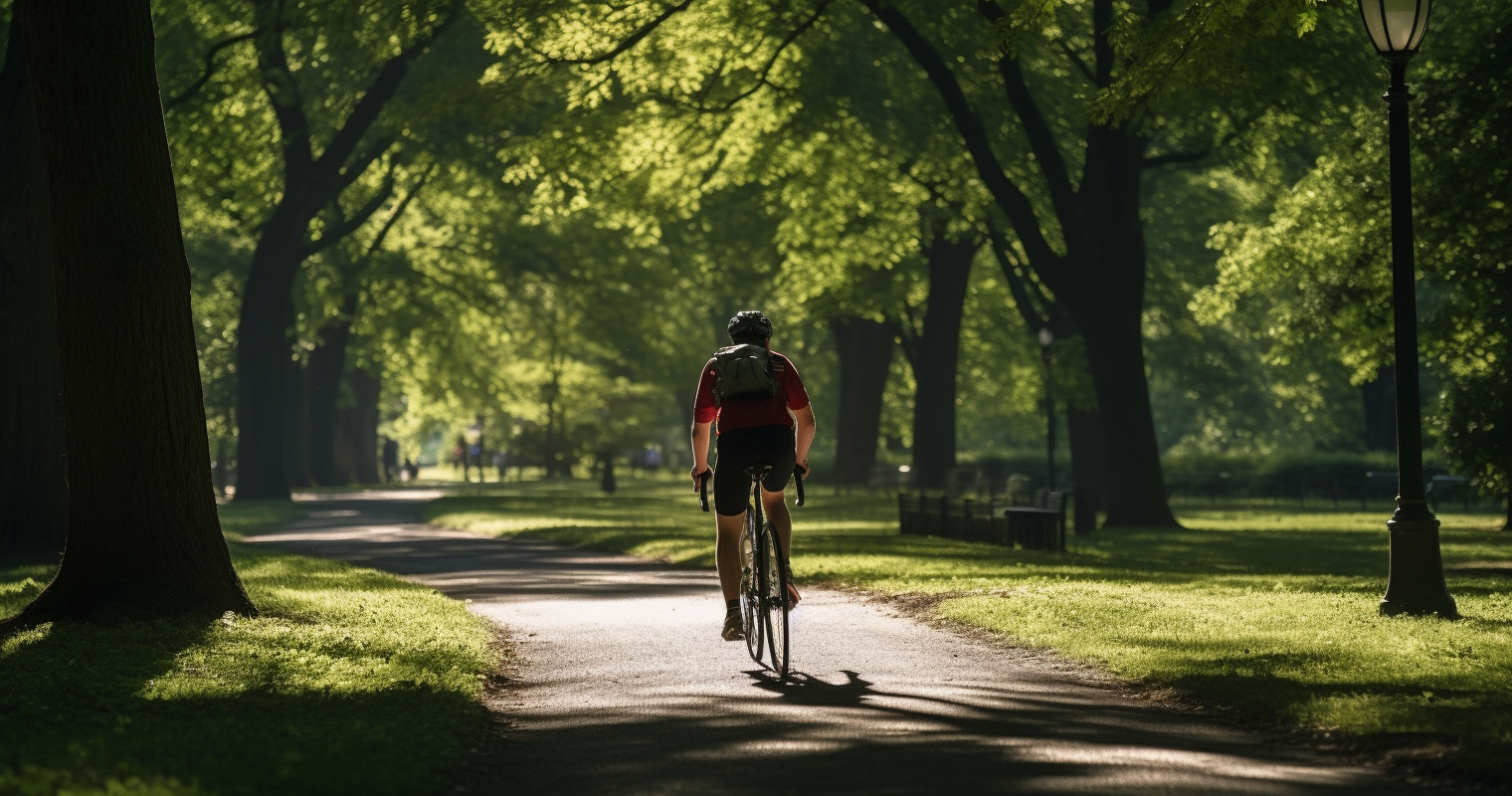
Slovakia presents a cycling scene that is steadily evolving, though it has not yet reached full maturity. Leisure and long-distance riding enjoy strong support, with picturesque EuroVelo corridors and mountain trails attracting riders from across the continent. Day-to-day cycling as a commuting mode, however, lags behind countries such as the Netherlands or Germany, though Bratislava and other urban centres are channelling investment into infrastructure and bike-share programmes to gradually shift this dynamic.
| Item | Details |
|---|---|
| Helmet law (adults) | Not mandatory inside built-up areas; strongly recommended everywhere (as of 2024) |
| Helmet law (under 15s) | Mandatory at all times (as of 2024) |
| Bike registration | Not mandatory (voluntary schemes exist) |
| Bike-share in Bratislava | Slovnaft BAjk — docked system covering 8 city boroughs; Rekola dockless bikes also available (as of 2024) |
| EuroVelo routes through Slovakia | EuroVelo 6, EuroVelo 11, and EuroVelo 13 all pass through Slovakia |
| Customs/import duty on personal bikes | EU residents relocating within the EU: generally no import duties; check Slovak Customs Authority for current rules |
How popular is cycling in Slovakia — and is it a common way to get around?
Cycling in Slovakia serves two quite distinct purposes: it is wholeheartedly adopted as a recreational, sporting, and tourism pursuit, yet its role as a practical everyday commuting tool remains modest by comparison with the most cycling-oriented nations. The kind of mass bicycle commuting that characterises cities in the Netherlands or Denmark — where riding a bike to work is simply an unremarkable part of daily life — is not yet the norm in Slovak urban centres.
A national initiative known as “Cycling to Work” has been established with the explicit goal of expanding non-motorised urban transport, encouraging local authorities to create more accommodating conditions for cyclists, and motivating employers to provide appropriate facilities for staff who arrive by bike. The very existence of such a campaign reflects both genuine ambition and the reality that cycling to work remains an uncommon choice rather than an everyday habit.
Broader initiatives such as Cyclurban+ seek to accelerate the shift toward sustainable transport in Slovakia and the Czech Republic by positioning cycling as a credible commuting alternative. While these efforts demonstrate meaningful momentum at the policy level, expats arriving from countries with well-established cycling cultures — Germany or the Netherlands, for instance — should set their expectations accordingly.
For those relocating to Slovakia, the most practical application of cycling today is weekend touring, recreational outings, and leisure trips rather than consistent cross-city commuting. That said, Bratislava and a number of other cities are making visible progress, and Slovakia’s outstanding natural landscape provides a compelling backdrop for cycling as a weekend activity.
What is the cycling infrastructure like in Slovakia?
The state of cycling infrastructure across Slovakia is one of incremental progress: quality and coverage are improving, but they tend to be concentrated in certain city areas and along purpose-built tourist routes, while connections between rural and suburban zones remain inconsistent. This stands in marked contrast to countries such as Germany or the Netherlands, where extensive, interconnected cycling networks stretch well beyond urban cores.
A substantial number of Slovak towns and municipalities lack even a single kilometre of dedicated cycle path. Even where new infrastructure has been constructed, inadequate technical solutions frequently undermine its practical usefulness — an issue linked partly to the absence of detailed design standards specifically tailored to cycling facilities.
In many locations, without a physically separated cycling network, riders are pushed onto shared road lanes alongside motor vehicles. This situation deters many potential cyclists. Commonly cited frustrations include uneven road surfaces and vehicles passing cyclists uncomfortably closely.
Newer projects — including the development of cycle paths in the vicinity of Bratislava — are designed to improve safety and encourage residents to combine cycling with public transport rather than relying on private cars.
Infrastructure improvements sit within the framework of national and regional strategies for greener transport, including the national strategy for the development of cycling transport in the Slovak Republic. The Slovak Ministry of Transport is the lead authority responsible for overseeing these plans, and readers are encouraged to visit its website (mindop.sk) for current development plans and route maps.
Cycling routes across Slovakia are marked with a “C” symbol appearing in one of four colours — red, blue, green, or yellow — displayed on trees or objects along the way. Direction signs and distances appear at junctions. Two distinct icons differentiate paved (“cestná”) routes from unpaved mountain bike (“MTB”) trails, and difficulty ratings are sometimes indicated: “REKREA” for easy terrain, “SPORT” for intermediate, and “EXPERT” for challenging conditions.
Slovakia’s cycling route network is administered by approximately 74 organisations, predominantly civic associations, with the largest share managed through bodies affiliated with the Slovak Cycle Club (Slovenský cykloklub). Slovenský cykloklub also serves as the national EuroVelo coordination centre and is an invaluable resource for route planning and information.
Is cycling safe in Slovakia?
Cycling safety in Slovakia presents a mixed picture. Dedicated infrastructure is expanding but remains limited across much of the country, meaning cyclists frequently share road space with motor traffic. Understanding local conditions before making cycling a principal mode of transport is worthwhile.
Most drivers in Slovakia show reasonable tolerance toward cyclists, though overtaking distances can sometimes fall below one metre, making a defensive riding style advisable. This is especially relevant outside city centres and on rural roads, where cycle lanes are scarce and motor vehicle speeds are higher.
The general condition of road surfaces in Slovak towns and cities is often unfavourable for cyclists. In the absence of segregated infrastructure, riders are exposed to risk from surrounding traffic, which puts off many people from cycling at all. Poorly maintained surfaces and close-passing vehicles on shared routes are among the most frequently raised concerns.
One specific legal obligation applies in low-visibility conditions: anyone cycling when visibility is poor is required by law to wear a high-visibility vest or reflective clothing. This is a statutory requirement, not simply a recommendation, and is particularly relevant for those riding during autumn and winter when daylight hours are limited.
The national road safety authority, Besip (operating under the Ministry of Interior), publishes road safety data for Slovakia. Readers are encouraged to check the transport ministry’s resources for the most recent accident statistics involving cyclists, which are revised annually.
As a practical starting point, cycling along Bratislava’s riverside paths beside the Danube or within the city centre is considerably safer than riding on busy regional roads or dimly lit suburban stretches. If you are new to Slovakia, beginning with clearly marked, well-known routes is the sensible approach.
What are the rules of the road for cyclists in Slovakia?
Cycling in Slovakia falls under Act No. 8/2009 Coll. (the Road Traffic Act), which sets out the principal obligations applicable to all cyclists. The full and current text of this legislation is available at zakonypreludi.sk, and readers are strongly encouraged to consult this source or the Ministry of Transport for comprehensive and up-to-date requirements.
The principal rules are as follows:
- Helmets: Adult cyclists are not required by law to wear a helmet, but children aged 15 and under must wear one at all times. Under Act No. 8/2009, a former requirement compelling adult riders outside built-up areas to wear helmets has been removed from legislation. Nonetheless, wearing a helmet is strongly advised for all age groups. This differs from jurisdictions such as Australia and New Zealand, where helmet use is compulsory for all cyclists regardless of age.
- Reflective clothing: Any cyclist riding in conditions of reduced visibility is legally obliged to wear a high-visibility vest or reflective clothing.
- Lighting: Bicycles must be fitted with appropriate front and rear lights when riding in darkness or poor visibility. A white or yellow front light and a red rear light are required — consult the current Road Traffic Act for full technical specifications.
- Pavements and pedestrian zones: Riding on pavements is prohibited unless a combined pedestrian and cycle path is specifically designated. Children under 10 may use a pavement when accompanied by an adult.
- Alcohol: A zero-tolerance rule applies to cyclists in Slovakia. Riding while under the influence of alcohol or drugs constitutes a traffic offence and carries legal penalties.
- Cycle lanes: Where a dedicated cycle lane or path runs alongside a road, cyclists are generally obliged to use it rather than the main carriageway.
- Age: Children under 10 are not permitted to ride independently on public roads and must be accompanied by an adult at all times.
Local rules may vary slightly between municipalities, particularly concerning pedestrian zones and restrictions within town centres. Always observe local signage carefully and, if uncertain, consult the Slovak Ministry of Transport as the authoritative source.
Do I need to register my bike or have insurance to cycle in Slovakia?
Bicycle registration is not a legal requirement in Slovakia. No state-administered compulsory registration system exists for bicycles comparable to motor vehicle registration. Voluntary registration through local police stations or cycling clubs — logging the frame number and owner details — is widely promoted as a measure to deter theft and assist in recovery should a bike be stolen.
Third-party or personal liability insurance for cyclists is likewise not a legal obligation in Slovakia. Nevertheless, given that incidents on shared roads can result in liability claims, many cyclists — especially frequent commuters — choose to obtain personal liability cover, whether as a separate policy or as an extension of household or travel insurance.
If you are arriving from a country where employer-supported cycling schemes are common — such as the UK’s Cycle to Work initiative or Germany’s JobRad programme — be aware that Slovakia does not have a nationally recognised equivalent scheme. Some larger employers may offer their own transport benefits, so it is worth enquiring with your employer after arrival.
For current guidance on both registration and insurance matters, consult the National Bank of Slovakia (which regulates insurance) and the Ministry of Transport. These are the authoritative bodies for any changes to voluntary or mandatory provisions.
Are there public bike-sharing or rental schemes in Slovakia?
Bratislava has the most developed bike-sharing ecosystem in Slovakia. Two principal schemes operate in the capital alongside private hire options, making it reasonably convenient to move around the city by bicycle without owning one.
Slovnaft BAjk is the city’s flagship scheme and represents the first mobility project of this kind launched by Slovnaft in Slovakia. Users can access the system through an app and choose from several payment plans, including credit-based and discounted options. Annual subscribers who also hold an annual public transport pass receive particularly favourable terms. The city is actively working to identify locations for additional docking stations and to expand a network that currently spans 8 city boroughs. Visit the official website at slovnaftbajk.sk for current pricing and subscription details (as of 2024, monthly plans start from around €9 — verify current rates directly with the operator).
Rekola operates on a dockless model and offers more flexible access — monthly subscriptions, single rides, and free access for MultiSport cardholders are all available. Unlike docked systems, Rekola bikes do not return to fixed stations; instead, they can be left within designated parking zones across the city.
TIER and Bolt also operate e-scooter and e-bike services in Bratislava, having launched in 2020. These app-based options complement the established bike-share systems for shorter urban trips.
Beyond Bratislava, formal docked bike-share schemes are less prevalent, though cities such as Žilina have explored bike-sharing solutions. A bike-sharing service in Žilina — a city in northern Slovakia with a population exceeding 80,000 — has been the subject of ongoing academic research and analysis. Tourist bike hire is available in popular destinations such as the High Tatras and along the Danube cycle route. Always check with the local municipal transport authority or tourist information office for current availability outside the capital.
Where can I buy or service a bike in Slovakia?
Purchasing a bicycle in Slovakia is a relatively straightforward process, especially in major cities. Bratislava, Košice, Žilina, and Prešov all host dedicated cycle shops carrying a wide selection from established European brands, encompassing city bikes, mountain bikes, road bikes, and e-bikes. Prices are broadly in line with those found in neighbouring Austria or the Czech Republic.
Large sports retailers such as Decathlon operate within Slovakia, offering an accessible and budget-friendly entry point for new cyclists or those looking for good value. Specialist shops stocking premium brands and offering professional fitting services are also found in Bratislava and the larger regional cities, although the density of such outlets decreases noticeably in smaller towns and the countryside.
Second-hand bicycles can be sourced through local classified listing platforms such as Bazos.sk and Facebook Marketplace groups, where used city and mountain bikes in reasonable condition appear regularly at competitive prices. As with any second-hand purchase, carefully inspecting the bicycle and checking the frame number against voluntary theft registries is advisable.
Repair and servicing workshops are available across most larger towns, and standards are generally satisfactory. As an EU member state, Slovakia falls under European consumer protection regulations, meaning the standard EU two-year statutory guarantee applies to new bicycles purchased from retailers — the same protection available in Germany, France, or any other EU country.
Hire operators such as Bajkovisko in Bratislava maintain fleets of current-model bikes available for half-day, full-day, or multi-day rental, with pickup points located directly on the cycling trail near vineyards and forested areas. This kind of specialist rental is particularly useful for expats who wish to test different bike types before committing to buying one.
Can I bring my bike when I move to Slovakia, and are there any import rules?
As a member of the European Union, Slovakia makes the process of bringing personal possessions — bicycles included — considerably simpler when moving from another EU country. If you are relocating from within the EU, your bicycle is generally treated as a personal effect and is not subject to customs duties or import VAT, provided the standard conditions for a residency transfer are satisfied.
Relocating from outside the EU involves a different set of rules. The EU’s Transfer of Residence (ToR) relief enables individuals moving their habitual residence to an EU country to bring personal belongings — including equipment for personal use — free of customs duty and VAT, subject to specific eligibility criteria. Items must typically have been in your ownership and regular use for at least six months prior to the move, and the importation must occur within a defined window around your change of residence. These conditions are established at EU level but administered by the Slovak Customs Authority nationally.
For the most current and precise requirements — including necessary documentation, any applicable thresholds, and relevant deadlines — contact the Slovak Financial Administration (Customs) directly before shipping your bicycle. Requirements and procedures are subject to change, and verifying the position with the official authority ahead of your move is essential.
In practical terms, a standard bicycle is not subject to any specific import restrictions beyond the general rules governing personal effects. No special licences or categorical limitations exist for importing conventional bicycles. E-bikes warrant additional attention, as lithium-ion battery regulations may apply depending on your shipping method and country of origin.
What are the best cycling routes or destinations in Slovakia?
Slovakia delivers a cycling experience far richer than its modest size might suggest. From the broad, flat Danube plains in the south to the alpine terrain of the High Tatras in the north, the country offers a genuinely varied range of riding options suited to all abilities.
EuroVelo 6 — Atlantic–Black Sea Route: Slovakia’s segment of EuroVelo 6 begins in Bratislava and traces the Danube eastward toward the Hungarian border. The Slovak section — running from the Bratislava-Berg border crossing to the Hungarian frontier at Štúrovo — spans 168 km and can be tackled as a concentrated single push or divided into a relaxed weekend itinerary. The route is entirely flat, surfaced in wide asphalt, safely separated from traffic, and passes swimming spots and a contemporary art museum along the way.
EuroVelo 13 — Iron Curtain Trail: Slovakia’s 90 km contribution to this route departs Bratislava at the Austrian border, follows the frontier with the Czech Republic, and concludes at Moravský Svätý Ján — threading through unspoiled countryside in close proximity to the fauna and flora of the Morava river.
EuroVelo 11 — East Europe Route: The Slovak segment of EuroVelo 11 winds through the scenic Pieniny mountains, celebrated for their natural beauty, before passing through the cities of Prešov and Košice.
Malé Karpaty (Little Carpathians) — Štefánik Route: Named in honour of Slovak astronomer and military figure Milan Rastislav Štefánik, this route symbolically links the capital with his birthplace at Košariská. Setting out from the Koliba district of Bratislava, the 100 km trail traverses the Malé Karpaty mountains from south to north.
High Tatras Mountain Biking: Slovakia is home to nine national parks, offering riding beneath the dramatic peaks of the Tatras and around Zemplínska šírava, one of the largest lakes in the region, noted for its excellent water quality. The High Tatras area is especially popular among mountain bikers seeking demanding terrain.
Slovenský cykloklub, the national EuroVelo coordination centre, compiles comprehensive information for cyclists planning to ride Slovakia’s EuroVelo sections, including maps, stage-by-stage descriptions, public transport connections, and cyclist-friendly accommodation and services. Their website at cykloklub.sk is the ideal starting point for route planning. The national tourism board’s dedicated cycling section at slovakia.travel also provides well-organised route guides.
Frequently asked questions about cycling in Slovakia
Do I legally have to wear a helmet when cycling in Slovakia?
Adult cyclists are not legally required to wear a helmet, but helmets are mandatory for anyone aged 15 and under. In addition, anyone cycling in poor-visibility conditions is required by law to wear a high-visibility vest or reflective clothing. Regardless of what the law stipulates, wearing a helmet is strongly recommended for all riders at all times.
Is cycling a realistic option for commuting in Slovakia?
Cycle paths in Slovakia are steadily improving, but for much of any commute outside major urban centres, riders will likely need to rely on quieter side roads with relatively low traffic volumes. In Bratislava and a handful of other cities, commuting by bike is workable — particularly for shorter distances or when combined with public transport. In smaller towns and rural localities, dedicated cycling infrastructure remains very limited.
Can I take my bike on trains in Slovakia?
The Slovak national rail operator ZSSK (zssk.sk) allows bicycles on the majority of its services for a modest additional fare. Capacity is restricted on some routes, and advance reservation may be necessary on busier trains. Check ZSSK’s current bicycle carriage rules and pricing before travelling, as conditions can differ by route type.
Is bike theft common in Slovakia, and how do I protect my bike?
Bicycle theft does occur in Slovakia, particularly in urban settings. Using a good-quality D-lock or chain lock and securing both the frame and wheel to a fixed structure is strongly advisable. Bicycle parking provision ranges from basic racks to more fully equipped bicycle stations in better-developed areas. Voluntarily registering your frame number with your local police station improves the chances of recovering a stolen bike.
Are there cycling clubs or community groups I can join as an expat?
Slovakia’s cycling route network is run by approximately 74 organisations, predominantly civic associations, with the largest share administered through bodies affiliated with the Slovak Cycle Club. Many of these clubs organise regular group rides and events and are welcoming to newcomers. Bratislava in particular has a lively cycling community, and searching local Facebook groups or Meetup for “cycling Bratislava” is a practical way to make connections.
What is the best time of year to cycle in Slovakia?
May through September is the optimal period for cycling in Slovakia — temperatures are pleasant, the scenery is at its most vibrant, and national parks and mountain trails are fully accessible. Winter cycling is possible in lowland areas but uncommon, and mountain routes may be closed due to snow from late autumn through to early spring.
Do I need insurance to cycle in Slovakia?
Cycling insurance is not a legal requirement in Slovakia. However, personal liability cover is widely considered sensible, particularly for those who cycle regularly in mixed traffic. Such protection is often available as a component of a household contents insurance policy or as a standalone personal liability product. Consult the National Bank of Slovakia, the insurance sector regulator, for guidance on locating authorised insurers.
Are e-bikes treated differently from regular bikes in Slovakia?
In Slovakia, e-bikes that conform to EU standards — pedal-assist only, with a motor rated at no more than 250W and a maximum assisted speed of 25 km/h — are generally treated on an equal footing with conventional bicycles under the Road Traffic Act. They require no registration, licence, or insurance beyond that applicable to standard bikes. More powerful electric cycles exceeding these parameters may be classified as mopeds or motor vehicles, which would trigger additional legal obligations. If you are uncertain about how your specific e-bike is classified, contact the Slovak Ministry of Transport for clarification.