

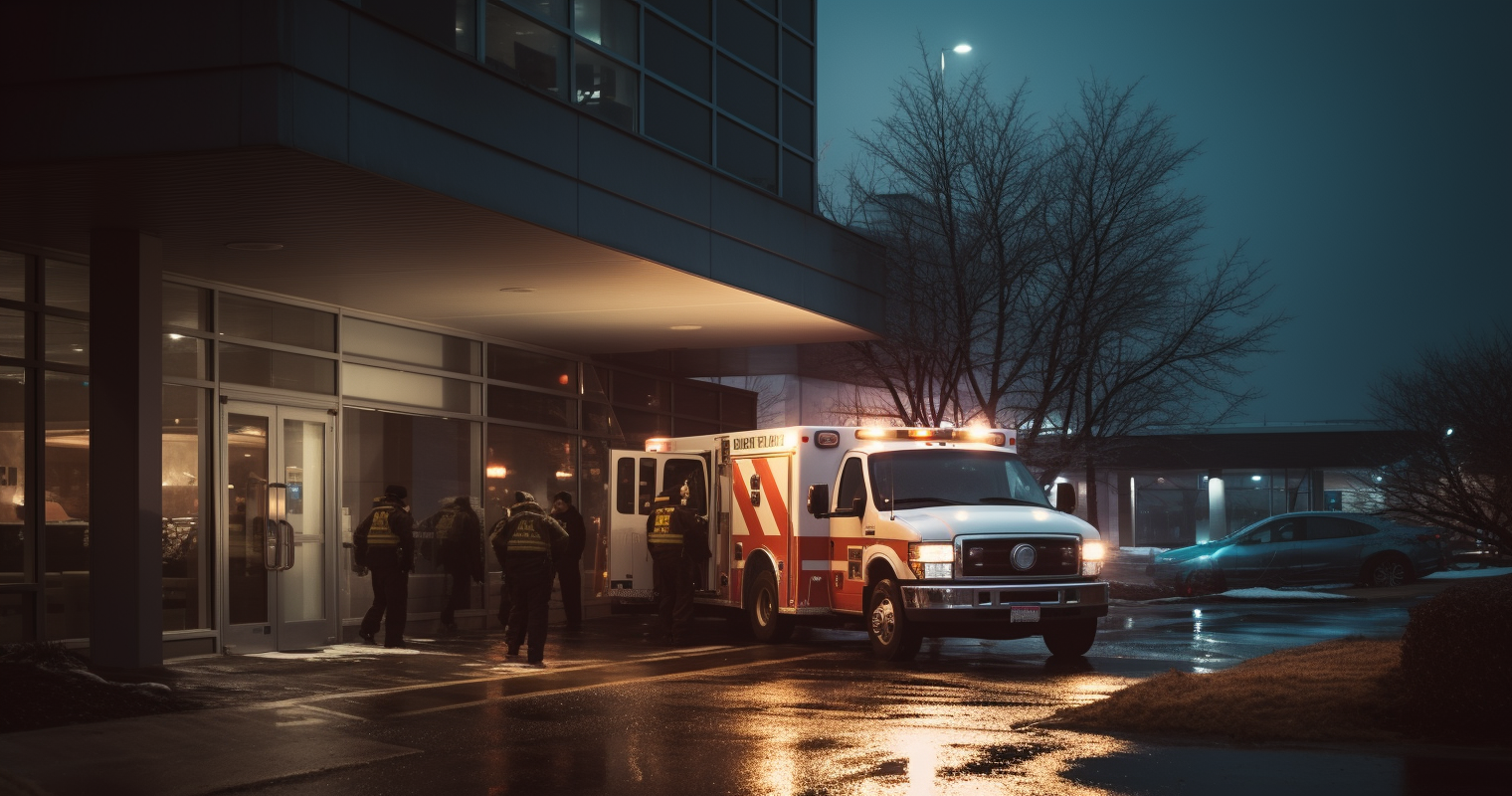
South Korea maintains a sophisticated and reliable emergency services network. Police can be contacted by dialling 112, while 119 connects callers to fire and ambulance services — both lines are staffed around the clock and offer multilingual assistance. Ambulance call-outs carry no charge, but treatment received at a hospital does. Foreign residents enrolled in the National Health Insurance Service (NHIS) benefit from subsidised rates; those without coverage pay the full cost, which makes travel or health insurance a wise priority for visitors and newcomers alike.
| Item | Details |
|---|---|
| Police emergency number | 112 (24/7, interpretation service available) |
| Fire and ambulance number | 119 (24/7, multilingual operators) |
| Ambulance call-out fee | Free (as of 2025) |
| Emergency room cost (uninsured visitors) | Approx. 100,000–500,000 KRW depending on treatment (as of 2024–25; verify with official sources) |
| NHIS eligibility for foreign residents | Mandatory enrolment after 6 months of residency (as of 2025) |
| Mental health crisis line | 1393 (Suicide Prevention Hotline, 24/7); 1577-0199 (Mental Health Center Crisis Counselling, 24/7) |
| Non-emergency health information | 1339 (Korea Disease Control and Prevention Agency helpline) |
| National disaster information | safekorea.go.kr |
What are the emergency numbers in South Korea?
South Korea’s emergency contact system differs from schemes used elsewhere — such as the European Union’s unified 112 or the United States’ 911 — by maintaining two distinct primary numbers. Call 112 to reach the police and 119 for fire and ambulance services. Both are active every hour of every day, and both provide multilingual assistance, so a lack of Korean proficiency need not be a barrier to getting help.
When you dial 119, the system automatically pinpoints your location as soon as the connection is established, and operators trained in Chinese, English, Japanese, and Korean are on hand to assist. For expats still learning the language, this around-the-clock multilingual capability offers genuine peace of mind.
In addition to these two primary lines, there are several other numbers that are worth storing in your phone:
- 1339 — Korea Disease Control and Prevention Agency (KDCA) helpline and foreigner information line.
- 122 — Coast Guard emergency.
- 182 — Missing persons helpline.
- 1330 — Korea Tourism Organization Travel Helpline, which can also assist with language support in emergency situations.
- 110 — National Government Call Centre.
Always verify that these numbers are current by checking the Ministry of the Interior and Safety or your country’s embassy website before travelling.
How do you call for emergency medical assistance?
Dialling 119 in South Korea connects you directly to ambulance services, and the system automatically establishes your location the moment the call is answered, enabling a rapid dispatch. This automatic detection is particularly valuable when you are too distressed or disoriented to describe your surroundings — a very real challenge in an unfamiliar environment.
Response times are typically fast, and the ambulance will transport you to an appropriate hospital. When a foreign caller dials 119, they can be connected via a three-way call to a translator through the Korea National Tourist Organisation, enabling clear communication of the nature and urgency of the situation. Languages available through this service include English, Japanese, and Chinese.
Requesting an ambulance in English will result in one being dispatched to your location. If the local 119 operator does not speak your language, calling 1330 allows them to contact a nearby hospital and establish a conference call to bridge the communication gap.
There is no charge for ambulance services. Once you arrive at a hospital, however, treatment fees will apply — these are covered in more detail in the costs section below. The 1339 emergency medical information centre operates 24 hours a day, staffed by medical professionals who can offer guidance on urgent health questions, direct you to an open pharmacy, or help you locate an appropriate hospital.
What should you do in a mental health crisis?
Mental health is a subject of significant national concern in South Korea. The country has recorded one of the highest suicide rates among OECD nations for over a decade; in 2022, the figure stood at roughly 25 deaths per 100,000 people, and suicide ranks as a leading cause of death among Koreans from their teenage years through their thirties. Recognising the scale of the issue, the government has invested in a network of dedicated crisis resources.
The following helplines were in operation as of 2025 — always confirm current numbers with the Ministry of Health and Welfare:
- 1393 — Suicide Prevention Hotline, a 24-hour line operating as part of national suicide-prevention efforts.
- 1577-0199 — Mental Health Center Crisis Counselling, a 24-hour national line for those experiencing depression, suicidal thoughts, or other acute mental health distress.
- 1588-9191 — Lifeline Korea, providing 24-hour telephone support for people in crisis.
- 129 — Ministry of Health and Welfare Call Centre, a 24-hour general health and welfare counselling line that includes mental health referrals.
- 1577-1366 — Danuri Helpline, a multilingual support line for immigrants and multicultural families that can connect callers with mental health and protection services.
It is important to note that most mental health crisis lines operate primarily in Korean, though some have limited English capacity or access to interpreters. If language presents a barrier, calling 1330 for translation assistance or asking a trusted person to make the call on your behalf can help considerably.
In a genuine emergency, 112 (police) and 119 (ambulance) remain the primary numbers to dial. You may also walk directly into the emergency department (응급실, pronounced *eung-geup-sil*) of the nearest large hospital. If you are enrolled in the NHIS, your cover applies immediately, though you may be asked to show your Alien Registration Card or identification afterwards. Because Korea’s system places immediate care above financial considerations, treatment is very rarely withheld on the grounds of insurance status.
Where can you go for emergency medical treatment?
South Korea’s medical network is extensive, encompassing large national university hospitals, general hospitals, and smaller private clinics. Seoul alone is home to approximately 14,220 clinics and hospitals of various types. For emergencies, the facilities that matter most are those housing designated emergency departments (응급실).
For expats, larger general hospitals such as Severance Hospital, Asan Medical Center, and Samsung Medical Center are frequently recommended, as they are more likely to employ staff capable of communicating in languages other than Korean. Major urban hospitals typically operate dedicated international clinics, charge higher fees accordingly, and often have direct billing agreements with international insurance providers, making the process considerably more straightforward.
Public health facilities deliver excellent standards of care, but demand — driven by universal mandatory insurance coverage — can make waiting times considerable, even in emergency situations. Private hospital emergency departments tend to move more quickly but impose higher upfront charges.
Within public emergency departments, patients are treated according to triage severity. Foreigners without NHIS coverage pay non-subsidised rates and may experience longer waits for non-critical conditions compared to those seen at private facilities. The National Health Insurance Service (NHIS) website and the E-GEN portal (운영 국가응급진료정보망), operated by the Ministry of Health and Welfare, can help you locate the closest emergency department in real time.
Is emergency medical treatment free, or is there a charge?
Emergency treatment in South Korea is not provided free of charge to anyone — the critical factor is not whether you pay, but how much you pay, and this is largely determined by your NHIS enrolment status.
Residents enrolled in the NHIS — including qualifying foreign nationals — generally pay around 30% of medical costs, with the insurance scheme covering the remainder. Foreign nationals who have lived in South Korea for more than six months are eligible to apply for national health insurance. Once enrolled, the co-payment for emergency treatment is substantially lower than the full amount billed to uninsured visitors.
For tourists and short-term visitors without NHIS coverage, costs are considerably higher. As of 2024–25 (verify current figures with official sources): a public hospital emergency department visit typically starts at around 100,000–200,000 KRW for a basic consultation, rising to 300,000–500,000 KRW once tests and treatments are factored in. Private hospital emergency services generally charge 150,000–300,000 KRW for registration and initial assessment alone.
Inpatient costs escalate quickly. Daily ward charges in public hospitals for uninsured foreigners range from approximately 500,000–1,000,000 KRW, while private hospital stays can cost 1,000,000–2,000,000+ KRW per day, with surgical procedures, intensive care, and specialist consultations adding substantially to the total. Even so, South Korean healthcare costs remain 40–70% lower than comparable treatment in many Western nations — yet a serious emergency without adequate cover can still generate a bill running into millions of won.
Regardless of insurance status, ambulance services are entirely free — charges only begin once you are receiving treatment at a hospital.
Do expats need insurance to access emergency care?
The absence of insurance will not result in emergency care being refused — South Korea’s system prioritises immediate treatment. However, you will be expected to settle the resulting bill, which can be very large without appropriate cover.
While carrying health insurance is not a legal requirement for most tourists, it is highly advisable given the potential cost of medical care, the sophistication — and expense — of the healthcare system, and the financial exposure created by unexpected illness, injury, or accidents during a stay.
For longer-term residents, enrolment in the NHIS becomes a legal obligation. All residents — including foreign nationals who have lived in Korea for more than six months — are required to participate, and coverage extends to a wide range of services including consultations, treatments, and prescriptions at a significantly reduced cost. Foreign subscribers who fall behind on premium payments face immediate suspension of their coverage until all outstanding amounts are cleared.
Many expats supplement their NHIS cover with private health insurance to fill gaps in provision, particularly for dental care, vision, and elective procedures. When selecting a private plan, it is worth prioritising insurers that offer support in your language and direct billing options, which spare you the inconvenience of paying upfront and waiting for reimbursement. For the most up-to-date details on enrolment conditions and premium rates, consult the official NHIS website.
Are there bilateral health agreements with South Korea?
South Korea does not participate in a broad network of reciprocal healthcare arrangements of the kind that exist in certain other parts of the world — for example, the European Health Insurance Card (EHIC) scheme operating across the European Economic Area, or the bilateral agreements that allow nationals of participating countries to access emergency treatment at subsidised rates elsewhere. No equivalent system grants foreign visitors reduced-cost or free emergency care in South Korea simply by virtue of their nationality.
South Korea’s NHIS is structured around residency and employment rather than national origin. The system is universal and mandatory: almost all residents, including foreign nationals who meet specific criteria, are legally required to enrol. Entitlement to subsidised care therefore derives from where a person lives and works, not from the country that issued their passport.
There are no known bilateral agreements between South Korea and other nations that mirror the reciprocal access arrangements common within the EU, under which citizens of member states can receive emergency care at local rates when visiting another member state. Without NHIS enrolment or personal travel or health insurance, visitors from any country are treated as uninsured and billed accordingly. Always check with your own government’s foreign affairs or health ministry for the most current information on bilateral agreements before you travel, as these arrangements can change. Your home country’s embassy in Seoul is also a useful point of contact.
How does South Korea’s healthcare system compare to systems expats may know?
South Korea’s healthcare model occupies a middle ground between fully public and fully privatised systems, though it leans considerably toward the public end of the spectrum. While a notable share of healthcare funding comes from private sources, the system is anchored by the National Health Insurance Service — a public insurance programme administered by the Ministry of Health and Welfare, to which residents above a certain income threshold are required to contribute in order to cover themselves and their dependants.
The structure contrasts with that of the UK’s National Health Service, which draws its funding from general taxation and offers care free at the point of use for residents. South Korea operates instead as a single-payer system funded through mandatory contributions — conceptually closer to the models used in Germany, Japan, or France, where all participants pay into a national fund and receive subsidised care in return. Unlike a fully privatised system — such as the US model for those without employer-sponsored cover — NHIS enrolment means that qualifying residents pay only a portion of their medical costs.
South Korea’s healthcare infrastructure is internationally impressive: the country ranks 4th globally in MRI machines per capita, 6th in CT scanners per capita, and maintains approximately 9.5 hospital beds per 1,000 people — roughly three times the figure in Sweden, Canada, the United Kingdom, and the United States. The quality of care at leading hospitals is globally recognised, and South Korea has become a notable destination for medical tourism. For newcomers, the principal adjustment is accepting that cost-sharing is an inherent feature of the system even for insured residents, and that visitors without NHIS cover will be charged the full, unsubsidised rate.
How do police and fire services work in South Korea?
When an incident is reported to 112, the nearest available police officers or patrol vehicles are dispatched without delay. Whether you have witnessed a crime or are yourself in danger, 112 is the number to call immediately. The system is centralised, meaning that dialling 112 from anywhere in the country automatically routes your call to the relevant local unit — there is no need to identify or contact a specific local station.
For callers who do not speak Korean, the Korean National Police Agency (KNPA) has put in place a nationwide telephone interpretation service within its “112 Emergency Response Centres”, ensuring that foreign nationals can receive the same standard of police assistance as Korean speakers. This interpretation service is available from 08:00–23:00 on weekdays and 08:00–18:00 on weekends. Outside these hours, trained interpreters can still be accessed through the 112 line to assist with crime reporting and other police matters.
When calling 112 and requiring an interpreter: dial 112 from anywhere in Korea (no area code is needed). A police officer will ask you to hold while an interpreter is connected. Do not hang up if you hear a waiting tone or beep — the officer and interpreter will both join the call together.
Fire services in South Korea are managed through the same 119 number used for ambulances, under the authority of the National Fire Agency, which sits within the Ministry of the Interior and Safety. Fire crews respond promptly to building fires, vehicle fires, technical rescue situations, and incidents involving hazardous materials. If you are uncertain whether your situation calls for 119 or 112, dial whichever seems most relevant — dispatchers will coordinate with other services as the situation requires.
For non-urgent police matters — reporting a theft after the event, or enquiring about lost property — 182 provides a dedicated non-emergency line for missing persons and similar police enquiries.
What country-specific emergency risks exist in South Korea?
South Korea presents a number of specific hazards that expats should understand before arriving. Familiarity with these risks and with the warning systems in place forms an important part of settling safely in the country.
Geopolitical situation: South Korea shares a land border with North Korea, and the two countries have technically remained in a state of armistice since 1953. Daily life in the South is entirely normal and safe, but periodic spikes in tension do occur. Civil defence sirens and drills take place from time to time, and expats should acquaint themselves with local shelter procedures and pay close attention to guidance from official sources. Your home country’s embassy will issue advisories whenever tensions rise.
Typhoons and extreme weather: South Korea is affected by typhoons (known locally as *taepung*) most frequently between July and September, as well as by heavy monsoon rains (*jangma*) during the summer months. Flooding and landslides can occur in mountainous regions and low-lying urban areas. Winters, particularly in the north, can be harsh, with significant snowfall and sub-zero temperatures.
Earthquakes: South Korea does not sit on a major tectonic fault, but seismic events do occur, particularly in the southeastern region around Gyeongju and Pohang, which suffered notable earthquakes in 2016 and 2017. Building regulations have since been tightened in response to those events.
Fine dust and air quality: Yellow dust (*hwangsa*) carried on winds from China and Mongolia, compounded by domestic air pollution, generates frequent fine dust alerts — particularly during spring. These conditions can be harmful to people with respiratory or cardiovascular conditions. Monitoring air quality apps and the AirKorea website on a regular basis is advisable.
Alert systems: The government operates the Safe Korea (국민재난안전포털) portal, offering real-time disaster information and safety guidance. Cell broadcast alerts are sent directly to mobile phones within affected areas during emergencies — these can reach foreign SIM cards if the handset supports the system, though the messages are typically in Korean only.
Disease: For guidance on contagious illnesses or disease outbreaks, dial 1339, the Korea Disease Control and Prevention Agency (KDCA) helpline. The KDCA monitors infectious disease threats and provides information in multiple languages.
How should expats prepare for emergencies before they arise?
Advance preparation is invariably more effective than trying to improvise during a crisis. The measures outlined below can significantly reduce both risk and stress when an emergency does occur.
- Register with your home country’s embassy or consulate. Most governments operate a voluntary registration scheme — examples include the UK’s LOCATE service and the US STEP programme. Being registered means your government can reach you during a crisis and provide assistance with welfare checks or, if necessary, evacuation. Contact details for your embassy can be found through your home government’s foreign affairs website.
- Enrol in the NHIS as soon as you become eligible. Foreign nationals who have lived in South Korea for more than six months are eligible to join the national health insurance system. Enrolling promptly shields you from the full, unsubsidised cost of medical care.
- Arrange travel or private health insurance to cover the period before NHIS enrolment. While not legally required for most tourists, health insurance is strongly recommended. A minimum coverage level of 50–100 million KRW is advisable to guard against the potentially very large bills associated with hospitalisation or emergency treatment.
- Store all essential emergency numbers in your phone. At a minimum, save: 112 (police), 119 (fire and ambulance), 1339 (KDCA and health information), 1330 (tourism helpline and language assistance), and your home country’s embassy in Seoul.
- Learn a handful of basic Korean emergency phrases. Knowing how to say “I need an ambulance” (구급차가 필요해요 — *gugeupchaqa pilyohaeyo*) or “I need the police” (경찰이 필요해요 — *gyeongchali pilyohaeyo*) can prove invaluable during moments when technology is unavailable or unreliable.
- Locate your nearest emergency department before you need one. Identify the closest hospital with a 24-hour emergency room (응급실) to both your home and workplace. The E-GEN portal can help you find facilities near you.
- Familiarise yourself with the civil defence alarm system. South Korea conducts civil defence drills and issues national emergency alerts. Learn to recognise the sound of air raid sirens and understand what action to take — in general, follow instructions from local authorities and proceed to a designated shelter area.
- Keep copies of your important documents. Maintain accessible copies of your passport, visa, Alien Registration Card (ARC), and insurance documents — ideally in both physical form and in a secure cloud storage location.
Where can expats find official emergency information for South Korea?
Consulting official sources is essential, since fees, procedures, and contact numbers are all subject to change. The resources listed below are worth bookmarking for future reference:
- Ministry of the Interior and Safety — responsible for emergency management policy and civil defence.
- Safe Korea Portal (safekorea.go.kr) — real-time disaster alerts, evacuation information, and safety guidance.
- Ministry of Health and Welfare — hospital information, mental health resources, and NHIS policy updates.
- National Health Insurance Service (NHIS) — details on enrolment, premium rates, and coverage for foreign residents.
- Korea Disease Control and Prevention Agency (KDCA) — disease alerts, health advisories, and the 1339 helpline.
- AirKorea — real-time air quality data and fine dust alerts.
- Your home country’s embassy in Seoul — for citizen registration, travel advisories, and emergency consular assistance. The address and emergency contact number can be found through your home government’s foreign affairs website.
For everyday practical queries in a variety of languages, the Immigration Contact Centre provides wide-ranging advice and information in 19 languages — including English, Chinese, and Korean — to help foreign nationals settle into life in Korea. It can be reached by dialling 1345 from within Korea or +82-1345 from abroad.
Frequently asked questions
What is the single most important emergency number to know in South Korea?
For fire and ambulance emergencies, 119 is the number to call — it operates around the clock and provides an immediate response to medical emergencies and fire incidents. For police, the number is 112. If you can only commit two numbers to memory, these are the ones to prioritise.
Can I get emergency help in English in South Korea?
The 119 line has operators available in Chinese, English, Japanese, and Korean. For police matters, the Korean National Police Agency has established a nationwide interpretation service within its 112 Emergency Response Centres specifically to assist foreign callers. If you encounter difficulties, calling 1330 will connect you to a language relay service.
Will a hospital treat me in an emergency if I have no insurance?
In a genuine medical emergency, you can go directly to the emergency department (응급실) of the nearest large hospital. Because Korea’s approach prioritises immediate care, treatment is very rarely refused on grounds of insurance status. You will, however, be billed for whatever treatment you receive, and without insurance cover the costs can be considerable.
Is the ambulance free to call in South Korea?
Yes — ambulance services are provided at no cost to the caller. You will not be charged for the 119 call itself or for ambulance transport. Fees only begin to accrue once you are receiving treatment at a hospital.
How do I find the nearest emergency room (응급실) to me?
The E-GEN portal, run by the Ministry of Health and Welfare, provides a live map of emergency departments throughout South Korea, including real-time capacity information. You can also ring 1339 for guidance on locating an open facility nearby. Large hospitals such as Severance Hospital, Asan Medical Center, and Samsung Medical Center all operate 24-hour emergency departments with experience in treating foreign patients.
Do I need to register with my embassy when I move to South Korea?
Registration is generally voluntary, but it is strongly advisable. Most governments run schemes that allow embassies to reach registered citizens during crises — whether natural disasters, civil unrest, or personal emergencies — and to assist with evacuation if necessary. Get in touch with your home country’s embassy in Seoul to register; contact details are available through your home government’s foreign affairs website.
What should I do during a civil defence drill or air raid alarm in South Korea?
South Korea conducts periodic civil defence exercises during which sirens are activated and residents are expected to take shelter. During a drill, pay attention to announcements from local authorities, make your way to the nearest underground shelter — subway stations fulfil this role in urban areas — and wait for the all-clear. In the event of a real emergency, follow guidance issued through the government’s Safe Korea portal at safekorea.go.kr and monitor advisories from your home country’s embassy.
Is there a mental health crisis line for foreign nationals in South Korea?
The Danuri Helpline (1577-1366) offers multilingual support for immigrants and multicultural families, including signposting to mental health and protection services. For immediate crisis support, both the Suicide Prevention Hotline (1393) and the Mental Health Center Crisis Counselling line (1577-0199) operate 24 hours a day. Since most lines function primarily in Korean, having a trusted bilingual contact who can make a call on your behalf — or seeking help through an international clinic — can be a practical alternative if language is a barrier.