

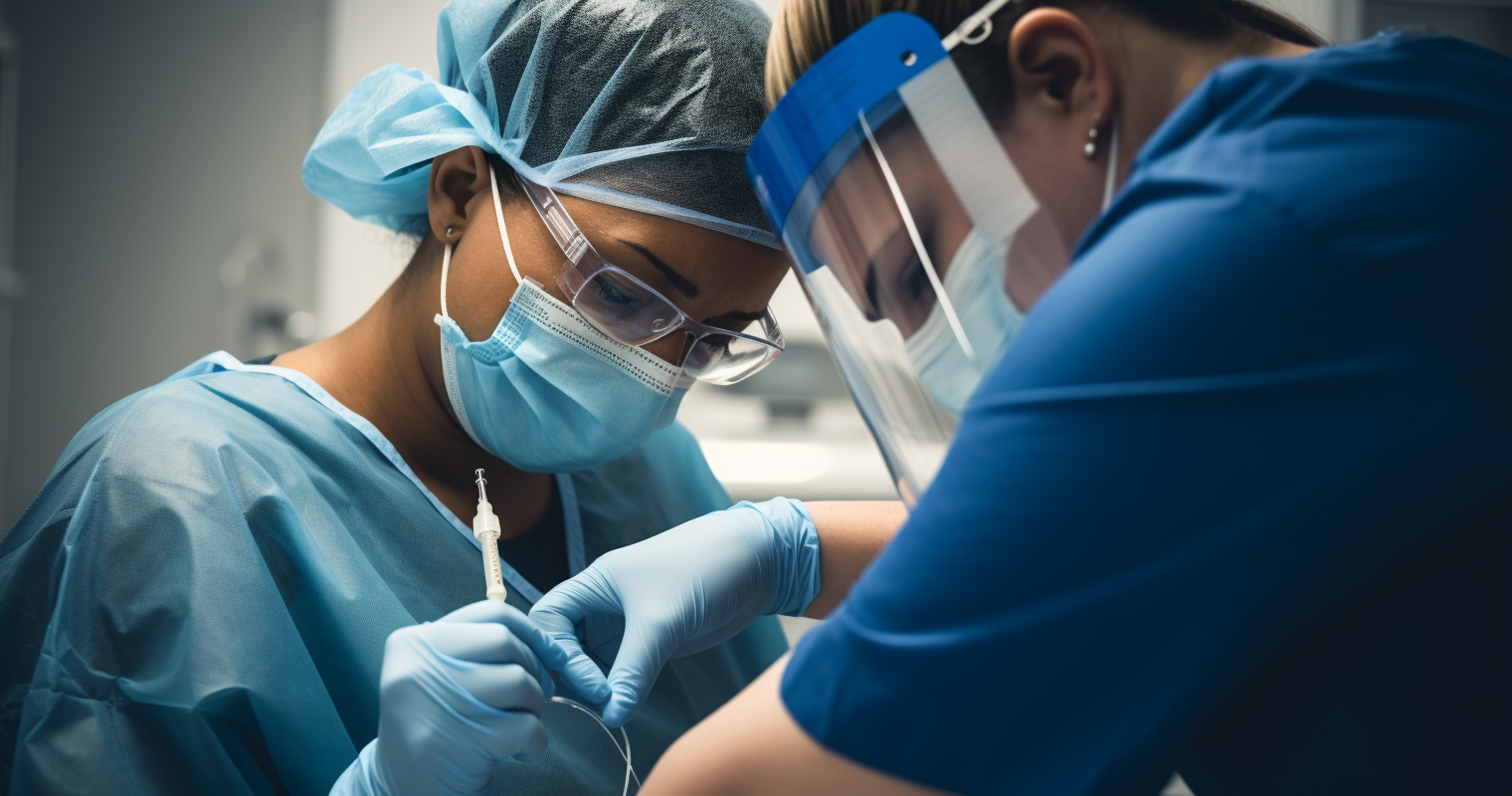
South Korea runs a compulsory, single-payer National Health Insurance (NHIS) programme that provides residents with access to a broad spectrum of medical services at reduced costs. The system is consistently placed among the finest in the world for both reach and quality of care. Foreign nationals who reside in the country for more than six months are required to join the NHIS. Healthcare is not provided free of charge — patients contribute through co-payments — and supplementary private insurance is commonly used to cover what the public system does not.
| Item | Details |
|---|---|
| System type | Single-payer mandatory National Health Insurance (NHIS) — Bismarck-style social insurance model |
| NHIS eligibility for expats | Mandatory enrolment after 6 months of residence (as of 2019) |
| NHIS premium rate (employees) | Approx. 7.09% of gross salary, split 50/50 between employee and employer (as of 2024–2025) |
| NHIS student monthly premium | KRW 76,390 (as of January 2025) |
| NHIS coverage level | Approx. 70% of eligible medical costs; patient pays remaining co-payment |
| Emergency number | 119 (ambulance); English interpretation available |
| Official authority | National Health Insurance Service (NHIS) / Ministry of Health and Welfare (MOHW) |
What is the standard of healthcare in South Korea?
South Korea has built a reputation for a strong public health system supported by hospitals and clinics that rank among the most capable in the developed world. South Korean hospitals consistently perform well in OECD comparisons, and the country’s average life expectancy of 82.7 years surpasses the OECD mean of 80.8 years. This outcome is no coincidence — it reflects sustained, deliberate investment over decades in medical training, technology, and healthcare infrastructure.
The OECD places South Korea first globally for healthcare accessibility. Bloomberg has also rated it as the second most effective healthcare system in the world. The country’s 3,200 hospitals contribute significantly to its ranking of 18th in the 2022 World Index of Healthcare Innovation and its standing as the 3rd best healthcare system in the world through 2024.
South Korea’s public healthcare system is impressively resourced. The country ranks 4th globally in MRI machines per capita and 6th in CT scanners per capita. Hospital bed availability stands at roughly 9.5 per 1,000 patients — approximately three times the figures seen in Sweden, Canada, the United Kingdom, and the United States. While many Western nations wrestle with acute bed shortages, South Korea’s capacity for inpatient care is substantially greater.
Clinical outcomes further underscore the system’s depth. South Korea leads the OECD in colorectal cancer survival rates at nearly 73%, and ranks second for cervical cancer survival at close to 77%. The country also records the third-lowest mortality rate among haemorrhagic stroke survivors within the OECD. These results reflect genuine medical capability, not merely well-stocked facilities.
Many of the country’s leading hospitals are connected to universities and medical schools, granting them access to higher levels of specialist expertise, cutting-edge technology, and ongoing medical research. The most prominent medical centres combine ultramodern equipment with highly educated clinical teams.
There is, however, a clear disparity between urban and rural provision. Rural clinics tend to be stretched and offer limited services. Physicians working outside major cities often operate small private practices with constrained resources, and professional shortages in these areas can make it extremely difficult for residents — particularly older patients — to obtain timely care without lengthy travel. Expats considering relocation beyond cities such as Seoul, Busan, or Incheon should take this into account during their planning.
It is also important to note that South Korea has been navigating a serious healthcare crisis since early 2024, triggered when the government announced plans to expand medical school admissions, prompting thousands of trainee doctors to walk off the job and causing widespread disruption to hospital services. This situation persisted into 2025. Prospective movers should consult the Ministry of Health and Welfare (MOHW) and the WHO South Korea country profile for the latest information on the state of healthcare before making relocation decisions.
How is healthcare funded in South Korea, and is private health insurance necessary?
South Korea’s healthcare system operates as a single-payer model administered by the National Health Insurance Service (NHIS). Virtually all citizens receive universal medical coverage through this framework. In structural terms, the NHIS follows a Bismarck-style social insurance approach — comparable in principle to healthcare arrangements in Germany, Japan, and France — whereby contributions are collected from employers and employees rather than drawn primarily from general taxation as in Beveridge-model systems such as the UK’s NHS.
The NHIS draws its funding from employee and employer contributions, government subsidies, and supplementary revenue streams including taxes levied on tobacco products. As of 2024–2025, the combined standard National Health Insurance contribution rate is approximately 7.09% of gross salary, divided equally between the employee and employer.
The NHIS reimburses around 70% of eligible medical expenses for enrolled residents, with the patient responsible for the remaining co-payment. This means that even fully enrolled NHIS members will face direct out-of-pocket costs at each healthcare encounter. The scheme covers most routine checkups, medical emergencies, and substantially subsidises alternative medical care and prescription medicines. It does not, however, cover chronic illnesses such as cancer.
Even when NHIS coverage is in place, certain treatments outside the scope of the insurance can generate substantial out-of-pocket costs. For this reason, many Koreans purchase supplementary insurance to broaden their protection — an option equally available to foreign residents.
Most expats living in South Korea hold some form of private medical cover in addition to the NHIS. Private insurance is especially advisable for those managing a chronic condition, anticipating specialist treatment, or wishing to access private hospital facilities. For the most current information on premium rates and coverage rules, consult the NHIS official English-language portal and the Ministry of Health and Welfare directly, as these figures are subject to periodic revision.
How do I register with a doctor or access primary care in South Korea?
South Korea does not operate a GP gatekeeping structure in the same manner as, for instance, the NHS in the United Kingdom or Medicare in Australia, where a referral from a family doctor is ordinarily required before accessing a specialist. In South Korea, it is entirely normal for patients to attend hospitals even for relatively minor complaints, and patients are largely free to select their own provider and visit clinics or hospitals without prior referral.
Healthcare in South Korea can be accessed through hospitals, clinics, and pharmacies. Hospitals are generally equipped with advanced technology and a wide range of specialists. Clinics are smaller establishments and may focus on particular fields such as dermatology, dentistry, or traditional Korean medicine. Pharmacies are found throughout the country, and pharmacists are able to offer guidance and dispense medication for everyday ailments.
To receive care at NHIS-subsidised rates, enrolment in the system is required. This involves obtaining an Alien Registration Card (ARC) and formally registering with the NHIS at your local office, presenting documents including your passport, ARC, and evidence of employment or residency.
Below is a step-by-step overview of how to access primary care as a newly arrived expat:
- Obtain your Alien Registration Card (ARC). If you intend to stay longer than 90 days, you must register with the Korea Immigration Service within 90 days of arrival. Receiving the ARC typically takes around 6 to 8 weeks from the time of application, during which your NHIS enrolment will also be processed.
- Enrol in the NHIS. If you are employed by a Korean school, company, or organisation, you will generally be classified as an “Employee Insured” person. Your employer is legally obligated to enrol you in the NHIS and handle the associated paperwork. Those who are self-employed must contact their nearest NHIS branch directly to register.
- Cover the insurance gap. In the period before your ARC is issued and NHIS coverage formally commences, any serious medical emergency will require you to meet the full cost of treatment without the benefit of NHIS discounts. Travel insurance or a short-term private policy should be arranged to bridge this gap before you arrive.
- Receive your NHIS card. Once registered, your NHIS card and subscription information will be posted to your Korean residential address. In the interim, your ARC number can be used to access NHIS-subsidised care.
- Choose your clinic or hospital. Once you are registered with the NHIS, you are free to select any healthcare provider, clinic, or hospital across the country.
- Attend your appointment. When visiting a healthcare facility, bring all relevant documentation — including your ID, NHIS card, and any applicable medical records. Arriving on time is important, as punctuality is taken seriously in Korean culture.
In major urban centres, many hospitals have English-speaking staff available to assist international patients. Booking ahead is advisable, particularly in larger cities, to reduce waiting times. The NHIS also operates a multilingual call centre — reachable at 033-811-2000 — offering assistance in English, Chinese, Vietnamese, and Uzbek.
What services do hospitals in South Korea provide, and what should patients expect?
South Korea has developed one of the most advanced healthcare systems in the world, with both public and private sectors delivering high-quality care and treatment. Medical professionals across the country receive rigorous training, and major institutions — especially those affiliated with universities — provide comprehensive specialist services spanning complex surgery, oncology, cardiology, and organ transplantation.
The system has achieved some of the world’s highest survival rates for cancer treatment (ranging from 73% to 98%), heart surgery, and organ transplants, making it a sought-after destination for medical tourists requiring specialised procedures. South Korea welcomed a record 1.17 million international patients in 2024 — nearly double the 610,000 treated in 2023.
Traditional Korean Medicine (TKM) plays a recognised and integrated role within the broader healthcare system. Practices including acupuncture, herbal remedies, and moxibustion are widely used, and many Koreans draw on both TKM and Western medicine as part of a combined approach to wellbeing. The NHIS substantially subsidises the cost of alternative medical treatments.
While the standard of care in public hospitals is generally excellent, some expats opt for private facilities, which tend to offer greater personal comfort and a more tailored experience — including private rooms and shorter waits. For those seeking a more personalised level of service, private hospitals and clinics can be an attractive alternative.
One aspect of hospital stays in South Korea that often surprises newcomers relates to the expected involvement of family members in patient care. If you are admitted to a Korean hospital — particularly for a serious condition — the hospital may request that a guardian, known as a ‘bohoja,’ be present to assist with basic care needs such as personal hygiene, mobility, and accompanying the patient on short walks. Paid caregivers, called ‘ganbyungin,’ can be arranged through specialist agencies, though these individuals generally do not speak English. If you anticipate the possibility of hospitalisation, arranging for a trusted friend or relative to serve in this role in advance is strongly advisable. This expectation differs substantially from systems where nursing staff provide all personal care, and expats should plan with this in mind.
Leading institutions such as Seoul National University Hospital, Samsung Medical Centre, and Asan Medical Centre operate dedicated international clinics with multilingual staff. These departments typically offer easier access to specialists and streamlined emergency services, making them an ideal starting point for newly arrived expats navigating the system for the first time.
How does follow-up and aftercare work in South Korea?
Post-treatment follow-up in South Korea is handled primarily through outpatient appointments at hospitals and specialist clinics, rather than through community nursing or a GP-led aftercare model. As there is no strong primary-care gatekeeping structure, patients typically return to the same hospital department that originally treated them for ongoing consultations and monitoring.
Two separately managed schemes — the National Health Insurance and the Long-Term Care Insurance (LTCI) — underpin support for long-term care hospitals and nursing homes respectively, with patient out-of-pocket contributions ranging from 0% to 20%. The LTCI is a distinct contributory programme specifically designed to fund support for elderly or disabled patients requiring sustained assistance with daily living.
Access to post-acute home care remains limited in practice. Structural and logistical barriers have slowed the expansion of home-based medical services. A significant obstacle is the absence of a standardised coordination infrastructure for home health services, which results in fragmented delivery of care. Shortages in the home health workforce — particularly among nurses and caregivers — further constrain the feasibility of scaling up home care nationally.
In 2018, the South Korean government launched its “Community Care Plan,” intended to bring together health and welfare services and encourage ageing in place. Although this plan included a pilot programme for home health visits, its practical reach has remained modest and public awareness of it is low. In July 2023, a new integrated medical care support pilot for older individuals was launched, with implementation planned across 12 local governments by December 2025. The project focuses on homebound long-term care recipients and older people who are hospitalised or at risk of hospitalisation.
In practice, expats requiring rehabilitation or ongoing community nursing following a hospital stay may need to make private arrangements to supplement what the public system provides. It is advisable to speak with your hospital’s discharge team early in your recovery, and to review your private insurance policy carefully for what it covers in terms of outpatient rehabilitation and home care — before such needs arise.
What are the rules on medical treatment for foreign visitors and new arrivals in South Korea?
South Korea’s National Health Insurance (NHIS) is available only to residents who have been in the country for more than six months. Tourists and short-term visitors must rely entirely on private travel insurance for any medical costs incurred. This is a critical distinction — travelling to South Korea without adequate insurance, even briefly, creates genuine financial exposure.
Without adequate coverage, medical costs in South Korea can mount rapidly. An uninsured patient visiting an emergency room can expect to pay USD 200–500, compared to just USD 30–50 with appropriate insurance in place. An overnight hospital stay can cost between USD 800 and USD 1,500 per day, and specialised diagnostic procedures such as MRI scans may run between USD 600 and USD 1,200 without insurance. These figures reflect costs as of 2025; always verify current charges with your healthcare provider or insurer.
Since 16 July 2019, any foreigner or overseas Korean who has resided in Korea for more than six months is subject to mandatory NHIS enrolment. However, there is an important practical detail for new arrivals: NHIS coverage is activated from the date your Alien Registration Card (ARC) is formally issued and recorded in the system — that date becomes your official NHIS coverage start date. The period between your arrival in Korea and the issuance of your ARC represents an uninsured interval that you must actively address before departing for South Korea.
If you already receive medical coverage equivalent to NHIS benefits through foreign regulations, an overseas insurance policy, or a contractual arrangement with your employer, you may apply for exemption from mandatory NHIS enrolment. Expats covered by comprehensive employer-provided or international health plans may therefore be eligible to opt out — but this requires a formal application and confirmation from the NHIS.
South Korea does not maintain the kind of broad reciprocal healthcare network that exists between EU member states under the European Health Insurance Card (EHIC) scheme. The existence, scope, and eligibility criteria of any bilateral healthcare arrangements are subject to change and should be verified directly with the Ministry of Health and Welfare and your own country’s foreign affairs or health authority before travelling or relocating.
What are the most important health insurance options for expats in South Korea?
Expats living in South Korea typically rely on one or a combination of three main coverage arrangements: mandatory NHIS enrolment, employer-provided supplementary cover, and international or locally purchased private health insurance. Understanding how these layers interact is essential to avoiding unexpected expenses.
NHIS (National Health Insurance Service)
NHIS membership provides access to a broad range of services, including hospital visits, consultations with doctors, prescription medicines, and preventive care. Coverage also extends to specialised treatments and surgical procedures, helping to ensure that members receive necessary care without being exposed to excessive costs. Additional benefits include dental and oriental medical treatment, regular health screenings, and cover for pregnancy and childbirth-related medical expenses. Cosmetic procedures and treatments that do not impair a person’s ability to carry out daily work are excluded from coverage.
Private local insurance
Local private health insurance can be used to cover services that fall outside the scope of the NHIS, including elective procedures and alternative therapies. Many expats opt for private cover to ensure more comprehensive protection. South Korean insurers offer a variety of products designed specifically to fill NHIS gaps, including cancer cover and critical illness policies — areas where public system coverage is notably limited.
International health insurance
For expats who travel regularly or anticipate returning to their home country at some point, an international health insurance policy provides coverage for medical expenses incurred outside South Korea. Plans from providers such as Cigna Global, Bupa Global, and others typically offer more flexible and portable coverage, higher benefit limits, multilingual support, and direct billing at private hospitals. Expats with pre-existing conditions may find fewer options when purchasing international insurance in South Korea, but arrangements are still available — including policies with pre-existing condition exclusions, moratorium underwriting, or coverage with an applied loading.
When evaluating plans, consider whether a policy offers direct billing at Korean hospitals (avoiding the need to pay upfront and reclaim costs later); coverage for chronic conditions; both outpatient and inpatient care; mental health treatment; and portability if you relocate again. Always verify current premiums and policy terms with your insurer, and check regulatory requirements with the NHIS and South Korea’s Financial Services Commission, which has oversight of insurance providers operating in the country.
Are there any particular health risks or considerations for people moving to South Korea?
South Korea is a high-income country with a robust public health infrastructure and reliable standards of food and water safety. Nevertheless, there are specific health considerations that expats should be aware of before and after making the move.
Air quality
Recent improvements have brought South Korea’s PM2.5 levels to record lows in 2024, with Seoul recording an annual average of 17.6 micrograms per cubic metre. That said, individuals with respiratory sensitivities should continue monitoring air quality indices and be prepared to take appropriate precautions. Seasonal yellow dust (hwangsa) blown in from China can cause temporary spikes in particulate concentrations, and those living with conditions such as asthma should keep suitable medication readily accessible.
Tick-borne diseases
People who spend time in outdoor environments should be alert to tick-borne illnesses, particularly Severe Fever with Thrombocytopenia Syndrome (SFTS), which is most prevalent during warmer months. The disease is spread by Haemaphysalis ticks, which are active throughout the year in South Korea. Wearing long-sleeved clothing, applying insect repellent, and checking for ticks after time outdoors are all recommended precautions.
Seasonal influenza
South Korea experiences well-defined influenza seasons, with Type A flu circulating primarily in winter and early spring, followed by surges of Type B in late spring. The spring 2025 season saw infection rates reach 21.6 per 1,000 outpatients — well above the epidemic threshold. Annual flu vaccination is widely accessible through the NHIS and private clinics alike.
Mental health
South Korea has the highest suicide rate in the OECD, and unlike many peer nations, this rate is increasing rather than declining. Despite the prevalence of mental illness, there is a strong cultural stigma surrounding it, and many people do not seek professional support even when qualified practitioners are available. Expats who require mental health care should proactively seek out English-language or international counselling services; online therapy platforms are also a practical alternative, and telemedicine is legally permitted in South Korea through officially approved channels.
Vaccinations
You should ensure that all routine vaccinations recommended in your home country are current before relocating. Additional immunisations may be appropriate depending on your activities and the regions of South Korea you plan to visit. Consult the WHO South Korea country profile and your national travel health advisory service for personalised and up-to-date vaccination guidance ahead of your move.
Traditional Korean Medicine
As a newcomer, you may be curious about and drawn to Traditional Korean Medicine. However, it is essential to seek professional advice before undertaking any traditional treatments, particularly if you have existing medical conditions or are currently taking other medications, as interactions and contraindications may apply.
Frequently asked questions
Can expats use the South Korean public health system?
Yes. Any foreigner who has resided in Korea for over six months has been subject to mandatory NHIS enrolment since 16 July 2019. Once enrolled and holding an Alien Registration Card (ARC), you receive care at the same subsidised rates as Korean nationals. Prior to reaching the six-month threshold, you must arrange private or travel insurance to cover any medical costs. Confirm your eligibility and enrolment process directly with the NHIS.
How do I find a doctor who speaks my language in South Korea?
Major hospitals such as Seoul National University Hospital, Samsung Medical Centre, and Asan Medical Centre operate dedicated international clinics with multilingual professionals on staff. The Seoul Global Centre provides a range of support services for foreign residents, including healthcare guidance and translation assistance. The app Medi Korea lists hospital reviews and information on clinics offering multilingual services, while the app Goodoc allows you to search for and book appointments with doctors who can communicate in languages other than Korean. Language access outside major cities may be significantly more limited.
What happens in a medical emergency in South Korea?
In any medical emergency, call 119 for an ambulance. South Korea’s emergency services are fast and well-organised, and English interpretation is generally available when you call. Large hospitals typically have multilingual staff working in their emergency departments. Be aware that South Korea has been experiencing an ongoing healthcare staffing crisis that may cause disruption and delays at hospitals across the country, including at larger institutions with international clinics. Check the current situation with the MOHW before relocating.
How do prescriptions work in South Korea?
Pharmacies are widely available, and pharmacists can provide guidance and over-the-counter medication for common minor conditions. Prescription medicines can only be obtained through a licensed doctor, so a visit to a clinic or hospital is necessary if you require a prescription. The NHIS substantially subsidises prescription drug costs for enrolled members. When you first arrive, bring a sufficient supply of any regular medications you take, together with documentation of the generic name of each drug, as product names and brand availability may differ in South Korea.
Are pre-existing conditions covered by the NHIS?
The NHIS does not, as a general rule, exclude pre-existing conditions in the same way that many private insurers do — once you are enrolled, coverage applies to conditions you already have. However, the NHIS does not cover chronic illnesses including cancer, which means ongoing treatment for conditions such as diabetes, cancer, or heart disease can still generate substantial co-payments. Expats with pre-existing conditions exploring private insurance options may find a narrower range of products available, but workable solutions exist — including plans with an exclusion for the pre-existing condition, moratorium underwriting, or coverage with an applied premium loading. Always disclose pre-existing conditions honestly to your insurer and carefully review the terms before committing to a policy.
Is there a waiting period before NHIS coverage begins?
In practice, yes. NHIS coverage commences on the date your ARC is formally issued and entered into the system — that date serves as your official NHIS start date. Obtaining the ARC typically takes around 6 to 8 weeks from the time of application following arrival. During this interval, NHIS coverage is not yet active. You should arrange travel insurance or a short-term private policy to cover this gap before you depart for South Korea.
Does South Korea have reciprocal healthcare agreements with other countries?
South Korea does not operate a broad reciprocal healthcare framework comparable to, for example, the EHIC arrangement within the EU. Some bilateral social security agreements may exist that affect contribution obligations or specific entitlements, but their scope and applicability differ considerably depending on the countries involved. You should verify the current status of any agreement between South Korea and your country of origin directly with the Ministry of Health and Welfare and your own government’s foreign affairs or social security authority, as such agreements are subject to change.
What is the NHIS monthly premium for international students (as of 2025)?
From January 2025, the monthly NHIS contribution for international students is KRW 76,390. Reduced rates apply only to households with monthly income of KRW 3.6 million or below and a property tax base of KRW 135 million or below. Premium levels and eligibility thresholds are reviewed periodically — always confirm the current rate via the official NHIS website or by contacting their multilingual helpline directly.
Latest: Expat Focus International Healthcare Update September 2026 →