
Among Middle Eastern nations, the UAE stands out for having one of the most sophisticated and formally structured frameworks for complementary and alternative medicine (CAM). Therapies ranging from acupuncture and Ayurveda to Hijama cupping and Traditional Chinese Medicine are all practised legally under government-issued licences. Rather than replacing conventional medicine, CAM functions alongside it, with integration between the two approaches deepening steadily at clinics throughout Dubai and Abu Dhabi.
| Item | Details |
|---|---|
| Regulated therapies (as of 2025) | Ayurveda, chiropractic, homeopathy, naturopathy, osteopathy, therapeutic massage, Traditional Chinese Medicine, Unani Medicine — all require a government licence |
| Licensing authorities | MOHAP (non-Dubai/Abu Dhabi emirates), Dubai Health Authority (DHA), Department of Health Abu Dhabi (DoH) |
| MOHAP licensed CAM practitioners (2023) | Over 400 licensed practitioners |
| Insurance coverage | Some CAM therapies (e.g. homeopathy, Ayurveda) included in Dubai’s Essential Benefits Plan; physiotherapy broadly covered; other therapies vary by insurer |
| Dubai EBP homeopathy cover cap (as of 2021) | Up to AED 2,500 with 20% co-payment for outpatient visits |
| Official CAM information | UAE Government Portal – Alternative Medicine |
What types of complementary and alternative medicine are available in the UAE?
Shaped by both its multicultural population and robust government backing for integrative healthcare, the UAE offers an exceptionally wide spectrum of CAM options. Officially recognised treatment streams include Ayurveda, chiropractic medicine, homeopathy, naturopathic medicine, osteopathic medicine, therapeutic massage, Traditional Chinese Medicine (TCM), and Unani medicine. Each of these disciplines is formally licensed and can be accessed at dedicated clinics, wellness centres, and integrative hospitals throughout the country.
The UAE’s deep cultural heritage has ensured that traditional practices such as Hijama (cupping), herbal medicine, acupuncture, and Ayurveda have historically occupied an important place in community health and wellbeing. Hijama, or wet cupping therapy, is especially prominent and culturally ingrained — it draws on strong roots in Islamic tradition and is widely performed across all seven emirates, including in community settings in smaller cities.
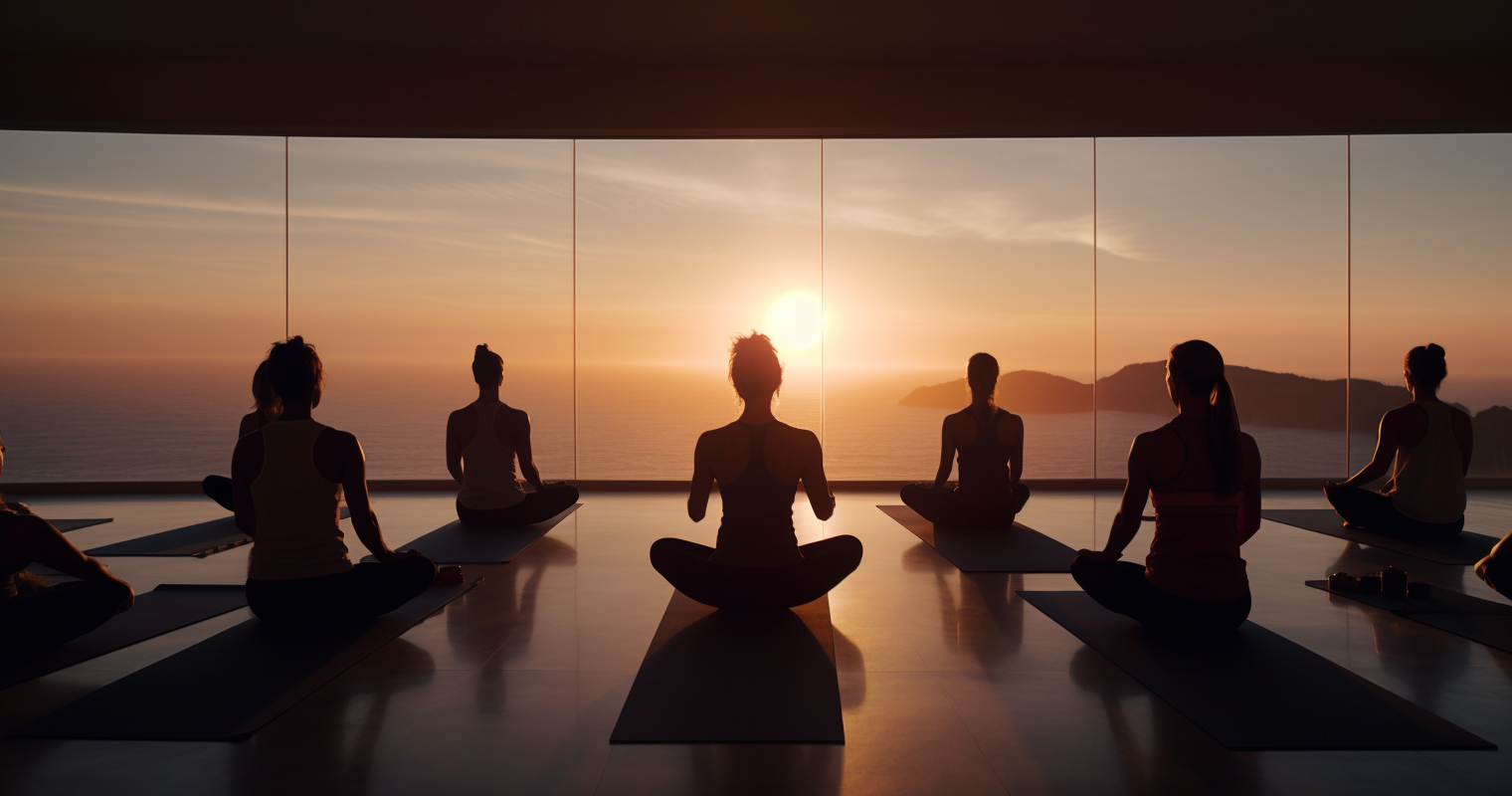
Therapies such as yoga, meditation, acupuncture, and various wellness treatments have gained significant traction, and are now routinely offered at yoga studios, meditation centres, spas, and wellness parlours throughout the region. Mind-body practices including Mindfulness-Based Stress Reduction (MBSR) and sound healing have also expanded considerably, particularly in Dubai and Abu Dhabi, where corporate wellness culture generates sustained demand.
Complementary interventions such as Reiki, sound healing, hypnotherapy, and aromatherapy are increasingly incorporated into holistic health programmes. Women’s health represents the fastest-growing area of application, with rising numbers of female clients seeking natural therapies for hormonal imbalances, menstrual irregularities, fertility concerns, and menopause management. Specialist women’s wellness centres offering Ayurvedic massage, hormonal acupuncture, homeopathy, and herbal tonics are proliferating across Dubai and Sharjah.
Compared with countries such as Australia or the UK, the UAE’s CAM environment is particularly distinguished by its strong Ayurvedic and Unani medicine presence, a reflection of the large South Asian expatriate community. TCM is also exceptionally well represented. Naturopathy, while formally licensed, has a lower profile in everyday practice than in countries such as Canada or Germany, though it is gaining ground. Formally licensed facility types include acupuncture treatment centres, Ayurvedic medicine centres, chiropractic treatment centres, osteopathy centres, cupping therapy centres, homeopathy treatment centres, Traditional Chinese medicine centres, Traditional Korean medicine centres, and Traditional Greek medicine centres.
Is complementary and alternative medicine regulated in the UAE?
The UAE issues professional licences across the fields of Traditional, Complementary and Alternative Medicine (TCAM). This formal licensing structure distinguishes the UAE from many countries where CAM is governed only by voluntary self-regulation or membership of professional associations. In spirit, the approach resembles the statutory regulation found in the UK — where chiropractors and osteopaths operate under dedicated statutory councils — but it is administered through the country’s existing health authority infrastructure rather than through independent professional bodies.
Medical licensing for professionals is overseen by three distinct authorities, each responsible for a different part of the country: the Department of Health Abu Dhabi (DoH/HAAD) covers Abu Dhabi; the Dubai Health Authority (DHA) covers Dubai; and the Ministry of Health and Prevention (MOHAP) covers all remaining emirates, including Sharjah, Fujairah, Umm Al Quwain, Ras Al Khaimah, and Ajman. Every CAM practitioner must hold a valid licence from whichever authority governs the emirate in which they work.
MOHAP, the DoH in Abu Dhabi, and the DHA have each introduced regulations and licensing requirements for both CAM professionals and the clinics where they practise, allowing the sector to develop within a structured and accountable environment. To obtain a licence, practitioners must demonstrate accredited academic qualifications and relevant professional experience, while facilities must satisfy health and safety standards before any approval is granted.
A TCAM centre licence permits medical facilities to offer acupuncture, Ayurveda, homeopathy, osteopathy, chiropractic care, Traditional Chinese Medicine, and herbal treatments. For such a licence, a qualified professional holding an accredited academic qualification in the relevant discipline must be designated as the responsible practitioner.
By 2023, MOHAP had licensed more than 400 practitioners specialising in alternative medicine. Government-led initiatives aim to bolster consumer confidence and raise standards of practice. It is worth noting, however, that not all wellness activities — including certain forms of energy healing, Reiki, or crystal therapy — fall within the TCAM regulatory framework, and consumers should exercise additional vigilance when engaging practitioners who offer these services.
For current licensing requirements, refer to the Ministry of Health and Prevention (MOHAP), the Dubai Health Authority (DHA), and the Department of Health Abu Dhabi (DoH). Requirements and approved specialties are subject to revision, so always verify the current position directly with the relevant authority before making decisions.
Is CAM covered by health insurance or the public healthcare system in the UAE?
Health insurance coverage for CAM in the UAE is broadening but remains inconsistent across plans and emirates. Unlike the NHS in the UK — which does not routinely fund CAM treatments — the UAE has taken deliberate steps to incorporate certain therapies within mandated insurance frameworks, though coverage is still far from universal.
The inclusion of alternative therapies within foundational health insurance products, such as Dubai’s Essential Benefits Plan (EBP), has made CAM more financially accessible and supported market growth. Dubai’s EBP now encompasses treatments such as homeopathy and Ayurveda, improving access for lower-income residents. As of 2021, the Dubai Health Authority’s policy includes homeopathy in basic health plans with coverage up to AED 2,500 (approximately USD 680), with a 20% co-payment for outpatient visits. Always confirm current figures directly with your insurer and the DHA, as thresholds may have changed.
Certain insurance providers, including Oman Insurance Company, now extend cover to a broad array of CAM therapies — among them homeopathy, Ayurveda, and TCM — through networks of recognised clinics. To confirm that your plan covers treatments such as acupuncture or chiropractic care, look for comprehensive or premium-tier plans that specifically include wellness and preventive care benefits. Providers such as Cigna, Aetna, and local insurers like Daman frequently offer plans with optional add-ons for alternative treatments. Limits such as session caps or practitioner qualification requirements may apply.
In the UAE, healthcare reimbursement decisions are typically guided by the availability of clinical trials and randomised controlled trials that establish the safety and efficacy of specific interventions. Without such evidence, CAM therapies face challenges in achieving recognition and coverage under insurance schemes. Consequently, less evidence-based modalities such as Reiki, crystal healing, and certain energy therapies are unlikely to be reimbursable under any mainstream health insurance plan.
Limited coverage can discourage lower- and middle-income residents from pursuing alternative treatments, particularly for chronic conditions requiring repeated sessions such as physiotherapy, acupuncture, or psychotherapy. Many insurers additionally require referrals from conventional physicians or impose restrictions on the number of CAM visits, introducing administrative obstacles. Always read your policy carefully and confirm CAM coverage directly with your insurer before commencing any treatment.
How much does complementary and alternative medicine cost in the UAE?
The cost of CAM treatment in the UAE varies considerably depending on the therapy, the provider, the clinic’s location, and the practitioner’s qualifications and experience. Prices are generally highest in Dubai and Abu Dhabi, while clinics in Sharjah, Ajman, and the Northern Emirates tend to be more affordable. The figures below are provided as a general guide as of 2024–2025; always confirm current pricing with practitioners before making a booking.
| Therapy | Approximate cost per session |
|---|---|
| Acupuncture (initial consultation) | AED 200–500 |
| Chiropractic adjustment | AED 250–600 |
| Homeopathy consultation | AED 150–400 |
| Ayurvedic consultation | AED 150–350 |
| Osteopathy | AED 300–600 |
| Hijama (cupping therapy) | AED 100–300 |
| Traditional Chinese Medicine consultation | AED 200–450 |
| Naturopathy consultation | AED 200–500 |
These are indicative ranges; fees at luxury wellness centres or integrative hospital settings can be substantially higher. Dubai and Abu Dhabi have emerged as leading CAM destinations in the region, with a growing number of integrative medical centres, Ayurvedic clinics, and holistic therapy providers expanding their services. Rising competition has helped keep prices at mid-range levels more moderate, though premium clinics serving high-spending clients charge accordingly. Always request a comprehensive fee schedule from any practitioner before committing to a course of treatment, as ongoing therapy for chronic conditions can accumulate significant costs without insurance coverage.
For the most current pricing, contact practitioners or clinics directly, or consult the Dubai Healthcare City Authority’s registered provider network. The Dubai Healthcare City Authority (DHCCA) publishes standards for outpatient CAM services and maintains a directory of licensed providers.
How do I find a qualified CAM practitioner in the UAE?
Verifying a practitioner’s credentials before your first appointment is essential, as it is in any country. The good news is that the UAE’s formal licensing system makes it relatively simple to confirm whether a CAM provider is properly registered. The process is analogous to checking a statutory register such as the General Chiropractic Council in the UK or the Australian Health Practitioner Regulation Agency (AHPRA) — the goal is to confirm an active, current licence issued by the relevant UAE health authority.
- Identify the relevant authority: Establish whether your practitioner works in Dubai (regulated by the DHA), Abu Dhabi (regulated by the DoH), or another emirate (regulated by MOHAP). Each authority maintains its own register of licensed practitioners.
- Check the DHA licence verification tool: The Dubai Health Authority offers an online licence verification service through which you can confirm whether a practitioner holds a valid DHA licence.
- Use the MOHAP e-services portal: The MOHAP website enables facility licence verification for practitioners operating outside Dubai and Abu Dhabi. MOHAP’s Call Centre can also be reached on 80011111.
- Check for malpractice insurance: Proof of malpractice insurance is a prerequisite for all licence applications approved by the DHA. Asking your practitioner to confirm their malpractice cover provides an additional layer of reassurance.
- Ask for qualifications and verify via DataFlow: The DataFlow report is used to verify credentials across all UAE licensing authorities, and verifications do not expire. Licence applicants in the UAE must have their qualifications authenticated through DataFlow, and you are entitled to ask a practitioner for their DataFlow verification status.
- Seek referrals from established medical providers: Hospital and clinic networks such as Mediclinic Middle East, Aster DM Healthcare, and Cleveland Clinic Abu Dhabi frequently have in-house or affiliated CAM practitioners whose credentials have already been reviewed. A referral from a GP to a licensed CAM provider is a dependable starting point.
- Look for clinics within Dubai Healthcare City: The Dubai Healthcare City Authority (DHCCA) sets standards for outpatient complementary and alternative medicine. Clinics within Dubai Healthcare City are required to meet these standards, making it a particularly reliable area in which to find regulated CAM providers.
Red flags to watch for: Exercise caution around practitioners who are unable to produce a valid licence number from one of the three health authorities, who claim the ability to diagnose or cure serious medical conditions, who sell unlicensed herbal or supplement products bearing unverified health claims, or who advise you to discontinue prescribed conventional medication. Abu Dhabi has placed significant emphasis on integrative healthcare through the DoH’s CAM regulations. Sharjah and Ras Al Khaimah are witnessing growth in community clinics offering traditional Arabic healing and massage therapies, especially in residential neighbourhoods — quality control in smaller community settings can vary, so extra due diligence is warranted.
Are there traditional or indigenous medicine systems practised in the UAE?
The UAE’s cultural heritage encompasses traditional practices such as Hijama (cupping), herbal medicine, acupuncture, and Ayurveda, all of which have historically played a vital role in supporting community health and wellbeing. Among these, traditional Arabic medicine — which includes Hijama, herbal remedies, and Unani medicine — holds the most deeply embedded cultural roots within Emirati and broader Arab communities. Unani medicine, rooted in the Graeco-Arabic healing tradition, is formally recognised and licensed by MOHAP, and is practised at dedicated centres across the country.
Hijama (wet cupping) carries particular significance within an Islamic cultural context, as it is referenced in prophetic traditions (Hadith) as a recommended health practice. Cupping therapy centres are among the formally recognised and licensable traditional and complementary medicine centre types within MOHAP’s regulatory framework. This means consumers can access Hijama at both formally licensed clinics and — increasingly — through community practitioners, though the latter may not always operate under equivalent regulatory oversight. Using only licensed Hijama providers is strongly advisable to ensure that appropriate hygiene and safety standards are maintained.
Traditional Alternative Medicine and Botanicals have dominated the UAE CAM market, largely because of the cultural relevance, historical continuity, and growing professionalisation of practices such as Ayurveda, homeopathy, and Traditional Arabic Medicine. The traditional alternative medicine and botanicals segment held the largest market share at 33.99% as of 2024, a position attributed to the affordability, accessibility, and widely perceived health benefits of traditional remedies. Herbal treatments, Ayurvedic preparations, and other natural therapies remain especially popular among older residents, who favour gentle and non-invasive approaches to managing their health.
Therapies grounded in Unani, Traditional Chinese Medicine (TCM), and Ayurveda are attracting renewed interest, particularly among the expatriate population. This reflects the UAE’s demographic makeup: with large communities from South Asia, East Asia, and the Arab world, traditional healing systems from multiple cultural backgrounds coexist within a formally regulated environment. Expatriates from countries with established Ayurvedic or TCM traditions will generally find familiar practitioners and specialist clinics with ease, especially in Dubai and Abu Dhabi.
What should expats know about using CAM alongside conventional medicine in the UAE?
The simultaneous use of CAM and conventional medicine is becoming increasingly common in the UAE, particularly in the management of serious conditions such as cancer, diabetes, and HIV. Many traditional and complementary medicine providers incorporate both CAM professionals and conventional practitioners — including TCM specialists — within their services. This integrative philosophy is actively encouraged by policy, and a growing number of hospitals and licensed health centres offer both conventional and CAM treatments within the same facility.
Hospitals and licensed health centres in Dubai and Abu Dhabi are progressively incorporating CAM alongside standard medical care, with a particular focus on chronic pain management and women’s health. Major healthcare networks such as Mediclinic Middle East and the German Medical Centre operate integrative clinics, and Dubai Healthcare City hosts numerous specialist CAM centres that work in parallel with conventional medical providers. For those managing complex health conditions, an integrative clinic within an established healthcare network offers the most suitable environment for coordinating CAM and conventional care safely.
One of the most practically important considerations for expats is being open with your conventional doctor about any CAM therapies you are using. While individual physicians’ attitudes towards CAM vary — as they do globally — the formal licensing framework means that many hospital-based doctors in the UAE are familiar with licensed CAM therapies and are able to engage constructively with patients who use them. Disclosing all therapies and supplements to your conventional healthcare provider is strongly recommended, particularly given the risk of herb-drug interactions. Certain herbal preparations used in Ayurveda, Unani, and TCM can interfere with prescribed medications including blood thinners, immunosuppressants, and diabetes treatments.
In the UAE, healthcare reimbursement and policy decisions are frequently guided by the existence of clinical trials and randomised controlled trial data demonstrating the safety and effectiveness of specific interventions. This evidence-based ethos is also reflected in how the health authorities communicate about CAM. The Ministry of Health and Prevention (MOHAP) publishes guidance on licensed healthcare practices, and the Dubai Health Authority has issued scope-of-practice documents for TCAM that define the boundaries of what licensed practitioners are and are not permitted to do — a valuable reference for consumers seeking to understand the limits of legitimate CAM practice.
When purchasing herbal medicines or supplements in the UAE, source them exclusively from licensed pharmacies or clinics, and confirm that products carry approval from the UAE’s medicines regulator. The MOHAP medical products registration service governs the registration of medicines and health products; unregistered products obtained through informal channels may fail to meet UAE safety standards. Importing personal quantities of certain herbal products is generally permitted, but amounts that imply commercial supply may require a permit — contact MOHAP if you have any uncertainty about the rules.
The UAE government’s proactive stance — through licensing, regulation, and the integration of CAM within healthcare facilities — has significantly strengthened the sector. UAE Vision 2031 places emphasis on preventive health, mental wellness, and alternative healthcare delivery models, providing a firm policy foundation for continued CAM growth. For expats, this trajectory suggests the CAM landscape will keep maturing in the years ahead, with more licensed providers, broader insurance coverage, and deeper integration with mainstream healthcare.
Frequently asked questions about CAM in the UAE
Can I find CAM practitioners who speak languages other than Arabic in the UAE?
Yes. The UAE’s highly diverse expatriate population means that the great majority of CAM practitioners in Dubai and Abu Dhabi communicate in English, and many are also proficient in Hindi, Urdu, Tagalog, Mandarin, or other languages. It is worth checking the clinic’s website or telephoning ahead to confirm which languages are spoken. Clinics within Dubai Healthcare City and those affiliated with major hospital networks routinely employ multilingual staff.
Is Hijama (wet cupping) legal and safe in the UAE?
Cupping therapy centres constitute a formally recognised and licensable facility type under MOHAP’s regulatory framework. Hijama is both legal and widely practised across the UAE. For your safety, however, you should always use a practitioner based at a properly licensed facility. Operators working without a licence may not adhere to the hygiene protocols mandated by the health authorities, creating a genuine risk of infection. Ask to see the facility’s licence before undergoing any treatment.
How do I check whether a CAM practitioner in Dubai is properly licensed?
The Dubai Health Authority provides an online licence verification tool at dha.gov.ae, through which you can search by practitioner name or licence number. For Abu Dhabi, use the Department of Health Abu Dhabi portal at doh.gov.ae. For practitioners in other emirates, contact MOHAP directly via mohap.gov.ae or by calling 80011111.
Is homeopathy covered by health insurance in the UAE?
As of 2021, the Dubai Health Authority’s policy includes homeopathy within basic health plans, with coverage of up to AED 2,500 (approximately USD 680) and a 20% co-payment applying to outpatient visits. Coverage levels differ between insurers and plan tiers. Review your specific policy documentation and check directly with your insurer to confirm whether homeopathy is covered and what limits apply, as figures may have been revised since publication.
Are there any CAM therapies that are not permitted in the UAE?
The UAE’s regulatory framework specifies which therapies are formally licensed. Modalities falling outside the officially recognised TCAM categories — such as certain forms of energy healing — are not formally regulated, meaning practitioners who offer them are not subject to the same level of oversight. This does not automatically render such practices unlawful, but it does mean that consumer protections are considerably weaker. Exercise particular caution regarding health claims made for unlicensed or unregistered products, as UAE consumer protection legislation prohibits misleading health claims.
Will my conventional doctor in the UAE be open to discussing CAM?
Openness to CAM varies between individual practitioners, as is the case worldwide. That said, because CAM is formally licensed and increasingly embedded within the UAE’s healthcare system, many hospital-based and clinic doctors are familiar with the principal licensed therapies and are able to engage with patients about them constructively. Integrative clinics in Dubai and Abu Dhabi are specifically designed to bridge this conversation. Always be honest with your doctor about every therapy and supplement you are using, especially when managing a chronic condition or taking prescribed medication.
Can I bring herbal medicines or supplements into the UAE from abroad?
Personal quantities of most herbal medicines and dietary supplements may be brought into the UAE, but amounts suggestive of commercial supply may require prior authorisation. Certain substances that are sold legally as supplements in other countries may be classified as controlled substances in the UAE. Always consult the Ministry of Health and Prevention (MOHAP) before travelling with herbal or supplement products, particularly those containing controlled ingredients or marketed for specific health conditions. Purchasing products from licensed UAE pharmacies is the safest course of action.
Is Ayurveda widely available in the UAE, and is it regulated?
The DHA issues licences to Ayurvedic practitioners, ensuring both quality control and legal accountability. Ayurveda is among the most widely accessible CAM therapies in the UAE, its prevalence driven by the substantial South Asian expatriate community. Dedicated Ayurvedic centres operate in Dubai, Abu Dhabi, Sharjah, and other emirates. As with all TCAM therapies, always confirm that the practitioner holds a valid licence from the authority governing the emirate in which they practise.