

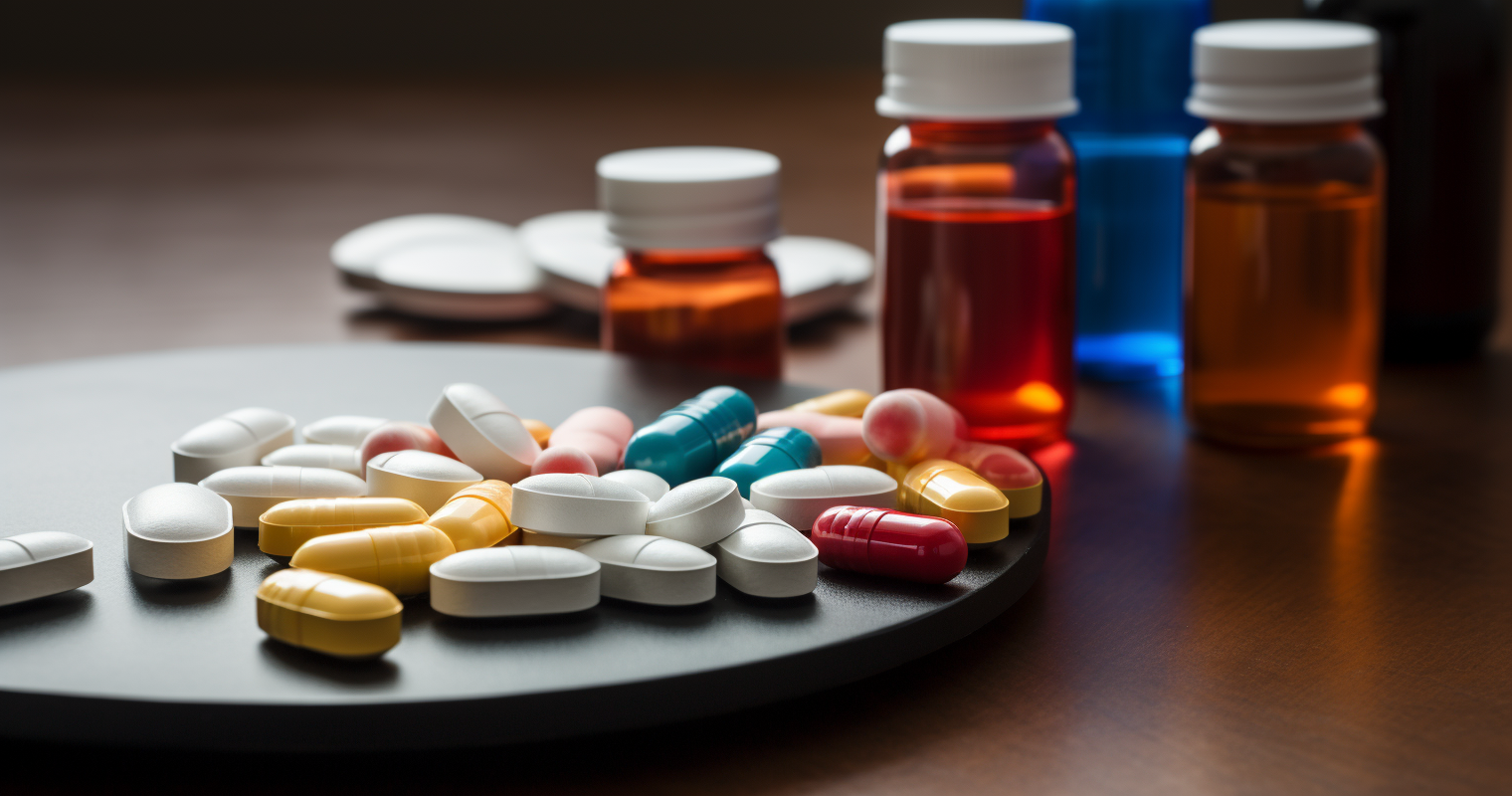
The United Kingdom’s National Health Service (NHS) operates a well-organised system for prescriptions and dispensing that is broadly accessible to people living in the country, including those who have recently relocated from abroad. Dispensing outlets — colloquially known as “chemists” — can be found on almost every main shopping street across the country. While patients in England pay a charge for each prescription item, residents of Scotland, Wales, and Northern Ireland receive their prescriptions at no cost. Getting registered with a nearby GP is the crucial starting point for anyone who needs access to medication.
| Item | Details |
|---|---|
| Prescription charge (England) | £9.90 per item (as of 2025, frozen for 2025/26) |
| Prescription cost (Scotland, Wales, N. Ireland) | Free for all residents |
| Prescription Prepayment Certificate (PPC) – 3 months | £32.05 (as of 2025) |
| Prescription Prepayment Certificate (PPC) – 12 months | £114.50 (as of 2025) |
| Prescription validity | Typically 6 months from date of signing |
| Out-of-hours NHS helpline | NHS 111 (free, 24/7) |
What are pharmacies called in the UK, and how do I recognise one?
Dispensing outlets in the United Kingdom are formally known as pharmacies, yet the everyday term chemist is used just as widely in ordinary conversation — something that often puzzles newcomers who associate that word with someone working in a laboratory. Both expressions describe the same regulated establishment: a licensed retail premises where medicines are dispensed and professional health guidance is offered. Large national chains such as Boots are a familiar sight on most town centre high streets.
The majority of these outlets display prominent signage using either “Pharmacy” or “Chemist” on their frontage. Unlike many continental European countries where a standardised green cross is mandated for every dispensing outlet, no single compulsory symbol exists across the UK as a whole. That said, a green cross is voluntarily adopted by numerous UK pharmacies — especially those with European affiliations or independent operators — as part of their visual identity. NHS-contracted community pharmacies frequently display NHS branding in their windows, providing another recognisable indicator.
Pharmacists are trained clinical specialists in medicines who are well placed to assist with a wide range of everyday health concerns. As registered healthcare professionals, they can offer guidance and sell suitable remedies for common ailments including coughs, colds, sore throats, digestive complaints, and minor pain. For day-to-day health queries — not merely collecting a prescription — the local pharmacy is often the most convenient and accessible first point of contact.
What are pharmacy opening hours in the UK?
A typical community pharmacy in the UK opens Monday to Friday somewhere between 9:00 am and 6:00 pm, though many outlets — especially those inside supermarkets or in busy urban centres — remain open until 8:00 pm or beyond. Saturday trading is widespread, commonly running from around 9:00 am to 5:00 pm, and a growing number of pharmacies now open on Sundays too, usually for shorter periods such as 10:00 am to 4:00 pm. Exact hours differ considerably depending on location and the organisation running the pharmacy.
In larger cities — particularly London — some pharmacies trade until midnight or through the night, though genuinely round-the-clock pharmacies remain uncommon compared with certain other countries. Should you need to locate one at short notice, the NHS website provides a searchable tool allowing you to check the opening times of nearby pharmacies and identify the closest late-night or 24-hour option.
Bank holidays can disrupt regular pharmacy trading considerably. NHS England coordinates duty rotas so that at least some pharmacies stay open in each area on public holidays. The NHS Pharmacy Finder can help you identify which outlets are operating near you on any given day. For health queries, you can also turn to your GP practice or use the NHS 111 online service for rapid advice.
If you need medication out of hours, dialling 111 on any mobile or landline connects you free of charge to someone who can locate a nearby out-of-hours pharmacy or direct you to another appropriate NHS service. If you find yourself without a prescription but in urgent need of a regular medicine, a pharmacist may be able to provide an emergency supply — bringing your previous prescription paperwork or the original medicine packaging will help if you have it to hand.
Which medicines can I buy over the counter in the UK, and which require a prescription?
The UK operates a clearly defined three-tier framework for medicines. General Sale List (GSL) products may be sold through any retailer, including supermarkets; Pharmacy (P) medicines are restricted to sale in registered pharmacies under pharmacist supervision; and Prescription Only Medicines (POMs) may only be dispensed against a valid prescription issued by an authorised prescriber. Common examples of products freely available without a prescription include paracetamol, ibuprofen, aspirin, most antihistamines, and many standard cold and flu preparations.
The emergency hormonal contraceptive — frequently referred to as the “morning-after pill” — is obtainable from UK pharmacies without a prescription, which may differ from the situation in countries where a doctor’s appointment is required. Certain combined oral contraceptives can now also be supplied directly by pharmacists in England following a consultation under the Pharmacy Contraception Service, which covers initial prescribing, repeat supply, and switching to the pill for the first time.
Antibiotics are strictly prescription-only in the UK, unlike in a number of countries where they can be bought across the counter without restriction. Medications for long-term conditions such as hypertension, diabetes, asthma, and depression all fall into the POM category. Codeine is subject to tight controls: low-strength formulations are available over the counter in limited quantities only, while higher-strength versions require a prescription. Anyone accustomed to unrestricted access to codeine in other countries will need to adjust to these tighter limitations.
Online pharmacies operate legally in the UK provided they hold registration with the General Pharmaceutical Council (GPhC) and display the recognised internet pharmacy logo — a green cross incorporating a national flag — on their website. Reputable registered online pharmacies are able to dispense both NHS and private prescriptions. Obtaining prescription medicines through unregistered overseas websites is unlawful and poses genuine safety risks, since there is no reliable way to verify the quality or authenticity of products from such sources.
Will my prescription from another country be accepted in the UK?
As a general rule, a prescription written by a clinician in another country is treated as informational only when presented at a UK pharmacy — it cannot be used to obtain medication in the same way a UK prescription can. UK pharmacies are legally obliged to dispense medicines solely against a valid UK prescription, or in very exceptional circumstances based on the pharmacist’s professional judgement in a genuine emergency. No broad international arrangement makes prescriptions from foreign countries automatically redeemable at a UK dispensing outlet.
This represents a meaningful practical difference from arrangements that existed previously. While the European Economic Area had frameworks that allowed certain professional qualifications and prescriptions to be recognised across member states in specific situations, the UK’s departure from the EU means these provisions no longer apply automatically. Expats arriving from any country should aim to secure a UK prescription as promptly as possible after settling in, especially for medications they take regularly.
The most sensible approach is to arrive with an adequate stock of your existing medication — ideally enough to last until you have registered with a GP and received a locally issued prescription. Temporary residents should carry a supply of any prescribed medicine sufficient for up to three months and seek further supplies through a UK clinician. Bringing your foreign prescription or a letter from your doctor overseas is highly advisable, as it gives a UK GP a clear picture of your current treatment and enables them to issue an appropriate equivalent prescription without delay.
Private GP clinics and online GP platforms operating in the UK can often provide an initial prescription more swiftly than waiting for an NHS GP appointment, which may prove useful while you are still settling in.
How do I get a prescription in the UK?
The usual route to obtaining a UK prescription is through a registered General Practitioner (GP). Newly arrived expats should make registering with a local NHS GP surgery an early priority. Registration costs nothing and is open to anyone who is ordinarily resident in the UK, irrespective of nationality or immigration status — you do not need to have obtained permanent residency before you can register.
- Find a local GP surgery: Use the NHS website’s GP finder tool at nhs.uk/service-search/find-a-gp to locate surgeries accepting new patients in your area.
- Register as a patient: Visit or contact the surgery and complete a registration form (GMS1). You will typically be asked for proof of address and identity, though these are not legally required for registration.
- Book an appointment: Once registered, arrange an appointment with a GP. Describe your existing health conditions and bring along any documentation relating to your current medicines — original packaging, a copy of a prescription, or a letter from your treating clinician overseas.
- Receive your prescription: The GP will issue a prescription either electronically through the Electronic Prescription Service or in printed form. Electronic prescriptions can be transmitted directly to a pharmacy of your choosing.
- Collect your medication: Present your prescription at any registered UK pharmacy — prescriptions are not restricted to a specific outlet, so you have complete freedom of choice.
- Set up repeat prescriptions: For conditions requiring ongoing treatment, ask your GP about arranging repeat prescriptions, which allow you to collect regular medicines without booking a fresh appointment each time.
Most prescriptions remain valid for six months from the date on which they were signed. If you have not yet completed GP registration, walk-in centres and urgent treatment centres are able to issue short-term prescriptions, and private GP services — available both face-to-face and through digital platforms — can provide prescriptions promptly for a fee.
How much do prescriptions cost in the UK, and is there a subsidised medicines scheme?
The cost of NHS prescriptions varies considerably depending on which part of the UK you call home. In Scotland, Wales, and Northern Ireland, NHS prescriptions are provided entirely free of charge to all residents. In England, a flat fee applies for each item on a prescription — in contrast to co-payment models used in many other countries, where patients contribute a proportion of the actual drug cost, England’s system charges a fixed amount regardless of the medicine’s commercial value.
The Department of Health and Social Care has confirmed that the NHS prescription charge will remain at £9.90 per prescription item for 2025/26. This charge applies per item rather than per prescription form — meaning that a single prescription containing three separate medicines attracts three separate charges. You should always verify the current rate via the NHS website, as charges are reviewed on an annual basis.
A wide range of exemptions from prescription charges exists, covering those on low incomes and people living with certain long-term health conditions. The Department of Health and Social Care has indicated that around 89% of all NHS prescription items dispensed in the community are provided free of charge as a result of these exemptions. Groups commonly exempt include people aged 60 and over, those under 16, pregnant women and mothers who have given birth within the past twelve months, and individuals receiving specific state benefits.
For those who do pay, the UK offers a Prescription Prepayment Certificate (PPC) — a cost-capping arrangement broadly comparable to annual pass schemes found in other healthcare systems. A 3-month PPC costs £32.05, representing a saving for anyone who needs four or more prescribed items within that period. A 12-month PPC costs £114.50, saving money for anyone requiring 12 or more prescription items over the course of a year (figures correct as of 2025). This scheme can be particularly advantageous for expats managing ongoing conditions that require several different medications. PPCs are available to purchase through the NHS Business Services Authority.
If your income is limited, the NHS Low Income Scheme is worth exploring, as it can help cover the cost of NHS prescription charges. This is especially worth considering during the initial period following a move to the UK when finances may be less settled.
Are brand-name and generic medicines both available in the UK?
Both branded and generic medicines are readily available throughout the UK. The NHS strongly encourages clinicians to prescribe by generic (International Non-proprietary) name rather than by a specific brand, as this gives pharmacists the flexibility to supply whichever cost-effective equivalent is available. In everyday practice, this means your prescription is likely to read “atorvastatin” rather than “Lipitor”, for instance — though the active ingredient and dosage will be precisely the same.
Where a prescription is written generically — which is standard practice — UK pharmacists are generally permitted to supply an appropriate generic equivalent. If a GP specifies a particular brand name, the pharmacist is required to dispense that brand. Certain medicines — notably some epilepsy treatments, immunosuppressants, and lithium preparations — are recommended to remain consistent in terms of brand due to differences in formulation between manufacturers, and GPs may specify a brand in these particular cases.
Generic medicines tend to be substantially cheaper than their branded counterparts when purchased privately. Under the NHS flat-fee structure, however, the charge to the patient remains the same whether the dispensed product is generic or branded. For patients purchasing medicines privately or making claims through insurance, opting for a generic offers genuine cost savings without any compromise on safety or effectiveness.
What should expats know about bringing medications into the UK from abroad?
There are no formal import restrictions on an individual bringing medicines into the UK provided the medicines are solely for personal use or for a close family member. A quantity of up to three months’ supply is generally regarded as reasonable for personal use. For medicines that are not controlled drugs, keeping them in clearly labelled original packaging and travelling with a copy of your prescription or a letter from your doctor is strongly recommended, even where this is not a strict legal requirement.
Travellers carrying certain controlled drugs may be required to obtain an export licence before transporting quantities above a defined threshold — typically three months’ supply or more — into or out of the UK. Applications should be submitted to the relevant authority at least 10 days before travel. Controlled drugs in this context include substances such as diamorphine, diazepam, codeine, fentanyl, methadone, morphine, pethidine, Ritalin, and temazepam.
Anyone whose medicine contains a controlled substance must obtain a personal import licence from the Home Office’s Drug Licensing Unit. This is a critical requirement that must not be overlooked. Failure to comply with the Human Medicines Regulations 2012 can carry serious consequences, including confiscation of medicines, financial penalties, and in the most serious cases, criminal charges.
Controlled drugs cannot be sent to you by post from an overseas location. If you depend on a controlled substance, plan well in advance and consult a UK clinician before your existing supply runs out. For detailed information on what documentation to carry, refer to the UK government’s official guidance on travelling with medicine and seek advice from your country’s embassy or UK Border Force before departure, as regulations are subject to change.
How do private health insurance and public healthcare affect prescription costs in the UK?
The majority of people living in the UK are eligible to access NHS services, which include GP-prescribed medications at the regulated flat-fee rate — or free of charge, depending on which part of the UK you live in and your personal circumstances. Eligibility for NHS care is determined by being ordinarily resident in the UK rather than by citizenship or a history of National Insurance contributions. Expats who have recently arrived and are living, working, or studying in the UK are generally treated as ordinarily resident and can register with a GP straight away.
Overseas visitors and those holding short-stay visas may be required to pay for NHS treatment, though emergency care is never withheld on financial grounds. People arriving from certain countries covered by a reciprocal healthcare agreement may be entitled to a degree of NHS provision during a temporary stay. The NHS surcharge, which forms part of many UK visa applications, gives the holder access to NHS services — including prescriptions — on the same terms as permanent residents for the duration of their visa.
Private health insurance in the UK typically focuses on specialist consultations and in-patient hospital treatment, and GP visits and routine prescriptions are frequently excluded from standard policy coverage. Some more comprehensive private plans do incorporate a GP and prescription benefit, but policy documents should be scrutinised carefully before assuming this is included. When a private GP issues a prescription, it constitutes a private prescription dispensed outside the NHS framework, and the associated costs can be substantially higher — the NHS flat charge does not apply, and the patient pays the full cost of the medicine plus a dispensing fee.
Unlike fully state-funded models in which all prescription costs are met by the public purse — as is the case in Scotland, Wales, and Northern Ireland — private prescriptions in England can vary widely in price. A medicine costing £9.90 under an NHS prescription in England might amount to anywhere between £30 and £80 or more when dispensed privately, depending on the drug involved. Expats relying on private healthcare should factor this into their financial planning and check whether their insurer can settle the pharmacy directly or reimburse prescription expenses.
Frequently Asked Questions
What should I do if I need medication urgently outside of pharmacy opening hours?
Dial 111 on any mobile or landline to reach NHS 111 free of charge at any time of day or night. The adviser you speak to will be able to identify a nearby out-of-hours pharmacy or direct you to another suitable NHS service. In a genuine life-threatening emergency, call 999 or make your way to the nearest Accident and Emergency (A&E) department. If you have run out of a regularly prescribed medicine and no longer have a valid prescription, a pharmacist may be able to arrange an emergency supply — bringing your old prescription paperwork or the original medicine packaging will assist the process.
How do I manage a chronic condition before I have registered with a GP?
Ensure you travel with at least a three-month supply of any essential medication when you relocate. Make registering with a GP surgery a priority from your very first days in the country. In the intervening period, private GP services — accessible either in person or through digital platforms such as Babylon, Push Doctor, or your insurer’s own GP service — can issue short-term prescriptions to keep you covered during the transition. Carry documentation of your existing treatment regime, such as original packaging, a copy of a prescription, or a letter from your previous treating clinician, to present to any new healthcare provider you consult.
Can I order medicines online from a UK pharmacy?
Yes, provided you use a pharmacy that is registered with the General Pharmaceutical Council (GPhC). Legitimately registered online pharmacies display the official internet pharmacy logo, which links directly to their listing on the GPhC register. Such pharmacies are authorised to dispense both NHS and private prescriptions and can arrange home delivery. Buying prescription medicines from unregistered websites — particularly those operating from overseas — is against the law and carries significant health risks, since there is no reliable mechanism for verifying the quality or genuineness of the medicines supplied.
Are there pharmacists who speak languages other than English?
In larger cities and neighbourhoods with sizable expat populations, multilingual pharmacy staff are not uncommon. Your GP surgery may be able to suggest a pharmacy known for serving a particular community, or your home country’s embassy or consulate may hold a list of healthcare providers catering to speakers of your language. Some NHS services offer telephone interpretation — NHS 111 can arrange for an interpreter to assist if you have difficulty communicating in English.
Will my home country’s health insurance cover prescriptions in the UK?
The answer depends entirely on the specifics of your policy and insurer. Certain international health insurance plans extend global coverage that includes prescription costs, while others restrict benefits to emergency treatment incurred while abroad. Speak to your insurer before you relocate to confirm what is and is not covered in the UK. If your visa required you to pay the NHS Immigration Health Surcharge, you are entitled to NHS services — prescriptions included — on the same basis as permanent residents.
What happens if the medicine I take at home is not available in the UK?
In many cases, a medicine marketed under a different brand name in another country will share the same active ingredient as a product licensed in the UK. A UK GP can usually identify a suitable equivalent without difficulty. Where no licensed equivalent exists, a doctor may have the option to prescribe an unlicensed medicine — sometimes referred to as a “special” — which would need to be sourced through a specialist pharmacy and may come at considerable cost. The Medicines and Healthcare products Regulatory Agency (MHRA) is the regulatory body responsible for medicines in the UK and can provide information on which medicines hold a UK licence.
Are prescription medicines free for children in the UK?
Yes. In England, children under the age of 16 — and those under 19 who are in qualifying full-time education — are exempt from NHS prescription charges. Across Scotland, Wales, and Northern Ireland, prescriptions are provided free of charge to all residents without exception, meaning children in those nations are also covered at no cost. Families with children will therefore pay nothing for their children’s prescribed medications anywhere in the UK.
How do I find a pharmacy near me in the UK?
The NHS website hosts a searchable pharmacy finder that lets you check the opening times of nearby outlets and locate your closest late-night, 24-hour, or out-of-hours chemist. The NHS Pharmacy Finder is accessible at nhs.uk/service-search/pharmacy/find-a-pharmacy and can be searched using your postcode. Most mainstream mapping applications also display pharmacy locations along with their current opening hours.
Latest: Expat Focus International Healthcare Update September 2026 →