

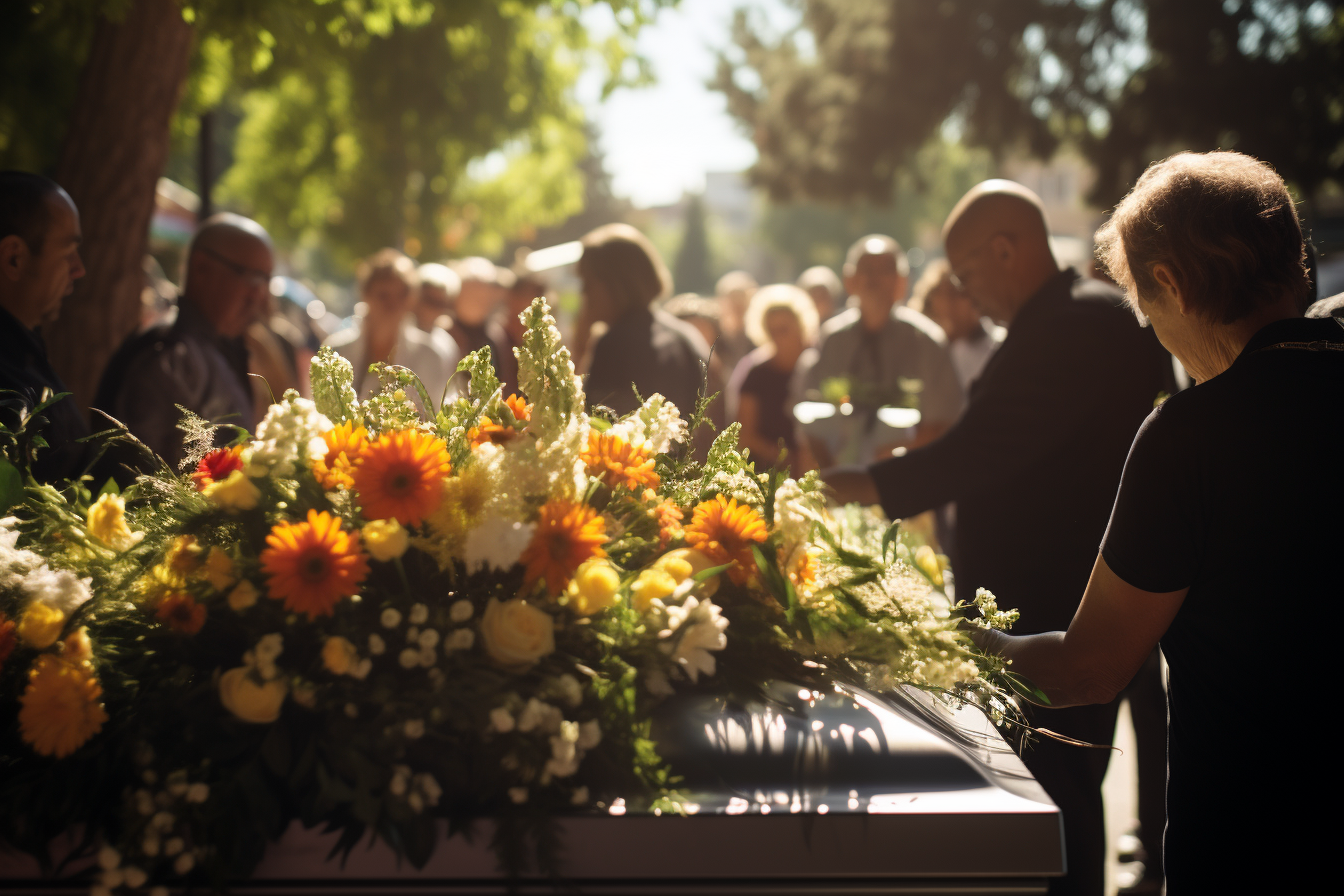
End of life care in Vietnam continues to evolve, with palliative services largely concentrated in the country’s main urban centres — Ho Chi Minh City and Hanoi. No nationwide hospice network exists, and the majority of end of life care expenses must be covered out of pocket or through an international health insurance policy. When a foreign national passes away in Vietnam, the administrative process draws in several authorities, including local police, the People’s Committee, the Immigration Office, and the consulate of the deceased’s home country.
| Item | Details |
|---|---|
| Palliative care availability | Limited; mainly hospital-based in Ho Chi Minh City and Hanoi (as of 2024) |
| Public insurance coverage for end of life care | End of life and community-based palliative care not covered by government health insurance (as of 2024) |
| Euthanasia / assisted dying | Illegal under Vietnamese law |
| Death certificate issuing authority | District- or provincial-level People’s Committee (Justice Office) |
| Estimated burial cost in Vietnam (foreign nationals) | From approx. USD 6,000 (as of 2024, per U.S. Embassy figures) |
| Estimated repatriation cost (body, air shipment) | Approx. USD 12,000–18,000 or more (as of 2024, per U.S. Embassy figures) |
| Repatriation processing time (normal cases) | Five to seven working days before remains can be transported (per U.S. Embassy) |
| Inheritance tax | No dedicated inheritance tax; some asset transfers may attract personal income tax thresholds — verify current rules with a local legal adviser |
What end of life care options are available in Vietnam, and how does the system work?
Vietnam’s healthcare infrastructure is built around a tiered network of public hospitals operating at commune, district, provincial, and central levels, alongside an expanding private sector. Palliative care services first emerged in Vietnam in 2001, though meaningful growth in both provision and training took several more years to materialise, spurred by collaborative partnerships between the Ministry of Health, leading public hospitals, and medical universities. For the majority of expatriates, end of life care will be delivered within a private or internationally oriented hospital setting.
Palliative care education resources remain scarce across much of the country, and the quality of care available to patients approaching the end of life — particularly those with cancer — leaves considerable room for improvement. Cancer is the leading cause of death in Vietnam. While dying at home is widely preferred culturally, there is no organised home hospice programme in place, and access to appropriate treatment often reflects both a patient’s financial means and their geographic location.
Expats in need of specialist end of life care are strongly encouraged to seek out private or international hospitals — especially those operating in Ho Chi Minh City and Hanoi — where English-speaking physicians and palliative-trained clinical staff are more likely to be on hand. Advance planning, including taking out comprehensive international health insurance that covers palliative care and repatriation, is highly advisable.
What is palliative care in Vietnam, and who is eligible for it?
Palliative care gained formal recognition in Vietnam in 2006, when the Ministry of Health published National Guidelines on Palliative Care for People with Cancer and AIDS. These guidelines established a basis for structured palliative services, though access to those services remains inconsistent across regions. Unlike integrated systems such as the NHS in the United Kingdom — where palliative care spans primary, secondary, and community settings — Vietnam’s provision is predominantly confined to hospital environments.
Palliative care has yet to be meaningfully incorporated into primary healthcare at local facility level. End of life services are absent from the list covered by health insurance, no dedicated end of life health policy exists, and healthcare workers have not received adequate training in this area.
In principle, any person with a serious or life-limiting condition — whether a Vietnamese national or a foreign resident — may request palliative care at a hospital equipped to provide it. In practice, access for expatriates is heavily influenced by language capability, geographic proximity to specialist centres, and the capacity to fund private treatment. Expats are advised to approach international hospitals directly to explore available palliative services before an urgent need arises.
Are there hospices in Vietnam, and how do you access them?
Vietnam currently lacks a nationwide network of dedicated freestanding hospices comparable to those found in countries such as the United Kingdom, Australia, or Canada. Despite government encouragement dating back to 2006, only around 13 hospitals or clinics have incorporated palliative care services into their offering. Among these are the HCMC Oncology Hospital, the HCMC University Medical Centre, and Ca Mau General Hospital.
The HCMC University Medical Centre operates a palliative care ward with approximately 30 beds, though widespread home-based treatment has not yet been established. A home-based programme has been running at the HCMC Oncology Hospital since 2011, with comparable models beginning to emerge elsewhere in the country, but overall numbers remain small.
Discussion and advocacy around home hospice models continue to grow in Vietnam. For expatriates, the most accessible path to palliative or hospice-style care is through a private or international hospital with a dedicated palliative unit. Community-based hospice facilities remain extremely limited, even as awareness of the need expands. Given that provision is actively developing, it is worth confirming current availability directly with individual hospitals.
Is palliative or hospice care covered by public health insurance in Vietnam, or does it need to be funded privately?
Community-based palliative care falls outside the scope of government health insurance in Vietnam, making it virtually inaccessible through public channels. Families who opt to care for a terminally ill relative at home face considerable financial pressure. No government funding or insurance mechanism exists to support home-based palliative care, and once a patient leaves hospital, all ongoing medical costs become the family’s responsibility.
Vietnam’s public health insurance scheme (Bảo hiểm y tế) funds a broad range of inpatient hospital treatments, but as of 2024 it does not extend to dedicated end of life or palliative care services, particularly those delivered in community or home settings. Most foreign residents are not enrolled in this public scheme and instead rely on private international health insurance to meet their medical needs.
Expatriates should scrutinise the terms of their international health insurance policy carefully to establish whether palliative care, hospice services, and repatriation of remains are included. Where a deceased person was covered by an international health insurance policy, their insurer may be in a position to assist with repatriation arrangements or local burial and cremation logistics. Policy terms differ substantially between providers, so it is important to review your coverage before you find yourself needing to rely on it.
What legal documents should expats have in place before the end of life in Vietnam — such as a living will, advance directive, power of attorney, or healthcare proxy — and how do these work?
Vietnam has not established a codified legal framework for advance healthcare directives or living wills akin to those found in many other jurisdictions. Nevertheless, expats are strongly encouraged to set down their healthcare wishes in writing. Such documentation can meaningfully guide family members and medical staff — particularly at private hospitals experienced in treating international patients.
A general power of attorney (POA) may be drawn up in Vietnam through a licensed notary, authorising a trusted individual to manage financial and legal affairs on your behalf should you lose capacity. For a POA to be acted upon by Vietnamese institutions and authorities, it must be notarised and, where applicable, translated into Vietnamese by an accredited translator.
Every expatriate with assets in Vietnam or overseas should give serious consideration to preparing a last will and testament. Wills in Vietnam may be executed before a notary office (phòng công chứng) or written as a handwritten holographic will under the Civil Code 2015. Any will addressing assets held in Vietnam should be drafted to comply with Vietnamese law, and engaging a local legal practitioner to ensure compliance is strongly recommended. Keep copies in a secure location and make sure your next of kin and legal representative know where to find them.
Are documents such as advance directives or powers of attorney made in another country legally recognised in Vietnam?
Foreign legal documents, including powers of attorney, may be used in Vietnam but must typically be authenticated — either apostilled or legalised, depending on whether the issuing country is a signatory to the Hague Apostille Convention — and rendered into Vietnamese by an accredited translator. Vietnam acceded to the Hague Convention on the Apostille in 2011, meaning apostilled documents from member states are generally accepted.
That said, the practical recognition of foreign advance healthcare directives in a clinical environment is not guaranteed. Vietnam has no specific legislation that makes foreign advance directives binding on medical practitioners. In practice, private international hospitals may accord significant weight to documented patient preferences, particularly if a family member or legal representative is present to support them — but this reflects hospital policy rather than any enforceable legal obligation.
Expats should consult both a lawyer in their home country and a qualified Vietnamese legal practitioner to ensure that critical documents — especially powers of attorney and wills — are structured in a way that will be enforceable in Vietnam. A document that carries full legal effect in your country of origin should not be assumed to have equivalent standing here.
What are the laws around euthanasia or assisted dying in Vietnam?
Euthanasia and assisted dying in any form are prohibited under Vietnamese law. No legislation exists permitting physician-assisted dying, and research into end of life care preferences among Vietnamese patients has consistently found that active euthanasia attracts the lowest level of acceptance. This reflects both the legal framework and the broader cultural and ethical values prevalent in Vietnamese society.
Medical practitioners in Vietnam are legally and professionally barred from assisting in or contributing to a patient’s death. Palliative sedation and symptom-focused pain management — including the appropriate use of opioids — are permitted and represent the legally and ethically sanctioned approach to alleviating suffering at the end of life. National palliative care clinical guidelines and updates to opioid prescribing regulations have been introduced to help ensure patients receive adequate pain control.
Expatriates from countries where assisted dying is lawfully available should understand that such entitlements do not extend to Vietnam. Anyone for whom this is a significant concern should discuss their wishes with both their family and treating medical team well in advance, focusing on the options that are legally available — including palliative sedation and the withdrawal of life-sustaining treatment.
What are the local customs, traditions, and religious practices around death and dying in Vietnam?
Attitudes towards death and funerary practice in Vietnam are shaped by an intermingling of Buddhism, Taoism, Confucian ethics, and the veneration of ancestors. Buddhism is followed in some form by the majority of Vietnamese people, though Catholicism has a strong presence — Vietnam is home to one of the largest Catholic communities in Asia — alongside other religious traditions including Cao Dai, Hoa Hao, and Protestant Christianity.
Vietnamese Buddhists mostly follow the Mahayana tradition. Within this tradition, the dying process is regarded as a vital stage of preparation for the life to come. Preserving mental clarity as death approaches — so that the person may meditate and reflect — is considered of great importance. This belief can shape family and patient attitudes towards heavy sedation or high doses of pain-relieving medication in the final stages of life.
Family members customarily take a central role in attending to dying relatives, and it is entirely usual for a patient’s final days to be spent surrounded by extended family. The notion of a dignified death is closely bound up with the presence of loved ones and dying within one’s own home. After death, the body is typically prepared and laid out at home or in a mortuary, with prayers, burning of incense, and chanting by monks or other religious figures forming part of the customary observances.
Traditional funeral ceremonies frequently extend across several days, and mourning practices differ by family and religious background. White is the traditional colour of mourning in Vietnam, and guests attending a funeral are generally expected to dress simply and without ostentation. Expatriates who attend a Vietnamese funeral should take their cues from the family, accept that the customs may differ considerably from those of their own background, and demonstrate respect through quiet observation and deference to established practice.
What must you do when someone dies in Vietnam? Who do you notify, how quickly, and in what order?
The steps below are applicable to the death of a foreign national in Vietnam. It is essential to act promptly and in the correct sequence, as Vietnamese law mandates that various notifications be completed before burial, cremation, or repatriation can proceed. Enlisting a local funeral services company that has experience handling deaths involving foreign nationals is strongly advisable.
- Call for emergency services and notify local police. In the event of the death at home of a family member, friend, or relative in Vietnam, the first thing to do is to call an ambulance and contact the nearest police station. If the death occurs in a hospital, the hospital will manage initial notification of the death.
- Obtain a declaration or report of death. If the person died at a hospital, the hospital will issue a report of death. When the death occurs at a private residence, a family member must present the declaration of death to be verified and sealed by the ward police.
- Take the body to a licensed morgue or hospital. After the death has been recorded by the police, the body is taken to a hospital licensed to treat foreigners, and then placed in a morgue pending funeral or shipment arrangements.
- Notify your home country’s embassy or consulate. Contact your consulate as soon as possible. Under Vietnamese law, the family should contact the embassy or consulate to obtain a Diplomatic Note detailing the family’s request regarding the disposition of remains (burial, cremation, or shipment).
- Notify the Vietnamese Immigration Office. The local Vietnamese Immigration Office must also be informed of the death of a foreign citizen. This is a legal requirement before any further arrangements can proceed.
- Obtain the Vietnamese Death Certificate. The report of death or statement/declaration of death is presented to the Justice Office of the District or Provincial People’s Committee to obtain the Vietnamese Death Certificate.
- Apply for a burial, cremation, or repatriation permit. The Diplomatic Note from the consulate is sent to the local government External Relations Office (ERO), and a permit for burial or cremation is then issued by the authorities. If repatriation is intended, additional permits are required (see the repatriation section below).
- Arrange funeral services and disposition of remains. Once all permits are in place, a licensed funeral company can proceed with burial, cremation, or preparation of remains for repatriation. Normal cases require five to seven working days before remains can be transported.
How is a death officially registered in Vietnam, and what documents are needed?
The registration of a death that involves foreign elements is treated as a special administrative procedure, formally recording a death connected to international circumstances. This encompasses situations where the deceased was a foreign national, a Vietnamese person ordinarily resident abroad, or someone who died outside Vietnam but held Vietnamese citizenship.
Those responsible for registering a death must submit declarations in the prescribed form, along with a death notice or equivalent substitute document, to the relevant civil status registration authority. For a foreign national, this process takes place at the district-level People’s Committee. Where the deceased was a foreign citizen or a Vietnamese national residing abroad, death registration falls under the jurisdiction of the People’s Committee of the last district in which they lived.
An application for death registration must contain the following information: the deceased’s full name, year of birth, and personal identification number if applicable; the place of death; the cause of death; the date and time of death according to the solar calendar; and nationality, if the deceased was a foreign national. Supporting documents required include the original death notice or hospital report, the deceased’s passport, and the police-verified declaration where death occurred outside a hospital setting.
Following registration, the district-level People’s Committee issues a written notice accompanied by a civil status extract to the Ministry of Foreign Affairs, which in turn notifies the relevant authority in the deceased’s home country. In certain circumstances, applications may be submitted through the National Public Service Portal. Engaging a local lawyer or working through the consulate to navigate the registration process is advisable.
What happens if a foreign national dies in Vietnam — what are the specific steps for notifying their home country’s embassy or consulate, and what role does the consulate play?
The consulate of the deceased’s home country serves as an indispensable point of contact whenever a foreign national dies in Vietnam. Notification should be made as early as possible — ideally on the same day the death occurs. Most embassies and consulates maintain emergency out-of-hours contact lines specifically to handle situations such as the death of a citizen abroad.
A local embassy or consulate can provide meaningful assistance in organising the repatriation of a deceased person to their home country. Consular staff can help with the required paperwork, engage with Vietnamese authorities on procedural matters, and support arrangements for transporting the body. Local funeral providers are also able to assist with repatriation logistics.
The consulate’s role typically encompasses: issuing a Diplomatic Note setting out the family’s wishes regarding the disposition of remains; liaising with Vietnamese authorities on matters such as autopsy waivers; issuing a Consular Report of Death Abroad — or its national equivalent — once the Vietnamese death certificate has been produced; and supplying families with contact details for reputable local funeral directors and legal advisers. A Consular Report of Death Abroad can only be issued after the local authorities have formally issued the official Vietnamese death certificate.
The Justice Department forwards a copy of the death certificate to the Consulate Department of the Ministry of Foreign Affairs, which subsequently notifies the deceased’s home-country consulate. However, families should not wait for this official channel to reach out — contact the consulate immediately and take a proactive approach from the outset.
How are funerals typically arranged in Vietnam, and what are the usual options for burial or cremation?
Funerals in Vietnam are organised through private funeral service companies, which oversee everything from preparation of the body through to conducting the ceremony itself. In major cities — including Ho Chi Minh City, Hanoi, and Da Nang — funeral providers exist with established experience in managing the remains of foreign nationals. Local funeral services in both Hanoi and Ho Chi Minh City are equipped to assist with the relevant permits and practical logistics.
Both burial and cremation are available options for foreign nationals in Vietnam. Cremation tends to be less costly and logistically more manageable when the family plans to repatriate the remains. Burial at a local cemetery is permissible but requires local government approval, and availability of cemetery land in major urban areas can be constrained. Catholic and other religiously affiliated cemeteries exist in Vietnam and may be of particular relevance to some families. A burial or cremation permit must be secured from the relevant authorities before any disposition of the remains may take place.
Under Vietnamese law, the family is required to obtain a Diplomatic Note from their consulate specifying their intentions regarding the disposition of the remains — whether that means burial, cremation, or repatriation. Where a death has occurred under suspicious circumstances, an autopsy is required for foreigners who die in such conditions or from unknown causes; however, the family may apply for the autopsy to be waived. To do so, the embassy or consulate must submit a Diplomatic Note to Vietnamese authorities, following which the authorities will issue the relevant burial or cremation permit.
What are the approximate costs of a funeral in Vietnam, and are there any state or insurance-based funds that can help cover them?
Funeral costs in Vietnam are subject to considerable variation depending on the nature of the service, the location, and whether the deceased is a foreign national. Expenses for foreign nationals are generally higher than those incurred for Vietnamese citizens, owing to the additional administrative and logistical steps involved.
| Service | Estimated Cost (USD) |
|---|---|
| Preparation and burial in Vietnam | From approx. USD 6,000 |
| Cremation and disposition of ashes in Vietnam | From approx. USD 3,500 |
| Preparation, embalming, and air shipment of body | USD 12,000–18,000 or more |
| Preparation, cremation, and air shipment of ashes | USD 3,500–8,000 |
The estimated cost of preparing and burying a foreign national in Vietnam begins at approximately USD 6,000 and may climb higher depending on the locality and specific requirements. Where the next of kin decides to have the remains returned to the deceased’s home country, costs rise considerably — the high price of air freight and embalming means that repatriation is estimated to cost between USD 12,000 and USD 18,000 or more, depending on the airline and the range of services engaged from the funeral provider.
No state funeral grant or comparable benefit exists for foreign nationals in Vietnam. Vietnamese citizens may qualify for some social support in specific circumstances, but expatriates should not anticipate any public funding contribution towards these costs. If the deceased held an international health insurance policy at the time of their death, the insurer may be able to contribute to repatriation or local funeral expenses. It is important to review your policy’s specific terms before you travel or relocate. Some insurers also offer standalone repatriation plans, which can represent a cost-effective safety net for expats living in a country where repatriation carries a high price tag.
What is the process for repatriating the remains of a foreign national from Vietnam to another country?
Repatriation — returning a deceased person’s remains to their home country — is a multi-stage process that brings together Vietnamese authorities, the deceased’s home-country consulate, a licensed Vietnamese funeral director, and the receiving country’s own entry requirements for human remains. In standard cases, five to seven working days must pass before the remains can be transported. Where circumstances are complex — particularly when a suspicious death requires autopsy — the timeline may extend significantly.
- Obtain the Vietnamese Death Certificate from the district- or provincial-level People’s Committee.
- If the body is to be shipped abroad, the next of kin or a legal representative must obtain a Quarantine Permit for Exportation of Corpse from the Service of Health of Hanoi or Ho Chi Minh City.
- Gather the other required documentation: a Declaration of Death (produced by the Service of Health); a Health Quarantine Certificate of Corpse, Bones, and Body Ash; and a Record of Corpse Embalming (from the Forensic Medical Centre / Service of Health).
- Contact the consulate of the deceased’s home country to obtain the Diplomatic Note required by Vietnamese authorities, and to receive your home country’s Consular Report of Death Abroad.
- Arrange embalming and preparation of the body by a licensed local funeral provider. International transportation requires the body to be in a sealed, zinc-lined coffin meeting international air cargo standards.
- Book cargo transportation with an airline that accepts human remains. A specialist international funeral service company or repatriation agency can manage this process on your behalf.
- Comply with the receiving country’s import requirements for human remains. These vary by country and may include additional health certificates or customs documentation.
The home-country embassy or consulate can provide invaluable support throughout this process — assisting with paperwork, engaging with Vietnamese authorities to smooth exit requirements, and helping coordinate transport of the body. Families should also confirm whether the deceased’s insurance policy includes repatriation coverage, as this can substantially ease the financial burden.
What happens to the estate of someone who dies in Vietnam — how does probate or estate administration work, and are there inheritance taxes?
Vietnam does not operate a formal probate system in the manner familiar to common-law countries such as the United Kingdom, Australia, or Canada. Estate administration is instead governed by the Civil Code 2015 and associated legislation. Where a valid will is in existence, assets are distributed in accordance with its provisions. Where no will exists, or where the will does not address all assets, the statutory intestacy rules come into effect (see the following section).
For foreign nationals with assets situated in Vietnam — such as property held under long-term leases, bank accounts, or business interests — those assets must be administered in accordance with Vietnamese law. A Vietnamese notary or court may need to be involved, and all relevant documents must be translated into Vietnamese. Heirs are advised to instruct a Vietnamese lawyer to guide them through this process.
Vietnam does not impose a dedicated inheritance tax. However, certain transfers of assets upon death may attract personal income tax for the recipient — particularly where the value of inherited assets exceeds the threshold set by the Law on Personal Income Tax. As of 2024, inherited property or assets with a value exceeding VND 10 million may be subject to a personal income tax rate of 10% for the recipient. Current thresholds and rates should be verified with a qualified Vietnamese tax adviser, as these are subject to change. Expats should also seek advice from advisers in both Vietnam and their home country regarding the tax treatment of assets in each jurisdiction, since double taxation arrangements — or the absence of them — will affect the overall position.
If an expat dies without a will in Vietnam, what happens to their assets under local intestacy laws?
When a person dies intestate — meaning without a valid will — in Vietnam, their estate is distributed according to the succession rules contained in the Civil Code 2015. Assets are allocated among defined classes of heirs based on family relationship, with each successive class only inheriting if no living heirs exist in the class above it.
The classes of heirs under Vietnamese intestacy law are as follows:
- Class 1: Spouse, biological parents, adoptive parents, biological children, and adopted children of the deceased.
- Class 2: Grandparents (both sides), full siblings of the deceased.
- Class 3: Great-grandparents, full uncles and aunts, and full nieces and nephews.
Heirs within the same class divide the estate in equal shares. If no surviving legal heirs can be identified in any class, the estate passes to the state. For expatriates, the intestacy rules of Vietnam govern assets located within the country, while assets held elsewhere are typically subject to the laws of those respective jurisdictions. Cross-border estate matters can become extraordinarily complicated in the absence of a properly drafted will that takes an international perspective.
Expatriates should be especially mindful that unmarried partners — regardless of how long the relationship has lasted — carry no automatic inheritance entitlement under Vietnamese law. Unless a will explicitly names a partner as a beneficiary, they may receive nothing from the Vietnamese estate. Formalising your intentions through a properly notarised will is therefore of particular importance for expats living in Vietnam.
Frequently asked questions
Is international health insurance accepted by hospitals providing palliative care in Vietnam?
Leading private and international hospitals in Ho Chi Minh City and Hanoi typically work alongside international health insurers, but it is vital to confirm that your specific insurer has a direct billing arrangement with the hospital in question. Where no direct billing agreement exists, you may be required to pay the full cost upfront and later seek reimbursement. Always establish whether your policy explicitly includes palliative care, as some plans exclude it entirely or apply financial sub-limits. Contact your insurer before any crisis develops so that you fully understand the extent of your coverage.
Are documents in foreign languages valid in Vietnam for medical and legal purposes?
Documents issued in any language other than Vietnamese must ordinarily be rendered into Vietnamese by an accredited translator and notarised before Vietnamese authorities, hospitals, or courts will accept them. This requirement applies to powers of attorney, wills, advance directives, and other legal documents that originated in another country. It is advisable to prepare both the original document and a certified Vietnamese translation well before any situation arises in which they may be needed.
How long does the process of repatriating remains from Vietnam typically take?
In standard cases, five to seven working days must elapse before remains can be transported. This timeline presupposes that no complications arise — such as a suspicious death necessitating autopsy, incomplete documentation, or public holidays interrupting the process. In practice, families should allow for a total of one to two weeks from the date of death to the point of departure, and should be prepared for this to extend further in more complex situations. Working with a specialist international funeral or repatriation company can considerably improve the efficiency of the process.
What support is available to bereaved family members in Vietnam?
Vietnam does not offer a state-funded bereavement counselling or support service for foreign nationals. Private counselling is available in the main cities — particularly Ho Chi Minh City and Hanoi — and some international hospitals employ social workers or pastoral care professionals who can offer initial guidance and emotional support. The deceased’s home-country consulate may be able to suggest referrals to appropriate services. Certain international employers also provide Employee Assistance Programmes (EAPs) that include counselling components. For many, meaningful comfort can also be found through Vietnam’s local community and Buddhist temple networks.
Can a foreign will be used to administer an estate in Vietnam?
A will prepared in another country may be recognised in Vietnam with respect to assets held there, but it must first be authenticated — apostilled or legalised as appropriate — translated into Vietnamese, and accepted by Vietnamese authorities. This is not always a straightforward process. To minimise potential complications, expatriates with assets in Vietnam are best advised to have a separate Vietnamese will or codicil addressing those assets specifically, drafted to comply with Vietnamese law and notarised in Vietnam. Advice from a Vietnamese lawyer with cross-border estate experience is essential.
Is autopsy mandatory for foreign nationals who die in Vietnam?
Autopsies are conducted at the direction of the Vietnamese government and are frequently carried out when a foreigner dies under suspicious circumstances or from an undetermined cause. In some cases, the family may apply for the autopsy to be waived, and the deceased’s consulate can facilitate this by submitting a Diplomatic Note to the relevant Vietnamese authorities requesting the waiver. The Vietnamese government is under no obligation to disclose the results of an autopsy to the family.
Does Vietnam have any specific rules about where foreign nationals can be buried?
Foreign nationals may be buried or cremated in Vietnam, provided the necessary permits are obtained beforehand. Burial at local cemeteries is an option, though the availability of plots varies between cities and provinces. Religiously affiliated cemeteries — including Catholic cemeteries — may be accessible depending on the location. Cremation is generally the more straightforward route for foreigners, particularly when the family intends to eventually repatriate the ashes. Specific requirements should always be confirmed with the local People’s Committee and the relevant consulate.
What happens to a foreign national’s Vietnamese bank accounts and property lease when they die?
Bank accounts held in Vietnam in the name of the deceased are typically frozen once the relevant authorities are notified of the death. Heirs wishing to access these funds must demonstrate their entitlement through appropriate legal documentation — such as a notarised will or an official heirship certificate issued by a Vietnamese notary. Foreign nationals in Vietnam generally hold property rights through long-term land use right certificates or through condominium apartment ownership rights made available to foreigners under the Housing Law 2014 and its subsequent amendments. These rights form part of the deceased’s estate and must be transferred through the Vietnamese legal system. Engaging a Vietnamese lawyer promptly is important, as delays can compound the complexity of the administration process.